

Benguela
About Benguela
Description
Benguela stands as one of Angola's most significant coastal cities, sprawling along the Atlantic Ocean in the western reaches of this Southern African nation. This provincial capital has carved out its identity through centuries of maritime trade, colonial architecture, and a population that now exceeds half a million residents. The city exists at an interesting crossroads between Angola's complex past and its evolving present, offering travelers a glimpse into authentic Angolan urban life far removed from the well-trodden tourist circuits of other African destinations. When I first learned about Benguela, I was struck by how little coverage this substantial city receives in mainstream travel media. And that's actually part of its charm. You won't find hordes of tourists clogging up viewpoints or instagrammable spots here. What you will discover is a working city where daily life unfolds with an authenticity that's becoming increasingly rare in our globalized world. The coastal location provides the city with a strategic advantage that has defined its character since Portuguese colonizers established it as a trading post centuries ago. The urban landscape reflects multiple layers of history. Colonial-era buildings with their distinctive architecture stand alongside modern developments, creating a visual timeline of Angola's journey through time. The Atlantic Ocean provides both a livelihood for many residents and a scenic backdrop that reminds visitors why coastal cities have such magnetic appeal. Fishing remains an integral part of the local economy, and watching the daily rhythm of boats departing and returning offers insight into how communities sustain themselves beyond tourism. What makes Benguela particularly interesting for travelers is its position as a genuine Angolan city rather than a destination shaped primarily by outside visitors. The experiences here feel unfiltered and real. Markets bustle with local commerce, restaurants serve food for Angolans rather than adapting to foreign palates, and interactions carry the weight of cultural exchange rather than transactional tourism. This isn't always comfortable or easy, but it's undeniably authentic.Key Features
The features that define Benguela extend beyond simple attractions into the fabric of what makes the city function and feel distinctive: • A substantial population of over 555,000 residents creates an urban energy that contrasts sharply with smaller Angolan towns, providing visitors with access to better infrastructure and services while maintaining local character • Coastal positioning along the Atlantic Ocean delivers magnificent ocean views, fresh seafood, and maritime culture that permeates daily life throughout the city • Colonial Portuguese architecture scattered throughout the urban center tells stories of Angola's complex historical relationship with European powers and provides photographers with compelling subjects • Active fishing industry that you can observe firsthand, from the departure of boats in early morning hours to the afternoon fish markets where catches are sold and processed • Provincial capital status means government buildings, cultural institutions, and administrative centers that give the city a sense of importance within Angola's national structure • Less commercialized tourism scene allows for more authentic interactions with locals who aren't jaded by constant tourist presence or primarily viewing visitors as income sources • Strategic location makes Benguela a potential base for exploring the broader Benguela Province, with its varied landscapes and smaller communities • Urban markets where traditional commerce happens in ways that haven't been sanitized for tourist consumption, offering genuine glimpses into how people shop, bargain, and socialize • Waterfront areas where locals gather for leisure, providing opportunities to observe social customs and community interactions in relaxed settings • Growing modern infrastructure demonstrates Angola's post-civil war development, creating an interesting contrast with older neighborhoods and historical sitesBest Time to Visit
Timing your visit to Benguela requires understanding Angola's climatic patterns and how they affect the coastal region. The city experiences what meteorologists call a hot semi-arid climate, which basically means it's warm year-round with limited rainfall. But there's nuance here that matters for travelers. The cooler months from May through September represent the most comfortable period for visitors from temperate climates. During this time, temperatures remain pleasant without the intense heat that characterizes other parts of the year. The Benguela Current, a cold ocean current flowing northward along Angola's coast, actually moderates temperatures and creates somewhat cooler conditions than you might expect for a tropical coastal city. I find this particularly interesting because it defies assumptions people often make about African coastal destinations. December through March brings warmer temperatures and the highest likelihood of rainfall, though Benguela doesn't receive enormous precipitation even during its wet season. If you don't mind occasional showers and prefer fewer visitors, this period might actually work in your favor. The landscape looks greener, and the slight drop in tourist numbers (already modest compared to major African destinations) means even more authentic experiences. One consideration that guidebooks often overlook is the fishing season and how it affects the city's rhythm. When catches are most abundant, markets overflow with seafood and the waterfront buzzes with activity. Local festivals and cultural events also cluster around certain times of year, though Angola's tourism infrastructure doesn't always publicize these effectively in advance. Honestly, Benguela doesn't experience the dramatic seasonal tourism fluctuations of places like European beach towns. The city functions primarily for its residents year-round, which means whenever you arrive, you're stepping into a living city rather than a seasonal tourist destination. That consistency has its advantages for travelers seeking authentic experiences.How to Get There
Getting to Benguela requires some planning since Angola's tourism infrastructure continues developing and the country hasn't yet achieved the accessibility of more established African destinations. But it's absolutely doable with proper preparation. Most international travelers will first arrive in Luanda, Angola's capital, which handles the majority of international flights. From Luanda, you have several options for reaching Benguela, each with distinct advantages and challenges. The most straightforward approach involves booking a domestic flight. TAAG Angola Airlines operates regular flights between Luanda and Benguela, with flight times around one hour. This option saves considerable time compared to ground transportation and provides aerial views of Angola's varied landscapes. Road travel from Luanda to Benguela covers approximately 650 kilometers and takes anywhere from eight to twelve hours depending on road conditions, vehicle type, and your driving style. The road infrastructure has improved significantly in recent years as Angola invests in connecting its major cities. However, this journey shouldn't be undertaken lightly. You'll want a reliable vehicle, preferably a 4x4, and ideally travel during daylight hours. The route does offer opportunities to see parts of Angola that fly-over passengers miss entirely, and for travelers who value the journey as much as the destination, this can be rewarding. Some travelers arrange private drivers or join organized transport services that run between major Angolan cities. This removes the stress of navigation and vehicle reliability while still providing ground-level perspectives on the country. Visa requirements for Angola can be complex depending on your nationality, and you'll need to sort this out well before your trip. The Angolan bureaucracy doesn't move quickly, so giving yourself plenty of lead time prevents last-minute complications. Your embassy or consulate can provide current requirements, which do change periodically. Once you arrive in Benguela, getting around the city itself involves taxis, informal shared vans called candongueiros, or rental vehicles if you've arranged that. The city's size means walking isn't always practical for covering longer distances, especially in the heat.Tips for Visiting
Visiting Benguela successfully requires preparation and mindset adjustments, especially if your previous travels focused on more tourism-oriented destinations. These practical insights come from understanding how the city actually functions rather than how we might wish it functioned. First and absolutely most important is the language situation. Portuguese serves as Angola's official language and dominates communication in Benguela. English speakers are relatively rare outside of international hotels and certain business contexts. Learning basic Portuguese phrases before arrival isn't just helpful, it's practically essential. Your interactions will improve dramatically when you can handle simple greetings, questions, and transactions in the local language. And locals genuinely appreciate the effort, even if your pronunciation makes them smile. Currency matters more in Angola than in countries with well-established tourist infrastructure. The Angolan kwanza is the local currency, and you'll need cash for most transactions outside of upscale hotels. ATMs exist but don't always function reliably, so carrying sufficient cash (obtained through legitimate exchange channels) prevents frustrating situations. Credit card acceptance remains limited, particularly in markets, smaller restaurants, and local shops. Safety awareness should guide your behavior without paralyzing you with fear. Benguela is generally safer than Angola's reputation might suggest, but it's still a city where petty crime occurs. Keep valuables secure, avoid displaying expensive electronics unnecessarily, and be aware of your surroundings, especially after dark. Ask locals or hotel staff about which areas to avoid and actually listen to their advice. Accommodation options range from basic guesthouses to international-standard hotels, though Benguela doesn't offer the accommodation variety of major tourist cities. Book in advance when possible, and be prepared for prices that might seem high relative to the amenities provided. Angola's cost of living for expatriates and visitors remains relatively expensive due to the country's economic structure. Photography requires sensitivity. While scenic shots are generally fine, avoid photographing government buildings, military installations, or individuals without permission. The latter especially applies in markets and residential areas where people might reasonably object to becoming subjects in your travel photos without consent. When in doubt, ask first. Food and water safety follows standard developing-world precautions. Stick to bottled water, be cautious with raw foods, and eat at establishments that appear clean and busy with local customers. The seafood in Benguela can be excellent when properly prepared, so don't let excessive caution prevent you from trying local specialties. Healthcare facilities exist in Benguela but may not meet the standards travelers from developed countries expect. Carry a well-stocked first aid kit, any prescription medications you need, and comprehensive travel insurance that covers medical evacuation. Minor health issues you'd handle casually at home deserve more attention when you're far from familiar medical systems. Cultural respect goes beyond simple politeness. Angola is a conservative society in many ways, and visitors should dress modestly, especially outside of beach areas. Public displays of affection should be minimal. Religious and social customs may differ from what you're accustomed to, and observing before participating prevents awkward situations. Internet connectivity has improved but remains less reliable than in more developed countries. Don't count on constant high-speed access, and inform friends and family that communication might be intermittent. This digital disconnection can actually enhance your travel experience if you embrace it rather than fight it. Finally, approach Benguela with realistic expectations and genuine curiosity. This isn't a destination that will cater to your every comfort or make things easy. It will, however, provide authentic experiences and memories that differ substantially from mainstream tourism. The effort required to visit successfully becomes part of the story you'll tell afterwards, and honestly, that's part of what makes travel meaningful rather than just pleasant.Key Features
- Seafood-forward menu with local Atlantic fish and prawns
- Portuguese-Angolan flavor fusion
- Casual yet elegant dining atmosphere
- Central location in Benguela city near colonial architecture
- Friendly, communal service popular with families and travelers
More Details
Updated March 30, 2026
Description
Benguela stands as one of Angola’s most significant coastal cities, sprawling along the Atlantic Ocean in the western reaches of this Southern African nation. This provincial capital has carved out its identity through centuries of maritime trade, colonial architecture, and a population that now exceeds half a million residents. The city exists at an interesting crossroads between Angola’s complex past and its evolving present, offering travelers a glimpse into authentic Angolan urban life far removed from the well-trodden tourist circuits of other African destinations.
When I first learned about Benguela, I was struck by how little coverage this substantial city receives in mainstream travel media. And that’s actually part of its charm. You won’t find hordes of tourists clogging up viewpoints or instagrammable spots here. What you will discover is a working city where daily life unfolds with an authenticity that’s becoming increasingly rare in our globalized world. The coastal location provides the city with a strategic advantage that has defined its character since Portuguese colonizers established it as a trading post centuries ago.
The urban landscape reflects multiple layers of history. Colonial-era buildings with their distinctive architecture stand alongside modern developments, creating a visual timeline of Angola’s journey through time. The Atlantic Ocean provides both a livelihood for many residents and a scenic backdrop that reminds visitors why coastal cities have such magnetic appeal. Fishing remains an integral part of the local economy, and watching the daily rhythm of boats departing and returning offers insight into how communities sustain themselves beyond tourism.
What makes Benguela particularly interesting for travelers is its position as a genuine Angolan city rather than a destination shaped primarily by outside visitors. The experiences here feel unfiltered and real. Markets bustle with local commerce, restaurants serve food for Angolans rather than adapting to foreign palates, and interactions carry the weight of cultural exchange rather than transactional tourism. This isn’t always comfortable or easy, but it’s undeniably authentic.
Key Features
The features that define Benguela extend beyond simple attractions into the fabric of what makes the city function and feel distinctive:
• A substantial population of over 555,000 residents creates an urban energy that contrasts sharply with smaller Angolan towns, providing visitors with access to better infrastructure and services while maintaining local character
• Coastal positioning along the Atlantic Ocean delivers magnificent ocean views, fresh seafood, and maritime culture that permeates daily life throughout the city
• Colonial Portuguese architecture scattered throughout the urban center tells stories of Angola’s complex historical relationship with European powers and provides photographers with compelling subjects
• Active fishing industry that you can observe firsthand, from the departure of boats in early morning hours to the afternoon fish markets where catches are sold and processed
• Provincial capital status means government buildings, cultural institutions, and administrative centers that give the city a sense of importance within Angola’s national structure
• Less commercialized tourism scene allows for more authentic interactions with locals who aren’t jaded by constant tourist presence or primarily viewing visitors as income sources
• Strategic location makes Benguela a potential base for exploring the broader Benguela Province, with its varied landscapes and smaller communities
• Urban markets where traditional commerce happens in ways that haven’t been sanitized for tourist consumption, offering genuine glimpses into how people shop, bargain, and socialize
• Waterfront areas where locals gather for leisure, providing opportunities to observe social customs and community interactions in relaxed settings
• Growing modern infrastructure demonstrates Angola’s post-civil war development, creating an interesting contrast with older neighborhoods and historical sites
Best Time to Visit
Timing your visit to Benguela requires understanding Angola’s climatic patterns and how they affect the coastal region. The city experiences what meteorologists call a hot semi-arid climate, which basically means it’s warm year-round with limited rainfall. But there’s nuance here that matters for travelers.
The cooler months from May through September represent the most comfortable period for visitors from temperate climates. During this time, temperatures remain pleasant without the intense heat that characterizes other parts of the year. The Benguela Current, a cold ocean current flowing northward along Angola’s coast, actually moderates temperatures and creates somewhat cooler conditions than you might expect for a tropical coastal city. I find this particularly interesting because it defies assumptions people often make about African coastal destinations.
December through March brings warmer temperatures and the highest likelihood of rainfall, though Benguela doesn’t receive enormous precipitation even during its wet season. If you don’t mind occasional showers and prefer fewer visitors, this period might actually work in your favor. The landscape looks greener, and the slight drop in tourist numbers (already modest compared to major African destinations) means even more authentic experiences.
One consideration that guidebooks often overlook is the fishing season and how it affects the city’s rhythm. When catches are most abundant, markets overflow with seafood and the waterfront buzzes with activity. Local festivals and cultural events also cluster around certain times of year, though Angola’s tourism infrastructure doesn’t always publicize these effectively in advance.
Honestly, Benguela doesn’t experience the dramatic seasonal tourism fluctuations of places like European beach towns. The city functions primarily for its residents year-round, which means whenever you arrive, you’re stepping into a living city rather than a seasonal tourist destination. That consistency has its advantages for travelers seeking authentic experiences.
How to Get There
Getting to Benguela requires some planning since Angola’s tourism infrastructure continues developing and the country hasn’t yet achieved the accessibility of more established African destinations. But it’s absolutely doable with proper preparation.
Most international travelers will first arrive in Luanda, Angola’s capital, which handles the majority of international flights. From Luanda, you have several options for reaching Benguela, each with distinct advantages and challenges. The most straightforward approach involves booking a domestic flight. TAAG Angola Airlines operates regular flights between Luanda and Benguela, with flight times around one hour. This option saves considerable time compared to ground transportation and provides aerial views of Angola’s varied landscapes.
Road travel from Luanda to Benguela covers approximately 650 kilometers and takes anywhere from eight to twelve hours depending on road conditions, vehicle type, and your driving style. The road infrastructure has improved significantly in recent years as Angola invests in connecting its major cities. However, this journey shouldn’t be undertaken lightly. You’ll want a reliable vehicle, preferably a 4×4, and ideally travel during daylight hours. The route does offer opportunities to see parts of Angola that fly-over passengers miss entirely, and for travelers who value the journey as much as the destination, this can be rewarding.
Some travelers arrange private drivers or join organized transport services that run between major Angolan cities. This removes the stress of navigation and vehicle reliability while still providing ground-level perspectives on the country.
Visa requirements for Angola can be complex depending on your nationality, and you’ll need to sort this out well before your trip. The Angolan bureaucracy doesn’t move quickly, so giving yourself plenty of lead time prevents last-minute complications. Your embassy or consulate can provide current requirements, which do change periodically.
Once you arrive in Benguela, getting around the city itself involves taxis, informal shared vans called candongueiros, or rental vehicles if you’ve arranged that. The city’s size means walking isn’t always practical for covering longer distances, especially in the heat.
Tips for Visiting
Visiting Benguela successfully requires preparation and mindset adjustments, especially if your previous travels focused on more tourism-oriented destinations. These practical insights come from understanding how the city actually functions rather than how we might wish it functioned.
First and absolutely most important is the language situation. Portuguese serves as Angola’s official language and dominates communication in Benguela. English speakers are relatively rare outside of international hotels and certain business contexts. Learning basic Portuguese phrases before arrival isn’t just helpful, it’s practically essential. Your interactions will improve dramatically when you can handle simple greetings, questions, and transactions in the local language. And locals genuinely appreciate the effort, even if your pronunciation makes them smile.
Currency matters more in Angola than in countries with well-established tourist infrastructure. The Angolan kwanza is the local currency, and you’ll need cash for most transactions outside of upscale hotels. ATMs exist but don’t always function reliably, so carrying sufficient cash (obtained through legitimate exchange channels) prevents frustrating situations. Credit card acceptance remains limited, particularly in markets, smaller restaurants, and local shops.
Safety awareness should guide your behavior without paralyzing you with fear. Benguela is generally safer than Angola’s reputation might suggest, but it’s still a city where petty crime occurs. Keep valuables secure, avoid displaying expensive electronics unnecessarily, and be aware of your surroundings, especially after dark. Ask locals or hotel staff about which areas to avoid and actually listen to their advice.
Accommodation options range from basic guesthouses to international-standard hotels, though Benguela doesn’t offer the accommodation variety of major tourist cities. Book in advance when possible, and be prepared for prices that might seem high relative to the amenities provided. Angola’s cost of living for expatriates and visitors remains relatively expensive due to the country’s economic structure.
Photography requires sensitivity. While scenic shots are generally fine, avoid photographing government buildings, military installations, or individuals without permission. The latter especially applies in markets and residential areas where people might reasonably object to becoming subjects in your travel photos without consent. When in doubt, ask first.
Food and water safety follows standard developing-world precautions. Stick to bottled water, be cautious with raw foods, and eat at establishments that appear clean and busy with local customers. The seafood in Benguela can be excellent when properly prepared, so don’t let excessive caution prevent you from trying local specialties.
Healthcare facilities exist in Benguela but may not meet the standards travelers from developed countries expect. Carry a well-stocked first aid kit, any prescription medications you need, and comprehensive travel insurance that covers medical evacuation. Minor health issues you’d handle casually at home deserve more attention when you’re far from familiar medical systems.
Cultural respect goes beyond simple politeness. Angola is a conservative society in many ways, and visitors should dress modestly, especially outside of beach areas. Public displays of affection should be minimal. Religious and social customs may differ from what you’re accustomed to, and observing before participating prevents awkward situations.
Internet connectivity has improved but remains less reliable than in more developed countries. Don’t count on constant high-speed access, and inform friends and family that communication might be intermittent. This digital disconnection can actually enhance your travel experience if you embrace it rather than fight it.
Finally, approach Benguela with realistic expectations and genuine curiosity. This isn’t a destination that will cater to your every comfort or make things easy. It will, however, provide authentic experiences and memories that differ substantially from mainstream tourism. The effort required to visit successfully becomes part of the story you’ll tell afterwards, and honestly, that’s part of what makes travel meaningful rather than just pleasant.
Key Highlights
- Seafood-forward menu with local Atlantic fish and prawns
- Portuguese-Angolan flavor fusion
- Casual yet elegant dining atmosphere
- Central location in Benguela city near colonial architecture
- Friendly, communal service popular with families and travelers
Location
Places to Stay Near Benguela
Find and Book a Tour
Explore More Travel Guides
No reviews found! Be the first to review!
Benguela is a prominent Food & Drink located in Benguela.
Visit us at: Benguela, Angola.
Traveler Reviews for Benguela
There are no reviews yet. Be the first one to write one.
Have you visited Benguela? Help other travelers by sharing your review.
Nearby Attractions
You Might Also Like

Praia da Caotinha
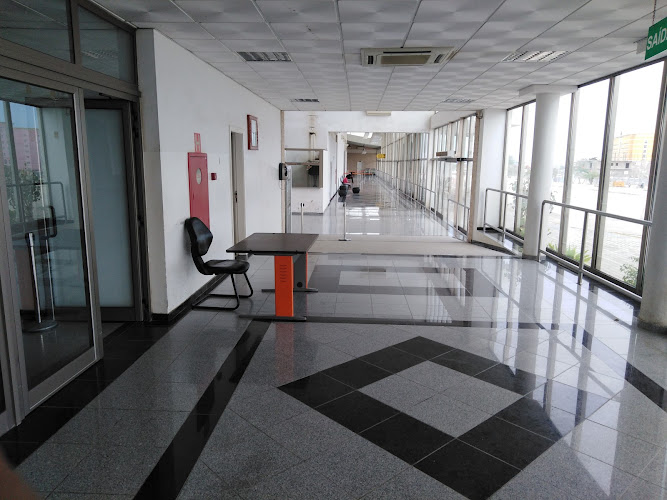
Tombosy Outdoor - Aeroporto 17 De Setembro
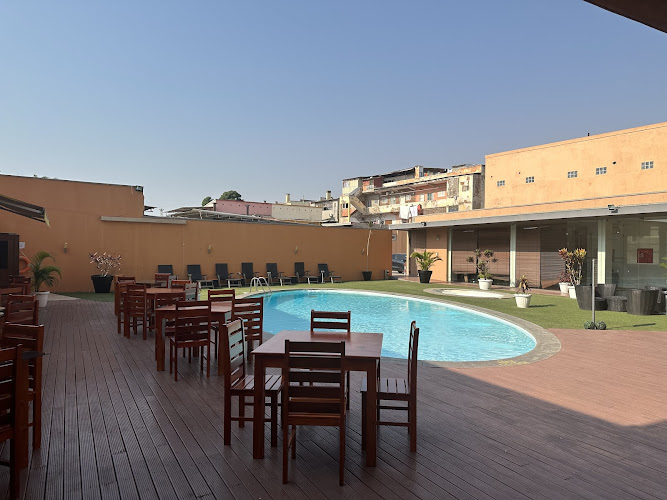
Hotel Praia Morena
Find Accommodations Nearby
Recommended Tours & Activities
Visitor Reviews
There are no reviews yet. Be the first one to write one.
Share Your Experience
Have you visited Benguela? Help other travelers by leaving a review.