

Shibnagar Modern Club and Amra Tarun Daal
About Shibnagar Modern Club and Amra Tarun Daal
Description
Shibnagar Modern Club and Amra Tarun Daal represents a fascinating slice of local community life that most travelers completely miss when visiting the region. And honestly, that's a shame because places like this offer something you simply can't get from the standard tourist circuit—a genuine look at how people actually gather, socialize, and build community in everyday life. The club serves as a social hub where locals come together for various activities, discussions, and cultural programs. It's one of those spaces that exists in nearly every neighborhood across South Asia but rarely makes it into guidebooks. Think of it as the beating heart of community engagement in Shibnagar, where different generations meet under one roof and where the pulse of local life is most evident. I've always found these community clubs utterly intriguing because they're so different from Western social clubs. They're not exclusive country clubs with membership fees that cost more than a car payment. Instead, they're accessible spaces where people gather to discuss everything from politics to poetry, where young people organize cultural programs, and where the community comes together during festivals and celebrations. The dual nature of Shibnagar Modern Club and Amra Tarun Daal—which translates roughly to "We Young Group"—reflects an interesting generational dynamic. You've got the established club structure working alongside youth-oriented initiatives, creating a space that bridges traditional community values with contemporary youth culture. And that tension, that mixing of old and new, makes for a really authentic cultural experience if you're willing to step off the beaten path. Now, let me be real with you here. This isn't going to be your typical tourist attraction with English signage and tour guides waiting to explain everything. The experience here is raw and unfiltered, which means you might feel a bit out of place initially. But that's exactly what makes it valuable for travelers who want to understand local culture beyond surface-level interactions. Most visitors who've engaged with the club and its programs report positive experiences, particularly when they approach with genuine curiosity and respect. The community members are generally welcoming to outsiders who show authentic interest in learning about local culture and traditions. However, like any community space, there are occasional organizational challenges and varying quality of programs depending on when you visit.Key Features
The distinctive characteristics that define Shibnagar Modern Club and Amra Tarun Daal include: • Community gathering space that hosts regular cultural programs, discussions, and social events throughout the year • Youth-led initiatives that organize sports tournaments, educational workshops, and cultural performances • Traditional adda culture where people gather for extended conversations about current affairs, literature, arts, and community matters • Festival celebrations that bring the entire neighborhood together, offering travelers a chance to experience authentic local traditions • Informal mentorship programs where older community members guide younger generations • Sports facilities that vary by season but typically include spaces for cricket, football, and traditional games • Cultural preservation activities including music sessions, poetry readings, and folk art demonstrations • Social service initiatives organized by youth members addressing local community needs • Indoor spaces for meetings and gatherings during monsoon season or extreme weather • Open-air areas where evening gatherings naturally form as the day cools downBest Time to Visit
Timing your visit to Shibnagar Modern Club and Amra Tarun Daal can make the difference between a fascinating cultural experience and standing around wondering what you're supposed to be doing there. The club's activity level fluctuates dramatically based on season, time of day, and the local calendar of events. Evening hours between 5 PM and 9 PM typically see the most activity. This is when people finish work or school and gather for relaxation and socializing. You'll find the adda sessions in full swing, with animated discussions happening in small groups. The energy during these hours gives you the best sense of how the community actually functions. But here's something most outsiders don't realize—the club becomes absolutely electric during major festivals. Durga Puja, Pohela Boishakh (Bengali New Year), and Independence Day celebrations transform the space completely. If you can time your visit to coincide with these festivals, you'll witness cultural programs, traditional performances, and community feasts that reveal so much about local traditions and values. The winter months from November through February offer the most comfortable conditions for visiting. The weather is pleasant, and outdoor activities happen more frequently. People linger longer in the open areas, and the atmosphere is generally more relaxed. Summer can be brutally hot and humid, which drives most activities indoors and shortens gathering times. Monsoon season presents its own unique character. While heavy rains can disrupt outdoor plans, there's something special about watching how community life adapts to the weather. Indoor gatherings take on a different quality, and you might find yourself sharing chai and conversation while rain pounds the roof—a quintessentially Bengali experience. Avoid visiting during major exam periods, typically in November-December and April-May, when youth participation drops significantly as students focus on studies. The club doesn't close, but the energy level definitely decreases. Weekends, particularly Friday evenings and Saturday afternoons, tend to have more organized activities and better attendance. If you're trying to maximize your cultural immersion, these are your prime windows.How to Get There
Getting to Shibnagar Modern Club requires a bit of local knowledge and willingness to navigate like a resident rather than a tourist. This isn't a location you'll find on most tourist maps, which means you'll need to engage with locals for directions. The most reliable approach is using local transportation options. Auto-rickshaws are your best bet if you're coming from nearby areas. The drivers usually know community landmarks, though you might need to ask a few people before finding someone familiar with the specific location. Don't get frustrated—this asking around is actually a good ice-breaker and helps locals understand you're genuinely interested in visiting their community space. If you're staying in the broader region, local buses serve the area, but you'll need to know which route passes closest to Shibnagar. Ask at your accommodation for specific bus numbers and where to get off. Be prepared for crowded conditions during rush hours, but also for helpful fellow passengers who'll often go out of their way to make sure you get off at the right stop. Ride-sharing apps might work depending on your exact starting point, though coverage can be spotty in more residential areas. Having the location pinned or a phone number of someone associated with the club helps tremendously if you're using app-based transportation. Walking from nearby landmarks is certainly possible and gives you a better feel for the neighborhood. Pay attention to your surroundings—you'll pass shops, schools, and residential areas that all contribute to understanding the context of the club within the community. One tip that's saved me countless times in similar situations: screenshot a map on your phone before you set out, including both Bengali and English place names if possible. Data connections can be unreliable, and having an offline reference point helps when you're asking for directions. The journey itself is part of the experience, honestly. You're moving through authentic neighborhoods, seeing how people live their daily lives, and the club itself makes more sense once you understand the community it serves.Tips for Visiting
Visiting Shibnagar Modern Club and Amra Tarun Daal successfully requires cultural sensitivity, flexibility, and realistic expectations. This isn't a tourist attraction designed for foreign visitors, so your approach matters significantly. First and foremost, dress conservatively and respectfully. This is a community space where local norms apply. For women, that typically means covered shoulders and knees at minimum. For men, casual but neat clothing works fine. You're not attending a formal event, but you're also not on the beach. Learn a few basic Bengali phrases before visiting. Even clumsy attempts at "hello" (nomoshkar), "thank you" (dhonnobad), and "I'm interested in your culture" go incredibly far in establishing goodwill. People appreciate the effort, even if your pronunciation is terrible. Don't show up with cameras blazing away. Ask permission before photographing people or activities. Many visitors ruin their welcome by treating community spaces like zoos where everything exists for their documentation. Be respectful, be patient, and you'll often find people become quite willing to have photos taken once they're comfortable with you. Consider bringing a local friend or hiring a cultural guide who can make introductions and explain context. Having someone bridge the language and cultural gap transforms the experience from confusing to enlightening. If that's not possible, approach younger members who are more likely to speak some English and are often eager to practice with visitors. Be prepared for intense curiosity about you. In spaces where foreign visitors are rare, you become the attraction. People will want to know where you're from, what you do, why you're there. Answer graciously and ask your own questions in return. These exchanges are how genuine cultural understanding happens. Timing matters beyond just showing up during active hours. If possible, contact someone connected with the club beforehand to let them know you're interested in visiting. This advance notice allows them to prepare and potentially arrange for someone to show you around or explain activities happening during your visit. Don't expect organized entertainment or structured tours. The experience here is organic and unscripted. Sometimes you'll arrive during an exciting program, sometimes you'll just observe regular evening gatherings. Both have value if you approach with the right mindset. Bring business cards if you have them, or write down your contact information to share with people you meet. Building genuine connections opens doors for deeper cultural exchange and potentially return visits where you're welcomed as a familiar face rather than a stranger. Consider what you can contribute rather than just what you can extract. If you have skills or knowledge that might interest the community—perhaps teaching a song from your country, sharing stories about where you're from, or participating in activities rather than just observing—your visit becomes an exchange rather than voyeurism. Finally, manage your expectations. Some visits to community spaces like this are magical, with warm welcomes and fascinating conversations. Others might feel awkward or underwhelming. That's the nature of authentic cultural experiences—they're unpredictable and dependent on human factors beyond anyone's control. Both types of visits teach you something valuable if you're paying attention.Key Features
- Community-run cultural club with volunteer leadership
- Seasonal Durga Puja pandal and festival lighting displays
- Local performances and devotional music during events
- Opportunities to observe community kitchens and volunteer activities
- Central neighborhood location in Dhaleswar, Agartala
More Details
Updated March 30, 2026
Table of Contents
- Description
- Key Features
- Best Time to Visit
- How to Get There
- Tips for Visiting
- Key Highlights
- Location
- Places to Stay Near Shibnagar Modern Club and Amra Tarun Daal
- Find and Book a Tour
- Explore More Travel Guides
- Nearby Places You Might Like
- Traveler Reviews for Shibnagar Modern Club and Amra Tarun Daal
- Share Your Experience
Description
Shibnagar Modern Club and Amra Tarun Daal represents a fascinating slice of local community life that most travelers completely miss when visiting the region. And honestly, that’s a shame because places like this offer something you simply can’t get from the standard tourist circuit—a genuine look at how people actually gather, socialize, and build community in everyday life.
The club serves as a social hub where locals come together for various activities, discussions, and cultural programs. It’s one of those spaces that exists in nearly every neighborhood across South Asia but rarely makes it into guidebooks. Think of it as the beating heart of community engagement in Shibnagar, where different generations meet under one roof and where the pulse of local life is most evident.
I’ve always found these community clubs utterly intriguing because they’re so different from Western social clubs. They’re not exclusive country clubs with membership fees that cost more than a car payment. Instead, they’re accessible spaces where people gather to discuss everything from politics to poetry, where young people organize cultural programs, and where the community comes together during festivals and celebrations.
The dual nature of Shibnagar Modern Club and Amra Tarun Daal—which translates roughly to “We Young Group”—reflects an interesting generational dynamic. You’ve got the established club structure working alongside youth-oriented initiatives, creating a space that bridges traditional community values with contemporary youth culture. And that tension, that mixing of old and new, makes for a really authentic cultural experience if you’re willing to step off the beaten path.
Now, let me be real with you here. This isn’t going to be your typical tourist attraction with English signage and tour guides waiting to explain everything. The experience here is raw and unfiltered, which means you might feel a bit out of place initially. But that’s exactly what makes it valuable for travelers who want to understand local culture beyond surface-level interactions.
Most visitors who’ve engaged with the club and its programs report positive experiences, particularly when they approach with genuine curiosity and respect. The community members are generally welcoming to outsiders who show authentic interest in learning about local culture and traditions. However, like any community space, there are occasional organizational challenges and varying quality of programs depending on when you visit.
Key Features
The distinctive characteristics that define Shibnagar Modern Club and Amra Tarun Daal include:
• Community gathering space that hosts regular cultural programs, discussions, and social events throughout the year
• Youth-led initiatives that organize sports tournaments, educational workshops, and cultural performances
• Traditional adda culture where people gather for extended conversations about current affairs, literature, arts, and community matters
• Festival celebrations that bring the entire neighborhood together, offering travelers a chance to experience authentic local traditions
• Informal mentorship programs where older community members guide younger generations
• Sports facilities that vary by season but typically include spaces for cricket, football, and traditional games
• Cultural preservation activities including music sessions, poetry readings, and folk art demonstrations
• Social service initiatives organized by youth members addressing local community needs
• Indoor spaces for meetings and gatherings during monsoon season or extreme weather
• Open-air areas where evening gatherings naturally form as the day cools down
Best Time to Visit
Timing your visit to Shibnagar Modern Club and Amra Tarun Daal can make the difference between a fascinating cultural experience and standing around wondering what you’re supposed to be doing there. The club’s activity level fluctuates dramatically based on season, time of day, and the local calendar of events.
Evening hours between 5 PM and 9 PM typically see the most activity. This is when people finish work or school and gather for relaxation and socializing. You’ll find the adda sessions in full swing, with animated discussions happening in small groups. The energy during these hours gives you the best sense of how the community actually functions.
But here’s something most outsiders don’t realize—the club becomes absolutely electric during major festivals. Durga Puja, Pohela Boishakh (Bengali New Year), and Independence Day celebrations transform the space completely. If you can time your visit to coincide with these festivals, you’ll witness cultural programs, traditional performances, and community feasts that reveal so much about local traditions and values.
The winter months from November through February offer the most comfortable conditions for visiting. The weather is pleasant, and outdoor activities happen more frequently. People linger longer in the open areas, and the atmosphere is generally more relaxed. Summer can be brutally hot and humid, which drives most activities indoors and shortens gathering times.
Monsoon season presents its own unique character. While heavy rains can disrupt outdoor plans, there’s something special about watching how community life adapts to the weather. Indoor gatherings take on a different quality, and you might find yourself sharing chai and conversation while rain pounds the roof—a quintessentially Bengali experience.
Avoid visiting during major exam periods, typically in November-December and April-May, when youth participation drops significantly as students focus on studies. The club doesn’t close, but the energy level definitely decreases.
Weekends, particularly Friday evenings and Saturday afternoons, tend to have more organized activities and better attendance. If you’re trying to maximize your cultural immersion, these are your prime windows.
How to Get There
Getting to Shibnagar Modern Club requires a bit of local knowledge and willingness to navigate like a resident rather than a tourist. This isn’t a location you’ll find on most tourist maps, which means you’ll need to engage with locals for directions.
The most reliable approach is using local transportation options. Auto-rickshaws are your best bet if you’re coming from nearby areas. The drivers usually know community landmarks, though you might need to ask a few people before finding someone familiar with the specific location. Don’t get frustrated—this asking around is actually a good ice-breaker and helps locals understand you’re genuinely interested in visiting their community space.
If you’re staying in the broader region, local buses serve the area, but you’ll need to know which route passes closest to Shibnagar. Ask at your accommodation for specific bus numbers and where to get off. Be prepared for crowded conditions during rush hours, but also for helpful fellow passengers who’ll often go out of their way to make sure you get off at the right stop.
Ride-sharing apps might work depending on your exact starting point, though coverage can be spotty in more residential areas. Having the location pinned or a phone number of someone associated with the club helps tremendously if you’re using app-based transportation.
Walking from nearby landmarks is certainly possible and gives you a better feel for the neighborhood. Pay attention to your surroundings—you’ll pass shops, schools, and residential areas that all contribute to understanding the context of the club within the community.
One tip that’s saved me countless times in similar situations: screenshot a map on your phone before you set out, including both Bengali and English place names if possible. Data connections can be unreliable, and having an offline reference point helps when you’re asking for directions.
The journey itself is part of the experience, honestly. You’re moving through authentic neighborhoods, seeing how people live their daily lives, and the club itself makes more sense once you understand the community it serves.
Tips for Visiting
Visiting Shibnagar Modern Club and Amra Tarun Daal successfully requires cultural sensitivity, flexibility, and realistic expectations. This isn’t a tourist attraction designed for foreign visitors, so your approach matters significantly.
First and foremost, dress conservatively and respectfully. This is a community space where local norms apply. For women, that typically means covered shoulders and knees at minimum. For men, casual but neat clothing works fine. You’re not attending a formal event, but you’re also not on the beach.
Learn a few basic Bengali phrases before visiting. Even clumsy attempts at “hello” (nomoshkar), “thank you” (dhonnobad), and “I’m interested in your culture” go incredibly far in establishing goodwill. People appreciate the effort, even if your pronunciation is terrible.
Don’t show up with cameras blazing away. Ask permission before photographing people or activities. Many visitors ruin their welcome by treating community spaces like zoos where everything exists for their documentation. Be respectful, be patient, and you’ll often find people become quite willing to have photos taken once they’re comfortable with you.
Consider bringing a local friend or hiring a cultural guide who can make introductions and explain context. Having someone bridge the language and cultural gap transforms the experience from confusing to enlightening. If that’s not possible, approach younger members who are more likely to speak some English and are often eager to practice with visitors.
Be prepared for intense curiosity about you. In spaces where foreign visitors are rare, you become the attraction. People will want to know where you’re from, what you do, why you’re there. Answer graciously and ask your own questions in return. These exchanges are how genuine cultural understanding happens.
Timing matters beyond just showing up during active hours. If possible, contact someone connected with the club beforehand to let them know you’re interested in visiting. This advance notice allows them to prepare and potentially arrange for someone to show you around or explain activities happening during your visit.
Don’t expect organized entertainment or structured tours. The experience here is organic and unscripted. Sometimes you’ll arrive during an exciting program, sometimes you’ll just observe regular evening gatherings. Both have value if you approach with the right mindset.
Bring business cards if you have them, or write down your contact information to share with people you meet. Building genuine connections opens doors for deeper cultural exchange and potentially return visits where you’re welcomed as a familiar face rather than a stranger.
Consider what you can contribute rather than just what you can extract. If you have skills or knowledge that might interest the community—perhaps teaching a song from your country, sharing stories about where you’re from, or participating in activities rather than just observing—your visit becomes an exchange rather than voyeurism.
Finally, manage your expectations. Some visits to community spaces like this are magical, with warm welcomes and fascinating conversations. Others might feel awkward or underwhelming. That’s the nature of authentic cultural experiences—they’re unpredictable and dependent on human factors beyond anyone’s control. Both types of visits teach you something valuable if you’re paying attention.
Key Highlights
- Community-run cultural club with volunteer leadership
- Seasonal Durga Puja pandal and festival lighting displays
- Local performances and devotional music during events
- Opportunities to observe community kitchens and volunteer activities
- Central neighborhood location in Dhaleswar, Agartala
Location
Places to Stay Near Shibnagar Modern Club and Amra Tarun Daal
Find and Book a Tour
Explore More Travel Guides
No reviews found! Be the first to review!
Shibnagar Modern Club and Amra Tarun Daal is a prominent Club located in Agartala.
Visit us at: R7HR+4X7, Dhaleswar, Agartala, Tripura 799004, India.
Traveler Reviews for Shibnagar Modern Club and Amra Tarun Daal
There are no reviews yet. Be the first one to write one.
Have you visited Shibnagar Modern Club and Amra Tarun Daal? Help other travelers by sharing your review.
Nearby Attractions
You Might Also Like
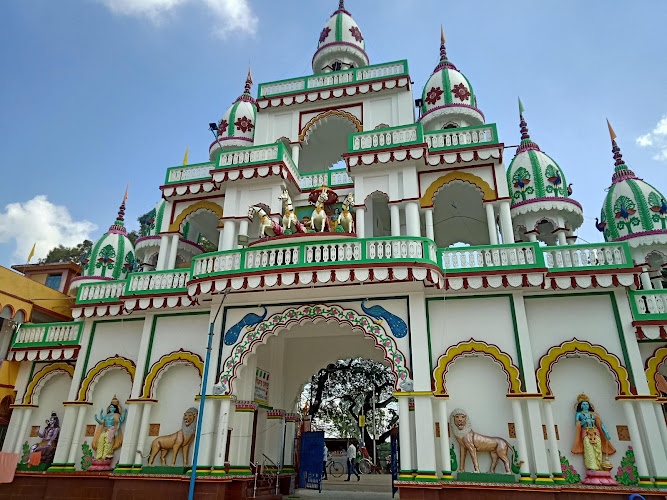
Shri Jagannath Temple, Agartala
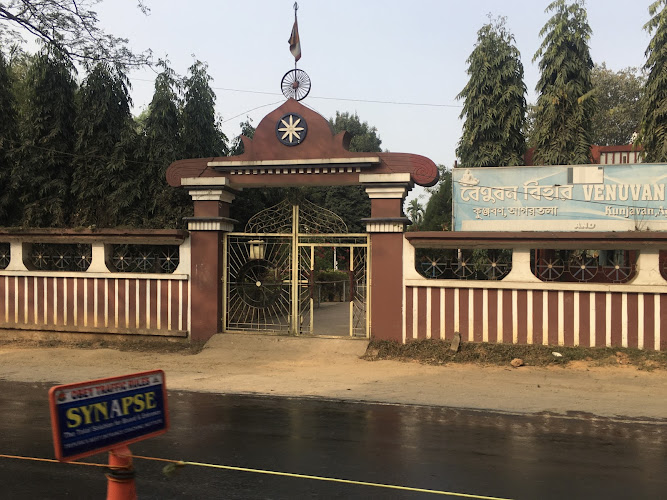
Venuvan Buddha Vihara

Science City Agartala
Find Accommodations Nearby
Recommended Tours & Activities
Visitor Reviews
There are no reviews yet. Be the first one to write one.
Share Your Experience
Have you visited Shibnagar Modern Club and Amra Tarun Daal? Help other travelers by leaving a review.