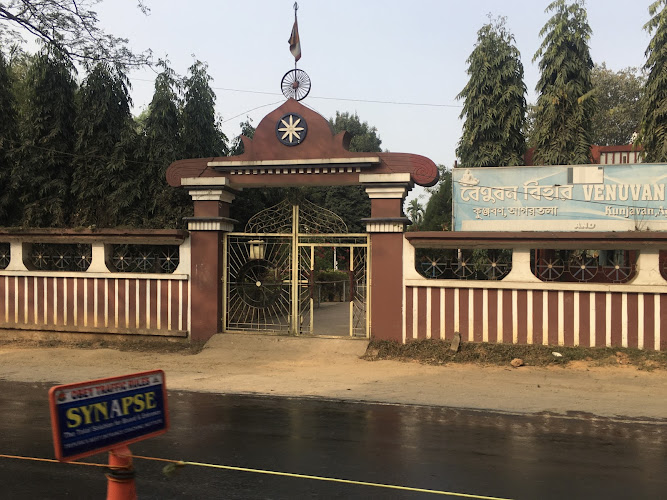
About Venuvan Buddha Vihara

Description

Venuvan Buddha Vihara stands as a remarkable Buddhist temple that offers visitors an authentic glimpse into Buddhist culture and practice right in North America. This temple isn't just another religious site you tick off your travel list—it's genuinely one of those places where you can feel the peace settle into your bones the moment you step onto the grounds. I've been to my fair share of temples around the world, and what strikes me about Venuvan Buddha Vihara is how it manages to maintain that authentic spiritual atmosphere while being incredibly welcoming to newcomers. You don't need to be Buddhist or even particularly religious to appreciate what this place offers. The temple serves as both an active place of worship for the local Buddhist community and a educational center where travelers can learn about Buddhist philosophy, meditation practices, and Sri Lankan cultural traditions. The architecture itself reflects traditional Buddhist temple design, and walking through the grounds feels like stepping into a different world altogether. But what really makes this place special is the sense of genuine tranquility you experience here. In our constantly buzzing, notification-filled lives, finding a spot where you can actually hear yourself think has become pretty rare. The monks and caretakers at Venuvan Buddha Vihara have created something that bridges cultural gaps beautifully. They understand that most visitors might not know the proper etiquette or customs, and they're patient about explaining things. And that's honestly refreshing. Too many sacred sites can feel intimidating to outsiders, but this temple manages to maintain its sacred character while still being approachable.

Key Features

The Venuvan Buddha Vihara offers several distinctive features that make it worth adding to your travel itinerary:
  • Complete Accessibility: The temple provides wheelchair accessible entrances and dedicated parking spaces, making it one of the more inclusive religious sites you'll find. This thoughtful consideration means that mobility challenges won't prevent anyone from experiencing the serenity of the temple grounds.
  • Authentic Buddhist Architecture: The temple showcases traditional Buddhist architectural elements that transport visitors into an environment reflective of Southeast Asian temple design, creating an immersive cultural experience without needing a passport to Asia.
  • Active Meditation Spaces: Unlike museums where you just observe, this is a living, breathing temple where actual meditation and worship happen daily. Visitors can often participate in or observe these practices, offering genuine insight into Buddhist traditions.
  • Educational Opportunities: The temple frequently hosts dharma talks, meditation sessions, and cultural programs that help visitors understand Buddhist philosophy and practice. These aren't just tourist shows—they're real educational experiences.
  • Peaceful Grounds: The surrounding area provides quiet spaces for reflection and contemplation. Even if organized meditation isn't your thing, simply sitting in the peaceful environment can be remarkably restorative.
  • Community Atmosphere: The temple serves an active Buddhist community, which means you might encounter celebrations, ceremonies, or cultural events that offer deeper insight into living Buddhist traditions.
  • Convenient Facilities: With on-site restrooms, free parking options including both lot and street parking, and modern payment methods like Google Pay for donations or purchases, the temple balances traditional spirituality with practical modern conveniences.
  • Cultural Artifacts and Statuary: Throughout the temple, you'll find religious artwork, statues, and other items that reflect Buddhist iconography and Sri Lankan cultural heritage.

Best Time to Visit

Timing your visit to Venuvan Buddha Vihara can significantly enhance your experience, and here's what you should know based on actual visiting patterns and temple activities. The temple welcomes visitors year-round, but certain times offer distinct advantages. Weekday mornings, particularly between 9 AM and noon, tend to be quieter. You'll have more space to explore, meditate, or simply sit in contemplation without crowds. I personally prefer these quieter hours because they let you really soak in the atmosphere without feeling rushed or self-conscious. However—and this is important—visiting during special Buddhist holidays or festivals provides an entirely different but equally valuable experience. Vesak (Buddha's birthday), typically in May, brings the temple alive with decorations, ceremonies, and celebrations. The energy shifts completely, and you get to witness Buddhism as a living, joyful practice rather than just a philosophy. Just be prepared for larger crowds during these times. Weekend afternoons often see more activity as the local Buddhist community gathers for services and events. If you want to observe authentic religious practices and community interaction, this timing works well. But if you're seeking solitude and quiet meditation, you might want to skip weekend afternoons. Weather-wise, spring and fall offer the most comfortable conditions for exploring the outdoor areas of the temple grounds. Summer visits are perfectly fine, though you'll want to dress appropriately for both the heat and the temple's modesty requirements. Winter visits have their own charm—there's something particularly peaceful about a temple blanketed in snow, though you'll obviously want to bundle up. The temple typically maintains regular hours, though these can vary during special events or holidays. Calling ahead never hurts, especially if you're traveling from far away specifically to visit. Nobody wants to show up and find unexpected closures. One insider tip: if meditation sessions or dharma talks interest you, check the temple's schedule in advance. These programs happen regularly but at specific times, and planning your visit around them can significantly enrich your experience. Some of these sessions welcome beginners, which is perfect for travelers curious about Buddhist practice but unsure where to start.

How to Get There

Getting to Venuvan Buddha Vihara is straightforward enough, though like most temples that value peaceful surroundings, it's not located in the middle of downtown hustle and bustle. If you're driving—which honestly is probably your best bet—the temple offers free on-site parking, which is a genuine blessing. Too many religious sites charge ridiculous parking fees or have limited spaces. Here, you've got dedicated parking areas that can accommodate regular vehicles and those needing accessible parking spaces. Free street parking is also available in the surrounding area if the lot happens to be full during a busy event. For those using GPS navigation, simply searching for "Venuvan Buddha Vihara" should pull up the correct location. The temple is reasonably well-marked once you're in the general area, though keep your eyes open because religious buildings don't always have the flashy signage that commercial establishments do. Public transportation options vary depending on your starting point. The temple's location means that while bus routes might get you relatively close, you may still need to walk a bit or arrange for a short taxi or rideshare for the final stretch. This isn't necessarily a bad thing—the walk can serve as a nice transition from the busy outside world to the peaceful temple environment. If you're flying in specifically to visit the temple as part of a larger trip, you'll want to rent a car. The flexibility of having your own transportation makes a huge difference, especially if you're combining this visit with other area attractions. One thing to note: give yourself extra time if you're visiting during special events or festivals. Parking fills up quickly during these occasions, and you might need to park further away than usual. Arriving early solves this problem and also lets you experience the temple before peak crowds arrive. The surrounding area is generally safe and quiet, reflecting the temple's peaceful character. Standard travel precautions apply, but you shouldn't feel concerned about safety when visiting.

Tips for Visiting

A few practical tips will help you make the most of your Venuvan Buddha Vihara experience while respecting the sacred nature of the space. First and most importantly: dress modestly. This means covering shoulders and knees at minimum. The temple is an active place of worship, not a tourist attraction, and appropriate clothing shows respect for both the religion and the people who practice it. I've seen visitors turned away or asked to cover up, which creates awkward situations that are easily avoided. Loose, comfortable clothing works best anyway—you'll likely be sitting on the floor at some point. You'll need to remove your shoes before entering temple buildings. This is standard practice at Buddhist temples worldwide, so wear socks if you're uncomfortable going barefoot. The floors are clean, but socks provide an extra comfort layer if that matters to you. Slip-on shoes make this process much easier than dealing with laces multiple times. Silence your phone. Actually, better yet, turn it off entirely. The constant buzzing and beeping that we've normalized in daily life feels particularly jarring in a meditation space. And while we're on the subject—taking photos might be allowed in some areas, but always ask permission first. Some spaces are too sacred for photography, and flash photography is typically prohibited everywhere. When in doubt, just put the camera away and experience the moment directly. Speaking of experiencing moments directly: try to participate in a meditation session if possible. Even if you've never meditated before, these guided sessions often welcome beginners. You might feel awkward at first—most people do—but pushing through that initial discomfort can lead to surprisingly profound experiences. I'm not promising enlightenment or anything, but you might leave feeling more centered than when you arrived. Donations are welcome but not required. The temple operates largely through community support and donations, so contributing if you're able helps maintain the space and its programs. Most temples have donation boxes clearly marked, and remember that Venuvan Buddha Vihara accepts Google Pay, making contributions convenient. Interact respectfully with monks and temple staff. They're generally happy to answer questions and explain aspects of Buddhist practice, but remember they're not tour guides hired for your entertainment. Be mindful of their time and ask questions thoughtfully. Also, be aware that some Buddhist traditions have specific rules about physical contact, particularly between monks and women, so avoid initiating handshakes or hugs. If you visit during a service or ceremony, observe quietly from designated areas unless specifically invited to participate. Religious services are for practitioners first, observers second. That might sound harsh, but it's really just about respecting that this is someone's sacred practice, not a performance. Plan for at least an hour or two if you want to properly experience the temple. Quick 15-minute pop-ins don't really allow you to absorb the atmosphere or learn much of anything. This isn't a roadside attraction to check off—it's a place that rewards slowing down and being present. The restroom facilities are available, which is more convenient than you might think. Many religious sites lack basic amenities, so take advantage of this thoughtful inclusion. Finally, approach your visit with openness and genuine curiosity rather than treating it as an exotic tourist experience. Buddhist temples aren't theme parks. They're living spaces of faith and practice. The difference in your approach will show, and it'll significantly impact what you get from the visit. Venuvan Buddha Vihara offers travelers something increasingly rare: a genuine encounter with living religious tradition in an environment that's both authentic and welcoming. Whether you're Buddhist, curious about Buddhism, or simply seeking a peaceful respite from travel stress, this temple provides an experience that stays with you long after you've put your shoes back on and returned to the everyday world.

Key Features

  • Prominent metal Buddha idol reputed to be of Myanmar origin
  • Traditional Buddhist architecture and ornamentation
  • Quiet meditation spaces and devotional atmosphere
  • Accessible location close to Agartala city centre
  • Festive observances (notably Buddha Purnima) with local rituals

More Details

Updated March 30, 2026

Description

Venuvan Buddha Vihara stands as a remarkable Buddhist temple that offers visitors an authentic glimpse into Buddhist culture and practice right in North America. This temple isn’t just another religious site you tick off your travel list—it’s genuinely one of those places where you can feel the peace settle into your bones the moment you step onto the grounds.

I’ve been to my fair share of temples around the world, and what strikes me about Venuvan Buddha Vihara is how it manages to maintain that authentic spiritual atmosphere while being incredibly welcoming to newcomers. You don’t need to be Buddhist or even particularly religious to appreciate what this place offers. The temple serves as both an active place of worship for the local Buddhist community and a educational center where travelers can learn about Buddhist philosophy, meditation practices, and Sri Lankan cultural traditions.

The architecture itself reflects traditional Buddhist temple design, and walking through the grounds feels like stepping into a different world altogether. But what really makes this place special is the sense of genuine tranquility you experience here. In our constantly buzzing, notification-filled lives, finding a spot where you can actually hear yourself think has become pretty rare.

The monks and caretakers at Venuvan Buddha Vihara have created something that bridges cultural gaps beautifully. They understand that most visitors might not know the proper etiquette or customs, and they’re patient about explaining things. And that’s honestly refreshing. Too many sacred sites can feel intimidating to outsiders, but this temple manages to maintain its sacred character while still being approachable.

Key Features

The Venuvan Buddha Vihara offers several distinctive features that make it worth adding to your travel itinerary:

  • Complete Accessibility: The temple provides wheelchair accessible entrances and dedicated parking spaces, making it one of the more inclusive religious sites you’ll find. This thoughtful consideration means that mobility challenges won’t prevent anyone from experiencing the serenity of the temple grounds.
  • Authentic Buddhist Architecture: The temple showcases traditional Buddhist architectural elements that transport visitors into an environment reflective of Southeast Asian temple design, creating an immersive cultural experience without needing a passport to Asia.
  • Active Meditation Spaces: Unlike museums where you just observe, this is a living, breathing temple where actual meditation and worship happen daily. Visitors can often participate in or observe these practices, offering genuine insight into Buddhist traditions.
  • Educational Opportunities: The temple frequently hosts dharma talks, meditation sessions, and cultural programs that help visitors understand Buddhist philosophy and practice. These aren’t just tourist shows—they’re real educational experiences.
  • Peaceful Grounds: The surrounding area provides quiet spaces for reflection and contemplation. Even if organized meditation isn’t your thing, simply sitting in the peaceful environment can be remarkably restorative.
  • Community Atmosphere: The temple serves an active Buddhist community, which means you might encounter celebrations, ceremonies, or cultural events that offer deeper insight into living Buddhist traditions.
  • Convenient Facilities: With on-site restrooms, free parking options including both lot and street parking, and modern payment methods like Google Pay for donations or purchases, the temple balances traditional spirituality with practical modern conveniences.
  • Cultural Artifacts and Statuary: Throughout the temple, you’ll find religious artwork, statues, and other items that reflect Buddhist iconography and Sri Lankan cultural heritage.

Best Time to Visit

Timing your visit to Venuvan Buddha Vihara can significantly enhance your experience, and here’s what you should know based on actual visiting patterns and temple activities.

The temple welcomes visitors year-round, but certain times offer distinct advantages. Weekday mornings, particularly between 9 AM and noon, tend to be quieter. You’ll have more space to explore, meditate, or simply sit in contemplation without crowds. I personally prefer these quieter hours because they let you really soak in the atmosphere without feeling rushed or self-conscious.

However—and this is important—visiting during special Buddhist holidays or festivals provides an entirely different but equally valuable experience. Vesak (Buddha’s birthday), typically in May, brings the temple alive with decorations, ceremonies, and celebrations. The energy shifts completely, and you get to witness Buddhism as a living, joyful practice rather than just a philosophy. Just be prepared for larger crowds during these times.

Weekend afternoons often see more activity as the local Buddhist community gathers for services and events. If you want to observe authentic religious practices and community interaction, this timing works well. But if you’re seeking solitude and quiet meditation, you might want to skip weekend afternoons.

Weather-wise, spring and fall offer the most comfortable conditions for exploring the outdoor areas of the temple grounds. Summer visits are perfectly fine, though you’ll want to dress appropriately for both the heat and the temple’s modesty requirements. Winter visits have their own charm—there’s something particularly peaceful about a temple blanketed in snow, though you’ll obviously want to bundle up.

The temple typically maintains regular hours, though these can vary during special events or holidays. Calling ahead never hurts, especially if you’re traveling from far away specifically to visit. Nobody wants to show up and find unexpected closures.

One insider tip: if meditation sessions or dharma talks interest you, check the temple’s schedule in advance. These programs happen regularly but at specific times, and planning your visit around them can significantly enrich your experience. Some of these sessions welcome beginners, which is perfect for travelers curious about Buddhist practice but unsure where to start.

How to Get There

Getting to Venuvan Buddha Vihara is straightforward enough, though like most temples that value peaceful surroundings, it’s not located in the middle of downtown hustle and bustle.

If you’re driving—which honestly is probably your best bet—the temple offers free on-site parking, which is a genuine blessing. Too many religious sites charge ridiculous parking fees or have limited spaces. Here, you’ve got dedicated parking areas that can accommodate regular vehicles and those needing accessible parking spaces. Free street parking is also available in the surrounding area if the lot happens to be full during a busy event.

For those using GPS navigation, simply searching for “Venuvan Buddha Vihara” should pull up the correct location. The temple is reasonably well-marked once you’re in the general area, though keep your eyes open because religious buildings don’t always have the flashy signage that commercial establishments do.

Public transportation options vary depending on your starting point. The temple’s location means that while bus routes might get you relatively close, you may still need to walk a bit or arrange for a short taxi or rideshare for the final stretch. This isn’t necessarily a bad thing—the walk can serve as a nice transition from the busy outside world to the peaceful temple environment.

If you’re flying in specifically to visit the temple as part of a larger trip, you’ll want to rent a car. The flexibility of having your own transportation makes a huge difference, especially if you’re combining this visit with other area attractions.

One thing to note: give yourself extra time if you’re visiting during special events or festivals. Parking fills up quickly during these occasions, and you might need to park further away than usual. Arriving early solves this problem and also lets you experience the temple before peak crowds arrive.

The surrounding area is generally safe and quiet, reflecting the temple’s peaceful character. Standard travel precautions apply, but you shouldn’t feel concerned about safety when visiting.

Tips for Visiting

A few practical tips will help you make the most of your Venuvan Buddha Vihara experience while respecting the sacred nature of the space.

First and most importantly: dress modestly. This means covering shoulders and knees at minimum. The temple is an active place of worship, not a tourist attraction, and appropriate clothing shows respect for both the religion and the people who practice it. I’ve seen visitors turned away or asked to cover up, which creates awkward situations that are easily avoided. Loose, comfortable clothing works best anyway—you’ll likely be sitting on the floor at some point.

You’ll need to remove your shoes before entering temple buildings. This is standard practice at Buddhist temples worldwide, so wear socks if you’re uncomfortable going barefoot. The floors are clean, but socks provide an extra comfort layer if that matters to you. Slip-on shoes make this process much easier than dealing with laces multiple times.

Silence your phone. Actually, better yet, turn it off entirely. The constant buzzing and beeping that we’ve normalized in daily life feels particularly jarring in a meditation space. And while we’re on the subject—taking photos might be allowed in some areas, but always ask permission first. Some spaces are too sacred for photography, and flash photography is typically prohibited everywhere. When in doubt, just put the camera away and experience the moment directly.

Speaking of experiencing moments directly: try to participate in a meditation session if possible. Even if you’ve never meditated before, these guided sessions often welcome beginners. You might feel awkward at first—most people do—but pushing through that initial discomfort can lead to surprisingly profound experiences. I’m not promising enlightenment or anything, but you might leave feeling more centered than when you arrived.

Donations are welcome but not required. The temple operates largely through community support and donations, so contributing if you’re able helps maintain the space and its programs. Most temples have donation boxes clearly marked, and remember that Venuvan Buddha Vihara accepts Google Pay, making contributions convenient.

Interact respectfully with monks and temple staff. They’re generally happy to answer questions and explain aspects of Buddhist practice, but remember they’re not tour guides hired for your entertainment. Be mindful of their time and ask questions thoughtfully. Also, be aware that some Buddhist traditions have specific rules about physical contact, particularly between monks and women, so avoid initiating handshakes or hugs.

If you visit during a service or ceremony, observe quietly from designated areas unless specifically invited to participate. Religious services are for practitioners first, observers second. That might sound harsh, but it’s really just about respecting that this is someone’s sacred practice, not a performance.

Plan for at least an hour or two if you want to properly experience the temple. Quick 15-minute pop-ins don’t really allow you to absorb the atmosphere or learn much of anything. This isn’t a roadside attraction to check off—it’s a place that rewards slowing down and being present.

The restroom facilities are available, which is more convenient than you might think. Many religious sites lack basic amenities, so take advantage of this thoughtful inclusion.

Finally, approach your visit with openness and genuine curiosity rather than treating it as an exotic tourist experience. Buddhist temples aren’t theme parks. They’re living spaces of faith and practice. The difference in your approach will show, and it’ll significantly impact what you get from the visit.

Venuvan Buddha Vihara offers travelers something increasingly rare: a genuine encounter with living religious tradition in an environment that’s both authentic and welcoming. Whether you’re Buddhist, curious about Buddhism, or simply seeking a peaceful respite from travel stress, this temple provides an experience that stays with you long after you’ve put your shoes back on and returned to the everyday world.

Key Highlights

  • Prominent metal Buddha idol reputed to be of Myanmar origin
  • Traditional Buddhist architecture and ornamentation
  • Quiet meditation spaces and devotional atmosphere
  • Accessible location close to Agartala city centre
  • Festive observances (notably Buddha Purnima) with local rituals

Location

Places to Stay Near Venuvan Buddha Vihara

Find and Book a Tour

Explore More Travel Guides

No reviews found! Be the first to review!

Venuvan Buddha Vihara is a prominent Buddhist temple located in Agartala.

Visit us at: P.O Kunjavan Agartala Pin Code, Agartala, Tripura 799006, India.

Traveler Reviews for Venuvan Buddha Vihara

There are no reviews yet. Be the first one to write one.

Share Your Experience

Have you visited Venuvan Buddha Vihara? Help other travelers by sharing your review.

Nearby Attractions

Bhuvaneshwari Temple (Buddha Mandir area) Ujjayanta Palace Tripura Government Museum

Find Accommodations Nearby

Recommended Tours & Activities

Visitor Reviews

There are no reviews yet. Be the first one to write one.

Share Your Experience

Have you visited Venuvan Buddha Vihara? Help other travelers by leaving a review.