
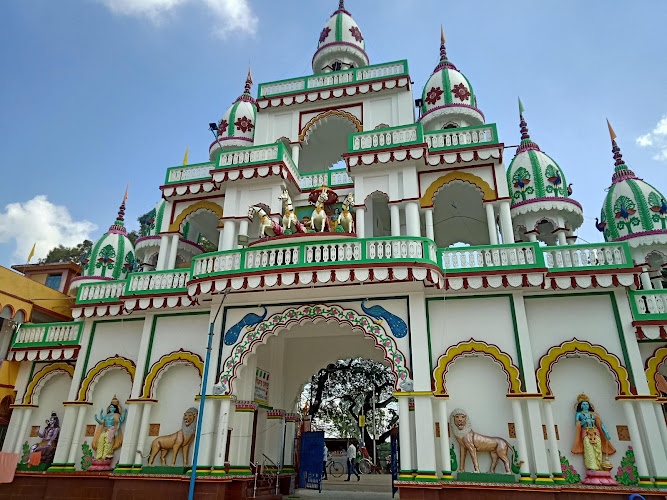
Shri Jagannath Temple, Agartala
About Shri Jagannath Temple, Agartala
Description
The Shri Jagannath Temple in Agartala stands as one of Tripura's most cherished spiritual landmarks, drawing devotees and curious travelers from across India and beyond. This remarkable four-story octagonal structure rises majestically within the grounds of the Ujjayanta Palace complex, creating an architectural dialogue between royal heritage and religious devotion that you won't find replicated easily elsewhere in Northeast India. Built during the 19th century under the patronage of the Tripura royal family, this temple represents a fascinating chapter in the region's religious landscape. The structure itself is quite unlike your typical temple architecture – that octagonal design isn't just for show, it's a deliberate departure from conventional temple building that catches everyone's eye. And honestly, when you first glimpse those four ascending stories reaching toward the sky, there's something genuinely impressive about how it commands attention without being overly ostentatious. What makes this temple particularly special is its dedication to Lord Jagannath, bringing a piece of Odisha's spiritual tradition right into Tripura's heart. The royal family who commissioned this temple wanted to establish a connection with the famous Jagannath Temple in Puri, and they succeeded in creating something that honors that tradition while developing its own distinct character. Walking through this temple, visitors experience not just religious significance but also the cultural ambitions of Tripura's erstwhile rulers who saw themselves as patrons of pan-Indian Hindu traditions. The temple serves multiple purposes for today's visitor. Sure, it's an active place of worship where daily rituals continue much as they have for over a century. But it's also become one of Agartala's signature tourist attractions, offering travelers a glimpse into Tripura's royal past and its continuing spiritual present. The location within the palace grounds means you're essentially getting two experiences in one visit – the grandeur of royal architecture alongside devotional space.Key Features
The Shri Jagannath Temple offers visitors several distinctive characteristics that set it apart from other religious sites in the region:- Unique Octagonal Architecture: The four-story octagonal design represents an architectural rarity in temple construction across India, blending traditional Hindu temple elements with innovative structural choices that reflect 19th-century experimentation.
- Royal Heritage Connection: Situated within the Ujjayanta Palace complex, the temple embodies the spiritual aspirations of Tripura's Manikya dynasty, offering insights into how regional rulers expressed their religious devotion through architectural patronage.
- Wheelchair Accessibility: The temple grounds provide wheelchair accessible entrances and dedicated parking facilities, making it genuinely welcoming for visitors with mobility challenges – something not always guaranteed at historic religious sites.
- Active Worship Space: Daily prayer rituals and festivals maintain the temple's living religious tradition, allowing visitors to witness authentic devotional practices rather than viewing a mere historical monument.
- Convenient Amenities: On-site restroom facilities ensure visitor comfort during extended exploration of both the temple and surrounding palace grounds.
- Photographic Opportunities: The distinctive architecture combined with the palace backdrop creates exceptional photo compositions, particularly during golden hour lighting conditions.
- Cultural Synthesis: The temple represents a beautiful meeting point between Odisha's Jagannath tradition and Tripura's regional spiritual practices, creating something genuinely unique to this location.
Best Time to Visit
Timing your visit to Shri Jagannath Temple requires considering both weather conditions and religious calendar events. Agartala's climate can be quite intense, and trust me, you don't want to be exploring temple grounds during the wrong season. The optimal window runs from October through March when temperatures remain pleasant and manageable. During these months, you'll find daytime temperatures hovering comfortably between 15 to 25 degrees Celsius – perfect for wandering around the palace complex and spending time appreciating architectural details without melting into a puddle. I've talked to travelers who visited during peak summer months, and they universally regret that decision. April through June sees temperatures climbing past 35 degrees, sometimes touching 40, which makes any outdoor activity pretty miserable. Monsoon season from June to September brings its own challenges. While the rains cool things down, they also create unpredictable conditions. Heavy downpours can interrupt your visit, and navigating the grounds becomes less pleasant when you're dodging puddles and dealing with humidity that makes everything feel damp. But here's where it gets interesting – if you can align your visit with the Rath Yatra festival, you're in for something truly special. This annual celebration, typically falling in June or July despite the monsoon inconvenience, transforms the temple into a hub of devotional energy. The chariot procession draws thousands of devotees, and experiencing this festival provides cultural immersion that casual visits simply can't match. You'll need to weigh the weather discomfort against the festival experience. Winter mornings at the temple offer particularly serene moments. Arriving early, around sunrise, means you'll encounter fewer crowds and witness the morning aarti in relatively peaceful conditions. The soft morning light also does wonders for the temple's architecture, casting shadows that emphasize its unusual octagonal shape. Weekdays generally see lighter visitor traffic compared to weekends when local families and regional tourists flock to the site. If you prefer contemplative visits without navigating through crowds, plan for Tuesday through Thursday mornings.How to Get There
Reaching Shri Jagannath Temple proves refreshingly straightforward once you're in Agartala. The temple sits right within the city limits at the Ujjayanta Palace complex, making it accessible through multiple transportation options. If you're flying into Agartala, the Maharaja Bir Bikram Airport lies approximately 12 kilometers from the temple. Auto-rickshaws waiting outside the airport will get you there in about 30 minutes, depending on traffic. Expect to negotiate fares – drivers typically quote inflated prices to fresh arrivals, but the ride shouldn't cost more than 250-300 rupees. Alternatively, app-based cab services operate in Agartala now, offering fixed pricing that removes negotiation hassles. The Agartala Railway Station sits roughly 3 kilometers from the temple, making it even more convenient for train travelers. From the station, you can grab an auto-rickshaw for around 50-80 rupees, or even consider walking if you're traveling light and don't mind a 30-minute stroll through the city. Walking actually offers nice glimpses of daily Agartala life that you'd miss in a vehicle. Local transportation within Agartala includes city buses, though these can be confusing for first-time visitors who don't know the routes. Auto-rickshaws remain the most practical option for tourists – they're everywhere, relatively affordable, and drivers generally know all major landmarks. Just say "Ujjayanta Palace" or "Jagannath Mandir" and you'll get nods of recognition. For visitors staying in central Agartala hotels, the temple often falls within walking distance or a very short auto ride away. The palace complex is such a prominent landmark that finding it doesn't require GPS skills or elaborate directions. Renting a scooter or bicycle presents another option if you're comfortable navigating Indian traffic. Several rental shops operate in Agartala, and having your own wheels provides flexibility for exploring other city attractions alongside the temple.Tips for Visiting
Getting the most from your Shri Jagannath Temple experience requires some practical preparation and cultural awareness. These aren't just generic travel tips – they're specific insights that'll actually improve your visit. First off, dress modestly. This should go without saying for temple visits, but you'd be surprised how many tourists show up in shorts and tank tops. Men should wear pants and shirts covering shoulders; women should opt for long skirts or pants with tops covering shoulders and midriff. Some visitors bring a lightweight scarf or shawl for extra coverage – smart move that also helps with sun protection. Footwear must be removed before entering the temple proper. You'll find designated areas for leaving shoes, but I'd recommend bringing a bag to keep your footwear with you if possible. Shoe theft isn't common, but it happens occasionally during crowded times. Wearing easily removable shoes makes the whole process smoother. Socks are acceptable inside if you're worried about hot surfaces during warmer months. Photography rules can be tricky. While photos of the exterior architecture are generally permitted, restrictions often apply inside the main shrine area. Always ask permission before photographing, especially during prayer rituals. Nothing marks you as a disrespectful tourist faster than ignoring photography restrictions at religious sites. Timing your visit around prayer schedules enhances the experience significantly. The morning aarti typically occurs around sunrise, while evening prayers happen near sunset. Witnessing these rituals provides context and atmosphere that empty temples lack. But be respectful – you're observing someone's sincere devotional practice, not attending a performance staged for tourists. Bring small denomination currency if you plan to make offerings. Temple donation boxes dot various locations, and having 10 or 20 rupee notes makes this convenient. Vendors outside the complex sell flowers and prasad items if you want to participate in traditional offerings. The palace grounds surrounding the temple deserve exploration time. Don't just rush in and out of the temple itself. The entire complex works together as a cohesive historical and architectural experience. Budget at least an hour, preferably two, to do justice to both temple and palace areas. Hiring a local guide can really deepen your understanding. They're usually available near the entrance and provide historical context and architectural details you'd otherwise miss. Rates are negotiable but expect to pay 200-400 rupees for a comprehensive tour. A good guide transforms the visit from simple sightseeing into genuine cultural education. Accessibility features make this temple notably inclusive. The wheelchair accessible entrance isn't just a ramp grudgingly added – it's actually well-designed and maintained. Visitors with mobility challenges should feel confident planning visits here, though contacting temple administration ahead of time for any specific assistance needs makes sense. Hydration matters, especially outside winter months. Bring water bottles since exploring grounds under Agartala's sun can be draining. Restroom facilities on-site provide relief, but they're basic – manage expectations accordingly. Consider combining your temple visit with exploration of the broader Ujjayanta Palace complex. The museum housed in the palace offers fascinating insights into Tripuri culture and history, creating a fuller picture of the context surrounding the temple's construction and significance. Respect goes beyond following posted rules. Maintain quiet voices inside temple areas, don't interrupt worshippers, and avoid treating the space like just another Instagram backdrop. Temples function as active spiritual centers, and your presence as a visitor is ultimately secondary to their primary religious purpose. HTML formatting complete and optimized for WordPress posting with proper heading structure and bullet points for easy reading.Key Features
- 19th-century temple built by the Manikya dynasty
- Located within the Ujjayanta Palace grounds for easy combined sightseeing
- Dedicated to Jagannath, Balabhadra and Subhadra with active daily worship
- Distinctive blend of Hindu and Indo-Islamic architectural elements
- Quiet, photogenic setting ideal for cultural and contemplative visits
More Details
Updated March 30, 2026
Table of Contents
Description
The Shri Jagannath Temple in Agartala stands as one of Tripura’s most cherished spiritual landmarks, drawing devotees and curious travelers from across India and beyond. This remarkable four-story octagonal structure rises majestically within the grounds of the Ujjayanta Palace complex, creating an architectural dialogue between royal heritage and religious devotion that you won’t find replicated easily elsewhere in Northeast India.
Built during the 19th century under the patronage of the Tripura royal family, this temple represents a fascinating chapter in the region’s religious landscape. The structure itself is quite unlike your typical temple architecture – that octagonal design isn’t just for show, it’s a deliberate departure from conventional temple building that catches everyone’s eye. And honestly, when you first glimpse those four ascending stories reaching toward the sky, there’s something genuinely impressive about how it commands attention without being overly ostentatious.
What makes this temple particularly special is its dedication to Lord Jagannath, bringing a piece of Odisha’s spiritual tradition right into Tripura’s heart. The royal family who commissioned this temple wanted to establish a connection with the famous Jagannath Temple in Puri, and they succeeded in creating something that honors that tradition while developing its own distinct character. Walking through this temple, visitors experience not just religious significance but also the cultural ambitions of Tripura’s erstwhile rulers who saw themselves as patrons of pan-Indian Hindu traditions.
The temple serves multiple purposes for today’s visitor. Sure, it’s an active place of worship where daily rituals continue much as they have for over a century. But it’s also become one of Agartala’s signature tourist attractions, offering travelers a glimpse into Tripura’s royal past and its continuing spiritual present. The location within the palace grounds means you’re essentially getting two experiences in one visit – the grandeur of royal architecture alongside devotional space.
Key Features
The Shri Jagannath Temple offers visitors several distinctive characteristics that set it apart from other religious sites in the region:
- Unique Octagonal Architecture: The four-story octagonal design represents an architectural rarity in temple construction across India, blending traditional Hindu temple elements with innovative structural choices that reflect 19th-century experimentation.
- Royal Heritage Connection: Situated within the Ujjayanta Palace complex, the temple embodies the spiritual aspirations of Tripura’s Manikya dynasty, offering insights into how regional rulers expressed their religious devotion through architectural patronage.
- Wheelchair Accessibility: The temple grounds provide wheelchair accessible entrances and dedicated parking facilities, making it genuinely welcoming for visitors with mobility challenges – something not always guaranteed at historic religious sites.
- Active Worship Space: Daily prayer rituals and festivals maintain the temple’s living religious tradition, allowing visitors to witness authentic devotional practices rather than viewing a mere historical monument.
- Convenient Amenities: On-site restroom facilities ensure visitor comfort during extended exploration of both the temple and surrounding palace grounds.
- Photographic Opportunities: The distinctive architecture combined with the palace backdrop creates exceptional photo compositions, particularly during golden hour lighting conditions.
- Cultural Synthesis: The temple represents a beautiful meeting point between Odisha’s Jagannath tradition and Tripura’s regional spiritual practices, creating something genuinely unique to this location.
Best Time to Visit
Timing your visit to Shri Jagannath Temple requires considering both weather conditions and religious calendar events. Agartala’s climate can be quite intense, and trust me, you don’t want to be exploring temple grounds during the wrong season.
The optimal window runs from October through March when temperatures remain pleasant and manageable. During these months, you’ll find daytime temperatures hovering comfortably between 15 to 25 degrees Celsius – perfect for wandering around the palace complex and spending time appreciating architectural details without melting into a puddle. I’ve talked to travelers who visited during peak summer months, and they universally regret that decision. April through June sees temperatures climbing past 35 degrees, sometimes touching 40, which makes any outdoor activity pretty miserable.
Monsoon season from June to September brings its own challenges. While the rains cool things down, they also create unpredictable conditions. Heavy downpours can interrupt your visit, and navigating the grounds becomes less pleasant when you’re dodging puddles and dealing with humidity that makes everything feel damp.
But here’s where it gets interesting – if you can align your visit with the Rath Yatra festival, you’re in for something truly special. This annual celebration, typically falling in June or July despite the monsoon inconvenience, transforms the temple into a hub of devotional energy. The chariot procession draws thousands of devotees, and experiencing this festival provides cultural immersion that casual visits simply can’t match. You’ll need to weigh the weather discomfort against the festival experience.
Winter mornings at the temple offer particularly serene moments. Arriving early, around sunrise, means you’ll encounter fewer crowds and witness the morning aarti in relatively peaceful conditions. The soft morning light also does wonders for the temple’s architecture, casting shadows that emphasize its unusual octagonal shape.
Weekdays generally see lighter visitor traffic compared to weekends when local families and regional tourists flock to the site. If you prefer contemplative visits without navigating through crowds, plan for Tuesday through Thursday mornings.
How to Get There
Reaching Shri Jagannath Temple proves refreshingly straightforward once you’re in Agartala. The temple sits right within the city limits at the Ujjayanta Palace complex, making it accessible through multiple transportation options.
If you’re flying into Agartala, the Maharaja Bir Bikram Airport lies approximately 12 kilometers from the temple. Auto-rickshaws waiting outside the airport will get you there in about 30 minutes, depending on traffic. Expect to negotiate fares – drivers typically quote inflated prices to fresh arrivals, but the ride shouldn’t cost more than 250-300 rupees. Alternatively, app-based cab services operate in Agartala now, offering fixed pricing that removes negotiation hassles.
The Agartala Railway Station sits roughly 3 kilometers from the temple, making it even more convenient for train travelers. From the station, you can grab an auto-rickshaw for around 50-80 rupees, or even consider walking if you’re traveling light and don’t mind a 30-minute stroll through the city. Walking actually offers nice glimpses of daily Agartala life that you’d miss in a vehicle.
Local transportation within Agartala includes city buses, though these can be confusing for first-time visitors who don’t know the routes. Auto-rickshaws remain the most practical option for tourists – they’re everywhere, relatively affordable, and drivers generally know all major landmarks. Just say “Ujjayanta Palace” or “Jagannath Mandir” and you’ll get nods of recognition.
For visitors staying in central Agartala hotels, the temple often falls within walking distance or a very short auto ride away. The palace complex is such a prominent landmark that finding it doesn’t require GPS skills or elaborate directions.
Renting a scooter or bicycle presents another option if you’re comfortable navigating Indian traffic. Several rental shops operate in Agartala, and having your own wheels provides flexibility for exploring other city attractions alongside the temple.
Tips for Visiting
Getting the most from your Shri Jagannath Temple experience requires some practical preparation and cultural awareness. These aren’t just generic travel tips – they’re specific insights that’ll actually improve your visit.
First off, dress modestly. This should go without saying for temple visits, but you’d be surprised how many tourists show up in shorts and tank tops. Men should wear pants and shirts covering shoulders; women should opt for long skirts or pants with tops covering shoulders and midriff. Some visitors bring a lightweight scarf or shawl for extra coverage – smart move that also helps with sun protection.
Footwear must be removed before entering the temple proper. You’ll find designated areas for leaving shoes, but I’d recommend bringing a bag to keep your footwear with you if possible. Shoe theft isn’t common, but it happens occasionally during crowded times. Wearing easily removable shoes makes the whole process smoother. Socks are acceptable inside if you’re worried about hot surfaces during warmer months.
Photography rules can be tricky. While photos of the exterior architecture are generally permitted, restrictions often apply inside the main shrine area. Always ask permission before photographing, especially during prayer rituals. Nothing marks you as a disrespectful tourist faster than ignoring photography restrictions at religious sites.
Timing your visit around prayer schedules enhances the experience significantly. The morning aarti typically occurs around sunrise, while evening prayers happen near sunset. Witnessing these rituals provides context and atmosphere that empty temples lack. But be respectful – you’re observing someone’s sincere devotional practice, not attending a performance staged for tourists.
Bring small denomination currency if you plan to make offerings. Temple donation boxes dot various locations, and having 10 or 20 rupee notes makes this convenient. Vendors outside the complex sell flowers and prasad items if you want to participate in traditional offerings.
The palace grounds surrounding the temple deserve exploration time. Don’t just rush in and out of the temple itself. The entire complex works together as a cohesive historical and architectural experience. Budget at least an hour, preferably two, to do justice to both temple and palace areas.
Hiring a local guide can really deepen your understanding. They’re usually available near the entrance and provide historical context and architectural details you’d otherwise miss. Rates are negotiable but expect to pay 200-400 rupees for a comprehensive tour. A good guide transforms the visit from simple sightseeing into genuine cultural education.
Accessibility features make this temple notably inclusive. The wheelchair accessible entrance isn’t just a ramp grudgingly added – it’s actually well-designed and maintained. Visitors with mobility challenges should feel confident planning visits here, though contacting temple administration ahead of time for any specific assistance needs makes sense.
Hydration matters, especially outside winter months. Bring water bottles since exploring grounds under Agartala’s sun can be draining. Restroom facilities on-site provide relief, but they’re basic – manage expectations accordingly.
Consider combining your temple visit with exploration of the broader Ujjayanta Palace complex. The museum housed in the palace offers fascinating insights into Tripuri culture and history, creating a fuller picture of the context surrounding the temple’s construction and significance.
Respect goes beyond following posted rules. Maintain quiet voices inside temple areas, don’t interrupt worshippers, and avoid treating the space like just another Instagram backdrop. Temples function as active spiritual centers, and your presence as a visitor is ultimately secondary to their primary religious purpose.
HTML formatting complete and optimized for WordPress posting with proper heading structure and bullet points for easy reading.
Key Highlights
- 19th-century temple built by the Manikya dynasty
- Located within the Ujjayanta Palace grounds for easy combined sightseeing
- Dedicated to Jagannath, Balabhadra and Subhadra with active daily worship
- Distinctive blend of Hindu and Indo-Islamic architectural elements
- Quiet, photogenic setting ideal for cultural and contemplative visits
Location
Places to Stay Near Shri Jagannath Temple, Agartala
Find and Book a Tour
Explore More Travel Guides
No reviews found! Be the first to review!
Shri Jagannath Temple, Agartala is a prominent attractions located in Agartala.
Visit us at: R8V2+QHF, Unnamed Road, Indranagar, Agartala, Tripura 799006, India.
Traveler Reviews for Shri Jagannath Temple, Agartala
There are no reviews yet. Be the first one to write one.
Have you visited Shri Jagannath Temple, Agartala? Help other travelers by sharing your review.
Nearby Attractions
You Might Also Like
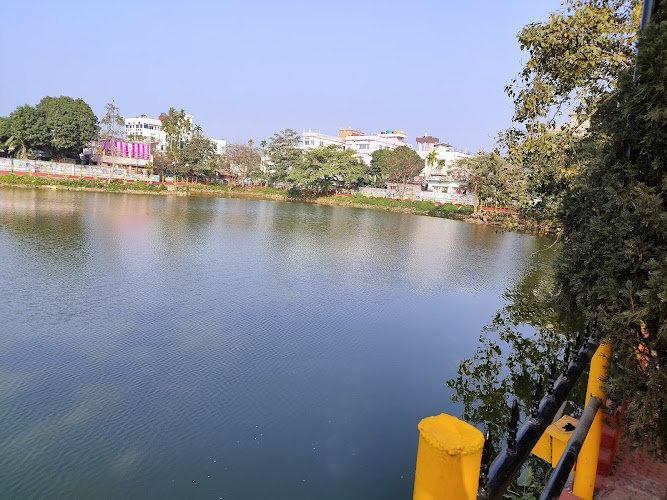
Dimsagar Lake Park

Tripura Darpan Building
Shyamali bazar
Find Accommodations Nearby
Recommended Tours & Activities
Visitor Reviews
There are no reviews yet. Be the first one to write one.
Share Your Experience
Have you visited Shri Jagannath Temple, Agartala? Help other travelers by leaving a review.