
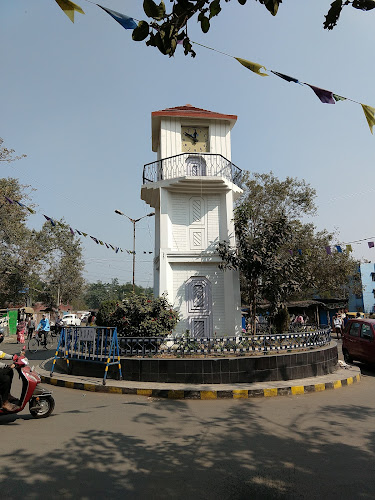
Asansol Court Area
About Asansol Court Area
Description
The Asansol Court Area represents the administrative and legal heartbeat of this industrial city in West Bengal's Paschim Bardhaman district. While most travelers might not immediately think of visiting a court complex during their journeys, this particular area offers an intriguing glimpse into the functioning of India's judicial system and the daily rhythm of a working Indian city that's far removed from typical tourist circuits. I'll be honest with you – when I first heard about including a court area in travel itineraries, I was skeptical. But then I realized that authentic travel isn't always about pristine beaches or mountain vistas. Sometimes it's about understanding how real people in real cities go about their lives. And the Asansol Court Area does exactly that. The complex serves as the primary judicial center for Asansol and surrounding regions, handling everything from civil disputes to criminal cases. What makes this area particularly interesting for culturally curious travelers is the sheer energy and activity that surrounds it. Lawyers in their traditional black robes hurry between chambers, families wait anxiously for hearings, and the entire ecosystem of court-related businesses – from photocopy shops to small eateries – creates a microcosm of urban Indian life. The architecture itself tells a story of administrative India. The buildings follow that distinctive government style you'll find across the country – functional, somewhat austere, yet carrying a certain dignified presence. The surrounding streets buzz with activity from early morning till late afternoon, with peak hours seeing an incredible density of people from all walks of life converging on this single point. For travelers interested in legal tourism or those wanting to understand India beyond its tourist facade, spending time observing the court area provides educational value that you simply can't get from guidebooks. You'll witness the Indian judicial process in action, see how local communities interact with government institutions, and get a real sense of the social fabric of Asansol.Key Features
The Asansol Court Area offers several distinctive characteristics that make it worth your time:- Active judicial proceedings that showcase India's democratic legal system in action throughout working days
- A surrounding ecosystem of legal professionals, document services, and support businesses that illustrate the practical workings of Indian bureaucracy
- Architecture representative of government buildings across West Bengal, offering insights into administrative design philosophy
- Diverse cross-section of local society, from lawyers and judges to common citizens, providing unfiltered people-watching opportunities
- Numerous small eateries and tea stalls around the perimeter where legal professionals gather, offering authentic local food experiences
- Easy access to other administrative and commercial areas of Asansol, making it a practical starting point for exploring the city
- Relatively safe and secure environment due to constant police and security presence
- Opportunity to observe traditional Indian professional attire and conduct in a formal setting
- Nearby markets and commercial streets that cater to both court visitors and general public
- Interesting blend of old and newer structures showing the evolution of the area over decades
Best Time to Visit
Now here's where things get specific. The Asansol Court Area operates on a typical government schedule, which means your timing matters significantly more than it would at a conventional tourist site. The absolute best time to visit is during working hours on weekdays – specifically between 10:30 AM and 4:00 PM. This is when the courts are in session and the entire area comes alive with activity. Morning hours from 10:30 to 1:00 PM are particularly busy as this is when most hearings are scheduled and lawyers meet their clients. You'll see the area at its most authentic during these hours. But avoid Saturdays, Sundays, and public holidays when the courts are closed. Trust me on this – visiting the court area when it's shut down is like visiting a theater when there's no performance. The entire point is to experience the activity and energy. In terms of seasons, October through March offers the most comfortable weather for walking around and observing. Asansol gets brutally hot during summer months (April to June), and standing around in the heat can be exhausting. The monsoon season from July to September brings relief from heat but also means dealing with muddy conditions and potential disruptions to court schedules. If you're particularly interested in photography or detailed observation, I'd suggest visiting on a Tuesday, Wednesday, or Thursday. Mondays tend to be chaotic with backlog from the weekend, and Fridays see people rushing to wrap up before the weekend break. One thing I learned from experience – avoid the lunch break period between 1:00 and 2:00 PM. The area temporarily empties out, and while the food stalls remain busy, you'll miss the courtroom activity and professional interactions that make the visit worthwhile.How to Get There
Getting to the Asansol Court Area is straightforward, though like most things in India, it requires some local knowledge to navigate efficiently. If you're coming from outside Asansol, the city is well-connected by rail. Asansol Junction is one of the major railway stations in eastern India, with trains from Kolkata taking roughly 3 hours. From the railway station, the court area is about 3 kilometers away. You can hire an auto-rickshaw (should cost you around 40-60 rupees, though they'll initially quote higher) or use app-based cab services like Ola or Uber which operate in Asansol. For those coming by road, Asansol sits on the Grand Trunk Road (NH19) and is accessible from Kolkata (around 200 kilometers), Durgapur (40 kilometers), and other nearby cities. Private taxis, buses, and personal vehicles all work fine. The court area has limited parking, so if you're driving yourself, be prepared to park at some distance and walk. Within Asansol, local buses serve the court area, though they can be crowded. Auto-rickshaws remain your best bet for convenience. Most auto drivers know the court area simply as "Court" – no need for elaborate explanations. The nearest airport is Kazi Nazrul Islam Airport in Durgapur, about 50 kilometers away, though it has limited connectivity. Most international travelers would fly into Kolkata and then make the overland journey to Asansol. A practical tip – download offline maps on your phone before heading out. Mobile data can be spotty in some areas, and having offline navigation helps tremendously.Tips for Visiting
Let me share some practical wisdom that'll make your visit to the Asansol Court Area much more rewarding. First and foremost, dress appropriately. While you're not appearing in court, showing up in shorts and tank tops would be disrespectful and frankly, you'll stand out awkwardly. Casual but modest clothing works best – think long pants or modest skirts, and shirts with sleeves. This isn't just about respect; you'll also be taken more seriously if you need to ask questions or interact with anyone. Photography requires sensitivity here. Courts are government buildings, and random photography might raise security concerns. If you want to take photos, do so discreetly of the exterior and surrounding areas. Never attempt to photograph inside courtrooms or of people without permission. I can't stress this enough – use common sense and respect privacy. Bring cash. The small eateries, tea stalls, and shops around the court area primarily operate on cash. ATMs are available nearby, but don't rely entirely on digital payments in this area. The tea stalls (chaiwallas) around the court perimeter offer fascinating opportunities to observe and interact with locals. Lawyers often gather at specific stalls during breaks, and if you're respectful and genuinely curious, you might find people willing to share insights about the legal system and local life. Order a cup of chai (usually 10-15 rupees) and simply observe. Stay hydrated, especially if visiting during warmer months. However, public restroom facilities are limited and not always in great condition. Plan accordingly. If you're genuinely interested in understanding court proceedings, consider hiring a local lawyer or law student as a guide for an hour or two. Many young lawyers are happy to earn some extra income and can provide invaluable context about what's happening. You might arrange this through local contacts or even by respectfully approaching someone at the court (offering 500-1000 rupees for an hour of their time is reasonable). Security checks are standard when entering court premises. Don't carry unnecessary bags or suspicious items. Keep your ID handy – you might be asked to show it. And here's something most guides won't tell you – the samosas and kachoris sold at the stalls around 4:00 PM when court winds down are absolutely delicious. The legal community knows which vendors serve the best snacks, and following their lead rarely disappoints. Finally, maintain realistic expectations. This isn't a polished tourist attraction with interpretive signs and guided tours. It's a working judicial facility. The value lies in authentic observation and cultural understanding, not in Instagram-perfect moments. Embrace the chaos, respect the space, and you'll come away with genuine insights into an aspect of India that most travelers never experience.Key Features
- District court complex and adjacent legal offices
- Concentration of government and municipal services
- Active local street life with eateries, tea stalls and stationery shops
- Easy access to Asansol railway and transport links
- Proximity to industrial-era and colonial-era urban fabric
More Details
Updated March 30, 2026
Table of Contents
Description
The Asansol Court Area represents the administrative and legal heartbeat of this industrial city in West Bengal’s Paschim Bardhaman district. While most travelers might not immediately think of visiting a court complex during their journeys, this particular area offers an intriguing glimpse into the functioning of India’s judicial system and the daily rhythm of a working Indian city that’s far removed from typical tourist circuits.
I’ll be honest with you – when I first heard about including a court area in travel itineraries, I was skeptical. But then I realized that authentic travel isn’t always about pristine beaches or mountain vistas. Sometimes it’s about understanding how real people in real cities go about their lives. And the Asansol Court Area does exactly that.
The complex serves as the primary judicial center for Asansol and surrounding regions, handling everything from civil disputes to criminal cases. What makes this area particularly interesting for culturally curious travelers is the sheer energy and activity that surrounds it. Lawyers in their traditional black robes hurry between chambers, families wait anxiously for hearings, and the entire ecosystem of court-related businesses – from photocopy shops to small eateries – creates a microcosm of urban Indian life.
The architecture itself tells a story of administrative India. The buildings follow that distinctive government style you’ll find across the country – functional, somewhat austere, yet carrying a certain dignified presence. The surrounding streets buzz with activity from early morning till late afternoon, with peak hours seeing an incredible density of people from all walks of life converging on this single point.
For travelers interested in legal tourism or those wanting to understand India beyond its tourist facade, spending time observing the court area provides educational value that you simply can’t get from guidebooks. You’ll witness the Indian judicial process in action, see how local communities interact with government institutions, and get a real sense of the social fabric of Asansol.
Key Features
The Asansol Court Area offers several distinctive characteristics that make it worth your time:
- Active judicial proceedings that showcase India’s democratic legal system in action throughout working days
- A surrounding ecosystem of legal professionals, document services, and support businesses that illustrate the practical workings of Indian bureaucracy
- Architecture representative of government buildings across West Bengal, offering insights into administrative design philosophy
- Diverse cross-section of local society, from lawyers and judges to common citizens, providing unfiltered people-watching opportunities
- Numerous small eateries and tea stalls around the perimeter where legal professionals gather, offering authentic local food experiences
- Easy access to other administrative and commercial areas of Asansol, making it a practical starting point for exploring the city
- Relatively safe and secure environment due to constant police and security presence
- Opportunity to observe traditional Indian professional attire and conduct in a formal setting
- Nearby markets and commercial streets that cater to both court visitors and general public
- Interesting blend of old and newer structures showing the evolution of the area over decades
Best Time to Visit
Now here’s where things get specific. The Asansol Court Area operates on a typical government schedule, which means your timing matters significantly more than it would at a conventional tourist site.
The absolute best time to visit is during working hours on weekdays – specifically between 10:30 AM and 4:00 PM. This is when the courts are in session and the entire area comes alive with activity. Morning hours from 10:30 to 1:00 PM are particularly busy as this is when most hearings are scheduled and lawyers meet their clients. You’ll see the area at its most authentic during these hours.
But avoid Saturdays, Sundays, and public holidays when the courts are closed. Trust me on this – visiting the court area when it’s shut down is like visiting a theater when there’s no performance. The entire point is to experience the activity and energy.
In terms of seasons, October through March offers the most comfortable weather for walking around and observing. Asansol gets brutally hot during summer months (April to June), and standing around in the heat can be exhausting. The monsoon season from July to September brings relief from heat but also means dealing with muddy conditions and potential disruptions to court schedules.
If you’re particularly interested in photography or detailed observation, I’d suggest visiting on a Tuesday, Wednesday, or Thursday. Mondays tend to be chaotic with backlog from the weekend, and Fridays see people rushing to wrap up before the weekend break.
One thing I learned from experience – avoid the lunch break period between 1:00 and 2:00 PM. The area temporarily empties out, and while the food stalls remain busy, you’ll miss the courtroom activity and professional interactions that make the visit worthwhile.
How to Get There
Getting to the Asansol Court Area is straightforward, though like most things in India, it requires some local knowledge to navigate efficiently.
If you’re coming from outside Asansol, the city is well-connected by rail. Asansol Junction is one of the major railway stations in eastern India, with trains from Kolkata taking roughly 3 hours. From the railway station, the court area is about 3 kilometers away. You can hire an auto-rickshaw (should cost you around 40-60 rupees, though they’ll initially quote higher) or use app-based cab services like Ola or Uber which operate in Asansol.
For those coming by road, Asansol sits on the Grand Trunk Road (NH19) and is accessible from Kolkata (around 200 kilometers), Durgapur (40 kilometers), and other nearby cities. Private taxis, buses, and personal vehicles all work fine. The court area has limited parking, so if you’re driving yourself, be prepared to park at some distance and walk.
Within Asansol, local buses serve the court area, though they can be crowded. Auto-rickshaws remain your best bet for convenience. Most auto drivers know the court area simply as “Court” – no need for elaborate explanations.
The nearest airport is Kazi Nazrul Islam Airport in Durgapur, about 50 kilometers away, though it has limited connectivity. Most international travelers would fly into Kolkata and then make the overland journey to Asansol.
A practical tip – download offline maps on your phone before heading out. Mobile data can be spotty in some areas, and having offline navigation helps tremendously.
Tips for Visiting
Let me share some practical wisdom that’ll make your visit to the Asansol Court Area much more rewarding.
First and foremost, dress appropriately. While you’re not appearing in court, showing up in shorts and tank tops would be disrespectful and frankly, you’ll stand out awkwardly. Casual but modest clothing works best – think long pants or modest skirts, and shirts with sleeves. This isn’t just about respect; you’ll also be taken more seriously if you need to ask questions or interact with anyone.
Photography requires sensitivity here. Courts are government buildings, and random photography might raise security concerns. If you want to take photos, do so discreetly of the exterior and surrounding areas. Never attempt to photograph inside courtrooms or of people without permission. I can’t stress this enough – use common sense and respect privacy.
Bring cash. The small eateries, tea stalls, and shops around the court area primarily operate on cash. ATMs are available nearby, but don’t rely entirely on digital payments in this area.
The tea stalls (chaiwallas) around the court perimeter offer fascinating opportunities to observe and interact with locals. Lawyers often gather at specific stalls during breaks, and if you’re respectful and genuinely curious, you might find people willing to share insights about the legal system and local life. Order a cup of chai (usually 10-15 rupees) and simply observe.
Stay hydrated, especially if visiting during warmer months. However, public restroom facilities are limited and not always in great condition. Plan accordingly.
If you’re genuinely interested in understanding court proceedings, consider hiring a local lawyer or law student as a guide for an hour or two. Many young lawyers are happy to earn some extra income and can provide invaluable context about what’s happening. You might arrange this through local contacts or even by respectfully approaching someone at the court (offering 500-1000 rupees for an hour of their time is reasonable).
Security checks are standard when entering court premises. Don’t carry unnecessary bags or suspicious items. Keep your ID handy – you might be asked to show it.
And here’s something most guides won’t tell you – the samosas and kachoris sold at the stalls around 4:00 PM when court winds down are absolutely delicious. The legal community knows which vendors serve the best snacks, and following their lead rarely disappoints.
Finally, maintain realistic expectations. This isn’t a polished tourist attraction with interpretive signs and guided tours. It’s a working judicial facility. The value lies in authentic observation and cultural understanding, not in Instagram-perfect moments. Embrace the chaos, respect the space, and you’ll come away with genuine insights into an aspect of India that most travelers never experience.
Key Highlights
- District court complex and adjacent legal offices
- Concentration of government and municipal services
- Active local street life with eateries, tea stalls and stationery shops
- Easy access to Asansol railway and transport links
- Proximity to industrial-era and colonial-era urban fabric
Location
Places to Stay Near Asansol Court Area
Find and Book a Tour
Explore More Travel Guides
No reviews found! Be the first to review!
Asansol Court Area is a prominent Attractions located in Asansol.
Traveler Reviews for Asansol Court Area
There are no reviews yet. Be the first one to write one.
Have you visited Asansol Court Area? Help other travelers by sharing your review.
Nearby Attractions
You Might Also Like
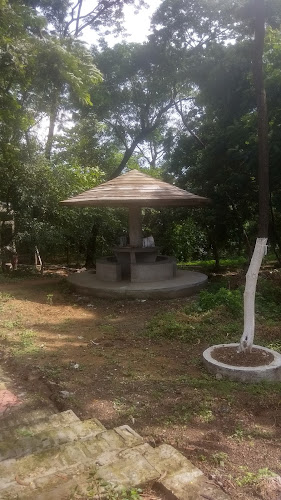
The Asansol Eco Park - Asansol City, West Bengal, India

Sentrum Mall

Chitra Galaxy Mall
Find Accommodations Nearby
Recommended Tours & Activities
Visitor Reviews
There are no reviews yet. Be the first one to write one.
Share Your Experience
Have you visited Asansol Court Area? Help other travelers by leaving a review.