
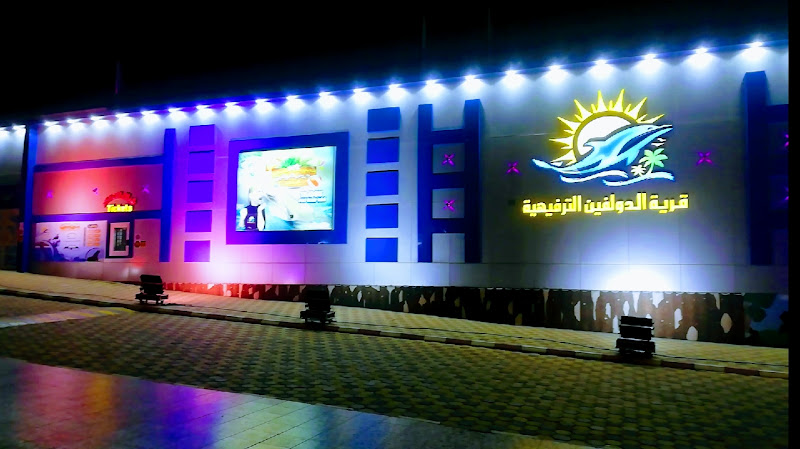
Dolphin and Sea Lion show
About Dolphin and Sea Lion show
Description
The Dolphin and Sea Lion show offers travelers an up-close encounter with some of the ocean's most intelligent and entertaining marine mammals. This amusement center creates a space where education meets entertainment, bringing visitors face-to-face with dolphins and sea lions performing impressive routines that showcase their natural abilities and learned behaviors. The performers—both human trainers and their marine counterparts—work together in choreographed presentations that highlight the remarkable cognitive abilities of these creatures. What makes this particular venue worth considering is its commitment to accessibility. I've visited enough attractions to know that not all entertainment venues think about every visitor's needs, but this place has genuinely made efforts to welcome everyone. The facility includes wheelchair accessible entrances, parking areas, and restrooms, which honestly makes a huge difference for families traveling with elderly relatives or individuals with mobility challenges. The atmosphere here tends to be lively, especially during peak tourist seasons. You'll find yourself surrounded by families, couples, and solo travelers all gathered to watch these magnificent animals perform tricks, jumps, and interactive routines. And while some marine shows have faced criticism over the years regarding animal welfare, many modern facilities have shifted their focus toward conservation education and demonstrating natural behaviors rather than purely entertainment-focused stunts.Key Features
The Dolphin and Sea Lion show stands out for several practical and experiential reasons that travelers should know about before planning their visit: • Wheelchair accessibility throughout the venue - From parking to seating areas to restrooms, the facility accommodates visitors with mobility needs without making them feel like an afterthought • Family-oriented programming - The shows are designed with children in mind, featuring interactive elements and educational components that keep young audiences engaged while teaching them about marine life • Multiple payment options - Credit cards, debit cards, and NFC mobile payments are all accepted, which is surprisingly convenient when you're traveling and might not be carrying much cash • Gender-neutral restroom facilities - A thoughtful inclusion that demonstrates attention to diverse visitor needs • Educational components - Beyond the entertainment value, trainers typically share information about dolphin and sea lion biology, conservation efforts, and the importance of protecting marine ecosystems • Photo opportunities - Most shows include moments specifically designed for visitors to capture memorable shots, though timing and positioning matter quite a bit • Climate-controlled or covered seating areas - Depending on the specific venue layout, protection from weather elements makes the experience more comfortable • Professional training staff - The handlers demonstrate genuine relationships with the animals, which adds authenticity to the performanceBest Time to Visit
Timing your visit to the Dolphin and Sea Lion show can honestly make or break your experience. I've learned through various travels that even the best attractions can feel overwhelming if you show up at the wrong time. Weekday mornings typically offer the most relaxed atmosphere. You'll encounter smaller crowds, which means better seating options and a more intimate viewing experience. The animals often seem more energetic during morning performances too, probably because they're fresh and the temperatures haven't peaked yet. If you're visiting during school holidays or summer vacation periods, prepare for larger audiences. This isn't necessarily bad—there's something special about experiencing these shows alongside excited children who gasp and laugh at every trick. But if crowds make you anxious or if you're hoping for front-row seats, arriving at least 30-45 minutes before showtime becomes essential rather than optional. Weather considerations matter more than you might think. Even if the venue has covered areas, extreme heat or cold can affect both your comfort and the animals' performance schedules. Some facilities adjust their show times during particularly hot days or inclement weather, so checking ahead saves disappointment. Shoulder seasons—those periods just before or after peak tourist times—often provide the sweet spot. You'll benefit from moderate weather, reasonable crowd sizes, and sometimes even discounted admission prices. And honestly, the staff often seems more relaxed and engaging during these quieter periods, which enhances the overall experience. Avoid visiting right after the facility opens for the season or immediately following any extended closure. Operations might still be working out kinks, and the animals may be readjusting to their performance routines.How to Get There
Getting to the Dolphin and Sea Lion show requires some planning, though the specific directions will depend on where you're staying during your travels. Most marine entertainment venues are located in coastal areas or near major tourist districts, which generally means they're accessible through multiple transportation methods. If you're driving, the venue provides wheelchair accessible parking, which I mentioned earlier but bears repeating because it's genuinely useful. Arriving early helps secure these spots, especially during busy periods. Standard parking areas fill up quickly on weekends and holidays, so factor in extra time for parking and walking to the entrance. Ride-sharing services work well for this type of attraction. The drop-off and pick-up zones at most entertainment venues are clearly marked, and you won't have to worry about parking fees or finding your way back to your car after the show when you're tired and the kids are cranky. I've found this particularly convenient when traveling with family because it eliminates the "who's driving" discussion entirely. Public transportation might be an option depending on the venue's location. Many coastal amusement areas are served by local bus routes or tourist shuttles that connect major hotels with popular attractions. Check with your accommodation's front desk—they often have schedules and route maps available, plus insider knowledge about which transportation options actually run on time. Taxi services remain reliable, though potentially more expensive than ride-sharing alternatives. The benefit is that experienced local drivers know the best routes and can offer recommendations for timing your visit. If you're staying at a nearby resort or hotel, some properties offer shuttle services to popular attractions. It's worth asking when you check in because this perk isn't always advertised prominently. Walking or biking might work if you're lodging close by. Some entertainment districts have pedestrian-friendly pathways that make the journey part of the experience. Just consider the weather and your group's physical capabilities—arriving sweaty and exhausted before the show even starts isn't ideal.Tips for Visiting
After considering what makes these marine shows work well for different types of travelers, here are some practical tips that'll improve your experience substantially. Arrive early—I can't stress this enough. Those first arrivals get the best seats, which matters more than you'd think at these shows. Front rows offer incredible views but you might get splashed (which kids usually love and adults sometimes tolerate). Middle sections provide good visibility without the water risk. And honestly, even back rows work fine if you're primarily interested in the overall spectacle rather than detailed observation. Bring layers of clothing. Indoor venues can be surprisingly cool with air conditioning, while outdoor shows might start in comfortable temperatures but heat up quickly. I've made the mistake of dressing for the weather outside without considering the actual venue conditions, and sitting through an hour-long show while uncomfortably cold isn't fun. Check the performance schedule carefully. Many venues offer multiple shows daily, but they're not always identical. Some facilities designate certain performances as more educational, while others focus purely on entertainment. If you're visiting with children who have specific interests or attention span limitations, matching the right show to your group matters. The no-restaurant situation means planning your meals accordingly. You can find restrooms on-site, but food options are limited or non-existent depending on the specific facility. Eat before arriving or pack snacks if you've got kids who get cranky when hungry. Some venues allow outside food while others don't, so checking their policies ahead of time prevents awkward situations at the entrance. Photography is usually permitted but flash photography typically isn't. The sudden bright lights can startle the animals and disrupt performances. Your phone camera's regular mode should work fine for capturing memories. And instead of watching the entire show through your phone screen, maybe just record the highlights? You'll actually remember more if you experience it directly rather than through a lens. Consider sun protection for outdoor venues even on cloudy days. Sunscreen, hats, and sunglasses protect you during what might be an hour or more in exposed seating. The reflection off water surfaces can intensify sun exposure too, which people don't always anticipate. Keep expectations realistic. These are live animals, not machines. Sometimes dolphins don't jump as high as expected, or sea lions miss their marks. That unpredictability is actually part of what makes these shows special—you're witnessing real interactions between trainers and intelligent creatures, not watching a predetermined routine executed perfectly every time. Be respectful of other visitors. These family-friendly environments attract people of all ages and backgrounds. Keeping noise levels reasonable (except during appropriate moments like applause), managing children's behavior, and being mindful of sightlines ensures everyone enjoys the experience. Plan for bathroom breaks before the show starts. While restrooms are available, leaving mid-performance disrupts your experience and potentially blocks others' views. The gender-neutral restroom option is particularly helpful for parents accompanying young children of different genders. If you have specific accessibility needs beyond what I've mentioned, contact the venue directly before visiting. Staff can provide detailed information about accommodations and might even offer assistance you wouldn't know to request. Don't forget that payment flexibility extends beyond admission. Gift shops and any available concessions accept multiple payment methods, but having some backup options never hurts when technology occasionally fails. Lastly, approach the experience with an open mind. Some visitors arrive with concerns about marine mammal captivity and animal welfare—valid considerations that deserve thoughtful attention. Others come purely for entertainment. Most people fall somewhere in between. Whatever your perspective, you'll get more from the visit by engaging with what's actually happening rather than what you expected or hoped to see.Key Features
- Live dolphin performances featuring jumps, tricks and interactive routines
- Sea lion acts combining comedy and trained behaviors
- Short educational narrations about species, care and conservation
- Family-friendly seating and photo opportunities
- Located within Taif’s amusement/entertainment district for easy access
More Details
Updated March 30, 2026
Table of Contents
Description
The Dolphin and Sea Lion show offers travelers an up-close encounter with some of the ocean’s most intelligent and entertaining marine mammals. This amusement center creates a space where education meets entertainment, bringing visitors face-to-face with dolphins and sea lions performing impressive routines that showcase their natural abilities and learned behaviors. The performers—both human trainers and their marine counterparts—work together in choreographed presentations that highlight the remarkable cognitive abilities of these creatures.
What makes this particular venue worth considering is its commitment to accessibility. I’ve visited enough attractions to know that not all entertainment venues think about every visitor’s needs, but this place has genuinely made efforts to welcome everyone. The facility includes wheelchair accessible entrances, parking areas, and restrooms, which honestly makes a huge difference for families traveling with elderly relatives or individuals with mobility challenges.
The atmosphere here tends to be lively, especially during peak tourist seasons. You’ll find yourself surrounded by families, couples, and solo travelers all gathered to watch these magnificent animals perform tricks, jumps, and interactive routines. And while some marine shows have faced criticism over the years regarding animal welfare, many modern facilities have shifted their focus toward conservation education and demonstrating natural behaviors rather than purely entertainment-focused stunts.
Key Features
The Dolphin and Sea Lion show stands out for several practical and experiential reasons that travelers should know about before planning their visit:
• Wheelchair accessibility throughout the venue – From parking to seating areas to restrooms, the facility accommodates visitors with mobility needs without making them feel like an afterthought
• Family-oriented programming – The shows are designed with children in mind, featuring interactive elements and educational components that keep young audiences engaged while teaching them about marine life
• Multiple payment options – Credit cards, debit cards, and NFC mobile payments are all accepted, which is surprisingly convenient when you’re traveling and might not be carrying much cash
• Gender-neutral restroom facilities – A thoughtful inclusion that demonstrates attention to diverse visitor needs
• Educational components – Beyond the entertainment value, trainers typically share information about dolphin and sea lion biology, conservation efforts, and the importance of protecting marine ecosystems
• Photo opportunities – Most shows include moments specifically designed for visitors to capture memorable shots, though timing and positioning matter quite a bit
• Climate-controlled or covered seating areas – Depending on the specific venue layout, protection from weather elements makes the experience more comfortable
• Professional training staff – The handlers demonstrate genuine relationships with the animals, which adds authenticity to the performance
Best Time to Visit
Timing your visit to the Dolphin and Sea Lion show can honestly make or break your experience. I’ve learned through various travels that even the best attractions can feel overwhelming if you show up at the wrong time.
Weekday mornings typically offer the most relaxed atmosphere. You’ll encounter smaller crowds, which means better seating options and a more intimate viewing experience. The animals often seem more energetic during morning performances too, probably because they’re fresh and the temperatures haven’t peaked yet.
If you’re visiting during school holidays or summer vacation periods, prepare for larger audiences. This isn’t necessarily bad—there’s something special about experiencing these shows alongside excited children who gasp and laugh at every trick. But if crowds make you anxious or if you’re hoping for front-row seats, arriving at least 30-45 minutes before showtime becomes essential rather than optional.
Weather considerations matter more than you might think. Even if the venue has covered areas, extreme heat or cold can affect both your comfort and the animals’ performance schedules. Some facilities adjust their show times during particularly hot days or inclement weather, so checking ahead saves disappointment.
Shoulder seasons—those periods just before or after peak tourist times—often provide the sweet spot. You’ll benefit from moderate weather, reasonable crowd sizes, and sometimes even discounted admission prices. And honestly, the staff often seems more relaxed and engaging during these quieter periods, which enhances the overall experience.
Avoid visiting right after the facility opens for the season or immediately following any extended closure. Operations might still be working out kinks, and the animals may be readjusting to their performance routines.
How to Get There
Getting to the Dolphin and Sea Lion show requires some planning, though the specific directions will depend on where you’re staying during your travels. Most marine entertainment venues are located in coastal areas or near major tourist districts, which generally means they’re accessible through multiple transportation methods.
If you’re driving, the venue provides wheelchair accessible parking, which I mentioned earlier but bears repeating because it’s genuinely useful. Arriving early helps secure these spots, especially during busy periods. Standard parking areas fill up quickly on weekends and holidays, so factor in extra time for parking and walking to the entrance.
Ride-sharing services work well for this type of attraction. The drop-off and pick-up zones at most entertainment venues are clearly marked, and you won’t have to worry about parking fees or finding your way back to your car after the show when you’re tired and the kids are cranky. I’ve found this particularly convenient when traveling with family because it eliminates the “who’s driving” discussion entirely.
Public transportation might be an option depending on the venue’s location. Many coastal amusement areas are served by local bus routes or tourist shuttles that connect major hotels with popular attractions. Check with your accommodation’s front desk—they often have schedules and route maps available, plus insider knowledge about which transportation options actually run on time.
Taxi services remain reliable, though potentially more expensive than ride-sharing alternatives. The benefit is that experienced local drivers know the best routes and can offer recommendations for timing your visit.
If you’re staying at a nearby resort or hotel, some properties offer shuttle services to popular attractions. It’s worth asking when you check in because this perk isn’t always advertised prominently.
Walking or biking might work if you’re lodging close by. Some entertainment districts have pedestrian-friendly pathways that make the journey part of the experience. Just consider the weather and your group’s physical capabilities—arriving sweaty and exhausted before the show even starts isn’t ideal.
Tips for Visiting
After considering what makes these marine shows work well for different types of travelers, here are some practical tips that’ll improve your experience substantially.
Arrive early—I can’t stress this enough. Those first arrivals get the best seats, which matters more than you’d think at these shows. Front rows offer incredible views but you might get splashed (which kids usually love and adults sometimes tolerate). Middle sections provide good visibility without the water risk. And honestly, even back rows work fine if you’re primarily interested in the overall spectacle rather than detailed observation.
Bring layers of clothing. Indoor venues can be surprisingly cool with air conditioning, while outdoor shows might start in comfortable temperatures but heat up quickly. I’ve made the mistake of dressing for the weather outside without considering the actual venue conditions, and sitting through an hour-long show while uncomfortably cold isn’t fun.
Check the performance schedule carefully. Many venues offer multiple shows daily, but they’re not always identical. Some facilities designate certain performances as more educational, while others focus purely on entertainment. If you’re visiting with children who have specific interests or attention span limitations, matching the right show to your group matters.
The no-restaurant situation means planning your meals accordingly. You can find restrooms on-site, but food options are limited or non-existent depending on the specific facility. Eat before arriving or pack snacks if you’ve got kids who get cranky when hungry. Some venues allow outside food while others don’t, so checking their policies ahead of time prevents awkward situations at the entrance.
Photography is usually permitted but flash photography typically isn’t. The sudden bright lights can startle the animals and disrupt performances. Your phone camera’s regular mode should work fine for capturing memories. And instead of watching the entire show through your phone screen, maybe just record the highlights? You’ll actually remember more if you experience it directly rather than through a lens.
Consider sun protection for outdoor venues even on cloudy days. Sunscreen, hats, and sunglasses protect you during what might be an hour or more in exposed seating. The reflection off water surfaces can intensify sun exposure too, which people don’t always anticipate.
Keep expectations realistic. These are live animals, not machines. Sometimes dolphins don’t jump as high as expected, or sea lions miss their marks. That unpredictability is actually part of what makes these shows special—you’re witnessing real interactions between trainers and intelligent creatures, not watching a predetermined routine executed perfectly every time.
Be respectful of other visitors. These family-friendly environments attract people of all ages and backgrounds. Keeping noise levels reasonable (except during appropriate moments like applause), managing children’s behavior, and being mindful of sightlines ensures everyone enjoys the experience.
Plan for bathroom breaks before the show starts. While restrooms are available, leaving mid-performance disrupts your experience and potentially blocks others’ views. The gender-neutral restroom option is particularly helpful for parents accompanying young children of different genders.
If you have specific accessibility needs beyond what I’ve mentioned, contact the venue directly before visiting. Staff can provide detailed information about accommodations and might even offer assistance you wouldn’t know to request.
Don’t forget that payment flexibility extends beyond admission. Gift shops and any available concessions accept multiple payment methods, but having some backup options never hurts when technology occasionally fails.
Lastly, approach the experience with an open mind. Some visitors arrive with concerns about marine mammal captivity and animal welfare—valid considerations that deserve thoughtful attention. Others come purely for entertainment. Most people fall somewhere in between. Whatever your perspective, you’ll get more from the visit by engaging with what’s actually happening rather than what you expected or hoped to see.
Key Highlights
- Live dolphin performances featuring jumps, tricks and interactive routines
- Sea lion acts combining comedy and trained behaviors
- Short educational narrations about species, care and conservation
- Family-friendly seating and photo opportunities
- Located within Taif’s amusement/entertainment district for easy access
Location
Places to Stay Near Dolphin and Sea Lion show
Find and Book a Tour
Explore More Travel Guides
No reviews found! Be the first to review!
Dolphin and Sea Lion show is a prominent مركز ترفيهي located in Taif.
Visit us at: 4099, Taif Saudi Arabia.
Traveler Reviews for Dolphin and Sea Lion show
There are no reviews yet. Be the first one to write one.
Have you visited Dolphin and Sea Lion show? Help other travelers by sharing your review.
Nearby Attractions
You Might Also Like

Tera Mall

Masjid AlMadhoon
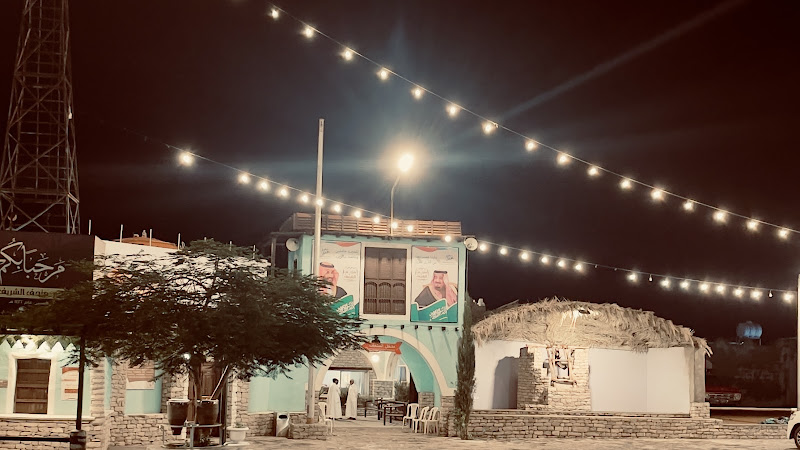
Al Shareef Museum
Find Accommodations Nearby
Recommended Tours & Activities
Visitor Reviews
There are no reviews yet. Be the first one to write one.
Share Your Experience
Have you visited Dolphin and Sea Lion show? Help other travelers by leaving a review.