
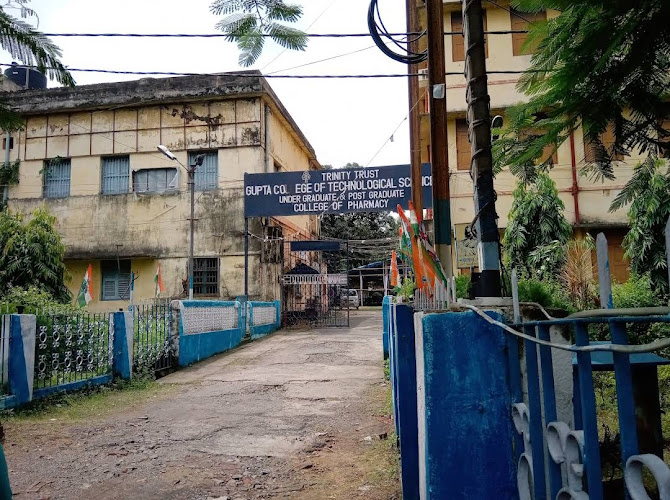
Ashram More
About Ashram More
Description
Ashram More stands as one of those fascinating historical landmarks that doesn't always make it into the glossy travel brochures, yet it holds a special place in the hearts of locals and curious travelers alike. This spot serves as both a geographical marker and a cultural touchstone, representing the intersection of spirituality, commerce, and daily life that characterizes so much of India's urban landscape. I've always found that the best historical landmarks aren't necessarily the ones with the most Instagram-worthy facades or the longest Wikipedia entries. Sometimes they're the places where everyday life unfolds against a backdrop of historical significance, and Ashram More fits that description perfectly. The area gets its name from the ashrams that once dotted this region, serving as centers of spiritual learning and community gathering. Though the landscape has evolved significantly over the decades, the essence of that spiritual heritage still permeates the atmosphere. What makes Ashram More particularly intriguing is how it functions as a living historical site rather than a preserved museum piece. People go about their daily routines here, businesses operate, traffic flows, and yet there's this underlying current of historical importance that you can sense if you take the time to really observe. The architecture tells stories of different eras, from colonial influences to modern development, creating this layered visual narrative that historians and casual observers alike find compelling. The accessibility features here deserve mention because not every historical landmark in India has embraced inclusive design. But at Ashram More, efforts have been made to ensure that visitors using wheelchairs can access the area, which speaks to a forward-thinking approach to heritage preservation. And honestly, when you see families with children exploring the area or elderly visitors navigating the space comfortably, it reinforces that history should be accessible to everyone, not just the able-bodied.Key Features
Travelers exploring Ashram More will discover several distinctive characteristics that set this location apart from other historical landmarks: • Historical architecture that showcases multiple periods of development, offering visual evidence of the region's evolution through different eras • Strategic location that serves as a major intersection point, making it a natural gathering place and cultural hub where different communities converge • Spiritual heritage reflected in the remaining structures and the area's name itself, connecting visitors to centuries of religious and philosophical traditions • Active commercial activity that demonstrates how historical sites can maintain relevance in contemporary life rather than becoming static monuments • Wheelchair-accessible entrances and parking facilities, ensuring that visitors with mobility challenges can experience the site fully • Family-friendly environment that welcomes children and provides educational opportunities for younger generations to connect with history • Onsite services that enhance the visitor experience without detracting from the historical authenticity of the location • Authentic local atmosphere where you'll encounter residents and daily life rather than just tourist-oriented presentations • Architectural diversity reflecting various construction styles and influences that have shaped the area over time • Cultural significance as a landmark that appears in local conversations, directions, and community identityBest Time to Visit
Timing your visit to Ashram More can make a substantial difference in your experience, and I'd say this based on both practical considerations and atmospheric preferences. The cooler months between October and March generally offer the most comfortable conditions for exploring. During this period, temperatures stay manageable, making it easier to walk around and really take in the details without feeling overwhelmed by heat. But here's where it gets interesting - the time of day matters just as much as the season. Early mornings, particularly between 6 and 9 AM, bring a completely different energy to the area. You'll see locals beginning their day, markets coming to life, and there's this freshness in the air that you just don't get during midday hours. I remember visiting a similar historical landmark at dawn once, and the experience was transformative because you see the place through the eyes of the people who actually live there rather than through a tourist lens. Late afternoons around 4 to 6 PM also offer compelling reasons to visit. The harsh midday sun has mellowed, creating better lighting conditions for photography enthusiasts, and the area often becomes more animated as people finish their work day and social interactions increase. Monsoon season, typically June through September, presents its own set of considerations. The rains can be unpredictable and sometimes heavy, which might complicate your exploration. However, if you don't mind getting a bit wet and you're prepared with appropriate gear, the monsoon brings this dramatic quality to historical sites that some travelers find absolutely captivating. Weekdays generally provide a more authentic experience than weekends when tourist traffic tends to increase. That said, weekends might offer you a chance to observe local families and groups using the space, which provides its own valuable cultural insights.How to Get There
Getting to Ashram More involves navigating India's complex but surprisingly functional transportation network, and honestly, the journey itself can become part of your travel story. The landmark's position as a major intersection means it's relatively well-connected by various modes of transport. Public transportation offers probably the most economical approach. Local buses frequently pass through or near the area, and asking locals for the right bus number usually yields helpful responses. Indian public transport can seem overwhelming at first, but there's something genuinely rewarding about figuring it out. Just be prepared for crowded conditions during peak hours and keep your belongings secure. Auto-rickshaws provide a more direct and personalized option. Most drivers will recognize "Ashram More" as a destination since it functions as a landmark that locals use for navigation. Negotiating fares beforehand remains important unless the driver agrees to use the meter. I've learned that being friendly but firm about price negotiations works better than aggressive haggling - you want fair pricing without creating tension. Ride-sharing apps have revolutionized travel in Indian cities, and they work quite well for reaching places like Ashram More. The convenience of cashless transactions and GPS-tracked routes appeals to many international travelers who might feel uncertain about traditional negotiation processes. If you're driving yourself or hiring a private vehicle, parking availability exists though it can get congested during busy periods. The wheelchair-accessible parking lots make this option particularly viable for travelers with mobility considerations. Metro connectivity, depending on the nearest station, might involve a short walk or auto-rickshaw ride to reach the actual landmark. But metro systems offer air-conditioned comfort and predictable timing that many travelers appreciate. Walking to Ashram More from nearby accommodations can work beautifully if you're staying within reasonable distance. Nothing beats exploring a neighborhood on foot for really absorbing the local atmosphere and stumbling upon unexpected discoveries along the way.Tips for Visiting
Navigating Ashram More successfully involves more than just showing up - a few thoughtful preparations can transform your visit from merely adequate to genuinely memorable. First off, comfortable walking shoes aren't just recommended, they're practically essential. You'll likely be on your feet more than you initially expect, and blistered feet can quickly sour even the most interesting cultural experience. Dressing modestly shows respect for the spiritual heritage of the area. This doesn't mean you need to completely change your style, but covering shoulders and knees demonstrates cultural awareness. And honestly, modest clothing often proves more practical in India's climate and social contexts anyway. Bringing water keeps you hydrated, though you'll find vendors selling bottled water nearby. I always carry my own reusable bottle to reduce plastic waste - small choices like this add up when millions of tourists make them. Photography enthusiasts should remember that while the area generally permits photos, some specific structures or spaces might have restrictions. When in doubt, asking permission costs nothing and often leads to interesting conversations with locals who appreciate your respectfulness. Visiting with children? The kid-friendly nature of Ashram More means you don't need to worry excessively, but keeping youngsters close in busy areas just makes sense. Turn the visit into an educational adventure by encouraging them to notice architectural details or imagine what life was like during different historical periods. Cash remains king in many areas around historical landmarks in India. While digital payments have expanded dramatically, having small denominations helps when purchasing snacks, drinks, or small souvenirs from local vendors. Language barriers might arise, but don't let that intimidate you. Basic Hindi phrases go a long way in establishing goodwill, and most people respond positively to genuine efforts at communication. Translation apps work in a pinch, though gesture and patience often communicate just as effectively. Hiring a local guide, either officially or informally, can dramatically enrich your understanding. The stories and historical context that knowledgeable guides provide transform what you're seeing from random old buildings into meaningful narratives about human experience. Safety practices matter, though Ashram More generally doesn't present unusual risks. Standard precautions about watching your belongings, staying aware of your surroundings, and trusting your instincts serve you well here as anywhere. The onsite services available mean you'll find basic amenities, but don't expect resort-level facilities. This is a working historical landmark where function takes priority over tourist pampering, and that authenticity represents part of its appeal. Respecting the space means remembering that while you're visiting for leisure, others use this area as part of their daily lives. Being mindful of blocking walkways, speaking at reasonable volumes, and generally acting like a considerate guest creates positive interactions all around. Finally, allow more time than you think you'll need. Rushed visits to historical landmarks rarely satisfy because you spend the whole time worrying about your next commitment rather than absorbing where you actually are. Give yourself permission to linger, observe, maybe sit quietly for a few minutes and just watch the world go by. Those unscheduled moments often become the memories you treasure most when looking back on your travels.Key Features
- Key Features
- Best Time to Visit
- How to Get There
- Tips for Visiting
More Details
Updated March 30, 2026
Table of Contents
Description
Ashram More stands as one of those fascinating historical landmarks that doesn’t always make it into the glossy travel brochures, yet it holds a special place in the hearts of locals and curious travelers alike. This spot serves as both a geographical marker and a cultural touchstone, representing the intersection of spirituality, commerce, and daily life that characterizes so much of India’s urban landscape.
I’ve always found that the best historical landmarks aren’t necessarily the ones with the most Instagram-worthy facades or the longest Wikipedia entries. Sometimes they’re the places where everyday life unfolds against a backdrop of historical significance, and Ashram More fits that description perfectly. The area gets its name from the ashrams that once dotted this region, serving as centers of spiritual learning and community gathering. Though the landscape has evolved significantly over the decades, the essence of that spiritual heritage still permeates the atmosphere.
What makes Ashram More particularly intriguing is how it functions as a living historical site rather than a preserved museum piece. People go about their daily routines here, businesses operate, traffic flows, and yet there’s this underlying current of historical importance that you can sense if you take the time to really observe. The architecture tells stories of different eras, from colonial influences to modern development, creating this layered visual narrative that historians and casual observers alike find compelling.
The accessibility features here deserve mention because not every historical landmark in India has embraced inclusive design. But at Ashram More, efforts have been made to ensure that visitors using wheelchairs can access the area, which speaks to a forward-thinking approach to heritage preservation. And honestly, when you see families with children exploring the area or elderly visitors navigating the space comfortably, it reinforces that history should be accessible to everyone, not just the able-bodied.
Key Features
Travelers exploring Ashram More will discover several distinctive characteristics that set this location apart from other historical landmarks:
• Historical architecture that showcases multiple periods of development, offering visual evidence of the region’s evolution through different eras
• Strategic location that serves as a major intersection point, making it a natural gathering place and cultural hub where different communities converge
• Spiritual heritage reflected in the remaining structures and the area’s name itself, connecting visitors to centuries of religious and philosophical traditions
• Active commercial activity that demonstrates how historical sites can maintain relevance in contemporary life rather than becoming static monuments
• Wheelchair-accessible entrances and parking facilities, ensuring that visitors with mobility challenges can experience the site fully
• Family-friendly environment that welcomes children and provides educational opportunities for younger generations to connect with history
• Onsite services that enhance the visitor experience without detracting from the historical authenticity of the location
• Authentic local atmosphere where you’ll encounter residents and daily life rather than just tourist-oriented presentations
• Architectural diversity reflecting various construction styles and influences that have shaped the area over time
• Cultural significance as a landmark that appears in local conversations, directions, and community identity
Best Time to Visit
Timing your visit to Ashram More can make a substantial difference in your experience, and I’d say this based on both practical considerations and atmospheric preferences. The cooler months between October and March generally offer the most comfortable conditions for exploring. During this period, temperatures stay manageable, making it easier to walk around and really take in the details without feeling overwhelmed by heat.
But here’s where it gets interesting – the time of day matters just as much as the season. Early mornings, particularly between 6 and 9 AM, bring a completely different energy to the area. You’ll see locals beginning their day, markets coming to life, and there’s this freshness in the air that you just don’t get during midday hours. I remember visiting a similar historical landmark at dawn once, and the experience was transformative because you see the place through the eyes of the people who actually live there rather than through a tourist lens.
Late afternoons around 4 to 6 PM also offer compelling reasons to visit. The harsh midday sun has mellowed, creating better lighting conditions for photography enthusiasts, and the area often becomes more animated as people finish their work day and social interactions increase.
Monsoon season, typically June through September, presents its own set of considerations. The rains can be unpredictable and sometimes heavy, which might complicate your exploration. However, if you don’t mind getting a bit wet and you’re prepared with appropriate gear, the monsoon brings this dramatic quality to historical sites that some travelers find absolutely captivating.
Weekdays generally provide a more authentic experience than weekends when tourist traffic tends to increase. That said, weekends might offer you a chance to observe local families and groups using the space, which provides its own valuable cultural insights.
How to Get There
Getting to Ashram More involves navigating India’s complex but surprisingly functional transportation network, and honestly, the journey itself can become part of your travel story. The landmark’s position as a major intersection means it’s relatively well-connected by various modes of transport.
Public transportation offers probably the most economical approach. Local buses frequently pass through or near the area, and asking locals for the right bus number usually yields helpful responses. Indian public transport can seem overwhelming at first, but there’s something genuinely rewarding about figuring it out. Just be prepared for crowded conditions during peak hours and keep your belongings secure.
Auto-rickshaws provide a more direct and personalized option. Most drivers will recognize “Ashram More” as a destination since it functions as a landmark that locals use for navigation. Negotiating fares beforehand remains important unless the driver agrees to use the meter. I’ve learned that being friendly but firm about price negotiations works better than aggressive haggling – you want fair pricing without creating tension.
Ride-sharing apps have revolutionized travel in Indian cities, and they work quite well for reaching places like Ashram More. The convenience of cashless transactions and GPS-tracked routes appeals to many international travelers who might feel uncertain about traditional negotiation processes.
If you’re driving yourself or hiring a private vehicle, parking availability exists though it can get congested during busy periods. The wheelchair-accessible parking lots make this option particularly viable for travelers with mobility considerations.
Metro connectivity, depending on the nearest station, might involve a short walk or auto-rickshaw ride to reach the actual landmark. But metro systems offer air-conditioned comfort and predictable timing that many travelers appreciate.
Walking to Ashram More from nearby accommodations can work beautifully if you’re staying within reasonable distance. Nothing beats exploring a neighborhood on foot for really absorbing the local atmosphere and stumbling upon unexpected discoveries along the way.
Tips for Visiting
Navigating Ashram More successfully involves more than just showing up – a few thoughtful preparations can transform your visit from merely adequate to genuinely memorable. First off, comfortable walking shoes aren’t just recommended, they’re practically essential. You’ll likely be on your feet more than you initially expect, and blistered feet can quickly sour even the most interesting cultural experience.
Dressing modestly shows respect for the spiritual heritage of the area. This doesn’t mean you need to completely change your style, but covering shoulders and knees demonstrates cultural awareness. And honestly, modest clothing often proves more practical in India’s climate and social contexts anyway.
Bringing water keeps you hydrated, though you’ll find vendors selling bottled water nearby. I always carry my own reusable bottle to reduce plastic waste – small choices like this add up when millions of tourists make them.
Photography enthusiasts should remember that while the area generally permits photos, some specific structures or spaces might have restrictions. When in doubt, asking permission costs nothing and often leads to interesting conversations with locals who appreciate your respectfulness.
Visiting with children? The kid-friendly nature of Ashram More means you don’t need to worry excessively, but keeping youngsters close in busy areas just makes sense. Turn the visit into an educational adventure by encouraging them to notice architectural details or imagine what life was like during different historical periods.
Cash remains king in many areas around historical landmarks in India. While digital payments have expanded dramatically, having small denominations helps when purchasing snacks, drinks, or small souvenirs from local vendors.
Language barriers might arise, but don’t let that intimidate you. Basic Hindi phrases go a long way in establishing goodwill, and most people respond positively to genuine efforts at communication. Translation apps work in a pinch, though gesture and patience often communicate just as effectively.
Hiring a local guide, either officially or informally, can dramatically enrich your understanding. The stories and historical context that knowledgeable guides provide transform what you’re seeing from random old buildings into meaningful narratives about human experience.
Safety practices matter, though Ashram More generally doesn’t present unusual risks. Standard precautions about watching your belongings, staying aware of your surroundings, and trusting your instincts serve you well here as anywhere.
The onsite services available mean you’ll find basic amenities, but don’t expect resort-level facilities. This is a working historical landmark where function takes priority over tourist pampering, and that authenticity represents part of its appeal.
Respecting the space means remembering that while you’re visiting for leisure, others use this area as part of their daily lives. Being mindful of blocking walkways, speaking at reasonable volumes, and generally acting like a considerate guest creates positive interactions all around.
Finally, allow more time than you think you’ll need. Rushed visits to historical landmarks rarely satisfy because you spend the whole time worrying about your next commitment rather than absorbing where you actually are. Give yourself permission to linger, observe, maybe sit quietly for a few minutes and just watch the world go by. Those unscheduled moments often become the memories you treasure most when looking back on your travels.
Key Highlights
- Key Features
- Best Time to Visit
- How to Get There
- Tips for Visiting
Location
Places to Stay Near Ashram More
Find and Book a Tour
Explore More Travel Guides
No reviews found! Be the first to review!
Ashram More is a prominent Historical landmark located in Asansol.
Visit us at: 33-35, Asansol – Chittaranjan Rd, Railway Officers Colony, Munshi Bazar, Asansol, West Bengal 713301, India.
Traveler Reviews for Ashram More
There are no reviews yet. Be the first one to write one.
Have you visited Ashram More? Help other travelers by sharing your review.
You Might Also Like
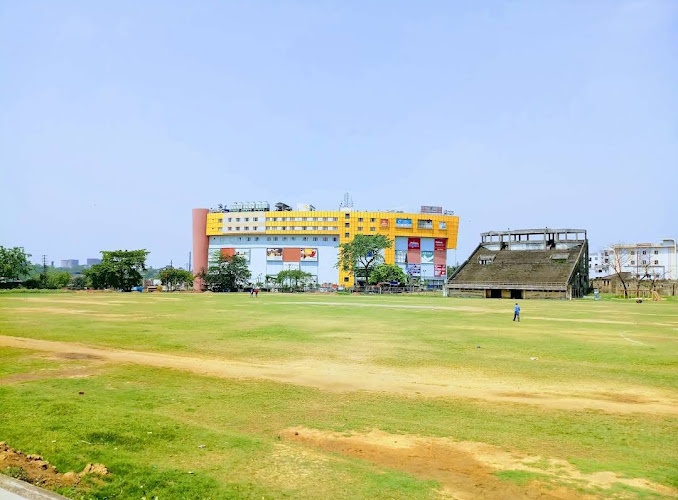
Polo Ground , Asansol

Chitra Galaxy Mall
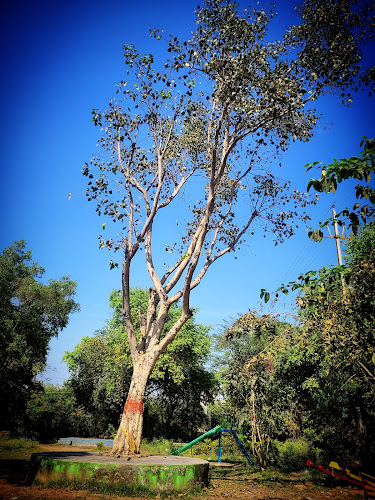
Vivekananda Park
Find Accommodations Nearby
Recommended Tours & Activities
Visitor Reviews
There are no reviews yet. Be the first one to write one.
Share Your Experience
Have you visited Ashram More? Help other travelers by leaving a review.