
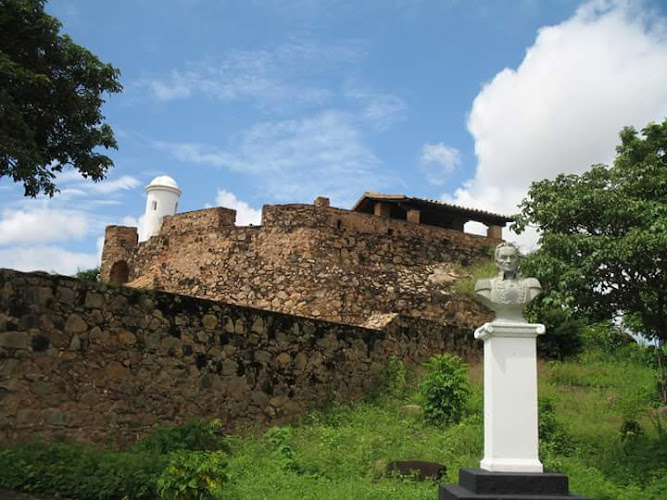
Fortín El Zamuro
About Fortín El Zamuro
Description
Fortín El Zamuro stands as one of those historical treasures that doesn't always make it onto the glossy travel brochures, but honestly? That's part of its charm. This fortification tells a story that stretches back centuries, representing a critical piece of defensive architecture from Venezuela's colonial and independence periods. The name itself—El Zamuro, meaning "the vulture"—gives you a sense of the strategic vantage point this fort commanded over the surrounding landscape. I remember the first time I visited a similar fortification in South America and felt that strange connection to history, standing where soldiers once kept watch. Fortín El Zamuro offers that same visceral experience. The structure isn't just about crumbling walls and old cannons—though those are certainly present. It's about understanding the military significance this location held during tumultuous times when control of territory meant everything. The fort attracts history buffs, architecture enthusiasts, and families looking for an educational outing that doesn't feel like homework. And here's the thing: while it might not have the polish of more commercialized historical sites, that rougher edge actually enhances the authentic feel. You're not walking through a sanitized museum replica; you're experiencing the real deal with all its weathered stones and genuine battle scars. Most visitors come away impressed by how well-preserved certain sections remain, particularly considering the age and the elements this structure has endured. The fortification provides insight into military engineering from a bygone era, showcasing how defenders used natural terrain advantages combined with human ingenuity to create formidable defensive positions.Key Features
The fortification offers several distinctive elements that make the visit worthwhile:- Original stone construction showcasing colonial-era military architecture and defensive design principles that were cutting-edge for their time
- Strategic elevated positioning that provides panoramic views of the surrounding territory, helping visitors understand why this particular location was chosen for defensive purposes
- Remaining artillery positions and gun emplacements that demonstrate the fort's military capabilities and tactical importance during active service
- Authentic historical atmosphere with minimal modern intervention, allowing for genuine connection to the past without excessive commercialization
- Educational value for children and adults alike, making it particularly suitable for family visits where kids can learn about history in an engaging, hands-on environment
- Photography opportunities that capture both architectural details and landscape vistas, perfect for travel documentation and social media content
- Relatively peaceful setting compared to more crowded tourist attractions, offering contemplative space to absorb the historical significance
- Accessible exploration areas where visitors can walk through various sections of the fortification and examine construction techniques up close
- Connection to broader Venezuelan independence narratives and colonial history, providing context for understanding the region's complex past
Best Time to Visit
Timing your visit to Fortín El Zamuro can make a substantial difference in your experience. The dry season, typically running from December through April, offers the most comfortable conditions for exploring the fort. During these months, you'll encounter less rainfall and more predictable weather patterns, which matters when you're walking around exposed fortification walls and potentially uneven terrain. But let me tell you—early morning visits are absolutely magical. The light hits the old stones differently, and you'll likely have the place mostly to yourself before other visitors arrive. I've found that historical sites always feel more atmospheric when you're not jostling with crowds. Plus, morning temperatures are cooler, which you'll appreciate when climbing around the various levels of the fortification. Weekdays generally see fewer visitors than weekends, so if you're flexible with your schedule, aim for a Tuesday or Wednesday visit. School holidays and local festivals can bring larger crowds, particularly families taking advantage of the fort's kid-friendly aspects. The rainy season from May through November doesn't necessarily mean you should avoid visiting, but be prepared for afternoon showers and potentially slippery conditions on stone surfaces. Some travelers actually prefer this period because the surrounding landscape becomes lusher and more photogenic, though you'll want to pack accordingly. Sunset visits offer their own appeal, with the changing light creating dramatic shadows across the fortification's walls and features. However, check closing times beforehand—some historical sites close earlier than you'd expect, and getting locked in an old fort isn't quite the adventure you're looking for.How to Get There
Reaching Fortín El Zamuro requires a bit of planning, but that's part of what keeps it from being overrun with tour buses. Most travelers will find that renting a vehicle provides the most flexibility and convenience for visiting the fort. Public transportation options exist but typically involve connections and potentially irregular schedules that can eat into your exploration time. If you're driving, ensure you have reliable GPS or downloaded offline maps, because cellular coverage can be spotty in some areas. The roads leading to the fortification vary in quality—some sections are well-maintained while others show their age. A standard vehicle usually suffices, though ground clearance never hurts when dealing with rural roads. Local taxis or ride-sharing services can be arranged from nearby towns, though you'll want to negotiate a round-trip fare and waiting time upfront. Drivers familiar with the area make excellent informal guides and often share local knowledge you won't find in guidebooks. For those using public transportation, research the bus routes serving the general area and be prepared for some walking. The final approach to the fort might require a fifteen to twenty minute walk depending on where the bus drops you off. Comfortable walking shoes aren't just recommended—they're essential. Consider timing your arrival to allow at least two hours for proper exploration. Rushing through diminishes the experience, and you've come all this way; you might as well give yourself adequate time to absorb the history and scenery.Tips for Visiting
Preparation makes the difference between a good visit and a great one. First things first: wear sturdy, closed-toe shoes with good grip. Those old stone surfaces can be uneven and occasionally slick, especially if there's been recent rain or morning dew. I learned this lesson the hard way at a different historical site, and trust me, you don't want to be the person sliding around on centuries-old stones. Bring water and snacks because amenities near the fort are limited or non-existent. Dehydration sneaks up on you when you're engrossed in exploring, and having supplies means you can take your time without cutting the visit short due to basic needs. Sun protection deserves serious attention. Even on overcast days, UV exposure adds up quickly at an exposed fortification with minimal shade. Pack sunscreen, a hat, and sunglasses. Your future self will thank you for not returning to your accommodation looking like a lobster. Photography enthusiasts should bring extra batteries and memory cards. The architectural details and landscape views provide endless photo opportunities, and running out of storage or power would be frustrating. Early morning and late afternoon light produces the most dramatic shots, so plan accordingly. If you're visiting with children—and the fort is genuinely good for kids—bring activities to help them engage with the history. A simple scavenger hunt list of architectural features to find, or encouraging them to imagine what life was like for soldiers stationed here, transforms the visit from potentially boring to genuinely memorable. Kids remember experiences where they actively participated, not where they passively followed adults around. Check ahead for any scheduled maintenance or closures. Historical sites occasionally need restoration work, and portions might be inaccessible. A quick inquiry beforehand prevents disappointment upon arrival. Respect the historical nature of the site. While it's tempting to climb on everything or leave your mark, remember that thousands of future visitors deserve the same experience you're enjoying. Stay within designated areas and don't remove anything—not even small stones—as souvenirs. Consider hiring a local guide if you really want to understand the fort's history and significance. While self-exploration has its merits, knowledgeable guides provide context and stories that bring the stones to life in ways that plaques and signs simply cannot match. Pack layers because temperature can fluctuate, especially if you're visiting during transitional seasons. That breeze feels nice initially but can become chilly after you've been stationary for awhile examining architectural details. Finally, manage your expectations appropriately. Fortín El Zamuro isn't Disneyland with costumed interpreters and interactive exhibits. It's an authentic historical site with all the rough edges that implies. But for travelers who appreciate genuine historical experiences over manufactured attractions, that authenticity is precisely what makes it special.Key Features
- Historic small fortification dating to the late 18th/19th century
- Panoramic views over Ciudad Bolívar and the Orinoco River
- Visible cannon/embrasure and preserved stonework
- Short uphill walk — great for photography and sunset vistas
- Close proximity to Ciudad Bolívar’s colonial quarter and plazas
More Details
Updated March 30, 2026
Description
Fortín El Zamuro stands as one of those historical treasures that doesn’t always make it onto the glossy travel brochures, but honestly? That’s part of its charm. This fortification tells a story that stretches back centuries, representing a critical piece of defensive architecture from Venezuela’s colonial and independence periods. The name itself—El Zamuro, meaning “the vulture”—gives you a sense of the strategic vantage point this fort commanded over the surrounding landscape.
I remember the first time I visited a similar fortification in South America and felt that strange connection to history, standing where soldiers once kept watch. Fortín El Zamuro offers that same visceral experience. The structure isn’t just about crumbling walls and old cannons—though those are certainly present. It’s about understanding the military significance this location held during tumultuous times when control of territory meant everything.
The fort attracts history buffs, architecture enthusiasts, and families looking for an educational outing that doesn’t feel like homework. And here’s the thing: while it might not have the polish of more commercialized historical sites, that rougher edge actually enhances the authentic feel. You’re not walking through a sanitized museum replica; you’re experiencing the real deal with all its weathered stones and genuine battle scars.
Most visitors come away impressed by how well-preserved certain sections remain, particularly considering the age and the elements this structure has endured. The fortification provides insight into military engineering from a bygone era, showcasing how defenders used natural terrain advantages combined with human ingenuity to create formidable defensive positions.
Key Features
The fortification offers several distinctive elements that make the visit worthwhile:
- Original stone construction showcasing colonial-era military architecture and defensive design principles that were cutting-edge for their time
- Strategic elevated positioning that provides panoramic views of the surrounding territory, helping visitors understand why this particular location was chosen for defensive purposes
- Remaining artillery positions and gun emplacements that demonstrate the fort’s military capabilities and tactical importance during active service
- Authentic historical atmosphere with minimal modern intervention, allowing for genuine connection to the past without excessive commercialization
- Educational value for children and adults alike, making it particularly suitable for family visits where kids can learn about history in an engaging, hands-on environment
- Photography opportunities that capture both architectural details and landscape vistas, perfect for travel documentation and social media content
- Relatively peaceful setting compared to more crowded tourist attractions, offering contemplative space to absorb the historical significance
- Accessible exploration areas where visitors can walk through various sections of the fortification and examine construction techniques up close
- Connection to broader Venezuelan independence narratives and colonial history, providing context for understanding the region’s complex past
Best Time to Visit
Timing your visit to Fortín El Zamuro can make a substantial difference in your experience. The dry season, typically running from December through April, offers the most comfortable conditions for exploring the fort. During these months, you’ll encounter less rainfall and more predictable weather patterns, which matters when you’re walking around exposed fortification walls and potentially uneven terrain.
But let me tell you—early morning visits are absolutely magical. The light hits the old stones differently, and you’ll likely have the place mostly to yourself before other visitors arrive. I’ve found that historical sites always feel more atmospheric when you’re not jostling with crowds. Plus, morning temperatures are cooler, which you’ll appreciate when climbing around the various levels of the fortification.
Weekdays generally see fewer visitors than weekends, so if you’re flexible with your schedule, aim for a Tuesday or Wednesday visit. School holidays and local festivals can bring larger crowds, particularly families taking advantage of the fort’s kid-friendly aspects.
The rainy season from May through November doesn’t necessarily mean you should avoid visiting, but be prepared for afternoon showers and potentially slippery conditions on stone surfaces. Some travelers actually prefer this period because the surrounding landscape becomes lusher and more photogenic, though you’ll want to pack accordingly.
Sunset visits offer their own appeal, with the changing light creating dramatic shadows across the fortification’s walls and features. However, check closing times beforehand—some historical sites close earlier than you’d expect, and getting locked in an old fort isn’t quite the adventure you’re looking for.
How to Get There
Reaching Fortín El Zamuro requires a bit of planning, but that’s part of what keeps it from being overrun with tour buses. Most travelers will find that renting a vehicle provides the most flexibility and convenience for visiting the fort. Public transportation options exist but typically involve connections and potentially irregular schedules that can eat into your exploration time.
If you’re driving, ensure you have reliable GPS or downloaded offline maps, because cellular coverage can be spotty in some areas. The roads leading to the fortification vary in quality—some sections are well-maintained while others show their age. A standard vehicle usually suffices, though ground clearance never hurts when dealing with rural roads.
Local taxis or ride-sharing services can be arranged from nearby towns, though you’ll want to negotiate a round-trip fare and waiting time upfront. Drivers familiar with the area make excellent informal guides and often share local knowledge you won’t find in guidebooks.
For those using public transportation, research the bus routes serving the general area and be prepared for some walking. The final approach to the fort might require a fifteen to twenty minute walk depending on where the bus drops you off. Comfortable walking shoes aren’t just recommended—they’re essential.
Consider timing your arrival to allow at least two hours for proper exploration. Rushing through diminishes the experience, and you’ve come all this way; you might as well give yourself adequate time to absorb the history and scenery.
Tips for Visiting
Preparation makes the difference between a good visit and a great one. First things first: wear sturdy, closed-toe shoes with good grip. Those old stone surfaces can be uneven and occasionally slick, especially if there’s been recent rain or morning dew. I learned this lesson the hard way at a different historical site, and trust me, you don’t want to be the person sliding around on centuries-old stones.
Bring water and snacks because amenities near the fort are limited or non-existent. Dehydration sneaks up on you when you’re engrossed in exploring, and having supplies means you can take your time without cutting the visit short due to basic needs.
Sun protection deserves serious attention. Even on overcast days, UV exposure adds up quickly at an exposed fortification with minimal shade. Pack sunscreen, a hat, and sunglasses. Your future self will thank you for not returning to your accommodation looking like a lobster.
Photography enthusiasts should bring extra batteries and memory cards. The architectural details and landscape views provide endless photo opportunities, and running out of storage or power would be frustrating. Early morning and late afternoon light produces the most dramatic shots, so plan accordingly.
If you’re visiting with children—and the fort is genuinely good for kids—bring activities to help them engage with the history. A simple scavenger hunt list of architectural features to find, or encouraging them to imagine what life was like for soldiers stationed here, transforms the visit from potentially boring to genuinely memorable. Kids remember experiences where they actively participated, not where they passively followed adults around.
Check ahead for any scheduled maintenance or closures. Historical sites occasionally need restoration work, and portions might be inaccessible. A quick inquiry beforehand prevents disappointment upon arrival.
Respect the historical nature of the site. While it’s tempting to climb on everything or leave your mark, remember that thousands of future visitors deserve the same experience you’re enjoying. Stay within designated areas and don’t remove anything—not even small stones—as souvenirs.
Consider hiring a local guide if you really want to understand the fort’s history and significance. While self-exploration has its merits, knowledgeable guides provide context and stories that bring the stones to life in ways that plaques and signs simply cannot match.
Pack layers because temperature can fluctuate, especially if you’re visiting during transitional seasons. That breeze feels nice initially but can become chilly after you’ve been stationary for awhile examining architectural details.
Finally, manage your expectations appropriately. Fortín El Zamuro isn’t Disneyland with costumed interpreters and interactive exhibits. It’s an authentic historical site with all the rough edges that implies. But for travelers who appreciate genuine historical experiences over manufactured attractions, that authenticity is precisely what makes it special.
Key Highlights
- Historic small fortification dating to the late 18th/19th century
- Panoramic views over Ciudad Bolívar and the Orinoco River
- Visible cannon/embrasure and preserved stonework
- Short uphill walk — great for photography and sunset vistas
- Close proximity to Ciudad Bolívar’s colonial quarter and plazas
Location
Places to Stay Near Fortín El Zamuro
Find and Book a Tour
Explore More Travel Guides
No reviews found! Be the first to review!
Fortín El Zamuro is a prominent attractions located in Ciudad Bolívar.
Visit us at: 4CQX+2G6, Cdad. Bolívar 8001, Bolívar, Venezuela.
Traveler Reviews for Fortín El Zamuro
There are no reviews yet. Be the first one to write one.
Have you visited Fortín El Zamuro? Help other travelers by sharing your review.
Nearby Attractions
You Might Also Like
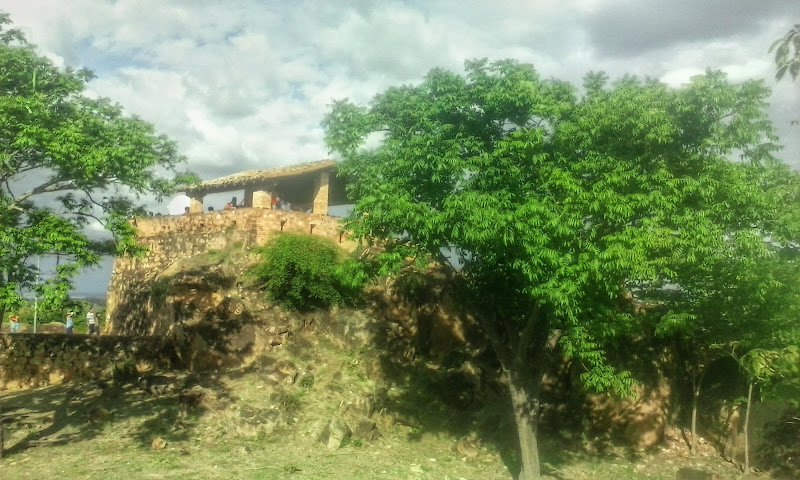
Cerro El Zamuro
LOS MANGOS
Sector Conscripto
Find Accommodations Nearby
Recommended Tours & Activities
Visitor Reviews
There are no reviews yet. Be the first one to write one.
Share Your Experience
Have you visited Fortín El Zamuro? Help other travelers by leaving a review.