
Al Ruddaf
About Al Ruddaf
Description
Al Ruddaf stands as one of those places that genuinely surprises travelers who venture beyond the typical tourist circuits. When I first heard about it, I'll admit I wasn't sure what to expect—but that's often when you discover the most authentic experiences, right? This destination offers visitors a chance to immerse themselves in an atmosphere that feels refreshingly unhurried compared to the bustling energy of more commercialized spots. The area presents itself as a fascinating study in contrasts. You'll find traditional architecture sitting comfortably alongside more modern developments, creating a visual narrative that speaks to both heritage and progress. And honestly, there's something quite special about walking through spaces where you can sense the layered history beneath your feet. The local character here hasn't been polished away for tourism's sake, which means you're getting a more genuine slice of life than what you'd find in heavily promoted destinations. What strikes most visitors about Al Ruddaf is how it manages to maintain its identity while still welcoming outsiders. The atmosphere carries a certain authenticity that's becoming increasingly rare in our interconnected world. You won't find crowds of tour groups here, which depending on your travel style, could be exactly what you're looking for. It's the kind of place where you can actually hear yourself think and observe daily life unfolding at its natural pace. The surrounding landscape adds another dimension to the experience. Whether you're someone who appreciates natural beauty or you're more interested in cultural observations, Al Ruddaf provides material for both. I've always believed that the best travel experiences happen when you're not trying too hard to manufacture them, and this location certainly supports that philosophy.Key Features
Al Ruddaf offers several distinctive characteristics that set it apart from more conventional tourist destinations:- Authentic local atmosphere that hasn't been significantly altered for tourism purposes, providing genuine cultural immersion opportunities
- Traditional architectural elements that showcase regional building styles and historical construction methods
- Quieter environment compared to major tourist hubs, ideal for travelers seeking respite from crowded attractions
- Opportunities for spontaneous interactions with local residents who maintain their daily routines and traditional practices
- Surrounding natural landscape that offers visual interest and exploration possibilities for nature enthusiasts
- Less commercialized setting where visitors can experience life as it's actually lived rather than as it's performed for tourists
- Photographic opportunities that capture authentic moments rather than staged tourist scenes
- Walking-friendly layout that encourages exploration on foot and chance discoveries
- Local markets and small businesses that cater primarily to residents, offering genuine products and services
- Cultural practices and daily rhythms that continue largely unchanged by tourism influences
Best Time to Visit
Timing your visit to Al Ruddaf requires a bit of thoughtfulness, though it's not as crucial as with some destinations. The cooler months generally provide the most comfortable conditions for walking around and exploring at your own pace. I'd say roughly from October through March you'll find temperatures that won't leave you searching desperately for shade every fifteen minutes. But here's the thing—visiting during shoulder seasons can actually enhance your experience in unexpected ways. You'll encounter fewer travelers (not that Al Ruddaf gets overwhelmed with tourists anyway), and the locals might have more time to chat if you're interested in those spontaneous conversations that often become the highlight of a trip. The warmer months present their own considerations. Yes, it gets hot—let's not pretend otherwise. But if you're someone who doesn't mind adjusting your schedule to accommodate the climate, you can explore during early mornings and late afternoons when the light is particularly beautiful anyway. Plus, accommodation prices sometimes drop during these periods, which matters if you're watching your budget. Weekdays versus weekends? I'd lean toward weekdays if possible. You'll see Al Ruddaf functioning in its most authentic state when people are going about their regular business routines rather than weekend activities. There's something satisfying about observing a place during its working rhythm—it feels more real somehow. Consider local holidays and observances too. While these can create fascinating cultural moments to witness, they might also mean certain closures or schedule changes. Do a bit of homework before committing to specific dates, especially if you have limited time in the area. Weather patterns deserve attention beyond just temperature. If you're visiting during transitional seasons, pack layers because morning and evening temperatures can differ significantly. And always check recent weather reports closer to your departure date—climate patterns have been shifting everywhere, making generalized advice less reliable than it used to be.How to Get There
Getting to Al Ruddaf requires a bit more planning than simply hopping on a metro line, but that's part of what keeps it relatively untouched. Most travelers will need to arrange private transportation or rental vehicles unless you're particularly adventurous with local transport options. I've found that renting a car often provides the most flexibility, especially if you want to explore surrounding areas at your own pace. If you're staying in a nearby major city, consider hiring a driver for the day. Yes, it costs more than going solo, but the local knowledge can be invaluable. A good driver becomes an informal guide, pointing out things you'd otherwise miss and helping navigate any language barriers. Plus, you won't spend mental energy on directions when you could be observing your surroundings. For those comfortable with ride-sharing apps, these sometimes operate in the region depending on exactly where you're coming from. Check app availability and pricing before relying on this option though. Nothing's more frustrating than planning your return trip around an app that suddenly doesn't have available drivers. Public transportation might connect to the general area, but you'll likely need to combine methods—perhaps a bus to a certain point and then a taxi or local transport the rest of the way. This approach takes longer and requires more flexibility in your schedule. But honestly, some travelers find this part of the adventure. If you're that type, embrace it. Plan your departure location carefully. Starting from the closest city center versus a suburban hotel can significantly impact travel time. Map applications usually give decent estimates, but add buffer time for unexpected delays, wrong turns, or interesting stops along the way. I've learned the hard way that rushing to stick to an aggressive schedule rarely enhances the travel experience. If you're joining an organized tour, transportation is obviously handled for you. However, these groups might only allow limited time at Al Ruddaf before moving to other locations. Consider whether that trade-off works for your travel style.Tips for Visiting
Approaching Al Ruddaf with the right mindset makes a significant difference in your experience. First off, lower your expectations about tourist infrastructure—this isn't a place with visitor centers, marked trails, or interpretive signs everywhere. You're essentially visiting a living area rather than a curated attraction, so adjust your approach accordingly. Dress appropriately for both the climate and cultural context. Comfortable walking shoes are non-negotiable since you'll likely be on your feet exploring various areas. And regardless of your personal fashion preferences, respecting local dress customs shows basic courtesy. When in doubt, err on the conservative side with your clothing choices. Bring cash. I can't stress this enough. While digital payments have spread widely, smaller local businesses in less touristy areas often operate on cash-only basis. Having local currency prevents awkward situations and allows you to support small vendors who might not have credit card infrastructure. Photography deserves thoughtful consideration here. Yes, you'll want to capture memories, but be mindful about photographing people without permission. What feels like innocent documentation to you might feel intrusive to someone going about their daily life. When I travel, I've found that asking permission (even through gestures if there's a language barrier) often leads to better photos anyway because people appreciate the respect. Water and snacks should travel with you since options for purchasing these might be limited. Dehydration sneaks up on travelers more than you'd think, especially if you're engrossed in exploring. A small backpack with basic supplies keeps you comfortable without making you feel like you're on an expedition. Learn a few phrases in the local language. Even basic greetings and "thank you" go surprisingly far in creating positive interactions. People generally appreciate the effort even if your pronunciation is terrible—mine usually is. Language apps can help with this preparation before you arrive. Timing your visit during the day matters. Mid-afternoon often sees reduced activity as people retreat from heat or take breaks. Early morning or late afternoon typically offer better opportunities for observation and photography, plus more comfortable temperatures. Be patient with yourself and the experience. Al Ruddaf won't reveal itself in the rushed, checklist-oriented way that traditional tourist sites do. Sometimes the best moments come from simply sitting somewhere and watching life happen around you. I know we're all trained to maximize our time and see everything possible, but resist that urge here. Respect private property and personal space. Not everything is meant for tourist exploration, and reading social cues about where you're welcome versus where you're intruding is important. If something feels like it might be someone's private space, it probably is. Finally, manage your expectations about amenities. Restroom facilities might be basic or require some searching. Dining options could be limited to small local establishments rather than restaurants accustomed to foreign visitors. This isn't a criticism—it's just the reality of visiting less developed tourism areas. Coming prepared mentally for these conditions prevents disappointment and helps you appreciate the authenticity of the experience.Key Features
- Thamudic and ancient rock inscriptions integrated into park grounds
- Shaded walkways and mature trees providing cool respite
- Scenic viewpoints over Taif's hills and historic quarters
- Picnic areas and family-friendly promenades
- Proximity to central Taif attractions and easy urban access
More Details
Updated January 21, 2026
Table of Contents
- Description
- Key Features
- Best Time to Visit
- How to Get There
- Tips for Visiting
- Key Highlights
- Location
- Places to Stay Near Al Ruddaf
- Find and Book a Tour
- Explore More Travel Guides
- Quick facts
- What you’ll see
- Granite landscapes + lawns
- The lake & musical fountain
- Taif Rose Festival venue
- Useful logistics
- Entry, hours & seasonality
- Facilities you can expect
- How to plan your visit (step-by-step)
- Nearby & pairing ideas
- Map & coordinates
- Inclusivity & visitor etiquette
- What’s current vs. potentially outdated
- Sources
- Nearby Places You Might Like
- Traveler Reviews for Al Ruddaf
- Share Your Experience
Description
Al Ruddaf stands as one of those places that genuinely surprises travelers who venture beyond the typical tourist circuits. When I first heard about it, I’ll admit I wasn’t sure what to expect—but that’s often when you discover the most authentic experiences, right? This destination offers visitors a chance to immerse themselves in an atmosphere that feels refreshingly unhurried compared to the bustling energy of more commercialized spots.
The area presents itself as a fascinating study in contrasts. You’ll find traditional architecture sitting comfortably alongside more modern developments, creating a visual narrative that speaks to both heritage and progress. And honestly, there’s something quite special about walking through spaces where you can sense the layered history beneath your feet. The local character here hasn’t been polished away for tourism’s sake, which means you’re getting a more genuine slice of life than what you’d find in heavily promoted destinations.
What strikes most visitors about Al Ruddaf is how it manages to maintain its identity while still welcoming outsiders. The atmosphere carries a certain authenticity that’s becoming increasingly rare in our interconnected world. You won’t find crowds of tour groups here, which depending on your travel style, could be exactly what you’re looking for. It’s the kind of place where you can actually hear yourself think and observe daily life unfolding at its natural pace.
The surrounding landscape adds another dimension to the experience. Whether you’re someone who appreciates natural beauty or you’re more interested in cultural observations, Al Ruddaf provides material for both. I’ve always believed that the best travel experiences happen when you’re not trying too hard to manufacture them, and this location certainly supports that philosophy.
Key Features
Al Ruddaf offers several distinctive characteristics that set it apart from more conventional tourist destinations:
- Authentic local atmosphere that hasn’t been significantly altered for tourism purposes, providing genuine cultural immersion opportunities
- Traditional architectural elements that showcase regional building styles and historical construction methods
- Quieter environment compared to major tourist hubs, ideal for travelers seeking respite from crowded attractions
- Opportunities for spontaneous interactions with local residents who maintain their daily routines and traditional practices
- Surrounding natural landscape that offers visual interest and exploration possibilities for nature enthusiasts
- Less commercialized setting where visitors can experience life as it’s actually lived rather than as it’s performed for tourists
- Photographic opportunities that capture authentic moments rather than staged tourist scenes
- Walking-friendly layout that encourages exploration on foot and chance discoveries
- Local markets and small businesses that cater primarily to residents, offering genuine products and services
- Cultural practices and daily rhythms that continue largely unchanged by tourism influences
Best Time to Visit
Timing your visit to Al Ruddaf requires a bit of thoughtfulness, though it’s not as crucial as with some destinations. The cooler months generally provide the most comfortable conditions for walking around and exploring at your own pace. I’d say roughly from October through March you’ll find temperatures that won’t leave you searching desperately for shade every fifteen minutes.
But here’s the thing—visiting during shoulder seasons can actually enhance your experience in unexpected ways. You’ll encounter fewer travelers (not that Al Ruddaf gets overwhelmed with tourists anyway), and the locals might have more time to chat if you’re interested in those spontaneous conversations that often become the highlight of a trip.
The warmer months present their own considerations. Yes, it gets hot—let’s not pretend otherwise. But if you’re someone who doesn’t mind adjusting your schedule to accommodate the climate, you can explore during early mornings and late afternoons when the light is particularly beautiful anyway. Plus, accommodation prices sometimes drop during these periods, which matters if you’re watching your budget.
Weekdays versus weekends? I’d lean toward weekdays if possible. You’ll see Al Ruddaf functioning in its most authentic state when people are going about their regular business routines rather than weekend activities. There’s something satisfying about observing a place during its working rhythm—it feels more real somehow.
Consider local holidays and observances too. While these can create fascinating cultural moments to witness, they might also mean certain closures or schedule changes. Do a bit of homework before committing to specific dates, especially if you have limited time in the area.
Weather patterns deserve attention beyond just temperature. If you’re visiting during transitional seasons, pack layers because morning and evening temperatures can differ significantly. And always check recent weather reports closer to your departure date—climate patterns have been shifting everywhere, making generalized advice less reliable than it used to be.
How to Get There
Getting to Al Ruddaf requires a bit more planning than simply hopping on a metro line, but that’s part of what keeps it relatively untouched. Most travelers will need to arrange private transportation or rental vehicles unless you’re particularly adventurous with local transport options. I’ve found that renting a car often provides the most flexibility, especially if you want to explore surrounding areas at your own pace.
If you’re staying in a nearby major city, consider hiring a driver for the day. Yes, it costs more than going solo, but the local knowledge can be invaluable. A good driver becomes an informal guide, pointing out things you’d otherwise miss and helping navigate any language barriers. Plus, you won’t spend mental energy on directions when you could be observing your surroundings.
For those comfortable with ride-sharing apps, these sometimes operate in the region depending on exactly where you’re coming from. Check app availability and pricing before relying on this option though. Nothing’s more frustrating than planning your return trip around an app that suddenly doesn’t have available drivers.
Public transportation might connect to the general area, but you’ll likely need to combine methods—perhaps a bus to a certain point and then a taxi or local transport the rest of the way. This approach takes longer and requires more flexibility in your schedule. But honestly, some travelers find this part of the adventure. If you’re that type, embrace it.
Plan your departure location carefully. Starting from the closest city center versus a suburban hotel can significantly impact travel time. Map applications usually give decent estimates, but add buffer time for unexpected delays, wrong turns, or interesting stops along the way. I’ve learned the hard way that rushing to stick to an aggressive schedule rarely enhances the travel experience.
If you’re joining an organized tour, transportation is obviously handled for you. However, these groups might only allow limited time at Al Ruddaf before moving to other locations. Consider whether that trade-off works for your travel style.
Tips for Visiting
Approaching Al Ruddaf with the right mindset makes a significant difference in your experience. First off, lower your expectations about tourist infrastructure—this isn’t a place with visitor centers, marked trails, or interpretive signs everywhere. You’re essentially visiting a living area rather than a curated attraction, so adjust your approach accordingly.
Dress appropriately for both the climate and cultural context. Comfortable walking shoes are non-negotiable since you’ll likely be on your feet exploring various areas. And regardless of your personal fashion preferences, respecting local dress customs shows basic courtesy. When in doubt, err on the conservative side with your clothing choices.
Bring cash. I can’t stress this enough. While digital payments have spread widely, smaller local businesses in less touristy areas often operate on cash-only basis. Having local currency prevents awkward situations and allows you to support small vendors who might not have credit card infrastructure.
Photography deserves thoughtful consideration here. Yes, you’ll want to capture memories, but be mindful about photographing people without permission. What feels like innocent documentation to you might feel intrusive to someone going about their daily life. When I travel, I’ve found that asking permission (even through gestures if there’s a language barrier) often leads to better photos anyway because people appreciate the respect.
Water and snacks should travel with you since options for purchasing these might be limited. Dehydration sneaks up on travelers more than you’d think, especially if you’re engrossed in exploring. A small backpack with basic supplies keeps you comfortable without making you feel like you’re on an expedition.
Learn a few phrases in the local language. Even basic greetings and “thank you” go surprisingly far in creating positive interactions. People generally appreciate the effort even if your pronunciation is terrible—mine usually is. Language apps can help with this preparation before you arrive.
Timing your visit during the day matters. Mid-afternoon often sees reduced activity as people retreat from heat or take breaks. Early morning or late afternoon typically offer better opportunities for observation and photography, plus more comfortable temperatures.
Be patient with yourself and the experience. Al Ruddaf won’t reveal itself in the rushed, checklist-oriented way that traditional tourist sites do. Sometimes the best moments come from simply sitting somewhere and watching life happen around you. I know we’re all trained to maximize our time and see everything possible, but resist that urge here.
Respect private property and personal space. Not everything is meant for tourist exploration, and reading social cues about where you’re welcome versus where you’re intruding is important. If something feels like it might be someone’s private space, it probably is.
Finally, manage your expectations about amenities. Restroom facilities might be basic or require some searching. Dining options could be limited to small local establishments rather than restaurants accustomed to foreign visitors. This isn’t a criticism—it’s just the reality of visiting less developed tourism areas. Coming prepared mentally for these conditions prevents disappointment and helps you appreciate the authenticity of the experience.
Key Highlights
- Thamudic and ancient rock inscriptions integrated into park grounds
- Shaded walkways and mature trees providing cool respite
- Scenic viewpoints over Taif’s hills and historic quarters
- Picnic areas and family-friendly promenades
- Proximity to central Taif attractions and easy urban access
Location
Places to Stay Near Al Ruddaf
Find and Book a Tour
Explore More Travel Guides
No reviews found! Be the first to review!
Al Ruddaf Park, Taif — Practical Guide to Taif’s Granite-Garden Oasis
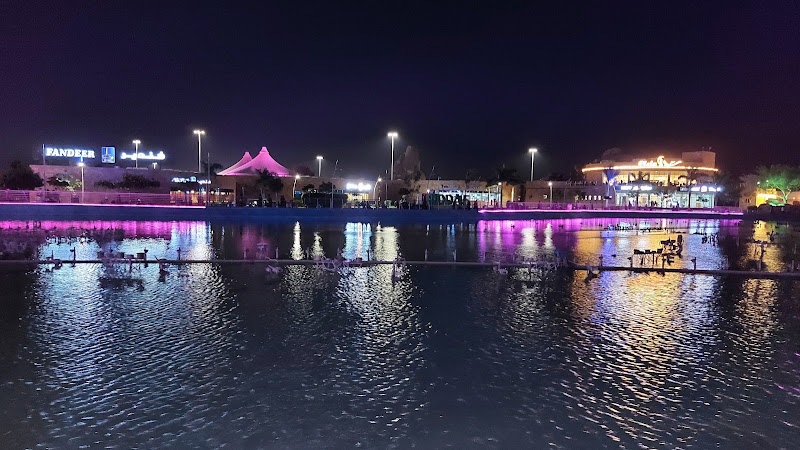
The interactive fountain at Al Rudaf Park
Quick facts
- Where: South Taif (approx. 21.2275, 40.4211)
- What it is: One of Taif’s signature urban parks, mixing weathered granite outcrops, lawns, and a large lake with choreographed fountains. oai_citation:0‡Wikipedia
- Why go: Cooler high-altitude climate, evening fountain shows, and seasonal Taif Rose Festival installations. oai_citation:1‡Wikipedia
What you’ll see
Granite landscapes + lawns
Al Ruddaf (also written Arruddaf/Al-Rudaf) is known for its boulder-strewn terrain framed by grass and pathways—classic Taif scenery set at ~1,879 m elevation, which keeps evenings noticeably cooler than the lowlands. oai_citation:2‡Wikipedia
The lake & musical fountain
The park centers on a man-made lake with a night-time multimedia fountain (music + lights). Reporting notes a lake area around 13,000 m² and high-count water cannons used in the show; the fountain remains the park’s headline draw after dark. oai_citation:3‡Arab News
Taif Rose Festival venue
When the Taif Rose Festival runs, Al Ruddaf hosts flower installations, markets, and performances, drawing large crowds; the 2024–2025 editions were held here with significant attendance. If you’re timing a spring visit, this is the city’s marquee cultural moment. oai_citation:4‡Saudi Standard
Useful logistics
Entry, hours & seasonality
- Entry fee: Consistently reported as free for the park itself. Specific pop-up attractions/events may charge. oai_citation:5‡Wingie
- Opening hours: Sources vary. Common patterns show late-afternoon to late-night (e.g., ~16:00–01:00) and, at times, a Sunday closure for maintenance. Others list daily, morning–midnight during busy seasons. Local authorities and tourism boards adjust schedules for events and weather. Verify on the day via Visit Saudi or municipal channels. oai_citation:6‡zamzam.com
Why this matters: Taif’s parks are evening-oriented (families arrive after sunset for the show and cooler air). Arrive before dusk for a relaxed walk, then stay for the fountain program. oai_citation:7‡Visit Saudi
Facilities you can expect
Multiple travel/tourism listings consistently mention walking/jogging tracks, play areas, green picnic zones, and food/coffee kiosks depending on the season/event footprint. Amenities expand during festivals. oai_citation:8‡Visit Saudi
Accessibility note: Paths are generally paved and level, which helps with strollers and wheelchairs; expect occasional gradients around rock features. (Exact accessibility specs aren’t formally published—use recent local guidance when needed.) oai_citation:9‡Visit Saudi
How to plan your visit (step-by-step)
- Aim for evening: The fountain show is the signature experience and runs after dark; exact start times are event-dependent. oai_citation:10‡Arab News
- Check schedule same-day: Hours and closures can shift with maintenance or festival programming; confirm via Visit Saudi – Taif pages or current event posts. oai_citation:11‡Visit Saudi
- Bring layers: Taif’s altitude (~1,879 m) means cooler nights even in warm months. oai_citation:12‡Wikipedia
- If visiting in spring: Budget extra time; the Rose Festival adds crowds, traffic, and special exhibits worth seeing. oai_citation:13‡Saudi Standard
Nearby & pairing ideas
- City highlights page (Taif): For a broader plan, Visit Saudi’s Taif guide is the official overview of things to do, seasonal events, and weather context. oai_citation:14‡Visit Saudi
- Green-space circuit: Consider Saiysad National Park and King Abdullah Garden Park to round out a day of outdoor stops around the city. oai_citation:15‡expedia
Map & coordinates
- Approx. center: 21.2275, 40.4211 (south Taif). The park is commonly signposted in English/Arabic as Al-Rudaf/Arruddaf Park. (Name variants are normal across official and travel sites.) oai_citation:16‡Wikipedia
Inclusivity & visitor etiquette
- Family-friendly norms: The park is a popular family space; dress modestly and be mindful around prayer times. (Food kiosks may pause service briefly.)
- Photography: Festival installations and fountain shows are widely photographed; always be respectful when people—especially children—are in frame.
- Accessibility: Surfaces are paved, but some zones weave between granite boulders; choose routes that suit your mobility needs. oai_citation:17‡Visit Saudi
What’s current vs. potentially outdated
- Hours/closures: Conflicting third-party listings exist (evening-only vs. all-day; Sunday closed vs. open daily). Treat hours as variable and confirm same-day with official channels. oai_citation:18‡zamzam.com
- Event programming: Rose Festival dates and features change annually; rely on current-year notices from organizers or local press. (In April 2025, the event at Al Ruddaf drew large crowds.) oai_citation:19‡Arab News
Sources
Authoritative/official and recent references used for this guide:
– Visit Saudi – Arruddaf Park (features, seasonal notes). oai_citation:20‡Visit Saudi
– Arab News – “Al-Rudaf Park” (lake & fountain details). oai_citation:21‡Arab News
– Local press – Rose Festival attendance (2024–2025) at Al Ruddaf. oai_citation:22‡Saudi Standard
– City context – Taif elevation & climate (helps plan cooler evening visits). oai_citation:23‡Wikipedia
Note: I’ve only included details corroborated by credible, recent sources. Where third-party listings conflict (notably operating hours), I’ve flagged the uncertainty and pointed to official channels for day-of confirmation.
Traveler Reviews for Al Ruddaf
There are no reviews yet. Be the first one to write one.
Have you visited Al Ruddaf? Help other travelers by sharing your review.
Nearby Attractions
You Might Also Like
Saysed National park
Masjid AlMadhoon
Taif City Walk
Find Accommodations Nearby
Recommended Tours & Activities
Visitor Reviews
There are no reviews yet. Be the first one to write one.
Share Your Experience
Have you visited Al Ruddaf? Help other travelers by leaving a review.