
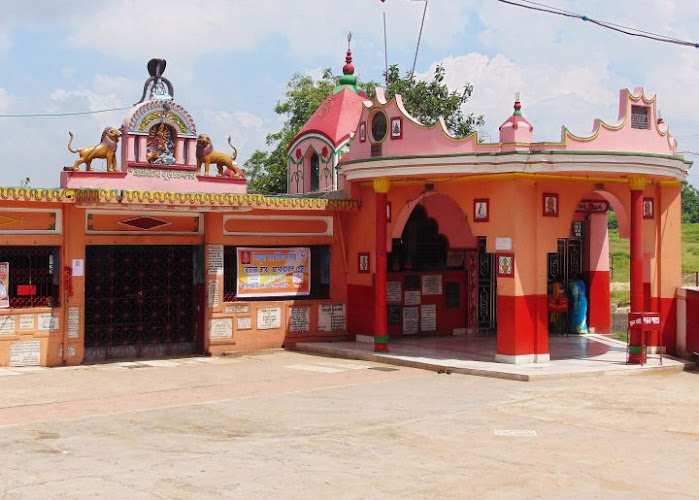
Ghagar Buri Chandi Mata Temple
About Ghagar Buri Chandi Mata Temple
Description
The Ghagar Buri Chandi Mata Temple stands as a remarkable spiritual destination that captures the devotion of thousands who seek blessings from the Hindu goddess Kali. What immediately strikes visitors about this sacred space is its bold use of color – the temple practically radiates with bright hues that seem to pulse with energy and devotion. Unlike many temples that maintain subdued, traditional color palettes, this one embraces a more exuberant aesthetic that reflects the fierce yet protective nature of the deity it honors. I've always found that temples dedicated to Kali have this unique atmosphere, you know? There's something about the combination of reverence and raw spiritual power that creates an experience quite different from other Hindu temples. And this particular temple doesn't disappoint in that regard. What makes this temple particularly interesting is its dual role in the community. While it serves primarily as a place of worship where devotees gather for puja and spiritual contemplation, it has also become a sought-after venue for wedding ceremonies. This isn't something you see at every temple, but it speaks to the cultural significance of beginning one's married life under divine blessing. The architecture and colorful decorations that make it photogenic for worship also create a stunning backdrop for wedding celebrations. The temple complex serves both local devotees who've been visiting for generations and tourists who come seeking authentic spiritual experiences. It's become one of those places where religious practice and cultural tourism intersect in a way that benefits everyone involved. The temple maintains its sacred character while welcoming curious visitors who want to understand more about Hindu traditions and goddess worship.Key Features
The Ghagar Buri Chandi Mata Temple offers several distinctive characteristics that travelers should know about before planning their visit:- Wheelchair Accessible Design: The temple features proper wheelchair accessible entrances and dedicated parking spaces, making it one of the more inclusive religious sites in the region for visitors with mobility challenges
- Vibrant Architecture: The temple's exterior and interior showcase exceptionally bright colors that represent the dynamic energy associated with goddess Kali worship
- Wedding Venue Facilities: Beyond regular worship, the temple compound accommodates wedding ceremonies and related celebrations, complete with appropriate spaces for larger gatherings
- Onsite Services: Visitors benefit from various onsite services including assistance with puja rituals, guidance for first-time temple visitors, and help understanding the religious significance of different areas
- Modern Amenities: The temple complex includes restroom facilities, which honestly makes a big difference when you're spending several hours exploring and participating in ceremonies
- Active Worship Schedule: Regular puja ceremonies occur throughout the day, giving visitors multiple opportunities to witness authentic religious practices
- Community Hub: The temple functions as a gathering place for local devotees, offering travelers a chance to observe genuine community religious life rather than a sanitized tourist experience
- Photographic Appeal: While visitors should always be respectful about photography in sacred spaces, the temple's colorful design creates memorable visual experiences
Best Time to Visit
Timing your visit to the Ghagar Buri Chandi Mata Temple can significantly impact your experience. The temple welcomes devotees and visitors year-round, but certain periods offer distinct advantages depending on what you're hoping to experience. For those interested in witnessing the temple at its most spiritually intense, festival periods dedicated to goddess Kali bring extraordinary energy to the complex. Navratri, the nine-night festival celebrating the divine feminine, transforms the temple into a hub of continuous worship, music, and devotional activities. During these times, you'll see the temple community at its most passionate. But fair warning – it also gets incredibly crowded, and you'll need patience to navigate the throngs of devotees. I generally recommend visiting during the cooler months if you're traveling from abroad and aren't accustomed to extreme heat. The period from October through March offers more comfortable temperatures for exploring the temple grounds and participating in ceremonies that might require standing or sitting for extended periods. Early mornings during these months are particularly pleasant, with softer light that makes the temple's colors appear even more spectacular. Weekday mornings tend to be quieter than weekends or evenings, making them ideal for travelers who want a more contemplative experience. You'll have better opportunities to observe the architectural details, speak with temple priests if you have questions about the goddess or rituals, and simply absorb the spiritual atmosphere without feeling rushed by crowds. However, if you want to see the temple as a living, breathing center of community worship – which I'd argue is when it's most authentic – visiting during evening aarti ceremonies or on auspicious days according to the Hindu calendar provides that experience. Yes, it's busier, but there's something about being surrounded by genuine devotion that tourist-friendly quiet hours just can't replicate. Wedding season, which typically peaks during certain months considered auspicious for marriages, means you might encounter wedding parties at the temple. This can be fascinating to observe if you're interested in Hindu wedding traditions, though it might limit access to certain areas of the temple during ceremonies.How to Get There
Getting to the Ghagar Buri Chandi Mata Temple requires some planning, but the journey itself offers glimpses into regional life that make it worthwhile. The temple's location means you'll likely need to combine different transportation methods unless you're traveling by private vehicle. For international or long-distance travelers, the nearest major airport serves as your entry point to the region. From there, hiring a taxi or using ride-sharing services provides the most direct route to the temple. The drive takes you through areas that shift from urban development to more traditional landscapes, giving you a sense of the region's diversity. Local buses serve the area around the temple, though schedules can be unpredictable and routes might not always be clearly marked in English. If you're comfortable with a bit of adventure and don't mind asking locals for help, buses offer an economical option and a chance to travel alongside residents going about their daily lives. I've found that some of my most memorable travel experiences happened on local buses where language barriers led to funny exchanges and unexpected kindness from fellow passengers. Auto-rickshaws are available in nearby towns and can navigate the final stretch to the temple. Negotiate the fare before departing, and don't be shy about asking your hotel or guesthouse staff what a reasonable price should be. Having the temple name written in the local script on your phone helps drivers understand your destination immediately. The temple provides wheelchair accessible parking for those arriving by private vehicle, which is genuinely helpful given that not all religious sites in the region offer such facilities. The parking area fills quickly during festivals and weekends, so arriving earlier in the day increases your chances of finding convenient spots. For travelers staying in nearby towns, some hotels and guesthouses can arrange transportation to the temple, either as part of tour packages or as individual trips. This option costs more than public transport but eliminates navigation stress and ensures you don't miss important details about timing or temple protocols.Tips for Visiting
Visiting the Ghagar Buri Chandi Mata Temple successfully requires understanding both practical considerations and cultural expectations. These insights help ensure your visit is respectful, comfortable, and meaningful. Dress modestly, covering shoulders and knees at minimum. This isn't just about following rules – it's about showing respect for a sacred space where people come for deeply personal spiritual reasons. I've seen tourists get turned away or asked to cover up, which creates awkward situations that are easily avoided. Women might want to bring a scarf that can serve multiple purposes, from covering hair if desired to providing an extra layer of modesty. Remove shoes before entering temple buildings. There will be designated areas for leaving footwear, though you might want to bring socks since floors can get quite hot during midday in warmer months. Keep an eye on where you place your shoes so you can find them again – sounds obvious, but when there are hundreds of pairs, it's easier to lose track than you'd think. Photography etiquette matters enormously. While the temple's colorful exterior practically begs to be photographed, always ask permission before photographing people in worship, and be aware that some inner sanctum areas prohibit cameras entirely. When in doubt, ask. Most people appreciate visitors who show enough respect to inquire rather than assuming everything is fair game for photos. Bring small bills if you plan to make offerings or donations. The temple accepts contributions, and having appropriate denominations makes transactions smoother. Don't feel pressured to give specific amounts – contribute what feels right to you based on your circumstances and the experience you're having. The onsite services include assistance with puja rituals, which can be a wonderful way to engage more deeply with the temple's spiritual purpose. If you're interested in participating, arrive during times when priests are available to guide you through the process. There's usually a fee for these services, which supports the temple's maintenance and operations. Restrooms are available, but bring tissues or toilet paper just in case supplies run low during busy periods. Hand sanitizer is also worth carrying since facilities vary in terms of soap availability. Spending time simply observing before jumping into participation helps you understand the flow of temple activities. Watch how regular devotees approach the deity, where they stand during prayers, and how they move through the space. This observation period helps you avoid inadvertently disrespectful behavior born from ignorance rather than intention. If you're visiting during festival periods, prepare for crowds that can be intense. Keep valuables secure, stay hydrated, and know that personal space might be limited. These busy times offer incredible energy but require patience and flexibility. Engaging respectfully with locals often enhances the experience dramatically. Many devotees are happy to explain aspects of worship or share stories about their connection to the goddess if approached with genuine curiosity and humility. But read the room – someone deep in prayer isn't the moment to ask questions, no matter how curious you are. The temple's wheelchair accessibility makes it more welcoming than many historic religious sites, but visitors with mobility needs should still plan for some crowds and potential obstacles during peak times. Visiting during quieter periods might provide easier navigation. Lastly, approach the temple with openness rather than just treating it as another attraction to check off. This is a living spiritual center where real faith happens daily. Whether or not you share the religious beliefs, witnessing authentic devotion and allowing yourself to appreciate the cultural significance creates a richer travel experience than simply snapping photos and moving on to the next stop.Key Features
- Dedicated to Ghagar Buri/Chandi/Kali, a local form of the goddess
- Oldest temple in Asansol with 19th-century origins (local tradition)
- Located on the bank of the Nunia River beside NH-2 for easy access
- Annual country fair held on 15 January with local rituals and stalls
- Vivid color scheme and active daily puja practices reflecting local devotion
More Details
Updated March 30, 2026
Table of Contents
Description
The Ghagar Buri Chandi Mata Temple stands as a remarkable spiritual destination that captures the devotion of thousands who seek blessings from the Hindu goddess Kali. What immediately strikes visitors about this sacred space is its bold use of color – the temple practically radiates with bright hues that seem to pulse with energy and devotion. Unlike many temples that maintain subdued, traditional color palettes, this one embraces a more exuberant aesthetic that reflects the fierce yet protective nature of the deity it honors.
I’ve always found that temples dedicated to Kali have this unique atmosphere, you know? There’s something about the combination of reverence and raw spiritual power that creates an experience quite different from other Hindu temples. And this particular temple doesn’t disappoint in that regard.
What makes this temple particularly interesting is its dual role in the community. While it serves primarily as a place of worship where devotees gather for puja and spiritual contemplation, it has also become a sought-after venue for wedding ceremonies. This isn’t something you see at every temple, but it speaks to the cultural significance of beginning one’s married life under divine blessing. The architecture and colorful decorations that make it photogenic for worship also create a stunning backdrop for wedding celebrations.
The temple complex serves both local devotees who’ve been visiting for generations and tourists who come seeking authentic spiritual experiences. It’s become one of those places where religious practice and cultural tourism intersect in a way that benefits everyone involved. The temple maintains its sacred character while welcoming curious visitors who want to understand more about Hindu traditions and goddess worship.
Key Features
The Ghagar Buri Chandi Mata Temple offers several distinctive characteristics that travelers should know about before planning their visit:
- Wheelchair Accessible Design: The temple features proper wheelchair accessible entrances and dedicated parking spaces, making it one of the more inclusive religious sites in the region for visitors with mobility challenges
- Vibrant Architecture: The temple’s exterior and interior showcase exceptionally bright colors that represent the dynamic energy associated with goddess Kali worship
- Wedding Venue Facilities: Beyond regular worship, the temple compound accommodates wedding ceremonies and related celebrations, complete with appropriate spaces for larger gatherings
- Onsite Services: Visitors benefit from various onsite services including assistance with puja rituals, guidance for first-time temple visitors, and help understanding the religious significance of different areas
- Modern Amenities: The temple complex includes restroom facilities, which honestly makes a big difference when you’re spending several hours exploring and participating in ceremonies
- Active Worship Schedule: Regular puja ceremonies occur throughout the day, giving visitors multiple opportunities to witness authentic religious practices
- Community Hub: The temple functions as a gathering place for local devotees, offering travelers a chance to observe genuine community religious life rather than a sanitized tourist experience
- Photographic Appeal: While visitors should always be respectful about photography in sacred spaces, the temple’s colorful design creates memorable visual experiences
Best Time to Visit
Timing your visit to the Ghagar Buri Chandi Mata Temple can significantly impact your experience. The temple welcomes devotees and visitors year-round, but certain periods offer distinct advantages depending on what you’re hoping to experience.
For those interested in witnessing the temple at its most spiritually intense, festival periods dedicated to goddess Kali bring extraordinary energy to the complex. Navratri, the nine-night festival celebrating the divine feminine, transforms the temple into a hub of continuous worship, music, and devotional activities. During these times, you’ll see the temple community at its most passionate. But fair warning – it also gets incredibly crowded, and you’ll need patience to navigate the throngs of devotees.
I generally recommend visiting during the cooler months if you’re traveling from abroad and aren’t accustomed to extreme heat. The period from October through March offers more comfortable temperatures for exploring the temple grounds and participating in ceremonies that might require standing or sitting for extended periods. Early mornings during these months are particularly pleasant, with softer light that makes the temple’s colors appear even more spectacular.
Weekday mornings tend to be quieter than weekends or evenings, making them ideal for travelers who want a more contemplative experience. You’ll have better opportunities to observe the architectural details, speak with temple priests if you have questions about the goddess or rituals, and simply absorb the spiritual atmosphere without feeling rushed by crowds.
However, if you want to see the temple as a living, breathing center of community worship – which I’d argue is when it’s most authentic – visiting during evening aarti ceremonies or on auspicious days according to the Hindu calendar provides that experience. Yes, it’s busier, but there’s something about being surrounded by genuine devotion that tourist-friendly quiet hours just can’t replicate.
Wedding season, which typically peaks during certain months considered auspicious for marriages, means you might encounter wedding parties at the temple. This can be fascinating to observe if you’re interested in Hindu wedding traditions, though it might limit access to certain areas of the temple during ceremonies.
How to Get There
Getting to the Ghagar Buri Chandi Mata Temple requires some planning, but the journey itself offers glimpses into regional life that make it worthwhile. The temple’s location means you’ll likely need to combine different transportation methods unless you’re traveling by private vehicle.
For international or long-distance travelers, the nearest major airport serves as your entry point to the region. From there, hiring a taxi or using ride-sharing services provides the most direct route to the temple. The drive takes you through areas that shift from urban development to more traditional landscapes, giving you a sense of the region’s diversity.
Local buses serve the area around the temple, though schedules can be unpredictable and routes might not always be clearly marked in English. If you’re comfortable with a bit of adventure and don’t mind asking locals for help, buses offer an economical option and a chance to travel alongside residents going about their daily lives. I’ve found that some of my most memorable travel experiences happened on local buses where language barriers led to funny exchanges and unexpected kindness from fellow passengers.
Auto-rickshaws are available in nearby towns and can navigate the final stretch to the temple. Negotiate the fare before departing, and don’t be shy about asking your hotel or guesthouse staff what a reasonable price should be. Having the temple name written in the local script on your phone helps drivers understand your destination immediately.
The temple provides wheelchair accessible parking for those arriving by private vehicle, which is genuinely helpful given that not all religious sites in the region offer such facilities. The parking area fills quickly during festivals and weekends, so arriving earlier in the day increases your chances of finding convenient spots.
For travelers staying in nearby towns, some hotels and guesthouses can arrange transportation to the temple, either as part of tour packages or as individual trips. This option costs more than public transport but eliminates navigation stress and ensures you don’t miss important details about timing or temple protocols.
Tips for Visiting
Visiting the Ghagar Buri Chandi Mata Temple successfully requires understanding both practical considerations and cultural expectations. These insights help ensure your visit is respectful, comfortable, and meaningful.
Dress modestly, covering shoulders and knees at minimum. This isn’t just about following rules – it’s about showing respect for a sacred space where people come for deeply personal spiritual reasons. I’ve seen tourists get turned away or asked to cover up, which creates awkward situations that are easily avoided. Women might want to bring a scarf that can serve multiple purposes, from covering hair if desired to providing an extra layer of modesty.
Remove shoes before entering temple buildings. There will be designated areas for leaving footwear, though you might want to bring socks since floors can get quite hot during midday in warmer months. Keep an eye on where you place your shoes so you can find them again – sounds obvious, but when there are hundreds of pairs, it’s easier to lose track than you’d think.
Photography etiquette matters enormously. While the temple’s colorful exterior practically begs to be photographed, always ask permission before photographing people in worship, and be aware that some inner sanctum areas prohibit cameras entirely. When in doubt, ask. Most people appreciate visitors who show enough respect to inquire rather than assuming everything is fair game for photos.
Bring small bills if you plan to make offerings or donations. The temple accepts contributions, and having appropriate denominations makes transactions smoother. Don’t feel pressured to give specific amounts – contribute what feels right to you based on your circumstances and the experience you’re having.
The onsite services include assistance with puja rituals, which can be a wonderful way to engage more deeply with the temple’s spiritual purpose. If you’re interested in participating, arrive during times when priests are available to guide you through the process. There’s usually a fee for these services, which supports the temple’s maintenance and operations.
Restrooms are available, but bring tissues or toilet paper just in case supplies run low during busy periods. Hand sanitizer is also worth carrying since facilities vary in terms of soap availability.
Spending time simply observing before jumping into participation helps you understand the flow of temple activities. Watch how regular devotees approach the deity, where they stand during prayers, and how they move through the space. This observation period helps you avoid inadvertently disrespectful behavior born from ignorance rather than intention.
If you’re visiting during festival periods, prepare for crowds that can be intense. Keep valuables secure, stay hydrated, and know that personal space might be limited. These busy times offer incredible energy but require patience and flexibility.
Engaging respectfully with locals often enhances the experience dramatically. Many devotees are happy to explain aspects of worship or share stories about their connection to the goddess if approached with genuine curiosity and humility. But read the room – someone deep in prayer isn’t the moment to ask questions, no matter how curious you are.
The temple’s wheelchair accessibility makes it more welcoming than many historic religious sites, but visitors with mobility needs should still plan for some crowds and potential obstacles during peak times. Visiting during quieter periods might provide easier navigation.
Lastly, approach the temple with openness rather than just treating it as another attraction to check off. This is a living spiritual center where real faith happens daily. Whether or not you share the religious beliefs, witnessing authentic devotion and allowing yourself to appreciate the cultural significance creates a richer travel experience than simply snapping photos and moving on to the next stop.
Key Highlights
- Dedicated to Ghagar Buri/Chandi/Kali, a local form of the goddess
- Oldest temple in Asansol with 19th-century origins (local tradition)
- Located on the bank of the Nunia River beside NH-2 for easy access
- Annual country fair held on 15 January with local rituals and stalls
- Vivid color scheme and active daily puja practices reflecting local devotion
Location
Places to Stay Near Ghagar Buri Chandi Mata Temple
Find and Book a Tour
Explore More Travel Guides
No reviews found! Be the first to review!
Ghagar Buri Chandi Mata Temple is a prominent attractions located in Asansol.
Visit us at: NH 2, Nunia River Bank, Kalipahari, Asansol, West Bengal 713339, India.
Traveler Reviews for Ghagar Buri Chandi Mata Temple
There are no reviews yet. Be the first one to write one.
Have you visited Ghagar Buri Chandi Mata Temple? Help other travelers by sharing your review.
Nearby Attractions
You Might Also Like
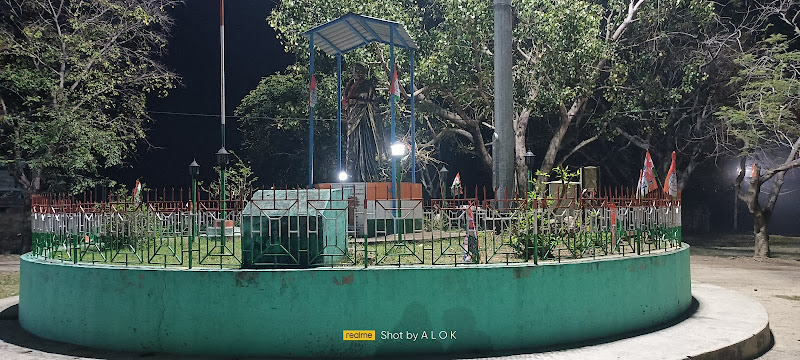
Indira Shishu Udyan
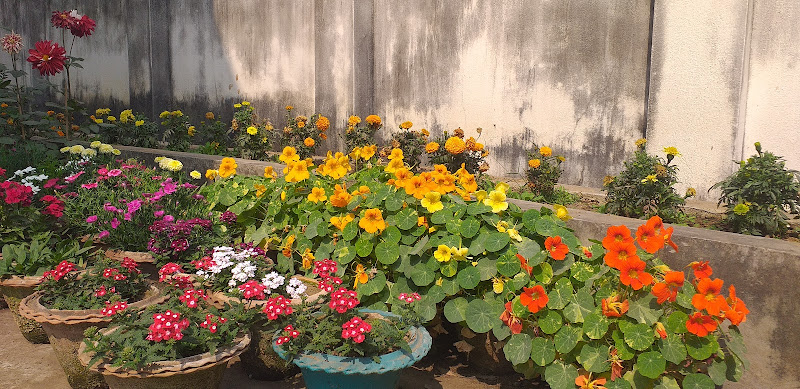
Ushagram
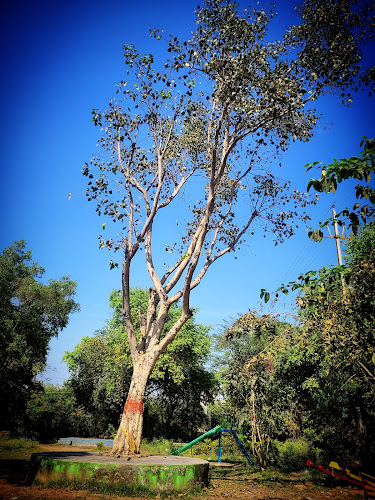
Vivekananda Park
Find Accommodations Nearby
Recommended Tours & Activities
Visitor Reviews
There are no reviews yet. Be the first one to write one.
Share Your Experience
Have you visited Ghagar Buri Chandi Mata Temple? Help other travelers by leaving a review.