
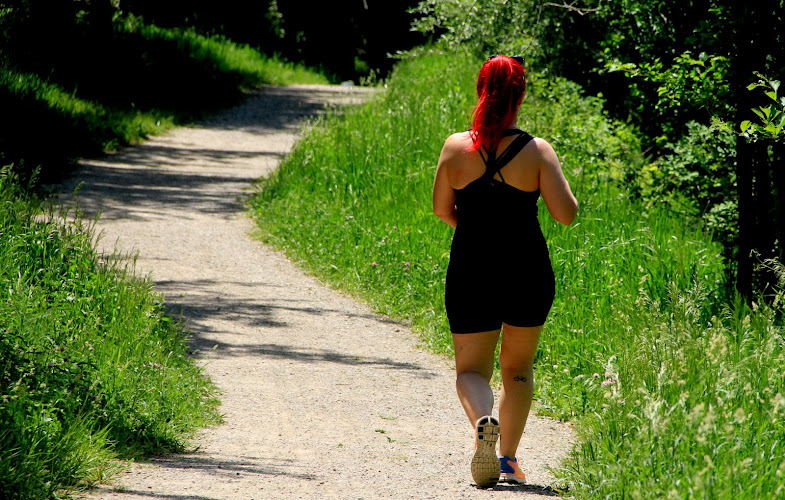
8180 Hwy 50
About 8180 Hwy 50
Description
8180 Hwy 50 stands as one of those classic American roadside buildings that tells a story beyond its simple exterior. Located along Highway 50, this structure serves as both a functional stop and a reminder of the rich highway culture that defines so much of cross-country travel in the United States. While it might not have the flash of bigger tourist attractions, there's something genuinely appealing about places like this – they're authentic, unpretentious, and serve as real waypoints for people actually going somewhere rather than just tourist traps designed to empty your wallet. The building itself represents the kind of practical architecture you'll find dotting America's rural highways. And honestly, that's part of its charm. When you're traveling long stretches of road, these buildings become landmarks in their own right. I remember driving through similar areas years ago, and you start to appreciate these structures for what they are – honest places that don't pretend to be anything other than what they claim to be. What makes this location particularly interesting for travelers is its position along Highway 50. This isn't just any highway – it's part of a storied network of American roads that have carried countless journeys, dreams, and adventures across the country. The building sits in a region where you can really feel the expanse of the American landscape, where the sky seems bigger and the roads stretch out like ribbons across the terrain.Key Features
The practical aspects of 8180 Hwy 50 make it worth knowing about for anyone planning to travel through the area: • Strategic location along Highway 50, making it an accessible stop for long-distance travelers and road trippers • Representative architecture of highway-side buildings that define America's roadside culture • Serves as a recognizable landmark for navigation in an area where distinctive features can be few and far between • Provides context for understanding rural American development patterns and highway commerce • Offers travelers a genuine experience away from commercialized tourist corridors • Functions as part of the broader Highway 50 experience, often called "The Loneliest Road in America" in certain sections • Represents the kind of authentic Americana that you can't really replicate in more developed areasBest Time to Visit
The timing of your visit to 8180 Hwy 50 really depends on what kind of experience you're after and how comfortable you are with different weather conditions. Spring and fall generally offer the most pleasant conditions for traveling through this part of the country. You'll get moderate temperatures, clearer skies, and that perfect road-trip weather where you can roll down the windows without freezing or melting. Spring, particularly from late April through early June, brings a certain freshness to the landscape. The weather's usually cooperative, though you should always be prepared for sudden changes – that's just how it goes in these parts. I've been caught in unexpected spring storms more than once, and while they make for good stories later, having a backup plan never hurts. Fall, specifically September through October, might actually be my personal favorite time for this kind of travel. The temperatures are comfortable, the summer tourist rush has died down, and there's this quality to the light that photographers absolutely love. Plus, you're less likely to encounter extreme heat, which can be a real challenge during summer months. Summer can be intense, with temperatures climbing higher than many travelers expect. If you're visiting between June and August, plan your driving for early morning or later evening hours when possible. The sun can be relentless, and if you're not used to it, heat exhaustion is no joke. But summer does have its advantages – longer daylight hours mean more time for exploration and you don't have to worry about winter road conditions. Winter presents its own set of considerations. While the area can be beautiful under snow, weather conditions can change rapidly and road travel can become challenging or even dangerous. If you're planning a winter visit, check weather forecasts obsessively, carry emergency supplies, and be prepared to adjust your schedule. I've learned this lesson the hard way – nature doesn't care about your itinerary.How to Get There
Getting to 8180 Hwy 50 is pretty straightforward, though like most places along rural highways, it requires some planning and attention to detail. The location sits directly on Highway 50, which is your main artery for reaching this destination. If you're coming from the east, you'll follow Highway 50 westward. The route is generally well-maintained, though you'll want to check current road conditions before departure, especially during winter months or if there's been recent severe weather. Pay attention to your fuel levels – gas stations can be spaced far apart in some sections, and running out of fuel is not an experience you want to have in a remote area. From the west, the approach is similarly direct along Highway 50 heading east. The key is staying alert and watching for the location markers. Unlike urban areas where every business has giant signs and you can't miss anything, rural highway locations require a bit more attention. I've driven past more than one destination because I was distracted or wasn't paying close enough attention to mile markers. Most travelers will be coming by personal vehicle, which is really the most practical option for this area. Public transportation isn't really a thing along these rural highway stretches. Rental cars work perfectly fine if you're flying into a larger city and then driving out – just make sure you're comfortable with long-distance driving and that your rental agreement allows for the mileage you'll be covering. GPS and smartphone maps generally work well for navigation, but don't rely on them exclusively. Cell coverage can be spotty in rural areas, and I've had my GPS lose signal more times than I can count in similar locations. Carrying a physical map as backup isn't just old-school – it's smart planning. And honestly, there's something satisfying about navigating with an actual map spread across your passenger seat.Tips for Visiting
Visiting 8180 Hwy 50 requires a slightly different mindset than visiting urban attractions. This isn't the kind of place where everything is set up specifically for tourists, and that's actually part of what makes it authentic. First and foremost, prepare your vehicle before you set out. Check your tire pressure, fluid levels, and make sure your spare tire is actually usable. I can't stress this enough – breaking down on a remote highway is a completely different experience than having car trouble in a city. Carry water, snacks, and basic emergency supplies. Even if you never need them, the peace of mind is worth the trunk space. Fuel management is critical. When you see a gas station, seriously consider filling up even if you're only half empty. The next station might be 50 or 75 miles away, and if it's closed or out of service, you'll be glad you topped off when you had the chance. This isn't paranoia – it's just practical highway travel wisdom. Bring more water than you think you'll need. The climate can be dry, and dehydration sneaks up on you faster than you'd expect. I typically keep several gallons in my vehicle during any rural highway travel, both for drinking and as emergency radiator coolant if needed. Check the weather forecast before you leave and then check it again. Weather in these areas can change quickly, and what starts as a beautiful clear day can turn challenging. If severe weather is predicted, consider postponing your visit. No destination is worth risking your safety. Let someone know your travel plans. Give a friend or family member your route, expected arrival time, and when you'll check in. If something goes wrong, this simple step can make a huge difference in how quickly help reaches you. Keep your phone charged and consider bringing a backup power bank. Even when you don't have signal, your phone can still be useful for offline maps, taking photos, or making emergency calls (911 works even without regular cell service in many areas). Respect the local environment and property. Just because an area isn't densely populated doesn't mean it's public land or that you can do whatever you want. Stay on established roads and paths, don't litter, and leave things as you found them. Photography enthusiasts should bring extra memory cards and batteries. The landscape and light along Highway 50 can be spectacular, and you'll want to capture those moments. But also remember to put the camera down sometimes and just experience the place directly. Be patient and flexible with your schedule. Rural travel often takes longer than GPS estimates suggest. Factor in time for unexpected stops, photo opportunities, or simply pulling over to take in the view. The journey along Highway 50 is as much the point as any specific destination. Finally, approach the experience with the right attitude. This isn't Disneyland – it's real America, with all the authenticity that entails. The reward isn't manufactured entertainment but rather the genuine experience of traveling through a part of the country that hasn't been polished and packaged for mass tourism. And in my opinion, that's actually far more valuable.Key Features
- Key Features
- Best Time to Visit
- How to Get There
- Tips for Visiting
More Details
Updated March 30, 2026
Table of Contents
Description
8180 Hwy 50 stands as one of those classic American roadside buildings that tells a story beyond its simple exterior. Located along Highway 50, this structure serves as both a functional stop and a reminder of the rich highway culture that defines so much of cross-country travel in the United States. While it might not have the flash of bigger tourist attractions, there’s something genuinely appealing about places like this – they’re authentic, unpretentious, and serve as real waypoints for people actually going somewhere rather than just tourist traps designed to empty your wallet.
The building itself represents the kind of practical architecture you’ll find dotting America’s rural highways. And honestly, that’s part of its charm. When you’re traveling long stretches of road, these buildings become landmarks in their own right. I remember driving through similar areas years ago, and you start to appreciate these structures for what they are – honest places that don’t pretend to be anything other than what they claim to be.
What makes this location particularly interesting for travelers is its position along Highway 50. This isn’t just any highway – it’s part of a storied network of American roads that have carried countless journeys, dreams, and adventures across the country. The building sits in a region where you can really feel the expanse of the American landscape, where the sky seems bigger and the roads stretch out like ribbons across the terrain.
Key Features
The practical aspects of 8180 Hwy 50 make it worth knowing about for anyone planning to travel through the area:
• Strategic location along Highway 50, making it an accessible stop for long-distance travelers and road trippers
• Representative architecture of highway-side buildings that define America’s roadside culture
• Serves as a recognizable landmark for navigation in an area where distinctive features can be few and far between
• Provides context for understanding rural American development patterns and highway commerce
• Offers travelers a genuine experience away from commercialized tourist corridors
• Functions as part of the broader Highway 50 experience, often called “The Loneliest Road in America” in certain sections
• Represents the kind of authentic Americana that you can’t really replicate in more developed areas
Best Time to Visit
The timing of your visit to 8180 Hwy 50 really depends on what kind of experience you’re after and how comfortable you are with different weather conditions. Spring and fall generally offer the most pleasant conditions for traveling through this part of the country. You’ll get moderate temperatures, clearer skies, and that perfect road-trip weather where you can roll down the windows without freezing or melting.
Spring, particularly from late April through early June, brings a certain freshness to the landscape. The weather’s usually cooperative, though you should always be prepared for sudden changes – that’s just how it goes in these parts. I’ve been caught in unexpected spring storms more than once, and while they make for good stories later, having a backup plan never hurts.
Fall, specifically September through October, might actually be my personal favorite time for this kind of travel. The temperatures are comfortable, the summer tourist rush has died down, and there’s this quality to the light that photographers absolutely love. Plus, you’re less likely to encounter extreme heat, which can be a real challenge during summer months.
Summer can be intense, with temperatures climbing higher than many travelers expect. If you’re visiting between June and August, plan your driving for early morning or later evening hours when possible. The sun can be relentless, and if you’re not used to it, heat exhaustion is no joke. But summer does have its advantages – longer daylight hours mean more time for exploration and you don’t have to worry about winter road conditions.
Winter presents its own set of considerations. While the area can be beautiful under snow, weather conditions can change rapidly and road travel can become challenging or even dangerous. If you’re planning a winter visit, check weather forecasts obsessively, carry emergency supplies, and be prepared to adjust your schedule. I’ve learned this lesson the hard way – nature doesn’t care about your itinerary.
How to Get There
Getting to 8180 Hwy 50 is pretty straightforward, though like most places along rural highways, it requires some planning and attention to detail. The location sits directly on Highway 50, which is your main artery for reaching this destination.
If you’re coming from the east, you’ll follow Highway 50 westward. The route is generally well-maintained, though you’ll want to check current road conditions before departure, especially during winter months or if there’s been recent severe weather. Pay attention to your fuel levels – gas stations can be spaced far apart in some sections, and running out of fuel is not an experience you want to have in a remote area.
From the west, the approach is similarly direct along Highway 50 heading east. The key is staying alert and watching for the location markers. Unlike urban areas where every business has giant signs and you can’t miss anything, rural highway locations require a bit more attention. I’ve driven past more than one destination because I was distracted or wasn’t paying close enough attention to mile markers.
Most travelers will be coming by personal vehicle, which is really the most practical option for this area. Public transportation isn’t really a thing along these rural highway stretches. Rental cars work perfectly fine if you’re flying into a larger city and then driving out – just make sure you’re comfortable with long-distance driving and that your rental agreement allows for the mileage you’ll be covering.
GPS and smartphone maps generally work well for navigation, but don’t rely on them exclusively. Cell coverage can be spotty in rural areas, and I’ve had my GPS lose signal more times than I can count in similar locations. Carrying a physical map as backup isn’t just old-school – it’s smart planning. And honestly, there’s something satisfying about navigating with an actual map spread across your passenger seat.
Tips for Visiting
Visiting 8180 Hwy 50 requires a slightly different mindset than visiting urban attractions. This isn’t the kind of place where everything is set up specifically for tourists, and that’s actually part of what makes it authentic.
First and foremost, prepare your vehicle before you set out. Check your tire pressure, fluid levels, and make sure your spare tire is actually usable. I can’t stress this enough – breaking down on a remote highway is a completely different experience than having car trouble in a city. Carry water, snacks, and basic emergency supplies. Even if you never need them, the peace of mind is worth the trunk space.
Fuel management is critical. When you see a gas station, seriously consider filling up even if you’re only half empty. The next station might be 50 or 75 miles away, and if it’s closed or out of service, you’ll be glad you topped off when you had the chance. This isn’t paranoia – it’s just practical highway travel wisdom.
Bring more water than you think you’ll need. The climate can be dry, and dehydration sneaks up on you faster than you’d expect. I typically keep several gallons in my vehicle during any rural highway travel, both for drinking and as emergency radiator coolant if needed.
Check the weather forecast before you leave and then check it again. Weather in these areas can change quickly, and what starts as a beautiful clear day can turn challenging. If severe weather is predicted, consider postponing your visit. No destination is worth risking your safety.
Let someone know your travel plans. Give a friend or family member your route, expected arrival time, and when you’ll check in. If something goes wrong, this simple step can make a huge difference in how quickly help reaches you.
Keep your phone charged and consider bringing a backup power bank. Even when you don’t have signal, your phone can still be useful for offline maps, taking photos, or making emergency calls (911 works even without regular cell service in many areas).
Respect the local environment and property. Just because an area isn’t densely populated doesn’t mean it’s public land or that you can do whatever you want. Stay on established roads and paths, don’t litter, and leave things as you found them.
Photography enthusiasts should bring extra memory cards and batteries. The landscape and light along Highway 50 can be spectacular, and you’ll want to capture those moments. But also remember to put the camera down sometimes and just experience the place directly.
Be patient and flexible with your schedule. Rural travel often takes longer than GPS estimates suggest. Factor in time for unexpected stops, photo opportunities, or simply pulling over to take in the view. The journey along Highway 50 is as much the point as any specific destination.
Finally, approach the experience with the right attitude. This isn’t Disneyland – it’s real America, with all the authenticity that entails. The reward isn’t manufactured entertainment but rather the genuine experience of traveling through a part of the country that hasn’t been polished and packaged for mass tourism. And in my opinion, that’s actually far more valuable.
Key Highlights
- Key Features
- Best Time to Visit
- How to Get There
- Tips for Visiting
Location
Places to Stay Near 8180 Hwy 50
Find and Book a Tour
Explore More Travel Guides
No reviews found! Be the first to review!
8180 Hwy 50 is a prominent Attractions located in Brampton.
Visit us at: 8180 Hwy 50, Brampton, ON L6T 0A6, Canada.
Traveler Reviews for 8180 Hwy 50
There are no reviews yet. Be the first one to write one.
Have you visited 8180 Hwy 50? Help other travelers by sharing your review.
You Might Also Like
Heart Lake Conservation Park

Garden Square
Sesquicentennial Park
Find Accommodations Nearby
Recommended Tours & Activities
Visitor Reviews
There are no reviews yet. Be the first one to write one.
Share Your Experience
Have you visited 8180 Hwy 50? Help other travelers by leaving a review.