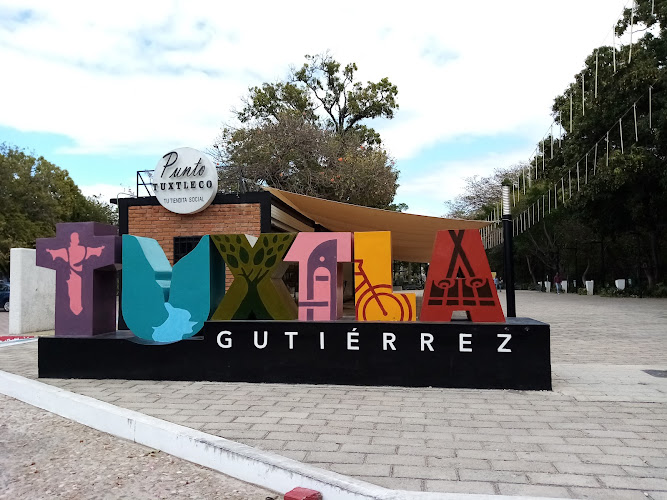
Guided Sightseeing Tours & Activities in Tuxtla Gutiérrez
- Browse sightseeing excursions and activities in Tuxtla Gutiérrez
- Check live availability, rates & traveler reviews on Viator
- Secure online booking with flexible options
Calzada de las Personas Ilustres, Parque Madero, Madero, Tuxtla Gutiérrez, Chis., Mexico

The Calzada de las Personas Ilustres stands as one of Mexico City’s most meaningful commemorative spaces, though it doesn’t always get the attention it deserves from guidebooks and tour operators.
This walkway serves as an outdoor pantheon of sorts, honoring distinguished Mexican figures who’ve shaped the nation’s history, culture, and identity. Located within the grounds of the Panteón Civil de Dolores, this pedestrian path creates an atmosphere that’s part memorial, part history lesson, and entirely Mexican in its approach to remembering those who’ve left their mark.
What strikes visitors immediately is how different this feels from your typical tourist attraction. There’s no flashy entrance or souvenir stands pushing keychains. Instead, you’ll find a thoughtfully designed walkway lined with monuments, sculptures, and memorials dedicated to presidents, artists, writers, scientists, and revolutionaries. The space manages to be both solemn and inspiring without feeling heavy or depressing, which is honestly quite an achievement when you’re essentially walking through a cemetery complex.
I remember my first visit here – I’d gotten a bit lost trying to find it, actually, because it’s not exactly marked with giant tourist signs. But that’s part of what makes it special. The people who come here genuinely want to be here, whether they’re history enthusiasts, families teaching their kids about Mexican heritage, or travelers looking to understand Mexico beyond the beach resorts and taco tours. The atmosphere reflects this intentionality. You’ll see locals bringing flowers to specific graves, students sketching the architectural details, and photographers capturing the interplay of light through the trees.
The memorial complex stretches along a main avenue with various sections branching off, each containing the final resting places of notable Mexicans from different eras and fields. You’re literally walking through Mexico’s history timeline, from independence heroes to modern cultural icons. And honestly, even if you don’t recognize every name (most international visitors won’t), the artistry of the monuments themselves tells stories worth experiencing.
The Calzada de las Personas Ilustres offers several distinctive elements that make it worth including in your Mexico City itinerary:
Timing your visit to the Calzada de las Personas Ilustres can significantly impact your experience. The site is open year-round, but certain times offer distinct advantages depending on what you’re seeking from your visit.
Morning visits between 9 AM and 11 AM tend to be the most peaceful. The light during these hours is beautiful for photography, filtering through the mature trees that line the walkways and creating dramatic shadows across the monuments. You’ll encounter fewer crowds, mostly local visitors who come regularly. The temperature is also more manageable, especially during Mexico City’s warmer months.
Afternoons can get busier, particularly on weekends when families visit. This isn’t necessarily a drawback though – there’s something meaningful about seeing multiple generations of Mexicans teaching their children about their heritage. But if you prefer solitude for reflection, afternoon visits might feel a bit crowded.
Weather-wise, Mexico City’s dry season from November through April offers the most comfortable conditions. You won’t need to worry about sudden rain showers interrupting your visit. However, the rainy season from May through October has its own appeal. The gardens are greener, the air feels fresher, and afternoon visits just after a rain shower can be absolutely gorgeous. Just bring an umbrella and check the weather forecast.
Avoid major Mexican holidays unless you’re specifically interested in observing how locals commemorate these occasions. Day of the Dead (November 1-2) transforms the entire Panteón Civil de Dolores complex into an active celebration of memory and family. It’s culturally significant but extremely crowded. Similarly, anniversaries of notable figures’ deaths sometimes draw ceremonial crowds.
Weekday visits generally provide a more intimate experience than weekends. Tuesday through Thursday seems to be the sweet spot when you’ll have plenty of space to explore at your own pace without feeling like you’re completely alone (which can feel a bit eerie in a cemetery setting, honestly).
Season-wise, spring brings flowering trees that add color to the landscape, while autumn offers comfortable temperatures and that beautiful golden light that photographers love. Winter can be chilly in the mornings, so bring a light jacket.
Getting to the Calzada de las Personas Ilustres requires a bit of planning since it’s not located in the typical tourist zones where most visitors spend their time. But the journey is straightforward once you know your options.
The metro system offers the most economical route. The nearest station is Constituyentes on Line 7 (the orange line). From there, you’ll need to take a taxi or ride-share service for the remaining distance. The metro gets you into the general area, but the site itself sits far enough from the station that walking isn’t practical, especially if you’re not familiar with the neighborhood.
Uber and Didi (Mexico’s popular ride-share app) work excellently for reaching the location. Simply input “Calzada de las Personas Ilustres” or “Panteón Civil de Dolores” as your destination. Drivers are familiar with the location, and the ride from central areas like Roma, Condesa, or Centro Histórico typically takes 20-40 minutes depending on traffic. And Mexico City traffic can be unpredictable, so build in extra time.
Taxi services are readily available throughout Mexico City. If you’re staying at a hotel, ask the concierge to arrange a taxi and confirm the approximate fare beforehand. Official taxis are generally reliable, though I personally prefer ride-share apps for the price transparency and GPS tracking.
For those driving themselves, parking is available on site with designated accessible parking spots. The facility maintains a parking lot that accommodates visitors, though weekend availability can be tighter. Navigation apps work well in this area, so you shouldn’t have trouble finding your way.
Public buses serve the general area, but routes can be confusing for visitors unfamiliar with Mexico City’s extensive bus system. Unless you’re comfortable with navigating local transit systems and speaking Spanish, other transportation methods are more straightforward.
Consider combining your visit with nearby attractions to maximize your time. The site is in the Chapultepec area, relatively close to the famous Chapultepec Park and several museums. Planning a route that includes multiple stops makes logistical sense.
Allow about 15-20 minutes of travel time from most central neighborhoods, plus additional time if you’re relying on metro connections. Mexico City’s size can be deceiving, and what looks close on a map might take longer than expected.
Making the most of your visit to the Calzada de las Personas Ilustres comes down to proper preparation and the right mindset. This isn’t your standard tourist attraction, and approaching it with realistic expectations enhances the experience significantly.
Wear comfortable walking shoes. The pathways are paved and well-maintained, but you’ll be doing a fair amount of walking if you want to explore thoroughly. Those cute sandals might seem fine until you’ve been on your feet for an hour. Learn from my mistakes here.
Bring water and perhaps a small snack. While restrooms are available, there aren’t vendors selling refreshments inside. Staying hydrated is important, especially if you’re visiting during warmer months or spending extended time exploring the grounds.
Download or bring reference materials about the notable figures buried here. While some monuments include informational plaques, many assume visitors already know the historical context. Having background information transforms the experience from simply looking at monuments to understanding the stories behind them. Wikipedia works fine if you have data on your phone.
Dress respectfully. This is an active cemetery where people come to visit deceased relatives, not just a tourist attraction. Modest clothing shows respect for the space and the people using it for its intended purpose. You’ll see locals in everything from casual to formal attire, but avoiding overly revealing clothing is appropriate.
Photography is generally permitted, but be mindful of others who may be grieving or visiting family graves. Ask permission before photographing people, and be discreet when others are engaged in private moments. The monuments themselves are fair game for photos, and you’ll definitely want your camera.
Plan for at least 90 minutes to two hours if you want to explore properly. Many visitors underestimate how much there is to see and end up rushing through. Give yourself time to wander, read inscriptions, and absorb the historical significance of the space.
Consider hiring a guide or joining a tour if you want deeper historical context. Several Mexico City tour operators offer specialized cemetery tours that include the Calzada de las Personas Ilustres. Having an expert explain the significance of various figures and the symbolism in different monuments adds layers of understanding you’d miss otherwise.
Bring sun protection if you’re visiting during midday hours. While trees provide some shade along the main pathways, certain sections are more exposed. Sunscreen, sunglasses, and a hat can make your visit more comfortable.
Keep your belongings secure and stay aware of your surroundings, as you would anywhere in a major city. The site itself is generally safe, but using common sense about not displaying expensive equipment unnecessarily is always smart.
Learn a few basic Spanish phrases if you don’t speak the language. While you don’t need Spanish to appreciate the monuments, being able to ask directions or read informational signs enhances the experience. Plus, any effort to speak Spanish is appreciated by locals.
Check if there are any special events or ceremonies scheduled during your visit. Sometimes official commemorations occur that might either enhance your experience or make the site more crowded than usual. The administrative office can provide this information.
Respect barriers and closed sections. Some areas may be restricted for maintenance or private ceremonies. Following posted signs and staying on designated pathways preserves the site for future visitors.
Bring cash for transportation and any incidental expenses, though admission itself is free. Not all vendors near the entrance accept cards, and having pesos on hand simplifies transactions.
Consider the accessibility features if you’re traveling with someone who uses a wheelchair or has mobility challenges. The site has done excellent work making the main areas accessible, but knowing that this option exists can influence your decision to visit.
Finally, approach the space with an open mind and curiosity. You might not recognize every name or understand every historical reference, and that’s completely fine. The Calzada de las Personas Ilustres offers a window into Mexican values around memory, achievement, and national identity. Sometimes the most meaningful travel experiences come from places that make us think differently about how societies honor their past.

Last modified August 17, 2026
The Calzada de las Personas Ilustres stands as one of Mexico City’s most meaningful commemorative spaces, though it doesn’t always get the attention it deserves from guidebooks and tour operators. This walkway serves as an outdoor pantheon of sorts, honoring distinguished Mexican figures who’ve shaped the nation’s history, culture, and identity. Located within the grounds of the Panteón Civil de Dolores, this pedestrian path creates an atmosphere that’s part memorial, part history lesson, and entirely Mexican in its approach to remembering those who’ve left their mark.
What strikes visitors immediately is how different this feels from your typical tourist attraction. There’s no flashy entrance or souvenir stands pushing keychains. Instead, you’ll find a thoughtfully designed walkway lined with monuments, sculptures, and memorials dedicated to presidents, artists, writers, scientists, and revolutionaries. The space manages to be both solemn and inspiring without feeling heavy or depressing, which is honestly quite an achievement when you’re essentially walking through a cemetery complex.
I remember my first visit here – I’d gotten a bit lost trying to find it, actually, because it’s not exactly marked with giant tourist signs. But that’s part of what makes it special. The people who come here genuinely want to be here, whether they’re history enthusiasts, families teaching their kids about Mexican heritage, or travelers looking to understand Mexico beyond the beach resorts and taco tours. The atmosphere reflects this intentionality. You’ll see locals bringing flowers to specific graves, students sketching the architectural details, and photographers capturing the interplay of light through the trees.
The memorial complex stretches along a main avenue with various sections branching off, each containing the final resting places of notable Mexicans from different eras and fields. You’re literally walking through Mexico’s history timeline, from independence heroes to modern cultural icons. And honestly, even if you don’t recognize every name (most international visitors won’t), the artistry of the monuments themselves tells stories worth experiencing.
The Calzada de las Personas Ilustres offers several distinctive elements that make it worth including in your Mexico City itinerary:
Timing your visit to the Calzada de las Personas Ilustres can significantly impact your experience. The site is open year-round, but certain times offer distinct advantages depending on what you’re seeking from your visit.
Morning visits between 9 AM and 11 AM tend to be the most peaceful. The light during these hours is beautiful for photography, filtering through the mature trees that line the walkways and creating dramatic shadows across the monuments. You’ll encounter fewer crowds, mostly local visitors who come regularly. The temperature is also more manageable, especially during Mexico City’s warmer months.
Afternoons can get busier, particularly on weekends when families visit. This isn’t necessarily a drawback though – there’s something meaningful about seeing multiple generations of Mexicans teaching their children about their heritage. But if you prefer solitude for reflection, afternoon visits might feel a bit crowded.
Weather-wise, Mexico City’s dry season from November through April offers the most comfortable conditions. You won’t need to worry about sudden rain showers interrupting your visit. However, the rainy season from May through October has its own appeal. The gardens are greener, the air feels fresher, and afternoon visits just after a rain shower can be absolutely gorgeous. Just bring an umbrella and check the weather forecast.
Avoid major Mexican holidays unless you’re specifically interested in observing how locals commemorate these occasions. Day of the Dead (November 1-2) transforms the entire Panteón Civil de Dolores complex into an active celebration of memory and family. It’s culturally significant but extremely crowded. Similarly, anniversaries of notable figures’ deaths sometimes draw ceremonial crowds.
Weekday visits generally provide a more intimate experience than weekends. Tuesday through Thursday seems to be the sweet spot when you’ll have plenty of space to explore at your own pace without feeling like you’re completely alone (which can feel a bit eerie in a cemetery setting, honestly).
Season-wise, spring brings flowering trees that add color to the landscape, while autumn offers comfortable temperatures and that beautiful golden light that photographers love. Winter can be chilly in the mornings, so bring a light jacket.
Getting to the Calzada de las Personas Ilustres requires a bit of planning since it’s not located in the typical tourist zones where most visitors spend their time. But the journey is straightforward once you know your options.
The metro system offers the most economical route. The nearest station is Constituyentes on Line 7 (the orange line). From there, you’ll need to take a taxi or ride-share service for the remaining distance. The metro gets you into the general area, but the site itself sits far enough from the station that walking isn’t practical, especially if you’re not familiar with the neighborhood.
Uber and Didi (Mexico’s popular ride-share app) work excellently for reaching the location. Simply input “Calzada de las Personas Ilustres” or “Panteón Civil de Dolores” as your destination. Drivers are familiar with the location, and the ride from central areas like Roma, Condesa, or Centro Histórico typically takes 20-40 minutes depending on traffic. And Mexico City traffic can be unpredictable, so build in extra time.
Taxi services are readily available throughout Mexico City. If you’re staying at a hotel, ask the concierge to arrange a taxi and confirm the approximate fare beforehand. Official taxis are generally reliable, though I personally prefer ride-share apps for the price transparency and GPS tracking.
For those driving themselves, parking is available on site with designated accessible parking spots. The facility maintains a parking lot that accommodates visitors, though weekend availability can be tighter. Navigation apps work well in this area, so you shouldn’t have trouble finding your way.
Public buses serve the general area, but routes can be confusing for visitors unfamiliar with Mexico City’s extensive bus system. Unless you’re comfortable with navigating local transit systems and speaking Spanish, other transportation methods are more straightforward.
Consider combining your visit with nearby attractions to maximize your time. The site is in the Chapultepec area, relatively close to the famous Chapultepec Park and several museums. Planning a route that includes multiple stops makes logistical sense.
Allow about 15-20 minutes of travel time from most central neighborhoods, plus additional time if you’re relying on metro connections. Mexico City’s size can be deceiving, and what looks close on a map might take longer than expected.
Making the most of your visit to the Calzada de las Personas Ilustres comes down to proper preparation and the right mindset. This isn’t your standard tourist attraction, and approaching it with realistic expectations enhances the experience significantly.
Wear comfortable walking shoes. The pathways are paved and well-maintained, but you’ll be doing a fair amount of walking if you want to explore thoroughly. Those cute sandals might seem fine until you’ve been on your feet for an hour. Learn from my mistakes here.
Bring water and perhaps a small snack. While restrooms are available, there aren’t vendors selling refreshments inside. Staying hydrated is important, especially if you’re visiting during warmer months or spending extended time exploring the grounds.
Download or bring reference materials about the notable figures buried here. While some monuments include informational plaques, many assume visitors already know the historical context. Having background information transforms the experience from simply looking at monuments to understanding the stories behind them. Wikipedia works fine if you have data on your phone.
Dress respectfully. This is an active cemetery where people come to visit deceased relatives, not just a tourist attraction. Modest clothing shows respect for the space and the people using it for its intended purpose. You’ll see locals in everything from casual to formal attire, but avoiding overly revealing clothing is appropriate.
Photography is generally permitted, but be mindful of others who may be grieving or visiting family graves. Ask permission before photographing people, and be discreet when others are engaged in private moments. The monuments themselves are fair game for photos, and you’ll definitely want your camera.
Plan for at least 90 minutes to two hours if you want to explore properly. Many visitors underestimate how much there is to see and end up rushing through. Give yourself time to wander, read inscriptions, and absorb the historical significance of the space.
Consider hiring a guide or joining a tour if you want deeper historical context. Several Mexico City tour operators offer specialized cemetery tours that include the Calzada de las Personas Ilustres. Having an expert explain the significance of various figures and the symbolism in different monuments adds layers of understanding you’d miss otherwise.
Bring sun protection if you’re visiting during midday hours. While trees provide some shade along the main pathways, certain sections are more exposed. Sunscreen, sunglasses, and a hat can make your visit more comfortable.
Keep your belongings secure and stay aware of your surroundings, as you would anywhere in a major city. The site itself is generally safe, but using common sense about not displaying expensive equipment unnecessarily is always smart.
Learn a few basic Spanish phrases if you don’t speak the language. While you don’t need Spanish to appreciate the monuments, being able to ask directions or read informational signs enhances the experience. Plus, any effort to speak Spanish is appreciated by locals.
Check if there are any special events or ceremonies scheduled during your visit. Sometimes official commemorations occur that might either enhance your experience or make the site more crowded than usual. The administrative office can provide this information.
Respect barriers and closed sections. Some areas may be restricted for maintenance or private ceremonies. Following posted signs and staying on designated pathways preserves the site for future visitors.
Bring cash for transportation and any incidental expenses, though admission itself is free. Not all vendors near the entrance accept cards, and having pesos on hand simplifies transactions.
Consider the accessibility features if you’re traveling with someone who uses a wheelchair or has mobility challenges. The site has done excellent work making the main areas accessible, but knowing that this option exists can influence your decision to visit.
Finally, approach the space with an open mind and curiosity. You might not recognize every name or understand every historical reference, and that’s completely fine. The Calzada de las Personas Ilustres offers a window into Mexican values around memory, achievement, and national identity. Sometimes the most meaningful travel experiences come from places that make us think differently about how societies honor their past.
No reviews found! Be the first to review!
Calzada de las Personas Ilustres is a prominent attractions located in Tuxtla Gutiérrez.
Visit us at: Calzada de las Personas Ilustres, Parque Madero, Madero, Tuxtla Gutiérrez, Chis., Mexico.
Stay22 provides this accommodation search. We may earn a commission if you book through it; verify current prices and terms with the provider.
GetYourGuide provides this tour inventory. We may earn a commission if you book through it; verify current availability, prices, and terms with the provider.
We may earn a commission if you book through links on this page at no extra cost to you. All tours feature verified customer reviews and flexible cancellation options.
No traveler reviews yet. Share your experience below!
No traveler questions yet. Be the first to ask a local!