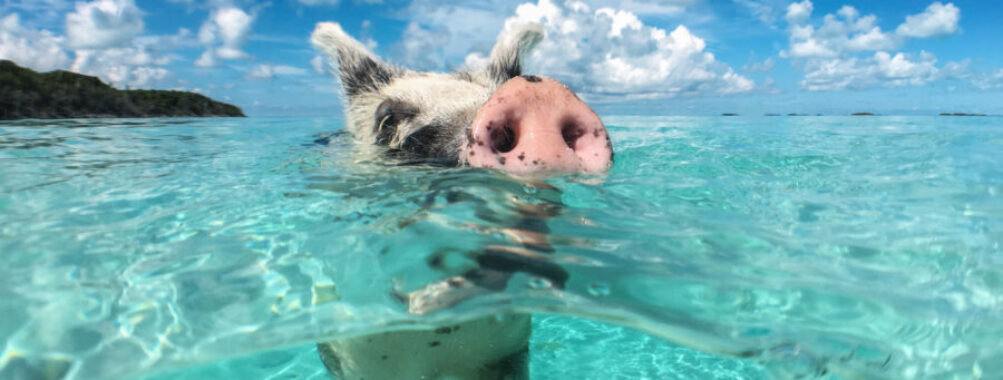
How to Swim with Pigs in Bahamas: Ultimate Insider’s Guide & Costs
Updated March 12, 2026
The Bahamas’ swimming pigs have become one of the Caribbean’s quirkiest attractions, and honestly, who could resist the sight of pigs paddling through turquoise water? These friendly animals live on several islands, but the most famous colony hangs out at Pig Beach on Big Major Cay in Exuma.
To swim with pigs in the Bahamas, book a guided tour from Nassau, Paradise Island, or Exuma. Quick half-day trips start around $100, while full-day Exuma adventures can run $400-800, depending on where you start. You’ll get to interact with the pigs in shallow water, feed them, and often pair your visit with snorkeling or exploring nearby islands.
Whether you’re stopping by on a cruise or planning a trip just for this, swimming with these goofy animals is the kind of story you’ll be telling for years. Here’s the lowdown on choosing the right tour, timing your trip, and squeezing every drop out of your piggy encounter.
Key Takeaways
- The Bahamas has several pig islands, with tours leaving from Nassau, Exuma, and other main islands
- Tour prices swing a lot based on where you start and what’s included—there are budget options near Nassau and pricier, longer Exuma trips
- The best tours mix swimming with pigs with other stuff like snorkeling, visiting cays, and soaking up those wild Exuma blues
Table of Contents
- Where to Swim with Pigs in the Bahamas
- Original Pig Beach in Exuma
- Rose Island Adventures near Nassau
- Lesser-Known Pig Islands and Cays
- How to Get to Pig Beach
- Travel Options from Nassau
- Visiting from Florida or Miami
- Trips from Staniel Cay and Great Exuma
- Booking Swimming Pigs Tours
- Group and Private Tour Types
- Choosing the Right Tour Operator
- What’s Included in Pig Beach Tours
- Best Time to Visit Pig Beach
- Peak and Off-Peak Months
- Day of Week and Time of Day Insights
- What to Expect When Swimming with Pigs
- Pig Behaviors and Swimming Tips
- Feeding the Pigs Responsibly
- Capturing the Perfect Photo
- Practical Tips for Your Pig Beach Trip
- What to Bring to Pig Beach
- Is It Safe to Swim with Pigs?
- Essential Etiquette and Rules
- Pig Beach Beyond the Pigs: Excursions and Nearby Attractions
- Thunderball Grotto Snorkeling
- Compass Cay Nurse Sharks
- Rock Iguanas & Other Wildlife
- History and Mysteries: How Did the Pigs Get to Pig Beach?
- The Most Popular Legends
- Local Efforts in Animal Care
- Costs and Budgeting for Your Pig Beach Experience
- Tour and Transportation Pricing
- Comparing DIY vs. Organized Tours
- Frequently Asked Questions
- What is the cost of swimming with pigs in the Bahamas?
- Can you interact with the pigs at Pig Beach without a tour guide?
- What measures are taken to ensure the safety of visitors swimming with pigs?
- How can one reach Pig Beach to swim with the pigs from Freeport?
- What are the best practices for ethical interaction with the pigs while swimming?
- What is the off-peak season for visiting the pig swimming attractions in the Bahamas?
- Book Your Dream Experience
- More Travel Guides
Where to Swim with Pigs in the Bahamas
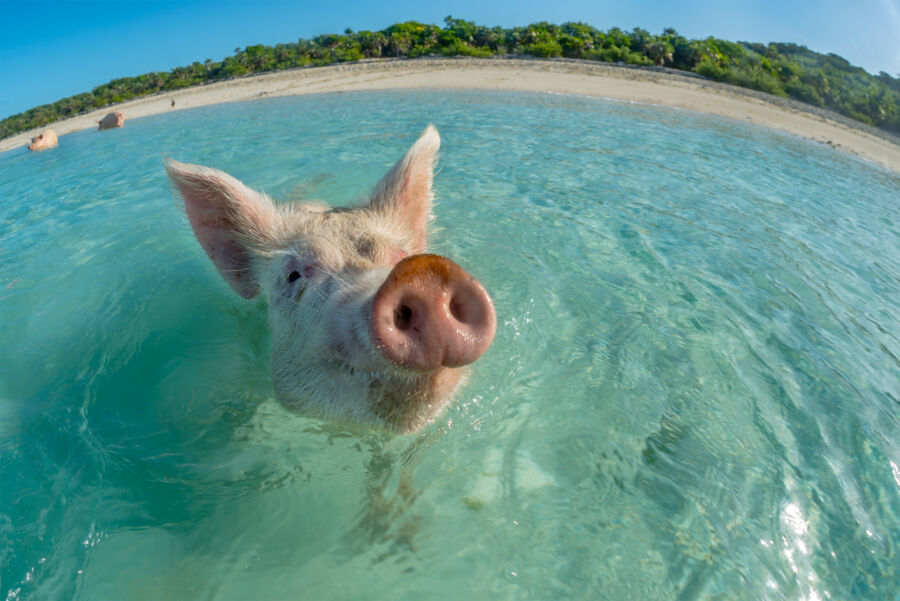
You’ve got a few choices for meeting these famous swimming pigs. From the legendary Pig Beach in Exuma to closer-to-Nassau options, each spot has its own vibe and level of convenience. Your pick really comes down to your plans and budget.
Original Pig Beach in Exuma
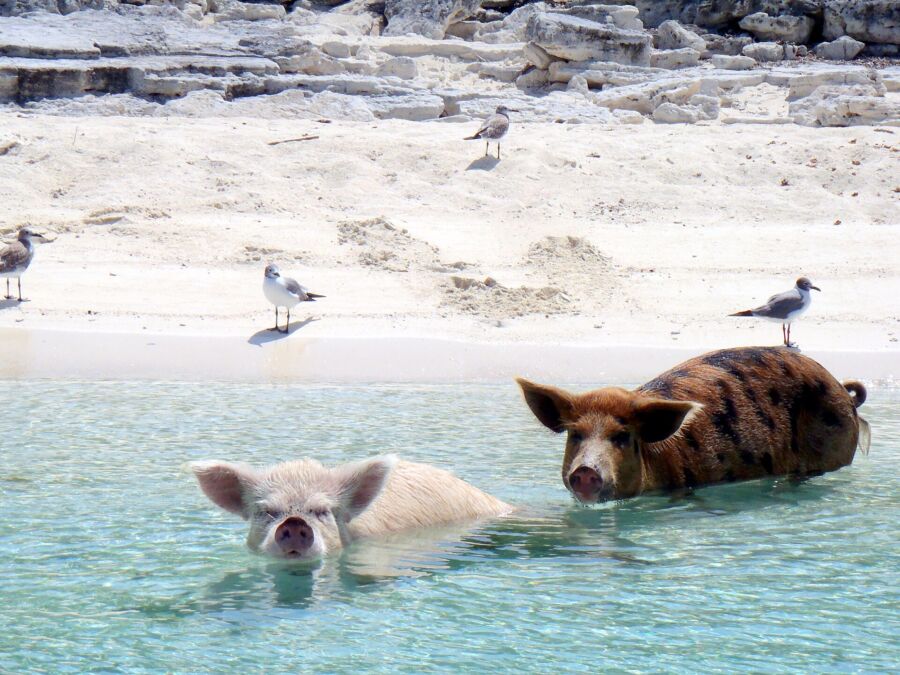
Big Major Cay is the OG pig island. This uninhabited spot sits about 82 miles southeast of Nassau in the Exuma Cays, and around 20 pigs roam the beach and swim in the crystal-clear waters.
You can’t just show up; you’ll need to book a tour. Most folks travel from Nassau by powerboat (which takes a while) or fly to Great Exuma and hop on a shorter boat ride.
Getting there is half the fun. You cruise through the Exuma Cays, passing Staniel Cay and Compass Cay. Tours usually stop at Thunderball Grotto for snorkeling and other cays where you can feed iguanas or swim with nurse sharks.
If you’re already on Great Exuma, the boat ride’s shorter and tours run more often. Even from Nassau, though, the full-day trip is worth it if you want the real deal at the spot that made these pigs famous.
Rose Island Adventures near Nassau

Rose Island is just three miles east of Paradise Island, which makes it super easy to reach pig beach without leaving the Nassau area. A 25-minute boat ride gets you there—ideal if you’re short on time or coming in on a cruise.
No roads or permanent residents here, just white sand beaches, clear water, and a bunch of friendly pigs. The pigs are just as Instagrammable as their Exuma cousins, and you’ll have plenty of time to swim and hang out with them.
Most Rose Island tours are half-day affairs, often with snorkeling stops at nearby cays. You might swing by Green Cay for sea turtles or check out some reefs. The pace is more chill than the Exuma trek, and you’ll be back at your hotel or ship with daylight to spare.
Lesser-Known Pig Islands and Cays
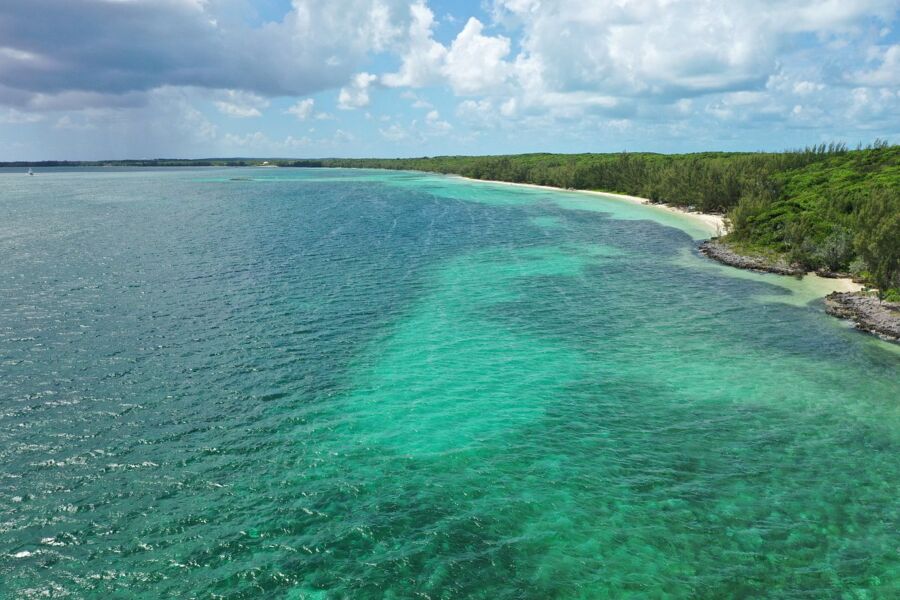
Pearl Island (sometimes called Sun Cay) is the closest pig spot to Nassau’s cruise port—just five miles out. It’s a private island with beach bars, loungers, and a handful of pigs you can visit on tours.
Spanish Wells in Eleuthera is another option, though it’s farther out. This quiet fishing village gives you a more local experience with way fewer tourists. Tours from Nassau to Spanish Wells usually toss in reef fishing and snorkeling at Tarpum Bay.
Up in the Abaco Islands, No Name Cay (locals call it “Piggyville”) hosts a small pig family near Green Turtle Cay. It’s not convenient if you’re based in Nassau, but if you’re already up north, it’s a fun, laid-back Bahamian adventure.
How to Get to Pig Beach
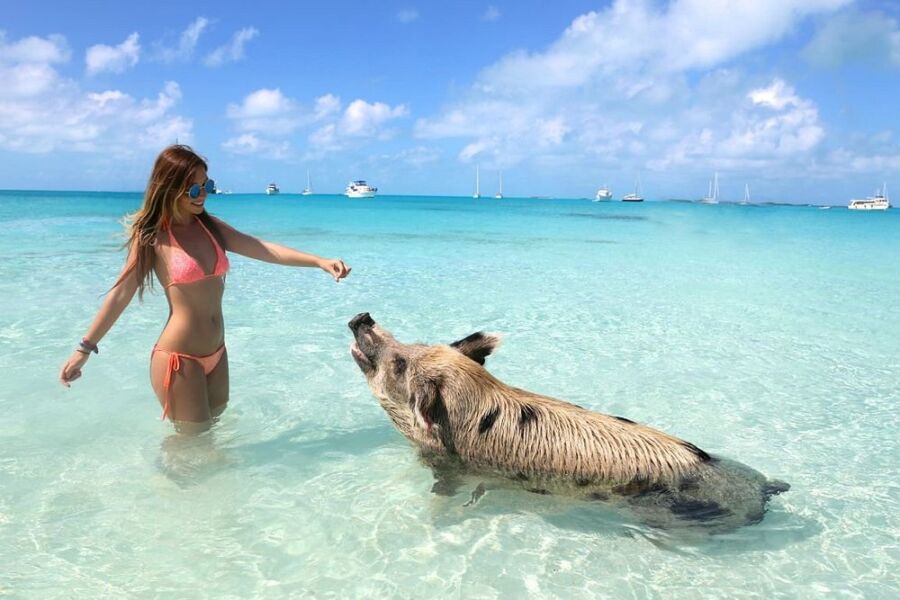
Pig Beach sits on Big Major Cay, an uninhabited island in the Exumas. There’s no public transport, so you’ll need to book a boat tour or a charter flight.
Travel Options from Nassau
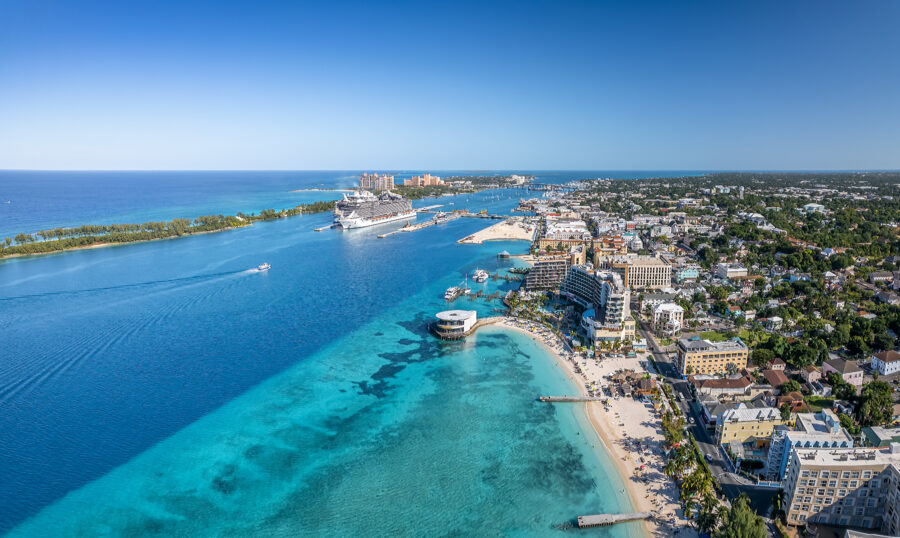
Most people start from Nassau. You’ve got two main routes: boat or fly to Exuma first.
Full-day boat tours from Nassau usually take 3-4 hours each way. They’re long, but you’ll see other Exuma Cays along the way. Downside? You’ll spend a lot of your day on the water.
Flying is just faster and, honestly, easier. Catch a quick 30-minute flight from Nassau to George Town (Great Exuma) or Staniel Cay. Makers Air and Flamingo Air fly these routes a few times daily.
Once you land, hop on a boat tour. This cuts down your travel time and gives you more pig time.
Visiting from Florida or Miami
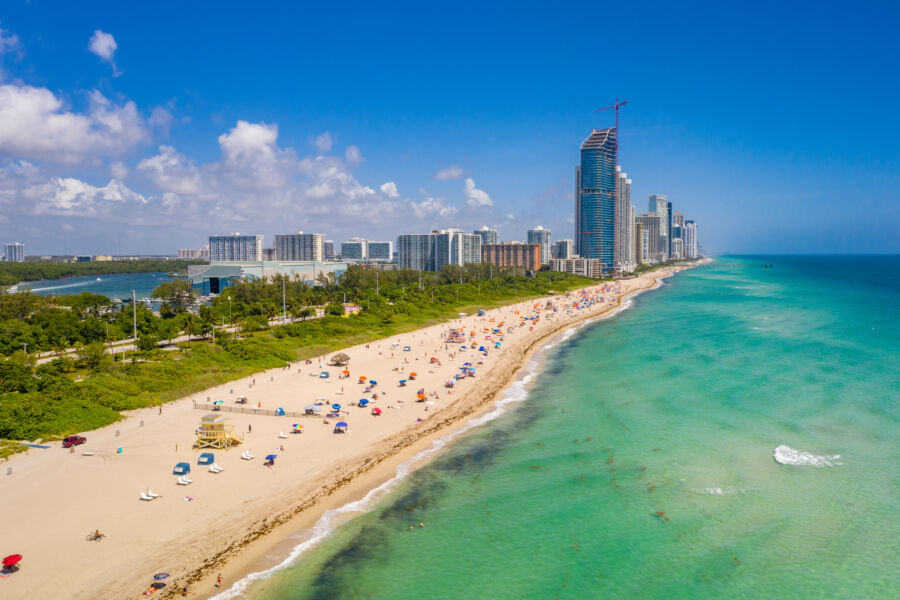
If you’re coming from the U.S., you’ll fly into Nassau first. There aren’t direct flights from Florida to the Exumas, so Nassau is your hub.
Major airlines fly from Miami, Fort Lauderdale, and other Florida cities to Nassau International Airport—about an hour in the air. After landing, you can either book a boat tour or a connecting flight to Exuma.
Some travelers book multi-day packages with companies like 3N’s Exuma Vacations. These deals handle all your transfers and usually include a stay on Great Exuma and your pig experience.
Trips from Staniel Cay and Great Exuma
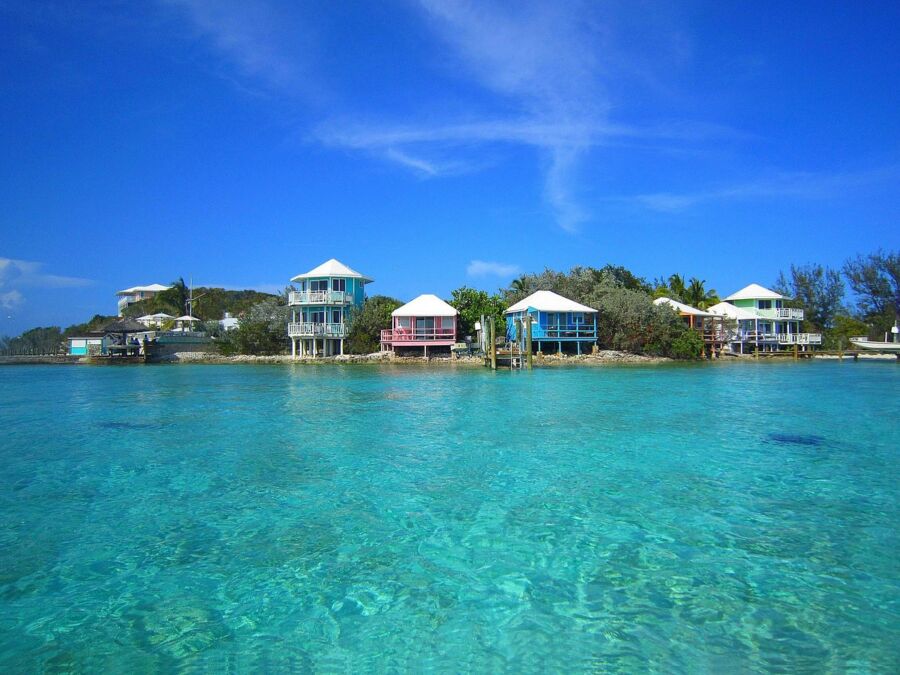
Staniel Cay is the closest spot to Pig Beach—just a few miles away. If you’re staying there, you can arrange a 15-minute boat ride through local operators or your hotel.
Great Exuma is farther south but has more places to stay. Tours from Great Exuma take 45-90 minutes, depending on your starting point. Georgetown has the most tour options, and many offer half-day trips that include Pig Beach and other Exuma highlights.
Both places offer a more relaxed vibe than the Nassau day-trip rush. Spend a night or two, enjoy the beaches, and skip the feeling of squeezing everything into one exhausting day.
See Related: The Top Vacation Spot in the World: Discover the Ultimate Destination
Booking Swimming Pigs Tours
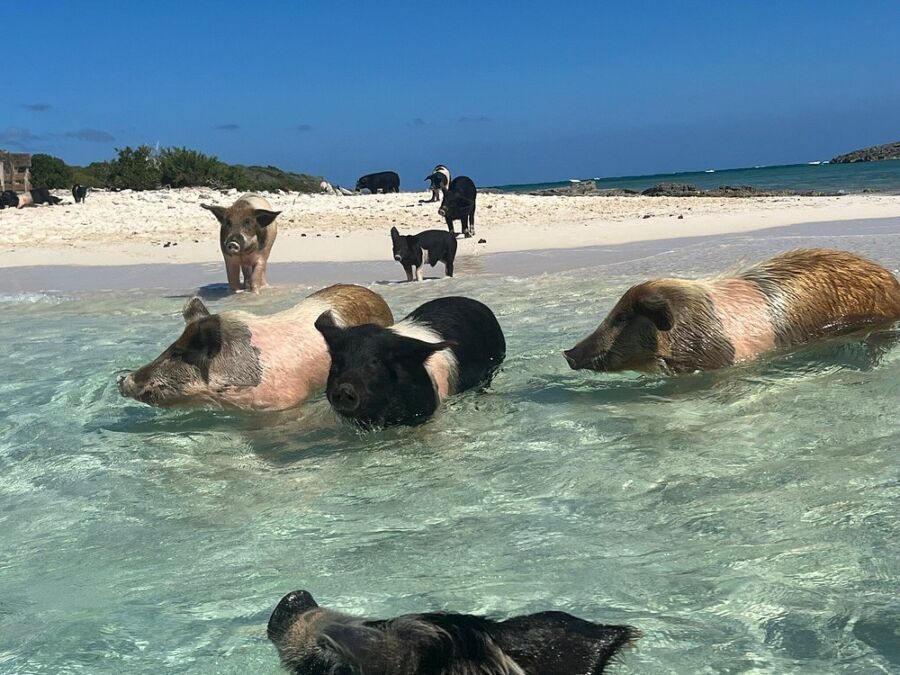
You’ll find a ton of swimming pigs tours, from budget group trips to fancy private charters. The trick is knowing what each type offers and which fits your style and wallet.
Group and Private Tour Types
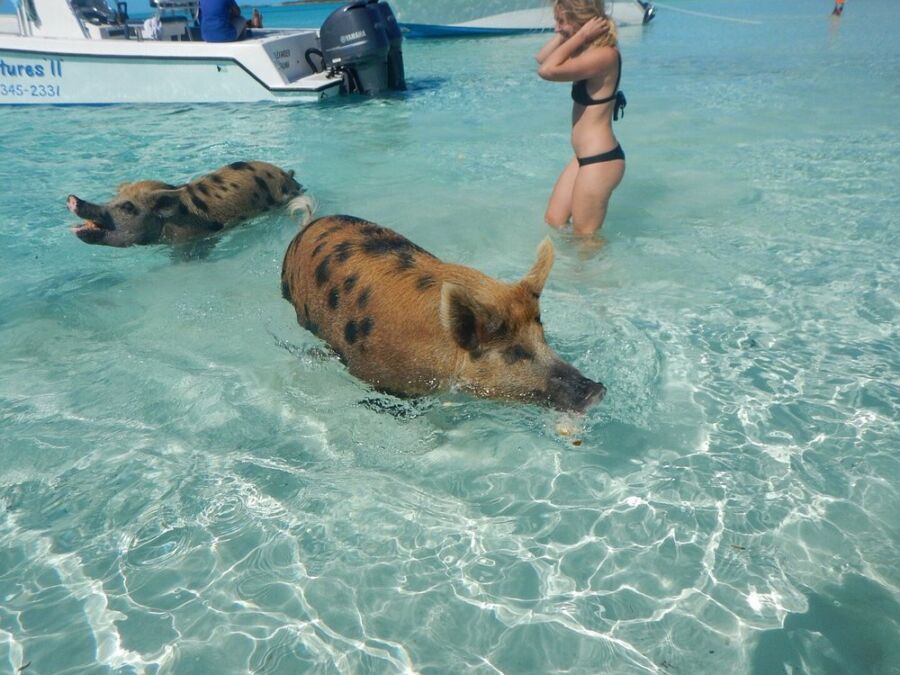
Most tours are group trips with 9-12 passengers per boat. It’s social, keeps costs down, and you’ll usually pay $439-$715 per person, depending on where you start.
Private tours are a different beast. You’ll get personalized attention from your captain and crew, plus the flexibility to linger at your favorite stops. If you’re traveling with kids or want those crowd-free Instagram shots, private charters are worth a look. They cost more, but if you split it among 6-8 people, it’s not as wild as you’d think.
The Staniel Cay Yacht Club gives you easy access to Pig Beach since it’s the closest inhabited island. Guests staying here can book quick morning trips before the bigger Nassau or Exuma tours show up.
Choosing the Right Tour Operator
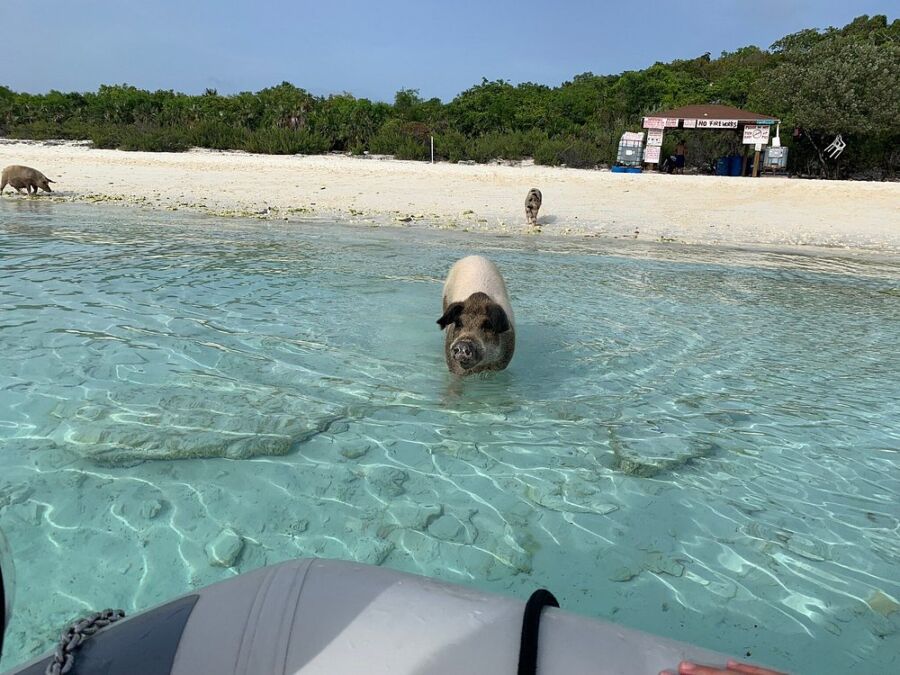
Not all operators treat the pigs well. Look for companies that give the pigs proper food (fruits and veggies, not junk) and don’t let tourists harass or ride them. You want guides who actually care.
Read recent reviews and see how the crew handled the pigs and whether they rushed the stops. The best operators keep group sizes small and don’t make you feel herded from place to place.
Licensed operators follow Bahamas Ministry of Tourism rules. They’ll brief you on safety, provide pig-friendly food, and generally run a tighter ship. If a company’s website says nothing about animal welfare, I’d skip it.
What’s Included in Pig Beach Tours
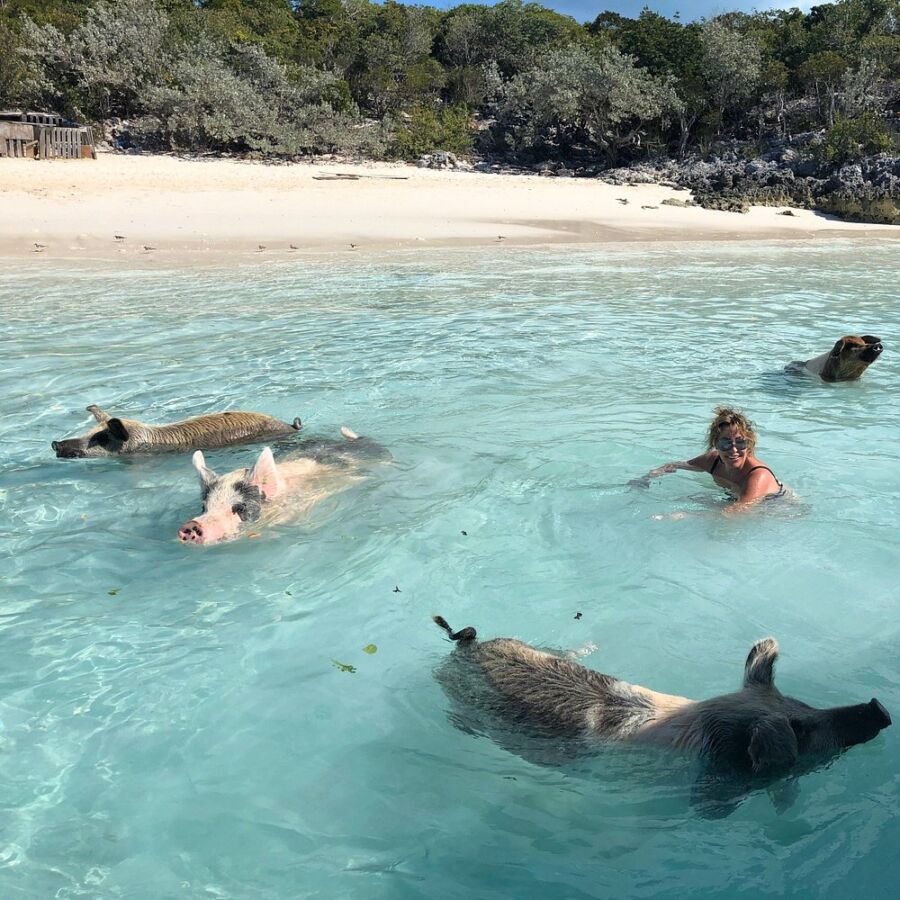
Your pig beach tour should cover more than just Big Major Cay. Most full-day tours hit 4-6 spots, including Thunderball Grotto for snorkeling, Compass Cay for nurse sharks, and those Instagrammable sandbars.
Transportation depends on where you start. Nassau tours might involve a scenic flight to Staniel Cay, then a boat, or a long powerboat ride. Great Exuma tours usually offer both. From Florida, you’ll always fly since you’re crossing borders.
Meals and drinks are usually included. Expect a Bahamian-style lunch, snacks, water, and sometimes beer or rum punch. Some tours have better food than others, so check reviews. Snorkel gear, towels, and safety stuff are standard.
Tours bring the pig food—usually carrots, lettuce, or grapes. Don’t bring your own snacks for the pigs. And while most tours say they offer pro photos, bring your own waterproof phone case. Tour activities move fast and guides can’t catch everything.
Best Time to Visit Pig Beach
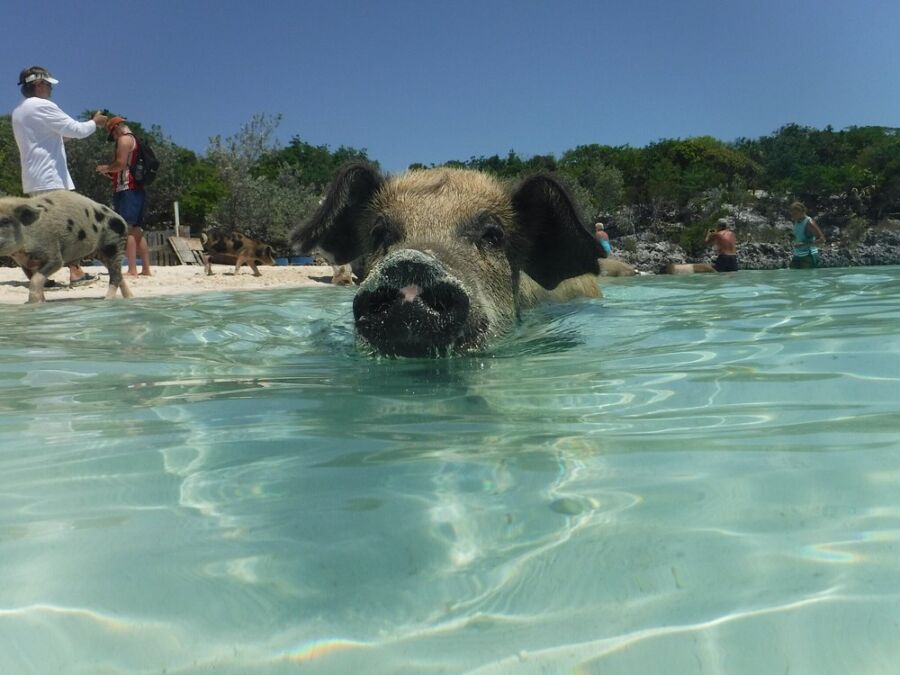
Weather really shapes your pig experience, and so does the crowd. December through April is the sweet spot for sun and calm seas. If you go early in the morning, you’ll dodge the crowds and get more time with the pigs.
Peak and Off-Peak Months
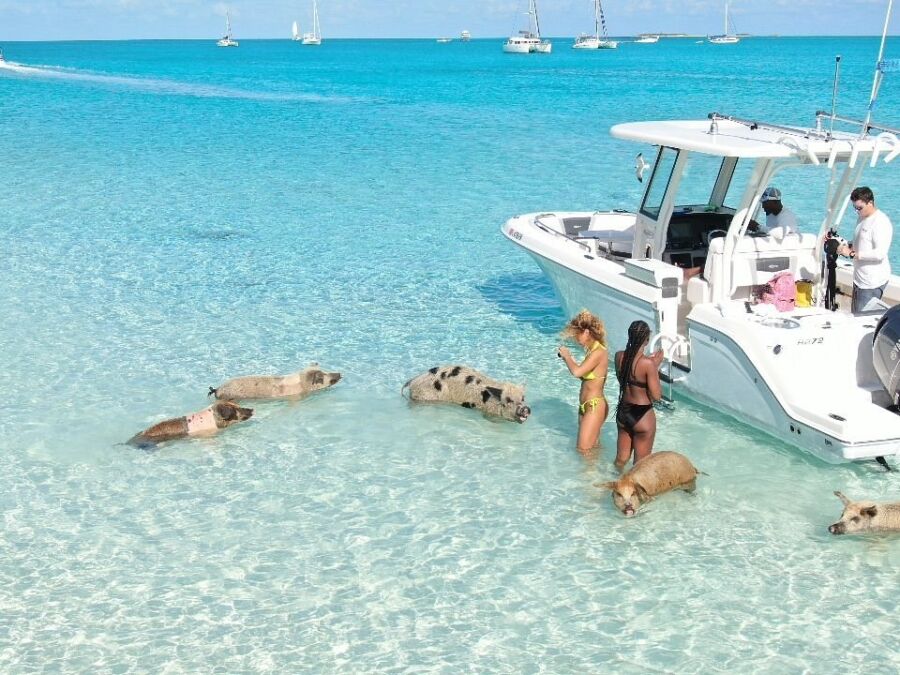
December to April is peak season at Pig Beach. The weather’s almost perfect—sunny, 75-80°F, low humidity, and you won’t get those heavy rains that show up later.
But everyone knows it’s the best time, so tours book up fast and you might end up sharing the beach with a bunch of other groups. The pigs don’t care, but your photos might have more people than you’d like.
May through November is off-peak, with rainy and hurricane seasons. Summer’s hot and sticky, and there are afternoon storms. Hurricane season peaks August to October, but direct hits are rare. Upside? Fewer tourists, cheaper tours and hotels, and sometimes you’ll have the pigs to yourself. Just check the weather and be ready for sudden changes.
Day of Week and Time of Day Insights
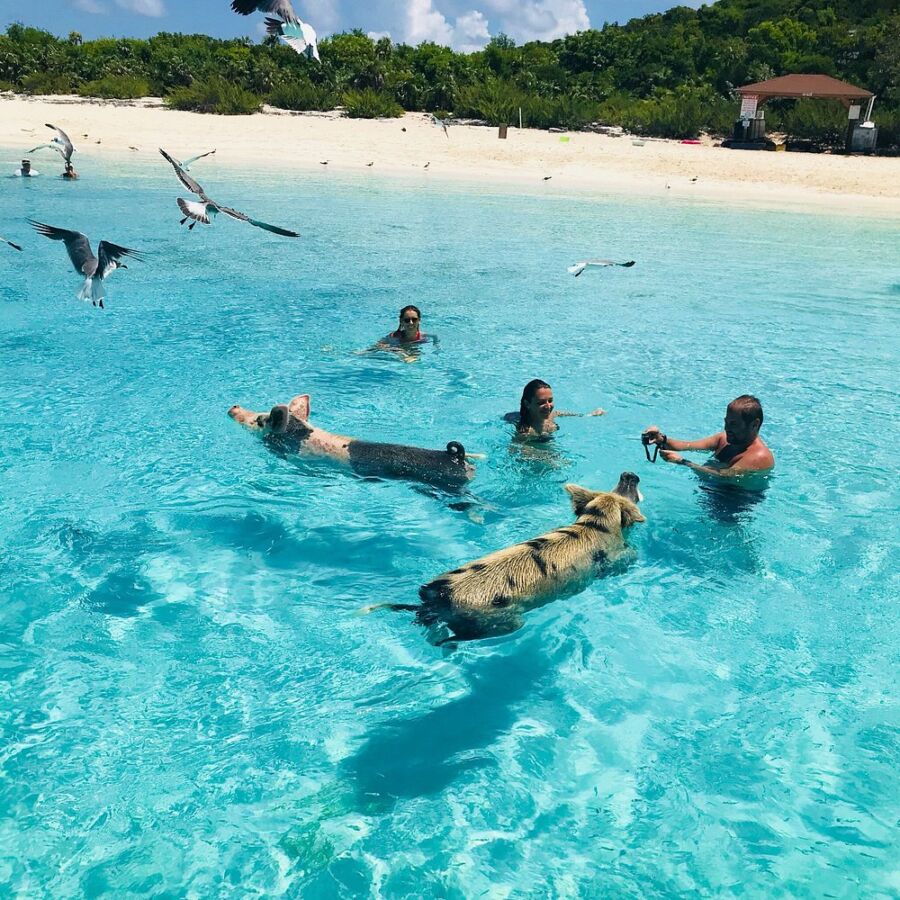
Mornings are hands-down the best time to visit Pig Beach. Most tours leave 8-10 AM, and if you grab an early slot, you win. The pigs are more active and hungry, so they’ll swim out to greet your boat. Plus, the light is perfect for photos—the water looks extra blue.
Weekdays are quieter than weekends, especially Tuesday through Thursday. Most tourists come in over the weekend and leave by Monday, so mid-week is calmer. You’ll definitely notice when there are only two or three boats at the beach instead of a crowd. The pigs get less overwhelmed, and you get better quality time.
What to Expect When Swimming with Pigs
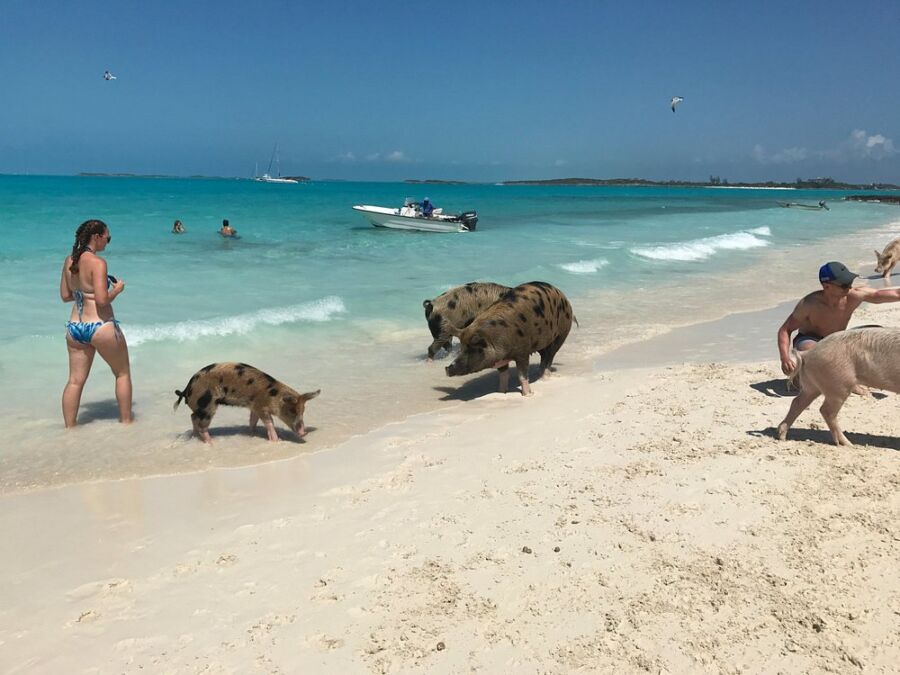
The pigs at Pig Beach are surprisingly social and love greeting visitors in shallow water. Most of your time will be spent standing in knee- to waist-deep turquoise water while the pigs paddle around, looking for treats and attention.
Pig Behaviors and Swimming Tips
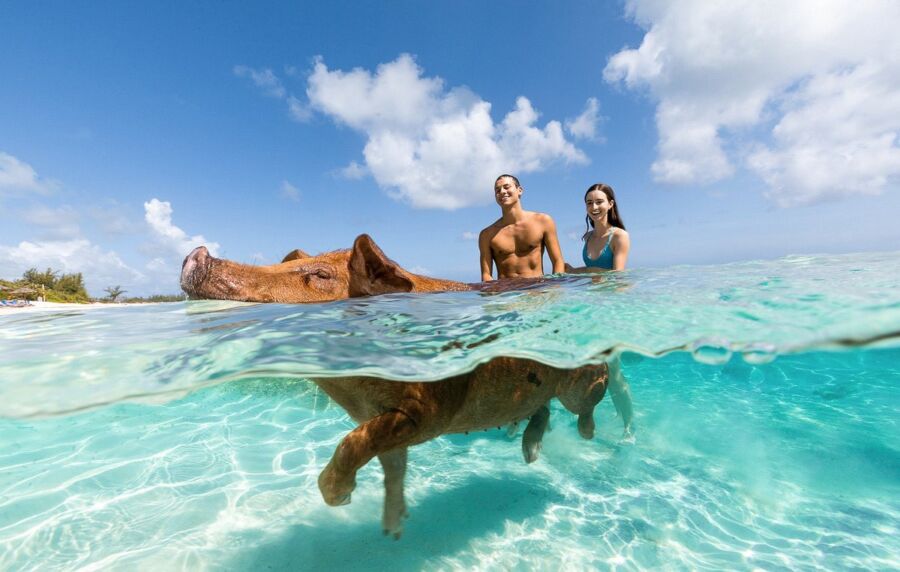
As soon as you pull up, the pigs will probably swim out to greet your boat. It’s honestly bizarre—these big animals are surprisingly skilled in the water. They paddle right up, snouts poking above the surface, clearly hoping for a snack.
Piglets tend to stick close to the shore. They’re more nervous than the adults, so if you want to meet them, you’ll have to wade in a bit. The bigger pigs? They’re bold. Some will come right up to your chest or even try to climb on you if they think you’ve got food.
Here’s what actually helps:
- Stand still and let the pigs approach you—no need to chase them
- Keep your hands visible so they don’t mistake your fingers for snacks
- Move slowly—quick motions can spook them
- Step into shallower water if the big pigs get too pushy
The pigs have grown used to people, but they still have their moods. Sometimes they’re more energetic, especially in the morning when they’re hungriest.
Feeding the Pigs Responsibly
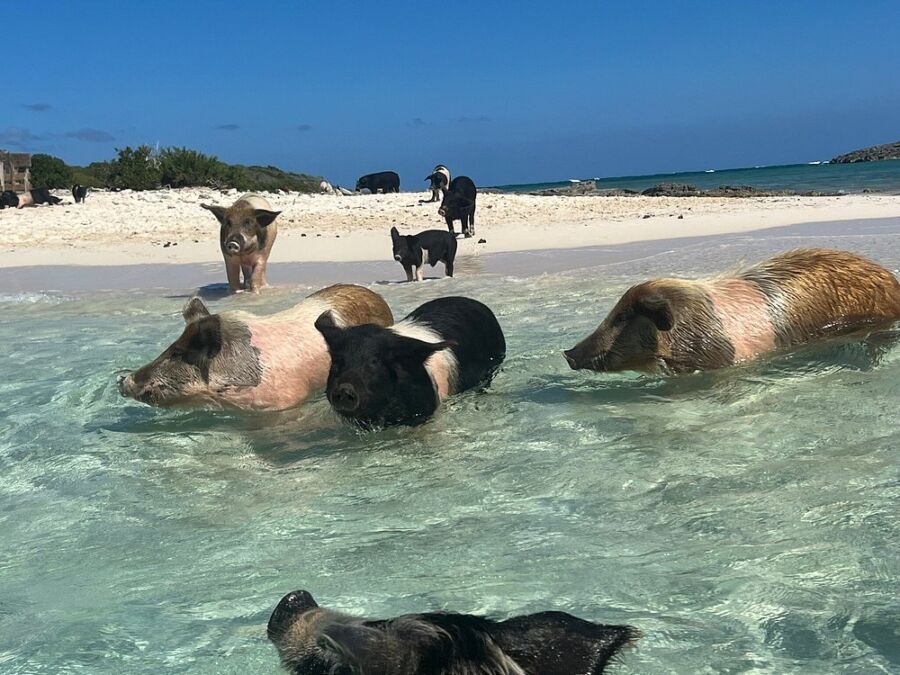
Most tours bring approved fruits and veggies for feeding. Usually, you’ll get carrots, apples, or grapes to share. Never bring your own food—some things can make the pigs sick.
When you feed them, hold the food up high. The pigs will stand up on their hind legs to reach it, which looks fantastic in photos. Just keep your fingers out of the way—they’re not trying to bite, but their eyesight isn’t great and accidents happen.
Feeding rules to remember:
- Only feed what your guide provides
- Don’t toss food into the sand—they might eat debris
- Never feed piglets on your own
- Keep all snacks and bags secure on the boat
Some visitors get a little too enthusiastic with the treats, and the pigs can get pushy when they smell food. If you run out or feel overwhelmed, show your empty hands and back away toward the boat.
Capturing the Perfect Photo
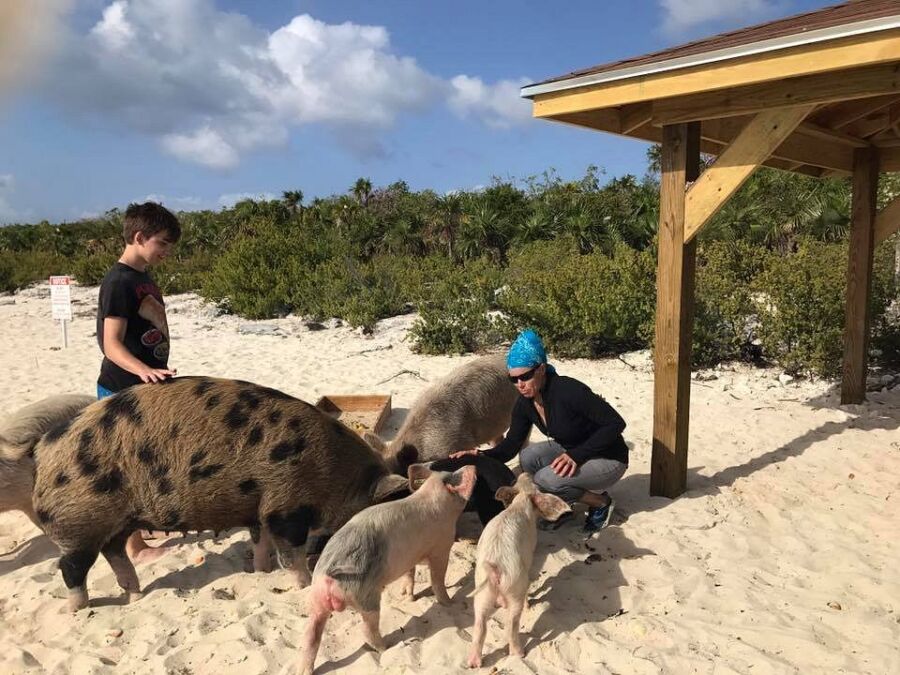
The lighting at Pig Beach is unreal—the Bahamas water makes every shot look better. But getting that perfect picture isn’t always easy since the pigs are in constant motion and have zero interest in posing.
Mornings are your best bet for active pigs and softer light. By afternoon, many pigs chill in the shade for a nap, so things slow down. Bring a waterproof camera or a phone case, since you’ll be standing in the water.
Photo tips that actually help:
- Get down to the pig’s eye level for better shots
- Use burst mode—they move fast and unpredictably
- Ask someone else to feed the pig while you snap pics from the side
- Try to catch pigs swimming toward the boat for those dramatic action shots
Honestly, the best photos are often the unplanned ones—like when a pig photobombs your selfie or splashes water all over you.
Practical Tips for Your Pig Beach Trip
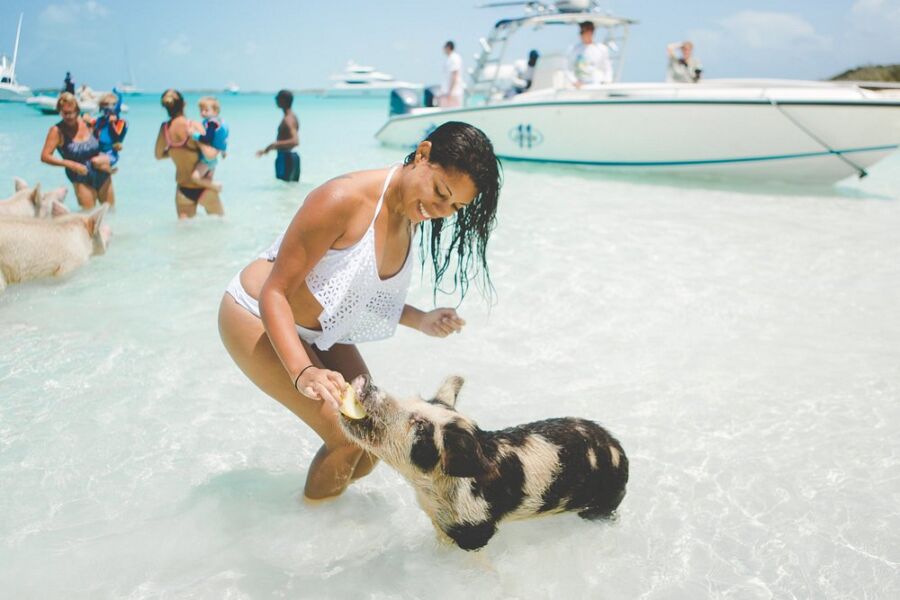
A little planning goes a long way when you visit the swimming pigs. You’ll want the right supplies, a few safety basics, and some idea of how to act around these quirky animals.
What to Bring to Pig Beach
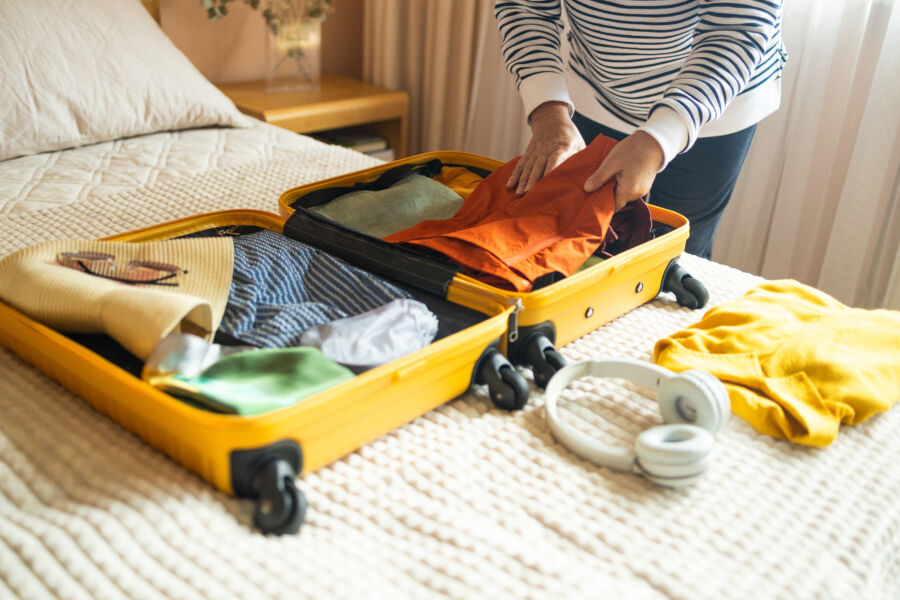
Pack wisely for Pig Beach—there aren’t any shops on this uninhabited island. A waterproof phone case or action camera is a must if you want to capture those moments in the water.
Bring reef-safe sunscreen for your skin and the environment. Regular sunscreen can harm coral and even affect the pigs. Water shoes are a lifesaver—the ocean floor has rocks and coral bits that’ll cut your feet if you’re not careful.
A dry bag keeps your valuables safe. Some cash might come in handy for tips or last-minute extras from your tour operator. A quick-drying towel is nice, too.
Don’t skip the travel basics like a hat and sunglasses—the sun bounces off the water like crazy. If you’re coming from Nassau, you might need luggage storage for bags you don’t want on the boat.
Is It Safe to Swim with Pigs?
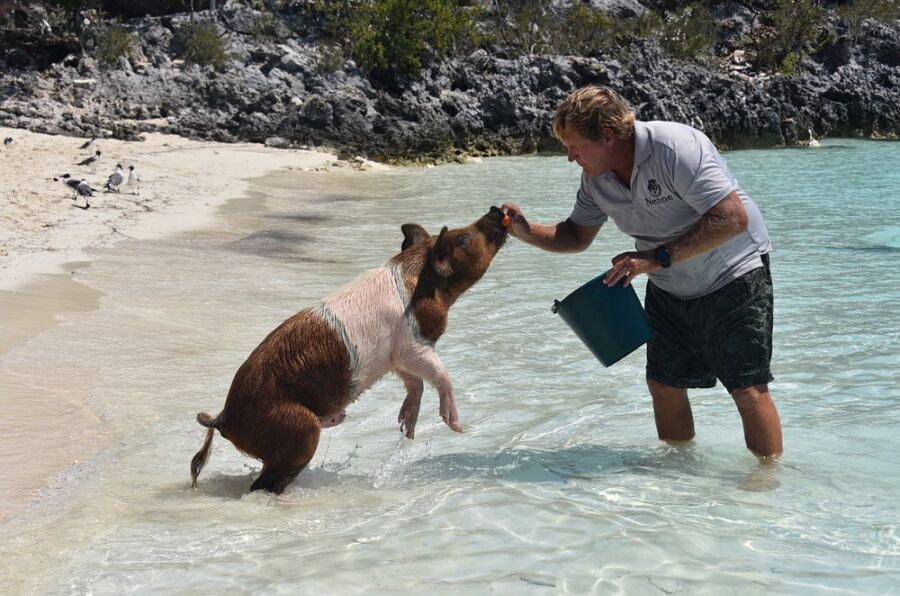
Swimming with the pigs is generally safe if you stick to a few common-sense rules. These are still wild animals, even if they seem friendly. They can get excited around food and might nip or bump into you by accident.
Stay calm and avoid sudden moves. The pigs swim well, but they’re heavy—give them space and never corner them.
Kids should always stay with adults. Piglets are gentler, but the big pigs can weigh over 200 pounds. Most injuries happen when people try to feed them the wrong way or get too close to moms with babies.
Tour guides know which pigs are extra pushy and will give you a heads-up. Pay attention to their advice.
Essential Etiquette and Rules
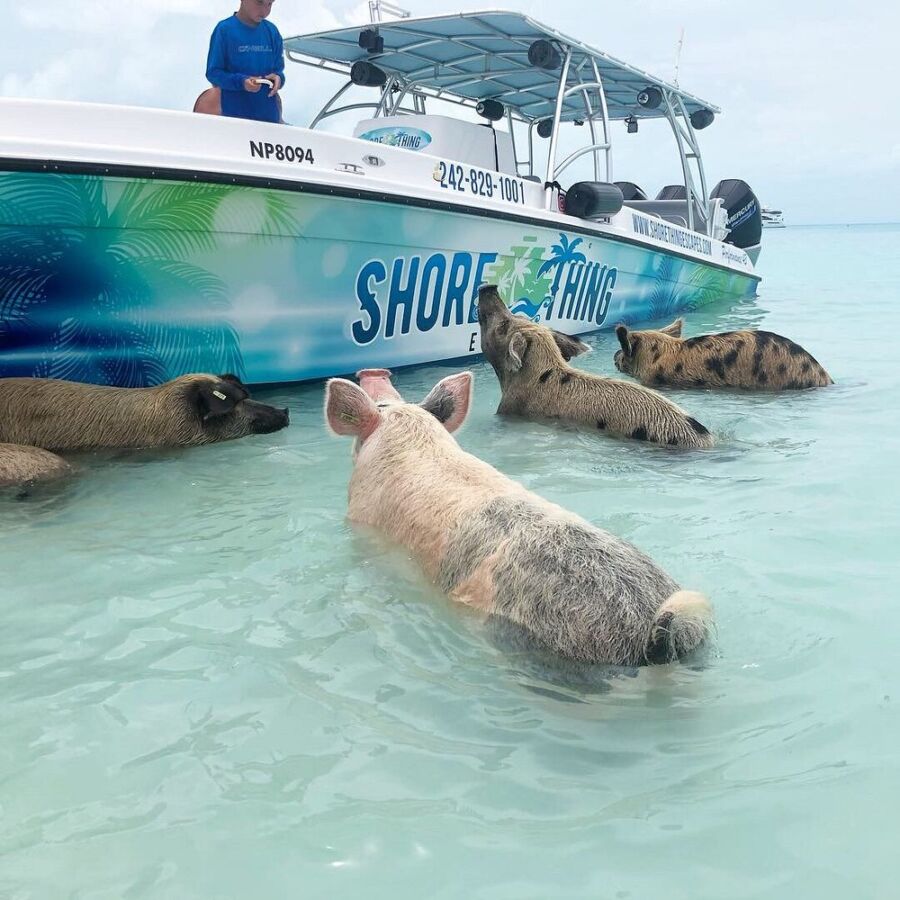
Respecting the pigs keeps everyone safe and healthy. Never feed them human snacks like chips or processed foods. If feeding’s allowed, your tour will provide the right stuff.
Don’t chase or try to ride the pigs—it might sound funny, but it really stresses them out. Let them come to you.
Steer clear of piglets and their mothers. Mother pigs are serious about protecting their babies. Try not to touch the pigs’ faces or heads either—they don’t like it.
Take only photos and leave the beach cleaner than you found it. Trash is a real hazard for the pigs. Some tours limit visitors to avoid crowding, which is honestly better for everyone.
Pig Beach Beyond the Pigs: Excursions and Nearby Attractions
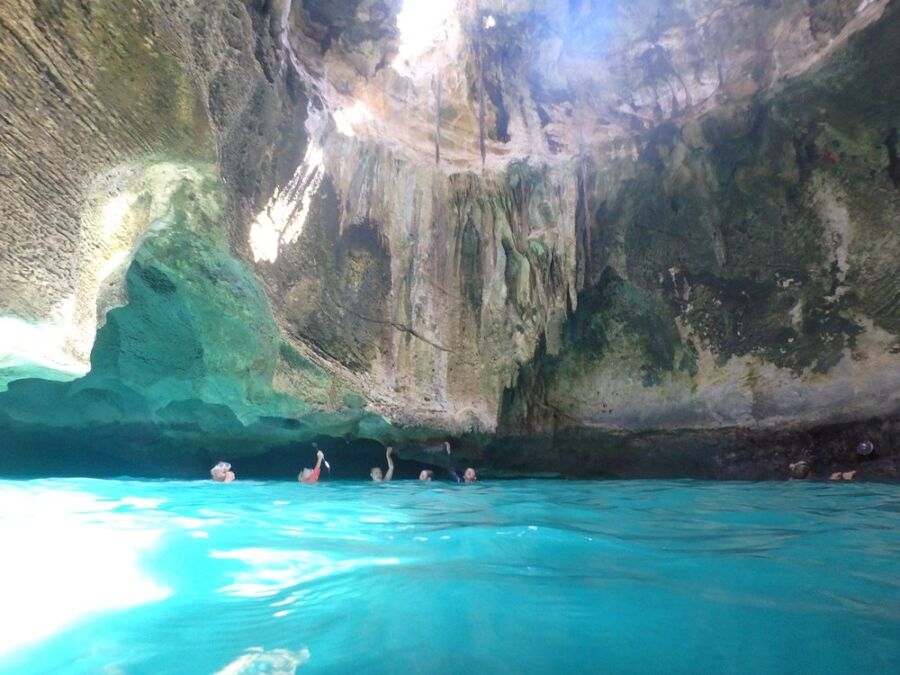
Most Pig Beach tours include some pretty wild stops that can be just as memorable as the pigs. You’ll probably visit Thunderball Grotto for snorkeling, swim with nurse sharks at Compass Cay, and meet wild iguanas on nearby islands.
Thunderball Grotto Snorkeling
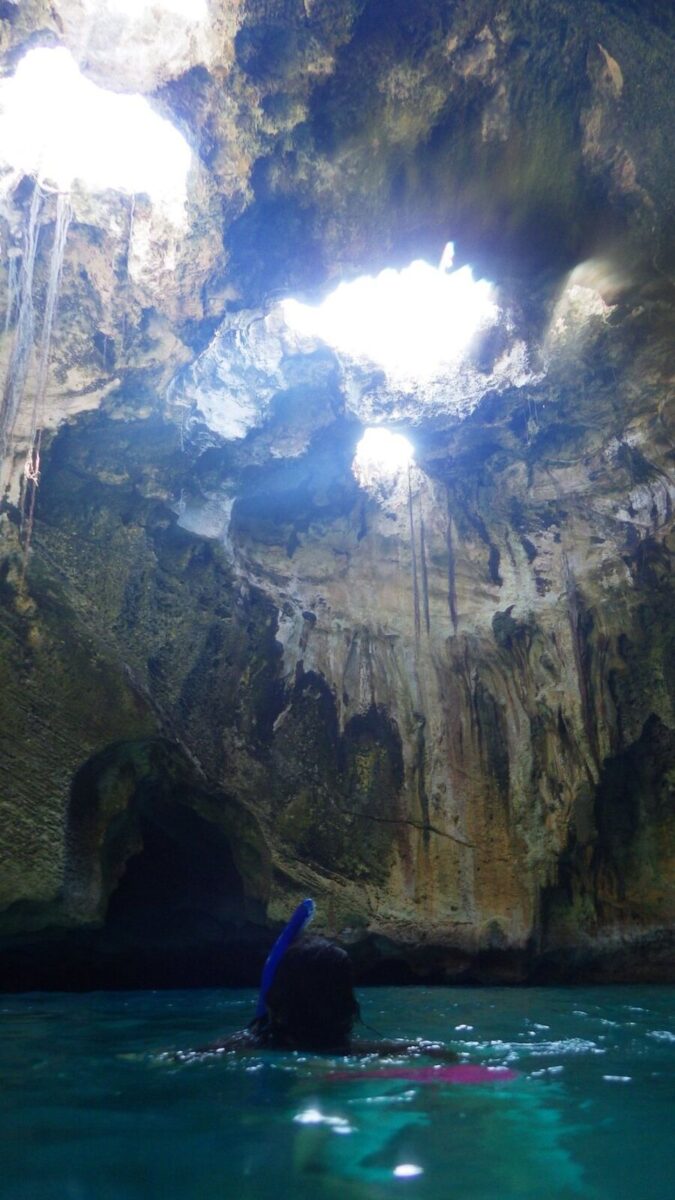
Thunderball Grotto is this famous underwater cave that showed up in the James Bond movie Thunderball—and yeah, it really is that cool. The grotto sits just off Staniel Cay, and you get in by swimming through a rocky opening at the right tide.
Inside, sunlight pours through holes in the limestone ceiling, creating beams of light that dance over schools of tropical fish. The water’s calm and shallow enough for most people, but you’ll want to check tide times with your captain since high tide can make things tricky.
The fish here don’t seem to mind people. You’ll spot parrotfish, sergeant majors, and sometimes even little barracuda. It’s one of the most photogenic snorkeling spots in the Bahamas.
Bring an underwater camera if you can. The light show only happens during certain hours, so morning tours usually have the best visibility.
Compass Cay Nurse Sharks
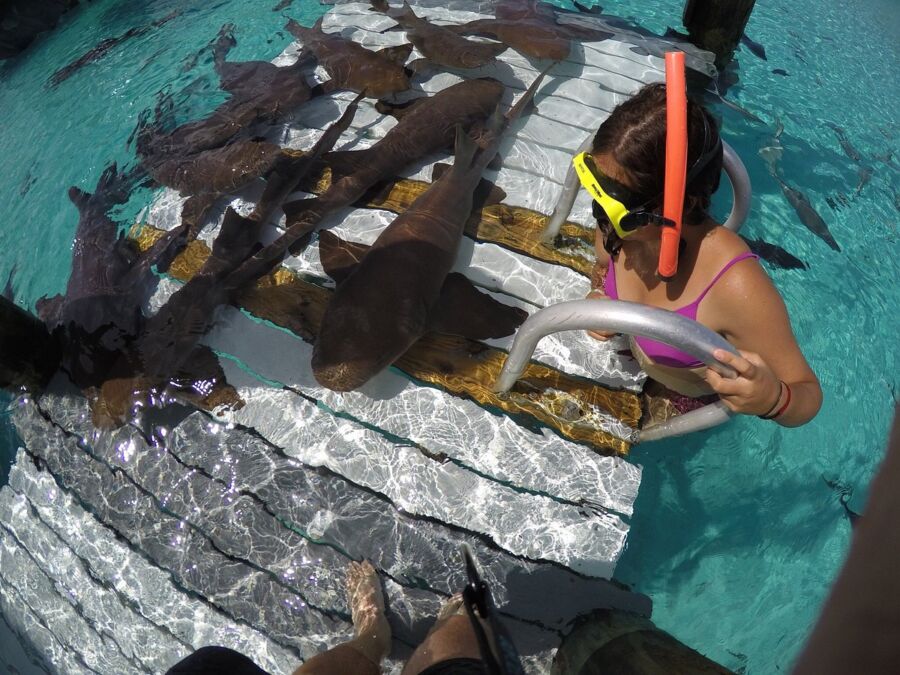
Compass Cay has a marina where wild nurse sharks hang out, knowing boats mean food. You’ll wade into waist-deep water as these gentle sharks glide past your legs, sometimes brushing right against you.
Sounds scary if you haven’t tried it, but nurse sharks are chill. They don’t have the aggressive feeding style of other sharks. Still, listen to your guide and avoid splashing or sudden moves.
Some of these sharks get up to 8 feet long, and honestly, seeing them up close is a thrill. Your captain will usually toss food in to bring them closer for photos—no real danger.
If you’re nervous, stay on the dock and watch. Most people decide to jump in once they see how calm the sharks are.
Rock Iguanas & Other Wildlife
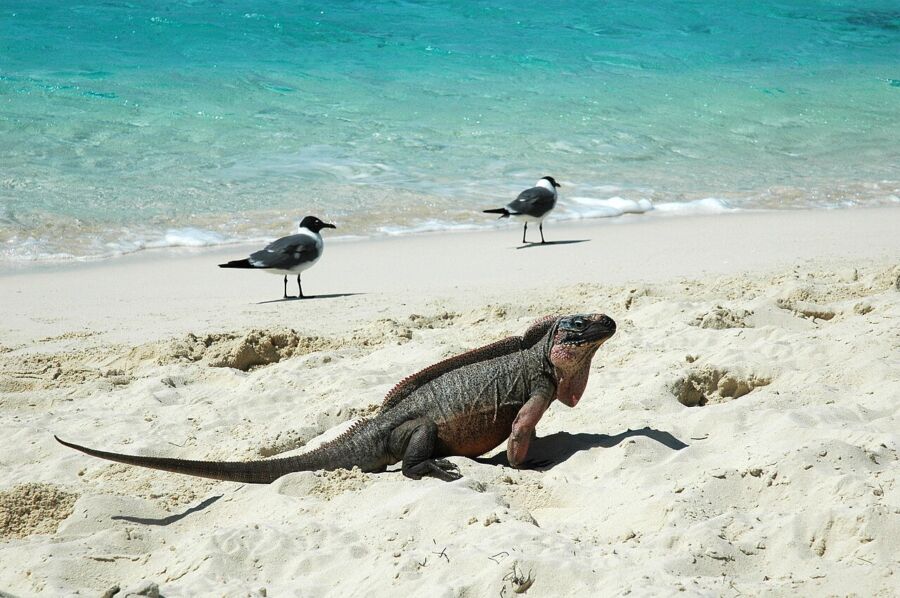
Bitter Guana Cay (sometimes Iguana Cay) is a little island where Bahamian rock iguanas roam the beach and rocks. These prehistoric-looking reptiles can grow over three feet long and don’t really care about people.
Guides usually bring fruit like grapes, and the iguanas waddle right up—sometimes climbing over your feet to get to the food. They move slow and seem almost bored, which makes for some funny close-up shots.
Bahamian rock iguanas are endangered, so seeing them in the wild is pretty special. The population on Bitter Guana Cay is protected, and tourism helps fund conservation.
You might also spot stingrays in shallow sandbars, sea turtles near reefs, or even dolphins if you get lucky on the boat ride. The Exuma Cays are basically a giant wildlife sanctuary with clear water—every stop feels like a nature show.
See Related: The World’s Busiest Cities
History and Mysteries: How Did the Pigs Get to Pig Beach?
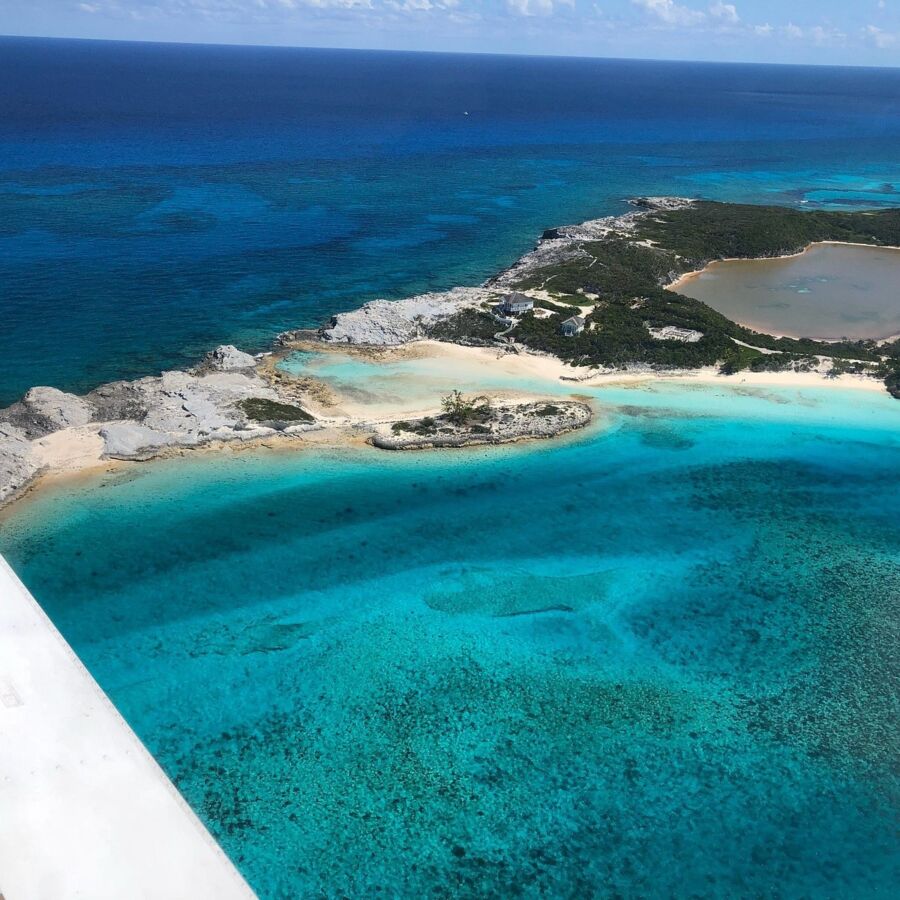
Nobody really knows how pigs ended up swimming in the Bahamas, but locals near Staniel Cay have passed down stories for years. The pigs live on Big Major Cay, and these days their descendants enjoy fresh water sources and regular meals from tourists.
The Most Popular Legends
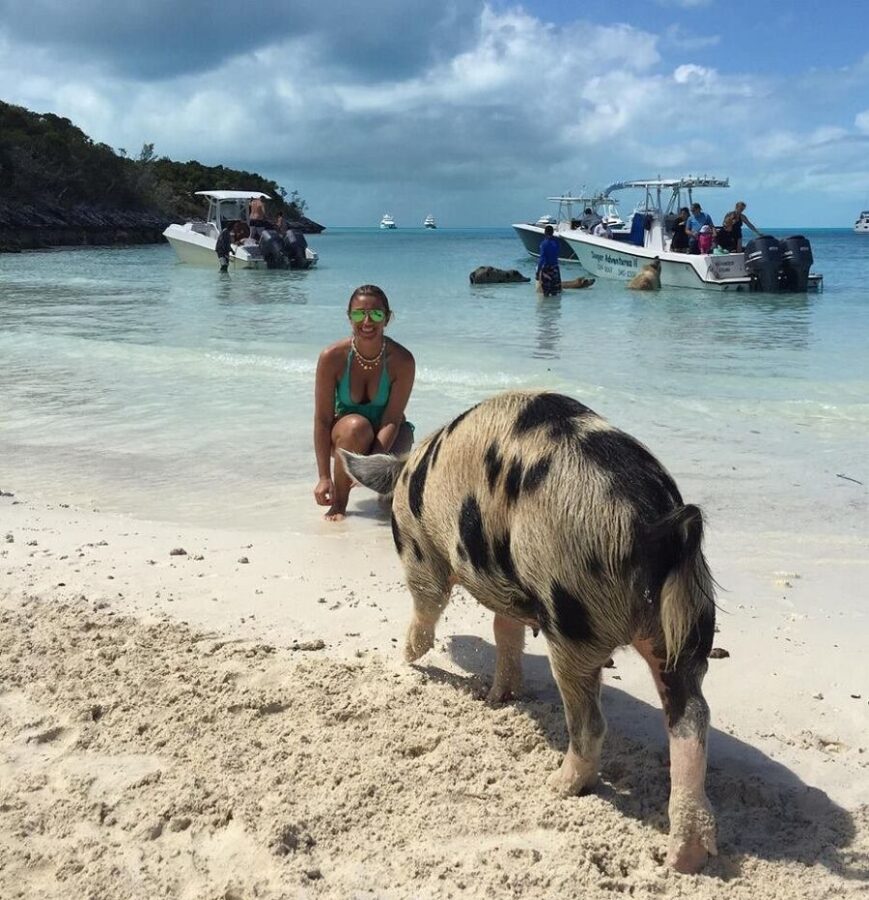
The sailor legend is probably the most romantic. Supposedly, sailors left pigs on Big Major Cay planning to come back for them, but never returned—maybe pirates got them. The pigs, being survivors, figured things out.
Another story claims a shipwreck brought them. A livestock vessel hit a sandbank, and the pigs swam to shore and started a new life.
But honestly? The most likely story is that local farmers put them there. Wayde Nixon, a local, told reporters he and his business partner brought pigs over in the late 1990s. Other Bahamians probably did the same, using the island as a natural pen.
The pigs adapted, drinking from freshwater springs and learning to swim out to boats for food.
Local Efforts in Animal Care
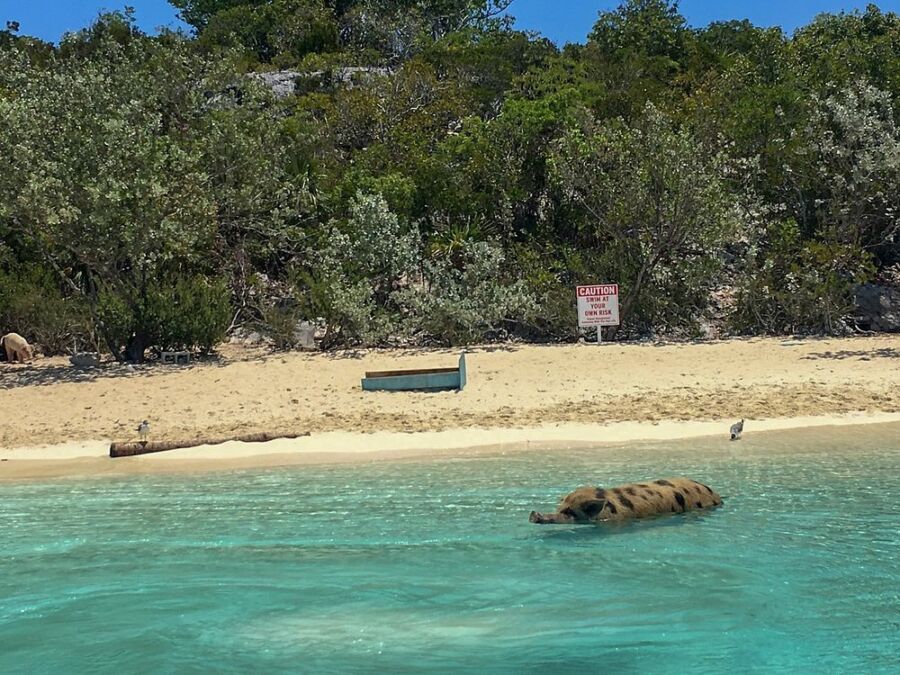
The swimming pigs near Staniel Cay rely on both visitors and locals to stay healthy. Bahamian boat operators running tours keep an eye on the pig colonies and make sure they have clean water and proper food.
In 2017, some pigs died after tourists fed them food covered in sand or gave them the wrong snacks. After that, tour operators got serious about teaching visitors how to interact with the pigs.
Proper care means:
- Providing fresh veggies and fruits
- Making sure clean water is available
- Keeping food off the sand
- Checking the pigs’ health regularly
Local guides now teach tourists how to feed the pigs right and respect their space. They’ve also set up shaded spots so the pigs can escape the sun.
Costs and Budgeting for Your Pig Beach Experience
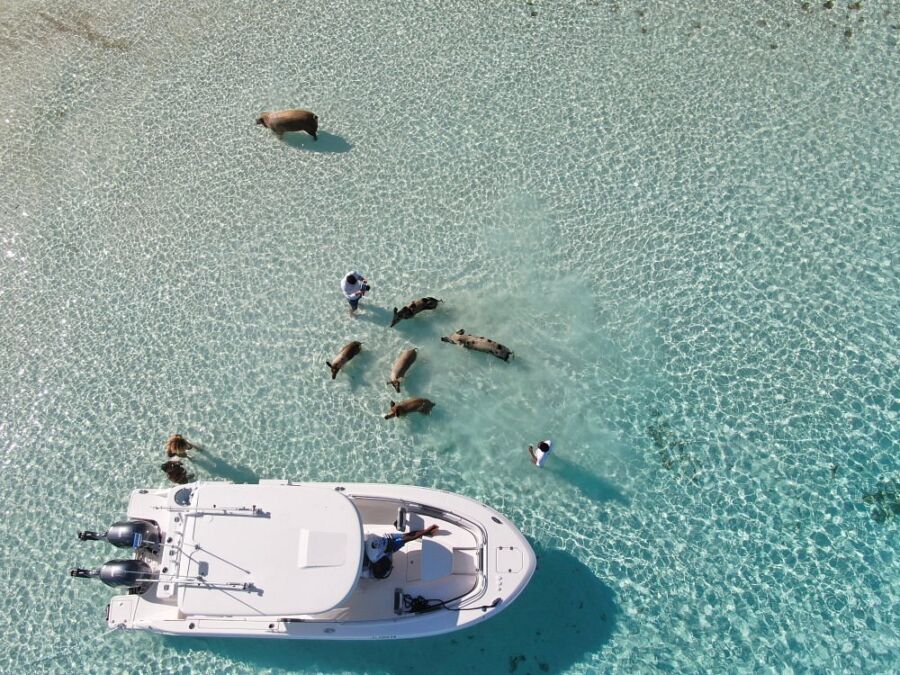
Swimming with pigs isn’t exactly cheap, but prices vary a lot depending on where you go and how you get there. Expect to pay between $200 and $570 per person based on location and tour type.
Tour and Transportation Pricing
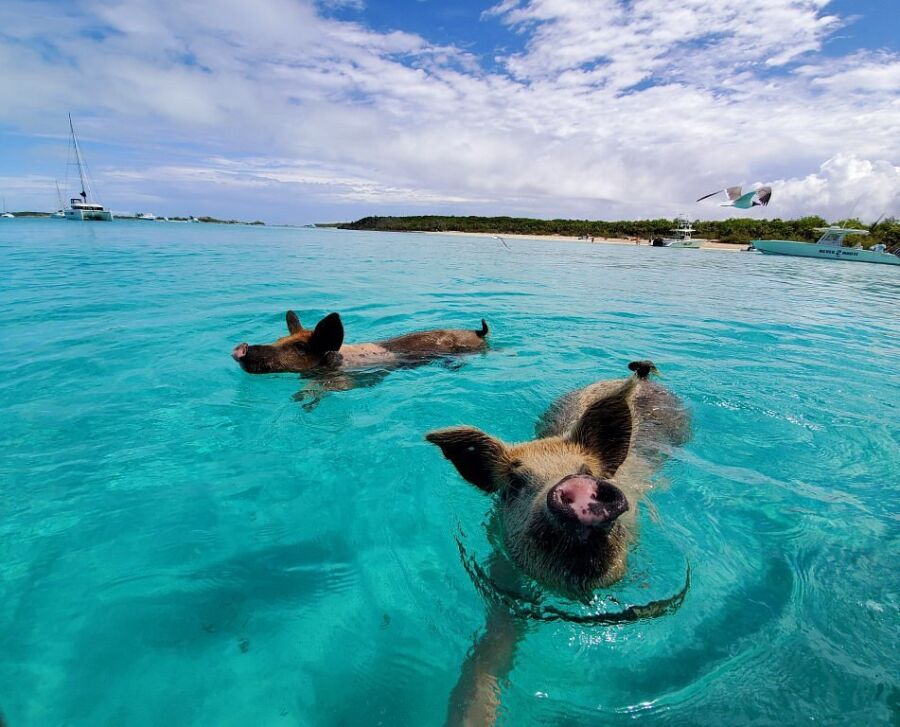
Tours to the famous Pig Beach in Exuma usually cost between $450 and $570 per person. That higher price comes from the distance—getting there from Nassau takes at least an hour by boat.
Some tours include flights to Exuma, which bumps up the price but saves you a long boat ride.
Rose Island is a more budget-friendly option. Tours there run about $200 to $250 per person. It’s only a 15-minute boat ride from Nassau, which explains the lower price.
Both spots offer the same pig-swimming experience. The price difference is just about travel distance.
Price Breakdown by Location:
- Exuma Pig Beach: $450-$570 per person
- Rose Island: $200-$250 per person
- Savings with Rose Island: $250-$300 per person
You’ll usually get a better deal booking online instead of in person.
Comparing DIY vs. Organized Tours
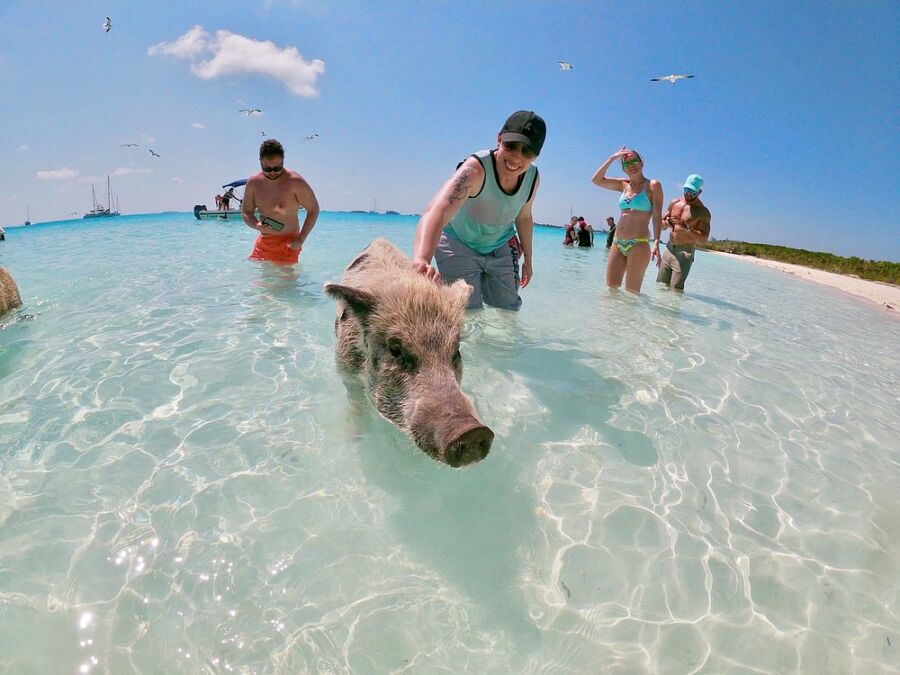
If you’re already staying in the Exumas, hopping on a boat from Staniel Cay usually gets you to Pig Beach for the lowest price. Local operators charge less than the full-day tours that leave from Nassau.
Organized tours take care of everything—transport, pig-safe snacks, and guides who know the animals. You don’t have to stress about logistics or what to bring.
Going the DIY route? That works if you feel good about navigating unfamiliar waters and lining up your own boat rental. But honestly, when you factor in boat costs and fuel, you often end up spending about the same as you would on a tour.
Tours often toss in extras, too—snorkeling, swimming with reef sharks, maybe a stop to see iguanas. Renting a boat on your own doesn’t usually include those perks.
See Related: Barbados vs Jamaica: Key Differences to Know Before Booking Your Caribbean Getaway
Frequently Asked Questions
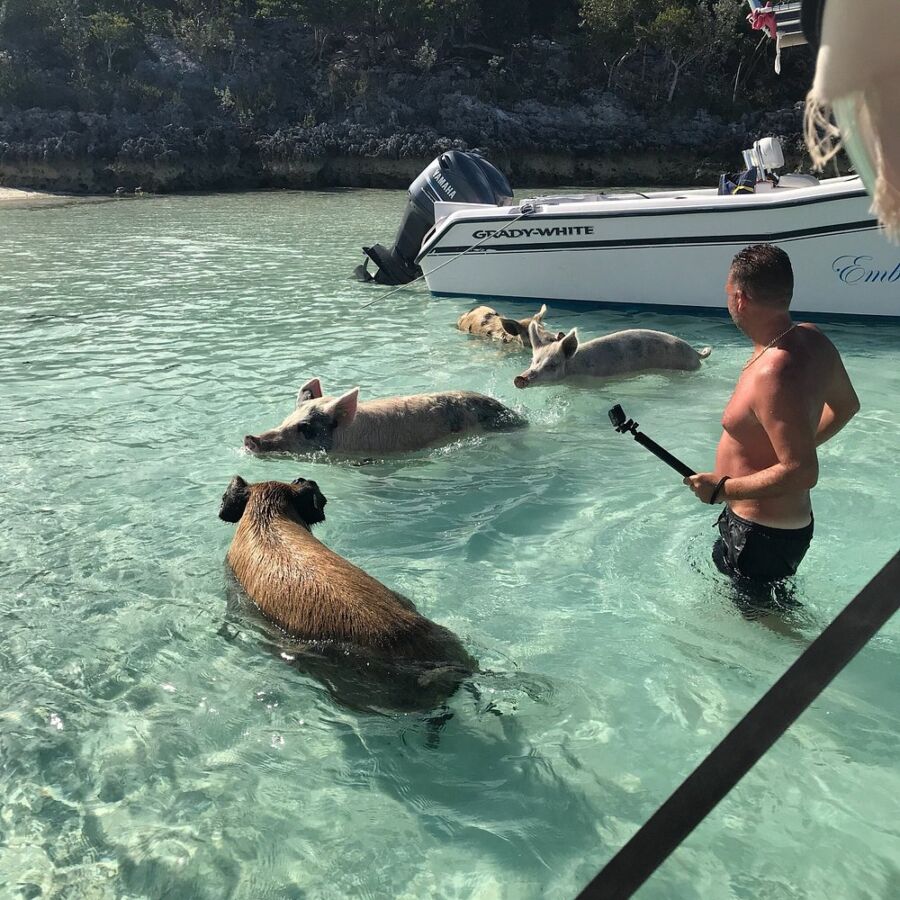
People have a lot of questions about Pig Beach—costs, safety, whether you really need a guide. The answers can change depending on where you start, the time of year, and how you want to interact with the pigs.
What is the cost of swimming with pigs in the Bahamas?
Most full-day tours from Nassau land somewhere between $250 and $400 per person. That usually gets you boat transport, a guide, snorkeling, and lunch. Some operators add drinks or a little extra beach time.
If you’re based in the Exumas, it’s cheaper. Half-day trips from Staniel Cay might start at $150 since the ride is shorter. Private charters can run over $1,000, but you get your own schedule and skip the crowds.
Speedboats cost more than slower boats—fuel’s expensive, and you save time. Smaller groups also bump up the price since you’re splitting costs with fewer people.
Can you interact with the pigs at Pig Beach without a tour guide?
You can, technically. The island has no gate or ticket booth. But getting there solo means chartering a private boat, and most captains still act as informal guides.
Guides help you feed the pigs safely and keep things under control. Without one, you’re left guessing—how close is too close, what’s safe to feed, when should you back off? The pigs can get pushy if they think you have food, and a guide knows how to handle that.
You’ll also miss out on the rest of the Exuma Cays if you skip a tour. Most trips include snorkeling, sandbars, and other cool stops—not just the pigs.
What measures are taken to ensure the safety of visitors swimming with pigs?
Good tour operators start with a quick briefing before you even leave the boat. They’ll show you how to approach the pigs, where to stand, and what to avoid. Guides keep an eye on everyone and step in if a pig gets too rowdy.
Feeding happens on the beach, not in the water, to keep pigs from swarming and cut down on accidents. Guides watch out for mother pigs with piglets—they can get protective if you wander too close.
Most boats have life jackets, and guides usually stay in the water with you. If the weather turns rough or the water’s too murky, reputable companies just skip the stop. It’s not worth the risk, and they know it.
How can one reach Pig Beach to swim with the pigs from Freeport?
Freeport’s on Grand Bahama Island, which is nowhere near the Exumas. You can’t just hop on a quick boat like you can from Nassau. Most folks fly to Nassau first, then join a tour from there.
Some operators offer multi-day packages with a small plane to the Exumas, lodging, and guided tours. It costs more, but it’s really the only way to do it from Freeport without burning two days just getting there.
If you’re set on seeing the pigs and staying in Freeport, it probably makes more sense to plan a separate trip to Nassau or fly straight to George Town in Exuma. Otherwise, you’ll spend more time traveling than actually swimming.
What are the best practices for ethical interaction with the pigs while swimming?
Don’t chase the pigs or corner them in the water—let them come to you. They’re used to people, but they still have boundaries.
Only feed them what your guide provides. Random snacks can make them sick, and some foods are just plain dangerous. Bread? It’s actually terrible for pigs, even though tourists love tossing it.
Don’t touch piglets unless a guide gives you the green light. Mother pigs can get aggressive if they think their babies are threatened. Don’t try to ride the pigs or grab them for photos—it stresses them out and honestly ruins the vibe for everyone else.
And please, keep your trash on the boat. Pigs eat anything, even plastic wrappers and bottle caps. That stuff can kill them, and it’s so easy to avoid if you just keep your things contained.
What is the off-peak season for visiting the pig swimming attractions in the Bahamas?
Late April through early December counts as the off-peak season in the Bahamas. Since hurricane season falls between June and November, plenty of folks steer clear, even though storms aren’t a sure thing every year.
Flights and tours usually cost less in these months, and Pig Beach feels a lot more relaxed. The water stays warm and clear, though you might get some rain or wind here and there. If you can, try an early morning tour to dodge those afternoon showers.
September and October are especially quiet. You’ll spot some good discounts from tour operators, and sometimes you’ll have the beach almost to yourself. Just keep an eye on the forecast, and it’s smart to book with companies that let you cancel if a storm shows up.