

Last modified December 24, 2025
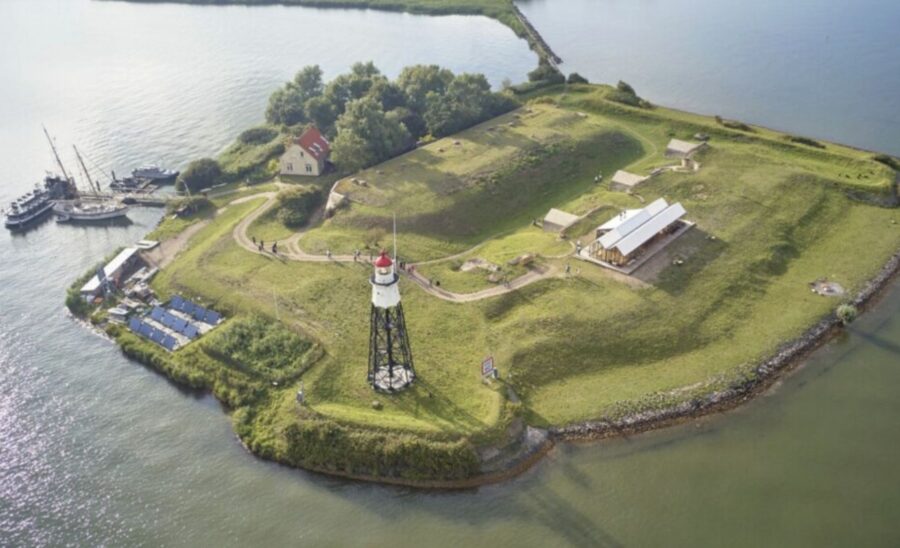
Just off Amsterdam’s northeastern shore sits a tiny island most travelers never even hear about. Vuurtoreneiland is a rugged, uninhabited island in the Markermeer with Amsterdam’s only lighthouse, a crumbling 19th-century fort, and a restaurant that’ll serve you fire-cooked food in a greenhouse or a historic bunker, depending on the season. The only way to get there? By boat. Honestly, that’s a big part of the magic.
The whole thing takes about five hours. You’ll hop on a historic ferry across from the Lloyd Hotel, dig into a multi-course dinner cooked over open flames, and have time to wander the wild landscape where animals roam around. It isn’t your usual night out—it feels more like a mini adventure that just happens to include some seriously good food.
Scoring a reservation is tough. The island runs on a small scale, and spots become available exactly three months in advance at 1 PM each day.
Key Takeaways
- Vuurtoreneiland is an island restaurant you can only reach by boat, with seasonal dining in a greenhouse or historic fort
- The experience covers round-trip ferry transport, a five-course meal, and time to explore the island’s nature and lighthouse
- Reservations open three months ahead and sell out fast—patience is a must
Essential Facts About Vuurtoreneiland

This small island sits northeast of Amsterdam, only reachable by boat, and operates seasonally with different dining setups depending on the time of year.
Location and Surroundings
Vuurtoreneiland floats in the IJmeer, though sometimes you’ll see it listed as Markermeer. It’s just off the coast of Durgerdam, a tiny village that’s technically Amsterdam but feels far from the city buzz.
The island is tiny. You’ll spot Amsterdam’s only working lighthouse here, plus an abandoned military fort from 1809. The fort was part of Amsterdam’s defense line but got left behind in the 1930s.
Wild animals wander the rugged landscape. Rare plants have taken over since the military left. Now it’s a nature reserve, so that wild, untamed vibe is on purpose.
Access and Transportation Options
You can’t just show up at Vuurtoreneiland. The restaurant’s private ferry is the only way there.
The boat leaves from Veemkade, right across from the Lloyd Hotel at Oostelijke Handelskade 34 in Amsterdam’s eastern docklands. The old vessel, IJveer XIII, takes about an hour to cross the water each way.
The round-trip ferry costs €25 per person, separate from your meal. You have to book the ferry and dinner together—there’s no other way to visit.
Seasonal Operations
The island switches things up twice a year. From mid-May to September, dinner happens in a glass greenhouse. From October to mid-May, you’ll eat in the old fort, with a fireplace and blankets to keep you cozy.
Dinner runs Tuesday to Saturday. The ferry leaves at 6:30 PM sharp, and you’ll get back to the dock around 11:45 PM. Sundays offer a matinee that starts at 3:30 PM and returns by 8:45 PM.
Reservations open three months ahead, and they’re snapped up fast. New dates drop daily at 1:00 PM. You’ll need luck (and a quick finger) to grab a spot because the guest list is tiny and demand is huge.
The Lighthouse and Historic Fort

Vuurtoreneiland’s big draws are its working lighthouse and the abandoned fort that give the island its unique feel. The lighthouse has guided ships since 1700, while the fort joined Amsterdam’s defensive ring before it was left to crumble in the 1930s.
Origins and Architectural Features
The vuurtoren on this speck of land has been shining since 1700, making it one of the oldest continuously functioning lighthouses in the country. Built from stone, it was meant to handle the rough IJmeer weather. The lighthouse takes its name from Hoek van ‘t IJ on the mainland, meaning “Corner of the IJ.”
If you visit, you’ll see the lighthouse’s tough, practical build. It isn’t fancy. It’s just been quietly doing its job for over 300 years. The old vuurtorenwachter (lighthouse keeper) lived here alone, making sure ships could find their way safely.
The Enduring Legacy of the vuurtoren
Amsterdam’s only lighthouse still works, though ships don’t rely on it like they used to. Now, it’s part of the island’s draw. You can even stay overnight near the lighthouse and get a taste of what those keepers experienced.
The light still sweeps the water at night. There’s something oddly moving about seeing it, knowing that same beam has been shining out for centuries. The building’s been cared for, keeping its historic character while finding new uses.
Military Past and the Stelling van Amsterdam
Back in 1809, the military set up a post here. The fort became part of the Stelling van Amsterdam—the city’s defensive ring. The plan was smart: flood the polders around Amsterdam to create a water barrier, with forts like this one guarding the gaps.
The vervallen fort (abandoned fort) you see today stopped serving the military in the 1930s. After that, it just sat empty. You can still see its design and construction, which really gives you a sense of what life was like for soldiers out here.
Heritage Status and Preservation
The island and its buildings have rijksmonument status, so they’re protected as national heritage sites. The Stelling van Amsterdam, including Vuurtoreneiland’s fort, is now a UNESCO World Heritage Site, recognized for its history and unusual engineering.
Staatsbosbeheer (the Dutch forestry commission) manages the island’s wild areas. Private operators have restored and repurposed the buildings in recent years. The fort houses the winter restaurant, and the greenhouse is for summer meals. It’s a nice balance—preserving history while actually using the space, so it doesn’t just rot away and visitors can experience this bit of Dutch heritage.
Unique Dining at Vuurtoreneiland
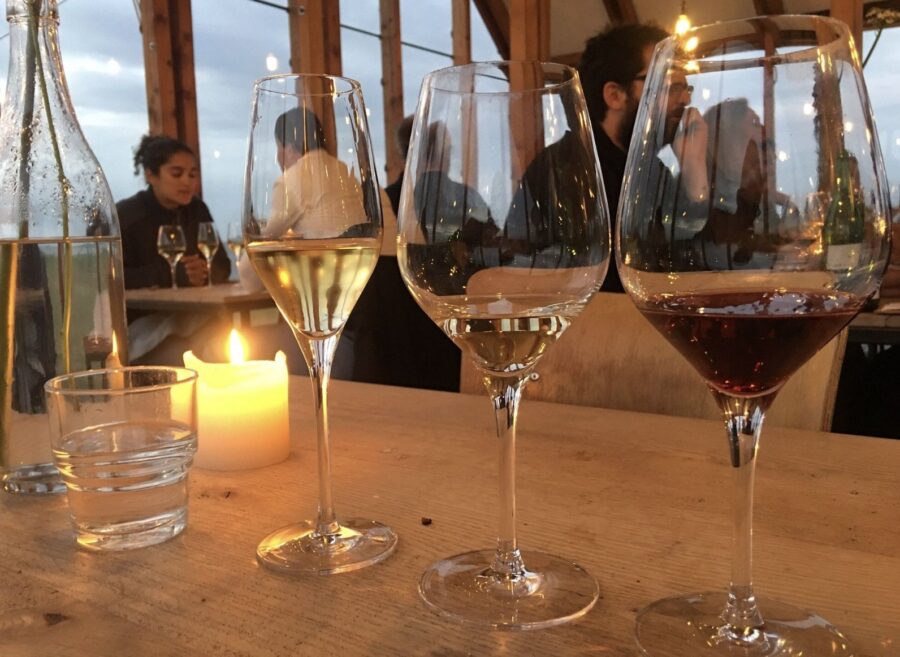
The dining experience at Vuurtoreneiland centers on a changing table d’hôte menu made with regional ingredients cooked over open fire, with settings that shift between a glass greenhouse in summer and the historic fort in winter.
The Table d’hôte Menu and Culinary Approach
No regular menu here. The kitchen serves a 5-course table d’hôte menu that changes with whatever’s in season and available from local suppliers.
Chefs use traditional techniques and cook most things over open flames. This gives the food real character—you can taste the difference compared to standard kitchen cooking.
Your meal includes:
- Appetizer plank on the boat ride over
- 5-course dinner using seasonal ingredients
- Sweet bites for the return trip
- Price: €85 per person
The kitchen focuses on “eating in and from nature.” You get food that reflects the island’s landscape. It’s not fancy just for show. Presentation stays simple, letting the ingredients and cooking methods do the talking.
The Summer Restaurant Experience
The zomerrestaurant runs mid-May through September. It’s a glass greenhouse that keeps you out of the wind and rain but lets you feel close to the outdoors.
Eating in the greenhouse feels different. You see the landscape, spot goats wandering, and watch the light shift over the Markermeer as night falls. The glass makes it feel like you’re outside, even though you’re not.
Dinner stretches from 7:30 PM to 10:30 PM, so there’s time between courses to wander the island and explore the fort ruins. The relaxed pace fits the setting way better than rushed service ever could.
The Winter Restaurant Ambiance
From October through mid-May, dining moves into the winterrestaurant inside the old fort. It’s all about coziness here.
Thick stone walls, a fireplace, and plenty of blankets make it warm after that chilly boat ride. Eating in a building that’s stood for over a century just adds something you can’t get anywhere else.
The vibe is more intimate than summer. With fewer distractions, you focus more on the food, conversation, and the fire’s crackle. Some folks actually like winter best for that reason.
Wines, Saps, Kefir & Kombucha Pairings
For an extra fee, you can add drink pairings that match each course. Wine pairings run €50 and are picked to go with the evening’s food.
But here’s a nice touch—they offer a non-alcoholic pairing for €35, with sappen (juices), kefir, and kombucha. Most places treat non-alcoholic options as an afterthought, but Vuurtoreneiland actually puts effort into these. The fermented drinks add a complexity you just don’t get from plain juice. If you’re not drinking alcohol, you won’t feel left out.
Heads up on booking: Getting a reservation is tough. The wachtlijst (waiting list) fills up fast. Reservations open exactly 3 months in advance at 1:00 PM every day—so if you want July 18th, you need to book on April 18th at that time.
Getting There: Ferries and Excursions

To reach Vuurtoreneiland, you’ll need to take a boat journey across the IJmeer, leaving from a specific dock east of central Amsterdam. The boat ride itself is part of the adventure, taking about an hour each way.
Departure Points and Timetables
Your journey starts at Veemkade, right across from the Lloyd Hotel on Oostelijke Handelskade 34. It’s tucked away in Amsterdam’s eastern harbor district—not exactly in the city center, but you can get there easily by public transport or a quick taxi ride.
The veerboot heads out at 6:30pm sharp for dinner service, Tuesday through Saturday. Definitely show up at least 15 minutes early; the boat won’t wait if you’re late. On Sundays, there’s a matinee option that leaves at 3:30pm.
The whole boottocht takes about five hours, including your island time. You’ll get back to the Lloyd Hotel dock around 11:45pm if you’re doing the evening dinner, or 8:45pm for the Sunday matinee.
Reservations open exactly three months ahead at 1:00pm each day. So, if you’re aiming for August 15th, you’ll need to book on May 15th at 1pm. It’s a bit of a scramble—spots disappear fast.
What to Expect on the IJmeer Journey
The historic IJveer XIII ferry isn’t just a ride—it’s part of the adventure. There’s a bar onboard for drinks and snacks as you cross, which makes the hour glide by.
You’ll sail from the IJ River into the IJmeer, passing Durgerdam before you hit the island. The views shift from Amsterdam’s harbor to open water, and if the weather’s clear, you’ll watch city lights fade as you close in on the island. It’s got this almost theatrical vibe.
The trip over takes about an hour, so you’ve got time to settle in and leave the city behind. Most tours and activities in Amsterdam don’t give you this kind of escape. The return ferry is included, so you don’t have to figure out how to get back.
Nature and Outdoor Activities on the Island

Vuurtoreneiland’s rugged little patch in the Markermeer is full of roaming wildlife, rare plants, and wide water views. It really feels like a world away from Amsterdam’s busy streets. The island’s small enough that you can explore most of it while you’re there, whether you’re looking for wild goats or just the best spot for a photo.
Walking Trails and Flora
No formal trails here, and honestly, that’s part of the appeal. You can wander wherever you like, picking your way between the lighthouse and the old fort. The land is kept wild on purpose, following natuurbeheer principles—native plants get to do their thing with almost no interference.
Rare wildflowers and herbs pop up all over, especially in spring and summer. The restaurant staff actually forages some of them for dishes, which tells you a lot about how much grows here. Wild grasses whip in the wind off the IJmeer, and you’ll notice how the plants adapt to salty air and the open, exposed ground.
The paths you make aren’t manicured—expect some uneven ground and the odd obstacle. Sturdy shoes are a must, especially if it’s rained recently. But that’s what makes it feel like a real adventure, not just another tourist stop.
Wildlife Encounters
Wild goats are the island’s most obvious residents, and they roam free. They’re not shy—they’re used to people, so you’ll probably see them grazing near the fort or wandering by the greenhouse restaurant. Don’t feed them, though; they’re part of the ecosystem here.
Lots of birds visit, too. The IJmeer and Markermeer attract all sorts of waterfowl, and you might spot cormorants, herons, or gulls depending on the season. If you’re into birdwatching, bring binoculars.
Sometimes, you’ll see seals lounging on sandbanks during the boat ride. Keep an eye on the water—no guarantees, but it happens often enough to make it worth watching for.
Photography and Island Views
The lighthouse is a fantastic photo subject, especially since it’s Amsterdam’s only one left. Try to catch it with the water behind, or wait for golden hour when the light throws dramatic shadows over the fort’s weathered walls.
The greenhouse restaurant looks striking, too—its glass structure stands out against the wild backdrop. Get the Markermeer in your shot for extra context about just how remote this place feels.
Walk out to the island’s edges for panoramic views across the water toward Durgerdam and the distant Amsterdam skyline. From here, you really see how close yet separate you are from the city. Sunsets are especially good from these spots, with the sky reflecting off the IJmeer.
Reservations, Experiences, and Insider Tips

Scoring a spot at Vuurtoreneiland takes some patience and planning, but honestly, it’s worth it for an island experience that’s so much more than just dinner. Knowing how the booking system works helps you nab a spot at this exclusive Amsterdam destination.
Booking and the Waiting List
Reservations open three months in advance at 13:00 through their online system. If you want to eat there on July 18, be ready on April 18 at 1 PM sharp. No joke—spots vanish in minutes.
It’s first-come, first-served, so persistence pays off. A lot of people just keep refreshing, waiting for their date to pop up. If you miss out, don’t lose hope. Add yourself to the wachtlijst (waiting list) right in the same system.
Here’s the deal with the waiting list: Vuurtoreneiland only reaches out if a spot becomes available. They can’t tell you your odds ahead of time, which is a bit annoying. But people do cancel, especially as the date gets closer.
Dinner service runs Tuesday through Saturday, plus Sunday matinees. You can’t book by phone—it’s all online to keep things fair.
Accommodation and Special Packages
Pension Homeland gives Vuurtoreneiland guests a discount if you want to extend your Amsterdam stay. Call 020-723 25 50 and mention “vuurtoreneiland” when you book. It’s handy if you’re visiting from outside the Netherlands or just don’t want to rush home after a late night.
The whole thing costs at least €120 per person: €25 for the boat, €85 for the five-course menu (plus snacks and dessert on the way back), and €10 for monument maintenance. Wine pairings are €50, and non-alcoholic options (juices, kefir, kombucha) are €35.
They also offer overnight stays in island rooms during warmer months, but those sell out even faster than dinner. The dinner experience lasts about five hours.
Tips for the Best Visit
Show up at Veemkade (across from Lloyd Hotel) at least 15 minutes before the 18:30 departure. The historic IJveer XIII ferry leaves on time, and if you’re late, that’s it.
Dress in layers. The greenhouse restaurant can get warm in summer, but the boat ride over the IJ and Markermeer is chilly. In winter, you’ll want that blanket by the fireplace in the fort. Comfortable shoes are a must for the rugged terrain.
Give yourself time to explore the island. There’s more to it than just the meal—the abandoned fort, lighthouse, and free-roaming animals are all part of the magic. Most people wander around before and after dinner.
The menu changes with the seasons and highlights regional ingredients cooked over open fire. If you have dietary restrictions, mention them when you book online. And really, try to put your phone away during dinner. The whole point is to disconnect from Amsterdam and just soak in this wild little island.
Frequently Asked Questions
Planning a trip to Vuurtoreneiland comes with some unique logistics—it’s only reachable by private ferry, and reservations are a must. The dining experience is set, and there are a few specific policies about what to bring and how visits work.
How can one make reservations for a dining experience at Vuurtoreneiland?
You’ll need to book online using their reservation system—it’s definitely the fastest way. The website has a three-month rolling booking window, so if you want to eat there on June 3rd, those slots open up March 3rd. You pay upfront with iDeal or credit card.
Your reservation confirmation is your ticket—it’s under your name.
The tough part? There’s not much space and a ton of demand. The calendar updates in real time, so if something opens up, you’ll see it. You can cancel or change your booking free up to 14 days before your reservation. After that, it’s non-refundable, though you can transfer your spot to someone else if you need to.
Gift vouchers are available online. But heads up: having a voucher doesn’t give you priority—you still have to book like everyone else.
They don’t do group bookings for 9 to 60 people on regular nights, and you can’t rent the whole island for private events or parties.
Your €120 ticket covers a six-course fixed menu—no choices, just table d’hôte style. The menu shifts monthly and shows off modern Dutch cooking with French and Mediterranean notes.
Everything’s cooked over open fire with local ingredients and old-school techniques. The kitchen highlights vegetables, but you’ll see animal products in the courses too.
Wine pairings are €50 for five glasses, and non-alcoholic pairings (juices, kefir, kombucha) are €35. Individual wines start at €7.50, and there’s a solid wine cellar if you want to pick your own bottle.
Vegetarian? No problem—just mention it when you arrive. Vegan menus are possible, but some dishes might be simpler since they can’t always do a direct swap. Best to flag your vegan preference when you book.
The kitchen handles lots of allergies and dietary needs, but there are limits. If you have celiac disease, they can’t guarantee a gluten-free experience since their kitchen is mixed-use. Allergies to staples like garlic or onions should be noted when you book.
No children’s menu, and honestly, this isn’t really a spot for young kids—once you’re there, you can’t leave early if they get tired.
Can visitors stay overnight, or is Vuurtoreneiland solely a daytime excursion?
Vuurtoreneiland is mainly a dining destination, not a hotel. Your visit includes the boat ride, the meal, and the trip back—about five hours in total.
The ferry takes about 60 minutes each way, and dinner runs for around three hours on the island.
You can’t show up early or leave before the scheduled return. There’s no emergency exit unless it’s a real medical situation, though the island has plenty of quiet corners if you need a break.
Are there any specific dress codes or attire recommendations for guests visiting Vuurtoreneiland?
There’s no official dress code, but honestly, practical clothes are your best bet. The terrain’s pretty rugged—so yeah, probably leave the fancy shoes at home.
It almost always feels windier and cooler out there than in Amsterdam. Layer up, especially since you’ll be on a boat crossing open water both ways. No one wants to shiver through dinner.
The ferry runs rain or shine, even when it’s gusty. You’ll be fine inside—there’s indoor seating with big windows, and the dining pavilion is fully covered with great views. Still, you’ll want to be ready for the weather if you plan to explore outside.
People sometimes bring binoculars, sunscreen, bug spray, rain boots, or a camera. But really, the only thing you absolutely can’t forget is your reservation code.
Smoking’s allowed outside the pavilion, but use the ashtrays. The island sheep can get sick if they eat cigarette butts, and nobody wants that.
What do past guests generally say about their experiences at Vuurtoreneiland in reviews?
Most visitors say Vuurtoreneiland feels like way more than just dinner—it’s a little adventure, almost like sneaking away for a quick vacation. Getting there by boat and the remote vibe set it apart from the usual Amsterdam spots.
The greenhouse dining room pops up a lot in reviews, along with the old fort and that still-working lighthouse. Wild goats wander around, which honestly adds a quirky, rustic touch to the place.
People talk about the calm atmosphere and those gorgeous views. There’s something about the mix of history, wild nature, and really good local food that hits home for folks who want more than the standard tourist stuff.
Since they keep things pretty small-scale, you end up sharing the evening with just a handful of other guests. That coziness is a big reason so many reviewers mention how peaceful it all feels.