
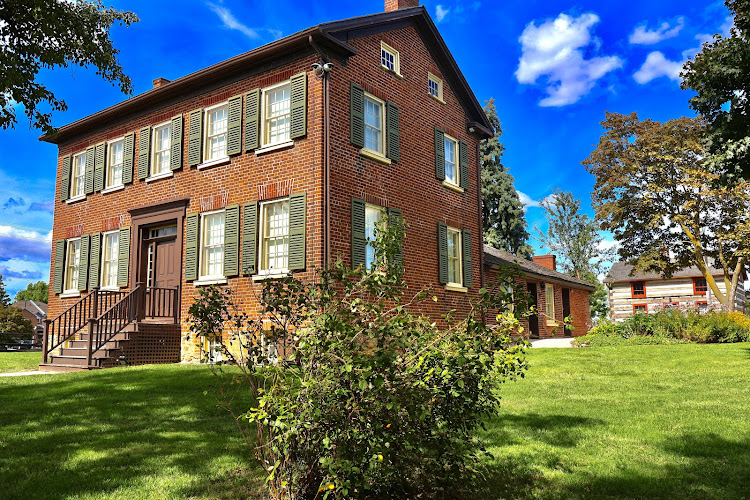
Historic Bovaird House
About Historic Bovaird House
Description
The Historic Bovaird House stands as a remarkable testament to mid-19th century Ontario life, offering visitors a genuine glimpse into the past through its beautifully preserved Georgian architecture and thoughtfully curated exhibits. Built in the 1850s, this farmhouse has weathered generations of change while maintaining its authentic character and charm. What makes this place particularly special is that it's run largely by dedicated volunteers who bring an infectious enthusiasm to every tour and interaction. Walking through the doors feels a bit like stepping into a time machine, honestly. The house showcases period furnishings and exhibits that tell the story of the Bovaird family and the broader community during a pivotal era in Canadian history. And here's something I really appreciate - it's not one of those stuffy museums where you feel like you can't breathe too loudly. The atmosphere strikes a nice balance between educational and welcoming, making it accessible for everyone from history buffs to families looking for an enriching afternoon activity. The Georgian architectural style is something worth noting because you don't see this level of preservation every day. The symmetrical design, the carefully maintained interior spaces, and the attention to historical accuracy make this more than just another heritage building. It's a living classroom that helps visitors understand what daily life actually looked like for farming families in the 1850s - and trust me, it wasn't quite like Little House on the Prairie made it seem. One of the unexpected delights is the craft shop on site, which sells locally made items that connect visitors to the area's contemporary artisan community. It's a nice touch that bridges past and present in a meaningful way.Key Features
The Historic Bovaird House offers several distinctive features that set it apart from other heritage sites in the region: • Authentic 1850s Georgian-style farmhouse architecture that has been meticulously preserved to maintain historical accuracy • Period-specific exhibits showcasing furniture, household items, and agricultural tools that belonged to or were used by families during that era • Knowledgeable volunteer guides who provide personalized tours and can answer questions with genuine passion for local history • On-site craft shop featuring works by local artisans, offering unique souvenirs and supporting the community's creative economy • Family-friendly environment that welcomes children and makes history accessible to younger visitors through engaging storytelling • Rotating exhibits that keep the experience fresh for repeat visitors and highlight different aspects of 19th-century life • Educational programs that connect school groups and community organizations with their regional heritage • Beautiful grounds that reflect the agricultural nature of the original farmstead and provide photo opportunities • Accessible layout that allows visitors to explore at their own pace while respecting the historical nature of the building • Strong community connection through volunteer involvement, creating an authentic and personal visitor experienceBest Time to Visit
Figuring out when to visit the Historic Bovaird House really depends on what kind of experience you're after. The museum typically operates on seasonal hours, with the most reliable visiting times being during spring through fall. Summer months bring the advantage of warm weather, which makes exploring the grounds particularly pleasant. But honestly, I've found that late spring - around May or early June - can be absolutely perfect. The weather is comfortable, the gardens are coming to life, and you'll often encounter fewer crowds than during peak summer vacation season. Fall presents another excellent window for visiting. September and October offer cooler temperatures that make walking around the property quite comfortable, and there's something about experiencing a historic farmhouse when the leaves are changing that just feels right. The autumn light also creates beautiful conditions for photography if that's your thing. Weekday visits generally provide a more intimate experience compared to weekends. If you can swing a Tuesday or Wednesday afternoon, you'll likely have more one-on-one time with the volunteer guides who can really dive deep into the stories and details that make this place special. And these folks genuinely know their stuff - many have been involved with the house for years. Special events throughout the year can enhance your visit significantly. The Historic Bovaird House often hosts seasonal celebrations, historical reenactments, and themed programming that brings different aspects of 19th-century life into focus. Check their calendar before planning your trip because timing your visit with one of these events can transform a good experience into a memorable one. Weather considerations matter more here than at indoor-only attractions since part of the appeal involves exploring the grounds and getting a sense of the farmstead as a whole. Rain won't necessarily ruin your visit, but a sunny day definitely enhances it.How to Get There
Getting to the Historic Bovaird House is straightforward for most travelers, whether you're coming from nearby communities or making it part of a broader exploration of the region. The farmhouse is located in an area that's accessible by car, which is really your best bet for reaching the site comfortably. For those driving, the house sits in a location that's well-marked once you're in the general vicinity. GPS navigation works reliably for finding the property, though like many historic sites, it's tucked into a residential area that might not immediately scream "tourist attraction." Don't let that throw you off - you're in the right place when you see the heritage signage. Parking is available on-site, which eliminates one of those annoying complications that sometimes comes with visiting historic properties in more urbanized areas. The parking situation is generally hassle-free, though during special events you might find it busier than usual. If you're relying on public transportation, this becomes trickier. The location isn't directly serviced by major transit routes, so you'd need to plan for some walking or consider rideshare options to bridge the gap. This is honestly one area where having access to a vehicle really makes the difference between a smooth visit and a logistical puzzle. For visitors coming from out of town, the Historic Bovaird House works well as part of a day trip itinerary. The region has several other attractions within reasonable driving distance, so you can easily combine your visit here with other activities to make a full day of exploring. Distance from major highways is reasonable - you won't be driving down endless country roads wondering if you've made a wrong turn somewhere. The route follows well-maintained roads that are accessible year-round, though winter conditions can obviously affect travel in this part of Ontario.Tips for Visiting
Making the most of your Historic Bovaird House experience involves a bit of advance planning and knowing what to expect. First thing - call ahead or check current operating hours before you go. Historic sites run by volunteers sometimes have irregular schedules, and showing up to find the doors locked is nobody's idea of a good time. Bring your curiosity and questions. The volunteer guides here absolutely love when visitors engage with the material and ask about specific aspects of life in the 1850s. Don't just passively walk through - this isn't that kind of museum. The real value comes from the stories and context that knowledgeable guides can provide. Photography is generally welcomed, which is great for documenting your visit and sharing the experience. The interior spaces offer some really interesting visual opportunities, from the period furniture arrangements to architectural details that are increasingly rare. But be respectful - flash photography might be restricted in certain areas to protect delicate materials. If you're bringing kids, prepare them with a bit of context beforehand. Children are absolutely welcome here, and the house is considered good for kids, but young visitors will get more out of the experience if they have some framework for understanding what they're seeing. Maybe watch a short video about life in the 1850s or talk about how different daily activities were back then. It makes the visit more engaging rather than just "looking at old stuff." Plan to spend at least an hour, possibly longer if you're genuinely interested in the subject matter. Rushing through defeats the purpose. This isn't a quick photo-op stop - it's an opportunity to actually learn something and connect with local history in a meaningful way. The craft shop deserves more than a cursory glance on your way out. Supporting local artisans is worthwhile, and you might find unique items you won't encounter elsewhere. Plus, proceeds typically support the ongoing preservation and operation of the house itself. Dress comfortably and consider the weather if you're planning to explore the grounds. The interior of a 19th-century farmhouse doesn't have modern climate control, so temperature inside often reflects outdoor conditions. Layer your clothing accordingly. Accessibility-wise, being realistic about the limitations of a historic building from the 1850s is important. While efforts have been made to welcome all visitors, original architecture presents inherent challenges. If you have specific mobility concerns, calling ahead to discuss accommodation options would be smart. Lastly, remember that you're visiting a piece of living history maintained by people who genuinely care about preserving it. Small donations or memberships, if available, go a long way toward keeping places like this operational for future generations. The admission fees are typically quite reasonable - this isn't one of those overpriced tourist traps - so consider contributing a bit extra if you enjoyed your visit.Key Features
- Key Features
- Best Time to Visit
- How to Get There
- Tips for Visiting
More Details
Updated March 30, 2026
Table of Contents
Description
The Historic Bovaird House stands as a remarkable testament to mid-19th century Ontario life, offering visitors a genuine glimpse into the past through its beautifully preserved Georgian architecture and thoughtfully curated exhibits. Built in the 1850s, this farmhouse has weathered generations of change while maintaining its authentic character and charm. What makes this place particularly special is that it’s run largely by dedicated volunteers who bring an infectious enthusiasm to every tour and interaction.
Walking through the doors feels a bit like stepping into a time machine, honestly. The house showcases period furnishings and exhibits that tell the story of the Bovaird family and the broader community during a pivotal era in Canadian history. And here’s something I really appreciate – it’s not one of those stuffy museums where you feel like you can’t breathe too loudly. The atmosphere strikes a nice balance between educational and welcoming, making it accessible for everyone from history buffs to families looking for an enriching afternoon activity.
The Georgian architectural style is something worth noting because you don’t see this level of preservation every day. The symmetrical design, the carefully maintained interior spaces, and the attention to historical accuracy make this more than just another heritage building. It’s a living classroom that helps visitors understand what daily life actually looked like for farming families in the 1850s – and trust me, it wasn’t quite like Little House on the Prairie made it seem.
One of the unexpected delights is the craft shop on site, which sells locally made items that connect visitors to the area’s contemporary artisan community. It’s a nice touch that bridges past and present in a meaningful way.
Key Features
The Historic Bovaird House offers several distinctive features that set it apart from other heritage sites in the region:
• Authentic 1850s Georgian-style farmhouse architecture that has been meticulously preserved to maintain historical accuracy
• Period-specific exhibits showcasing furniture, household items, and agricultural tools that belonged to or were used by families during that era
• Knowledgeable volunteer guides who provide personalized tours and can answer questions with genuine passion for local history
• On-site craft shop featuring works by local artisans, offering unique souvenirs and supporting the community’s creative economy
• Family-friendly environment that welcomes children and makes history accessible to younger visitors through engaging storytelling
• Rotating exhibits that keep the experience fresh for repeat visitors and highlight different aspects of 19th-century life
• Educational programs that connect school groups and community organizations with their regional heritage
• Beautiful grounds that reflect the agricultural nature of the original farmstead and provide photo opportunities
• Accessible layout that allows visitors to explore at their own pace while respecting the historical nature of the building
• Strong community connection through volunteer involvement, creating an authentic and personal visitor experience
Best Time to Visit
Figuring out when to visit the Historic Bovaird House really depends on what kind of experience you’re after. The museum typically operates on seasonal hours, with the most reliable visiting times being during spring through fall. Summer months bring the advantage of warm weather, which makes exploring the grounds particularly pleasant. But honestly, I’ve found that late spring – around May or early June – can be absolutely perfect. The weather is comfortable, the gardens are coming to life, and you’ll often encounter fewer crowds than during peak summer vacation season.
Fall presents another excellent window for visiting. September and October offer cooler temperatures that make walking around the property quite comfortable, and there’s something about experiencing a historic farmhouse when the leaves are changing that just feels right. The autumn light also creates beautiful conditions for photography if that’s your thing.
Weekday visits generally provide a more intimate experience compared to weekends. If you can swing a Tuesday or Wednesday afternoon, you’ll likely have more one-on-one time with the volunteer guides who can really dive deep into the stories and details that make this place special. And these folks genuinely know their stuff – many have been involved with the house for years.
Special events throughout the year can enhance your visit significantly. The Historic Bovaird House often hosts seasonal celebrations, historical reenactments, and themed programming that brings different aspects of 19th-century life into focus. Check their calendar before planning your trip because timing your visit with one of these events can transform a good experience into a memorable one.
Weather considerations matter more here than at indoor-only attractions since part of the appeal involves exploring the grounds and getting a sense of the farmstead as a whole. Rain won’t necessarily ruin your visit, but a sunny day definitely enhances it.
How to Get There
Getting to the Historic Bovaird House is straightforward for most travelers, whether you’re coming from nearby communities or making it part of a broader exploration of the region. The farmhouse is located in an area that’s accessible by car, which is really your best bet for reaching the site comfortably.
For those driving, the house sits in a location that’s well-marked once you’re in the general vicinity. GPS navigation works reliably for finding the property, though like many historic sites, it’s tucked into a residential area that might not immediately scream “tourist attraction.” Don’t let that throw you off – you’re in the right place when you see the heritage signage.
Parking is available on-site, which eliminates one of those annoying complications that sometimes comes with visiting historic properties in more urbanized areas. The parking situation is generally hassle-free, though during special events you might find it busier than usual.
If you’re relying on public transportation, this becomes trickier. The location isn’t directly serviced by major transit routes, so you’d need to plan for some walking or consider rideshare options to bridge the gap. This is honestly one area where having access to a vehicle really makes the difference between a smooth visit and a logistical puzzle.
For visitors coming from out of town, the Historic Bovaird House works well as part of a day trip itinerary. The region has several other attractions within reasonable driving distance, so you can easily combine your visit here with other activities to make a full day of exploring.
Distance from major highways is reasonable – you won’t be driving down endless country roads wondering if you’ve made a wrong turn somewhere. The route follows well-maintained roads that are accessible year-round, though winter conditions can obviously affect travel in this part of Ontario.
Tips for Visiting
Making the most of your Historic Bovaird House experience involves a bit of advance planning and knowing what to expect. First thing – call ahead or check current operating hours before you go. Historic sites run by volunteers sometimes have irregular schedules, and showing up to find the doors locked is nobody’s idea of a good time.
Bring your curiosity and questions. The volunteer guides here absolutely love when visitors engage with the material and ask about specific aspects of life in the 1850s. Don’t just passively walk through – this isn’t that kind of museum. The real value comes from the stories and context that knowledgeable guides can provide.
Photography is generally welcomed, which is great for documenting your visit and sharing the experience. The interior spaces offer some really interesting visual opportunities, from the period furniture arrangements to architectural details that are increasingly rare. But be respectful – flash photography might be restricted in certain areas to protect delicate materials.
If you’re bringing kids, prepare them with a bit of context beforehand. Children are absolutely welcome here, and the house is considered good for kids, but young visitors will get more out of the experience if they have some framework for understanding what they’re seeing. Maybe watch a short video about life in the 1850s or talk about how different daily activities were back then. It makes the visit more engaging rather than just “looking at old stuff.”
Plan to spend at least an hour, possibly longer if you’re genuinely interested in the subject matter. Rushing through defeats the purpose. This isn’t a quick photo-op stop – it’s an opportunity to actually learn something and connect with local history in a meaningful way.
The craft shop deserves more than a cursory glance on your way out. Supporting local artisans is worthwhile, and you might find unique items you won’t encounter elsewhere. Plus, proceeds typically support the ongoing preservation and operation of the house itself.
Dress comfortably and consider the weather if you’re planning to explore the grounds. The interior of a 19th-century farmhouse doesn’t have modern climate control, so temperature inside often reflects outdoor conditions. Layer your clothing accordingly.
Accessibility-wise, being realistic about the limitations of a historic building from the 1850s is important. While efforts have been made to welcome all visitors, original architecture presents inherent challenges. If you have specific mobility concerns, calling ahead to discuss accommodation options would be smart.
Lastly, remember that you’re visiting a piece of living history maintained by people who genuinely care about preserving it. Small donations or memberships, if available, go a long way toward keeping places like this operational for future generations. The admission fees are typically quite reasonable – this isn’t one of those overpriced tourist traps – so consider contributing a bit extra if you enjoyed your visit.
Key Highlights
- Key Features
- Best Time to Visit
- How to Get There
- Tips for Visiting
Location
Places to Stay Near Historic Bovaird House
Find and Book a Tour
Explore More Travel Guides
No reviews found! Be the first to review!
Historic Bovaird House is a prominent museums located in Brampton.
Visit us at: 563 Bovaird Dr E, Brampton, ON L6V 3V6, Canada.
Traveler Reviews for Historic Bovaird House
There are no reviews yet. Be the first one to write one.
Have you visited Historic Bovaird House? Help other travelers by sharing your review.
You Might Also Like
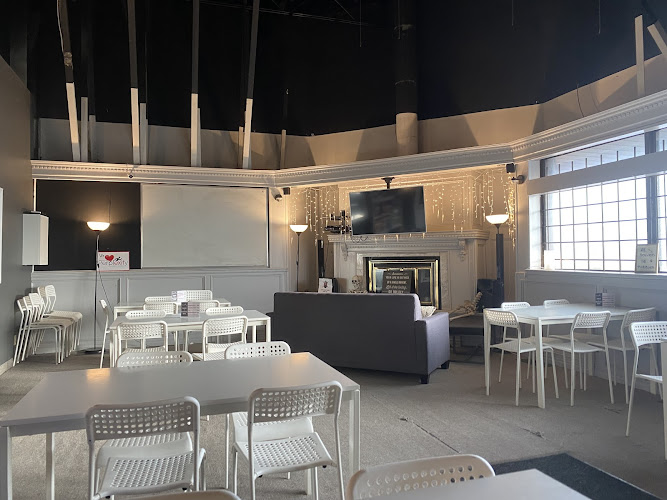
Perplexity Escape Games - Brampton

Chinguacousy Park
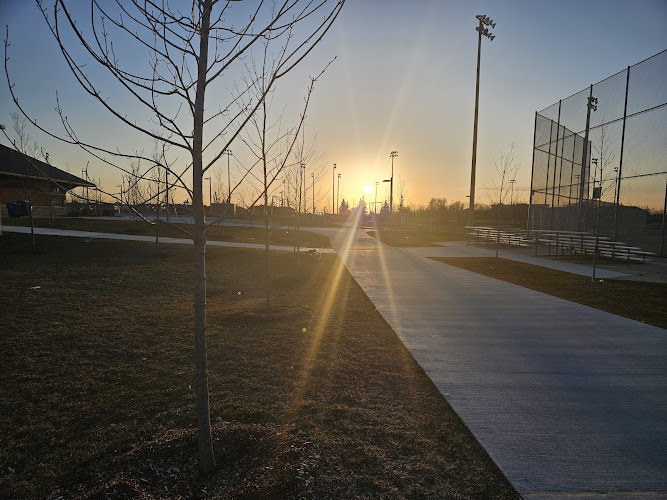
Sesquicentennial Park
Find Accommodations Nearby
Recommended Tours & Activities
Visitor Reviews
There are no reviews yet. Be the first one to write one.
Share Your Experience
Have you visited Historic Bovaird House? Help other travelers by leaving a review.