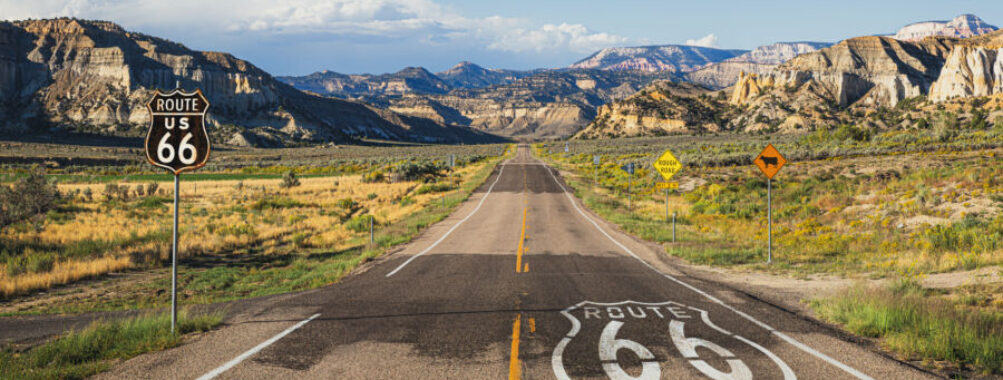
How to Plan a Cross-Country US Road Trip on a Budget: 7 Steps to Epic Savings & Adventure
Updated February 12, 2026
Planning a cross-country road trip across America might sound like a wallet-buster, but honestly, it doesn’t have to empty your savings. With some clever planning and a few budget-friendly strategies, you can hit the open road for as little as $50-75 a day—even with today’s prices. The real secret? Knowing where to trim costs without cutting out the fun.
You’ll save the most on three big things: where you sleep, what you eat, and how you plan your route. Camping for free or using Couchsurfing can drop your lodging costs to zero, and cooking your own food instead of eating out? That’ll save you hundreds a week.
Key Takeaways
- Cut accommodation costs by Couchsurfing, camping, or even sleeping in your car
- Map out your route with budget in mind and grab a National Parks pass if you’ll hit several parks
- Cook most meals and shop at budget grocery stores to keep food spending way down
Table of Contents
- Define Your Route and Must-See Destinations
- Choosing Start and End Points
- Mapping Iconic Routes (Route 66, Pacific Coast Highway, Blue Ridge Parkway)
- Identifying Hidden Gems and Roadside Attractions
- Factoring in Distance, Time, and Weather
- Set a Realistic Budget and Manage Costs
- Estimating Road Trip Costs (Gas, Lodging, Food, Activities)
- Saving Money on Gas and Tolls
- Tracking Expenses on the Road
- Allocating Funds for Emergencies
- Plan Affordable Accommodation
- Camping vs. Budget Hotels vs. Hostels
- Booking Campgrounds and Free Campsites
- Utilizing Vacation Rentals (Airbnb, Booking.com, Hotels.com)
- Sleeping in Your Car or Campervan
- Optimize Transportation Choices
- Choosing the Right Vehicle (Personal Car, Rental Car, Campervan)
- Preparing and Maintaining Your Vehicle
- Tips for Cheap Car Rentals
- Leveraging Travel Apps and Deals
- Pack Road Trip Essentials for Savings and Comfort
- Creating a Road Trip Packing List
- Must-Have Safety and Emergency Gear
- Efficient Clothing and Weather Prep
- Entertainment: Music, Podcasts, and Playlists
- Eat Well for Less on the Road
- Smart Grocery Shopping and Meal Prep
- Budget-Friendly Cooking Gear (Coolers, Kitchenette, Camping Stove)
- Affordable and Nutritious Snack Ideas
- Saving Money on Dining Out
- Maximize Experiences While Saving on Activities
- Travel Passes: National Parks Pass, City Pass, America the Beautiful Pass
- Finding Cheap or Free Activities
- Exploring National and State Parks, Forests, and Waterfalls
- Tips for Affordable Sightseeing and Outdoor Adventures
- Frequently Asked Questions
- What are effective strategies for planning a budget-friendly cross-country road trip?
- How can I calculate the estimated costs of a cross-country road trip?
- What are the best cost-saving tips for traveling with a family on a road trip across the USA?
- Which are the most affordable destinations to include in a USA road trip itinerary?
- How can I create a cheap yet fulfilling road trip itinerary for a 3-month journey across the United States?
- What advice is there for managing daily expenses on a multi-week cross-country road trip?
- Book Your Dream Experience
- More Travel Guides
Define Your Route and Must-See Destinations
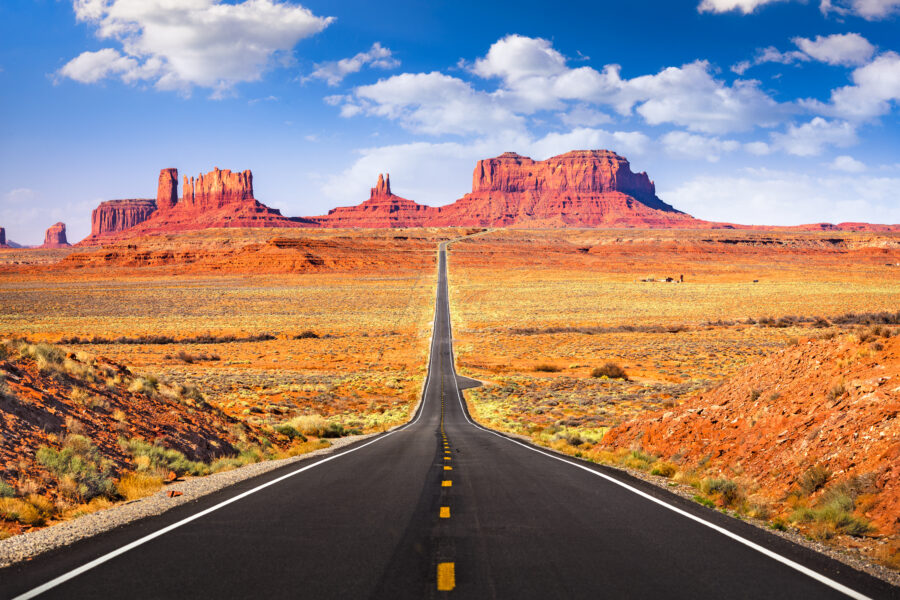
Your route shapes your budget and the whole vibe of your trip. Mixing iconic highways with out-of-the-way spots gives you a trip that’s memorable and doesn’t break the bank.
Choosing Start and End Points

Pick your start and finish based on what fits your life and your wallet. Live on the East Coast? Start from home and skip the one-way flight. But if you’ve always wanted to kick things off in a specific city, just remember to include airfare in your budget from the get-go.
One-way trips give you more freedom than round trips. Driving from New York to LA without looping back saves gas and time. Round trips work best if you’re camping, since you don’t have to worry about hauling gear home.
Think about the season, too. Starting in the South in winter lets you chase good weather north as spring rolls in. That keeps you comfy and helps you avoid paying for hotels when bad weather kicks you off the road.
Mapping Iconic Routes (Route 66, Pacific Coast Highway, Blue Ridge Parkway)
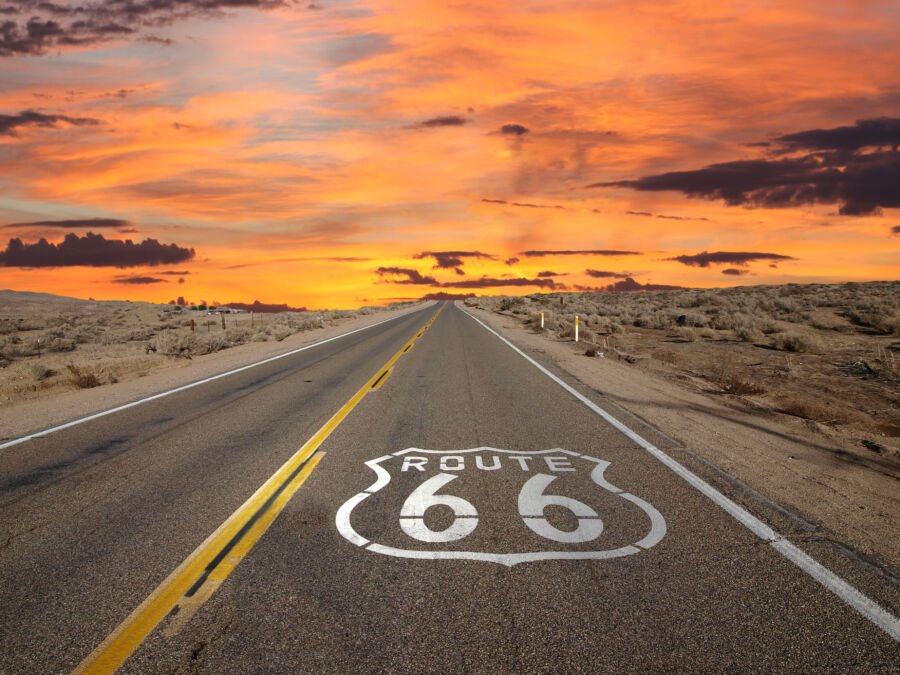
Route 66 stretches from Chicago to Santa Monica, cutting through eight states. You’ll stumble on affordable motels, classic diners, and plenty of quirky roadside stops that don’t cost much.
The Pacific Coast Highway delivers jaw-dropping ocean views along California’s coast. Gas costs more here and campsites fill up quickly in summer—so, yeah, book your camping spots at least a few weeks ahead to keep prices low.
The Blue Ridge Parkway twists through Virginia and North Carolina and doesn’t charge an entry fee. You can camp at lots of sites for less than $20 a night. Just watch out for fall leaf season, when crowds and prices spike.
Google Maps and Roadtrippers make it easy to compare distances and drive times. Roadtrippers even highlights attractions along the way, which helps you plan for activities without blowing your budget.
Identifying Hidden Gems and Roadside Attractions
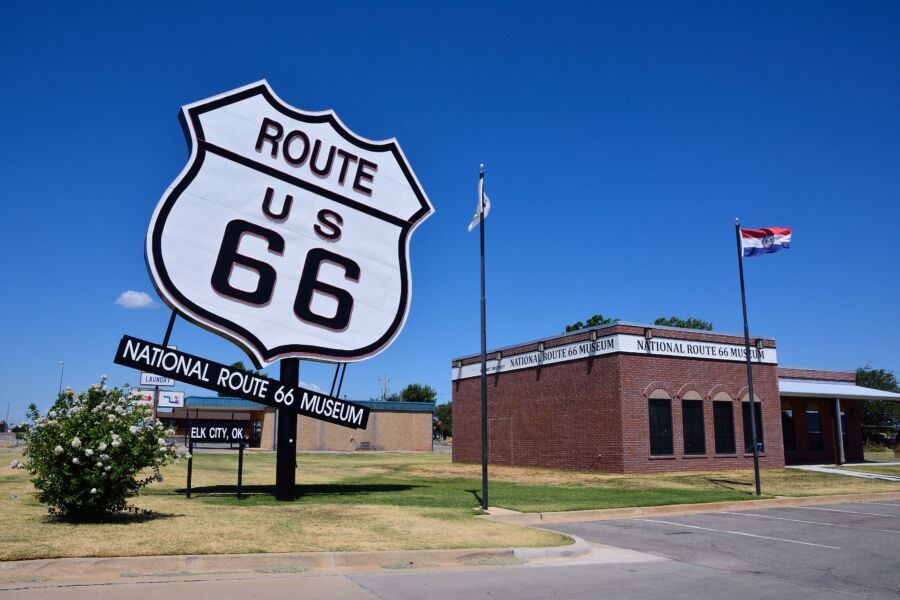
Small towns between big cities usually give you the best bang for your buck. You’ll spend less on food, gas, and camping compared to touristy spots. Plus, you get a genuine taste of local life you just can’t find on the interstate.
Hunt for free or cheap attractions like state parks, historic markers, and local festivals. Most small museums only charge a few bucks. Offbeat roadside oddities—giant balls of twine, weird statues—make for fun photos and usually don’t cost anything.
Chat with locals about where to eat and what to see. Gas station clerks and campground hosts know the area and often point you toward cool stuff that’s not in any guidebook.
Factoring in Distance, Time, and Weather
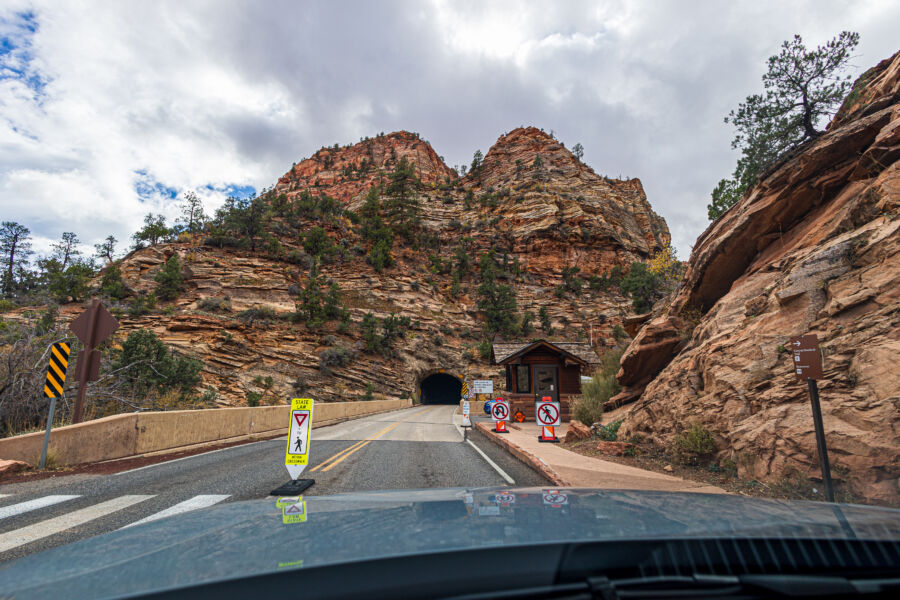
Try not to drive more than 300-400 miles a day if you actually want to enjoy yourself. Pushing through 8-10 hours behind the wheel gets old fast, and you’ll end up spending more on snacks and coffee just to stay awake.
Check the weather for the regions you’ll be crossing. Midwest summer storms can slow you down, and winter snow in the mountains might mean expensive detours. If you’re driving an older car, plan for extra rest stops—those add up.
Leave some buffer days for delays or spontaneous adventures. If you pack your schedule too tight, you’ll stress about making it to pre-booked campsites and miss out on random discoveries. Sometimes, the best memories come from those unexpected detours.
Set a Realistic Budget and Manage Costs
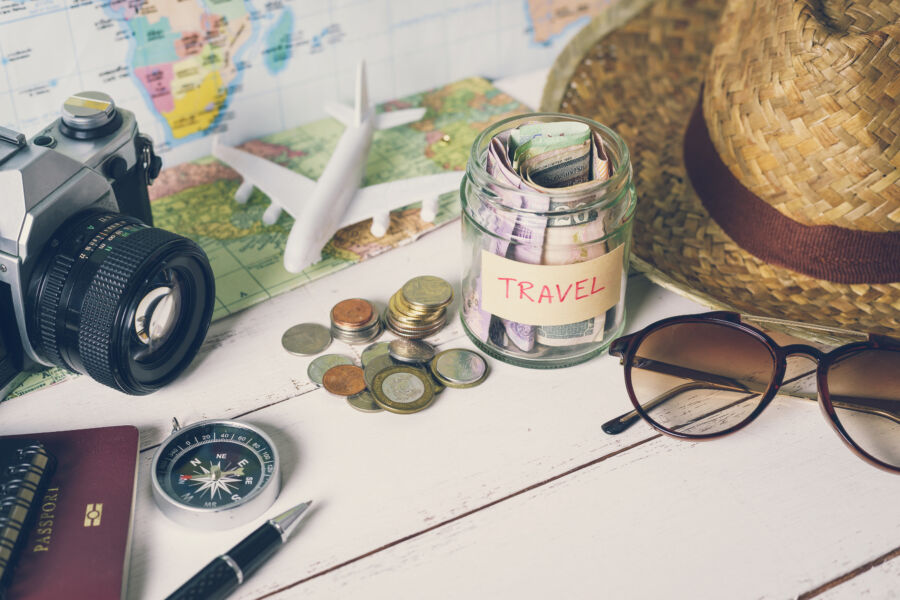
Figuring out your spending ahead of time means you can actually enjoy the trip instead of stressing about money. Breaking down each category and finding ways to save makes cross-country travel doable for most folks.
Estimating Road Trip Costs (Gas, Lodging, Food, Activities)
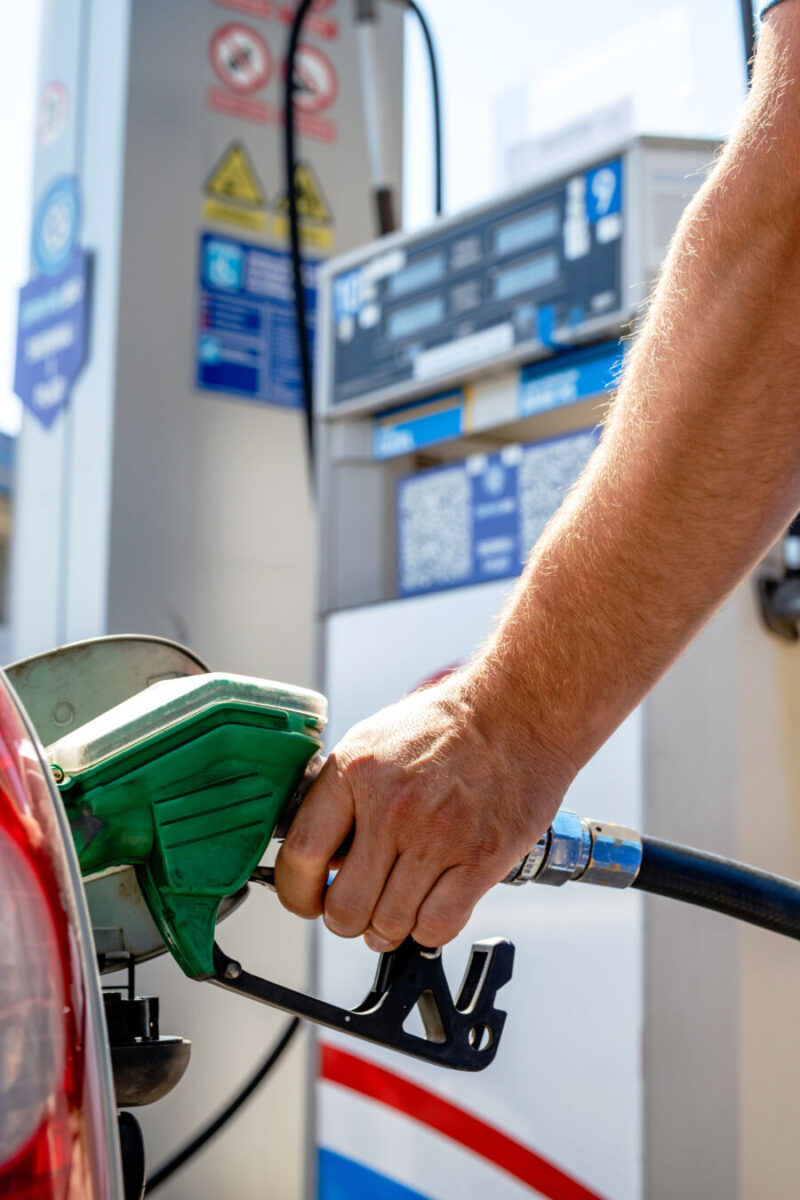
Start with the big one: gas. Use GasBuddy to check prices along your route. A typical trip covers 3,000 to 4,000 miles. If your car gets 25 mpg and gas is $3.50 a gallon, you’re looking at $420 to $560 for fuel.
Lodging can swing a lot. Budget motels run $50-$70 a night, while camping is $10-$30. For a two-week trip, that’s $140 to $980 just for sleep.
Food spending depends on how often you eat out. Cooking keeps it around $10-$15 per day, per person. Restaurants? That’ll jump to $30-$50 daily.
Don’t forget activities and entrance fees. A National Parks pass is $80 and covers all federal recreation sites. Figure another $100-$200 for other attractions, depending on what you’re into.
| Expense Category | Budget Range |
|---|---|
| Gas (3,500 miles) | $420-$560 |
| Lodging (14 nights) | $140-$980 |
| Food (14 days) | $140-$700 |
| Activities | $80-$280 |
| Total Estimate | $780-$2,520 |
Saving Money on Gas and Tolls
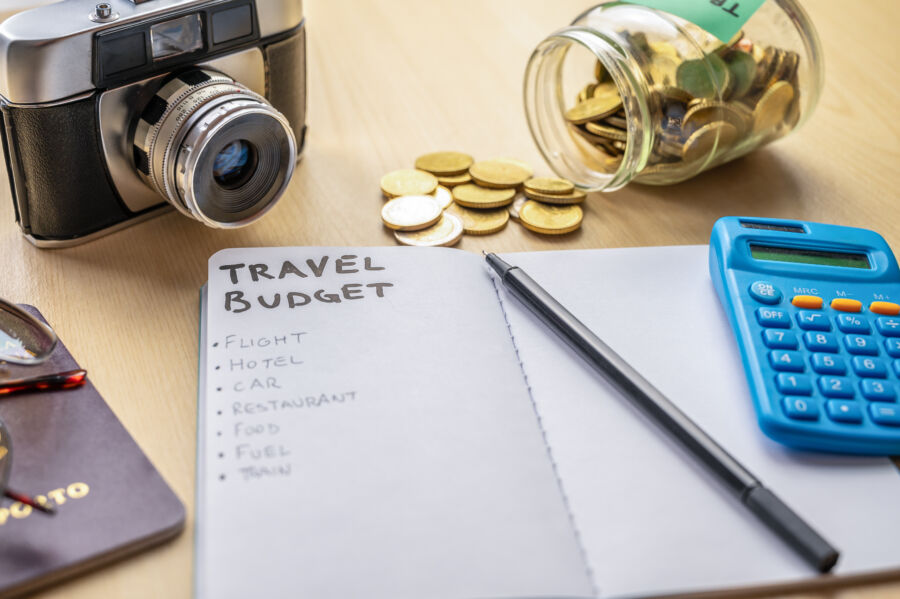
Gas prices bounce around by state and even city to city. Fill up in cheaper states like Texas, Oklahoma, or Missouri—not California or Illinois. GasBuddy helps you find the best deals along the way.
Stick to steady speeds, somewhere between 55 and 65 mph. Speeding burns more fuel and just eats into your budget. Ditch roof racks and any extra weight in your car to boost your mileage.
Plot your route to dodge toll roads if you can. Toll highways might save time, but fees add up quick. You could easily spend $50-$150 on tolls coast to coast. Waze and Google Maps can help you find toll-free routes that only add a little extra drive time.
If you’re heading through the Northeast or Midwest, grab a transponder like E-ZPass. Those usually give you discounted tolls compared to paying cash.
Tracking Expenses on the Road

Download a budget app or just use a simple phone spreadsheet. Track every purchase each day before you forget. It’s easy to lose track otherwise.
Set daily limits for things like food and entertainment. If you splurge on a big dinner, just cook the next day to even things out.
Hang on to gas and lodging receipts. They help you spot spending patterns—maybe you’re dropping more at convenience stores than you realized.
Take a minute every few days to check your budget. Small overages can snowball fast if you’re not paying attention. If you catch it early, you can shift money around or cut back where needed.
Allocating Funds for Emergencies
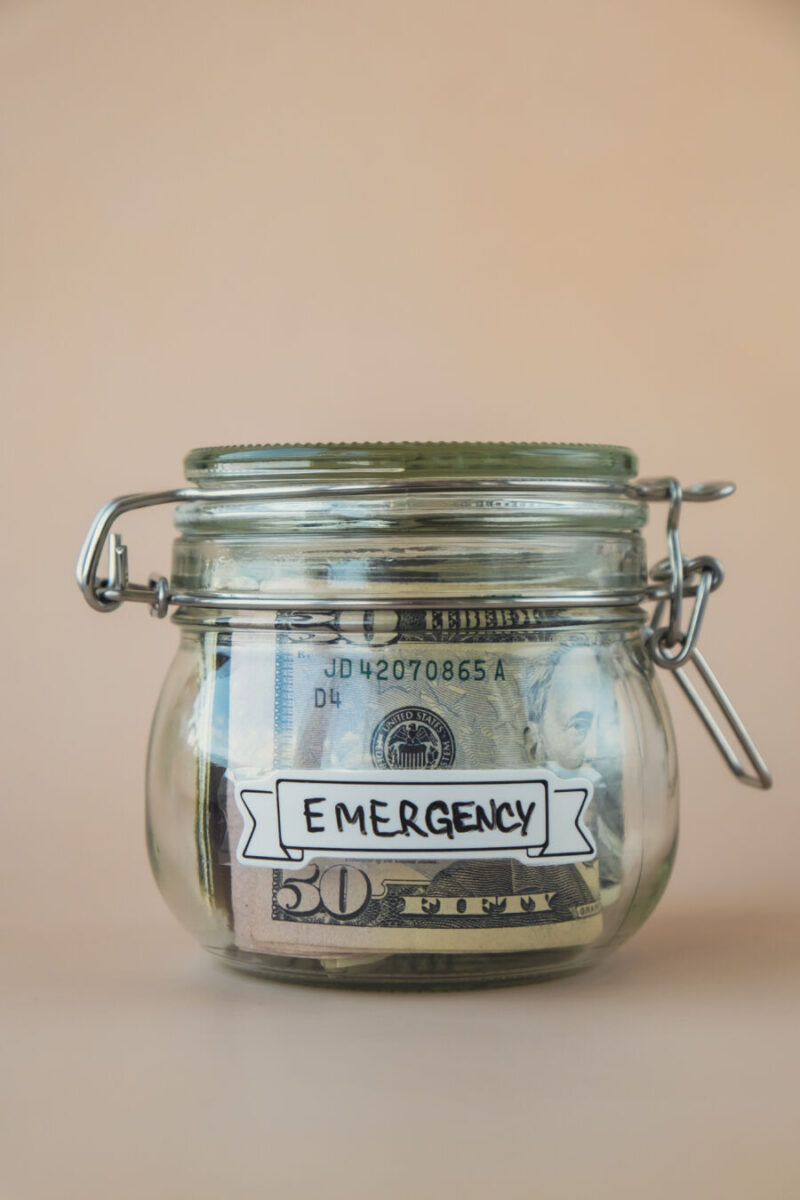
Stash away $300 to $500 for unexpected stuff. Car trouble, medical bills, or last-minute hotel changes can and do happen. Having an emergency fund (cash or credit) keeps you calm when things go sideways.
Keep that emergency money separate from your daily spending. It’s way too tempting to dip into it if it’s mixed in.
Get your car checked before you leave, but still expect the occasional repair. A flat tire or dead battery can run $100 to $300.
Double-check your health insurance and see if you need extra coverage in certain states. Medical emergencies aren’t common, but they’re pricey if you’re not covered.
See Related: The World’s Busiest Cities
Plan Affordable Accommodation

Where you sleep can eat up your budget if you’re not careful. The good news? You’ve got plenty of options besides pricey hotels, from free camping on public land to budget vacation rentals you can split with friends.
Camping vs. Budget Hotels vs. Hostels

Camping is usually the cheapest, especially at free sites. You’ll pay anywhere from nothing to $40 a night, depending on where you are and what you need. Budget hotels go for $50-$100 a night, which adds up fast.
Hostels aren’t as common in the US as in Europe, but you’ll find them in bigger cities and tourist spots. Expect to pay $25-$50 for a dorm bed. They’re a solid pick if you’re traveling solo and don’t mind sharing.
Your best bet depends on comfort level and how much you want to rough it. Camping saves the most and lets you wake up in cool places. Hotels give you privacy and a real shower. Hostels are somewhere in between and a good way to meet people.
Booking Campgrounds and Free Campsites
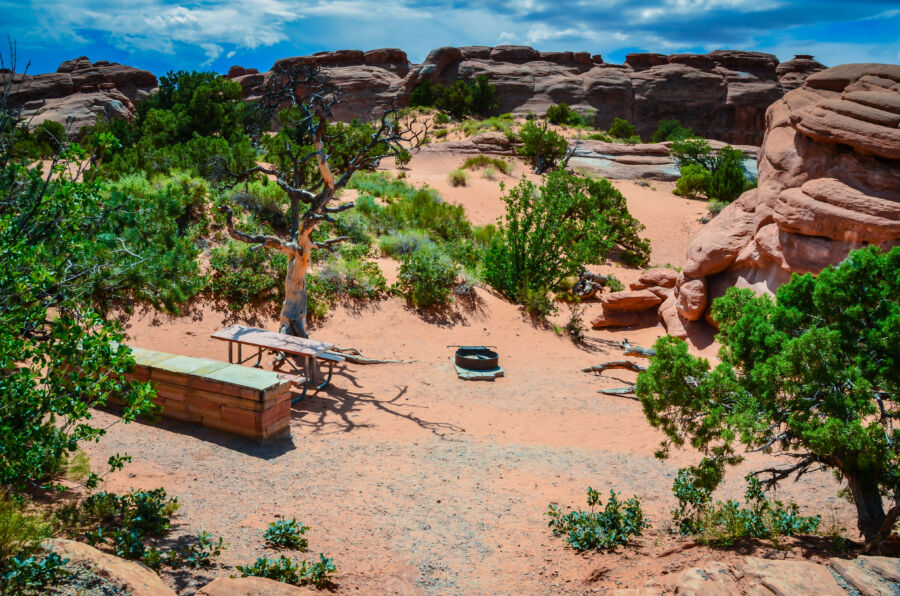
National Forest and BLM lands offer tons of free dispersed camping, especially out west. No bathrooms or water, but hey, you can’t beat the price.
Check out The Dyrt app to find both paid and free campsites. Users leave reviews and coordinates for dispersed spots. State parks and National Forest campgrounds usually cost less than private campgrounds or KOAs.
Book popular campgrounds early in the summer—some fill up weeks or months ahead. For dispersed camping, you can usually just show up, but always check local rules first. Some places need permits or limit how many nights you can stay.
Utilizing Vacation Rentals (Airbnb, Booking.com, Hotels.com)

Vacation rentals are great for groups. A spot with a kitchen lets you cook instead of eating out all the time, which saves a ton.
Airbnb is good for finding unique spots in neighborhoods. Booking.com has a big selection and sometimes special deals. Always compare prices across a few sites.
Look for rentals just outside the main tourist zones—going 15 minutes out can cut your costs in half. Read reviews and check cancellation policies. Some hosts offer weekly discounts if you’re staying put for a while.
Sleeping in Your Car or Campervan
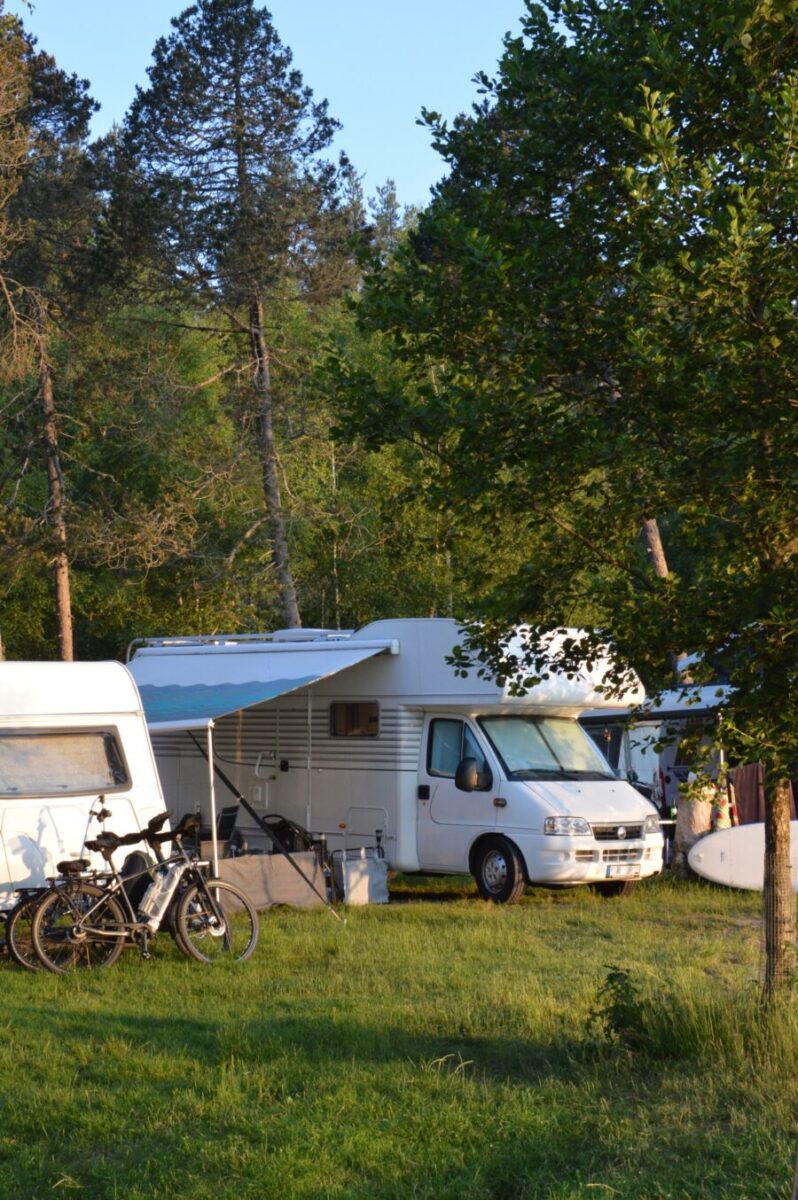
Sleeping in your car is free and gives you tons of flexibility. Walmart parking lots used to be the go-to, but not all allow it these days. Rest stops, truck stops, and some casinos work too.
A campervan (or renting one) takes car-sleeping up a notch. You get a bed, storage, and sometimes a tiny kitchen. Rentals seem pricey, but you’re skipping both car rental and hotel costs.
If you’re going to sleep in your car, bring solid camping gear—a good sleeping pad and a bag rated for the temps you’ll face. Use window shades or curtains for privacy. Park in well-lit areas with other cars around. Some cities ban sleeping in vehicles, so check local laws before you settle in.
Optimize Transportation Choices

Your vehicle and how you handle transportation can make or break your budget. Choosing the right car, keeping up with maintenance, and sniffing out deals will save you hundreds—maybe even thousands—on your cross-country adventure.
Choosing the Right Vehicle (Personal Car, Rental Car, Campervan)
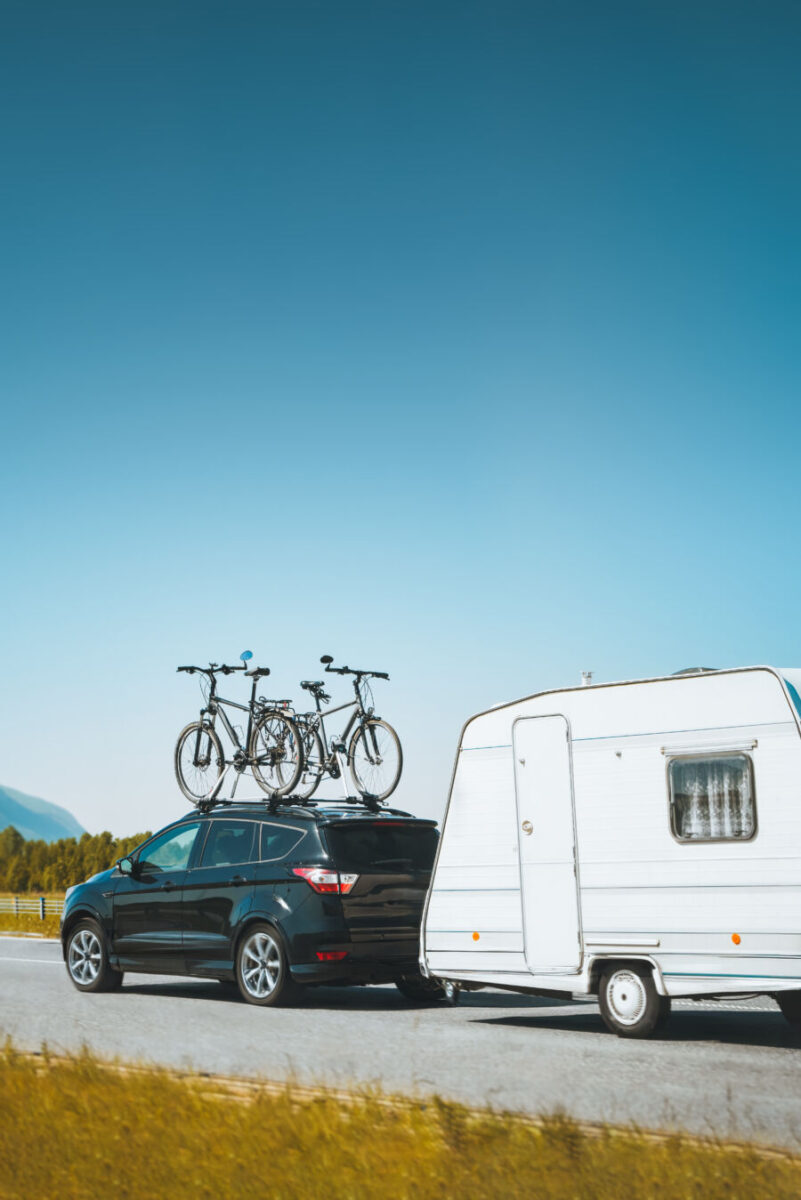
If you already have a reliable car, just use it—it’s almost always the cheapest way to go. You’ll skip rental fees and you already know all its little quirks. Still, don’t forget to factor in the extra wear and tear. Cross-country trips really rack up the miles.
If your car isn’t up for the challenge or guzzles gas, a rental car might be smarter. You get something dependable, probably with better fuel efficiency. Check sites like Skyscanner to compare prices. Longer rentals usually drop the daily rate, so keep that in mind.
Campervans give you wheels and a bed, which sounds like a dream for skipping hotels. But honestly, those rental costs—$100 to $200 a night—add up fast. You’ll save on lodging but pay more for the vehicle. If you’re really into camping and want flexibility, it can work out.
If you’re flexible on timing, try Transfercar. They match travelers with vehicles that need to get from point A to B, sometimes for as little as $1 a day. You’ll have to follow a set route and finish on their schedule, but the savings can be huge.
Preparing and Maintaining Your Vehicle

Before hitting the road, check your car to avoid headaches and big repair bills. Top off fluids—oil, brake, coolant, washer fluid. Inspect your tires for tread and pressure. Make sure you have a spare, jack, and the right tools.
If you’re due for an oil change soon, just get it done before you leave. Swap out old wiper blades and check all your lights. These little things can save you from bigger hassles later.
Pack an emergency kit: jumper cables, flashlight, basic tools, duct tape, and extra fuses. Toss in some water and snacks. Joining AAA or another roadside service? Totally worth it.
Keep an eye on your gas gauge—don’t push your luck running on empty. Check tire pressure every week or so at gas stations. If your car starts acting weird, fix it before it gets worse.
Tips for Cheap Car Rentals

Book your rental early—prices only go up as cars get snapped up. Always compare rates on a few sites. Sometimes, booking straight from the rental company’s site is actually cheaper than using a third-party.
Hunt for discount codes before you reserve. Credit cards, memberships, even your job might have deals you didn’t know about.
Skip the upsells. If your credit card or car insurance covers rentals, you don’t need their extra insurance. Bring your own GPS. And don’t prepay for gas—it’s almost always more expensive than filling up yourself.
Try to rent from locations away from airports. Airport counters add sneaky fees. A short taxi or shuttle to an off-airport spot can save you $50 or more.
Return the car on time and fill up the tank before you drop it off. Those late and refueling fees are brutal.
Leveraging Travel Apps and Deals
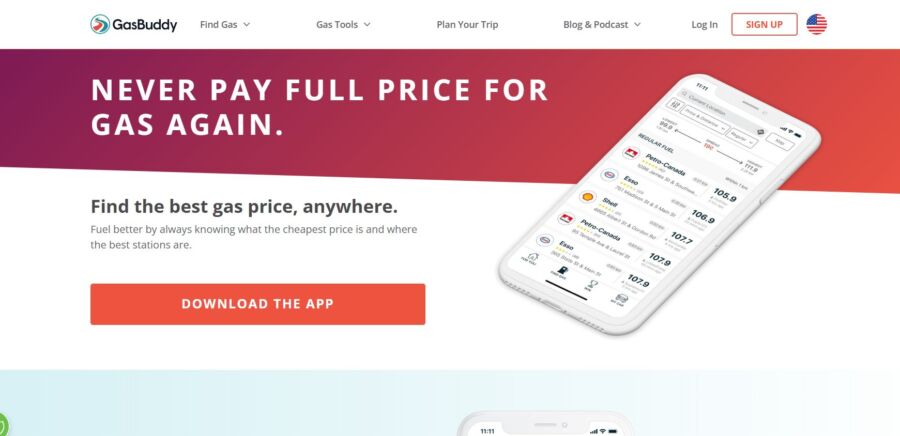
Download GasBuddy to find cheap gas. Prices can swing wildly even within a few miles, and this app helps you dodge overpaying.
Use Roadtrippers to map your route and find cool stops. It shows you attractions, restaurants, and places to stay right along your path. You can even estimate fuel costs for your vehicle.
Search for rental car deals across different companies with comparison tools. You’ll see prices side by side and can grab the best one without endless searching.
Sign up for email alerts from rental companies and travel deal sites. They’ll send you flash sales and promos that can actually save a lot. Just remember to unsubscribe later if you get tired of the emails.
Car insurance apps let you double-check your coverage before you leave. Screenshot your policy so you’ve got it handy if anything comes up.
Google Maps can help you avoid tolls and shows traffic in real time, so you’re not burning gas idling in jams.
Pack Road Trip Essentials for Savings and Comfort
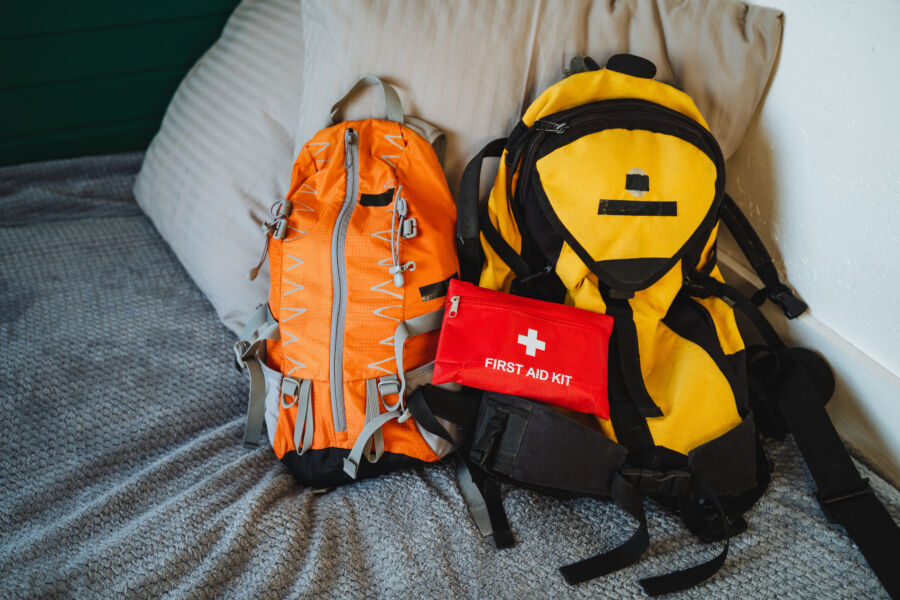
Smart packing saves money and keeps you comfortable. The right safety gear, clothing, and entertainment keeps you from buying stuff you forgot or didn’t think you’d need.
Creating a Road Trip Packing List

Start your packing list by splitting stuff into categories: safety, personal care, food, and entertainment. That way you stay organized and don’t overpack.
Jot down everything you think you’ll need, then go through it twice. Cut stuff you can buy later or things you’ll probably ignore. Focus on things that do double duty and save space.
Must-have categories:
- Vehicle maintenance items
- Personal hygiene products
- Clothes for all kinds of weather
- Food and cooking supplies
- Entertainment
- Important documents
Keep a digital copy of your list on your phone. It helps when you’re packing for the trip home or planning your next adventure. Add notes about what you actually used and what just took up space.
Bring a reusable water bottle and refillable snack containers. You’ll save a surprising amount by skipping gas station drinks and snacks.
Must-Have Safety and Emergency Gear

A good roadside emergency kit can save you from expensive tows or being stranded. Toss in jumper cables, a flashlight, basic tools, and reflective triangles.
Don’t forget a first aid kit. Small injuries happen, and a $20 kit is way better than dropping $200 at urgent care. Include bandages, painkillers, antibiotic ointment, and your meds.
A spare tire is useless if you can’t change it. Make sure you have a jack and lug wrench that actually fit your car. Check your spare’s air pressure before you go—so many people find out it’s flat only when they need it.
Winter packing extras:
- Ice scraper and snow brush
- Blankets or sleeping bags
- Sand or kitty litter for traction
- Extra food and water
Paper maps are a lifesaver when GPS fails, or your phone dies. They cost a few bucks and work anywhere.
Keep emergency contacts and insurance info in your glove box. Pack a phone charger for your car and maybe a backup battery pack for essential travel gear.
Efficient Clothing and Weather Prep
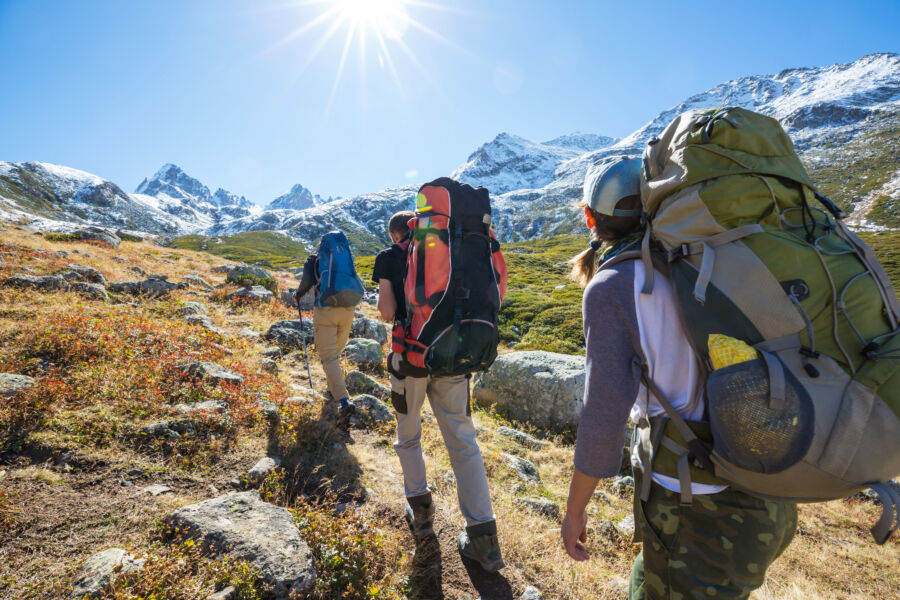
Pack clothes you can layer and mix. Go for stuff that works in different situations instead of packing an outfit for every day. Three pairs of pants and five shirts are plenty for a week.
Check the weather for every stop. Sometimes you’ll hit 30-degree swings in a single day. Bring a warm jacket even if you’re headed somewhere hot—mountains and nights can get chilly.
Pick quick-dry fabrics if you can. You’ll be able to wash things in a hotel sink and have them dry by morning, so you pack less.
Smart clothing picks:
- Comfy walking shoes (already broken in)
- One nice outfit for going out
- Layers instead of bulky jackets
- Hat and sunglasses
Bring a small laundry bag for dirty clothes. It keeps your car organized and makes unpacking less of a pain. Toss in a couple dryer sheets to keep things smelling fresh.
Entertainment: Music, Podcasts, and Playlists

Download your playlists before you leave so you’re not burning through your data. Streaming music all day adds up if your plan isn’t unlimited.
Make a few playlists for different moods—something upbeat for mornings, something chill for late drives. Mix in new artists with your favorites so you don’t get bored.
Podcasts are perfect for long stretches. There’s one for literally every interest. Download episodes ahead of time, since cell service can vanish out there. True crime, comedy, storytelling—they all help the miles fly by.
Audiobooks from the library are free and last forever. One book can cover a whole day of driving. Most libraries have apps like Libby where you just need a library card.
Sometimes, though, silence is golden. Turn off the noise, chat with your passengers, or just soak in the scenery. You don’t need a soundtrack 24/7.
Mount your phone so you can see navigation while using music apps. Fumbling with your phone while driving is just asking for trouble.
See Related: Best Vacation Destinations for Singles Over 40
Eat Well for Less on the Road

Food can blow your budget fast, but a good cooler and some basic meal prep can save you a ton. Plan your meals ahead and decide when to cook and when to eat out—it makes a huge difference.
Smart Grocery Shopping and Meal Prep

Stop at grocery stores, not gas stations, whenever you can. That $2 banana at a truck stop? It’s 30 cents at the supermarket.
Buy in bulk at the start and portion things yourself. A big bag of nuts or pretzels is way cheaper per serving than single packs. Grab containers or zip bags before you leave.
Plan meals that use the same ingredients in different ways. A rotisserie chicken covers sandwiches on day one, then gets tossed in wraps or salads the next. Less waste, less prep.
Make breakfast the night before—overnight oats or hard-boiled eggs are easy. Lunch can be wraps with turkey, veggies, and cheese. Pasta salads and grain bowls are great for dinner and taste fine cold.
Stock up on sturdy produce: apples, oranges, carrots, and bell peppers. Skip berries unless you’ll eat them right away—they get mushy fast.
Budget-Friendly Cooking Gear (Coolers, Kitchenette, Camping Stove)
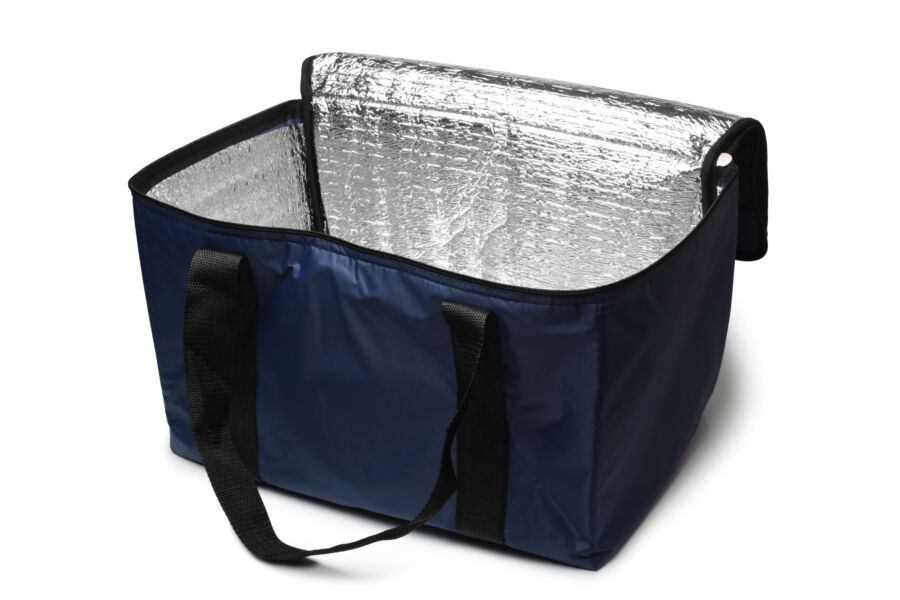
You don’t need fancy gear. A good cooler is your best friend.
Pick a size that fits your trip. Too big and you’re hauling air; too small and you can’t skip restaurants. For most week-long trips, 40-50 quarts is about right.
Bring a small cutting board, decent knife, and a few containers. That’s enough for simple meals. Only pack a camping stove if you actually want to cook hot food—most folks get by fine with cold meals and occasional restaurant stops.
If your hotel has a kitchenette, awesome—you can reheat leftovers or cook simple dinners. But even without one, a cooler and some basics will save you hundreds over eating out every meal.
Freeze water bottles to use as ice packs. They’ll keep food cold and turn into drinking water as they melt.
Affordable and Nutritious Snack Ideas

Go for snacks with protein and fiber so you’re not hungry again in an hour. Cheese sticks, jerky, and nuts are perfect.
Pre-portion snacks at home. It’s cheaper and keeps you from inhaling a whole bag of trail mix before you realize it (ask me how I know).
Try whole grain crackers with peanut butter, hummus with veggies, or string cheese and apple slices. Granola bars are fine, but check the label—some are basically candy bars.
Pack a mix so you don’t get bored. Rotate salty, sweet, and crunchy snacks throughout the day.
Skip anything that melts or gets sticky. Chocolate bars turn into a mess in summer, and cut fruit just makes things sticky.
Saving Money on Dining Out

You don’t have to skip restaurants—just don’t eat out every meal. Pick one meal to eat out, make the rest yourself.
Local diners and food trucks usually beat chains for price and taste. Ask locals where they go, not what’s “recommended.”
Happy hour and early bird specials can chop 30-40% off your bill. Lunch is often cheaper than dinner for the same food.
Split big portions—most places serve enough for two. Skip drinks and appetizers; that’s where they get you. Stick to water and a main course, and you’ll eat well without blowing your budget.
Maximize Experiences While Saving on Activities
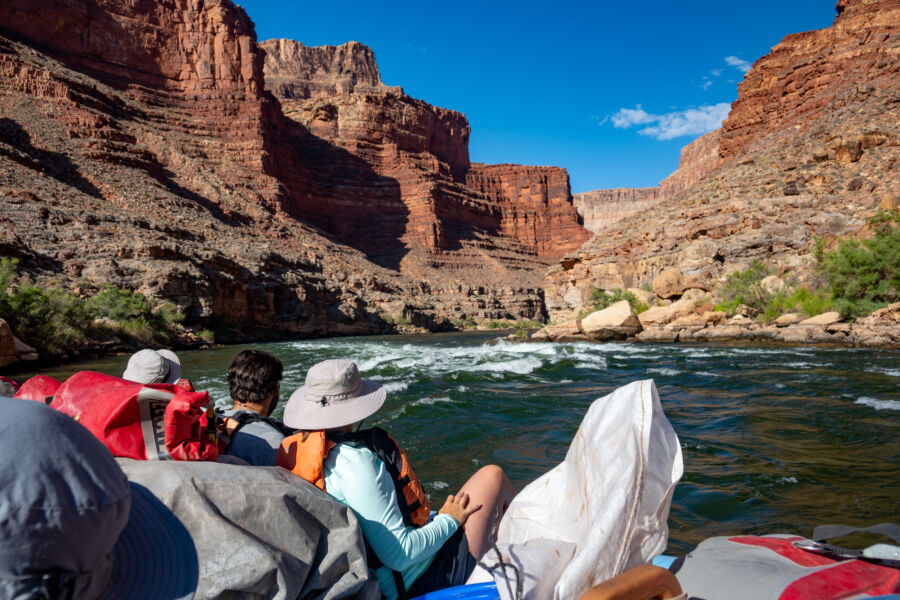
You can see incredible places all over America without spending a fortune. Passes unlock multiple attractions for less, and free activities can be just as memorable as the pricey stuff.
Travel Passes: National Parks Pass, City Pass, America the Beautiful Pass
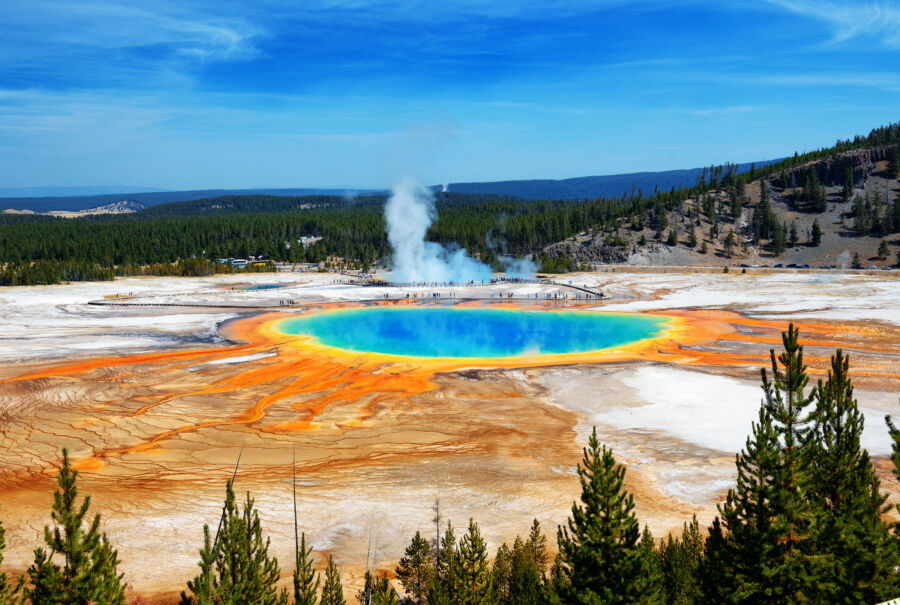
Honestly, the America the Beautiful Pass is one of the best deals out there for road trippers. For $80 a year, you can get into more than 2,000 federal recreation sites managed by the National Park Service and a bunch of other agencies. That covers big names like the Grand Canyon, Yellowstone, and Glacier National Park.
The pass covers entrance fees for one vehicle and everyone inside. If you’re planning to hit even three or four parks, you’ll save money fast. Some parks charge $30-35 per vehicle for a weekly pass, so the annual pass pays for itself pretty quickly.
City Pass options can be great if you’re spending time in bigger cities along your route. These passes bundle popular attractions at a discount, but it’s worth double-checking whether you’ll actually use enough of them to make it worthwhile.
Finding Cheap or Free Activities

So many amazing experiences don’t cost a thing. Most hiking trails are free, especially in national forests or on Bureau of Land Management land. State parks usually have lower entrance fees than national parks, often around $5-10 per vehicle.
Definitely check out local visitor centers and tourism websites before you get to town. They usually list free festivals, concerts, and community events. Walking tours in historic districts? Totally free—just bring your curiosity.
Museums sometimes have free admission days or “pay what you wish” hours. College towns are full of free public lectures and performances. Most downtowns have cool street art, public parks, and scenic viewpoints that won’t cost you a dime.
Exploring National and State Parks, Forests, and Waterfalls

National and state parks really give you the most for your money. You’ll find stunning landscapes, wildlife, and well-kept trails. National forests are even easier on the wallet, since most of them don’t charge for entry.
Waterfalls are usually free to visit. You just need to find the trailhead and start hiking. State parks protect some of the country’s most beautiful spots, and the prices won’t blow your budget.
Bring your own food and water before heading into parks. Packing snacks and lunch saves you from overpriced visitor center food. A basic day hike doesn’t require much gear—honestly, you probably already have what you need.
Tips for Affordable Sightseeing and Outdoor Adventures
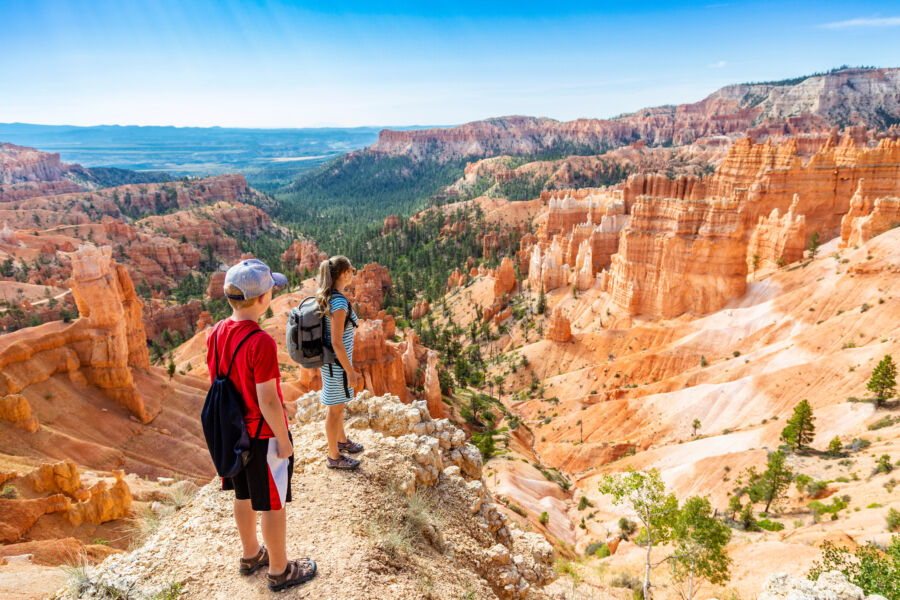
Try booking attractions and tours in advance for better rates. Last-minute bookings, especially during busy seasons, almost always cost more. It helps to compare prices on different platforms before you commit to anything.
Visit popular spots early or late in the day. You’ll dodge crowds and sometimes even get cheaper parking. Some scenic overlooks and viewpoints stay open 24/7 and don’t charge at all.
Ask locals for their favorite hidden gems. They usually know the best spots that aren’t swamped with tourists or overpriced. Gas station attendants and café servers in small towns often have the best tips.
If you can, book experiences during shoulder seasons when prices drop. Free walking trails and scenic drives are honestly just as fun and only cost you the gas to get there. Bring your own gear for things like swimming, kayaking, or biking instead of renting at tourist rates.
See Related: Most Underrated National Parks in the World
Frequently Asked Questions

Planning a budget road trip across America means figuring out your costs early, finding clever ways to save on gas, food, and lodging, and picking destinations that really give you the most for your money.
What are effective strategies for planning a budget-friendly cross-country road trip?
Pick your route based on what you actually want to see, not just the fastest way across the country. The northern route through states like Montana and Wyoming usually costs less for camping than the tourist-packed southern routes. Travel in the shoulder seasons (April-May or September-October) when gas prices drop and hotels cut their rates.
You’ll save a ton by packing your own food instead of eating out every meal. A cooler and some basic cooking stuff can cut your food spending by 60-70%. Grab apps like GasBuddy to track down the cheapest fuel as you go.
Book places to stay that let you cook. Hostels, campgrounds, or hotels with kitchenettes all work. Honestly, some of my favorite road trip memories happened at $15 campsites instead of fancy hotels.
How can I calculate the estimated costs of a cross-country road trip?
Start with your total mileage. A typical cross-country trip covers 3,000-4,000 miles one way. Divide that by your vehicle’s miles per gallon, then multiply by the current average gas price (about $3.50 in 2026).
Add up your nightly accommodation costs. You can usually find campsites for $15-30 per night or cheap motels for $50-70. Multiply by the number of nights you’ll be on the road.
Don’t forget the extras. Set aside cash for vehicle maintenance, national park passes ($80 for the annual pass), food ($30-50 per day if you cook most meals), and emergencies. A bare-bones 2-week trip for one person usually runs $1,200-1,800 in total.
What are the best cost-saving tips for traveling with a family on a road trip across the USA?
Pack snacks and meals from home before you leave. A family of four can easily drop $80-100 on a restaurant meal, but that same money covers groceries for two or three days.
Pick destinations with free activities. National forests let you camp and hike for free. Many cities have free museum days. State parks cost way less than national parks but are just as fun.
Get a National Parks annual pass if you’re planning to visit more than one. At $80, it pays for itself after just two parks. Look for places to stay that offer free breakfast and maybe a pool—kids love it, and you save money.
Split up the driving so you can do an overnight stretch now and then. You’ll save a night’s hotel cost, and the kids might actually sleep in the car.
Which are the most affordable destinations to include in a USA road trip itinerary?
The Southwest is full of jaw-dropping scenery that won’t drain your wallet. Utah’s “Mighty Five” national parks, New Mexico’s free attractions, and Arizona’s affordable camping make this region perfect for budget travelers.
Skip the pricey coastal cities and head for the heartland. South Dakota (Mount Rushmore, Badlands), Montana (Glacier National Park), and Wyoming (Yellowstone, Grand Teton) offer world-class sights with lower accommodation costs.
The Deep South is surprisingly budget-friendly. Nashville, Memphis, and New Orleans have amazing food and music, and you can still find affordable hotels and plenty of free entertainment.
How can I create a cheap yet fulfilling road trip itinerary for a 3-month journey across the United States?
If you can, work while you travel. Lots of people doing longer trips pick up remote gigs or short-term jobs on the road. It really stretches your budget.
Mix free camping with occasional paid sites. Bureau of Land Management areas and national forests let you camp for free. Stay there most nights, then splurge on a campground with showers every so often.
Stay longer in the cheaper places. Spending a week in an affordable city lets you find short-term rental deals instead of paying hotel rates every night. You’ll also save on gas.
Stay open to house-sitting or work exchange gigs. Sites like TrustedHousesitters can get you free places to stay in exchange for watching someone’s pets or house.
What advice is there for managing daily expenses on a multi-week cross-country road trip?
Track every expense in a simple app or just jot it down in a notebook. Seriously, those $4 coffees and $8 snacks? They sneak up on you fast over a few weeks of travel.
Set a daily budget and try to stick with it. If you go over one day, just cut back the next. Personally, I shoot for around $100-150 a day when I’m traveling solo, and that covers pretty much everything.
Use cash for your daily spending. Pull out your budgeted cash each morning—when it’s gone, that’s it for the day. It’s kind of old-school, but honestly, it keeps things in check.
Mix in some free camping every few nights. That extra wiggle room lets you splurge on a nice meal or check out a cool attraction you didn’t plan for. Just don’t risk your safety to save a bit on a campsite—it’s never worth it.
Book Your Dream Experience
More Travel Guides
Related Posts