
Kosugiyu
About Kosugiyu
Description
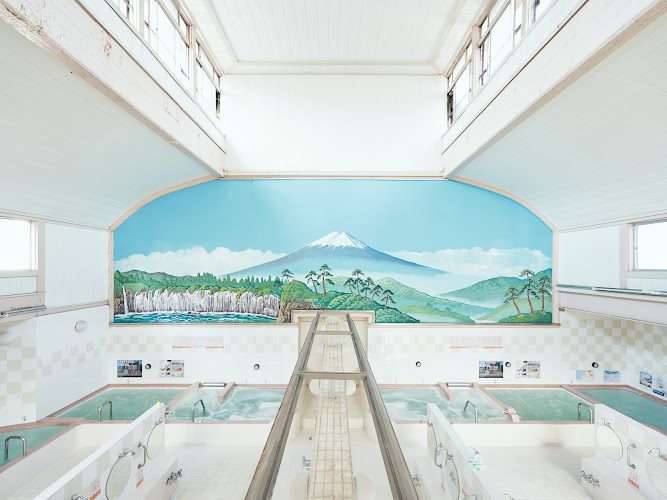
Stepping into Kosugiyu feels like traveling back through time while somehow maintaining all the comfort a modern traveler craves. This public bathhouse—what locals call a sento—represents something increasingly rare in Tokyo's ever-changing landscape: authentic preservation mixed with genuine neighborhood charm. The building itself commands attention with its ornate wooden architecture that honestly makes you stop and stare before you even walk through the door. And trust me, that pause is worth it because you're about to experience one of Tokyo's most photogenic and beloved traditional bathhouses. Inside, the star of the show is undeniably the stunning mural of Mount Fuji that dominates the bathing area. It's painted in classic sento style against bright white tiles that somehow manage to feel both spotlessly clean and warmly inviting at the same time. The artistry transports bathers to Japan's most iconic peak while they soak in the hot therapeutic waters, creating this surreal yet deeply satisfying experience that's hard to describe until you've lived it yourself. What makes Kosugiyu particularly special is how it serves as both a functioning neighborhood bathhouse and a legitimate tourist attraction without losing its soul in the process. Local residents still come here for their regular bathing routines, and you'll find yourself sharing the space with everyone from elderly neighbors who've been coming here for decades to curious international travelers discovering Japanese bathing culture for the first time. That mix of authentic daily life and cultural tourism creates an atmosphere that's genuinely unique. The facility maintains traditional sento practices while providing enough modern amenities that first-time visitors won't feel completely out of their depth. But let's be real—there's still going to be a learning curve if you've never visited a Japanese public bath before, and that's actually part of the adventure.Key Features
Kosugiyu offers visitors an authentic glimpse into traditional Japanese bathing culture with several standout characteristics:- Stunning Mount Fuji mural painted in classic sento style that serves as the visual centerpiece of the bathing experience
- Ornate wooden architecture that represents traditional Japanese bathhouse design and craftsmanship
- Bright white tiling throughout the bathing areas that creates a clean, luminous atmosphere
- Multiple temperature pools allowing bathers to customize their soaking experience
- Complete bathing amenities including body wash, shampoo, and hair conditioner provided onsite
- Hair dryers available for use after bathing
- Bath towels and hand towels available for day-use visitors who don't bring their own
- Rest area where visitors can relax and cool down after their bath
- Functioning laundromat facilities for practical use by locals and longer-term travelers
- Authentic neighborhood atmosphere with regular local clientele
- Wheelchair accessible entrance making it more inclusive than many traditional sentos
- Onsite services that help guide newcomers through proper bathing etiquette
Best Time to Visit
Timing your visit to Kosugiyu can honestly make or break your experience, and I've learned this through conversations with regulars and my own observations of Japanese bathing culture. The bathhouse operates year-round, but certain times definitely offer advantages depending on what you're looking for. Weekday afternoons, particularly between 2 PM and 5 PM, tend to be quieter periods when you'll have more space to yourself and can take your time understanding the rituals without feeling rushed or self-conscious. This is when I'd recommend first-timers visit—there's less pressure, and the staff often has more time to help if you look confused (which you probably will at first, and that's totally normal). Evening hours from around 6 PM to 9 PM bring the neighborhood to life as locals stop by after work. The atmosphere becomes more communal and authentic during these hours, though it definitely gets busier. If you want to experience Kosugiyu as a genuine community gathering place rather than just a tourist attraction, evening visits reveal that social dimension. Weekend mornings can be surprisingly pleasant if you're an early riser. You'll catch dedicated regulars who've made their weekend bath a ritual, but it's usually manageable crowd-wise. Seasonally speaking, winter visits offer the most dramatic contrast and satisfaction. There's something almost magical about bathing in hot water while cold air nips at Tokyo outside. The steam becomes denser, the warmth more enveloping, and honestly, soaking in a hot bath during Tokyo's chilly months is one of life's underrated pleasures. Summer visits work too, especially after walking around Tokyo's humid streets all day, though the appeal is admittedly different. Avoid visiting during major Japanese holidays like Golden Week or New Year periods unless you really enjoy crowds. The combination of tourists and locals with time off creates packed conditions that diminish the relaxing atmosphere you're probably seeking.How to Get There
Getting to Kosugiyu requires a bit of navigation through Tokyo's residential neighborhoods, but that journey is part of what makes the experience feel like a discovery rather than just another tourist checkbox. The bathhouse is located in a genuine neighborhood setting, not conveniently positioned next to major tourist landmarks, which honestly adds to its authentic appeal. The closest train station is Musashi-Kosugi Station, which is served by multiple train lines including the JR Shonan-Shinjuku Line, JR Yokosuka Line, and Tokyu Toyoko Line. From Tokyo's central areas like Shinjuku or Shibuya, you're looking at roughly 15-20 minutes by train to Musashi-Kosugi. The station itself has become quite developed in recent years as the neighborhood has grown, so you'll find plenty of signs in English and the station is relatively easy to navigate. From Musashi-Kosugi Station, Kosugiyu is approximately a 7-10 minute walk depending on your pace and how many times you stop to check Google Maps (no judgment—Tokyo's residential streets can be maze-like). The route takes you through quiet neighborhood streets lined with homes, small shops, and local businesses that give you a real sense of everyday Tokyo life that tourists often miss. If you're comfortable using Tokyo's excellent bus system, local buses also serve the area, though honestly trains are more straightforward for most visitors. Taxis are an option too if you're traveling with others and can split the cost, though they're probably overkill for this distance. Pro tip that nobody tells you: download an offline map before you go because cell signal can get spotty in some residential pockets, and the last thing you want is losing your navigation when you're three streets away from a relaxing bath. Also, the bathhouse's wooden facade is distinctive enough that once you're in the general vicinity, you can often spot it visually if you're paying attention to the architecture around you.Tips for Visiting
Visiting a traditional sento like Kosugiyu requires understanding some cultural protocols that might feel unfamiliar at first. But honestly, once you know the basics, the whole experience becomes much more enjoyable and you'll stop worrying about whether you're doing everything right. First and most importantly: you must wash thoroughly before entering any of the baths. This isn't optional or a suggestion—it's fundamental to Japanese bathing culture. You'll find washing stations with stools, shower heads, and provided soap products. Sit on a stool, soap up completely, rinse entirely, and only then enter the communal bath. The bathing pools are for soaking, not washing. I know this seems obvious once explained, but many first-time visitors get confused about the sequence. Swimsuits are not worn in Japanese public baths. You'll bathe completely nude, separated by gender. This makes many Western visitors nervous initially, but honestly, everyone is focused on their own bathing experience and nobody is paying attention to your body. The provided small towel can be used for modesty while walking around, but don't bring it into the bath water itself—fold it and place it on your head or on the bath's edge. Bring a small bag to carry your belongings since you'll need to undress completely in the changing area. Lockers are provided, but they're typically not huge, so don't bring half your luggage. The bathhouse provides most amenities, but if you have specific product preferences or skin sensitivities, bringing your own toiletries in travel-size containers is perfectly acceptable. Tattoos present a complicated situation. Traditional sentos often have policies against tattoos due to their historical association with yakuza organized crime in Japan. Kosugiyu's specific policy can vary, so visitors with visible tattoos should call ahead or be prepared for possible refusal of entry. Small tattoos that can be covered with bandages or patches might be acceptable—this really depends on staff discretion and how busy they are. The water is hot—like, really hot by Western standards. Don't try to be a hero and immerse yourself immediately. Enter gradually, let your body adjust, and don't feel embarrassed if you need to exit and cool down. Even Japanese regulars alternate between soaking and resting. The rest area exists specifically for this purpose, so use it. Photography inside the bathing areas is absolutely prohibited for obvious privacy reasons. The changing rooms are also off-limits for photos. You might be able to photograph the exterior or ask permission to photograph non-bathing public areas, but be respectful and always ask first. Timing your visit matters for practical reasons too. Arrive with enough time to properly experience everything—rushing through a sento defeats the entire purpose. Budget at least an hour, preferably ninety minutes, especially if this is your first time. Cash is king at traditional establishments like this. While some sentos have started accepting cards or electronic payment, it's safest to bring yen. The entry fee is incredibly reasonable compared to fancy hotel spas or resort onsen, making this an accessible cultural experience for budget-conscious travelers. Lastly, and I can't stress this enough: observe and follow what regular customers do if you're uncertain about anything. Japanese bathing culture has unspoken rules that go beyond what any guidebook explains, and the best way to learn is through respectful observation. Don't be afraid to look a bit uncertain—staff and regulars can usually spot confused visitors and will often help guide you through the process with remarkable patience and kindness.Key Features
- Historic sento building (est. 1933) with traditional tiled interior and mural
- Multiple bath options (hot, warm, cold; herb baths noted)
- Traveler-friendly amenities: towel rentals, toiletries, free face towels
- Family-run, community-focused operation with spotless facilities
- Convenient location a short walk from Koenji station and local nightlife
More Details
Updated March 30, 2026
Table of Contents
Description
Stepping into Kosugiyu feels like traveling back through time while somehow maintaining all the comfort a modern traveler craves. This public bathhouse—what locals call a sento—represents something increasingly rare in Tokyo’s ever-changing landscape: authentic preservation mixed with genuine neighborhood charm. The building itself commands attention with its ornate wooden architecture that honestly makes you stop and stare before you even walk through the door. And trust me, that pause is worth it because you’re about to experience one of Tokyo’s most photogenic and beloved traditional bathhouses.
Inside, the star of the show is undeniably the stunning mural of Mount Fuji that dominates the bathing area. It’s painted in classic sento style against bright white tiles that somehow manage to feel both spotlessly clean and warmly inviting at the same time. The artistry transports bathers to Japan’s most iconic peak while they soak in the hot therapeutic waters, creating this surreal yet deeply satisfying experience that’s hard to describe until you’ve lived it yourself.
What makes Kosugiyu particularly special is how it serves as both a functioning neighborhood bathhouse and a legitimate tourist attraction without losing its soul in the process. Local residents still come here for their regular bathing routines, and you’ll find yourself sharing the space with everyone from elderly neighbors who’ve been coming here for decades to curious international travelers discovering Japanese bathing culture for the first time. That mix of authentic daily life and cultural tourism creates an atmosphere that’s genuinely unique.
The facility maintains traditional sento practices while providing enough modern amenities that first-time visitors won’t feel completely out of their depth. But let’s be real—there’s still going to be a learning curve if you’ve never visited a Japanese public bath before, and that’s actually part of the adventure.
Key Features
Kosugiyu offers visitors an authentic glimpse into traditional Japanese bathing culture with several standout characteristics:
- Stunning Mount Fuji mural painted in classic sento style that serves as the visual centerpiece of the bathing experience
- Ornate wooden architecture that represents traditional Japanese bathhouse design and craftsmanship
- Bright white tiling throughout the bathing areas that creates a clean, luminous atmosphere
- Multiple temperature pools allowing bathers to customize their soaking experience
- Complete bathing amenities including body wash, shampoo, and hair conditioner provided onsite
- Hair dryers available for use after bathing
- Bath towels and hand towels available for day-use visitors who don’t bring their own
- Rest area where visitors can relax and cool down after their bath
- Functioning laundromat facilities for practical use by locals and longer-term travelers
- Authentic neighborhood atmosphere with regular local clientele
- Wheelchair accessible entrance making it more inclusive than many traditional sentos
- Onsite services that help guide newcomers through proper bathing etiquette
Best Time to Visit
Timing your visit to Kosugiyu can honestly make or break your experience, and I’ve learned this through conversations with regulars and my own observations of Japanese bathing culture. The bathhouse operates year-round, but certain times definitely offer advantages depending on what you’re looking for.
Weekday afternoons, particularly between 2 PM and 5 PM, tend to be quieter periods when you’ll have more space to yourself and can take your time understanding the rituals without feeling rushed or self-conscious. This is when I’d recommend first-timers visit—there’s less pressure, and the staff often has more time to help if you look confused (which you probably will at first, and that’s totally normal).
Evening hours from around 6 PM to 9 PM bring the neighborhood to life as locals stop by after work. The atmosphere becomes more communal and authentic during these hours, though it definitely gets busier. If you want to experience Kosugiyu as a genuine community gathering place rather than just a tourist attraction, evening visits reveal that social dimension.
Weekend mornings can be surprisingly pleasant if you’re an early riser. You’ll catch dedicated regulars who’ve made their weekend bath a ritual, but it’s usually manageable crowd-wise.
Seasonally speaking, winter visits offer the most dramatic contrast and satisfaction. There’s something almost magical about bathing in hot water while cold air nips at Tokyo outside. The steam becomes denser, the warmth more enveloping, and honestly, soaking in a hot bath during Tokyo’s chilly months is one of life’s underrated pleasures. Summer visits work too, especially after walking around Tokyo’s humid streets all day, though the appeal is admittedly different.
Avoid visiting during major Japanese holidays like Golden Week or New Year periods unless you really enjoy crowds. The combination of tourists and locals with time off creates packed conditions that diminish the relaxing atmosphere you’re probably seeking.
How to Get There
Getting to Kosugiyu requires a bit of navigation through Tokyo’s residential neighborhoods, but that journey is part of what makes the experience feel like a discovery rather than just another tourist checkbox. The bathhouse is located in a genuine neighborhood setting, not conveniently positioned next to major tourist landmarks, which honestly adds to its authentic appeal.
The closest train station is Musashi-Kosugi Station, which is served by multiple train lines including the JR Shonan-Shinjuku Line, JR Yokosuka Line, and Tokyu Toyoko Line. From Tokyo’s central areas like Shinjuku or Shibuya, you’re looking at roughly 15-20 minutes by train to Musashi-Kosugi. The station itself has become quite developed in recent years as the neighborhood has grown, so you’ll find plenty of signs in English and the station is relatively easy to navigate.
From Musashi-Kosugi Station, Kosugiyu is approximately a 7-10 minute walk depending on your pace and how many times you stop to check Google Maps (no judgment—Tokyo’s residential streets can be maze-like). The route takes you through quiet neighborhood streets lined with homes, small shops, and local businesses that give you a real sense of everyday Tokyo life that tourists often miss.
If you’re comfortable using Tokyo’s excellent bus system, local buses also serve the area, though honestly trains are more straightforward for most visitors. Taxis are an option too if you’re traveling with others and can split the cost, though they’re probably overkill for this distance.
Pro tip that nobody tells you: download an offline map before you go because cell signal can get spotty in some residential pockets, and the last thing you want is losing your navigation when you’re three streets away from a relaxing bath. Also, the bathhouse’s wooden facade is distinctive enough that once you’re in the general vicinity, you can often spot it visually if you’re paying attention to the architecture around you.
Tips for Visiting
Visiting a traditional sento like Kosugiyu requires understanding some cultural protocols that might feel unfamiliar at first. But honestly, once you know the basics, the whole experience becomes much more enjoyable and you’ll stop worrying about whether you’re doing everything right.
First and most importantly: you must wash thoroughly before entering any of the baths. This isn’t optional or a suggestion—it’s fundamental to Japanese bathing culture. You’ll find washing stations with stools, shower heads, and provided soap products. Sit on a stool, soap up completely, rinse entirely, and only then enter the communal bath. The bathing pools are for soaking, not washing. I know this seems obvious once explained, but many first-time visitors get confused about the sequence.
Swimsuits are not worn in Japanese public baths. You’ll bathe completely nude, separated by gender. This makes many Western visitors nervous initially, but honestly, everyone is focused on their own bathing experience and nobody is paying attention to your body. The provided small towel can be used for modesty while walking around, but don’t bring it into the bath water itself—fold it and place it on your head or on the bath’s edge.
Bring a small bag to carry your belongings since you’ll need to undress completely in the changing area. Lockers are provided, but they’re typically not huge, so don’t bring half your luggage. The bathhouse provides most amenities, but if you have specific product preferences or skin sensitivities, bringing your own toiletries in travel-size containers is perfectly acceptable.
Tattoos present a complicated situation. Traditional sentos often have policies against tattoos due to their historical association with yakuza organized crime in Japan. Kosugiyu’s specific policy can vary, so visitors with visible tattoos should call ahead or be prepared for possible refusal of entry. Small tattoos that can be covered with bandages or patches might be acceptable—this really depends on staff discretion and how busy they are.
The water is hot—like, really hot by Western standards. Don’t try to be a hero and immerse yourself immediately. Enter gradually, let your body adjust, and don’t feel embarrassed if you need to exit and cool down. Even Japanese regulars alternate between soaking and resting. The rest area exists specifically for this purpose, so use it.
Photography inside the bathing areas is absolutely prohibited for obvious privacy reasons. The changing rooms are also off-limits for photos. You might be able to photograph the exterior or ask permission to photograph non-bathing public areas, but be respectful and always ask first.
Timing your visit matters for practical reasons too. Arrive with enough time to properly experience everything—rushing through a sento defeats the entire purpose. Budget at least an hour, preferably ninety minutes, especially if this is your first time.
Cash is king at traditional establishments like this. While some sentos have started accepting cards or electronic payment, it’s safest to bring yen. The entry fee is incredibly reasonable compared to fancy hotel spas or resort onsen, making this an accessible cultural experience for budget-conscious travelers.
Lastly, and I can’t stress this enough: observe and follow what regular customers do if you’re uncertain about anything. Japanese bathing culture has unspoken rules that go beyond what any guidebook explains, and the best way to learn is through respectful observation. Don’t be afraid to look a bit uncertain—staff and regulars can usually spot confused visitors and will often help guide you through the process with remarkable patience and kindness.
Key Highlights
- Historic sento building (est. 1933) with traditional tiled interior and mural
- Multiple bath options (hot, warm, cold; herb baths noted)
- Traveler-friendly amenities: towel rentals, toiletries, free face towels
- Family-run, community-focused operation with spotless facilities
- Convenient location a short walk from Koenji station and local nightlife
Location
Places to Stay Near Kosugiyu
Find and Book a Tour
Explore More Travel Guides
No reviews found! Be the first to review!
Kosugiyu is a prominent attractions located in Suginami City.
Visit us at: 3 Chome-32-17 Koenjikita, Suginami City, Tokyo 166-0002, Japan.
Traveler Reviews for Kosugiyu
There are no reviews yet. Be the first one to write one.
Have you visited Kosugiyu? Help other travelers by sharing your review.
Nearby Attractions
You Might Also Like

Koenji Central Park

Sanshi-no-mori Park
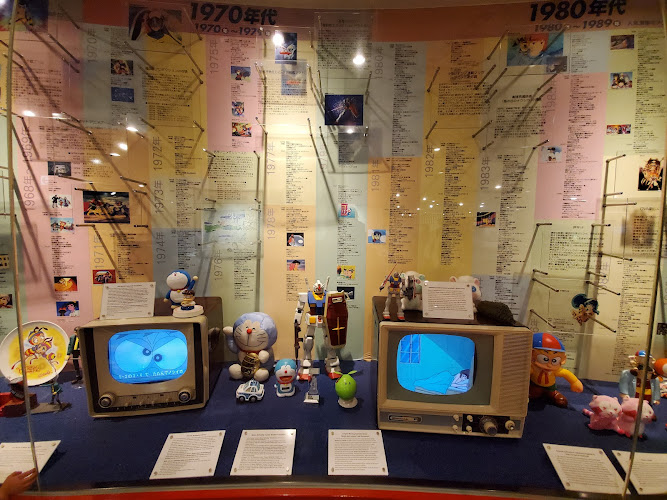
Tokyo Polytechnic University Suginami Animation Museum
Find Accommodations Nearby
Recommended Tours & Activities
Visitor Reviews
There are no reviews yet. Be the first one to write one.
Share Your Experience
Have you visited Kosugiyu? Help other travelers by leaving a review.