
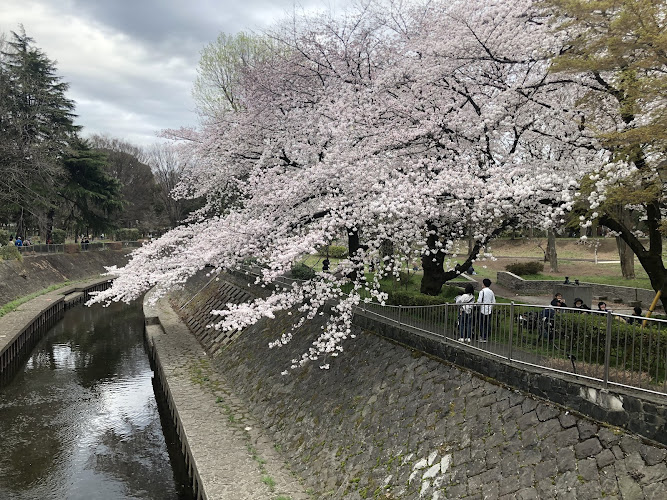
Wadabori Park
About Wadabori Park
Description
Wadabori Park stands as one of Tokyo's more understated green spaces, and honestly, that's what makes it special. Unlike the massive tourist magnets that draw enormous crowds, this riverside sanctuary offers something genuers in the city – actual breathing room. The park stretches along the waterway with twelve distinct bridges crossing the stream throughout its grounds, creating this almost maze-like quality that encourages exploration rather than following a predetermined path. What caught me off guard during my first visit was how the park manages to feel both spacious and intimate at the same time. You've got these open areas perfect for spreading out a picnic blanket, but then you'll turn a corner and find yourself in a quiet pocket where the only sound is water moving beneath one of those bridges. The two sports arenas integrate into the landscape without dominating it, and there's a shrine tucked away that most visitors stumble upon rather than seek out deliberately. The birdlife here deserves mention because it's genuinely impressive for an urban park. Early morning visits reward you with species you wouldn't expect to find in Tokyo, and I've seen families with kids armed with binoculars making a whole day of bird watching. The riverside setting creates this natural corridor for wildlife, which means the park punches above its weight in terms of biodiversity compared to similar-sized green spaces in the city.Key Features
Wadabori Park packs in amenities that cater to different types of visitors without feeling cluttered or overdeveloped:- Twelve bridges spanning the park's waterways, each with slightly different architectural character
- Two full-sized sports arenas that locals use regularly for organized games and tournaments
- Baseball field that's maintained well enough for serious play but accessible for casual visitors
- Tennis courts available for public use (though they can get busy on weekends)
- Traditional shrine offering a cultural element and quiet contemplation spot
- Extensive bird watching opportunities with seasonal migrations bringing different species
- Playground equipment including slides and swings designed for various age groups
- Wheelchair accessible entrance and parking facilities making it inclusive for all visitors
- Hiking trails suitable for families with children and those wanting gentle exercise
- Picnic tables scattered throughout, though bringing a blanket gives you more flexibility
- Public restrooms that are actually maintained (always a plus in my book)
- On-site parking that fills up during peak times but generally adequate
- Dog-friendly policies allowing leashed pets throughout most areas
- Rakuten Pay accepted for any paid facilities or services
Best Time to Visit
Timing your visit to Wadabori Park can really impact your experience, and after several trips across different seasons, I've developed some opinions about when to go. Spring brings the obvious draw of cherry blossoms, but here's the thing – this park doesn't have the massive sakura concentrations of more famous spots, which means you get pleasant blooms without the shoulder-to-shoulder crowds. Late March through early April sees the park at its prettiest, but you can actually enjoy it without jockeying for position. The weather's cooperative too, with temperatures that make walking around comfortable. Summer gets hot and humid like everywhere in Tokyo, but the riverside location provides some relief. Early mornings before 9 AM or late afternoons after 4 PM work best during July and August. I've found that summer actually offers the best bird watching since many species are actively nesting and raising young. Just bring water and sunscreen because shade isn't abundant everywhere. Autumn might be my personal favorite season here. October through November delivers comfortable temperatures and the foliage turns without the spectacle (and crowds) of famous autumn color spots. It's understated beauty, which seems to be this park's whole vibe anyway. Sports arenas get busy with fall tournaments, which adds energy if you're into that or might be something to avoid if you want serenity. Winter sees the fewest visitors, making it ideal for those who genuinely want solitude. The bare trees expose views of the waterways that summer foliage hides. It's cold, sure, but Tokyo winters are manageable with proper layering. Bird watching takes on a different character with winter migrants and species that stick around year-round becoming easier to spot. Weekdays beat weekends regardless of season, especially if you're visiting the sports facilities or want prime picnic spots. Weekend mornings see local sports leagues booking the baseball field and tennis courts, though watching a game can be entertaining if you're into grassroots athletics.How to Get There
Getting to Wadabori Park requires a bit more effort than accessing parks near major train stations, but that's partly why it stays relatively peaceful. The journey isn't complicated – it just requires accepting that you won't step directly off a train platform into the park entrance. The nearest station is Meidaimae on the Keio Line, about a 15-minute walk from the park's main entrance. And honestly, it's a pleasant walk through residential neighborhoods that give you a sense of how actual Tokyo residents live outside the tourist districts. You'll pass small shops and local restaurants that rarely see foreign visitors, which can be interesting in itself. Alternatively, Eifukucho Station on the Keio-Inokashira Line puts you roughly the same distance away but approaching from a different direction. Some visitors prefer this route because the walk takes you through slightly more commercial areas with convenience stores for grabbing drinks and snacks before entering the park. Bus routes service the area too, and for travelers staying in western Tokyo, buses might actually be more convenient than trains. Route numbers change and schedules adjust seasonally, so checking current information through Google Maps or similar navigation apps makes sense rather than relying on printed guides that quickly become outdated. Driving works if you're renting a car, with on-site parking available. But Tokyo traffic being what it is, and parking filling up during popular times, I'd only recommend driving if you're already exploring the area by car or visiting with mobility considerations that make public transit challenging. The parking lot accepts standard payment methods though notably not all the electronic payment systems – Rakuten Pay works but several others don't. Cycling is genuinely viable and probably underutilized by visitors. Tokyo's bike rental systems and relatively flat terrain in this area make pedaling a solid option. The park accommodates bicycles, though you'll need to walk them in certain sections.Tips for Visiting
After multiple visits and watching how both locals and tourists navigate Wadabori Park, I've gathered insights that'll help you make the most of your time there. Bring your own food and drinks. While you'll find vending machines for beverages, there aren't restaurants or food vendors within the park itself. The surrounding neighborhoods have options, but once you're settled into a nice spot, you won't want to trek back out. Pack a proper picnic if you're planning to stay awhile – those picnic tables are there for a reason. The twelve bridges make for an interesting self-directed walking tour. Each one has slightly different views and architectural details, and making it a goal to cross all twelve gives structure to your wandering. I've never actually counted them systematically myself, which maybe says something about how easy it is to just lose yourself in exploration here. For bird enthusiasts, bring binoculars and maybe a field guide specific to Japanese birds. The species here include ones you won't see in other countries, and having identification resources enhances the experience. Early morning right after sunrise offers the best viewing when birds are most active. If you're visiting with kids, the playground equipment is solid but nothing revolutionary. What works better is letting children explore the bridges and waterways under supervision. The varied terrain and multiple paths create natural adventure opportunities that beat manufactured play structures. Dogs are allowed but must be leashed, and honestly, the park makes a great spot for travelers who might be staying in dog-friendly accommodations and need exercise options for their pets. The hiking trails accommodate four-legged companions well, and I've noticed a friendly dog owner community that frequents the park. Sports facilities require booking for organized use, but casual visitors can often find opportunities to join pickup games, especially at the baseball field. Don't expect formal arrangements – it's more about reading the situation and politely asking if you can participate. The shrine within the park deserves respectful visiting. It's not a major tourist shrine, which means maintaining quiet and following basic etiquette (bowing before entering, not photographing people praying) matters more than at heavily touristed sites where such behavior is unfortunately common. Wheelchair accessibility is genuinely good here compared to many Tokyo parks, but the multiple bridges mean some routes work better than others for mobility devices. The main paths are paved and graded reasonably well. Photography opportunities are solid throughout the year, though you won't get iconic shots that define Tokyo tourism. Instead, you'll capture moments of everyday Japanese park life and natural beauty that feel authentic rather than staged. The bridges over water create nice compositional elements. Bathrooms exist and are maintained, but carrying tissues or toilet paper is smart since Japanese public facilities sometimes run out. Hand sanitizer isn't a bad idea either, though facilities here are better than average. Rainy days transform the park into something quite different, and if you don't mind getting a bit wet, the sound of rain on the water and the absence of other visitors creates a meditative atmosphere. Just watch your footing on bridges and paths that can get slippery.Key Features
- Long riverside promenade along the Zenpukuji River
- Cherry trees and seasonal blossoms popular in April
- Ponds and wooded areas supporting birdlife
- Multiple bridges (about 12) linking the park’s stretches
- Benches, lawns and quiet picnic-friendly spaces
More Details
Updated March 30, 2026
Table of Contents
Description
Wadabori Park stands as one of Tokyo’s more understated green spaces, and honestly, that’s what makes it special. Unlike the massive tourist magnets that draw enormous crowds, this riverside sanctuary offers something genuers in the city – actual breathing room. The park stretches along the waterway with twelve distinct bridges crossing the stream throughout its grounds, creating this almost maze-like quality that encourages exploration rather than following a predetermined path.
What caught me off guard during my first visit was how the park manages to feel both spacious and intimate at the same time. You’ve got these open areas perfect for spreading out a picnic blanket, but then you’ll turn a corner and find yourself in a quiet pocket where the only sound is water moving beneath one of those bridges. The two sports arenas integrate into the landscape without dominating it, and there’s a shrine tucked away that most visitors stumble upon rather than seek out deliberately.
The birdlife here deserves mention because it’s genuinely impressive for an urban park. Early morning visits reward you with species you wouldn’t expect to find in Tokyo, and I’ve seen families with kids armed with binoculars making a whole day of bird watching. The riverside setting creates this natural corridor for wildlife, which means the park punches above its weight in terms of biodiversity compared to similar-sized green spaces in the city.
Key Features
Wadabori Park packs in amenities that cater to different types of visitors without feeling cluttered or overdeveloped:
- Twelve bridges spanning the park’s waterways, each with slightly different architectural character
- Two full-sized sports arenas that locals use regularly for organized games and tournaments
- Baseball field that’s maintained well enough for serious play but accessible for casual visitors
- Tennis courts available for public use (though they can get busy on weekends)
- Traditional shrine offering a cultural element and quiet contemplation spot
- Extensive bird watching opportunities with seasonal migrations bringing different species
- Playground equipment including slides and swings designed for various age groups
- Wheelchair accessible entrance and parking facilities making it inclusive for all visitors
- Hiking trails suitable for families with children and those wanting gentle exercise
- Picnic tables scattered throughout, though bringing a blanket gives you more flexibility
- Public restrooms that are actually maintained (always a plus in my book)
- On-site parking that fills up during peak times but generally adequate
- Dog-friendly policies allowing leashed pets throughout most areas
- Rakuten Pay accepted for any paid facilities or services
Best Time to Visit
Timing your visit to Wadabori Park can really impact your experience, and after several trips across different seasons, I’ve developed some opinions about when to go.
Spring brings the obvious draw of cherry blossoms, but here’s the thing – this park doesn’t have the massive sakura concentrations of more famous spots, which means you get pleasant blooms without the shoulder-to-shoulder crowds. Late March through early April sees the park at its prettiest, but you can actually enjoy it without jockeying for position. The weather’s cooperative too, with temperatures that make walking around comfortable.
Summer gets hot and humid like everywhere in Tokyo, but the riverside location provides some relief. Early mornings before 9 AM or late afternoons after 4 PM work best during July and August. I’ve found that summer actually offers the best bird watching since many species are actively nesting and raising young. Just bring water and sunscreen because shade isn’t abundant everywhere.
Autumn might be my personal favorite season here. October through November delivers comfortable temperatures and the foliage turns without the spectacle (and crowds) of famous autumn color spots. It’s understated beauty, which seems to be this park’s whole vibe anyway. Sports arenas get busy with fall tournaments, which adds energy if you’re into that or might be something to avoid if you want serenity.
Winter sees the fewest visitors, making it ideal for those who genuinely want solitude. The bare trees expose views of the waterways that summer foliage hides. It’s cold, sure, but Tokyo winters are manageable with proper layering. Bird watching takes on a different character with winter migrants and species that stick around year-round becoming easier to spot.
Weekdays beat weekends regardless of season, especially if you’re visiting the sports facilities or want prime picnic spots. Weekend mornings see local sports leagues booking the baseball field and tennis courts, though watching a game can be entertaining if you’re into grassroots athletics.
How to Get There
Getting to Wadabori Park requires a bit more effort than accessing parks near major train stations, but that’s partly why it stays relatively peaceful. The journey isn’t complicated – it just requires accepting that you won’t step directly off a train platform into the park entrance.
The nearest station is Meidaimae on the Keio Line, about a 15-minute walk from the park’s main entrance. And honestly, it’s a pleasant walk through residential neighborhoods that give you a sense of how actual Tokyo residents live outside the tourist districts. You’ll pass small shops and local restaurants that rarely see foreign visitors, which can be interesting in itself.
Alternatively, Eifukucho Station on the Keio-Inokashira Line puts you roughly the same distance away but approaching from a different direction. Some visitors prefer this route because the walk takes you through slightly more commercial areas with convenience stores for grabbing drinks and snacks before entering the park.
Bus routes service the area too, and for travelers staying in western Tokyo, buses might actually be more convenient than trains. Route numbers change and schedules adjust seasonally, so checking current information through Google Maps or similar navigation apps makes sense rather than relying on printed guides that quickly become outdated.
Driving works if you’re renting a car, with on-site parking available. But Tokyo traffic being what it is, and parking filling up during popular times, I’d only recommend driving if you’re already exploring the area by car or visiting with mobility considerations that make public transit challenging. The parking lot accepts standard payment methods though notably not all the electronic payment systems – Rakuten Pay works but several others don’t.
Cycling is genuinely viable and probably underutilized by visitors. Tokyo’s bike rental systems and relatively flat terrain in this area make pedaling a solid option. The park accommodates bicycles, though you’ll need to walk them in certain sections.
Tips for Visiting
After multiple visits and watching how both locals and tourists navigate Wadabori Park, I’ve gathered insights that’ll help you make the most of your time there.
Bring your own food and drinks. While you’ll find vending machines for beverages, there aren’t restaurants or food vendors within the park itself. The surrounding neighborhoods have options, but once you’re settled into a nice spot, you won’t want to trek back out. Pack a proper picnic if you’re planning to stay awhile – those picnic tables are there for a reason.
The twelve bridges make for an interesting self-directed walking tour. Each one has slightly different views and architectural details, and making it a goal to cross all twelve gives structure to your wandering. I’ve never actually counted them systematically myself, which maybe says something about how easy it is to just lose yourself in exploration here.
For bird enthusiasts, bring binoculars and maybe a field guide specific to Japanese birds. The species here include ones you won’t see in other countries, and having identification resources enhances the experience. Early morning right after sunrise offers the best viewing when birds are most active.
If you’re visiting with kids, the playground equipment is solid but nothing revolutionary. What works better is letting children explore the bridges and waterways under supervision. The varied terrain and multiple paths create natural adventure opportunities that beat manufactured play structures.
Dogs are allowed but must be leashed, and honestly, the park makes a great spot for travelers who might be staying in dog-friendly accommodations and need exercise options for their pets. The hiking trails accommodate four-legged companions well, and I’ve noticed a friendly dog owner community that frequents the park.
Sports facilities require booking for organized use, but casual visitors can often find opportunities to join pickup games, especially at the baseball field. Don’t expect formal arrangements – it’s more about reading the situation and politely asking if you can participate.
The shrine within the park deserves respectful visiting. It’s not a major tourist shrine, which means maintaining quiet and following basic etiquette (bowing before entering, not photographing people praying) matters more than at heavily touristed sites where such behavior is unfortunately common.
Wheelchair accessibility is genuinely good here compared to many Tokyo parks, but the multiple bridges mean some routes work better than others for mobility devices. The main paths are paved and graded reasonably well.
Photography opportunities are solid throughout the year, though you won’t get iconic shots that define Tokyo tourism. Instead, you’ll capture moments of everyday Japanese park life and natural beauty that feel authentic rather than staged. The bridges over water create nice compositional elements.
Bathrooms exist and are maintained, but carrying tissues or toilet paper is smart since Japanese public facilities sometimes run out. Hand sanitizer isn’t a bad idea either, though facilities here are better than average.
Rainy days transform the park into something quite different, and if you don’t mind getting a bit wet, the sound of rain on the water and the absence of other visitors creates a meditative atmosphere. Just watch your footing on bridges and paths that can get slippery.
Key Highlights
- Long riverside promenade along the Zenpukuji River
- Cherry trees and seasonal blossoms popular in April
- Ponds and wooded areas supporting birdlife
- Multiple bridges (about 12) linking the park’s stretches
- Benches, lawns and quiet picnic-friendly spaces
Location
Places to Stay Near Wadabori Park
Find and Book a Tour
Explore More Travel Guides
No reviews found! Be the first to review!
Wadabori Park is a prominent attractions located in Suginami City.
Visit us at: 2 Chome-23 Omiya, Suginami City, Tokyo 168-0061, Japan.
Traveler Reviews for Wadabori Park
There are no reviews yet. Be the first one to write one.
Have you visited Wadabori Park? Help other travelers by sharing your review.
Nearby Attractions
You Might Also Like
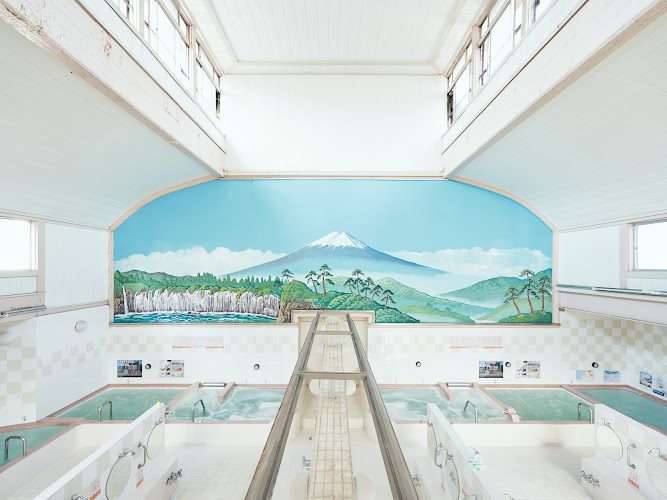
Kosugiyu
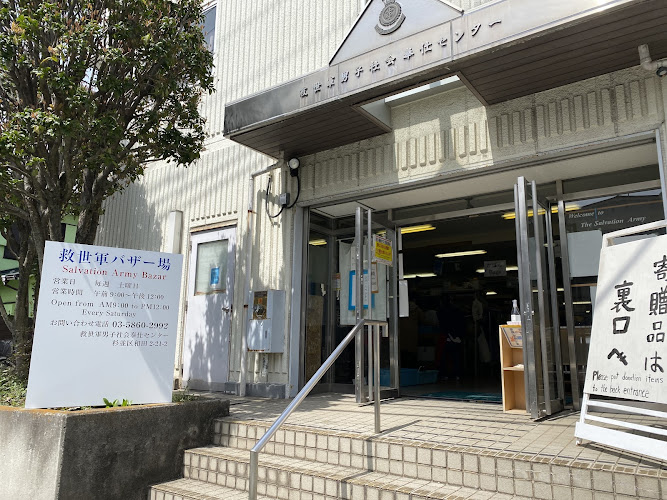
Salvation Army Bazaar Wada
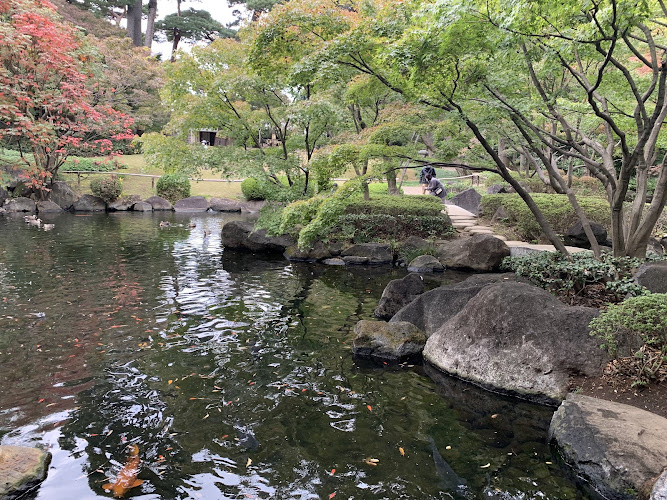
Otaguro Park
Find Accommodations Nearby
Recommended Tours & Activities
Visitor Reviews
There are no reviews yet. Be the first one to write one.
Share Your Experience
Have you visited Wadabori Park? Help other travelers by leaving a review.