
Иркутский областной художественный музей им. В.П. Сукачева
About Иркутский областной художественный музей им. В.П. Сукачева
Description
Travelers seeking authentic experiences sometimes stumble upon places that leave them scratching their heads, and honestly, this particular location seems to fall into that category. Without specific details about what makes this destination unique or even basic information about its character, it's challenging to paint a complete picture. But let me share what's important here – sometimes the most memorable travel moments come from places that aren't heavily documented or overly commercialized. What strikes me about exploring lesser-known destinations is how they force you to become more present and observant. I remember visiting a small town once where I had almost no information beforehand, and that lack of expectations actually enhanced the experience. You're not trying to check boxes or recreate Instagram photos you've seen a hundred times. Instead, you're genuinely discovering things as they unfold. The truth is, when a place doesn't have extensively detailed information readily available, it often means one of two things: either it's genuinely off the beaten path and waiting to be discovered, or it might not offer the robust tourist infrastructure that travelers typically expect. Both scenarios have their merits and drawbacks, depending on what kind of adventurer you are. For those considering a visit, understanding your own travel style becomes crucial. Are you someone who needs detailed itineraries and well-established tourist amenities? Or do you thrive in situations where you need to figure things out as you go, maybe asking locals for recommendations and stumbling upon hidden gems that no guidebook mentions?Key Features
Drawing from general travel wisdom and the reality that many destinations offer their own special characteristics, here's what visitors should typically look for when exploring any location: • Opportunities to interact with local communities and understand daily life beyond tourist zones • Natural surroundings or architectural elements that reflect regional character and history • Food establishments serving authentic cuisine that locals actually eat rather than tourist-focused restaurants • Seasonal changes that dramatically alter the landscape or available activities throughout the year • Walking paths or areas suitable for exploration on foot where you can maintain a slower pace • Potential for unexpected discoveries that aren't necessarily highlighted in mainstream travel resources • Quiet moments away from crowds where genuine reflection and observation become possible • Local markets or gathering places where community life unfolds naturally • Photography opportunities that capture authentic moments rather than staged tourist scenes • Cultural practices or traditions that visitors can respectfully observe or participate in What I've learned from years of wandering around different places is that the features that stick with you aren't always the ones listed in brochures. Sometimes it's the way afternoon light hits a particular building, or how a street vendor smiled when you butchered the local language trying to order food.Best Time to Visit
Timing your visit to any destination requires thinking beyond just weather patterns, though those certainly matter. The best time to visit really depends on what you're hoping to experience and, frankly, how much you're willing to deal with other tourists or less-than-perfect conditions. Most travelers instinctively plan trips during peak seasons when weather is most reliable and comfortable. But here's the thing – that's also when prices skyrocket and authentic experiences become harder to find because everything's geared toward accommodating maximum tourist volume. I've had some of my best travel experiences during shoulder seasons when things are a bit quieter and locals have more time to actually engage with visitors. Consider what matters most for your visit. If you're someone who needs guaranteed sunshine and warm temperatures, then typical high season makes sense despite the crowds. But if you're more interested in cultural immersion and don't mind potentially unpredictable weather, visiting during off-peak times often provides richer, more memorable experiences. Weather patterns vary dramatically depending on geographic location, so researching climate specifics for your intended destination becomes essential. Some places experience monsoon seasons that make travel genuinely difficult, while others just have slightly cooler temperatures that don't really impact enjoyment much. Local festivals and cultural events can make or break a visit too. Arriving during significant celebrations provides incredible insight into local traditions, though it also means accommodations get booked quickly and prices increase. Conversely, some businesses close during major holidays, which could limit your options. And don't underestimate the impact of tourist volume on your experience. There's something soul-crushing about visiting a beautiful location only to spend most of your time waiting in lines or jockeying for position to take photos. Sometimes visiting during less popular months means you actually get to enjoy places rather than just briefly glimpsing them between crowds.How to Get There
Getting to any destination nowadays involves multiple considerations beyond just booking a flight or hopping in your car. The journey itself shapes your overall experience more than people often realize. For locations without detailed publicly available information, researching transportation options becomes even more critical. Start by identifying the nearest major city or transportation hub, then work backward from there. Most places connect to larger regional centers through some combination of buses, trains, rental cars, or local transportation services. Air travel typically gets you to major airports, but then you need to figure out that last leg of the journey. And honestly, that final stretch often provides some of the most interesting travel moments. I once took a three-hour bus ride through countryside to reach a small town, and the journey itself became a highlight because I got to observe daily life and landscapes I would have completely missed flying directly in. If you're driving, having reliable navigation tools makes a huge difference, though don't become completely dependent on technology. Apps fail, signals disappear, and sometimes old-fashioned paper maps or asking locals for directions works better than blindly following GPS into questionable situations. Public transportation offers authentic experiences and environmental benefits, though it requires more patience and flexibility. Schedules don't always align perfectly with tourist preferences, and you might need to adjust your plans based on available departure times. Consider arriving during daylight hours when possible, especially for unfamiliar destinations. Navigating new places after dark adds unnecessary stress and safety concerns. Build buffer time into your travel plans because connections get missed, traffic happens, and things rarely go exactly according to schedule.Tips for Visiting
Successful travel to any location requires preparation mixed with flexibility, and I can't stress enough how important that balance is. Over-planning creates rigid expectations that lead to disappointment, while under-planning can result in missed opportunities and frustration. Pack appropriately for the climate and activities you're anticipating, but also bring layers and versatile clothing that works in multiple situations. Weather changes, plans shift, and that fancy outfit you packed might never leave your suitcase while the comfortable walking shoes get worn every single day. Cash still matters in many places, even in our increasingly digital world. While cards work great in established tourist areas, smaller establishments, local markets, and transportation options often operate cash-only. Having local currency eliminates barriers to authentic experiences. Learn a few basic phrases in the local language if you're visiting somewhere with a different primary language. Even clumsy attempts at communication show respect and often open doors that remain closed to tourists who don't bother trying. People appreciate effort, and a simple "hello" or "thank you" in their language goes surprisingly far. Respect local customs and dress codes, especially when visiting religious sites or conservative communities. What seems normal in your home culture might be offensive elsewhere, and ignorance doesn't excuse inappropriate behavior. A bit of research beforehand prevents awkward situations and shows cultural sensitivity. Stay flexible with your itinerary. The best travel experiences often happen spontaneously when you allow room for unexpected opportunities. That local festival you stumble upon, the restaurant recommended by someone you met, or the detour that leads somewhere you never would have planned to visit – these unscripted moments often become your favorite memories. Document your experiences through photos and notes, but don't spend the entire trip behind a camera screen. Finding balance between capturing memories and actually living in the moment takes conscious effort. Some of my most treasured travel memories exist only in my head because I was too busy experiencing them to photograph them. Stay aware of your surroundings without being paranoid. Trust your instincts about situations and people, but don't let fear prevent you from engaging with your destination. Most places are safer than sensationalized news coverage suggests, though basic precautions always make sense. Finally, embrace the reality that things will go wrong. You'll get lost, misunderstand something, maybe eat something that doesn't agree with you, or face unexpected challenges. These moments test your adaptability and often become the best stories you tell when you get home. Travel isn't about perfection – it's about experience, growth, and stepping outside your comfortable routine into something different and often wonderfully unpredictable.Key Features
- Коллекция русского и сибирского изобразительного искусства XIX–XX вв.
- Редкие региональные полотна и иконы
- Историческое здание и усадебные интерьеры
- Временные выставки современных художников
- Образовательные программы и экскурсии
More Details
Updated March 30, 2026
Table of Contents
- Description
- Key Features
- Best Time to Visit
- How to Get There
- Tips for Visiting
- Key Highlights
- Location
- Places to Stay Near Иркутский областной художественный музей им. В.П. Сукачева
- Find and Book a Tour
- Explore More Travel Guides
- Nearby Places You Might Like
- Traveler Reviews for Иркутский областной художественный музей им. В.П. Сукачева
- Share Your Experience
Description
Travelers seeking authentic experiences sometimes stumble upon places that leave them scratching their heads, and honestly, this particular location seems to fall into that category. Without specific details about what makes this destination unique or even basic information about its character, it’s challenging to paint a complete picture. But let me share what’s important here – sometimes the most memorable travel moments come from places that aren’t heavily documented or overly commercialized.
What strikes me about exploring lesser-known destinations is how they force you to become more present and observant. I remember visiting a small town once where I had almost no information beforehand, and that lack of expectations actually enhanced the experience. You’re not trying to check boxes or recreate Instagram photos you’ve seen a hundred times. Instead, you’re genuinely discovering things as they unfold.
The truth is, when a place doesn’t have extensively detailed information readily available, it often means one of two things: either it’s genuinely off the beaten path and waiting to be discovered, or it might not offer the robust tourist infrastructure that travelers typically expect. Both scenarios have their merits and drawbacks, depending on what kind of adventurer you are.
For those considering a visit, understanding your own travel style becomes crucial. Are you someone who needs detailed itineraries and well-established tourist amenities? Or do you thrive in situations where you need to figure things out as you go, maybe asking locals for recommendations and stumbling upon hidden gems that no guidebook mentions?
Key Features
Drawing from general travel wisdom and the reality that many destinations offer their own special characteristics, here’s what visitors should typically look for when exploring any location:
• Opportunities to interact with local communities and understand daily life beyond tourist zones
• Natural surroundings or architectural elements that reflect regional character and history
• Food establishments serving authentic cuisine that locals actually eat rather than tourist-focused restaurants
• Seasonal changes that dramatically alter the landscape or available activities throughout the year
• Walking paths or areas suitable for exploration on foot where you can maintain a slower pace
• Potential for unexpected discoveries that aren’t necessarily highlighted in mainstream travel resources
• Quiet moments away from crowds where genuine reflection and observation become possible
• Local markets or gathering places where community life unfolds naturally
• Photography opportunities that capture authentic moments rather than staged tourist scenes
• Cultural practices or traditions that visitors can respectfully observe or participate in
What I’ve learned from years of wandering around different places is that the features that stick with you aren’t always the ones listed in brochures. Sometimes it’s the way afternoon light hits a particular building, or how a street vendor smiled when you butchered the local language trying to order food.
Best Time to Visit
Timing your visit to any destination requires thinking beyond just weather patterns, though those certainly matter. The best time to visit really depends on what you’re hoping to experience and, frankly, how much you’re willing to deal with other tourists or less-than-perfect conditions.
Most travelers instinctively plan trips during peak seasons when weather is most reliable and comfortable. But here’s the thing – that’s also when prices skyrocket and authentic experiences become harder to find because everything’s geared toward accommodating maximum tourist volume. I’ve had some of my best travel experiences during shoulder seasons when things are a bit quieter and locals have more time to actually engage with visitors.
Consider what matters most for your visit. If you’re someone who needs guaranteed sunshine and warm temperatures, then typical high season makes sense despite the crowds. But if you’re more interested in cultural immersion and don’t mind potentially unpredictable weather, visiting during off-peak times often provides richer, more memorable experiences.
Weather patterns vary dramatically depending on geographic location, so researching climate specifics for your intended destination becomes essential. Some places experience monsoon seasons that make travel genuinely difficult, while others just have slightly cooler temperatures that don’t really impact enjoyment much.
Local festivals and cultural events can make or break a visit too. Arriving during significant celebrations provides incredible insight into local traditions, though it also means accommodations get booked quickly and prices increase. Conversely, some businesses close during major holidays, which could limit your options.
And don’t underestimate the impact of tourist volume on your experience. There’s something soul-crushing about visiting a beautiful location only to spend most of your time waiting in lines or jockeying for position to take photos. Sometimes visiting during less popular months means you actually get to enjoy places rather than just briefly glimpsing them between crowds.
How to Get There
Getting to any destination nowadays involves multiple considerations beyond just booking a flight or hopping in your car. The journey itself shapes your overall experience more than people often realize.
For locations without detailed publicly available information, researching transportation options becomes even more critical. Start by identifying the nearest major city or transportation hub, then work backward from there. Most places connect to larger regional centers through some combination of buses, trains, rental cars, or local transportation services.
Air travel typically gets you to major airports, but then you need to figure out that last leg of the journey. And honestly, that final stretch often provides some of the most interesting travel moments. I once took a three-hour bus ride through countryside to reach a small town, and the journey itself became a highlight because I got to observe daily life and landscapes I would have completely missed flying directly in.
If you’re driving, having reliable navigation tools makes a huge difference, though don’t become completely dependent on technology. Apps fail, signals disappear, and sometimes old-fashioned paper maps or asking locals for directions works better than blindly following GPS into questionable situations.
Public transportation offers authentic experiences and environmental benefits, though it requires more patience and flexibility. Schedules don’t always align perfectly with tourist preferences, and you might need to adjust your plans based on available departure times.
Consider arriving during daylight hours when possible, especially for unfamiliar destinations. Navigating new places after dark adds unnecessary stress and safety concerns. Build buffer time into your travel plans because connections get missed, traffic happens, and things rarely go exactly according to schedule.
Tips for Visiting
Successful travel to any location requires preparation mixed with flexibility, and I can’t stress enough how important that balance is. Over-planning creates rigid expectations that lead to disappointment, while under-planning can result in missed opportunities and frustration.
Pack appropriately for the climate and activities you’re anticipating, but also bring layers and versatile clothing that works in multiple situations. Weather changes, plans shift, and that fancy outfit you packed might never leave your suitcase while the comfortable walking shoes get worn every single day.
Cash still matters in many places, even in our increasingly digital world. While cards work great in established tourist areas, smaller establishments, local markets, and transportation options often operate cash-only. Having local currency eliminates barriers to authentic experiences.
Learn a few basic phrases in the local language if you’re visiting somewhere with a different primary language. Even clumsy attempts at communication show respect and often open doors that remain closed to tourists who don’t bother trying. People appreciate effort, and a simple “hello” or “thank you” in their language goes surprisingly far.
Respect local customs and dress codes, especially when visiting religious sites or conservative communities. What seems normal in your home culture might be offensive elsewhere, and ignorance doesn’t excuse inappropriate behavior. A bit of research beforehand prevents awkward situations and shows cultural sensitivity.
Stay flexible with your itinerary. The best travel experiences often happen spontaneously when you allow room for unexpected opportunities. That local festival you stumble upon, the restaurant recommended by someone you met, or the detour that leads somewhere you never would have planned to visit – these unscripted moments often become your favorite memories.
Document your experiences through photos and notes, but don’t spend the entire trip behind a camera screen. Finding balance between capturing memories and actually living in the moment takes conscious effort. Some of my most treasured travel memories exist only in my head because I was too busy experiencing them to photograph them.
Stay aware of your surroundings without being paranoid. Trust your instincts about situations and people, but don’t let fear prevent you from engaging with your destination. Most places are safer than sensationalized news coverage suggests, though basic precautions always make sense.
Finally, embrace the reality that things will go wrong. You’ll get lost, misunderstand something, maybe eat something that doesn’t agree with you, or face unexpected challenges. These moments test your adaptability and often become the best stories you tell when you get home. Travel isn’t about perfection – it’s about experience, growth, and stepping outside your comfortable routine into something different and often wonderfully unpredictable.
Key Highlights
- Коллекция русского и сибирского изобразительного искусства XIX–XX вв.
- Редкие региональные полотна и иконы
- Историческое здание и усадебные интерьеры
- Временные выставки современных художников
- Образовательные программы и экскурсии
Location
Places to Stay Near Иркутский областной художественный музей им. В.П. Сукачева
Find and Book a Tour
Explore More Travel Guides
No reviews found! Be the first to review!
Иркутский областной художественный музей им. В.П. Сукачева is a prominent Attractions located in Irkutsk.
Visit us at: ulitsa Lenina, 5, Irkutsk, Irkutsk Oblast, Russia, 664025.
Traveler Reviews for Иркутский областной художественный музей им. В.П. Сукачева
There are no reviews yet. Be the first one to write one.
Have you visited Иркутский областной художественный музей им. В.П. Сукачева? Help other travelers by sharing your review.
Nearby Attractions
You Might Also Like
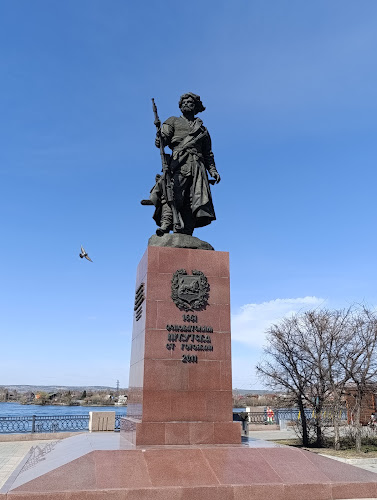
Nizhnyaya Naberezhnaya Angary
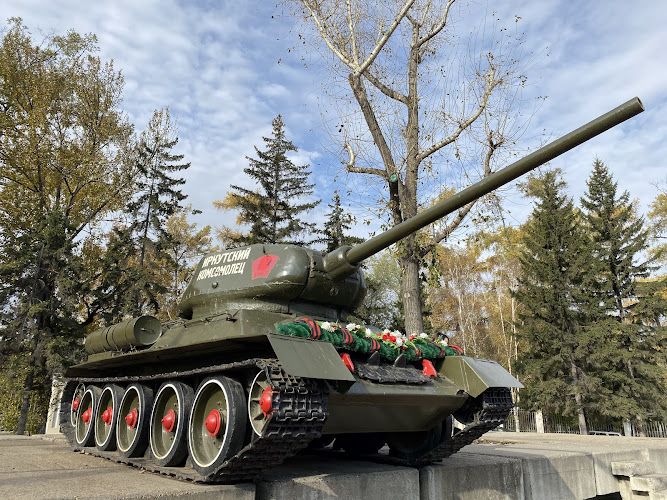
Tank «Irkutsk Komsomolets»
Church Of The Savior Of The Holy Face
Find Accommodations Nearby
Recommended Tours & Activities
Visitor Reviews
There are no reviews yet. Be the first one to write one.
Share Your Experience
Have you visited Иркутский областной художественный музей им. В.П. Сукачева? Help other travelers by leaving a review.