
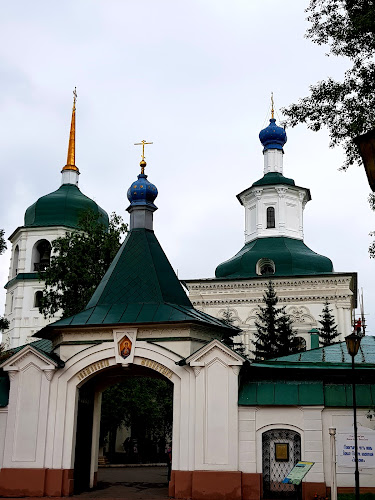
znamensky monastery
About znamensky monastery
Description
Znamensky Monastery stands as one of those remarkable religious sites that manages to transport visitors back through centuries of Russian Orthodox tradition while still maintaining its active role as a functioning convent today. The complex has weathered storms—both literal and historical—and what you'll find when you visit is a place that breathes with authentic spirituality rather than feeling like a museum piece frozen in time. The monastery operates primarily as a convent, which means you're stepping into a living community of nuns who continue their daily devotions and work within these sacred walls. And honestly, that's what makes it special. There's something profoundly moving about walking through grounds where faith has been practiced continuously, where the rhythms of prayer and work continue as they have for generations. What draws many visitors beyond its religious significance is the presence of notable tombs within the grounds. These burial sites connect the monastery to broader Russian history, making it a destination for those interested in the historical figures who shaped the region. I've found that travelers often stumble upon this place while researching other attractions and then realize it deserves a dedicated visit all its own. The architecture reflects traditional Russian Orthodox design principles, with buildings that might not scream for attention from a distance but reveal their beauty in details—the way light filters through windows during evening prayers, the worn stone steps that countless faithful have climbed, the painted icons that seem to glow with an inner warmth. But don't expect pristine preservation everywhere. This is a working monastery, and it shows its age in ways that feel honest rather than neglected.Key Features
The Znamensky Monastery offers several distinctive elements that make it worth adding to your travel itinerary: • Active Religious Community: Unlike many historical sites that function purely as museums, this remains a working convent where nuns maintain their religious observances daily. Visitors can witness authentic Orthodox Christian practices rather than staged performances. • Historical Tombs: The monastery grounds contain significant burial sites that connect visitors to important figures in Russian history. These tombs serve as pilgrimage destinations for many who come to pay respects. • Wheelchair Accessibility: The monastery has made genuine efforts to accommodate visitors with mobility challenges, featuring wheelchair-accessible entrances and parking areas. This isn't something you find at every historical religious site, especially older ones. • Restroom Facilities: Practical amenities matter when you're planning a visit, and the availability of proper restroom facilities means you can comfortably spend time exploring without worry. • Orthodox Architecture: The buildings showcase traditional design elements characteristic of Russian Orthodox religious structures, offering photography enthusiasts and architecture buffs plenty to appreciate. • Peaceful Atmosphere: Despite being accessible to tourists, the monastery maintains a contemplative environment that allows for quiet reflection away from the noise of modern life. • Icon Collection: Throughout the grounds and within the churches, you'll encounter religious icons that range from centuries-old pieces to more contemporary works, all actively used in worship.Best Time to Visit
Timing your visit to Znamensky Monastery can significantly impact your experience, and I'd say this matters more here than at typical tourist attractions because religious observances follow their own calendar. The shoulder seasons—late spring (May) and early autumn (September)—offer perhaps the sweetest spot for visiting. The weather cooperates nicely during these months, neither too hot nor bitterly cold, which matters when you'll be walking around outdoor spaces and potentially standing during services. Plus, you'll encounter fewer tour groups competing for space during these periods. Summer months bring the warmest weather and longest daylight hours, giving you maximum time to explore. But here's the thing—summer also brings the crowds. If you don't mind sharing the space with other travelers and can handle warmer temperatures, summer works fine. The monastery stays relatively peaceful compared to major tourist attractions, but you'll definitely notice increased foot traffic. Winter visits have their own particular magic. There's something about Orthodox churches in winter that feels especially authentic—maybe it's the cold air mixing with incense, or the way candlelight seems warmer against snow and frost. But be prepared for serious cold if you're not used to Russian winters. Dress in layers, bring proper footwear, and check whether all areas of the monastery remain accessible during winter months. For experiencing the monastery during religious services, early morning visits reveal the community at its most contemplative. Vespers services in the evening also provide beautiful experiences, especially when chanted prayers echo through the spaces. Orthodox feast days and major holidays see the most elaborate services, though they also attract more visitors and require respectful observation from appropriate distances. Weekdays generally offer quieter visiting conditions than weekends. If you're seeking that peaceful, contemplative atmosphere, consider planning your visit for a Tuesday or Wednesday morning.How to Get There
Getting to Znamensky Monastery requires some planning, but it's far from impossible, even for international travelers still getting their bearings in Russia. Public transportation typically offers the most straightforward option for most visitors. Depending on which city you're traveling from, you'll want to research the specific bus or trolley routes that serve the area near the monastery. Local buses usually run regularly during daytime hours, though frequency decreases in the evenings. I'd recommend downloading offline maps before your journey—cell service can be spotty, and having navigation that doesn't depend on data has saved me more times than I can count. If you're coming by taxi or ride-sharing service, the wheelchair-accessible parking lot provides convenient drop-off points. Ride-sharing apps have become increasingly reliable in Russian cities, offering a comfortable middle ground between expensive private taxis and figuring out public transit with limited language skills. For those renting cars, the parking situation accommodates visitors well, with designated accessible spaces. Just remember that Russian driving conventions might differ from what you're accustomed to back home—road signs, right-of-way rules, and parking customs all require attention. Many travelers find that booking a organized tour that includes the monastery makes logistical sense, especially when combining it with other regional attractions. These tours handle transportation and often provide English-speaking guides who can explain historical and religious context you might otherwise miss. Walking to the monastery works if your accommodation sits within reasonable distance. Check the actual walking time though—maps sometimes underestimate how long routes take when you factor in unfamiliar streets and stopping to orient yourself. Whatever transportation method you choose, build in extra time. Places like this deserve unhurried exploration, and arriving stressed because you're running late defeats the purpose of visiting a contemplative religious site.Tips for Visiting
Making the most of your Znamensky Monastery visit means preparing appropriately and approaching the space with proper respect for its religious function. Dress Code Matters: This isn't a suggestion—it's a requirement. Women should wear skirts or dresses that cover the knees and bring a headscarf to cover their hair. Men need long pants and should remove hats upon entering religious buildings. Some monasteries keep loaner skirts and scarves available, but don't count on it. Bringing your own ensures you're prepared. And look, I know it might feel outdated to modern sensibilities, but this is their sacred space operating according to their traditions. Respecting the dress code shows you understand that distinction. Photography Restrictions: Always ask permission before photographing anything, especially inside church buildings. Many Orthodox sites prohibit photography during services, and some ban it entirely within certain sacred spaces. Even when photography is permitted, avoid using flash, which disrupts both worship and the contemplative atmosphere. Taking photos of nuns without explicit permission is generally considered inappropriate. Service Etiquette: If you attend a service, plan to stand—Orthodox churches typically don't provide seating except for elderly or infirm visitors. Services can last several hours, so be realistic about your endurance. You're welcome to arrive late or leave early if needed, but do so quietly and at appropriate moments, not during particularly solemn portions of the liturgy. Silence and Respect: Keep your voice low throughout the grounds. This remains an active religious community, and maintaining a respectful atmosphere matters. Put your phone on silent, and honestly, consider leaving it in your bag except for necessary photos. Bring Cash: Many monasteries accept donations or sell religious items, candles, and icons. These transactions typically happen in cash, often in smaller denominations. Card readers aren't universal in religious institutions. Plan for Weather: Many areas exist outdoors or in unheated buildings. Dress appropriately for the season, remembering that stone buildings stay cool even in summer. Learn Basic Russian Phrases: While some nuns or staff might speak other languages, don't assume English will be widely available. Learning basic polite phrases in Russian—hello, thank you, excuse me—demonstrates respect and helps communication. Restroom Location: Upon arrival, locate the restroom facilities so you know where they are if needed. Better to know in advance than search frantically later. Mobility Considerations: While wheelchair-accessible features exist, some areas of historic monasteries simply can't be made fully accessible without compromising their structure. If you have specific accessibility needs, consider calling ahead to ask about particular buildings or areas you want to visit. Visit Duration: Budget at least 90 minutes to two hours for a meaningful visit. Rushing through defeats the purpose. This type of place reveals itself gradually, not in Instagram-ready moments. The Znamensky Monastery rewards visitors who approach it with genuine curiosity and respect for its dual nature as both historical site and living religious community. You're not just looking at history—you're stepping into a space where that history continues to unfold daily.Key Features
- Key Features
- Best Time to Visit
- How to Get There
- Tips for Visiting
More Details
Updated March 30, 2026
Table of Contents
Description
Znamensky Monastery stands as one of those remarkable religious sites that manages to transport visitors back through centuries of Russian Orthodox tradition while still maintaining its active role as a functioning convent today. The complex has weathered storms—both literal and historical—and what you’ll find when you visit is a place that breathes with authentic spirituality rather than feeling like a museum piece frozen in time.
The monastery operates primarily as a convent, which means you’re stepping into a living community of nuns who continue their daily devotions and work within these sacred walls. And honestly, that’s what makes it special. There’s something profoundly moving about walking through grounds where faith has been practiced continuously, where the rhythms of prayer and work continue as they have for generations.
What draws many visitors beyond its religious significance is the presence of notable tombs within the grounds. These burial sites connect the monastery to broader Russian history, making it a destination for those interested in the historical figures who shaped the region. I’ve found that travelers often stumble upon this place while researching other attractions and then realize it deserves a dedicated visit all its own.
The architecture reflects traditional Russian Orthodox design principles, with buildings that might not scream for attention from a distance but reveal their beauty in details—the way light filters through windows during evening prayers, the worn stone steps that countless faithful have climbed, the painted icons that seem to glow with an inner warmth. But don’t expect pristine preservation everywhere. This is a working monastery, and it shows its age in ways that feel honest rather than neglected.
Key Features
The Znamensky Monastery offers several distinctive elements that make it worth adding to your travel itinerary:
• Active Religious Community: Unlike many historical sites that function purely as museums, this remains a working convent where nuns maintain their religious observances daily. Visitors can witness authentic Orthodox Christian practices rather than staged performances.
• Historical Tombs: The monastery grounds contain significant burial sites that connect visitors to important figures in Russian history. These tombs serve as pilgrimage destinations for many who come to pay respects.
• Wheelchair Accessibility: The monastery has made genuine efforts to accommodate visitors with mobility challenges, featuring wheelchair-accessible entrances and parking areas. This isn’t something you find at every historical religious site, especially older ones.
• Restroom Facilities: Practical amenities matter when you’re planning a visit, and the availability of proper restroom facilities means you can comfortably spend time exploring without worry.
• Orthodox Architecture: The buildings showcase traditional design elements characteristic of Russian Orthodox religious structures, offering photography enthusiasts and architecture buffs plenty to appreciate.
• Peaceful Atmosphere: Despite being accessible to tourists, the monastery maintains a contemplative environment that allows for quiet reflection away from the noise of modern life.
• Icon Collection: Throughout the grounds and within the churches, you’ll encounter religious icons that range from centuries-old pieces to more contemporary works, all actively used in worship.
Best Time to Visit
Timing your visit to Znamensky Monastery can significantly impact your experience, and I’d say this matters more here than at typical tourist attractions because religious observances follow their own calendar.
The shoulder seasons—late spring (May) and early autumn (September)—offer perhaps the sweetest spot for visiting. The weather cooperates nicely during these months, neither too hot nor bitterly cold, which matters when you’ll be walking around outdoor spaces and potentially standing during services. Plus, you’ll encounter fewer tour groups competing for space during these periods.
Summer months bring the warmest weather and longest daylight hours, giving you maximum time to explore. But here’s the thing—summer also brings the crowds. If you don’t mind sharing the space with other travelers and can handle warmer temperatures, summer works fine. The monastery stays relatively peaceful compared to major tourist attractions, but you’ll definitely notice increased foot traffic.
Winter visits have their own particular magic. There’s something about Orthodox churches in winter that feels especially authentic—maybe it’s the cold air mixing with incense, or the way candlelight seems warmer against snow and frost. But be prepared for serious cold if you’re not used to Russian winters. Dress in layers, bring proper footwear, and check whether all areas of the monastery remain accessible during winter months.
For experiencing the monastery during religious services, early morning visits reveal the community at its most contemplative. Vespers services in the evening also provide beautiful experiences, especially when chanted prayers echo through the spaces. Orthodox feast days and major holidays see the most elaborate services, though they also attract more visitors and require respectful observation from appropriate distances.
Weekdays generally offer quieter visiting conditions than weekends. If you’re seeking that peaceful, contemplative atmosphere, consider planning your visit for a Tuesday or Wednesday morning.
How to Get There
Getting to Znamensky Monastery requires some planning, but it’s far from impossible, even for international travelers still getting their bearings in Russia.
Public transportation typically offers the most straightforward option for most visitors. Depending on which city you’re traveling from, you’ll want to research the specific bus or trolley routes that serve the area near the monastery. Local buses usually run regularly during daytime hours, though frequency decreases in the evenings. I’d recommend downloading offline maps before your journey—cell service can be spotty, and having navigation that doesn’t depend on data has saved me more times than I can count.
If you’re coming by taxi or ride-sharing service, the wheelchair-accessible parking lot provides convenient drop-off points. Ride-sharing apps have become increasingly reliable in Russian cities, offering a comfortable middle ground between expensive private taxis and figuring out public transit with limited language skills.
For those renting cars, the parking situation accommodates visitors well, with designated accessible spaces. Just remember that Russian driving conventions might differ from what you’re accustomed to back home—road signs, right-of-way rules, and parking customs all require attention.
Many travelers find that booking a organized tour that includes the monastery makes logistical sense, especially when combining it with other regional attractions. These tours handle transportation and often provide English-speaking guides who can explain historical and religious context you might otherwise miss.
Walking to the monastery works if your accommodation sits within reasonable distance. Check the actual walking time though—maps sometimes underestimate how long routes take when you factor in unfamiliar streets and stopping to orient yourself.
Whatever transportation method you choose, build in extra time. Places like this deserve unhurried exploration, and arriving stressed because you’re running late defeats the purpose of visiting a contemplative religious site.
Tips for Visiting
Making the most of your Znamensky Monastery visit means preparing appropriately and approaching the space with proper respect for its religious function.
Dress Code Matters: This isn’t a suggestion—it’s a requirement. Women should wear skirts or dresses that cover the knees and bring a headscarf to cover their hair. Men need long pants and should remove hats upon entering religious buildings. Some monasteries keep loaner skirts and scarves available, but don’t count on it. Bringing your own ensures you’re prepared. And look, I know it might feel outdated to modern sensibilities, but this is their sacred space operating according to their traditions. Respecting the dress code shows you understand that distinction.
Photography Restrictions: Always ask permission before photographing anything, especially inside church buildings. Many Orthodox sites prohibit photography during services, and some ban it entirely within certain sacred spaces. Even when photography is permitted, avoid using flash, which disrupts both worship and the contemplative atmosphere. Taking photos of nuns without explicit permission is generally considered inappropriate.
Service Etiquette: If you attend a service, plan to stand—Orthodox churches typically don’t provide seating except for elderly or infirm visitors. Services can last several hours, so be realistic about your endurance. You’re welcome to arrive late or leave early if needed, but do so quietly and at appropriate moments, not during particularly solemn portions of the liturgy.
Silence and Respect: Keep your voice low throughout the grounds. This remains an active religious community, and maintaining a respectful atmosphere matters. Put your phone on silent, and honestly, consider leaving it in your bag except for necessary photos.
Bring Cash: Many monasteries accept donations or sell religious items, candles, and icons. These transactions typically happen in cash, often in smaller denominations. Card readers aren’t universal in religious institutions.
Plan for Weather: Many areas exist outdoors or in unheated buildings. Dress appropriately for the season, remembering that stone buildings stay cool even in summer.
Learn Basic Russian Phrases: While some nuns or staff might speak other languages, don’t assume English will be widely available. Learning basic polite phrases in Russian—hello, thank you, excuse me—demonstrates respect and helps communication.
Restroom Location: Upon arrival, locate the restroom facilities so you know where they are if needed. Better to know in advance than search frantically later.
Mobility Considerations: While wheelchair-accessible features exist, some areas of historic monasteries simply can’t be made fully accessible without compromising their structure. If you have specific accessibility needs, consider calling ahead to ask about particular buildings or areas you want to visit.
Visit Duration: Budget at least 90 minutes to two hours for a meaningful visit. Rushing through defeats the purpose. This type of place reveals itself gradually, not in Instagram-ready moments.
The Znamensky Monastery rewards visitors who approach it with genuine curiosity and respect for its dual nature as both historical site and living religious community. You’re not just looking at history—you’re stepping into a space where that history continues to unfold daily.
Key Highlights
- Key Features
- Best Time to Visit
- How to Get There
- Tips for Visiting
Location
Places to Stay Near znamensky monastery
Find and Book a Tour
Explore More Travel Guides
No reviews found! Be the first to review!
znamensky monastery is a prominent Женский монастырь located in Irkutsk.
Visit us at: Angarskaya Ulitsa, 14, Irkutsk, Irkutsk Oblast, Russia, 664001.
Traveler Reviews for znamensky monastery
There are no reviews yet. Be the first one to write one.
Have you visited znamensky monastery? Help other travelers by sharing your review.
You Might Also Like
House Museum of Prince Sergey Volkonsky
BaikalNature
Baikal Museum gems
Find Accommodations Nearby
Recommended Tours & Activities
Visitor Reviews
There are no reviews yet. Be the first one to write one.
Share Your Experience
Have you visited znamensky monastery? Help other travelers by leaving a review.