Where to Stay in Hobart: Best Areas & Hotels for Every Budget
Updated December 16, 2025
Picking where to stay in Hobart can feel overwhelming at first. The city’s small, sure, but every neighborhood has its own personality—Battery Point’s old-world streets, North Hobart’s creative buzz, and more. Honestly, your choice of area sets the tone for your whole trip. The best area to stay in Hobart depends on your travel style, budget, and how you like to explore.
Let’s make it easy. Here’s a quick breakdown of Hobart’s top neighborhoods, what each one brings to the table, and hand-picked accommodation that hits the sweet spot between comfort and value. I’ve dug through reviews, compared prices, and scoped out the vibe—so you don’t have to.
Table of Contents
- Key Takeaways
- Best Areas to Stay in Hobart
- Hobart CBD: City Center Convenience
- Battery Point: Historic Charm
- North Hobart: Nightlife & Dining
- South Hobart: Laid-Back Local Vibe
- Sandy Bay: Beachside Relaxation
- West Hobart: Creative & Quiet Escape
- Top Hotels and Accommodation in Hobart
- Luxury Hotels and Unique Stays
- Boutique and Mid-Range Options
- Best Budget Hotels and Hostels
- Unmissable Hotel Experiences
- The Henry Jones Art Hotel
- MACq 01 Hotel: Storytelling Luxury
- MONA Pavilions: Art Meets Accommodation
- Hobart Neighborhood Guides
- Salamanca Place & Market
- Waterfront & Sullivan’s Cove
- Mount Wellington Views
- Derwent Riverfront Stays
- Choosing Accommodation by Travel Style
- Best Areas for First-Timers in Hobart
- Where to Stay for Families
- Romantic Getaways and Couples’ Picks
- Best Locations for Foodies and Nightlife
- Frequently Asked Questions
- What are the top-rated family-friendly accommodations in Hobart?
- Can you recommend centrally located hotels for a Hobart visit without a car?
- What are the best areas in Hobart for first-time visitors to stay in?
- Which accommodations in Hobart offer an authentic local experience?
- How can visitors maximize their stay in Hobart with only a few days to explore?
- What unique stays are available for travelers seeking an alternative to hotels in Hobart?
- Book Your Dream Experience
- More Travel Guides
Key Takeaways
- Find out which Hobart neighborhoods match your travel style
- See top hotels and stays for every budget
- Skip the guesswork with clear, honest accommodation picks
Best Areas to Stay in Hobart
Hobart’s compact, but every part of the city feels distinct. Some neighborhoods hug the waterfront with historic sandstone buildings, others wind up the hills with leafy streets and views of kunanyi / Mount Wellington. There’s a bit of everything—boutique hotels, cozy Airbnbs, beachside apartments, and heritage cottages that echo Tasmania’s colonial past.
Hobart CBD: City Center Convenience
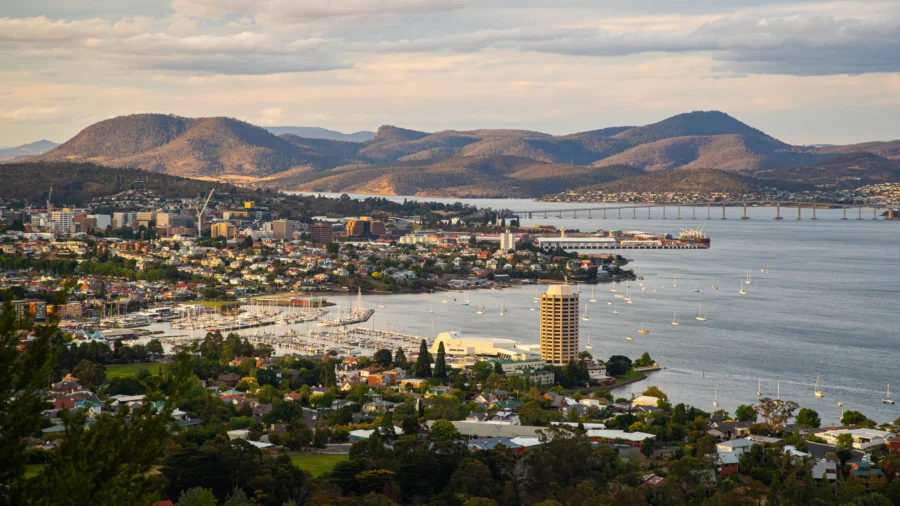
Stay in the CBD and you’re within easy reach of just about everything—restaurants, the marina, Salamanca Market, and the MONA ferry. If you like to walk, this is your spot. The waterfront’s had a facelift in recent years, so you’ll see a mix of historic brick buildings and new hotels with big glass windows facing the harbor.
The best thing about the CBD? It’s all right there. Grab coffee at Dandy Lane, seafood at Mures, or set off on a guided tour around southern Tasmania. During festival weekends, it gets lively, but honestly, that’s part of the fun.
Battery Point: Historic Charm
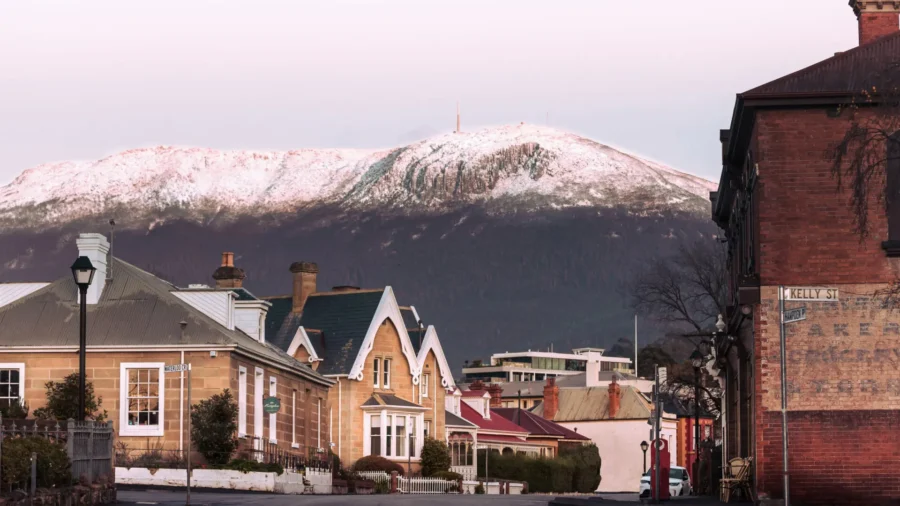
Battery Point feels like stepping back in time. Narrow lanes and stone cottages from the 1800s, but with a calm, lived-in energy. You’re five minutes from Salamanca Place, but it’s a world apart from the city buzz. Early mornings here are magic—small gardens, creaky floors, and the sense that history’s just under the surface.
Many guesthouses keep that old-world character. Jackman & McRoss bakery is a breakfast must, and Kelly’s Steps gives you a killer view down to the harbor.
North Hobart: Nightlife & Dining

North Hobart is where you go for an evening out that’s more local than touristy. Elizabeth Street is lined with small bars, indie restaurants, and the State Cinema, which has been around forever.
There’s loads of food variety—modern Australian, Asian, classic pubs, and some low-key cocktail spots. It’s a short walk or bus ride to the CBD, but staying here lets you get a feel for Hobart’s true rhythm. Expect rentals and boutique stays rather than big hotels, which honestly adds to the charm.
South Hobart: Laid-Back Local Vibe
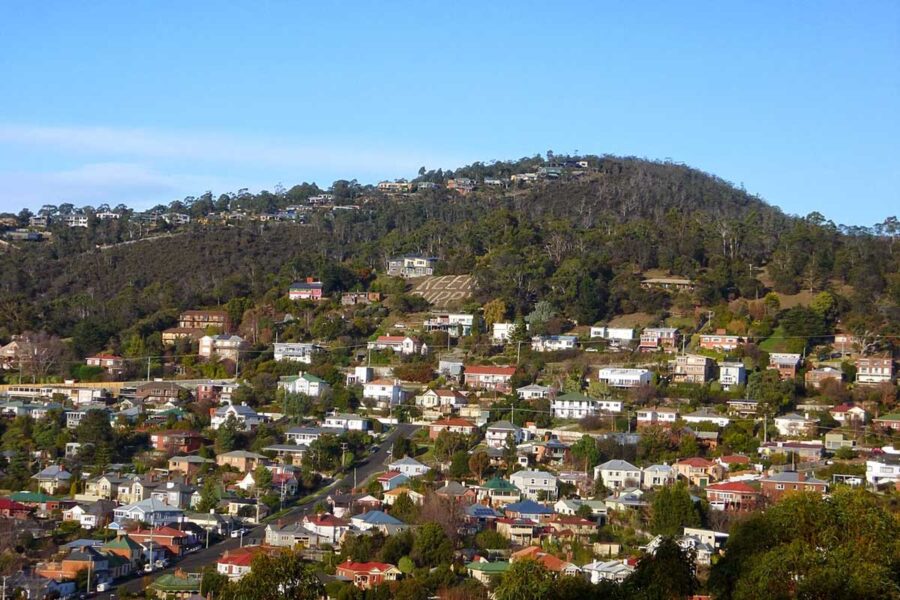
South Hobart is mostly residential, and that’s its appeal. It sits right at the base of kunanyi / Mount Wellington, so you get that fresh mountain air and houses tucked into the hillside. Perfect if you want calm after a day out, but still crave a good café nearby.
Cascade Brewery is just up the road—worth a visit for the gardens alone. The Rivulet Track winds from the foothills to the city, through peaceful bushland. This part of town is great for slow mornings and quick hikes. You can join local walking tours if you want to mix some nature with your city exploring.
Sandy Bay: Beachside Relaxation

Sandy Bay runs along the Derwent River and moves at its own pace. Streets near the water have bigger houses, family-friendly stays, and modern apartments. It’s a good spot for paddleboarding or picnics by the water.
You’re only ten minutes from the CBD, but it feels like a holiday zone just outside town. Wrest Point Casino anchors the waterfront, and nearby cafés serve up seafood and coffee with a view. If you want somewhere quieter without feeling cut off, this is a solid pick.
West Hobart: Creative & Quiet Escape

West Hobart climbs up behind the city, all leafy streets and hillside views. It’s about a 10–15 minute walk into town. Artists and small families love it here—it’s relaxed, a little quirky, and not too polished.
You’ll find a mix of old federation cottages, eco-homes, and plenty of Airbnbs. Waking up to magpies and soft light here feels miles away from the busy waterfront, yet you’re not far from the action. If you want a slower pace but easy access to the city, West Hobart is worth considering.
Top Hotels and Accommodation in Hobart
Hobart’s hotels blend historic character with modern comfort. From grand waterfront stays to quirky mid-range finds and budget-friendly gems, the city offers more personality than you might expect.
Luxury Hotels and Unique Stays
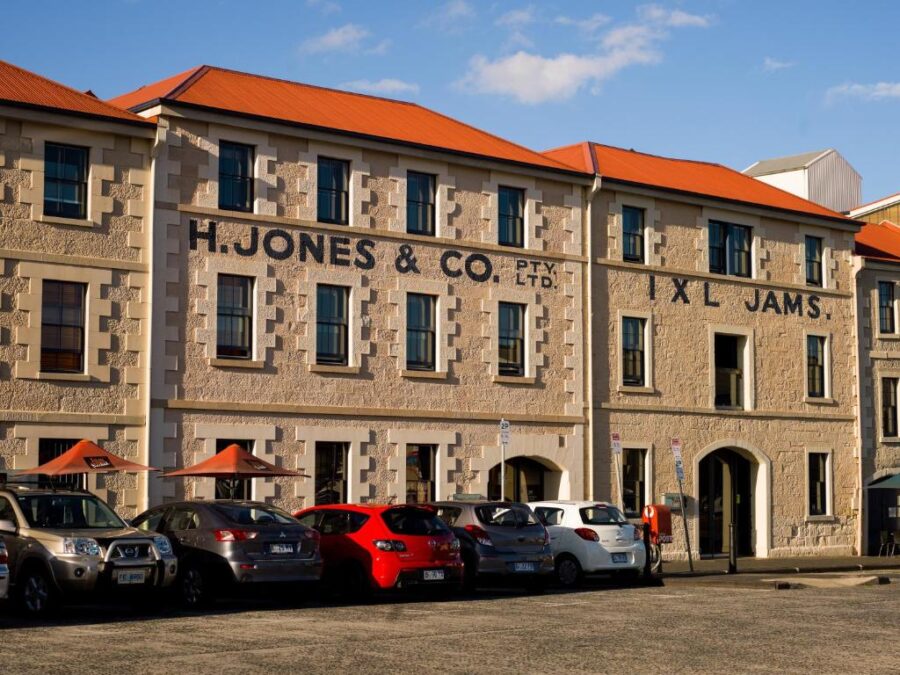
If you’re after comfort with a twist, The Henry Jones Art Hotel stands out. It’s set inside a 19th-century jam factory, packed with Tasmanian art and industrial details. Across the water, MACq 01 has rooms themed around local characters—each one tells a story.
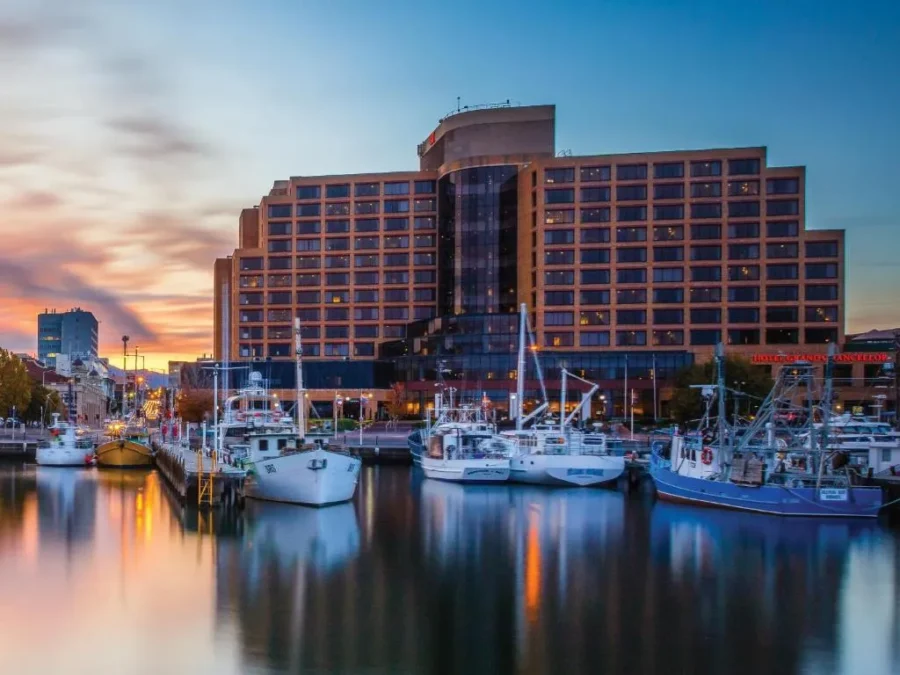
For big harbor views, the Hotel Grand Chancellor delivers classic style, polished rooms, a pool, and walking distance to the docks. It’s central and dependable, especially for events or festivals.
Clydesdale Manor in Sandy Bay is smaller, Georgian in style, and surrounded by quiet gardens. If you want to skip the downtown bustle, it’s a smart pick. Browse Hobart hotels for occasional bargains, even among the luxury options.
Boutique and Mid-Range Options
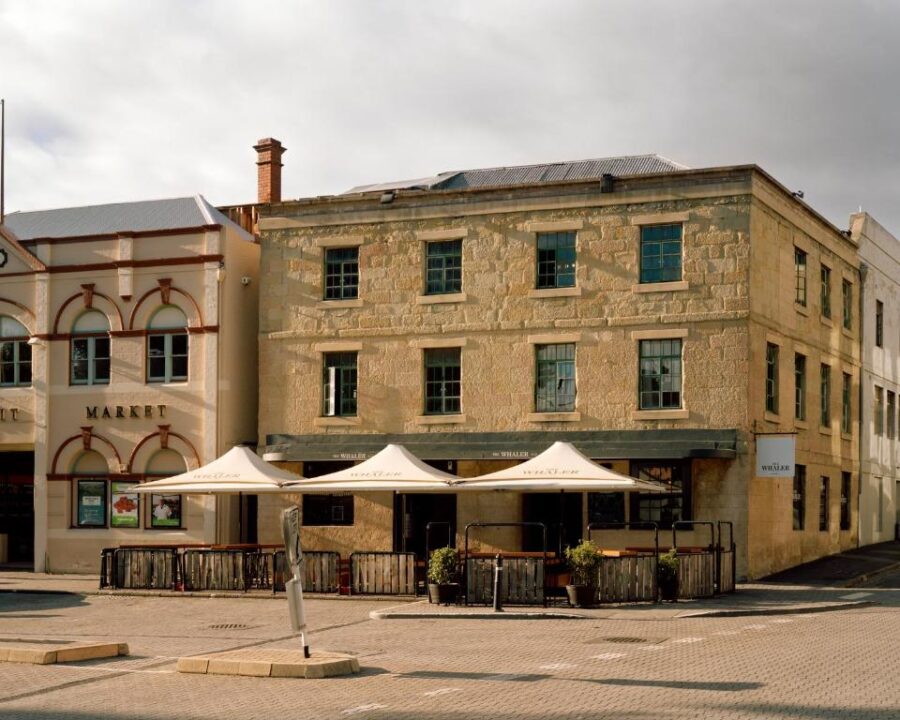
Hobart nails mid-range design—stylish, thoughtful, not overpriced. Moss Hotel near Salamanca Place is all green interiors and relaxed charm. Customs House Hotel next door brings you pub history, a cozy bar, and water views.
For apartment-style space, St Ives Apartments is practical: kitchenette, parking, and easy access to Battery Point cafés.
Mid-range hotels here rarely feel corporate. You’ll often get heritage buildings with fresh interiors—a real mix of old and new. These are great for longer stays that don’t break the bank.
Best Budget Hotels and Hostels
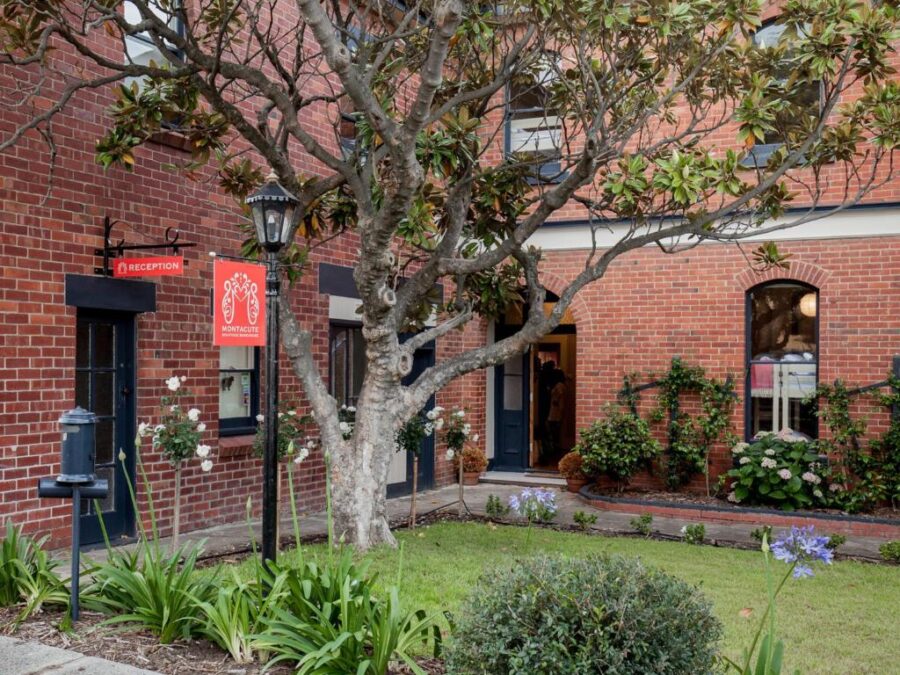
Hobart’s budget options keep things comfortable and social. Montacute Boutique Bunkhouse in Battery Point feels more like a stylish share house—crisp linen, shared lounges, and a friendly vibe that makes meeting people easy.
Alabama Hotel in the city center goes retro—bright rooms, shared bathrooms, but loads of personality. It’s a good deal if you’re out most of the day.
Budget hotels here focus on location and cleanliness. You can enjoy the best cafés, markets, and waterfront walks, without spending much on a bed you’ll barely use.
Unmissable Hotel Experiences
Some Hobart hotels are more than just a place to crash—they’re part of the adventure. A few double as living museums of art and history, turning your stay into something memorable.
The Henry Jones Art Hotel

The Henry Jones Art Hotel sits in a former jam factory on the waterfront. Original timber beams and brick walls remain, now lined with over 500 works by Tasmanian artists. Hallways feel like galleries, but you can wander around in slippers with a cup of tea.
Rooms mix concrete floors, soft lighting, and handmade furniture. The industrial details haven’t been glossed over—they’re celebrated. The art changes, so every visit feels a little different.
There’s a guided art tour if you want to dive deeper, or you can just hang out in the café and watch the world go by through those giant windows. The building feels alive, full of stories.
MACq 01 Hotel: Storytelling Luxury

MACq 01 Hotel gives you more than just a room—it assigns you a character. Each suite is inspired by a real Tasmanian, from inventors to explorers and convicts. Honestly, it works. You end up thinking about your room’s namesake while soaking in the bath or sipping whisky at the Story Bar.
Staff call themselves “storytellers”—and they mean it. Expect soft linens, deep carpets, and river views. The waterfront rooms are especially peaceful in the mornings. You might find yourself lingering before heading out for brunch at Salamanca Place.
MONA Pavilions: Art Meets Accommodation
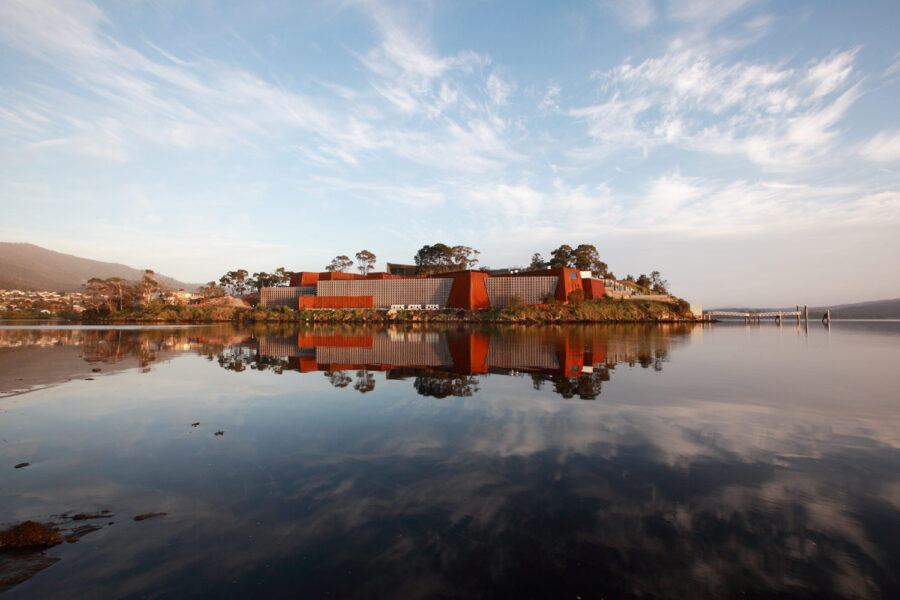
A stay at the MONA Pavilions feels like living inside an exhibit. On the grounds of the Museum of Old and New Art, the pavilions blend bold architecture with real comfort. Each is named after an Australian artist or architect, and interiors feature curated works from MONA’s collection.
You get floor-to-ceiling river views, a private wine cellar, and museum access outside regular hours—honestly, that’s the highlight. Wandering the galleries at night, alone but for the art and some ambient music, is unforgettable.
If you love clean design, nowhere in Hobart does minimalism and warmth quite like this. Waking up surrounded by art? Changes your whole day.
Hobart Neighborhood Guides
Hobart’s neighborhoods each bring something different—historic waterfronts, creative hillsides, riverside calm. You’ll find markets, mountain views, and easy access to the Derwent River.
Salamanca Place & Market

You’ve seen Salamanca Place in the photos—sandstone warehouses turned cafés, bars, and galleries. On Saturdays, Salamanca Market fills the street. Go early if you want space; by midmorning, it’s packed with stalls selling local produce, woodwork, and wool.
It’s a smart base: walk to both the waterfront and Battery Point. Mid-range hotels and short-stay apartments hide behind those old facades. In summer, live music drifts from courtyard bars; on cold nights, the pubs are extra cozy. Breakfast at a side-lane café, then up Kelly’s Steps for harbor views.
If you like atmosphere, this is your place. Parking’s tough, so book accommodation through hotel search sites that show private lots.
Waterfront & Sullivan’s Cove
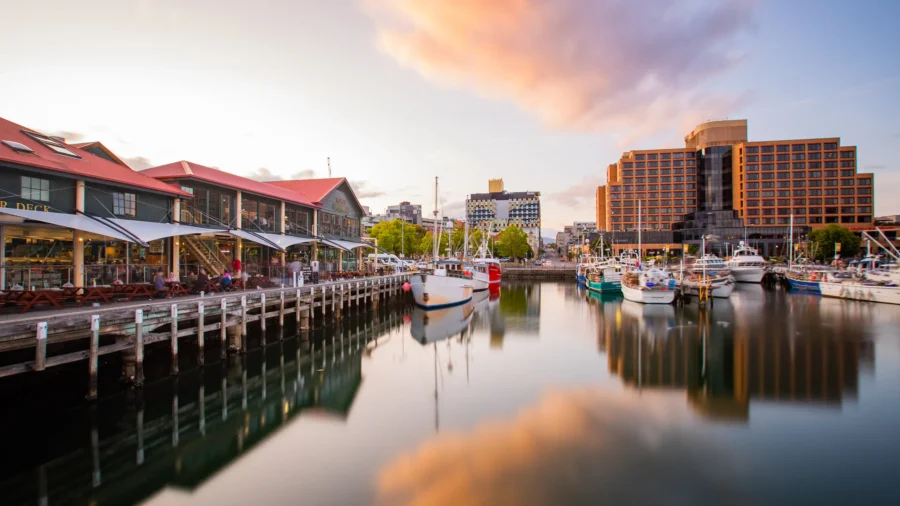
Sullivan’s Cove is Hobart’s historic heart. Here, you’ll see converted wharves, fishing boats, and ferries heading out to MONA. Walking the boardwalk at sunrise? The water catches perfect reflections of Mount Wellington behind the city—definitely worth getting up early for.
This area works if you want to walk everywhere. It’s packed with seafood spots, boutique hotels, and art galleries tucked into the old docks. You’re right by the ferry piers, which makes day trips a breeze.
Room rates run higher here, but the convenience is hard to beat. And honestly, the view of the harbor lights at night—unforgettable. Most harbor tours and transport options leave from this district, so it’s an easy base for a short stay.
Mount Wellington Views
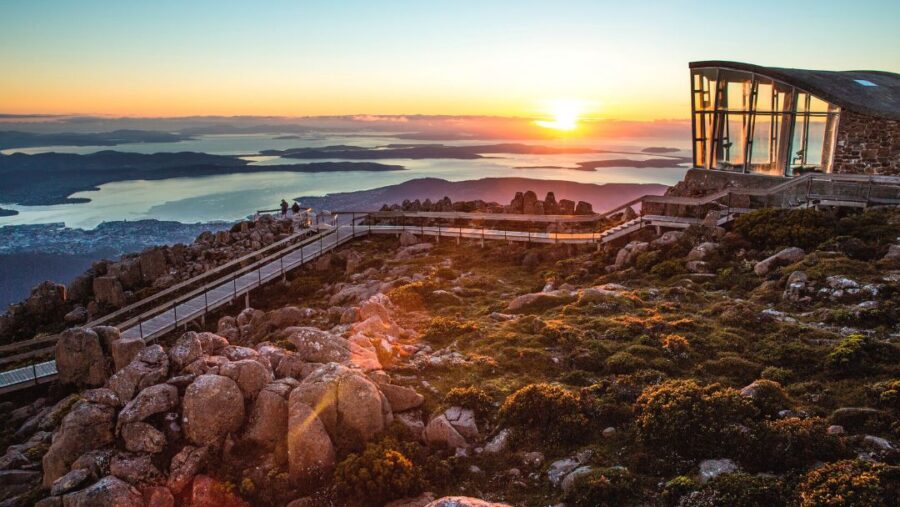
The neighborhoods at Mount Wellington’s base feel cooler and quieter, even in summer. West Hobart and South Hobart give you a different pace. Waking up to the mountain filling your window? That sticks with you. These areas are great if you want a peaceful stay or plan to hike.
From these hillsides, trails lead straight into temperate forest. You might spend the morning on the summit, then eat downtown in the evening—it’s all a quick drive apart. You’ll find everything from classic cottages to alpine-style lodges.
If you’re renting a car to explore, checking rates through flight and car searches can save you hassle. Driving up to the summit at dusk gives you a full sweep over Hobart and the Derwent—bring a jacket, it gets windy.
Derwent Riverfront Stays
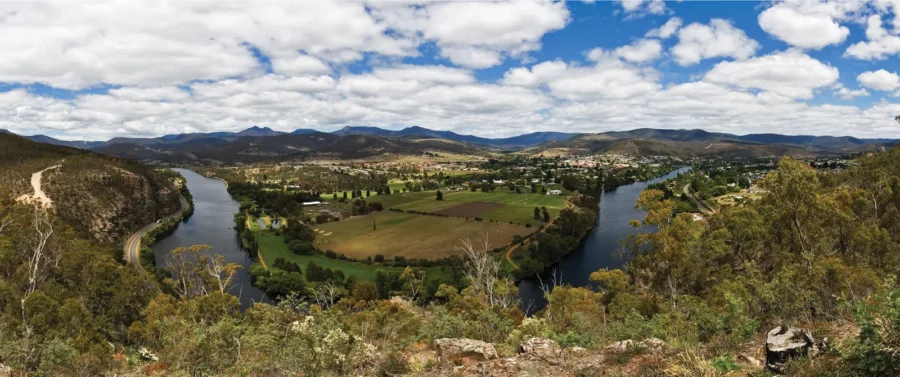
The Derwent River winds right past the city, and staying near its banks gives you that calm, slightly removed feeling Hobart does so well. Sandy Bay and New Town have guesthouses and small hotels with river access. You’ll see morning rowers while you sip coffee on a balcony.
The shoreline paths connect little parks and jetties. Some hotels offer bikes, which is handy since the riverside trails are mostly flat. Dining here leans toward seafood and slow evenings with a view—peaceful, not flashy.
It’s quieter than Salamanca or the docks but still only a 10-minute drive from the main attractions. If you want water nearby but less city noise, this area’s a solid pick.
Choosing Accommodation by Travel Style
Hobart’s mix of old charm and creative energy means you won’t find a single “best” area—it really depends on your trip. The city’s compact and walkable, so you can easily match your budget and interests, whether you’re after history, family time, food, or nightlife.
Best Areas for First-Timers in Hobart

For your first visit, the Central Business District (CBD) keeps things simple. The waterfront, Salamanca Market, and Tasmanian Museum and Art Gallery are all walkable, so you spend more time exploring and less time figuring out buses.
Battery Point works well too if you want a quieter base but still want to walk to restaurants and galleries. It’s full of short lanes, stone cottages, and small cafés—plenty of history and a strong sense of place.
You can easily plan day trips up kunanyi / Mount Wellington for those big Derwent River views, or hop a ferry from Brooke Street Pier to MONA (Museum of Old and New Art). Staying central makes catching buses or taxis easy, so you can see more of Tasmania without parking headaches.
Where to Stay for Families

Families usually go for Battery Point or Sandy Bay. Both are calm, safe, and close to parks and beaches. Kids love the open lawns near Parliament Street or feeding ducks by the water.
You’ll find serviced apartments or small houses with kitchens—so you’re not eating out every meal. Some places have courtyards or gardens, which is rare for inner Hobart.
On good weather days, take the kids to Cascades Female Factory Historic Site—the tours are short and surprisingly engaging. Bonorong Wildlife Sanctuary is a quick drive and lets them meet wombats and Tasmanian devils. For bigger family stays, compare hotel deals on Skyscanner.
Romantic Getaways and Couples’ Picks
For a quiet stay with charm, Battery Point is tough to top—it’s got that old-world feel that makes even a simple walk special. The Henry Jones Art Hotel near the docks is another strong pick, set in a converted warehouse full of local art.
If you want something newer, look at boutique spots in Midtown or along the waterfront. Many rooms have balconies with morning light or views of fishing boats heading out.
Spend an evening on a whiskey tasting at Lark Distillery or take a harbor cruise at sunset. It’s not flashy, but it’s the kind of calm, beautiful setting that lingers long after you’ve left.
Best Locations for Foodies and Nightlife
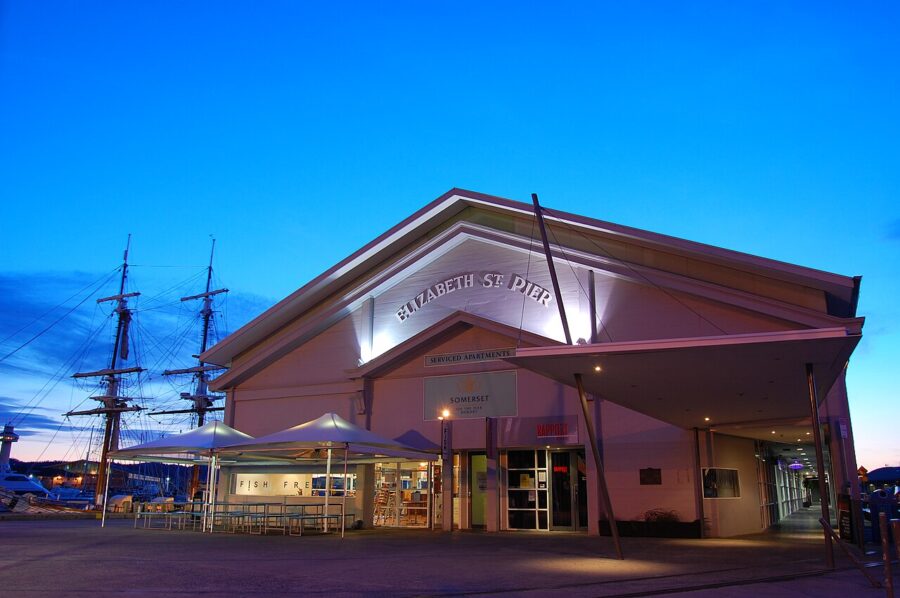
Hobart’s food and drink scene punches above its size. North Hobart is your spot if you want late dinners and casual bars. On Elizabeth Street, you’ll find gelato, Nepalese curry, and craft beer, sometimes all on the same night.
I usually start at Room for a Pony—a café by day, buzzy bar by night—then wander down for live music at Republic Bar. There’s a relaxed social flow here; no long lines, no inflated prices.
If you’re after great food but prefer an early night, the CBD and Salamanca have top restaurants, many set in old warehouses. Think seafood straight off the boats or creative tasting menus. Eating badly in Hobart just doesn’t really happen.
Frequently Asked Questions
Hobart’s compact layout and distinct neighborhoods make it easy to find places that fit your travel style. From historic guesthouses to family hotels near the water, you get convenience, comfort, and a bit of real character.
What are the top-rated family-friendly accommodations in Hobart?
Families usually stick to Battery Point and the Salamanca area. They’re close to green spaces like Princes Park and the waterfront. St Ives Apartments is a solid pick with roomy kitchenettes—makes mornings with kids easier.
Larger families might like Battery Point Manor for its harbor views and peaceful vibe. It’s calm, but shops and restaurants are close, which helps when everyone’s hungry at different times.
Can you recommend centrally located hotels for a Hobart visit without a car?
If you want to explore on foot, stay in the CBD. Most spots around Elizabeth Street Mall and Franklin Square are walkable, and you won’t need to think about parking. The Customs House Hotel and Henry Jones Art Hotel are right by the waterfront, with easy access to restaurants and Salamanca Market.
I’ve stayed near that strip for a weekend and didn’t open a map once. Cafés, ferry docks, everything was just blocks away—less planning, more wandering.
What are the best areas in Hobart for first-time visitors to stay in?
For your first trip, Hobart CBD is practical. You’re close to big attractions like the Tasmanian Museum and Art Gallery, Salamanca Market, and the Theatre Royal. It’s busy but still feels small-town friendly, especially around the docks.
If you like quieter evenings, Battery Point gives you a look at Hobart’s 19th-century side—stone cottages, narrow streets, and plenty of cafés to linger in. You can walk to the CBD in about ten minutes, which is perfect if you’d rather not rent a car.
Which accommodations in Hobart offer an authentic local experience?
Heritage houses and family-run inns add real texture to a trip. Places like Grande Vue and small B&Bs in South Hobart often keep original fireplaces and local art.
There’s something about old floorboards and mismatched furniture that just works.
You’ll meet locals eager to share tips or point you toward weekend markets you won’t find in guidebooks. Those conversations tend to stick with you.
How can visitors maximize their stay in Hobart with only a few days to explore?
If you have two or three days, stay central so you don’t waste time commuting. Walk the markets in the morning, catch the MONA ferry, then drive or join a tour to Mount Wellington for sunset. I’d book your cheap flight tickets early so you can focus on experiences, not logistics.
Try to slow down here and there—Hobart rewards wandering. You might stumble on a bakery or a Derwent view that wasn’t on your list but ends up being the highlight.
What unique stays are available for travelers seeking an alternative to hotels in Hobart?
You’ve got options—rustic cottages, art-filled lodges, and grand old mansions reimagined as boutique spots. The Islington Hotel in South Hobart, for example, feels more like a private home lined with Tasmanian art than a standard hotel. Some Airbnbs in North Hobart blend retro pieces with fresh, modern touches.
If you’re after something with a bit more grit and personality, look at the converted warehouses near the docks. These places are open, full of charm, and often a better value than many hotels. You get a taste of Hobart’s industrial roots and creative scene, all without sacrificing comfort.