Where to Stay in Mauritius: Best Areas & Top Hotels for 2026
Updated December 16, 2025
Picking where to stay in Mauritius isn’t simple—each region has its own personality. The north buzzes with nightlife and beaches, the east feels quieter and upscale, the west brings sunshine and outdoor fun, and the south is all about wild scenery. Your best spot really comes down to the kind of trip you want—chill, outdoorsy, or action-packed.
Here’s a quick breakdown of each area, who’ll like it most, and a few places that are actually worth your money—from laid-back guesthouses to splashy resorts. I’ve done the legwork so you can skip the endless scrolling.
Table of Contents
- Key Takeaways
- How to Choose Where to Stay in Mauritius
- Best Places to Stay in Mauritius for Different Travelers
- Popular Activities and Attractions Nearby
- Best Time to Visit Mauritius
- North Mauritius: Beaches and Lively Towns
- Grand Baie Overview
- Trou aux Biches and Mont Choisy Beach
- Top Hotels in the North
- East Mauritius: Exclusive Resorts and Natural Beauty
- Belle Mare Coastline
- Île aux Cerfs and Trou d’Eau Douce
- Recommended Resorts and Hotels
- West Mauritius: Adventure and Sunsets
- Flic en Flac Area
- Le Morne Peninsula and Morne Brabant
- La Preneuse Beach
- Outstanding Stays in the West
- South Mauritius: Nature, Culture, and Seclusion
- Chamarel and the Seven Coloured Earth
- Black River Gorges National Park
- Mahebourg, Blue Bay Beach, and Pointe d’Esny
- Boutique and Eco-Friendly Hotels
- Top Hotels and Unique Stays Across Mauritius
- Best Luxury Resorts
- Budget‑Friendly Accommodation Options
- Family‑Friendly and Romantic Hotels
- Frequently Asked Questions
- What are the top accommodations in Mauritius for first-time visitors?
- Which regions in Mauritius are most romantic for couples’ getaways?
- Can you recommend family-friendly areas to stay in Mauritius with suitable activities for children?
- Where should I book my stay in Mauritius to experience a luxurious honeymoon?
- What locations in Mauritius are preferred by celebrities and high-profile travelers?
- Which parts of Mauritius offer the best beach experience and water activities?
- Book Your Dream Experience
- More Travel Guides
Key Takeaways
- Fast overview of Mauritius’s main regions and who’ll like them
- Compare stays for every budget, from guesthouses to luxury resorts
- Save time picking the right area for your plans
How to Choose Where to Stay in Mauritius
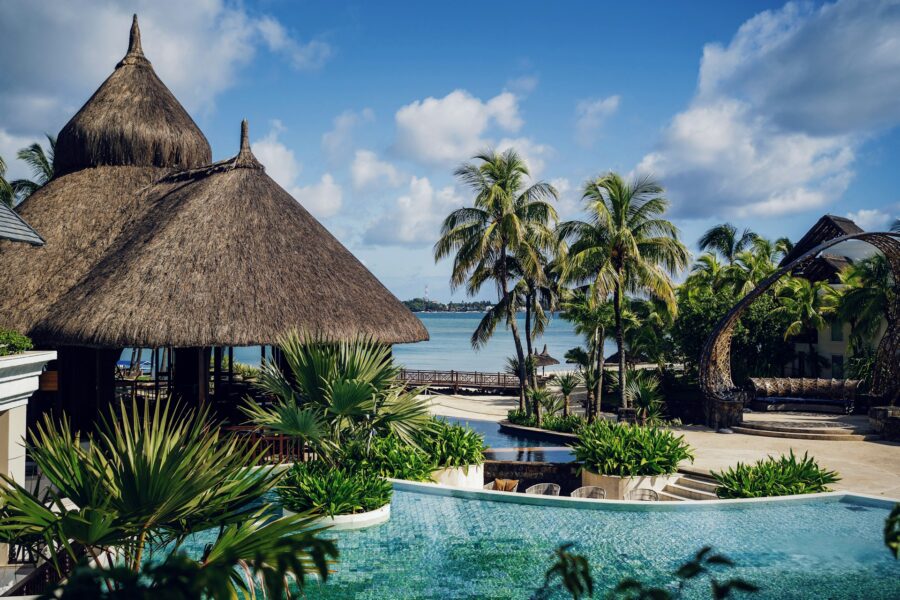
Where you stay in Mauritius really depends on your travel style. The island’s not huge, so you can explore pretty easily, but each coast feels totally different—vibe, price, even the scenery. Think about what you want nearby, your budget, and the season before you book.
Best Places to Stay in Mauritius for Different Travelers
Mauritius splits into a few main areas, each with its own draw. Grand Baie in the north is lively, packed with restaurants, shops, and a beach scene that doesn’t sleep early. If you want dramatic scenery and a slower pace, Le Morne in the southwest has mountains and wide beaches—great for kitesurfing or hiking.
Families usually stick with Flic en Flac on the west coast. The lagoon there is calm and safe for swimming, plus you’re close to parks and easygoing beach cafés. For a quick stop, Port Louis, the capital, puts you near markets and museums. If you’re watching your wallet, Mahebourg (close to the airport) has budget guesthouses and good seafood.
Use Booking or similar sites to compare options and check real reviews. Mixing a few nights in different areas can show you more sides of Mauritius in one trip.
Popular Activities and Attractions Nearby
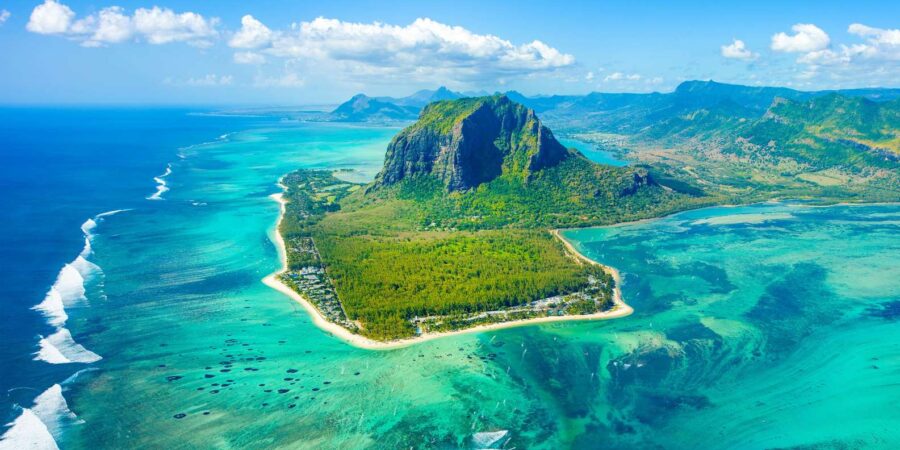
Each region has its own pace and things to do. In Grand Baie, you can snorkel or take catamaran trips to islands like Coin de Mire. Le Morne Brabant (UNESCO-listed) is a must for hiking with huge views over the bays. Into history? Aapravasi Ghat in Port Louis tells the story of the island’s roots after colonial times.
On the east coast, Belle Mare is all about clear water and long, quiet beaches—nice for diving or just zoning out under a palm. Inland, Black River Gorges National Park has hiking, waterfalls, monkeys, and forests. If you’ve got a car, short road trips are easy—distances are small, but the scenery flips fast.
You can book excursions, car rentals, and tours on big platforms like CJ Affiliate if you like planning ahead.
Best Time to Visit Mauritius
Mauritius is warm year-round, but the weather shifts by season. May to December is cooler and drier—good for hiking, road trips, and snorkeling. January to April gets hotter and stickier, with quick, heavy rains. Honestly, I like that time—the island gets lush and the waterfalls look their best.
Hotel prices dip in June and September, so if you’re budget-minded, those are smart months. Trade winds hit the east coast mid-year, so beach fans might want to plan around that. The best time to visit Mauritius depends on what you want: go in December for pure sun, or aim for cooler months if you’re all about outdoor adventures.
North Mauritius: Beaches and Lively Towns
North Mauritius blends mellow beaches with towns that stay busy after dark. You’ll find little coves for swimming, markets for local flavor, and plenty of accommodations in Mauritius—from simple to stylish. If you like nightlife or just want a sea view with options, this area covers both.
Grand Baie Overview
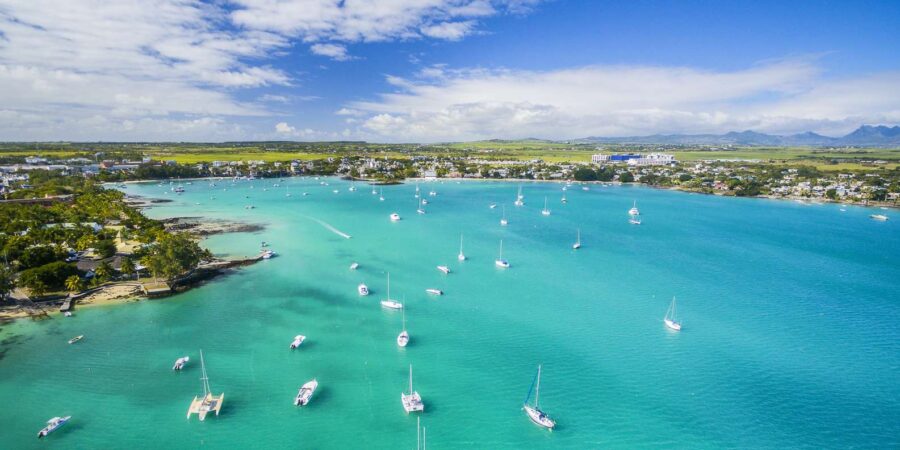
Grand Baie pops up first in most guides to places to stay in Mauritius. It’s the classic beach town: a wide bay with gentle water, good for sailing or a swim between shopping runs.
You can wander down Sunset Boulevard, grab a snack under the trees, or watch the bay light up from a beach bar. The energy’s relaxed but never dull.
Grand Baie also works as a base for day trips—book local boat tours or use GetYourGuide for island cruises. The main drag, Royal Road, is lined with restaurants, shops, and hotels right by the water.
Trou aux Biches and Mont Choisy Beach
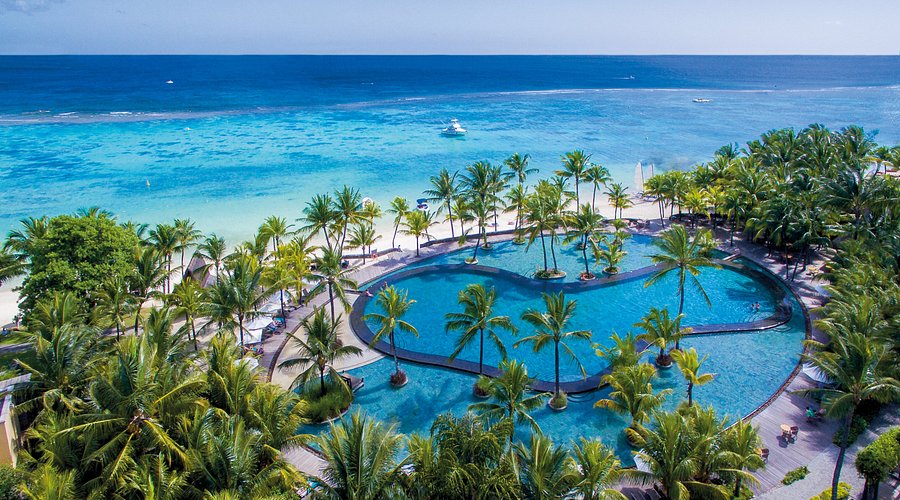
About ten minutes west, Trou aux Biches gives you a long, calm beach and a laid-back vibe. The water’s shallow and clear, perfect for snorkeling or just floating. Sunsets here are worth sticking around for.
Next door, Mont Choisy Beach is wide and shaded, good for a lazy day. Locals show up on weekends, so it feels friendly and real.
If you’re after more action, there’s kayaking and diving through Viator. Most tours leave from right by the lagoon, so it’s easy to join in or grab gear last minute.
Top Hotels in the North
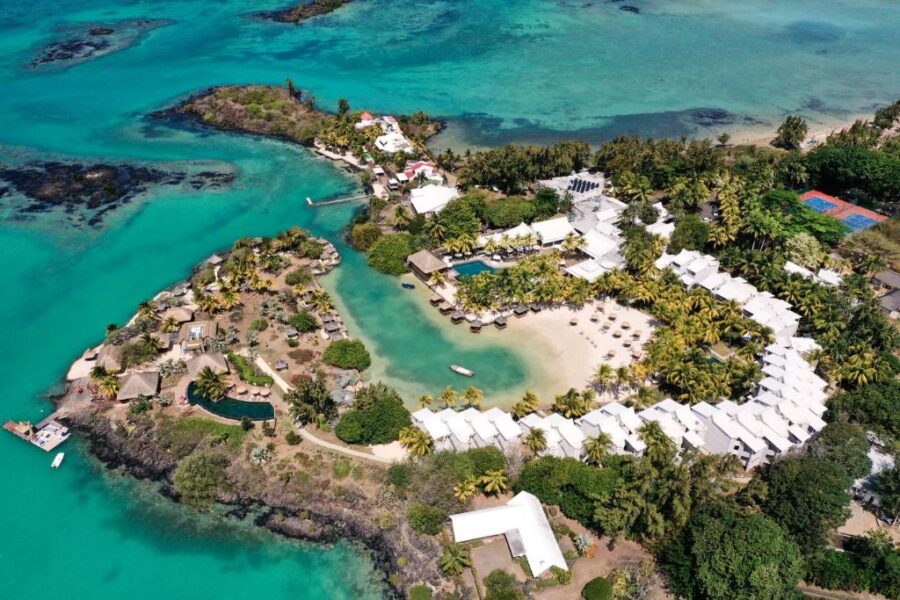
The north’s packed with hotels in Mauritius—from quiet guesthouses to high-end resorts. Grand Baie has the most choice, including midrange family spots and romantic boutiques.
Standouts? Paradise Cove Boutique Hotel is tucked away with a crisp, white design. LUX Grand Baie* goes for modern style and has a rooftop pool. If you want something cozier, guesthouses in Cap Malheureux or Bain Boeuf feel homey and put you close to the sand.
Quick comparison:
| Area | Best For | Style | Beach Access |
|---|---|---|---|
| Grand Baie | Nightlife, shopping | Boutique & resort | Direct |
| Trou aux Biches | Swimming, families | Family & relaxed | Direct |
| Cap Malheureux | Quiet stays | Eco-lodge | Short walk |
Each spot has its own rhythm, so if you’ve got the time, try a few nights in different towns.
East Mauritius: Exclusive Resorts and Natural Beauty
The east feels open and peaceful—less crowded than the north or west. Beaches run for miles, framed by turquoise lagoons. It’s ideal for slow mornings, watersports, and dinners with a breeze that never really stops.
Belle Mare Coastline
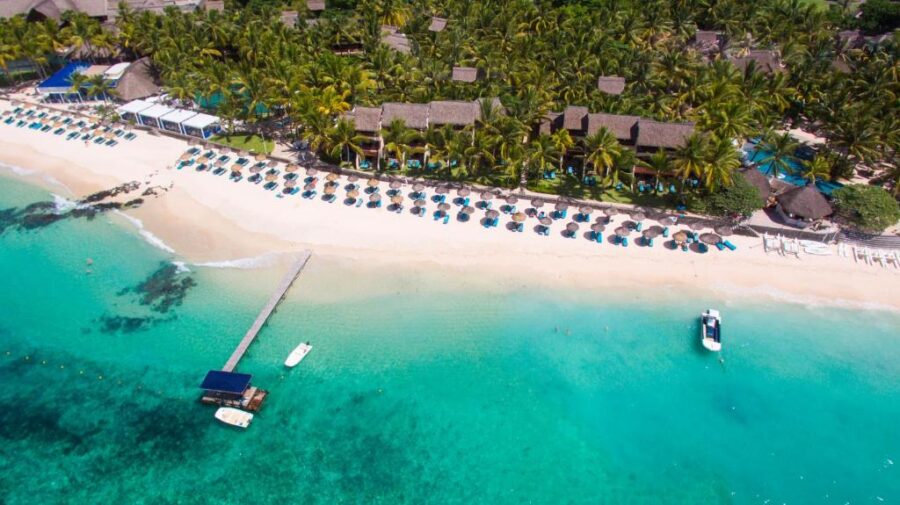
Belle Mare is one of the longest beaches on the island, with soft sand and clear, shallow water. Early mornings are especially quiet—just the sound of a fishing boat in the distance.
You’ll spot a line of high-end hotels that don’t overwhelm the scenery. Constance Belle Mare Plage stands out for families—golf, safe swimming, and a laid-back mood. For something smaller, Veranda Palmar Beach Hotel is affordable and keeps you close to the main beach. The lagoon works for both water-skiing and peaceful swims.
Île aux Cerfs and Trou d’Eau Douce
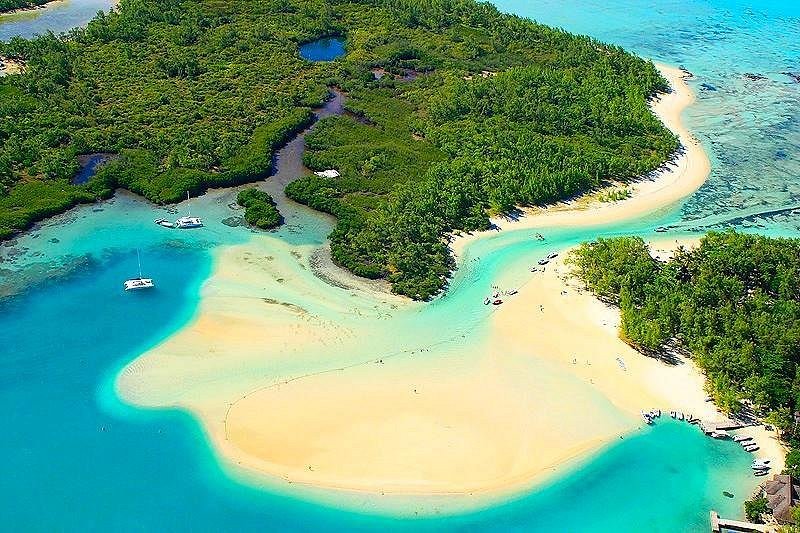
Just offshore, Île aux Cerfs is an easy day trip. The beaches and bright lagoon change color with the light. You can golf, parasail, or just float with a drink (which, warning, melts fast in your hand).
Most people get there from Trou d’Eau Douce, a fishing village turned casual base. If you’re driving the coast, it’s a good lunch stop—grilled fish and rice, nothing fancy but always fresh.
Recommended Resorts and Hotels
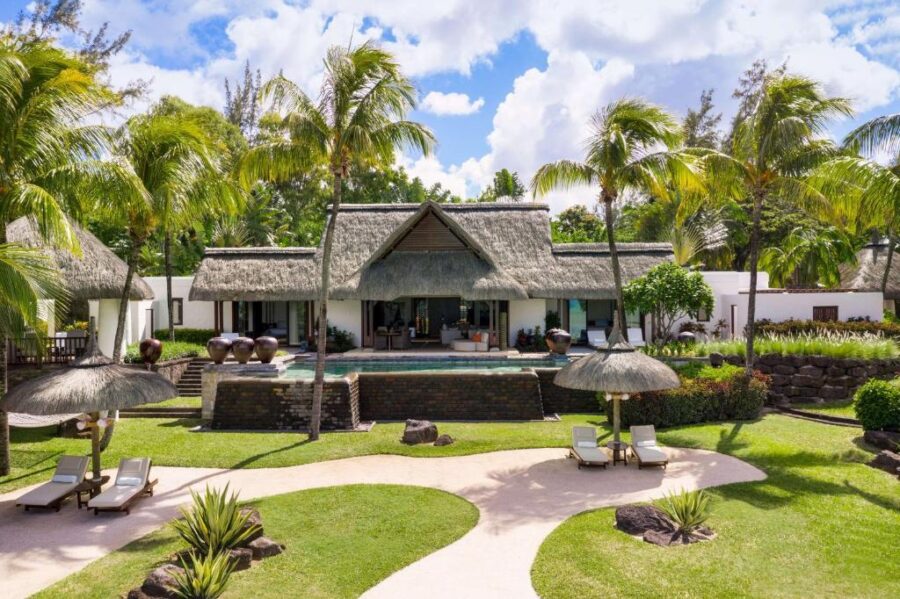
East Mauritius hosts some of the island’s most polished resorts. Shangri-La Le Touessrok has its own private stretch across from Île aux Cerfs, with big suites and great food but a relaxed attitude.
Constance Prince Maurice in Poste de Flacq is quieter, known for its floating restaurant and thoughtful touches. Four Seasons Resort Mauritius at Anahita is surrounded by golf and mangroves, ideal for privacy or families. Even Preskil Island Resort near Mahébourg manages comfort without losing local flavor.
| Resort | Location | Notable Feature |
|---|---|---|
| Constance Belle Mare Plage | Belle Mare | Two golf courses, family-friendly |
| Shangri-La Le Touessrok | Trou d’Eau Douce | Private island access |
| Four Seasons Resort Mauritius at Anahita | Beau Champ | Private villas, outdoor activities |
| Constance Prince Maurice | Poste de Flacq | Floating restaurant, luxury suites |
East Mauritius doesn’t shout for attention, but maybe that’s why it feels so easy to settle in.
West Mauritius: Adventure and Sunsets
The west side mixes laid-back beach life with wild nature and steady sunshine. You get calm lagoons for swimming, rugged mountains for hiking, and evenings with golden light that locals swear are the best.
Flic en Flac Area
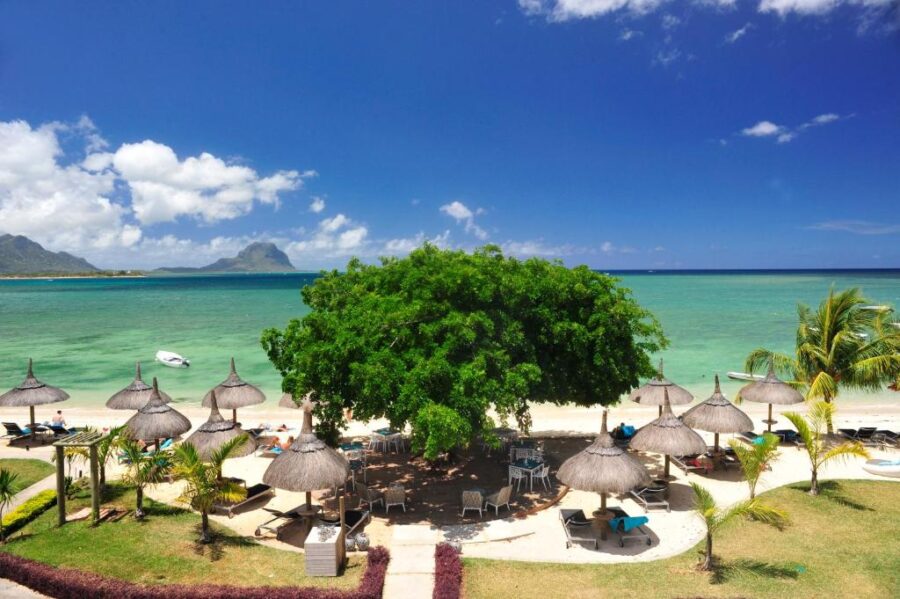
Flic en Flac runs along one of the island’s longest public beaches. It’s lively—families picnicking, kids chasing waves, and roti trucks parked along the sand. The reef keeps the water calm, so even beginners can snorkel.
Just inland, you’ll find shops, bars, and small hotels. It’s touristy but still feels genuine. I once stayed in a guesthouse behind the main road—every evening, locals and travelers would gather on the beach to watch the sun go down.
If you want comfort without being cut off, this is your spot. Choices range from La Mariposa Mauritius to midrange apartments and boutique hotels. Renting a car or catching a local bus is easy for trips to Casela Nature Parks or Tamarin Bay.
Quick tip:
| Best for | Why |
|---|---|
| Long beach walks | More than 10 km of open sand |
| Easy swimming | Sheltered reef and shallow waters |
| Evening hangouts | Many casual beach bars nearby |
Le Morne Peninsula and Morne Brabant
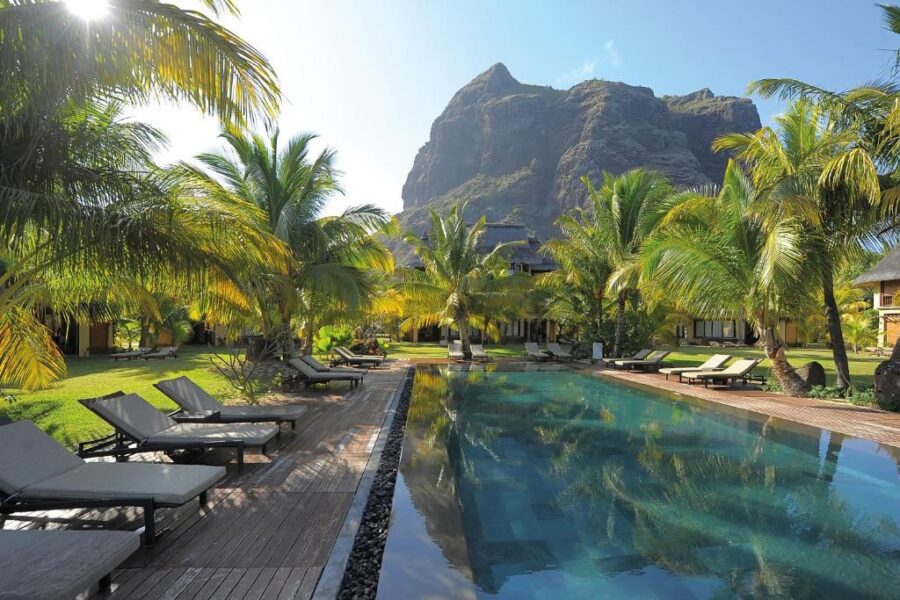
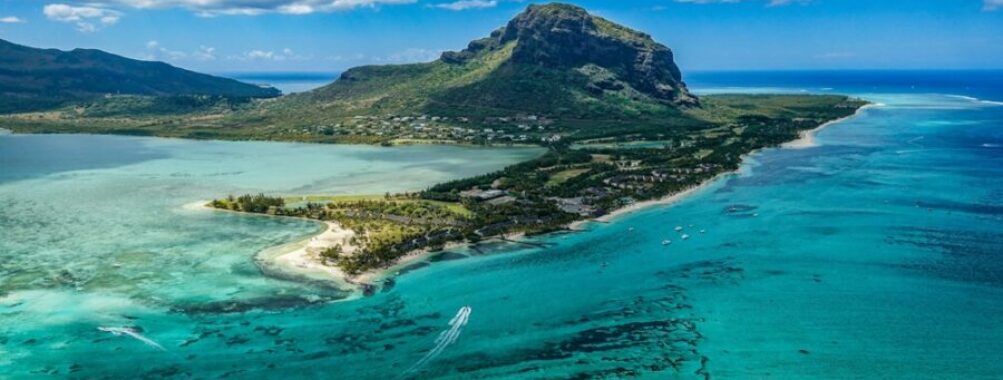
Le Morne stands apart from the rest of Mauritius. The massive Morne Brabant mountain rises behind the lagoon, and honestly, every photo looks unreal—but it’s just that striking in person. The water flips from electric turquoise to deep blue in seconds.
It’s quieter here, and the landscape feels wild. The mountain trail takes a few hours and serves up ridiculous views of the reef below. Parts get steep, so go early before the sun turns the rock into a skillet.
On the southern edge, Dinarobin Beachcomber Golf Resort & Spa remains a classic pick. It’s pricey, but if you want calm, space, and direct beach access, it’s worth considering. Even if you’re not staying, swing by the lagoon in the afternoon—kite surfers fill the sky and the whole place comes alive.
Key experiences:
- Hike Le Morne Brabant in the morning.
- Try kite surfing or paddleboarding in the lagoon.
- Check out the “underwater waterfall” viewpoint nearby.
La Preneuse Beach
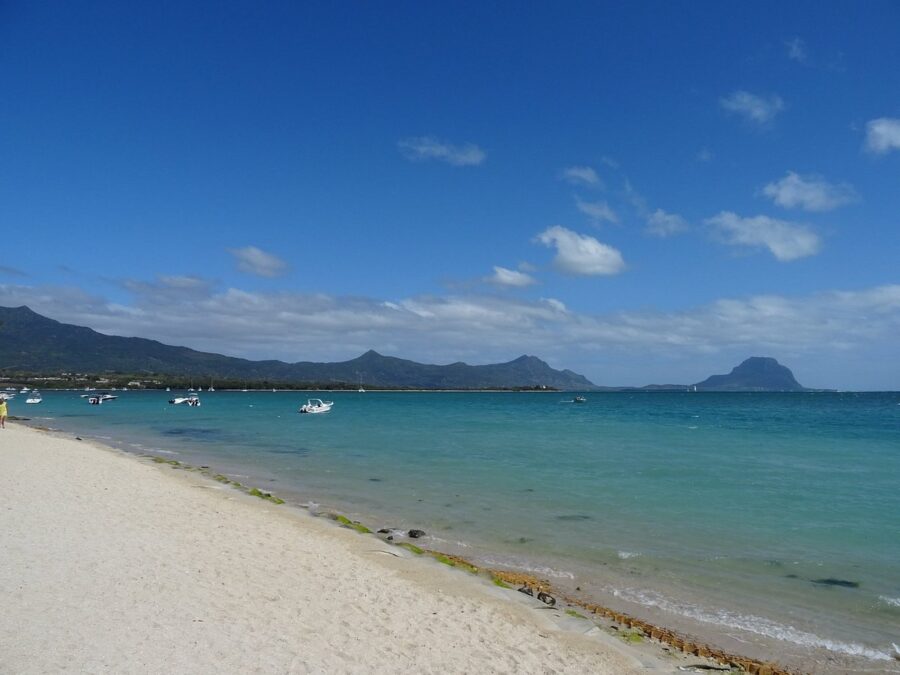
La Preneuse Beach sits between Tamarin and Black River, not far from Flic en Flac. It’s smaller and less crowded, with clear, shallow water and a mostly local crowd. You can spot Le Morne Brabant in the distance on a good day.
A small colonial-era fort by the sand adds a bit of history. Climb up for photos or just hang out on the wall and watch boats drift by. The sand’s soft, the sea usually calm—great for swimming.
There’s a jetty where locals fish in the evening. If you’re curious, someone might hand you a line to try it yourself. Parking’s free, and you can grab food from nearby snack shops without blowing your budget. It’s not fancy, but it’s the kind of beach where you actually meet locals, not just other travelers.
Outstanding Stays in the West
West Mauritius covers everything from budget guesthouses to five-star resorts. Here are a few solid picks across different styles:
| Hotel / Guesthouse | Location | Style | Highlight |
|---|---|---|---|
| La Mariposa Mauritius | Flic en Flac | Midrange | Direct lagoon view and friendly staff |
| Dinarobin Beachcomber Golf Resort & Spa | Le Morne | Luxury | Wide beachfront, golf course, and spa |
| The Bay Hotel | La Preneuse | Boutique | Relaxed atmosphere and sunset dining |
Pick your stay based on your vibe. Want social spaces? Flic en Flac makes sense. Prefer privacy and nature? Le Morne is your spot. For a local, peaceful feel, La Preneuse is hard to beat.
Wherever you land, the west coast sunsets are the real deal—golden, dramatic, and somehow different every night.
South Mauritius: Nature, Culture, and Seclusion
South Mauritius doesn’t play by the same rules as the north. While the north’s about resorts and nightlife, the south slows things down. Expect cliffs, quiet fishing villages, and natural landmarks that are totally worth the drive.
Chamarel and the Seven Coloured Earth
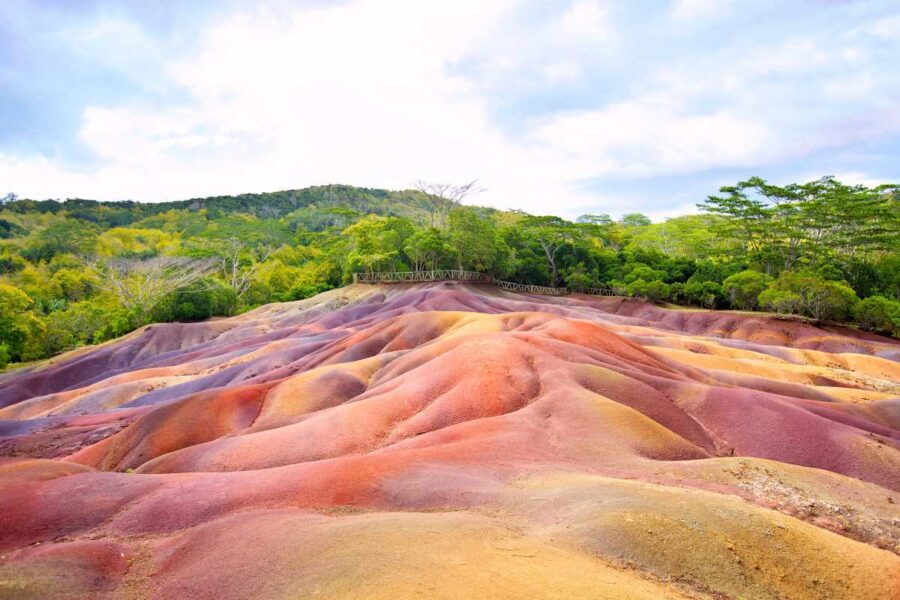
Chamarel sits high in the hills, wrapped in sugarcane and forest. It’s peaceful, with the smell of rain and wood smoke drifting around. The main draw? The Seven Coloured Earth—dunes striped in reds, purples, ochres. Even if you’ve seen photos, it’s strangely beautiful in person.
Nearby, the Chamarel Waterfall drops almost 100 meters into a pool hidden by forest. There’s a viewpoint above, or you can hike down for a closer look. A small rum distillery in town still uses traditional creole methods. It’s the sort of place you can wander for hours without rushing.
Black River Gorges National Park

Black River Gorges National Park sprawls across south-central Mauritius, a vast rainforest packed with rare birds and native trees. The air stays cool and damp, even when the coast bakes. Trails range from easy walks to climbs that’ll leave you out of breath and grinning.
The Macchabée Trail is a favorite for forest solitude and big views toward the sea. With luck, you might spot a Mauritius kestrel or echo parakeet. Bring water and sturdy shoes—the mud’s no joke. If rain’s heavy, check out Eau Bleue Waterfall nearby; the water glows pale blue-green against the dark rocks.
Mahebourg, Blue Bay Beach, and Pointe d’Esny
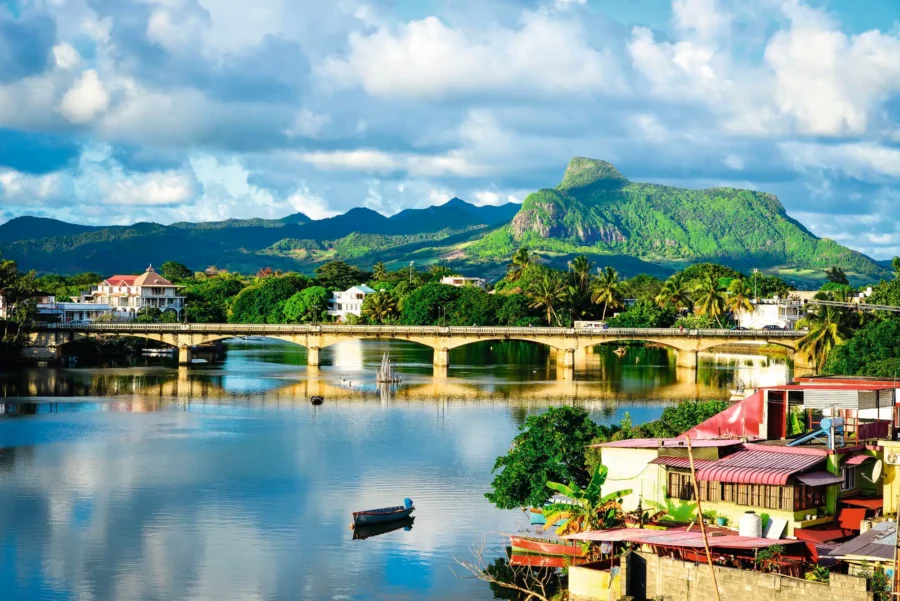
Mahebourg sits on the southeast coast, still holding onto its old-town feel. The market bustles in the morning, selling spices, saris, and fruit fresh from the fields. The National History Museum covers the island’s colonial past and the naval battle that happened just offshore.
A few minutes away, Blue Bay Beach has some of the island’s best snorkeling. The marine park hides coral gardens so close you can swim out to them. Just north, Pointe d’Esny offers a long curve of white sand lined with guesthouses and villas. It’s quiet, often empty early in the morning—perfect for a walk as the tide recedes.
Boutique and Eco-Friendly Hotels
Staying in the south means swapping mega resorts for smaller, friendlier places. You’ll find eco-lodges and boutique hotels tucked into the forest or perched above the ocean near Bel Ombre or Baie du Cap. Most focus on sustainability and local materials—solar panels, rainwater systems, even food grown on-site.
Some of the best spots blend comfort with southern wildness: wooden decks facing palm groves, open-air bathrooms, and dinners made with fresh catch from nearby villages. If you want to wake to bird calls instead of traffic, stay near the edge of the Black River Gorges. For ocean views, look near Pointe d’Esny or the cliffs of Gris-Gris. It all feels honest, quiet, and close to the land.
Top Hotels and Unique Stays Across Mauritius
Mauritius has options for every style: luxury resorts, cozy villas, and budget‑friendly lodges scattered across the island. The east coast is all about private‑island escapes, while the north and west mix lively beaches with peaceful guesthouses tucked between villages.
Best Luxury Resorts
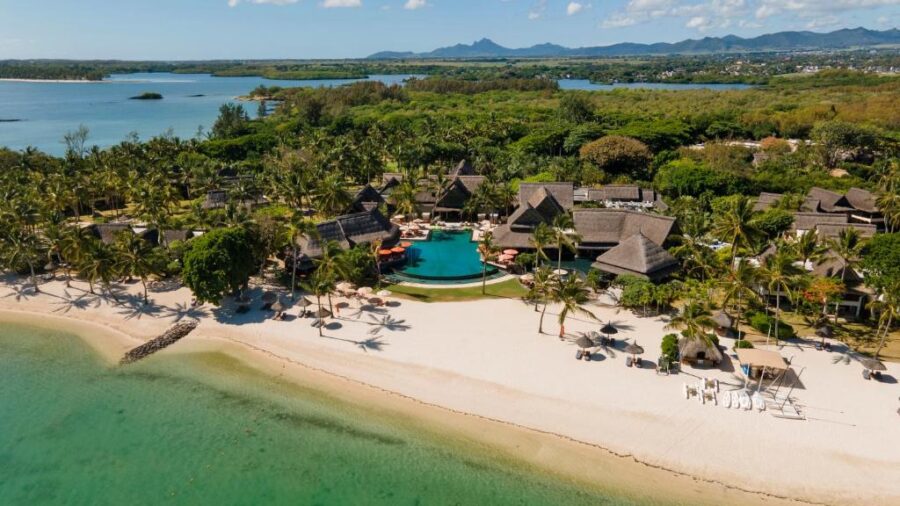
For clear lagoons and calm beaches, the east and south coasts stand out. Shangri‑La Le Touessrok Resort & Spa in Trou d’Eau Douce keeps things classic—staff remember your name and your favorite drink. Its private island, Ilot Mangénie, adds privacy that bigger hotels rarely manage.
Down by Belle Mare, Constance Prince Maurice delivers understated luxury with over‑water villas and a floating seafood restaurant, Le Barachois. It’s one of the best romantic spots around. The nearby Constance Belle Mare Plage shares the same beach but feels livelier, with golf, water sports, and big pools.
On the southwest coast, Dinarobin Beachcomber Golf Resort & Spa sits between Le Morne mountain and the sea—great for morning walks and sunsets. If you’re ready to splurge, Four Seasons Resort Mauritius at Anahita offers sprawling villas with private plunge pools and a top-notch spa. You can compare rates or plan packages directly when you search hotels.
Budget‑Friendly Accommodation Options
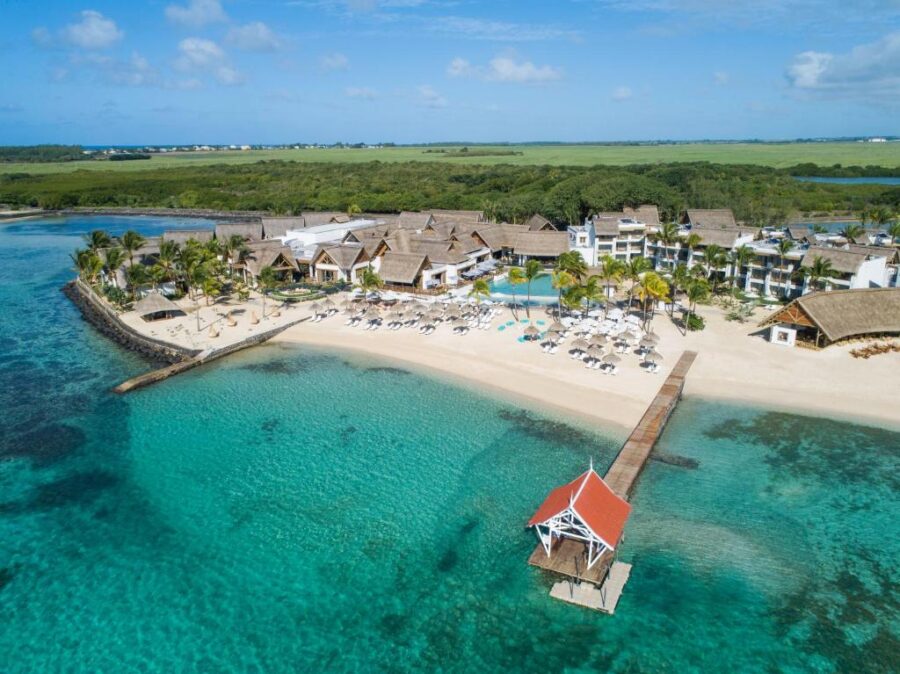
You don’t need a huge budget to enjoy Mauritius. In the west, La Mariposa Mauritius near Tamarin Bay keeps things simple—clean rooms, a small beach, and helpful staff who’ll sort out your local excursions. Plenty of travelers end up staying longer than planned.
In Mahébourg, Preskil Island Resort offers solid value, with a half‑island setup and calm lagoon views. It’s surprisingly affordable outside peak season. Small guesthouses and B&Bs in villages like Flic‑en‑Flac or Pereybere give you local flavor and easy access to street food.
If you’re watching your spending, plan around public bus routes. Many smaller hotels include breakfast, which helps keep costs down.
Family‑Friendly and Romantic Hotels
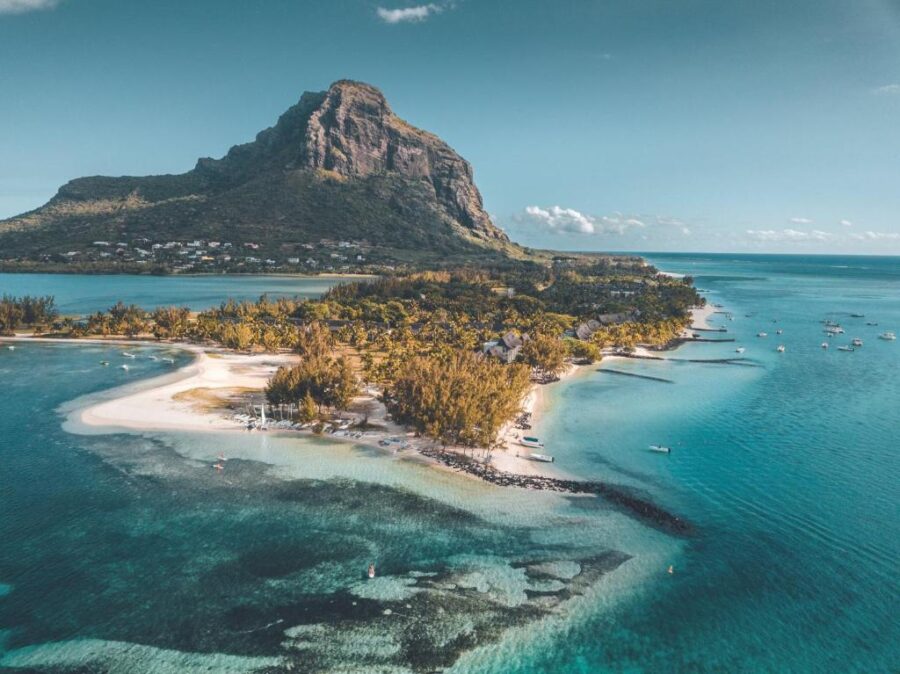
Mauritius is easy to enjoy with kids or a partner. Constance Prince Maurice works as both a luxury retreat and a family spot, thanks to its kids’ club and gentle lagoon. For families who want to stay active, Dinarobin Beachcomber and Paradis Beachcomber share a golf course and a long beach—plenty of room for sandcastles and snorkeling.
For a quieter, romantic break, couples often choose boutique resorts like SO Sofitel Mauritius or smaller villas on the south coast. These places offer big rooms, outdoor baths, and that slow island pace that nudges you to unplug.
The north coast is also worth a look for sunsets and lively evening walks. Grand Baie’s waterfront hotels balance nightlife and privacy, so you can have both if you want.
Frequently Asked Questions
Mauritius offers a different vibe in every corner, and your choice of stay shapes your trip. From laid-back coastal villages to lively resort towns, there’s something for families, couples, and anyone chasing a touch of luxury.
What are the top accommodations in Mauritius for first-time visitors?
For a first trip, it’s smart to stay somewhere easy to explore and close to restaurants, beaches, and tour operators. Grand Baie in the north checks all those boxes, with everything from boutique hotels to big resorts. You can walk almost everywhere.
I once stayed in a guesthouse near Trou aux Biches and spent mornings snorkeling right off the beach—it made the island feel instantly familiar. Flic en Flac on the west is also a good pick for newcomers since transport and activities are easy to arrange.
Which regions in Mauritius are most romantic for couples’ getaways?
Belle Mare on the east coast feels designed for couples. The beaches are quieter, the waves break far out, and the water near shore stays calm and clear. Evening walks last for miles with barely a soul around.
Le Morne in the southwest is a close second. It’s dramatic, with that mountain backdrop, and the sunsets are unreal. For couples who want active days and peaceful nights, it’s a strong choice.
Can you recommend family-friendly areas to stay in Mauritius with suitable activities for children?
Flic en Flac is probably the best spot for families. The shallow beach is safe for kids, and there are plenty of casual cafés and parks. Resorts here often have play areas or kids’ clubs to keep younger travelers happy.
Families who like adventure should look near Chamarel or Black River Gorges National Park. You’ll find easy hikes, picnic spots by waterfalls, and wildlife reserves close by.
Where should I book my stay in Mauritius to experience a luxurious honeymoon?
For a high-end honeymoon, Belle Mare is hard to top. Resorts like One&Only Le Saint Géran or LUX* Belle Mare offer private villas, great dining, and beach service that feels personal. The east coast has that quiet, polished vibe you want for a honeymoon.
Some couples choose Le Morne, where upscale spots like LUX* Le Morne deliver stunning scenery and five-star comfort. Sometimes the best part is just having the option to do nothing at all.
What locations in Mauritius are preferred by celebrities and high-profile travelers?
Celebrities and high-profile travelers usually head to Belle Mare or Grand Baie. If you’re after privacy, the east coast’s gated resorts in Belle Mare are your best bet—staff here genuinely understand the art of discretion.
Prefer a buzzier scene? Grand Baie offers a more energetic vibe with plenty of nightlife, but you won’t have to compromise on comfort or service. Private villas with lagoon views are a favorite for those who want space and a bit of anonymity, especially if you’re planning a longer stay.
Which parts of Mauritius offer the best beach experience and water activities?
North and west coasts come out on top for swimming, snorkeling, and water sports. The lagoons around Trou aux Biches have clear water and gentle currents—perfect if you want to snorkel without hassle. Grand Baie and Pereybere keep things simple for diving or hopping on a boat.
More into kitesurfing or surfing? Head to Le Morne down southwest. The wind’s steady, waves are reliable, and you’ll spot plenty of rental shops. Even if you’ve never tried, it’s a friendly place to learn without feeling out of place.