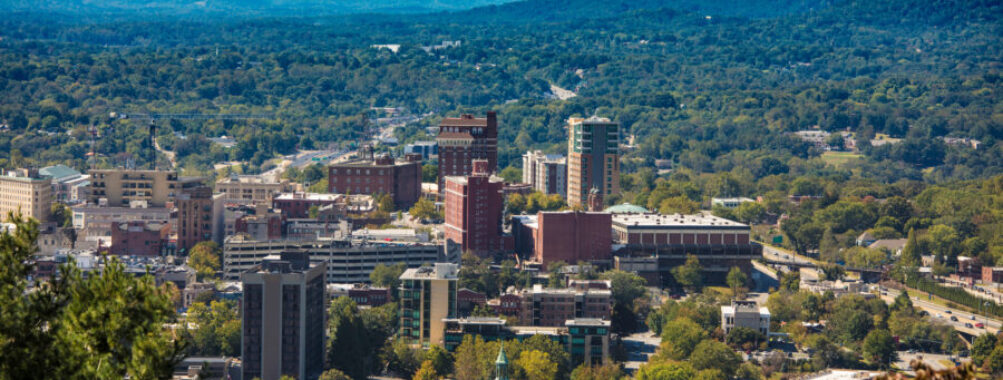
Where to Stay in Asheville, North Carolina: 5 Best Areas & Top Hotels
Updated December 30, 2025
Choosing where to stay in Asheville, North Carolina can feel overwhelming—there are so many neighborhoods, each with its own quirks. Maybe you’re eyeing the indie energy of West Asheville, or you want that mountain peace near Black Mountain.
You want great food, walkable streets, and those Blue Ridge views, but you don’t want to blow your budget or end up out in the sticks. This guide breaks down exactly where to stay in Asheville based on your interests, trip length, and budget.
You’ll get a no-nonsense overview of Asheville’s best areas, who they suit, and genuinely worthwhile hotels, cabins, and Airbnbs. I’ve spent serious time here and know which places are all charm—and which are just Instagram hype. Think of this as your shortcut to picking the right spot fast, not a rabbit hole of endless tabs.
Key Takeaways
- See which Asheville neighborhoods match your travel style and wallet
- Get a sense of what makes each part of the city unique
- Save time by zeroing in on stays that actually fit your plans
Table of Contents
- How to Choose Where to Stay in Asheville
- Best Areas for First-Time Visitors
- Tips for Different Travel Styles
- Considerations: Budget to Luxury
- Access to Top Attractions
- 1. Downtown Asheville
- Top Downtown Hotels
- Walkable Attractions
- Dining and Nightlife
- Shopping and Galleries
- 2. Historic and Cultural Neighborhoods
- Montford Area Historic District
- River Arts District
- Biltmore Village
- 3. Experience the Biltmore Estate
- Staying on the Estate
- Nearby Hotels and Inns
- Visiting the Mansion and Grounds
- 4. Scenic Mountain Retreats Near Asheville
- Black Mountain
- North Asheville & Grove Park
- Blue Ridge Parkway Access
- 5. West Asheville and Alternative Stays
- Eclectic Lodging Options
- Local Cuisine and Breweries
- Staying Near Asheville for Convenience
- Proximity to Asheville Airport
- Best for Roadtrippers
- Traveling on a Budget in Asheville
- Affordable Accommodations
- Tips for Saving Money
- Frequently Asked Questions
- What are the top-rated hotels in downtown Asheville?
- Can you recommend some unique accommodations in Asheville?
- Which areas in Asheville offer the best mountain views?
- How long should a typical visit to Asheville last to enjoy its offerings fully?
- Are there any 5-star luxury hotel options in Asheville?
- What part of Asheville is most convenient for pedestrians exploring the city?
- Book Your Dream Experience
- More Travel Guides
How to Choose Where to Stay in Asheville
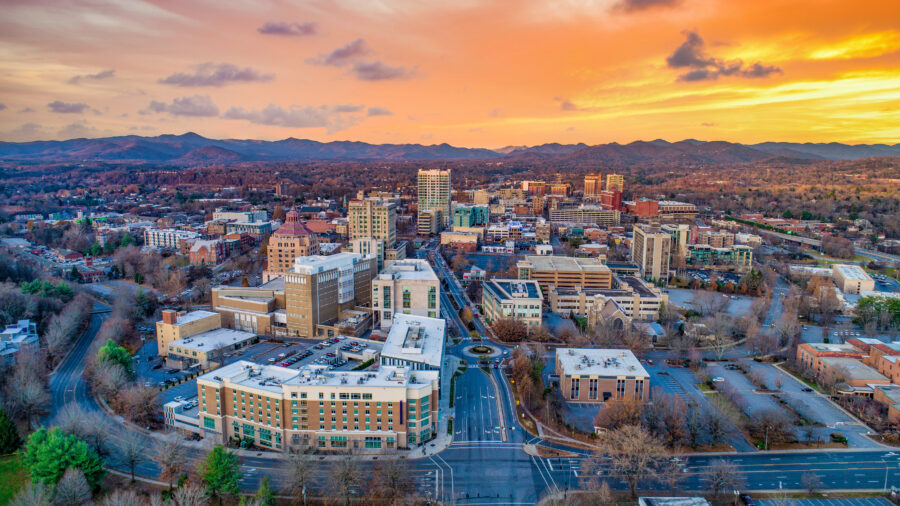
The right Asheville stay depends on your trip vibe. Some come for breweries and art, others want mountain air and quiet. The best areas mix walkability, scenery, and comfort—whether that’s a downtown hotel or a rustic cabin in the foothills.
Best Areas for First-Time Visitors
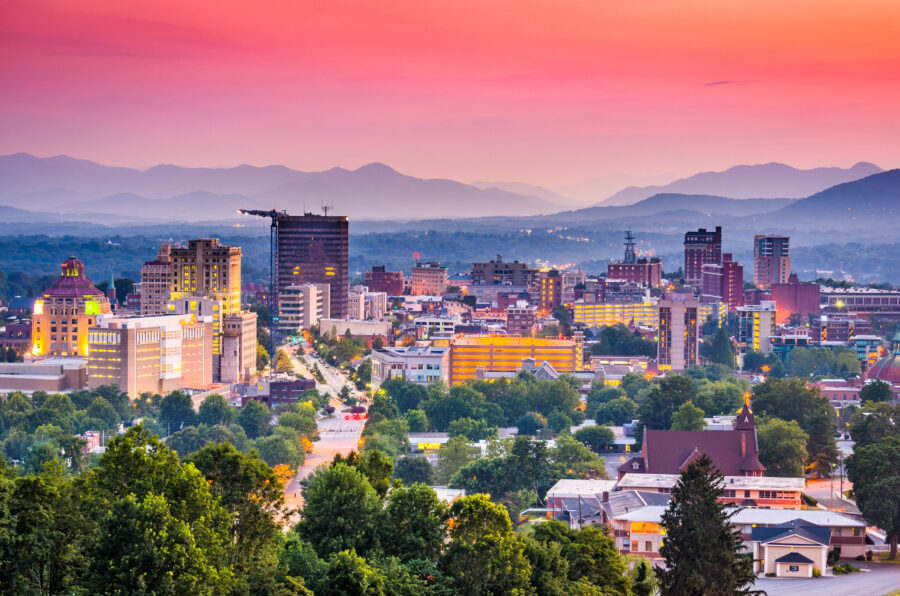
First trip? Downtown Asheville is the obvious base. You can walk everywhere—Art Museum, Pack Square, breweries galore. I like downtown for the pure convenience: coffee, galleries, live music, all within a few blocks.
The Montford Area Historic District sits just north of downtown and feels quieter. Many of the old homes are now cozy inns with gorgeous details from the 1900s. For a different flavor, Biltmore Village hugs the famous estate and mixes indie shops with solid restaurants.
Each area has its own rhythm—Downtown pulses with activity, Montford leans historic, and Biltmore blends architecture with a family-friendly pace. You’ll find everything from boutique hotels to vacation rentals on trusted sites like Booking.com.
Tips for Different Travel Styles
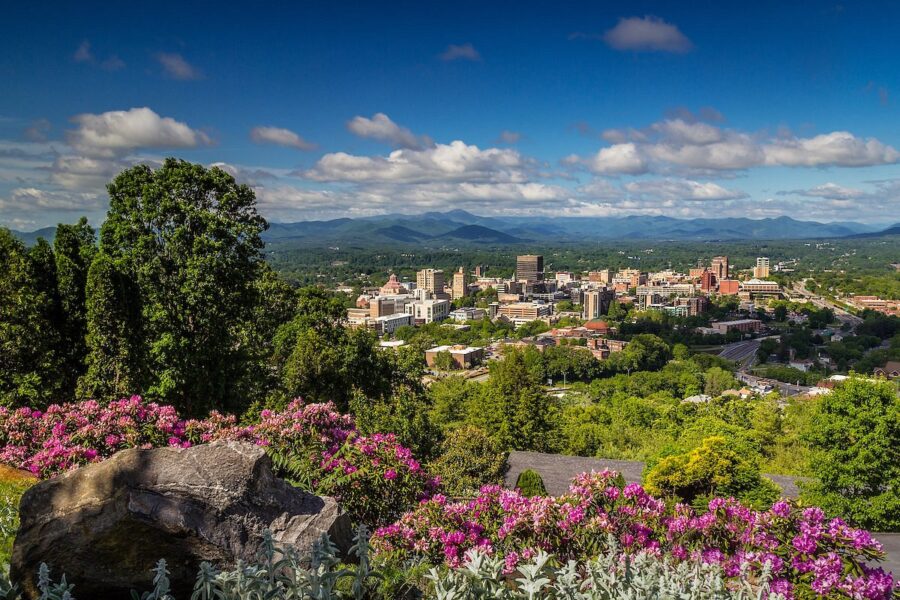
If food’s your main event, stick close to Downtown or the River Arts District. You’ll have Asheville’s best restaurants and art-filled warehouses at your doorstep. If you want quiet mornings and mountain views, Black Mountain (about 20 minutes out) is hard to beat.
Families often pick Biltmore Village—it’s safe, close to parks, and has easy dining. Hikers and outdoor folks do well near the Blue Ridge Parkway; you’ll save time getting to the trails.
Parking gets competitive downtown, especially during festivals. Staying somewhere walkable can save you money and hassle. Night owls should look for places near live music or breweries—Asheville’s nightlife is worth planning for.
Considerations: Budget to Luxury
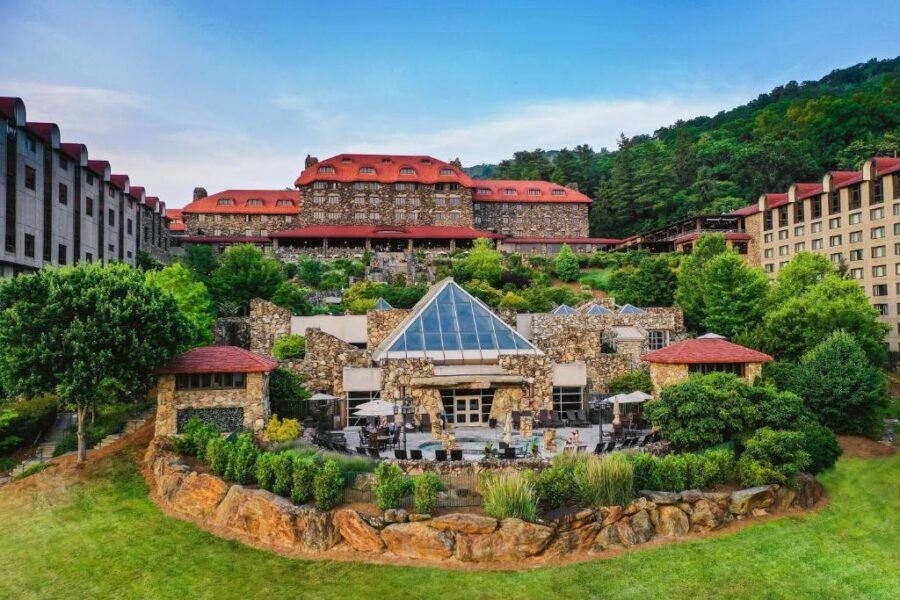
Your budget shapes your Asheville experience. Options run from hostels and affordable inns east of downtown, up to splurge-worthy spots like the Omni Grove Park Inn or sleek boutique hotels.
Budget travelers do well in West Asheville or Black Mountain, where you’ll find motels and cabins with local flavor. Mid-range? Try small boutique hotels with decent prices and good locations.
If you want luxury—think mountain views, spas, fine dining—historic hotels and mountain resorts are your best bet. They cost more, but the scenery’s unbeatable. Use Expedia to compare prices across the board.
| Budget Level | Recommended Areas | Typical Stay Type |
|---|---|---|
| Budget | Black Mountain, West Asheville | Inns, motels, cabins |
| Mid-range | Downtown, Montford | Boutique hotels |
| Luxury | Biltmore, Grove Park | Resorts, estates |
Access to Top Attractions
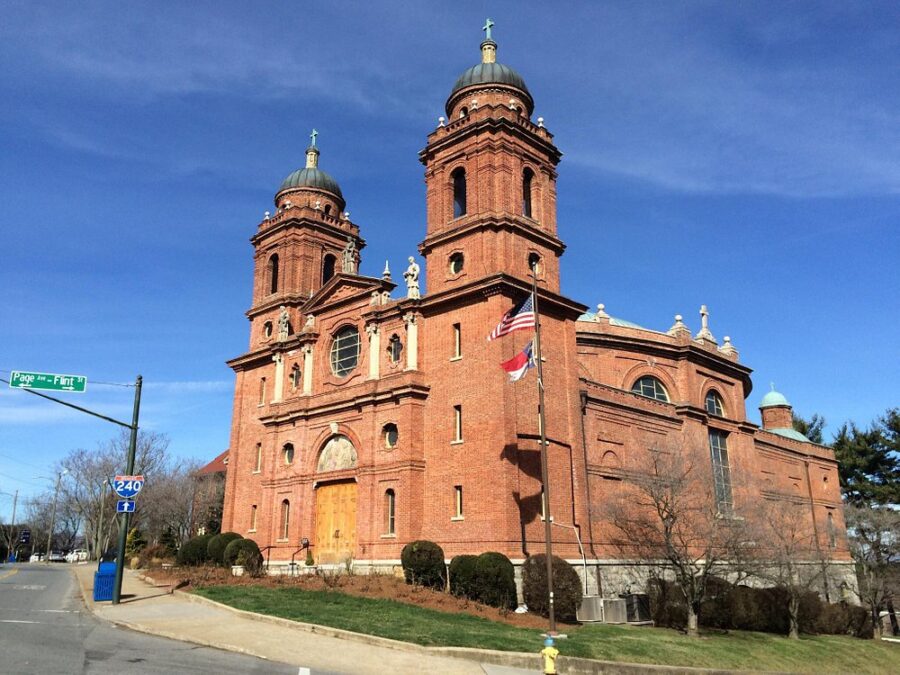
Staying downtown cuts down your drive time between Asheville’s main spots. You’re near the Basilica of Saint Lawrence, Thomas Wolfe Memorial, breweries, boutiques, and galleries.
If you’re here for the outdoors, look near the Blue Ridge Parkway or Pisgah National Forest. Black Mountain is handy for hiking and waterfalls. Families going to the Biltmore Estate should stay nearby—it’s less parking stress and more time to explore.
Here’s a quick look at travel times:
| Area | Time to Downtown | Access Highlights |
|---|---|---|
| Downtown | — | Food, museums, nightlife |
| Biltmore Village | 10 min | Biltmore Estate, antique shops |
| Black Mountain | 20 min | Mountains, trails, local art |
| River Arts District | 5 min | Studios, galleries, breweries |
Pick the area that lines up with your plans—less driving, more doing.
1. Downtown Asheville
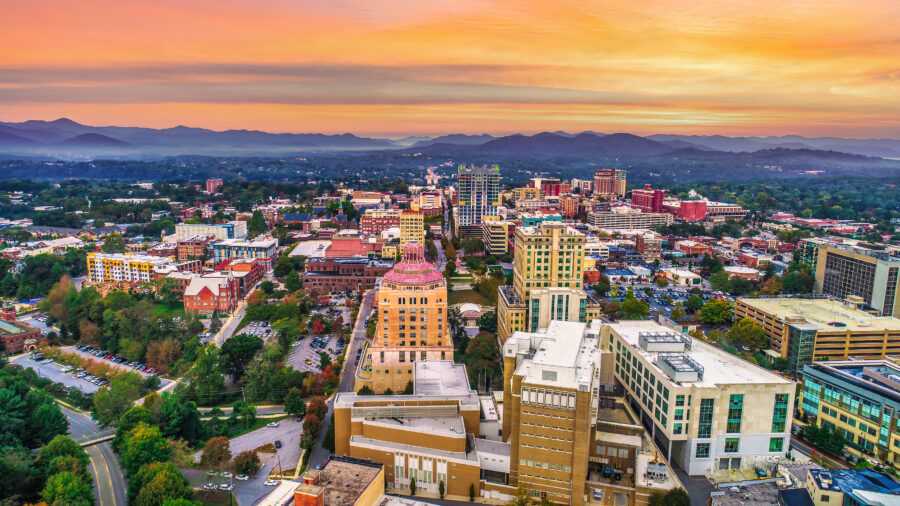
Downtown Asheville delivers mountain character with a creative edge. Here, historic hotels sit next to breweries and galleries, and there’s always something happening. The area’s compact and walkable, so you can explore without a car.
Top Downtown Hotels
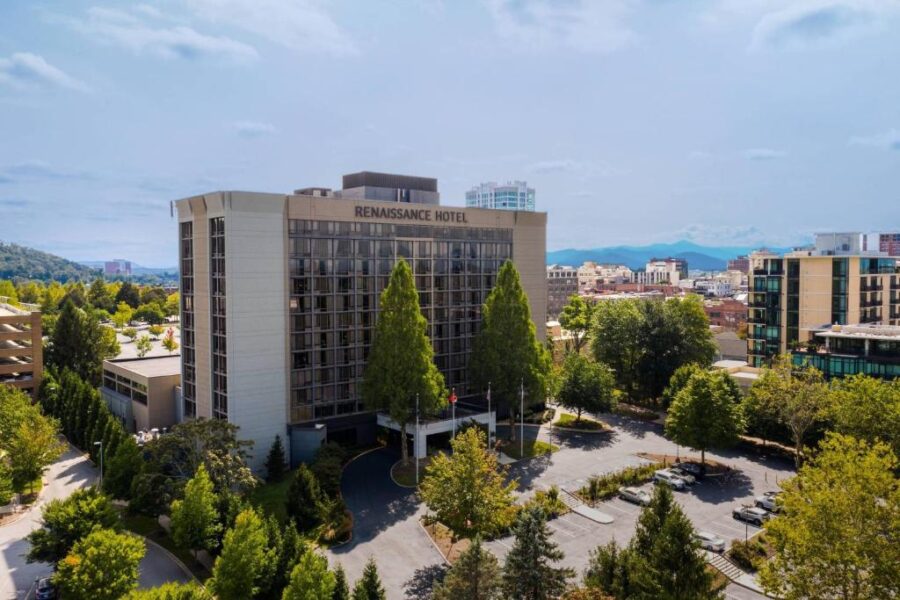
There’s a solid mix of stays—restored classics, new boutiques, and everything in between. The Renaissance Asheville Downtown Hotel is a few blocks from Pack Square, with comfy rooms and mountain views. Parking’s easy, and you can walk to almost everything.
The Foundry Hotel Asheville stands out if you want boutique vibes. Housed in a former steel factory, it’s got exposed brick, beams, and a real sense of place.
It’s technically part of Hilton’s Curio Collection, but honestly, it feels more local than chain. Staff here actually know where to send you for the best coffee or a good show.
Other picks: Kimpton Hotel Arras has sleek rooms and local art, while the Flat Iron Hotel (a 1920s Art Deco classic) has a rooftop bar and themed rooms.
| Hotel | Style | Notable Feature |
|---|---|---|
| Renaissance Asheville | Modern classic | Indoor pool, mountain views |
| The Foundry | Industrial-chic | Historic setting, on-site restaurant Benne on Eagle |
| Flat Iron Hotel | Historic Art Deco | Rooftop bar, themed rooms |
Walkable Attractions
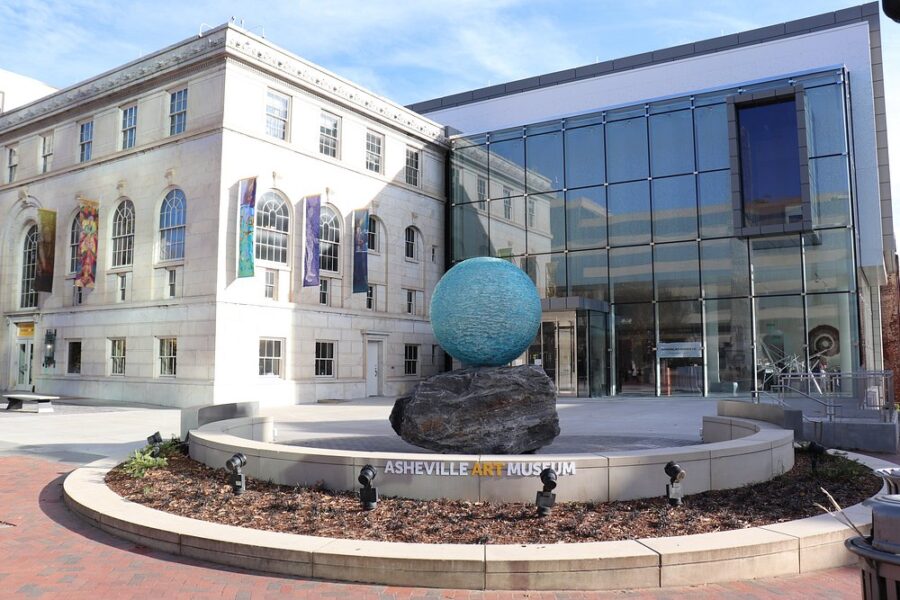
Everything’s close downtown. Start at Pack Square and follow the Asheville Urban Trail—it’s marked by bronze sculptures and gives you a crash course in local history and art.
Places worth a stop: the Asheville Art Museum (regional artists, not just landscapes), and the Asheville Pinball Museum (you can actually play the games—don’t be surprised if you lose track of time).
Grove Arcade is a must for architecture buffs. This 1920s building is now home to local boutiques, cafés, and a couple of tucked-away cocktail bars. It’s a good spot to duck into if the weather turns.
Dining and Nightlife
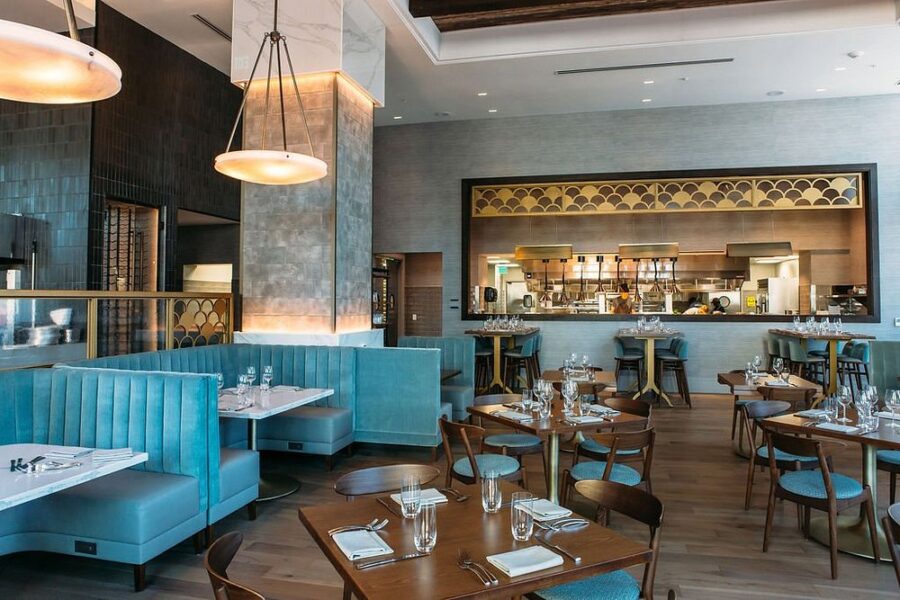
Food here is a big deal, but it’s not snobby. Benne on Eagle serves creative dishes rooted in Black Appalachian cooking. Bargello (inside Hotel Arras) does Mediterranean—think wood-fired pizza and handmade pasta.
For a chill night, try District 42 for drinks and small plates, or swing by S&W Market, the city’s food hall in a 1929 Art Deco space. I like grabbing dinner there before a show at The Orange Peel—probably Asheville’s best-known music venue.
If you’re into beer (and honestly, who isn’t here?), check out the South Slope breweries. It’s all walkable, so you can sample a few without worrying about driving.
Shopping and Galleries
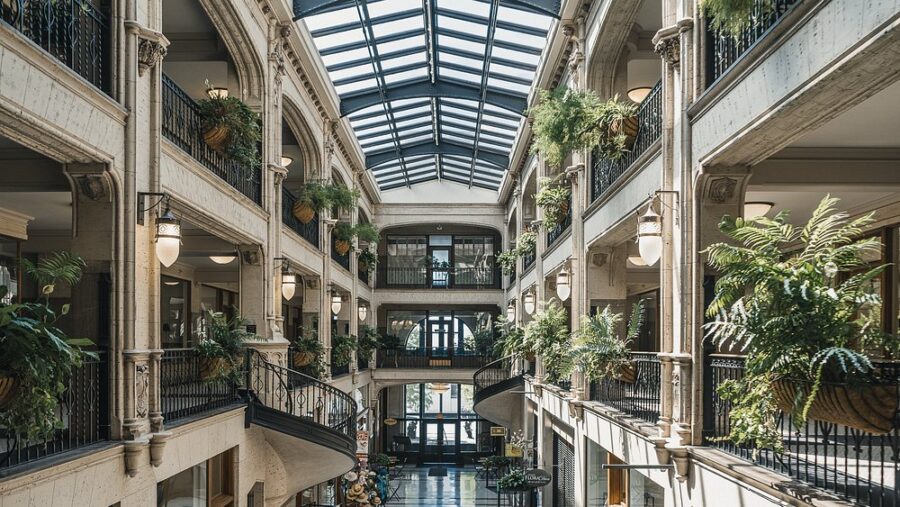
Downtown’s perfect for browsing. You’ll find indie shops selling pottery, handmade jewelry, and stacks of vinyl. Grove Arcade and Wall Street are good starting points.
Art fans should check out Blue Spiral 1, a three-floor gallery with work from regional artists. The Center for Craft is also worth a look—lots of new talent and rotating exhibits.
I usually wind down at Malaprop’s Bookstore, flipping through books by local authors over a latte. It’s the kind of place that sums up downtown Asheville: creative, relaxed, and just a bit quirky.
See Related: The Top Vacation Spot in the World: Discover the Ultimate Destination
2. Historic and Cultural Neighborhoods
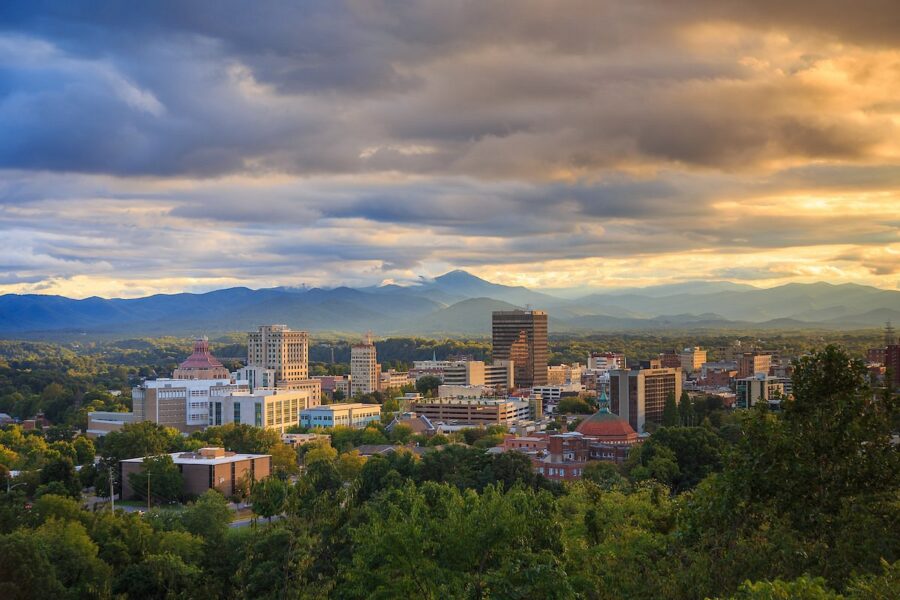
Asheville’s history shows up in its architecture, art spaces, and neighborhoods that feel lived-in, not staged. Each area brings something different—stately homes, creative enclaves, or a bit of both.
Montford Area Historic District
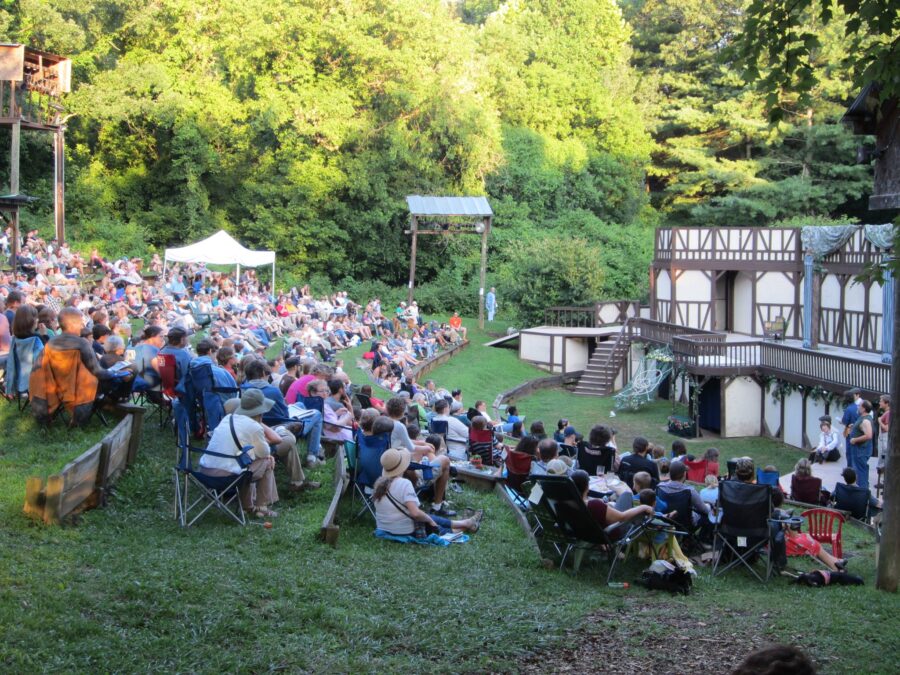
Montford feels like stepping into Asheville’s past. Just north of downtown, you’ll see restored homes in styles from Queen Anne to Colonial Revival. Many now run as bed-and-breakfasts, some with original stained glass and wraparound porches.
Walk under the old oaks, listen to cicadas, and you can almost picture Asheville a century ago. Riverside Cemetery is here too—authors Thomas Wolfe and O. Henry are buried among the monuments.
In summer, the Montford Park Players do free outdoor Shakespeare at Hazel Robinson Amphitheatre. Bring a blanket, settle in, and enjoy the show as the sun sets. It’s low-key and feels more local than touristy.
River Arts District

Along the French Broad River, old warehouses have turned into artist studios and galleries. The River Arts District (RAD) is a working neighborhood—expect paint-splattered jeans, glassblowers at work, and artists happy to chat.
If you’re more into seeing art made than just looking at it, this is your place. You can pick up affordable prints, watch demos, or just wander. I once lost an afternoon in a metal studio, watching farm tools become sculpture—no sales pitch, just pure creativity.
Coffee shops in old factories dot the area. Afterward, you can head downtown to the Asheville Art Museum for a different angle on local art. Parking’s easiest near Depot Street, but weekends get busy.
Biltmore Village
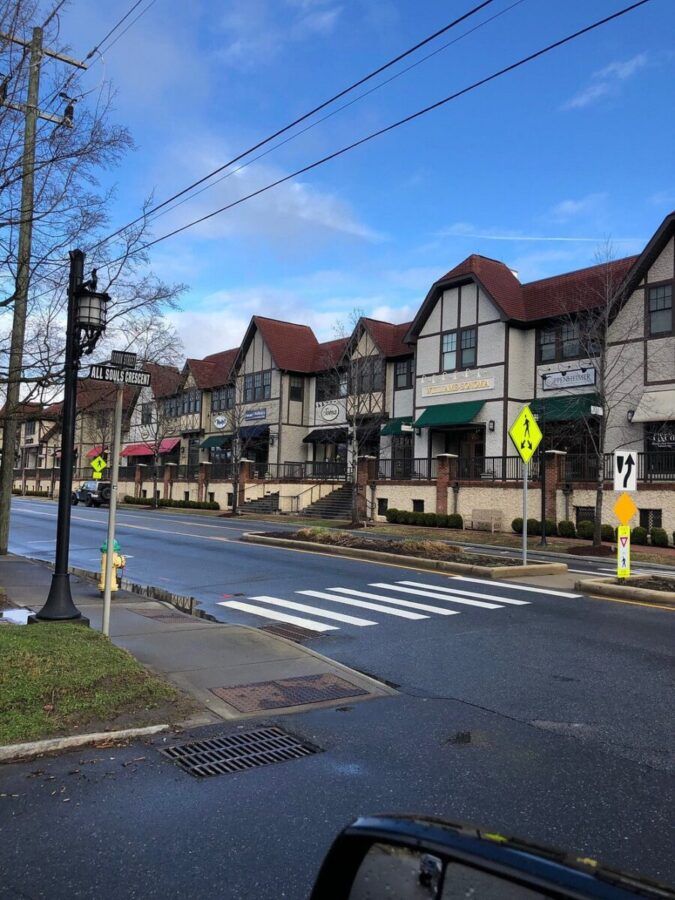
Biltmore Village has the look of a small English town, thanks to its origins as housing for George Vanderbilt’s estate workers. You’ll see Tudor-style cottages and cobbled streets, with indie shops selling local crafts.
After touring the Biltmore Estate, wander down to Antler Hill Village—it’s got the Biltmore Winery, a few restaurants, and seasonal farm exhibits that nod to the estate’s roots. It’s a bit touristy, but in a way that feels intentional, not overdone.
Hotels here blend old-world touches with modern comfort—think stone fireplaces, wood beams, maybe even a glimpse of the estate. The pace is slow; it’s the kind of place where lunch stretches into the afternoon and nobody’s in a hurry.
3. Experience the Biltmore Estate
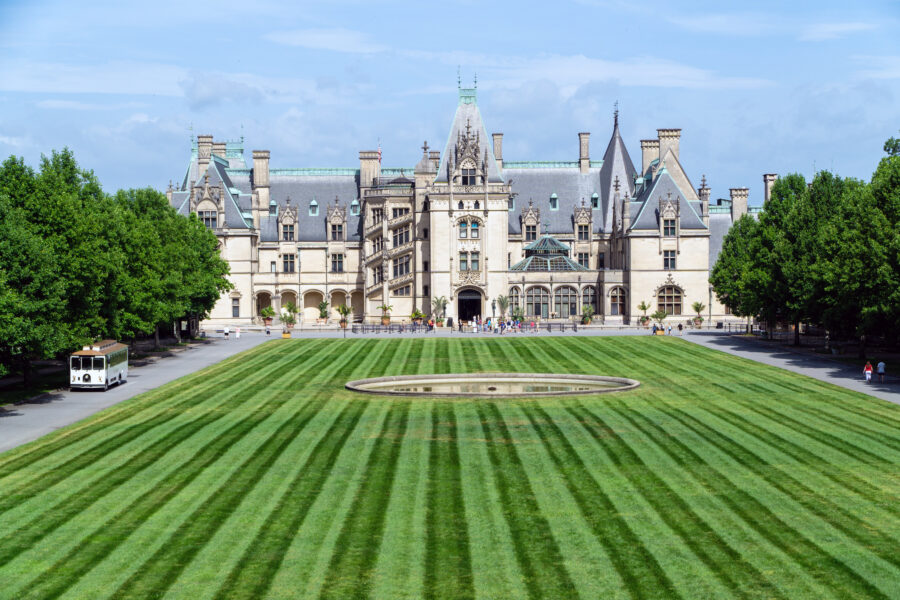
You could spend a whole day—or honestly, a weekend—exploring Biltmore Estate, Asheville’s signature attraction. Between lodging on the property, historic inns nearby, and the massive Biltmore House itself, there’s a good fit for just about any pace or budget. It’s more than a mansion; it’s a blend of history, hospitality, and those classic mountain views.
Staying on the Estate
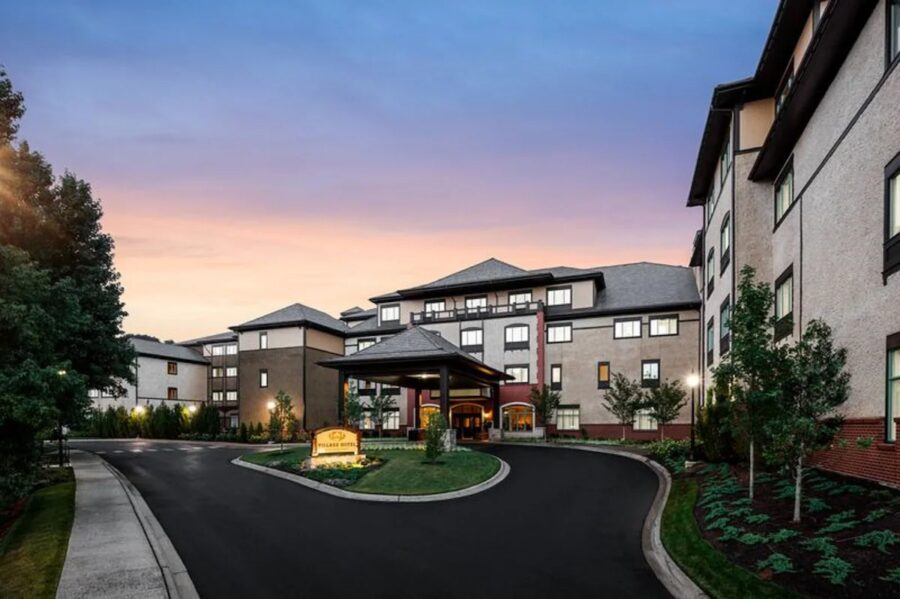
If you want to stay right on the grounds, you’ve got three main picks. The Village Hotel on Biltmore Estate sits next to Antler Hill Village, where you’ll find the winery, shops, and casual places to eat. It’s a comfortable, unfussy spot—perfect if you want quick access to estate activities without a steep bill.
A step up, The Inn on Biltmore Estate feels refined but never stuffy. Service is top-notch, and the Blue Ridge views are the kind you remember. Breakfast on the terrace? That’s the moment you forget you’re in a tourist zone.
For privacy, the Cottages on Biltmore Estate make it feel like you’re living there. These historic homes have full kitchens, cozy living rooms, and staff who’ll stock your fridge before you arrive. You can join estate activities like guided hikes or tastings at the winery, too.
| Lodging Option | Type | Highlights |
|---|---|---|
| Village Hotel | Relaxed | Steps from shops, dining, winery |
| The Inn | Luxury | Four-star service, mountain views |
| Cottages | Private | Full amenities, personal touches |
Nearby Hotels and Inns
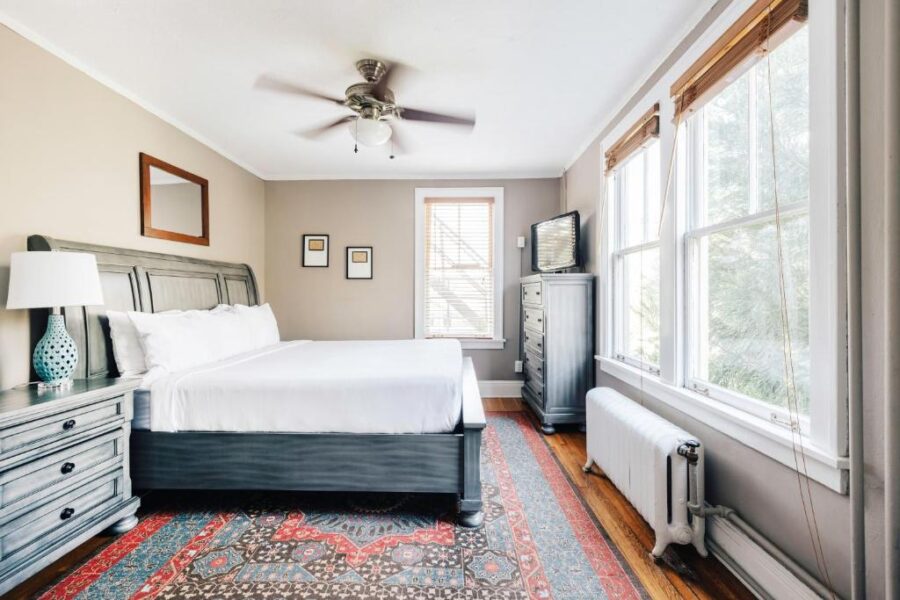
When on-site rooms are full or out of reach, plenty of hotels in Biltmore Village keep you close. The area’s historic brick buildings now house boutique inns, cafés, and galleries. Staying here means you’re still a short drive from the estate’s restaurants and winery.
Places like the Albemarle Inn and Princess Anne Hotel mix classic architecture with Southern-style breakfasts. I once stayed in a bed-and-breakfast with creaky floors and homemade jam—the kind of details that stick with you.
For modern comfort, national chains cluster near Biltmore Avenue and Hendersonville Road. Expect flexible prices, free parking, and quick access to downtown Asheville for dinner or nightlife. It’s a solid pick if you want a bit of everything.
Visiting the Mansion and Grounds
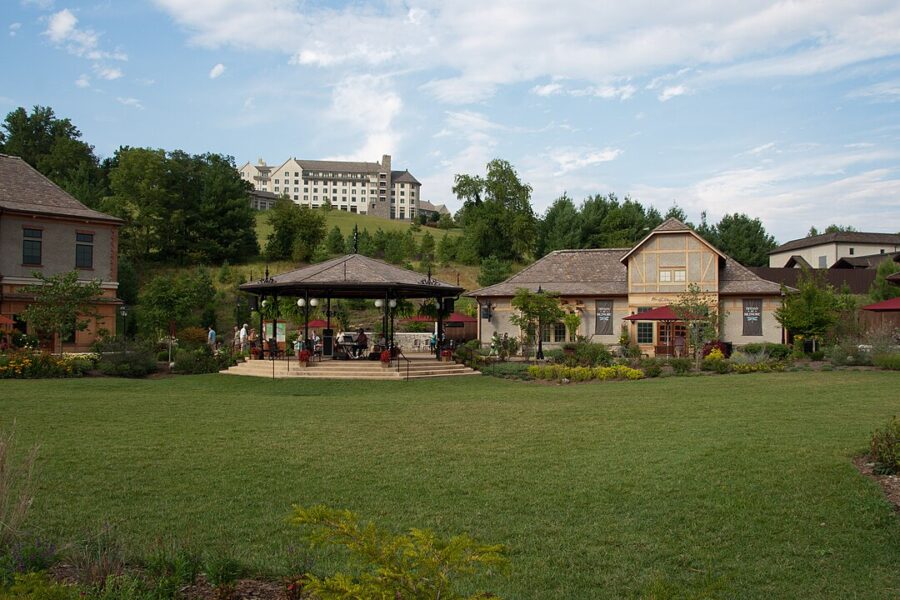
The Biltmore House is the star—250 rooms of Gilded Age design, original furnishings, and family legacy. Block off at least half a day. Audio tours help, but honestly, wandering at your own pace and catching odd corners—a carved doorframe, a hidden hallway—makes the visit.
Outside, 8,000 acres of gardens and farmland roll out across the estate. Walk the Italian Garden, bike the Lagoon Trail, or taste wine at Antler Hill Village & Winery. Trails and shuttles connect everything, so you can take your time.
Holidays light up the house with trees and decorations, but quieter months have their own appeal—foggy mornings, empty conservatories, and space to breathe. Whatever the season, the Biltmore blends history with mountain calm.
4. Scenic Mountain Retreats Near Asheville
The mountain towns and valleys around Asheville mix peaceful landscapes with easy access to good food, art, and outdoor trails. Each spot has its own personality, from tidy main streets lined with cafés to high-end resorts with big Blue Ridge views.
Black Mountain
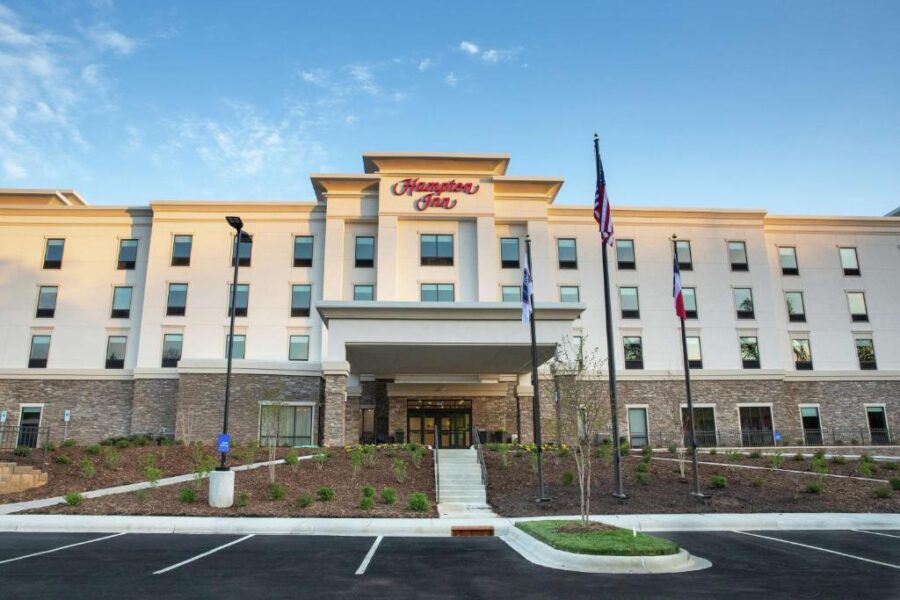
Black Mountain feels like Asheville’s quieter cousin. It’s about twenty minutes east, small enough to wander from a bakery to a hiking trail before noon. The town’s laid-back, no-rush vibe is the real deal.
You’ll find independent cabins, small inns, and the Hampton Inn Black Mountain—clean, close to I-40, and right near Cherry Street’s restaurants. Locals love Trailhead Restaurant for Southern classics and Veranda Café for lunch.
Short hikes? Try the Lookout Trail—steep but quick, with big views. For a gentler outing, Lake Tomahawk offers a walking loop and picnic spots. Black Mountain gives you mountain scenery without feeling isolated—just enough to wake up to mist on the ridges.
North Asheville & Grove Park
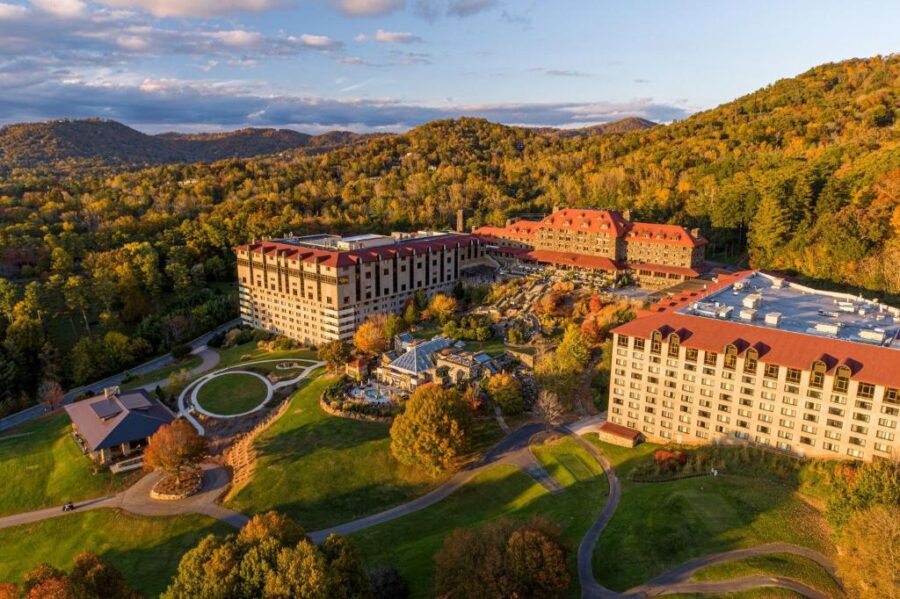
North of downtown, North Asheville mixes historic neighborhoods with mountain views. The standout is the Omni Grove Park Inn, a century-old resort and a true area landmark. Its stone terraces overlook miles of blue ridgelines, and the spa—yes, it’s pricey—ranks among the state’s best.
Even if you don’t stay, it’s worth a visit for a drink at Sunset Terrace or to watch the light fade over the Blue Ridge Mountains. The area has quiet streets, Tudor-style homes, and the Botanical Gardens at Asheville just minutes away.
Outside the resort, smaller guesthouses in Grove Park and Montford offer gardens and porches for reading or just zoning out. North Asheville strikes a balance: mountain atmosphere, but groceries, breweries, and art shops are all within reach.
Blue Ridge Parkway Access
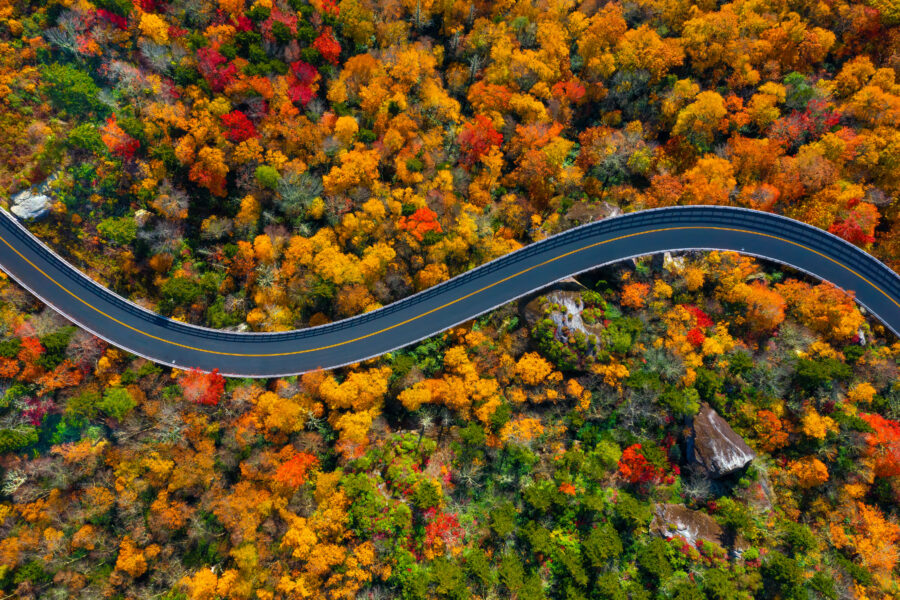
If you came for the views, staying near the Blue Ridge Parkway puts you at the doorstep of the best drives and trails. This western edge of Asheville stretches toward Pisgah National Forest and the North Carolina Arboretum, a handy stop for short walks and native plants.
Lodging spans a few boutique hotels on the ridgeline to cabins tucked in the woods off the Parkway. Here’s a quick breakdown:
| Type of Stay | Example Area | Key Features |
|---|---|---|
| Cabins & Cottages | Bent Creek, Mills River | Secluded, near hiking/biking |
| Boutique Inns | Parkway Mile 393 Area | Sunrise views |
| Resorts | Near Craggy Gardens | On-site dining, spa |
Mornings are quiet—sometimes fog drifts through the valleys. Drive the Parkway at dawn and you’ll see why some people plan whole trips around these views. Staying nearby means you can catch both sunrise and sunset without a long haul back to town.
See Related: A 5-Day Adventure in the U.S.: National Parks, Landmarks, and Hidden Gems
5. West Asheville and Alternative Stays
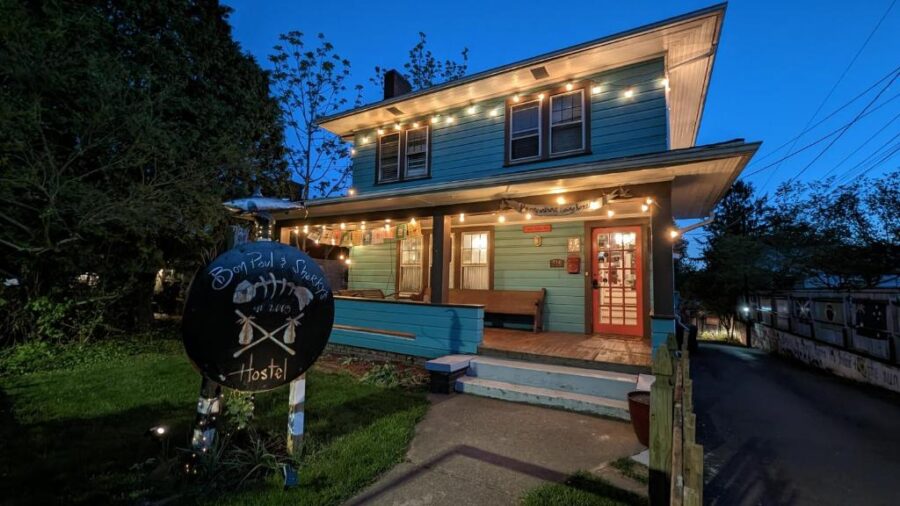
West Asheville has a creative, low-key feel. You’ll find small guesthouses, quirky Airbnbs, and quick access to independent restaurants and breweries along Haywood Road. The area feels like a lived-in neighborhood, not a tourist strip, and that’s a big part of its draw.
Eclectic Lodging Options
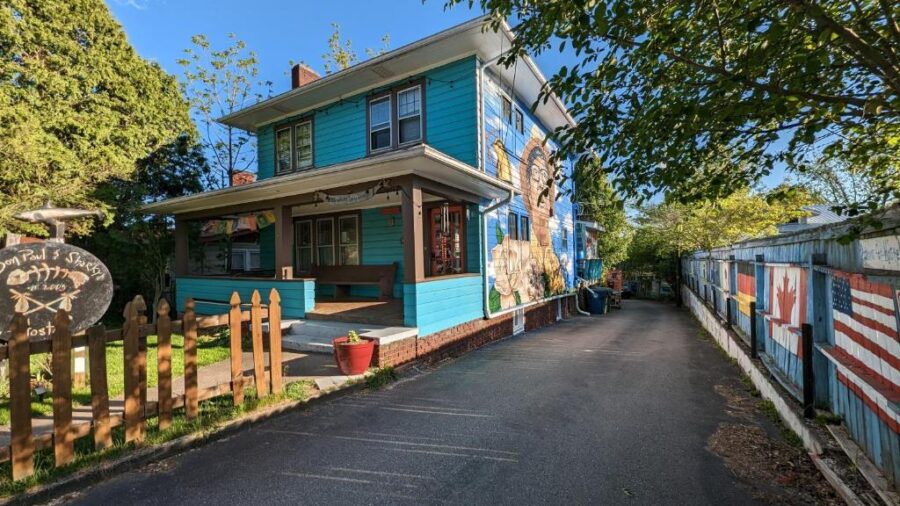
If you want something more personal than a chain hotel, West Asheville delivers. The neighborhood has bungalows turned into Airbnbs, tiny homes tucked behind gardens, and Bon Paul & Sharky’s Hostel, a longtime favorite for budget travelers. It’s easygoing, clean, and manages to be both social and private—plus, there’s a hammock deck with French Broad River views.
You won’t see many big Asheville hotels here—zoning keeps things residential. Instead, expect homeowners renting out suites or backyard cottages. Prices tend to be friendlier than downtown, especially midweek. Here’s a quick look at what’s available:
| Type | Typical Price Range | Vibe | Nearby Spots |
|---|---|---|---|
| Hostel (Bon Paul & Sharky’s) | $40–$60/night | Casual, social | Haywood Rd, River Arts District |
| Airbnb Suite | $90–$150/night | Homey, private | Amboy Rd, French Broad River |
| Boutique Guesthouse | $120–$200/night | Stylish, quiet | Near Patton Ave |
Local Cuisine and Breweries
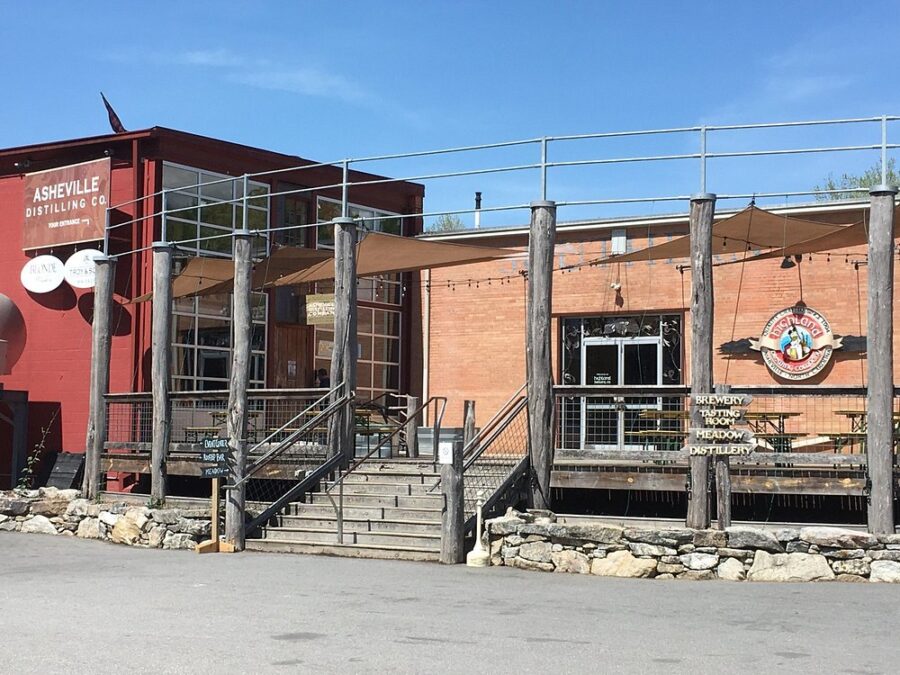
Food here is creative, unfussy, and sometimes a little rough around the edges—in a good way. Along Haywood Road, you’ll find BBQ joints, vegetarian cafés, and donut shops all mixed together. I’m partial to the diners that serve Southern breakfasts until noon; they always seem to show up when you need them.
The French Broad River runs close by, giving some patios a breezy, open view that’s hard to beat. Breweries are everywhere—grab a local IPA, chat with someone fresh from a music jam or a bike ride. Names change, but the scene stays rooted in community.
You’ll eat well without spending much, and after dinner, live music or a riverside stroll is never far.
Staying Near Asheville for Convenience
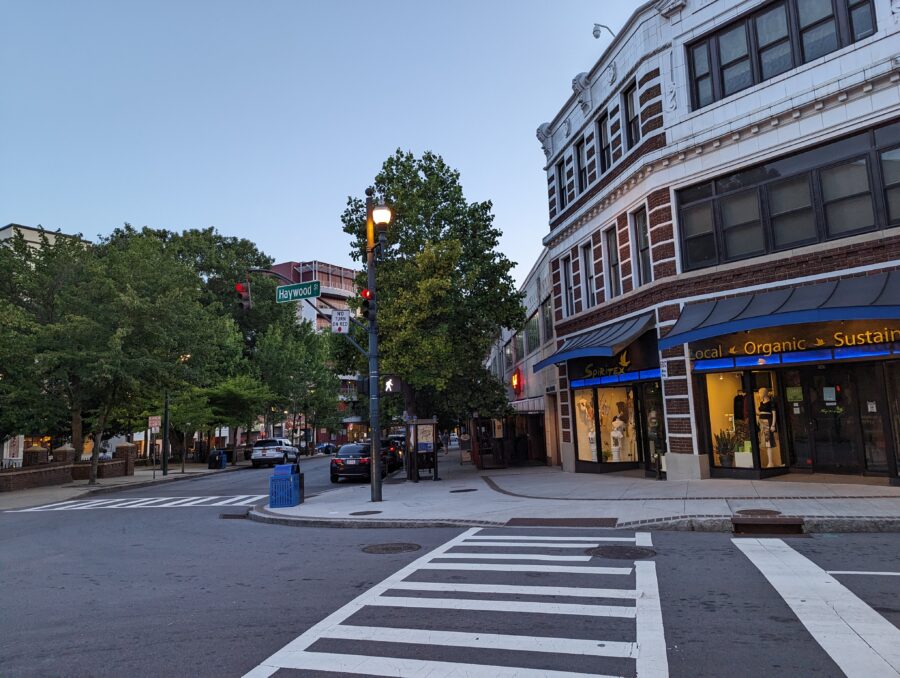
If you’d rather skip city traffic and need quick access to the airport and highways, staying outside central Asheville saves time and stress. Many travelers pick the outskirts for easy parking, quieter nights, and short drives to the Blue Ridge Mountains or small North Carolina towns.
Proximity to Asheville Airport
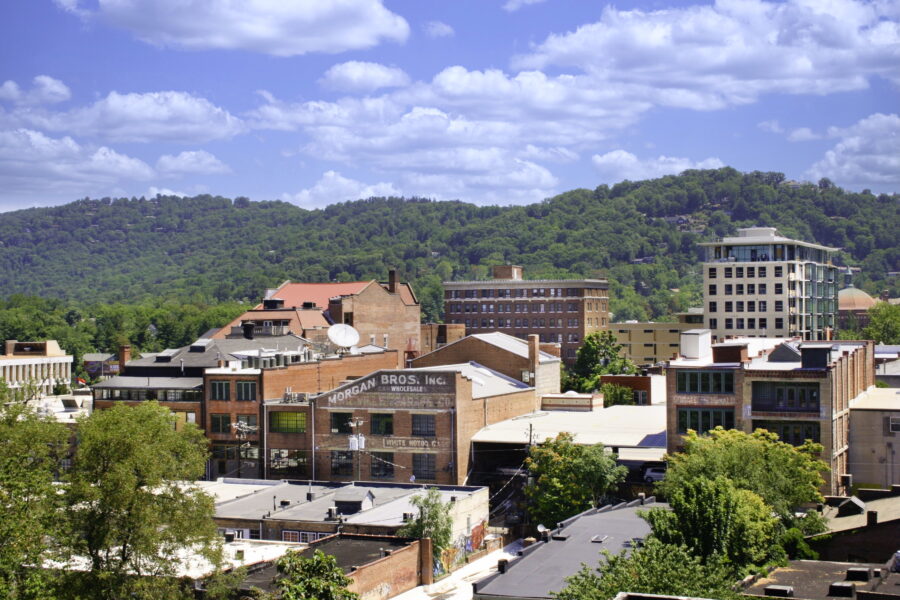
Flying into western North Carolina? Staying near Asheville Regional Airport (AVL) keeps things simple. The airport’s about 20 minutes south of downtown and right on Interstate 26, making Hendersonville and other mountain spots easy to reach. Nearby hotels usually offer free shuttles, and some have long-term parking if you’re renting a car.
You’ll see several mid-range options along New Airport Road and Brevard Road—comfortable rooms without downtown prices. Some offer early breakfasts for early flights and gas stations are close by. It’s a practical base if you booked your cheap flight tickets well in advance.
I’ve stayed near AVL before early flights, and it’s convenient enough that you don’t really miss being downtown. Just a heads-up: after 10 p.m., restaurants thin out, so grab dinner earlier up toward Biltmore Park or State Route 280.
Best for Roadtrippers
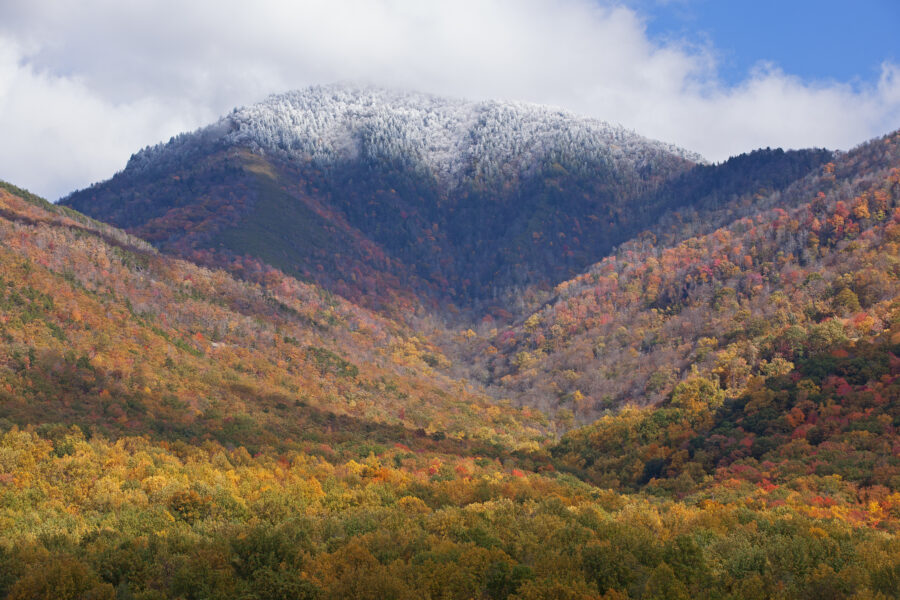
If you’re road-tripping through North Carolina, staying on Asheville’s edges makes quick travel easier. Highway access is straightforward—Interstate 26 runs north-south, I-40 east-west—so you can head for the Smokies, Boone, or even Greenville without winding through city streets.
Areas like Arden, Fletcher, and Candler work well if you’re passing through but want a night’s rest close to town. You’ll find budget hotels, cabin rentals, and campgrounds with self-check-in and easy access to groceries or auto shops.
For longer trips, check flight availability and road conditions ahead of time. Parking’s usually free, and most motels don’t tack on extra fees. I like staying just west of Asheville, near the Blue Ridge Parkway—it’s quiet, but you can still grab coffee downtown before hitting the highway again.
Traveling on a Budget in Asheville
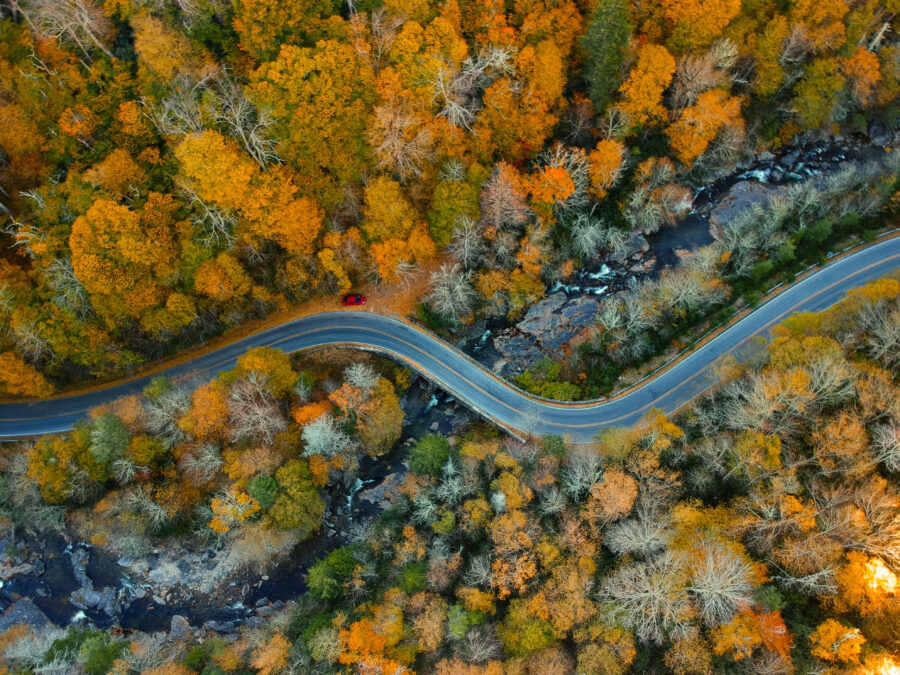
You don’t need a big budget to enjoy Asheville’s mountain vibe. With a bit of planning, you’ll find affordable places to stay, eat well, and still soak in the culture and scenery that make this city stand out.
Affordable Accommodations
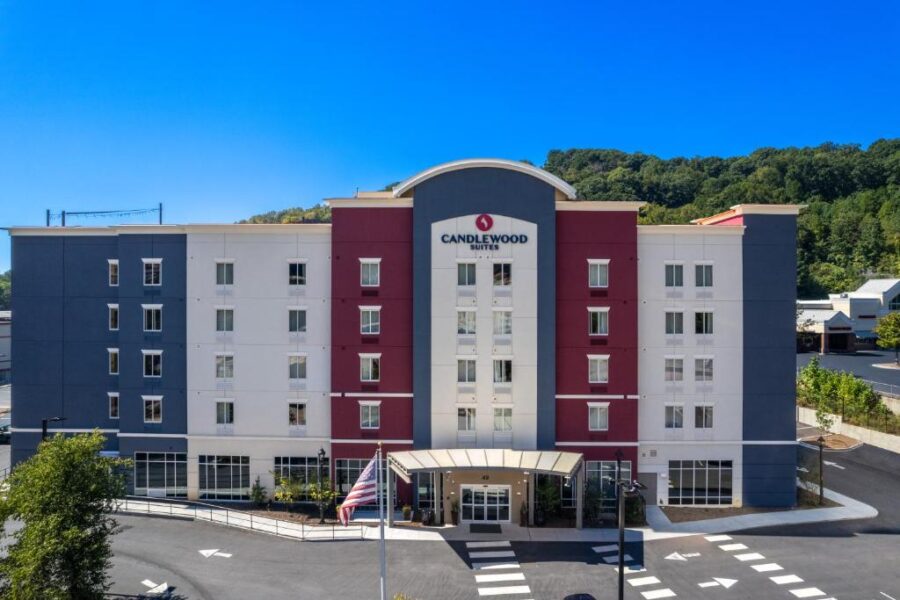
If you’re watching your wallet, a few Asheville neighborhoods make it easier to find a deal. Tunnel Road is lined with budget-friendly hotels like Candlewood Suites and Country Inn & Suites. These sit just a quick drive from downtown, so you’re close to restaurants and shops without paying those steep downtown prices.
Biltmore Village has several affordable chain hotels within walking distance of cafés and boutiques. Plus, you get easy access to the Blue Ridge Parkway—handy for saving on gas and parking if you’re planning day trips.
Prefer a more local vibe? Check out boutique motels or family-run inns along Tunnel Road or near the River Arts District. Some throw in free breakfast, parking, or even a shuttle to downtown. Those extras really help if you’re staying a few nights.
If you want backup for your trip, affordable travel insurance can give you peace of mind without breaking the bank.
Tips for Saving Money
Timing matters here. Room rates drop on weekdays or during winter when things are quieter. If you’re hoping for deals, avoid peak fall weekends when leaf season crowds roll in.
Stock up on snacks from local markets and skip eating out every meal. Most budget hotels have microwaves and mini-fridges—makes it easy to fix breakfast or pack a picnic lunch.
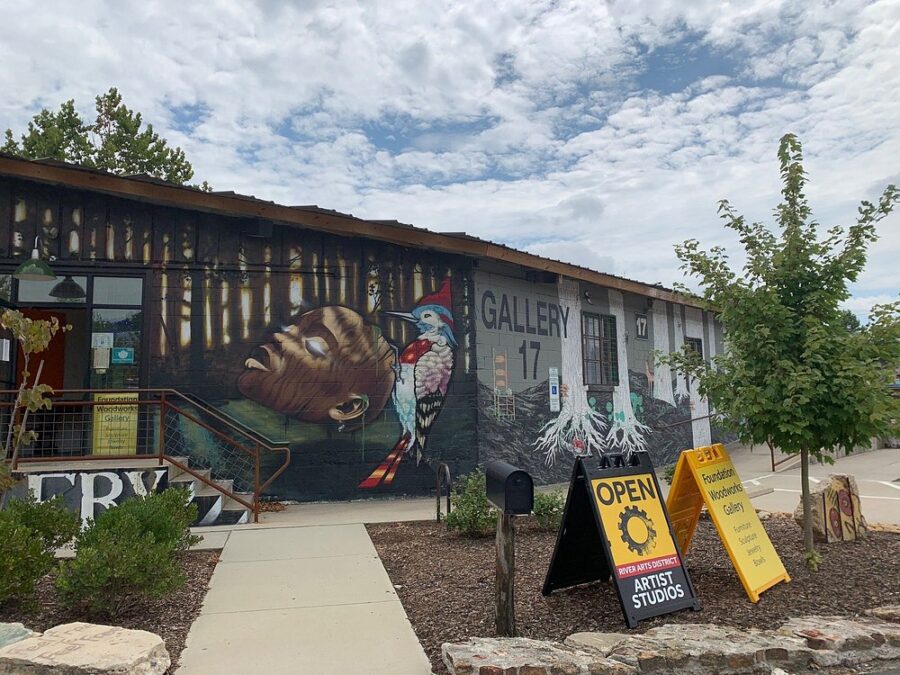
Free entertainment is everywhere. Walk the Urban Trail downtown, catch street performers, or browse local art in the River Arts District. You can spend an afternoon on trails and near waterfalls around Asheville without ever buying a ticket.
If you’re driving, park for free outside downtown and hop on the local bus or grab a cheap rideshare into the city. Little moves like that can leave you with enough for an extra pint or a live show.
See Related: Best Winter Destinations in the US: Snowy Escapes You Can’t Miss
Frequently Asked Questions
Asheville blends mountain calm with city buzz, and your choice of neighborhood can really change your trip. Some spots keep you near downtown’s local food and breweries, while others trade walkability for quiet woods and Blue Ridge Mountain views.
What are the top-rated hotels in downtown Asheville?
Downtown offers a mix of big-name hotels and smaller boutiques. The Omni Grove Park Inn stands out for its history and amenities, though it’s a short drive north of the center. If you want to be right in the action, The Windsor Boutique Hotel and Renaissance Asheville Hotel both get strong marks for comfort and easy access to restaurants and galleries.
Staying near Pack Square means you can wake up, grab coffee from a local spot, and walk to just about everything. Honestly, you really don’t need a car downtown.
Can you recommend some unique accommodations in Asheville?
If you’re after personality, Asheville has loads of options. Airbnbs and small inns fill converted historic homes, especially in Montford and the River Arts District. For travelers who like a little quirk, Bon Paul & Sharky’s Hostel is a solid pick—budget, character, and a view.
Cabin rentals on the city’s edge give you more space and those forest sounds at night. Some cottages from the 1930s have details like claw-foot tubs—not fancy, but definitely charming.
Which areas in Asheville offer the best mountain views?
You’ll catch the widest views from North Asheville and Black Mountain, both about 15–25 minutes from downtown. Properties near the Blue Ridge Parkway often back up to rolling ridges, especially at sunrise.
Even some places in Biltmore Village sit high enough for a slice of mountain scenery, but for full-on panoramas, book a spot above the city line.
How long should a typical visit to Asheville last to enjoy its offerings fully?
Three days gives you time to explore downtown, check out the art scene, and fit in a hike or two. If you want to tour Biltmore Estate, sample breweries, or drive the Parkway, five days lets you slow down and enjoy it all. Honestly, Asheville rewards a slower pace—you’ll catch more of its details if you don’t rush.
Are there any 5-star luxury hotel options in Asheville?
You won’t find many true 5-star hotels here. The Omni Grove Park Inn comes closest, with a full-service spa, fine dining, and mountain views from nearly every balcony. It’s a historic spot that draws plenty of visitors, even if they’re not staying overnight.
For something smaller but still upscale, The Foundry Hotel downtown has stylish interiors and a quieter vibe, just steps from the South Slope brewery scene.
What part of Asheville is most convenient for pedestrians exploring the city?
Downtown Asheville—hands down. The streets are tight-knit, full of indie restaurants, and built for walking. You can stroll from the Art Museum to a live music venue without ever touching your car.
Heads up: parking gets tough on weekends, so once you snag a spot, stick with walking. You’ll catch more of the city that way.