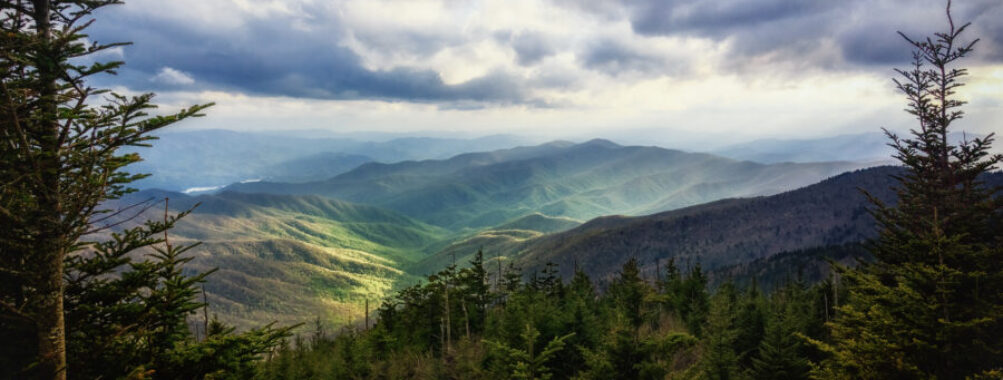
Where to Stay in Smoky Mountains: Best Areas, Hotels & Cabin Picks
Updated December 22, 2025
Choosing where to stay in the Smoky Mountains can feel like trying to pick the best view in a place where every direction looks stunning. Gatlinburg, Pigeon Forge, Cherokee—they all sound good until you realize how different each one feels once you’re there. The best place to stay in the Smoky Mountains depends on what you want most—easy park access, peace and quiet, or plenty of fun right outside your door.
Here’s a breakdown so you don’t have to keep switching tabs. You’ll get a quick layout of the main areas, who they fit, and specific places—from cabins with hot tubs to budget-friendly inns. After years exploring these mountain towns and swapping stories with locals, I’ve pulled together everything you need to choose fast and well.
Key Takeaways
- See which Smoky Mountain areas match your travel style
- Compare top stays: cozy cabins, classic hotels
- Get practical booking and seasonal planning tips
Table of Contents
- Most Popular Areas to Stay in the Smoky Mountains
- Gatlinburg: Gateway to the Great Smoky Mountains
- Pigeon Forge: Family-Friendly Fun & Dollywood Access
- Sevierville: Value and Local Charm
- Cherokee & Bryson City: North Carolina Basecamps
- Cabin and Rental Options: Unique Lodging Experiences
- Mountain View Cabins and Cozy Log Retreats
- Romantic Cabins with Hot Tubs and Firepits
- Large Group Rentals and Family Cottages
- Secluded Treehouses & Glamping Spots
- Best Neighborhoods for Nature Lovers
- Staying Near Hiking Trails & Waterfalls
- Cades Cove and Cataloochee Valley Escapes
- LeConte Lodge and Backcountry Options
- Types of Accommodations: From Resorts to Campgrounds
- Boutique Hotels and Mountain Inns
- Luxury Resorts and Spa Stays
- Camping and Glamping in the Smokies
- Smoky Mountains Lodging by Interest
- Family-Friendly Picks
- Pet-Friendly Places to Stay
- Romantic and Honeymoon Retreats
- Seasonal Tips and Essential Booking Advice
- Best Times for Mountain Stays
- Booking Strategies & Hidden Fees
- Accessibility and Getting Around
- Frequently Asked Questions
- What are the top-rated lodgings for a romantic getaway in the Smoky Mountains?
- Can you recommend unique accommodation experiences within the Smoky Mountains?
- Which areas are considered the most convenient for accessing Smoky Mountain National Park?
- Are there any luxury resorts in the Smoky Mountains that offer a premium stay?
- Could you suggest cabins in the Smoky Mountains that combine comfort with scenic views?
- What cities near the Smoky Mountains provide the best combination of amenities and natural attractions?
- Book Your Dream Experience
- More Travel Guides
Most Popular Areas to Stay in the Smoky Mountains
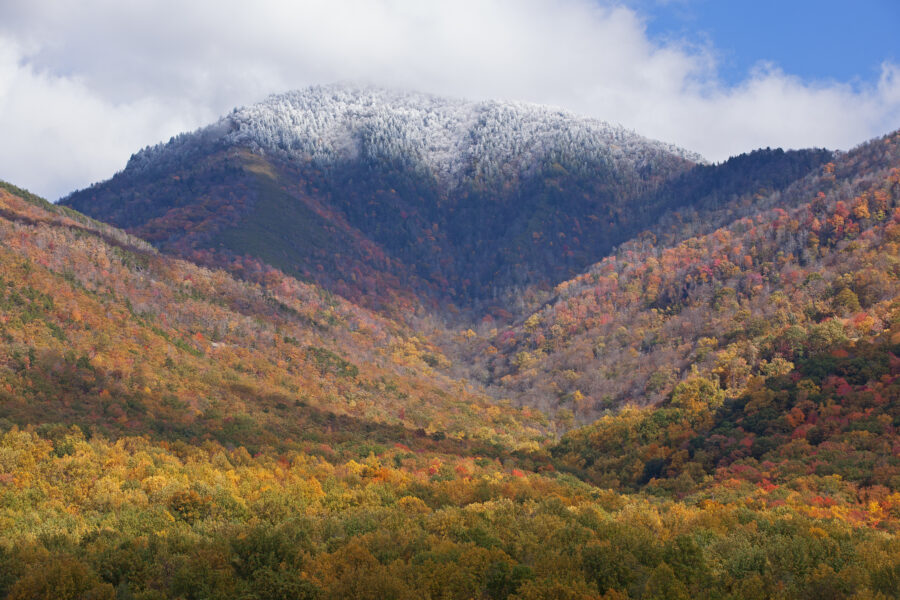
Staying near Great Smoky Mountains National Park feels different depending on which side you pick. Some towns buzz with attractions, others give you quiet mornings, mountain air, and scenic drives that get you closer to the park’s trails and views.
Gatlinburg: Gateway to the Great Smoky Mountains
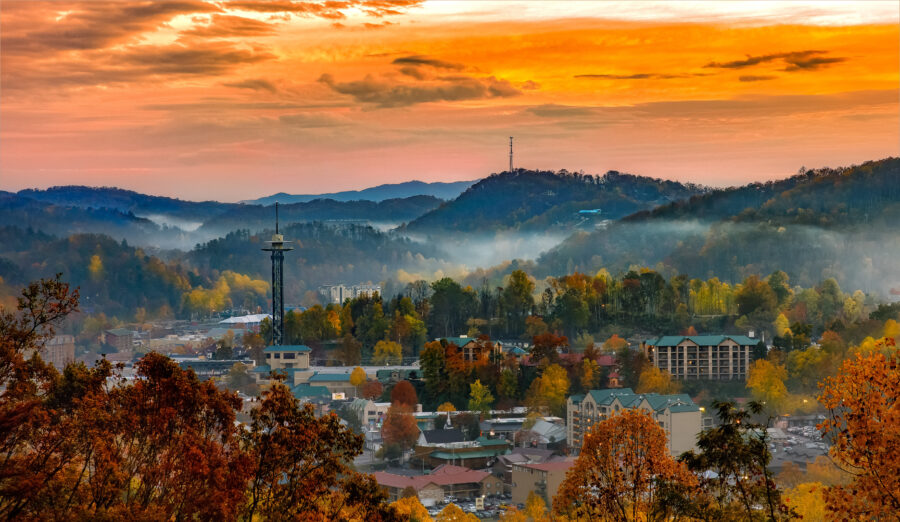
If you want to stay closest to Great Smoky Mountains National Park, Gatlinburg is your move. The Sugarlands entrance sits just a few minutes away, so you can go from hotel to hiking trail in no time. The town feels like one long mountain strip lined with restaurants, small shops, and quirky attractions.
You’ll find everything from cozy cabins to upscale resorts with views of the green hills. Gatlinburg’s SkyPark gives you those postcard views, and Roaring Fork Motor Nature Trail is a beautiful drive nearby.
Evenings on the Parkway can get crowded, but the mix of fudge shop and barbecue scents is unforgettable. There’s plenty of family fun too—Ripley’s Aquarium, Anakeesta’s treetop bridges, and more.
| Quick facts | Details |
|---|---|
| Closest park access | Sugarlands Entrance |
| Vibe | Active, walkable, best for first-timers |
| Good for | Families, couples, short park trips |
Pigeon Forge: Family-Friendly Fun & Dollywood Access
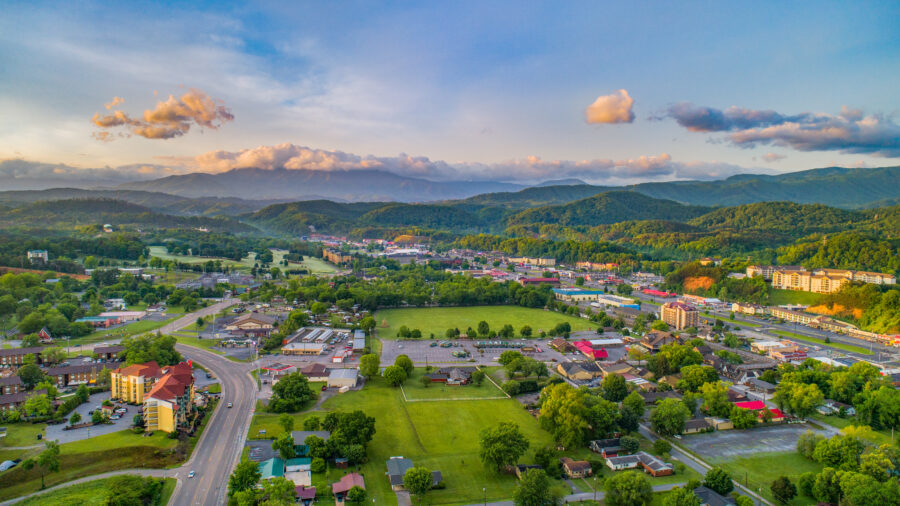
Ten miles north of the park, Pigeon Forge brings a totally different vibe. This town is home to Dollywood, a mix of rides, music, and small-town charm you won’t find anywhere else. If you like go-karts, dinner shows, and pancake houses, you’ll feel right at home.
Accommodations are all over the map: mountain cabins, big family resorts with pools and game rooms. It’s a solid pick if you’ve got kids or a group that wants both nature and entertainment.
Traffic gets heavy in peak seasons, but honestly, it’s part of the experience. Grab a coffee, turn up the radio, and roll with it.
| Quick facts | Details |
|---|---|
| Main attraction | Dollywood |
| Distance to park | ~20 minutes to Sugarlands Entrance |
| Good for | Families, mixed activity trips |
Sevierville: Value and Local Charm
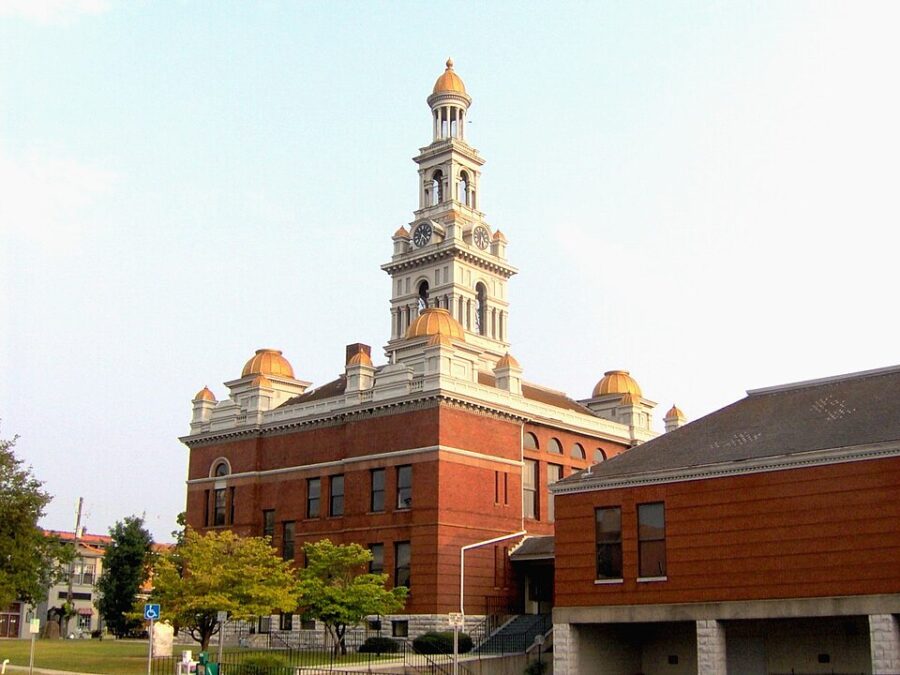
Sevierville sits just north of Pigeon Forge and offers a quieter, less touristy base with easy road access into the Smokies. It blends local flavor with convenience—you still get mountain views, minus the crowds.
You’ll spot a good range of affordable hotels, cabins, and vacation homes, often with better rates than Gatlinburg or Pigeon Forge. Downtown has a few historic touches, like the Dolly Parton statue at the courthouse (she grew up nearby), plus some excellent family-run restaurants.
If you want proximity without chaos, Sevierville nails it. You’ll drive a bit more to park entrances, but you’ll get more peace and open space.
| Quick facts | Details |
|---|---|
| Vibe | Relaxed, budget-friendly |
| Good for | Longer stays, budget travelers |
| Distance to attractions | ~25–30 minutes to Gatlinburg |
Cherokee & Bryson City: North Carolina Basecamps
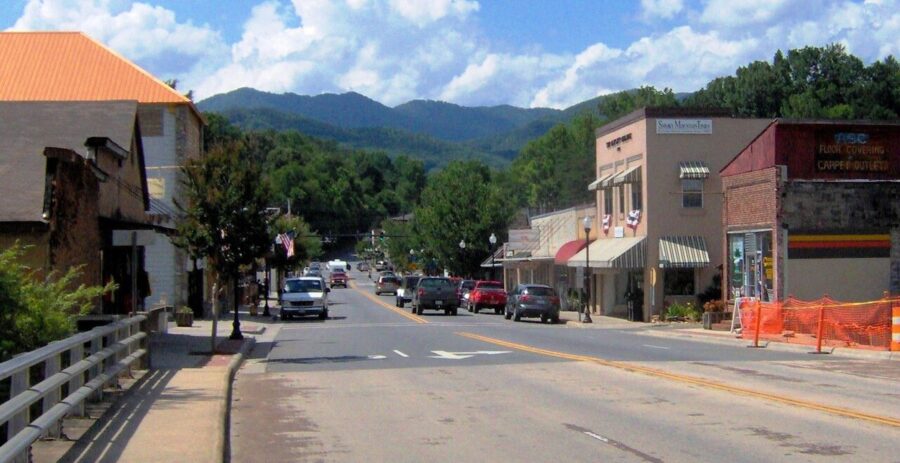
Across the state line in North Carolina, Cherokee and Bryson City make great bases for more nature, less neon. Cherokee sits near the Oconaluftee Entrance and brings cultural depth—the Museum of the Cherokee People and craft shops tell real stories about the region’s history.
Bryson City sits west of Cherokee and feels calm, riverside, and just a bit slower. You can hop on the Great Smoky Mountains Railroad for scenic train rides through the wilderness. Lodging is mostly cabins, B&Bs, and small inns along the Tuckasegee River.
Both towns put you close to trails, waterfalls, and scenic overlooks—plus the park’s southern roads, which stay much quieter.
| Quick facts | Details |
|---|---|
| Closest park access | Oconaluftee Entrance (Cherokee) |
| Vibe | Quiet, cultural, and scenic |
| Good for | Hikers, couples, slower-paced trips |
Cabin and Rental Options: Unique Lodging Experiences
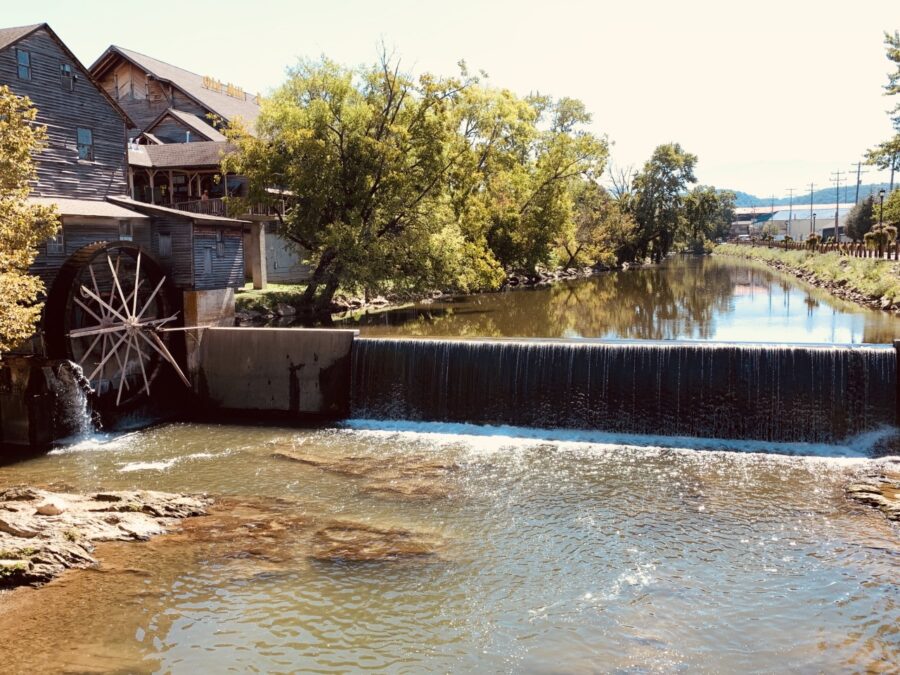
In the Smoky Mountains, where you stay can be just as rewarding as the hikes and drives. Sip morning coffee on a porch overlooking foggy ridgelines, soak in a private hot tub under the stars, or curl up in a wood-paneled hideaway with a crackling fire.
Mountain View Cabins and Cozy Log Retreats
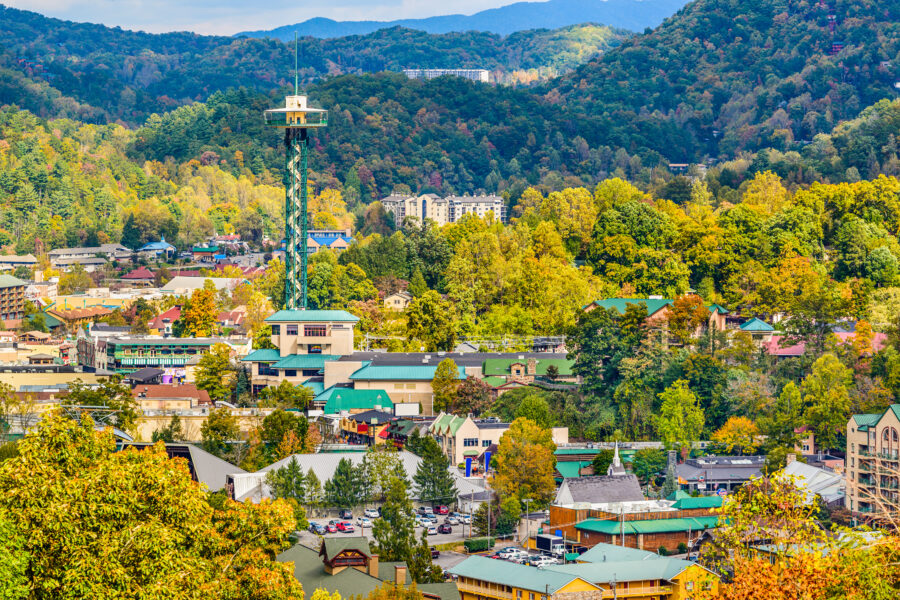
Want to wake up to mountain views? Mountain view cabins let you do just that. Some perch high above Pigeon Forge or Gatlinburg, with entire walls of windows facing the Smokies. A few even have wraparound decks with rocking chairs—perfect for lazy mornings.
Log cabins with knotty pine interiors stick to the classic vibe. You get rustic furniture, stone fireplaces, and full kitchens for your own meals.
The smell of burning logs adds to the old-time feel. Look for listings that include access to scenic overlooks or hiking trails right out the back door—it saves you a drive and gets you on the trail before everyone else.
Typical amenities:
- Private porches or decks
- Indoor fireplaces or wood stoves
- Fully equipped kitchens
- Bonus features like game rooms or jacuzzis
Romantic Cabins with Hot Tubs and Firepits
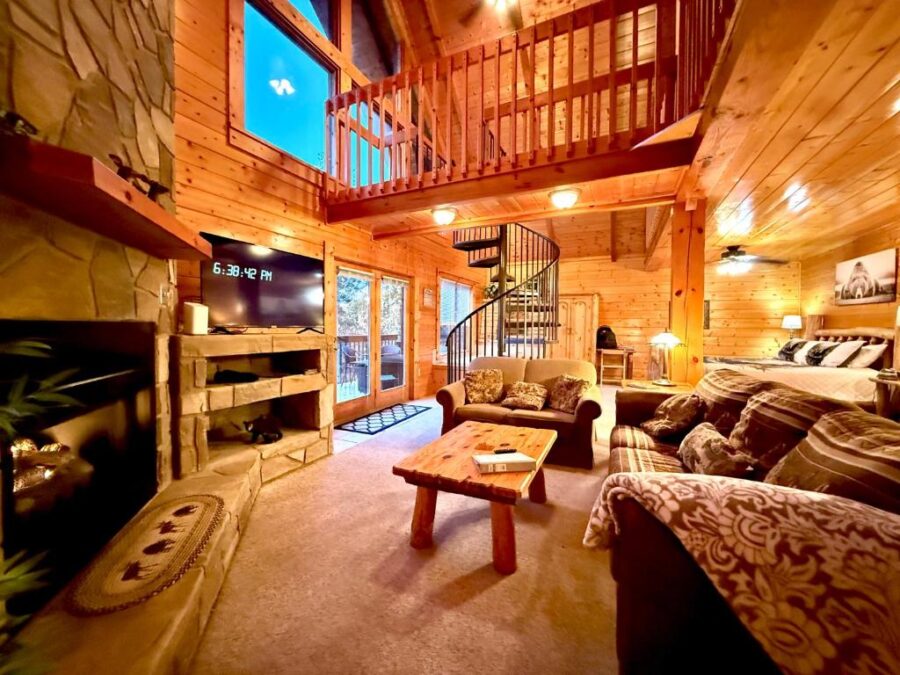
For a quiet couple’s escape, one-bedroom cabins with outdoor hot tubs are everywhere in Gatlinburg and Sevierville. These hideouts often have firepits, mood lighting, and screened-in porches for relaxing after sunset. The best ones balance privacy with easy access to restaurants or scenic overlooks.
Many hosts add thoughtful touches—plush robes, candles, or a welcome basket. Those details turn a short weekend into something special, but without drifting into “luxury resort” territory. If you can, pick a cabin with a wood-burning fireplace over gas—it’s just cozier, with that unmistakable pine scent.
Large Group Rentals and Family Cottages
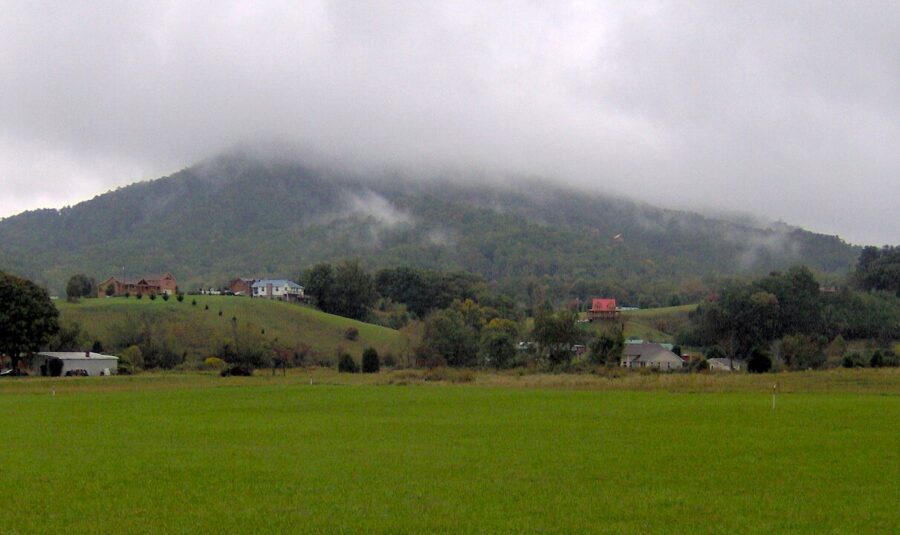
Bringing friends or family? Large group cabins often have multiple floors, open living rooms, and big dining tables for shared meals. You’ll find 4–10 bedroom listings near Gatlinburg, Wears Valley, or Townsend, built for easy group living.
Some spots throw in game rooms with pool tables, home theaters, or outdoor grills for cookouts. When you’re comparing, check for enough bathrooms (one per two bedrooms is a good rule). It really cuts down on morning chaos.
For families, a cottage setup feels more relaxed than a resort. Kids can roam safely while adults unwind by the firepit or watch the sun dip behind the hills. Space, privacy, and quiet—these are the perks that make mountain rentals worth it.
Secluded Treehouses & Glamping Spots
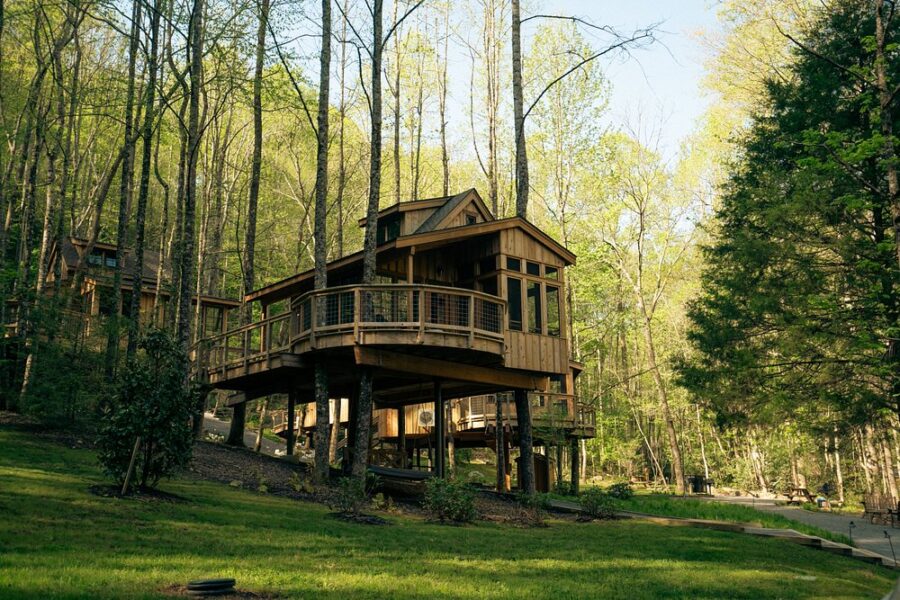
Craving something different? Treehouse and glamping options around Gatlinburg and Townsend mix nature with comfort. Stay in a treehouse from Treehouse Grove or an independent host and you’ll feel suspended in the woods—heat, electricity, and Wi-Fi included.
You’ll also find canvas glamping tents with real beds and private bathrooms. Many sit beside creeks or tucked into valleys. On chilly nights, wood stoves keep you warm while the sound of rushing water hums outside.
Hot Springs, North Carolina, just west of the Smokies, even has mineral spring glamping with private soaking tubs—a unique perk you won’t find inside the park. These stays let you stay close to the mountains but keep a few small luxuries.
See Related: Best Winter Destinations in the US: Snowy Escapes You Can’t Miss
Best Neighborhoods for Nature Lovers
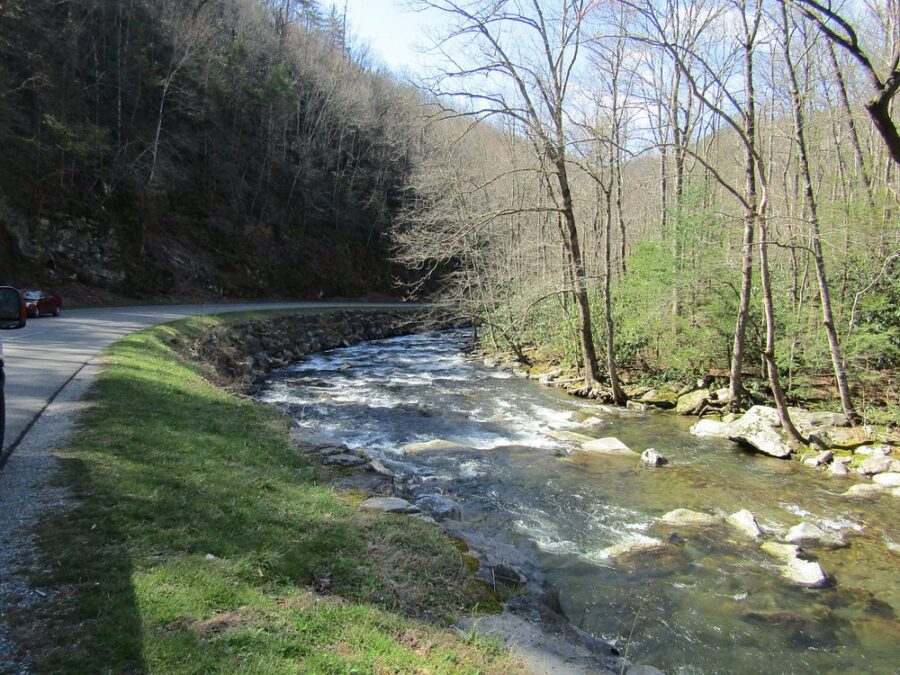
Few places let you sleep so close to true wilderness as the areas around Great Smoky Mountains National Park. Some cabins sit right beside roaring waterfalls and historic trails, while others offer quiet valleys where elk sometimes wander past your porch at dawn. If you’re after rugged adventure, you’ll even find mountaintop lodges you can only reach on foot.
Staying Near Hiking Trails & Waterfalls
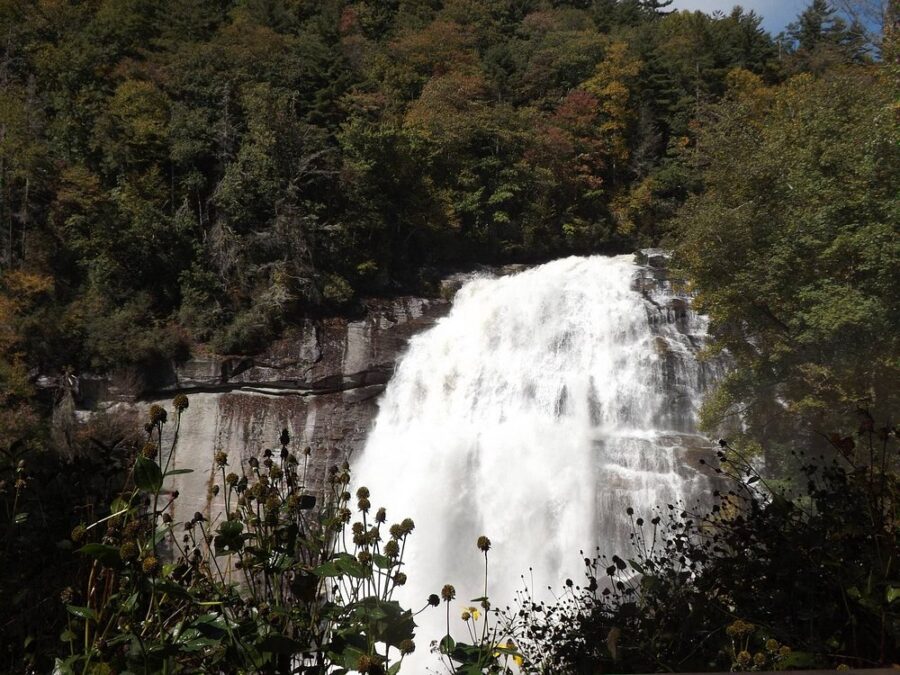
If hiking is your thing, base yourself near park entrances close to trailheads for Rainbow Falls, Alum Cave, or the Appalachian Trail. You can walk to deep forests and swimming holes within minutes. Cabins along Little River Road put you right by the water, and the sound at night is something else.
Gatlinburg and Townsend both work for trail access. Gatlinburg puts you near busy routes and restaurants, while Townsend is quieter and closer to natural spots like Tremont and Spruce Flats Falls.
Joining a guided trip with a licensed park partner helps you discover lesser-known routes and wildlife lookouts. It’s one of the easiest ways to plan day trips and guided tours without the stress of mountain roads.
Cades Cove and Cataloochee Valley Escapes
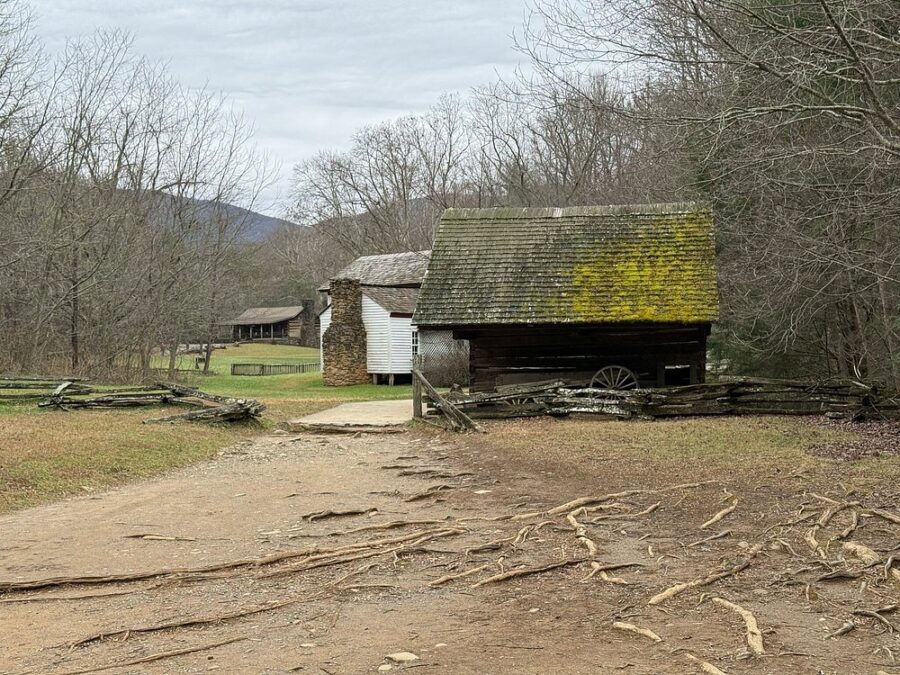
These two valleys show the Smokies at a slower, quieter pace. Cades Cove, on the Tennessee side, has a scenic loop road with pioneer cabins, meadows, and sometimes a black bear if you’re lucky. Early morning cyclists love the traffic-free hours, but driving it later in the day means more picnic spots.
Over in North Carolina, Cataloochee Valley feels even more remote. The gravel roads can be rough, but the trade-off is peace and herds of elk in the open fields. You’ll also spot a few old homesteads and churches left from early settlement days.
Both areas sit near gentle hiking trails and easy drives with constant mountain views. If you’re planning an active itinerary, you can book outdoor adventures like cycling, creek walks, and historical tours.
LeConte Lodge and Backcountry Options
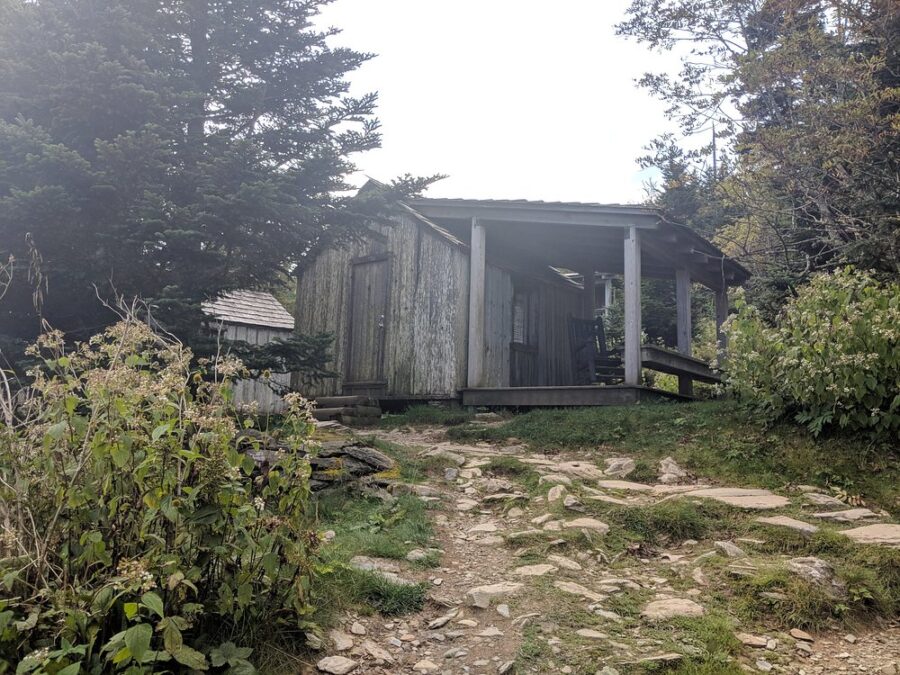
For the pure mountain experience, LeConte Lodge is the spot. Perched almost 6,600 feet high on Mount LeConte, you can only reach it by hiking—no roads, no parking lots. You’ll carry your own gear up trails like Alum Cave or Rainbow Falls, but the sunset views above the clouds are worth every step. Simple cabins use kerosene lamps and serve communal meals, giving it a timeless feel.
If you want solitude, take inspiration from LeConte and check out other backcountry campsites inside the park. Some sit right off the Appalachian Trail, others hide along small streams. The park service requires reservations and bear-safe food storage, so plan.
Quick tip: pack light and start hiking early. The mist and quiet of the high ridges in the morning are unforgettable, even if your legs complain later.
Types of Accommodations: From Resorts to Campgrounds
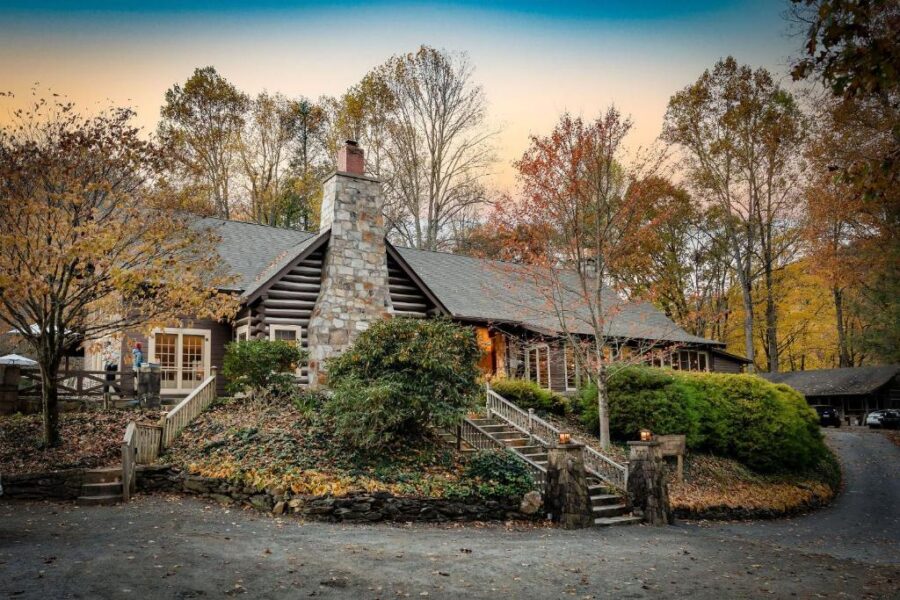
Staying in the Smokies is about more than just picking a spot on the map—it’s about how you want to feel in these mountains. Do you want plush bedding and big breakfasts, or are you after the hiss of a campfire and a porch swing creaking in the breeze?
Boutique Hotels and Mountain Inns
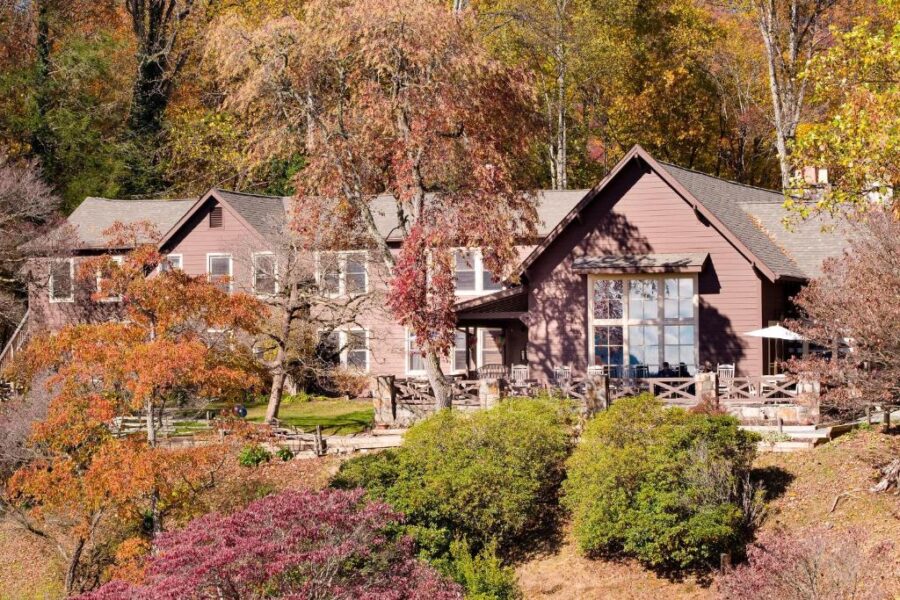
Boutique hotels in the Smokies stay small, stylish, and personal. Check out towns like Waynesville, Gatlinburg, and Bryson City. You’ll see a mix of rustic touches—stone fireplaces, hand-carved woodwork, and local breakfasts—with modern comforts. Rooms at places like The Swag or Snowbird Mountain Lodge might have soaking tubs and balconies with those classic misty ridge views.
Honestly, these places feel more like staying with a friend who knows design than checking into a chain. Owners usually live on-site, so don’t be surprised if you swap trail tips over coffee or hear about a hidden overlook. Evenings tend to be calm, and the vibe’s quieter—no big crowds or kids tearing down the halls.
| Feature | Typical Offerings |
|---|---|
| Room size | Small to mid-size, often custom-decorated |
| Common amenities | Fireplace, soaking tub, mountain views |
| Ideal for | Couples, solo travelers, hikers wanting quiet nights |
Luxury Resorts and Spa Stays
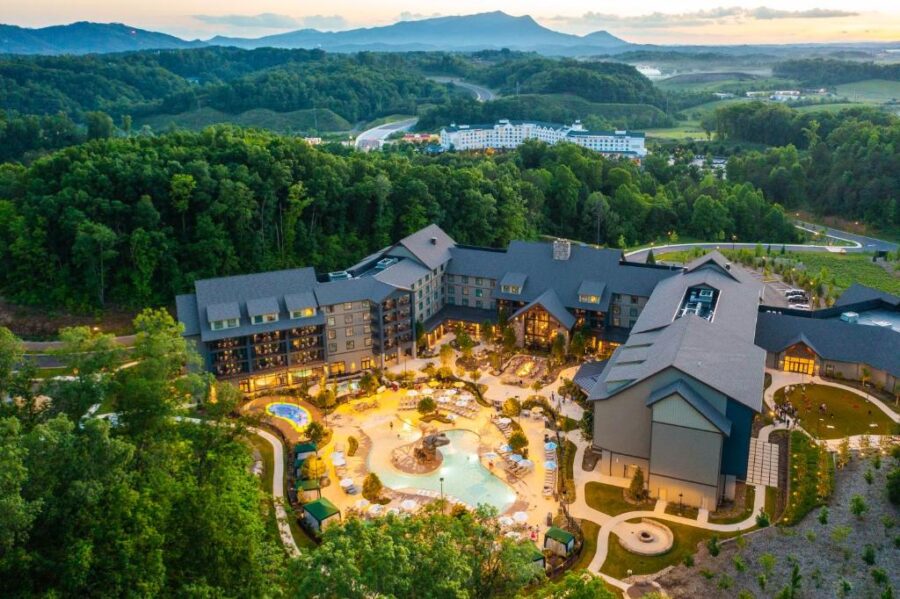
If you want mountain scenery without giving up a hot tub, the Smokies have you covered. Dollywood’s HeartSong Lodge & Resort in Pigeon Forge stands out—big, themed, and full of regional charm. Expect indoor pools, outdoor fire pits, and restaurants that lean into local flavors.
For a spa-style escape, Cataloochee Ranch and similar spots on the North Carolina side balance rustic cabins with horseback rides, saunas, and chef-led dinners. These places attract anyone who wants to hike all day but not rough it at night—think showers, heated pools, and a glass of wine by the fire.
If you like days packed with activity but want every comfort waiting for you, this is your lane.
Camping and Glamping in the Smokies
Camping in the Smokies still has that magic you can’t bottle—Cades Cove and Elkmont campgrounds drop you right inside the park, with wildlife and trailheads just steps away. Sites are basic: picnic tables, fire rings, restrooms. If you’ve got your own gear, it’s easily the most affordable way to wake up with the deer.
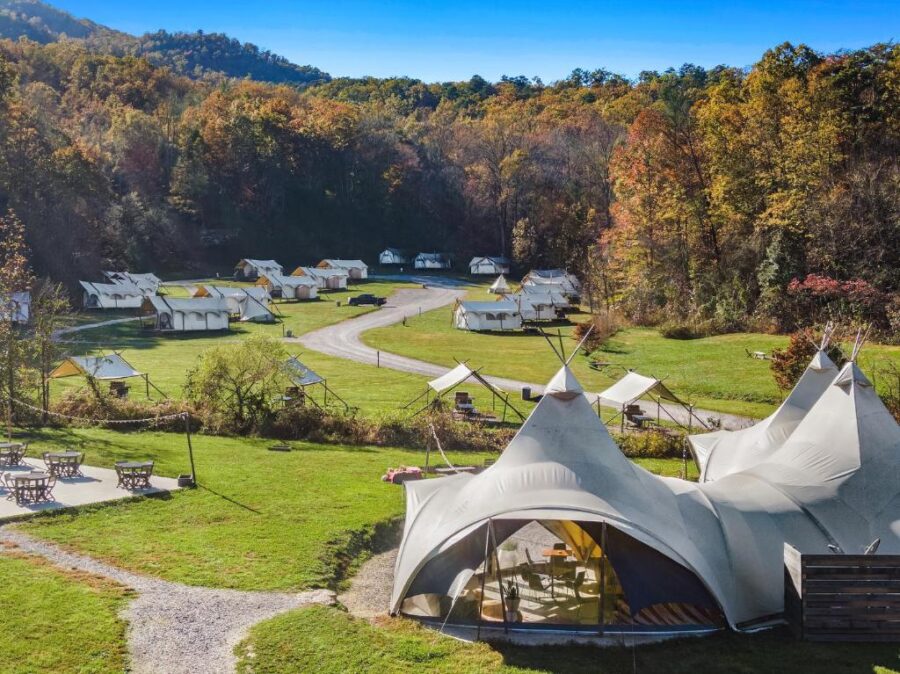
Not into bugs? Glamping options like Under Canvas near Gatlinburg or the Glamping Collective in North Carolina bring in comfort: real beds, private bathrooms, wood stoves, and sometimes even outdoor hot tubs with skyline views.
There’s something freeing about unzipping your tent and stepping into mountain air, but still having a soft bed to crawl back into. That’s the sweet spot—a bit of adventure, a lot of comfort.
See Related: Budget-Friendly National Parks for a Winter Road Trip
Smoky Mountains Lodging by Interest
What you want from a Smokies trip really shapes where you should stay. Some need big cabins for kids, others bring pets, and plenty of couples just want a quiet spot for coffee and sunsets. The best stays match your pace and what you actually enjoy.
Family-Friendly Picks

For family lodging, Gatlinburg, Pigeon Forge, and Cherokee have loads of options. Large cabin rentals with multiple bedrooms and full kitchens keep things easy. Lots of places come with game rooms, hot tubs, and porches with safe railings—so you can relax while the kids burn off steam.
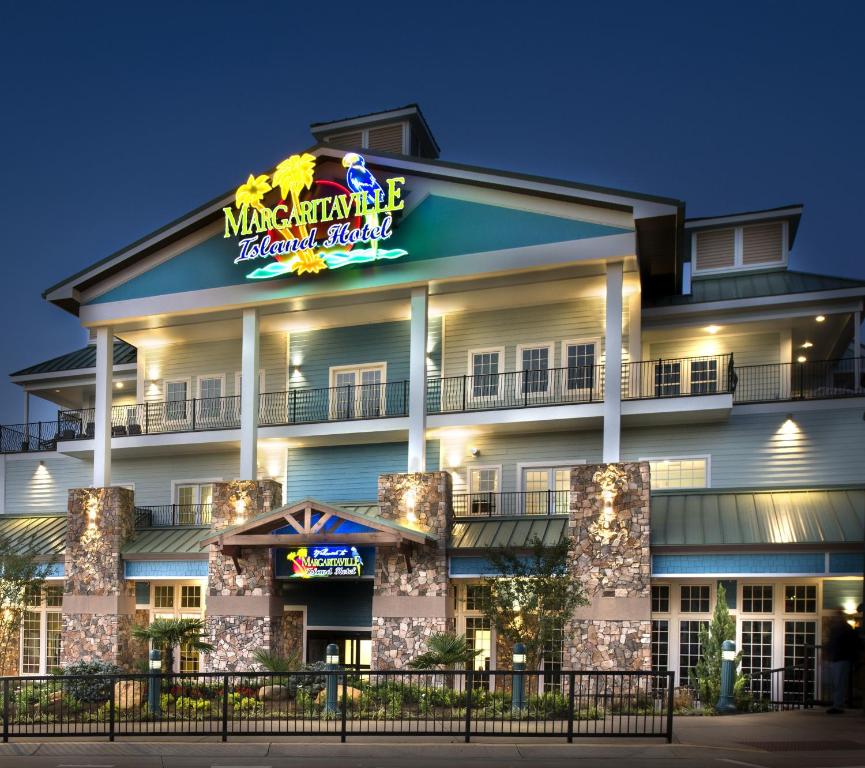
Hotels like Margaritaville Island Hotel in Pigeon Forge put you right by Dollywood, mini-golf, and go-cart tracks. Prefer quieter? Bryson City and Townsend have smaller inns close to tubing and gentle trails.
I once stayed in a log cabin near Wears Valley—board games, firepit, and marshmallows at night. Those moments stick with you.
Good picks for families:
| Type | Example Area | What Makes It Work |
|---|---|---|
| Cabin rentals | Pigeon Forge | Space and privacy |
| Hotels with pools | Gatlinburg | Walkable attractions |
| Campgrounds | Townsend | Outdoor recreation |
Pet-Friendly Places to Stay
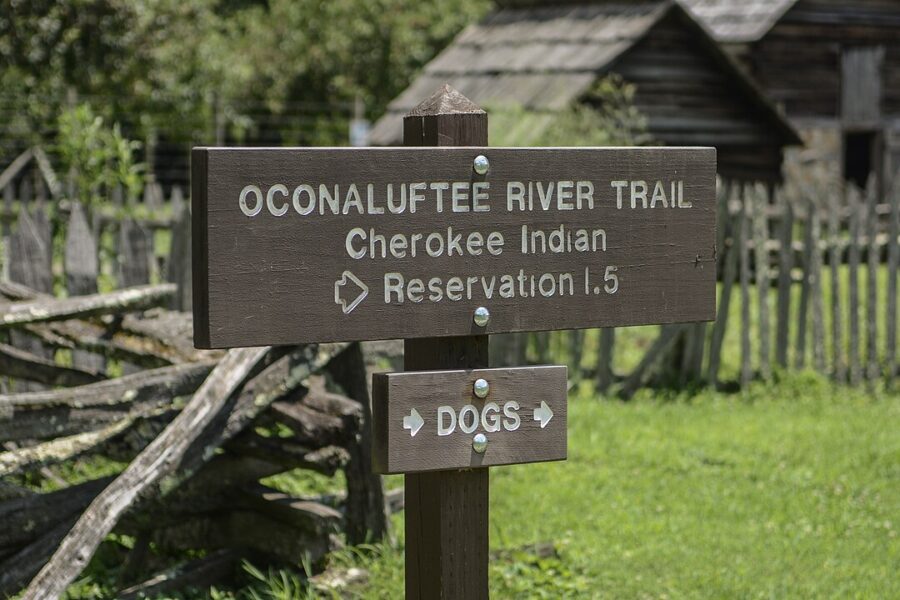
Bringing your dog is pretty simple here if you plan ahead. Plenty of cabins, motels, and campgrounds allow pets with reasonable fees. Cabin rental sites usually flag which spots have fenced yards or easy outdoor access.
Townsend and Bryson City are especially chill about pets. Pet-friendly trails like the Gatlinburg Trail and Oconaluftee River Trail let you break up long drives with a good walk. Local cafes often have water bowls out—small touches, but they help.
I stayed at a cabin near Maggie Valley once where they left treats for our old golden retriever. That’s the kind of thing you remember. Always double-check weight limits and deposits before you book.
Quick checklist:
- Confirm pet rules and cleaning fees.
- Bring blankets or covers for furniture.
- Pack waste bags—park rules are strict.
Romantic and Honeymoon Retreats
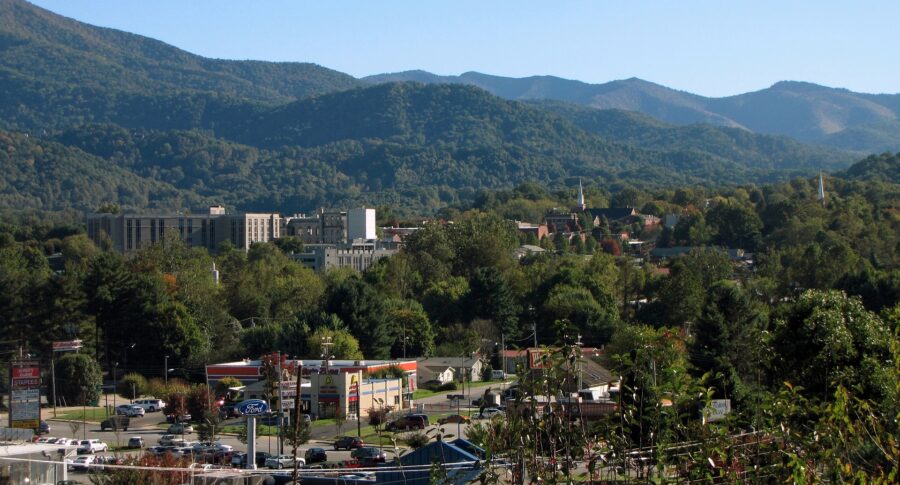
For couples, the Smokies get private fast once you leave the main roads. Secluded cabins, boutique inns, and mountain lodges make for quiet weekends and honeymoons. Think decks with views, soaking tubs, fireplaces, and mountain sunrises.
Around Gatlinburg, look for A-frame cabins tucked in the woods but close enough for an easy dinner. Maggie Valley and Waynesville have smaller B&Bs with homemade breakfasts and wine by the fire. Resorts near Lake Junaluska sometimes offer spa extras for couples.
On one fall trip, I booked a one-room cabin near Bryson City. The air smelled like woodsmoke and you could hear the Tuckasegee River from the porch. That kind of quiet is intentional, not lonely.
Top romantic options:
- Luxury cabins with hot tubs — Pigeon Forge & Wears Valley
- Historic inns with private suites — Waynesville & Maggie Valley
- Spa resorts with mountain views — Lake Junaluska area
Seasonal Tips and Essential Booking Advice
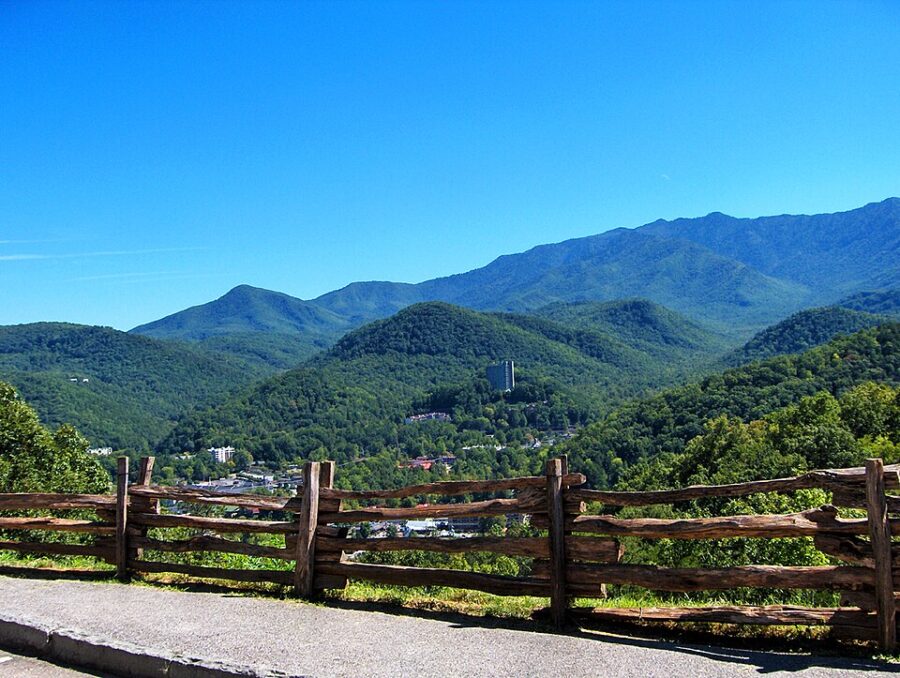
Planning a Smokies trip isn’t just about picking a room. Weather swings fast between Tennessee and North Carolina, and cabins book up months ahead. Knowing the best times to visit, when to book, and how to get around will save you stress.
Best Times for Mountain Stays
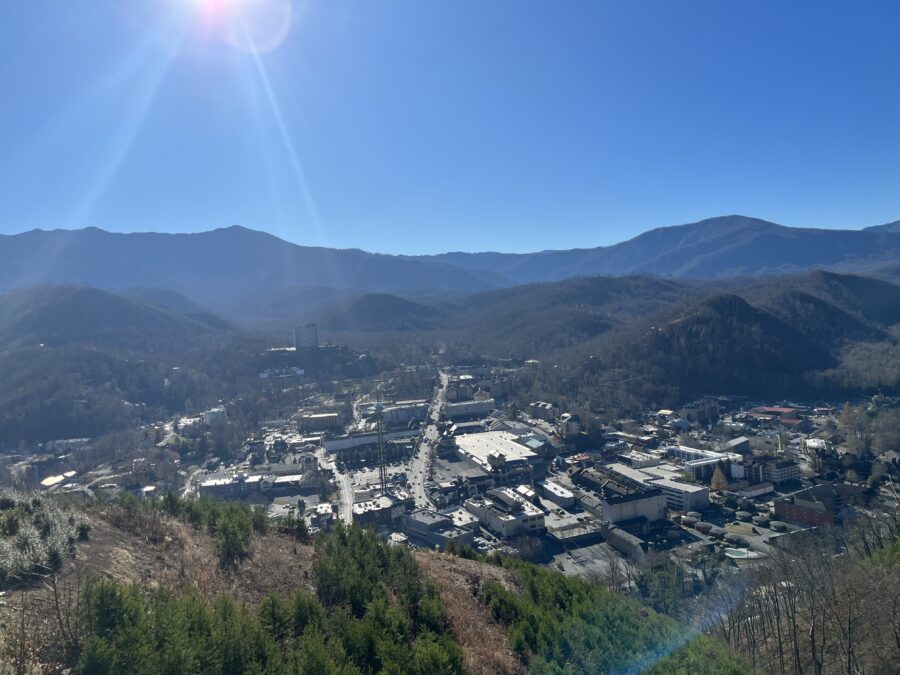
Every season changes the Smokies. Spring (April–May) means wildflowers and mild hikes, but also plenty of rain. Summer’s busy—book early and expect traffic around Gatlinburg and Pigeon Forge.
Fall, especially October, is packed. The leaf change draws huge crowds and prices jump. Winter is quieter and cheaper; not everything’s open, but Cherokee and Townsend still give you access to snowy views and trails.
If you want fewer people and decent weather, try late April or early November. Always pack layers—mountain temps run cooler than Knoxville or Asheville.
| Season | Weather | Pros | Cons |
|---|---|---|---|
| Spring | Mild, wet | Flowers, wildlife | Rainy days |
| Summer | Warm, humid | All attractions open | Heavy traffic |
| Fall | Cool, crisp | Fall colors | Crowds, high cost |
| Winter | Cold, snowy | Peaceful, cheaper | Limited access |
Booking Strategies & Hidden Fees

You really do need to plan ahead. Most in-park cabins and campgrounds fill up months out. For popular spots like Elkmont or Cades Cove, book 4–6 months early. Gateway towns like Gatlinburg or Cherokee also sell out during school breaks.
I start with travel tools that compare prices across hotel sites—booking options or cheap hotels searches. Watch for cleaning fees and “resort” charges—cabins can look cheap until checkout.
Check cancellation policies too. Weather closes mountain roads fast. Flexible reservations can save you if snow or wind shuts down the park.
Accessibility and Getting Around
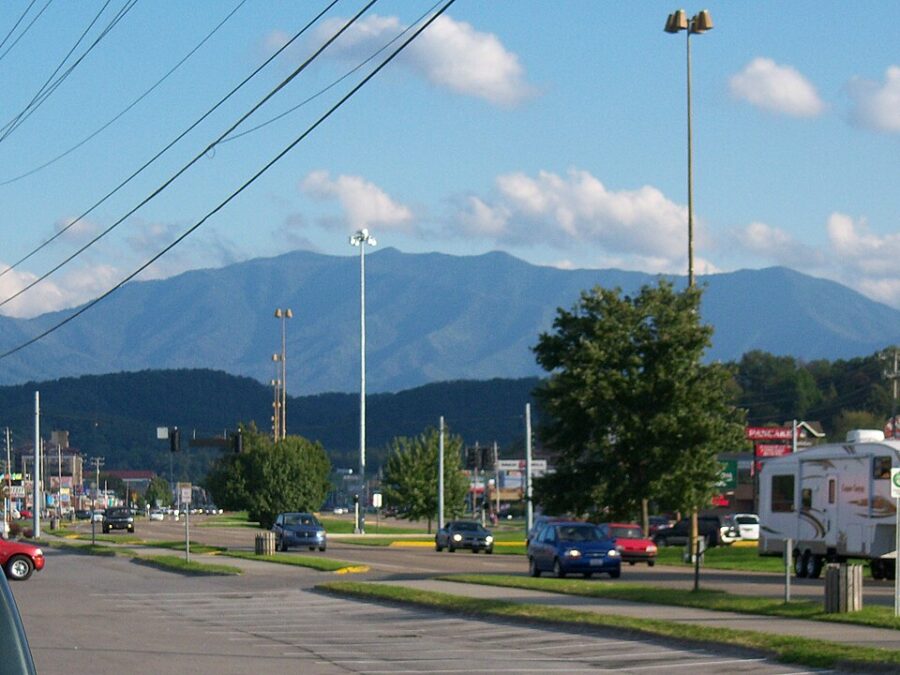
Getting around isn’t hard, but it’s slow. Roads twist, cell service drops, and summer traffic near Tennessee park entrances drags. Renting a car gives you freedom to explore places like Cades Cove or Newfound Gap. Bundled car and flight deals sometimes pop up on expedia.
Popular trailhead parking fills before 8 a.m.—or go late afternoon. On the North Carolina side, Cherokee and Bryson City are smaller, easier to navigate, and close to quieter park entrances.
Local shuttles run between Gatlinburg and some trailheads, but options are thin. Bring paper maps and download offline GPS before you hit the park—you’ll need them more than you think.
See Related: Top Lesser-Known US National Parks for Your Next Adventure
Frequently Asked Questions
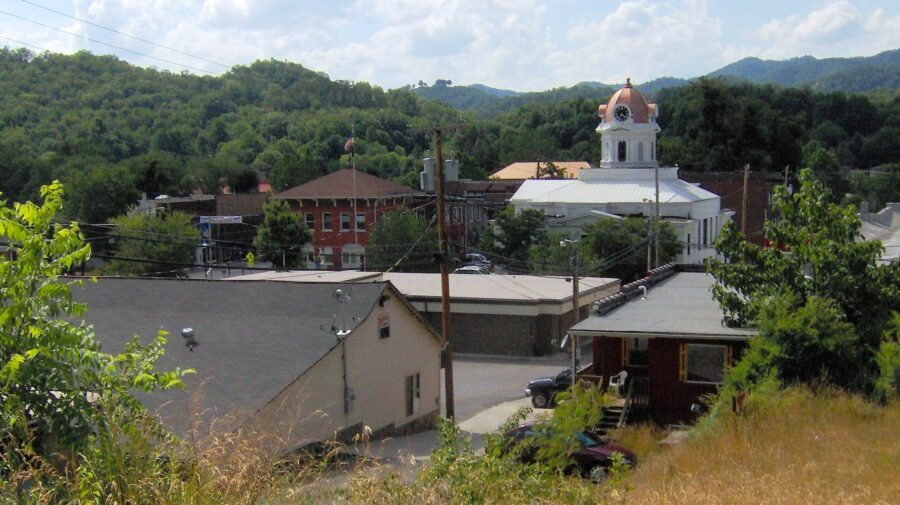
Choosing the right Smokies stay depends on your trip style. Romantic cabins hide in quiet valleys, luxury resorts offer spa comforts, and base towns like Gatlinburg or Bryson City keep you close to trails.
You’ll find everything from treehouses and yurts to creekside cabins. Some are tucked away, others right by the park entrances.
What are the top-rated lodgings for a romantic getaway in the Smoky Mountains?
Cabins in Wears Valley or near Townsend are hard to beat—less traffic, quiet mornings, and plenty of hot tubs and fireplaces. Just you, the crickets, and maybe a porch swing.
Closer to town, smaller inns near Gatlinburg (like Bearskin Lodge on the River) balance park access with an easy walk to dinner. Avoid peak festival weekends if you want peace.
Can you recommend unique accommodation experiences within the Smoky Mountains?
Treehouse Grove by Pigeon Forge is fun—think grown-up treehouses with comfort. Sky Ridge Yurts near Bryson City gives you circular yurts with real beds and Fontana Lake views.
For a wilderness-luxe vibe, Under Canvas outside Sevierville sets up big canvas tents with bathrooms and wood stoves. Outdoorsy, but you still get a hot shower.
Which areas are considered the most convenient for accessing Smoky Mountain National Park?
Gatlinburg and Cherokee sit right at the park’s main entrances—roll out of bed and hit a trail. Pigeon Forge is close, too, and packed with food and entertainment.
If you want things slower, Townsend is a good bet. It’s quiet and near the less-used western park entrances, which usually means shorter lines and calmer trails.
Absolutely. Dollywood’s DreamMore Resort stands out—polished amenities, solid resort dining, plus handy perks if you’re heading to the theme park. The Lodge at Buckberry Creek does a more rustic thing, but you still get spa tubs and fireplaces.
Prefer something quieter? Check the Highlands area over in North Carolina. A handful of boutique lodges there keep things upscale without the big-hotel vibe—great if you want crisp sheets and a little peace.
Could you suggest cabins in the Smoky Mountains that combine comfort with scenic views?
Try cabins around Wears Valley or near Elkmont. You’ll get those long ridgeline views and still be close to the park. Most of these spots have wraparound porches, full kitchens, and firepits—pretty much everything you need for a cozy stay.
On the North Carolina side, Maggie Valley cabins sit in calmer scenery. Sometimes you’ll spot elk in the evenings. After a long day of hiking, listening to the creek outside feels better than any white noise machine.
What cities near the Smoky Mountains provide the best combination of amenities and natural attractions?
Gatlinburg sits right at the park’s edge—it’s busy, sure, but you can’t beat the convenience. Pigeon Forge brings in amusement parks, tons of dining options, and a little more bustle. Sevierville offers a breather from the crowds without losing easy access to the main sights.
Head over to North Carolina, and Bryson City stands out for its blend of outdoor adventure and small-town atmosphere. Into breweries or scenic drives? Dillsboro and Sylva both work well as affordable, laid-back spots to base yourself while exploring the quieter side of the Smokies.