Sitka vs Ketchikan: Ultimate Guide to Alaska’s Top Destinations
Updated September 17, 2025
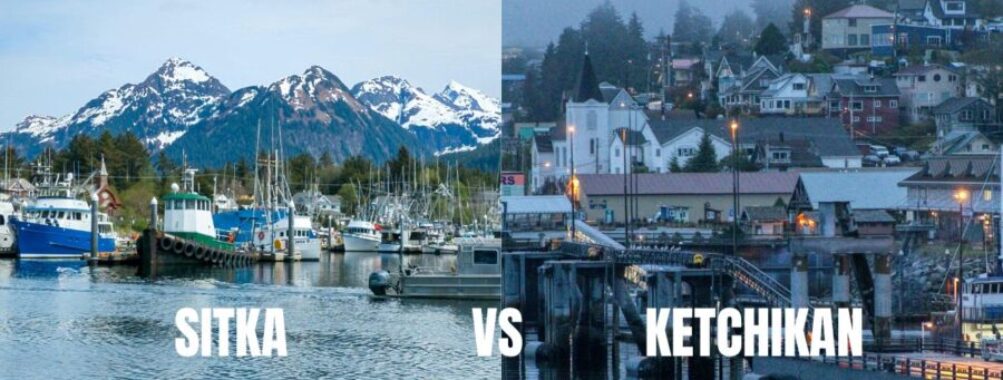
Trying to pick between Sitka and Ketchikan? Yeah, I get it—it’s a tough call. If you’re after a small-town vibe with wild critters and a dash of Russian history, Sitka’s probably your best bet. But if you’re someone who wants more food, more shops, and a wider mix of culture, Ketchikan’s the winner.
Both towns have fishing in their blood and deep Native roots. Still, you’ll feel the difference the moment you step onto the dock or off the plane.
I’ve wandered both, and honestly, each one marches to its own beat. Sitka’s super chill, everything’s close, and the pace is slower. Ketchikan? It’s busier, there’s more to do, and it’s way easier to get sidetracked by all the little details.
No matter where you land, having the right travel gear makes life simpler in both places.
Table of Contents
- Key Takeaways
- Key Differences Between Sitka and Ketchikan
- Geographic Location and Setting
- Population and City Size
- Cultural Influences
- Natural Attractions and Scenery
- Wildlife Viewing Opportunities
- Parks and Outdoor Spaces
- Coastal Landscapes
- Fishing Experiences and Charters
- Salmon and Halibut Fishing
- Charter Services and Local Guides
- Best Seasons for Fishing
- Cultural and Historical Highlights
- Totem Parks and Native Heritage
- Museums and Local Landmarks
- Travel Logistics and Accessibility
- Airports and Ferry Access
- Cruise Ship Stops
- Transportation Within Each City
- Local Life and Visitor Experience
- Dining and Shopping
- Unique Tours and Excursions
- Community Vibe
- Frequently Asked Questions
- What distinguishes the fishing experiences between Sitka and Ketchikan?
- How do the cultural and historical offerings compare in Sitka and Ketchikan?
- Can you highlight the differences in wildlife viewing opportunities in Sitka versus Ketchikan?
- What are the notable differences in the cruise ship itineraries when stopping at Sitka or Ketchikan?
- Could you elaborate on the seasonal weather variations between Sitka and Ketchikan and how they might affect a visit?
- In terms of outdoor adventure, how do Sitka and Ketchikan’s offerings differ?
- Book Your Dream Experience
- More Travel Guides
Key Takeaways
- Sitka’s got that cozy, walkable charm and wildlife galore
- Ketchikan brings the food, shops, and cultural mashup
- The logistics and overall feel are just… different, and that shapes your whole trip
Key Differences Between Sitka and Ketchikan
These two Southeast Alaska towns might only be a few hundred miles apart, but wow, they couldn’t feel more different. One’s compact and commercial, the other’s more spread out and clings to its Russian past.
Geographic Location and Setting
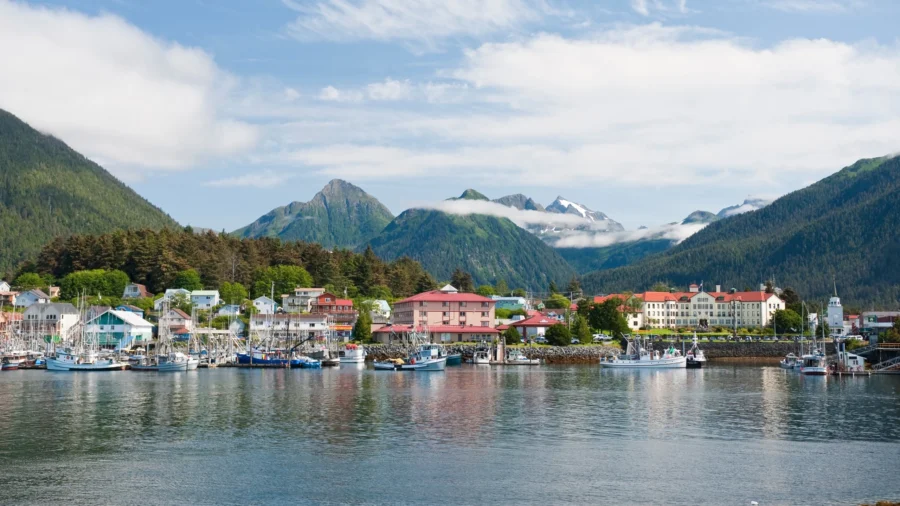
Sitka hangs out on the wild western edge of Baranof Island, staring right at the Pacific. That means you might get some choppy seas if you’re coming in by cruise, but honestly, that untamed vibe is part of the magic.
It’s the only Southeast Alaska city that faces the open ocean. The place just feels raw and less sheltered—like you’re really out there.
Ketchikan, meanwhile, is nestled on Revillagigedo Island (locals just say Revilla). It hugs the Tongass Narrows, a protected channel where the water stays pretty calm. That’s why cruise ships usually stop here first when heading up from BC.
If you want to stroll right into downtown after docking, Ketchikan’s got your back. Sitka’s cruise terminal is about six miles out, so you’ll need to hop a shuttle before you can dive in.
Population and City Size

Ketchikan comes in bigger, with more shops, restaurants, and a port that buzzes with energy. You step off the ship and—boom—you’re in the middle of it all. Creek Street, museums, seafood joints, you name it.
Sitka feels smaller and more spread out. It’s quieter, almost like you’ve wandered into a neighborhood that just happens to welcome visitors.
When I first rolled into Sitka, I thought, “Wow, this is a real community, not just a tourist stop.” The difference is obvious.
Sitka doesn’t see nearly as many cruise ships as Ketchikan. That means less crowding, but also not as many places to eat or shop if you’re into variety.
Cultural Influences

Sitka’s history leans hard into Russia. You’ll spot onion domes on St. Michael’s Cathedral, the Russian Bishop’s House, and even Russian names on the street signs.
It used to be the capital of Russian America, and you can still feel that influence everywhere you look.
Ketchikan puts its Native heritage and fishing culture front and center. They call it the “Salmon Capital of the World”, and you’ll see why—totem poles everywhere, salmon ladders brimming with fish, and a vibe that’s proud of its roots.
If you’re into Native art and stories, Ketchikan’s Totem Heritage Center and its massive collection of totem poles are a must. Sitka, on the other hand, weaves Tlingit roots with Russian history, giving you a cultural blend you won’t find anywhere else.
One place feels like a cultural crossroads between Russia and Alaska Native traditions. The other? It wears its fishing boots and Native pride right out in the open.
Natural Attractions and Scenery
Sitka and Ketchikan both sit smack in the heart of Alaska’s rainforest, but the scenery? Totally different.
Sitka leans into rugged, wild Pacific coastlines and islands loaded with wildlife. Ketchikan snuggles up to sheltered channels, thick rainforest, and salmon runs you can almost reach out and touch.
Wildlife Viewing Opportunities
Chasing sea otters? Sitka’s your spot. The kelp forests around Baranof Island are basically otter playgrounds. I still remember watching them float and crack shells—felt like I’d stumbled onto a secret.
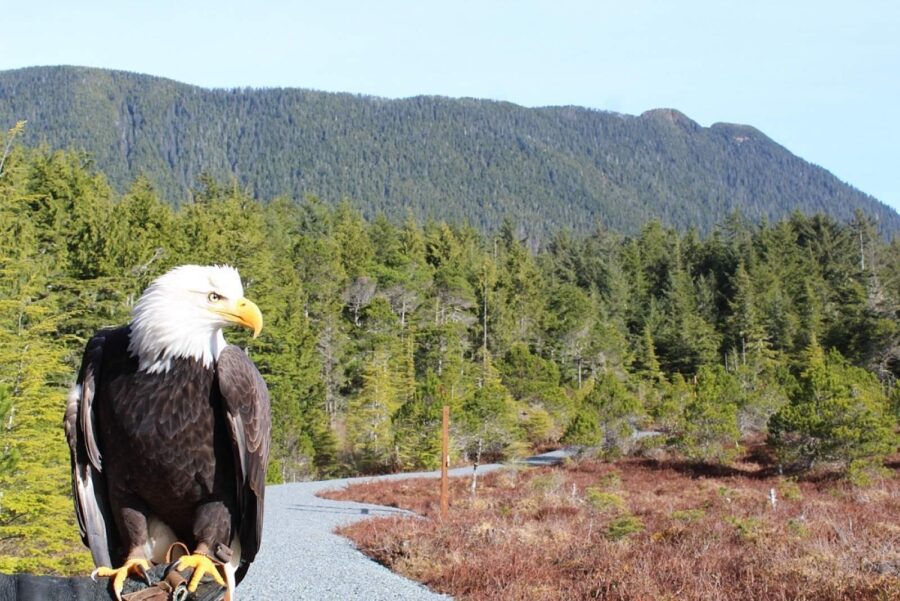
You can spot whales, sea lions, and bald eagles all in one day around Sitka. If you’re short on time, the Alaska Raptor Center and Fortress of the Bear get you close to the action.
Ketchikan is salmon central. Walk the creek in late summer and the fish are practically leaping over each other. Bears show up too, especially at Herring Cove. If you’re lucky and patient, you might catch one nabbing a salmon right in front of you.
Parks and Outdoor Spaces

Sitka National Historical Park is Sitka’s gem. Totem poles line trails under towering spruce and hemlock. It’s not just a hike; it’s a stroll through centuries of Tlingit and Russian stories.
I’ve wandered those trails in the drizzle—honestly, the mist just makes it feel more magical.
Another favorite? Gavan Hill. The climb’s a workout, but the views across the islands? Totally worth the effort.
Ketchikan’s outdoor scene feels a bit tighter but still packs a punch. The Misty Fjords National Monument is the showstopper—towering cliffs, waterfalls that don’t look real. You’ll need a boat or seaplane, but trust me, it’s unforgettable.
Coastal Landscapes

Sitka faces the wild Pacific, so you get dramatic coastlines, waves pounding volcanic rock, and a horizon that just keeps going. On a clear day, you’ll see snow-capped peaks across Sitka Sound. It’s the edge-of-the-world kind of feeling.
Ketchikan, meanwhile, is tucked into the Tongass Narrows. The water stays calm, and the landscape feels cozy and protected. No big surf here—just peaceful harbors, fishing boats, and forested hills that rise right from the shore.
Both places are stunning, just in their own way. Crave untamed ocean views? Sitka’s got you. Prefer a snug port town wrapped in rainforest? Ketchikan’s your jam.
For a deeper dive, check out this Sitka vs. Ketchikan comparison.
Fishing Experiences and Charters

Fishing in Southeast Alaska isn’t just a thing to do—it’s part of local life. Both Sitka and Ketchikan offer rich waters, guides who know their stuff, and a mix of fishing styles for newbies and die-hards alike.
Salmon and Halibut Fishing
Chasing salmon? Both towns deliver. Sitka’s known for steady runs of king and silver salmon. I’ve had mornings there where I barely had time to sip my coffee between bites.
Ketchikan’s salmon fishing is top-notch, too. The Inside Passage funnels schools right past town.
Halibut? Sitka’s grounds are close, so you’re fishing fast. Ketchikan’s spots take a bit longer to reach, but the fish? Just as big. Locals say either place could hand you a trophy if you hit it right.
And don’t forget the wildcards. Rockfish, lingcod, maybe even a shark if you’re lucky. The surprise factor is half the fun.
Charter Services and Local Guides
It’s easy to book a charter in either town, but the vibe’s a little different. Sitka’s got a smaller fleet, so trips feel more personal. Many guides grew up here and know all the secret spots.
Ketchikan’s bigger, with more options. You’ll find everything from quick half-day trips to multi-day adventures. Some guides move fast and fill the boat, others take it slow and let you soak it all in.
When you pick a charter, check the boat size, gear, and how many people they squeeze in. I’ve fished with guides who remembered everyone’s name and made it feel like a day out with friends—and others who ran things like a factory line. The right guide really makes your trip.
Best Seasons for Fishing
Timing is everything. Want king salmon? June and July are peak in Sitka, while Ketchikan’s run starts later in summer. Silver salmon go wild from late July through September, with non-stop action if you hit it right.
Halibut hang around all summer, but I’ve had my best luck in June and early July—before the tourist crush. Weather matters too: Sitka’s Pacific exposure means rougher seas sometimes, while Ketchikan stays calmer and sheltered.
If you’re cruising, your timing’s set. But if you’re flying in just to fish, plan around the runs for your best shot. Either way, you’ll go home with fish stories that last way longer than your suitcase full of fillets.
Need more details? Here’s a solid guide on Ketchikan vs. Sitka for salmon and halibut fishing.
Cultural and Historical Highlights
Both towns give you a real sense of how Southeast Alaska mixes Native heritage with Russian and American layers. You’ll find preserved traditions, restored landmarks, and cultural centers that make these places feel alive—not just museum pieces.
Totem Parks and Native Heritage

If Native culture’s your thing, Ketchikan’s tough to top. The city has the largest collection of totem poles in the world—check out Saxman Totem Park and Totem Bight State Historical Park.
Every pole tells a story: family crests, clan legends, myths that go back generations.
Sitka’s take is a bit more low-key. The Sitka National Historical Park has a trail lined with totem poles, set deep in the woods. One misty morning, I wandered there with only the ravens for company—it felt like stepping into another world.
You’ll notice the difference in scale. Ketchikan’s totem displays are grand and everywhere, while Sitka’s are fewer but blend right into the forest. Either way, you’ll see that carving is still a living tradition, not just something frozen in time.
Museums and Local Landmarks
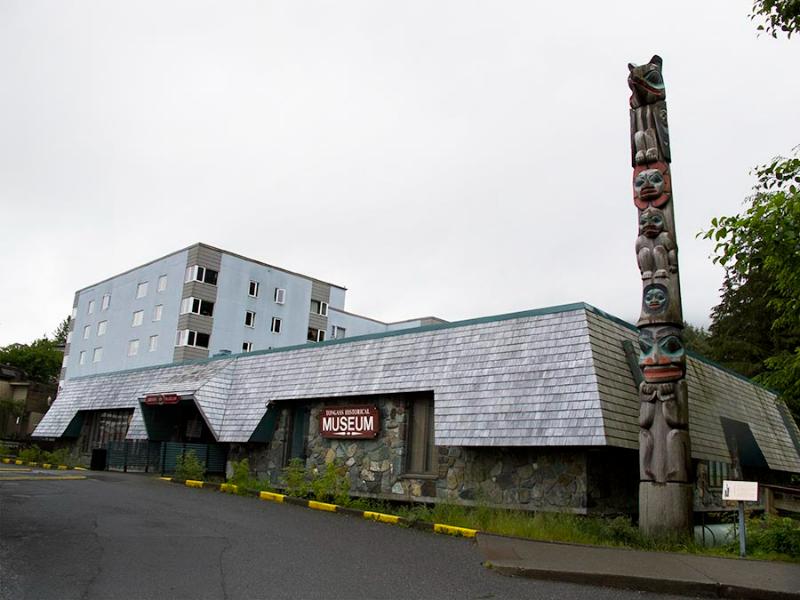
Sitka really leans into its Russian roots. You can wander through the Russian Bishop’s House, a 19th-century spot where the wooden floors still creak and old icons hang quietly on the walls.
Just a short walk away, you’ll spot St. Michael’s Cathedral—that onion-shaped dome is hard to miss and always reminds me of Alaska’s old colonial days.
Ketchikan, meanwhile, puts the spotlight on Native and local heritage. The Totem Heritage Center and Tongass Historical Museum show off everything from intricate art to stories from the fishing and logging boom.
If you’re after something a little offbeat, Creek Street is a fun stroll. It used to be a red-light district, but now it’s a boardwalk dotted with quirky shops and galleries.
Honestly, Sitka feels like a crossroads of cultures, while Ketchikan wears its fishing-town, working-class vibe proudly. Either way, you come away with a real sense of how folks have lived—and still do—along Alaska’s wild coast.
Travel Logistics and Accessibility
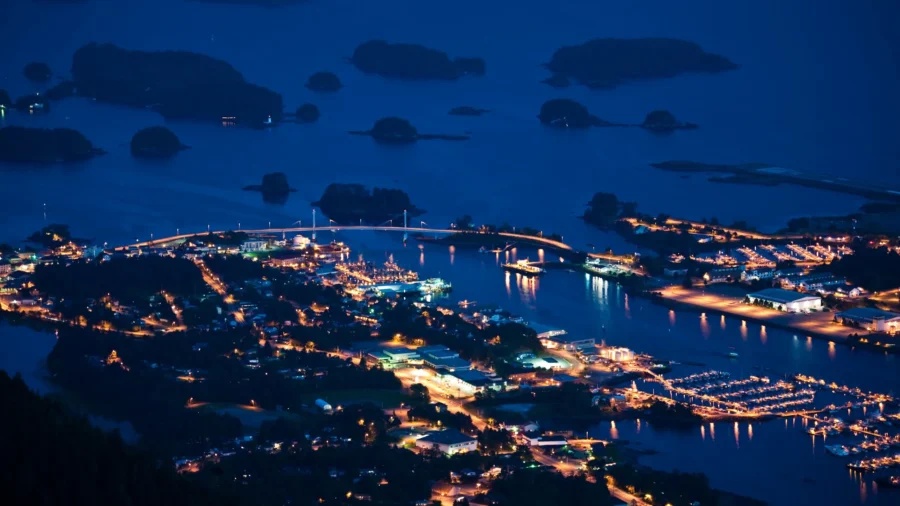
Getting to Sitka or Ketchikan takes a bit of planning since both towns perch on islands out in Alaska’s panhandle. How you arrive, how cruise ships dock, and how you get around on foot or by car all shape your trip in ways you might not expect.
Airports and Ferry Access
Sitka sits out on Baranof Island, and its airport is on Japonski Island, just a short bridge away from downtown. That bridge makes arrivals simple. You land, grab your bag, and you’re basically right in town. The runway’s a bit short, so landings can get bumpy, but nothing too wild.
Ketchikan’s airport is over on Gravina Island, just across the water from the main town on Revillagigedo Island. You’ll need to hop on a ferry to get across. It’s quick—maybe five minutes—but if your timing is off, you could end up waiting and stressing about your flight. I’ve seen people miss their connections because of that.
If you’re coming from the lower 48, you can compare flights into both towns using KAYAK. The Alaska Marine Highway ferry system connects both Sitka and Ketchikan with other coastal towns. It takes longer, but honestly, the scenery is worth it if you’ve got a little extra time.
Cruise Ship Stops
Cruise ships handle these towns differently. In Sitka, the main docks sit a few miles north of downtown, so you’ll usually catch a free shuttle into town. Once you’re dropped off, everything’s pretty walkable and you can take your time.
Ketchikan is one of Alaska’s busiest cruise ports. Ships dock right downtown, so you step off and you’re smack in the middle of shops, tour booths, and restaurants. Super convenient, but brace yourself for crowds.
If your cruise gives you just a few hours, Sitka’s compact layout makes it easier to see a lot quickly. If you have a full day, Ketchikan’s spread-out sights—totem parks, hiking, cultural spots—are worth the extra time.
Transportation Within Each City
Getting around Sitka is a breeze. The town center is small and walkable, so you can visit the Russian Bishop’s House or Sitka National Historical Park with just a short stroll. Taxis are around, but you’ll probably only need one if you’re heading out to places like Fortress of the Bear.
Ketchikan is bigger and more spread out. You’ll probably use taxis, shuttles, or maybe even a rental car if you want to see everything. For example, Totem Bight State Park is about 10 miles from downtown—not exactly a walk in the park.
If you like to plan ahead, you can check Booking.com to bundle a hotel and rental car. Having your own wheels in Ketchikan gives you the freedom to explore at your own pace, especially if you’re staying longer than a day.
Local Life and Visitor Experience
Life in Sitka and Ketchikan revolves around the sea, constant rain, and the steady pulse of visitors. You’ll pick up on differences in how each town juggles its local rhythm with the tourist scene—what you eat, what you buy, the tours you find, even how the community feels as you wander.
Dining and Shopping

Ketchikan’s got the familiar chains—Walmart, Safeway, a couple of Subways—so if you crave convenience, you’re covered. Sitka has fewer big-box stores, which, honestly, adds to its charm. You’ll stumble upon tiny shops selling kelp pickles, spruce tip jelly, or hand-carved art.
Seafood? Both cities nail it. Ketchikan is big on salmon and halibut, which makes sense since it calls itself the “Salmon Capital of the World.” Sitka offers plenty of fresh fish too, but you’ll spot Russian and Native Alaskan twists in the food.
Shopping feels different in each town. Ketchikan’s Creek Street is the go-to for browsing boutiques and galleries. Sitka’s shops are more low-key and local—often the owner’s right there, ready to chat or share a story.
Unique Tours and Excursions

Sitka’s tours tend to focus on wildlife and history. You can visit the Alaska Raptor Center, Fortress of the Bear, or hop on a sea otter cruise. I once took a small boat tour and watched eagles swoop down just a few feet away—it felt like a scene out of a nature documentary.
Ketchikan is all about fishing trips, floatplane rides, and the Misty Fjords. Even if you’re short on time, a walk along Ketchikan Creek during salmon season is wild. Fish fight their way upstream, and sometimes you’ll spot a bear waiting for dinner.
Both towns have loads of guided options you can book in advance. Whether you want to try a crab feast or go kayaking, you’ll find plenty of things to do for every interest and budget.
Community Vibe
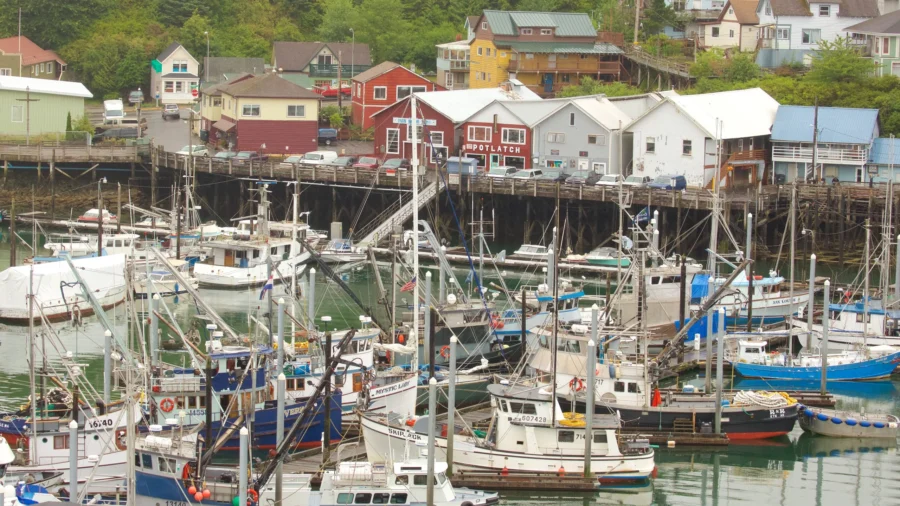
Sitka feels slower and more personal. Fewer cruise ships dock at once, so the streets aren’t packed shoulder-to-shoulder. Locals often pause to chat, and you get that small-town feeling—even if you’re just there for the day.
Ketchikan buzzes with energy. When three or four ships are in, downtown can feel like a stadium just let out. That chaos can be fun, but it’s a very different vibe from Sitka’s laid-back pace.
If you’re after quiet, Sitka might be your place. If you love a lively, bustling scene and people-watching, Ketchikan brings the buzz. Both towns offer a real taste of Southeast Alaska, but through totally different lenses.
Frequently Asked Questions
Sitka and Ketchikan might look similar on the map, but once you step ashore, the differences are obvious. From the way you fish to how you soak up the town’s history, each place moves at its own rhythm. Wildlife, weather quirks, and even the way you get off the ship can change your day in unexpected ways.
What distinguishes the fishing experiences between Sitka and Ketchikan?
If you’re into fishing, Sitka usually gives you deeper water action. Halibut charters are huge here, and you’ll head out into the open Pacific. I’ve gone out on a small boat in Sitka—the seas can get choppy, but hauling up a big halibut? Totally worth it.
Ketchikan lives up to its “Salmon Capital of the World” nickname. You can fish right near town or book a charter for the salmon runs. It’s more about timing your visit with the migration than heading out to deep sea. Locals line up along the creek, poles in hand, hoping for a bite.
How do the cultural and historical offerings compare in Sitka and Ketchikan?
Sitka puts its Russian and Native Tlingit history front and center. You can walk through Sitka National Historical Park and spot totem poles along the forest trail, then pop into St. Michael’s Cathedral for a different slice of the past. I still remember how tiny the Russian Bishop’s House looked from the outside, but inside it felt like stepping back in time.
Ketchikan’s culture ties closely to Native heritage and fishing. The Totem Heritage Center has some of the best-preserved totems around. Creek Street, once a red-light district, is now a colorful boardwalk full of shops. It’s a bit commercial, but still a blast to wander.
Can you highlight the differences in wildlife viewing opportunities in Sitka versus Ketchikan?
In Sitka, sea otters are everywhere. I’ve watched them floating on their backs like they own the place. Whale watching trips leave from Sitka Sound, and if you’re lucky, you might spot brown bears at Fortress of the Bear. The Alaska Raptor Center is perfect if you want to get close to bald eagles.
Ketchikan’s wildlife revolves around salmon. When the fish are running, bears come down to the streams, and you can sometimes watch them from boardwalks or even from the road at Herring Cove. Misty Fjords trips often bring sightings of mountain goats and seals. It’s more about land and river animals, compared to Sitka’s ocean focus.
What are the notable differences in the cruise ship itineraries when stopping at Sitka or Ketchikan?
Ketchikan is usually one of the first stops on a northbound cruise because it sits near British Columbia. Ships dock right in the middle of town, so you can walk off and start exploring right away. That convenience makes a huge difference if you’re short on time.
Sitka’s a bit trickier. Ships dock about six miles from downtown at the Sitka Sound terminal, so you’ll need to grab a shuttle. I’ve waited in long lines when two ships were in port, and that definitely ate into my time in town. But, since fewer ships stop in Sitka, it often feels less crowded overall.
Could you elaborate on the seasonal weather variations between Sitka and Ketchikan and how they might affect a visit?
Both towns get a ton of rain—hey, it’s Southeast Alaska. Sitka tends to be a little drier in May and June, so I’d suggest visiting then if you want a shot at clear skies. Even so, bring a rain jacket.
Ketchikan is one of the rainiest towns in the U.S. The “liquid sunshine gauge” near the port pokes fun at it, but it’s true. September especially can be super soggy, with downpours that sometimes cancel or shorten excursions. If you’re not a fan of rain, stick to early summer.
In terms of outdoor adventure, how do Sitka and Ketchikan’s offerings differ?
Sitka just feels more rugged, honestly. You can paddle a kayak along the wild coast, or lace up your boots and hike trails that plunge straight into the Tongass National Forest.
If you’re up for a bit of adrenaline, heading out on zodiacs into choppy waters is a thing here—definitely not for the faint of heart. The whole vibe? Outdoorsy, untamed, and not exactly polished.
Ketchikan, though, has this way of blending outdoor fun with a dash of culture. You might wander through a totem park, then find yourself hiking a mossy forest trail right after.
Taking a seaplane into Misty Fjords is unreal—the views are honestly jaw-dropping. Fishing’s massive here; if you’ve ever wanted to reel in a salmon, this is where you do it.
It’s also super easy to bounce between town and wilderness. You don’t have to go far to find adventure.