
Last modified August 17, 2026
Honestly, picking between Menorca and Formentera is kind of a challenge. It really depends on what you want from your trip.
If you crave variety, a bit of history, and the thrill of discovering tucked-away corners, Menorca’s probably your best bet. But if you’re all about that slow pace, small-island vibe, and beaches you can reach with zero hassle, Formentera’s got your name on it.
Both islands ooze Mediterranean charm, but they do it in their own quirky ways.
I’ve spent time on both, and wow, the contrast hits you the second you land. Menorca greets you with lively towns, pine-shaded coves, and festivals that actually feel like locals still run the show.
Formentera? It’s almost like you’ve wandered into a secret world where clocks don’t matter and everyone’s just a little more relaxed.
Key Takeaways
- Menorca packs in more variety, history, and hidden spots
- Formentera is smaller, sleepier, and super easy to explore
- Both islands serve up that authentic Mediterranean experience
Key Differences Between Menorca and Formentera
These two Balearic islands might share the same sea, but honestly, they couldn’t feel more different once you step foot on them.
You’ll notice it in their size, how you get there, and even the types of travelers you bump into.
Island Size and Accessibility
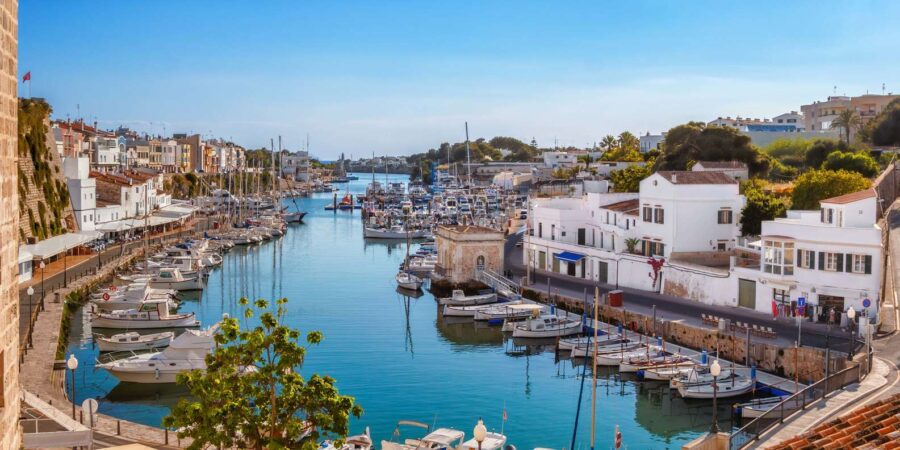
Menorca is way bigger than Formentera. That changes how you experience the place.
You’ll need about an hour to drive across Menorca, but somehow it still feels roomy, with loads of little towns, secret coves, and countryside that just begs to be explored.
Formentera’s tiny—just 80 square kilometers. You can zip around the whole island in a day on a scooter or bike, which is honestly part of its charm.
It’s compact, super manageable, but if you’re planning to stay a week, you might run out of new places to discover.
Getting there? That’s a whole different story.
Menorca has its own airport, so you can fly straight in from mainland Spain or other European cities. Easy.
Formentera doesn’t have an airport at all. You’ll have to fly into Ibiza first, then hop on a 30–40 minute ferry. That extra step makes it feel more remote and, honestly, keeps the crowds in check.
| Island | Size | Airport | Typical Transport |
|---|---|---|---|
| Menorca | Larger | Yes | Car, bus, scooter |
| Formentera | Very small | No (ferry via Ibiza) | Bike, scooter, car |
Travel Atmosphere and Vibe
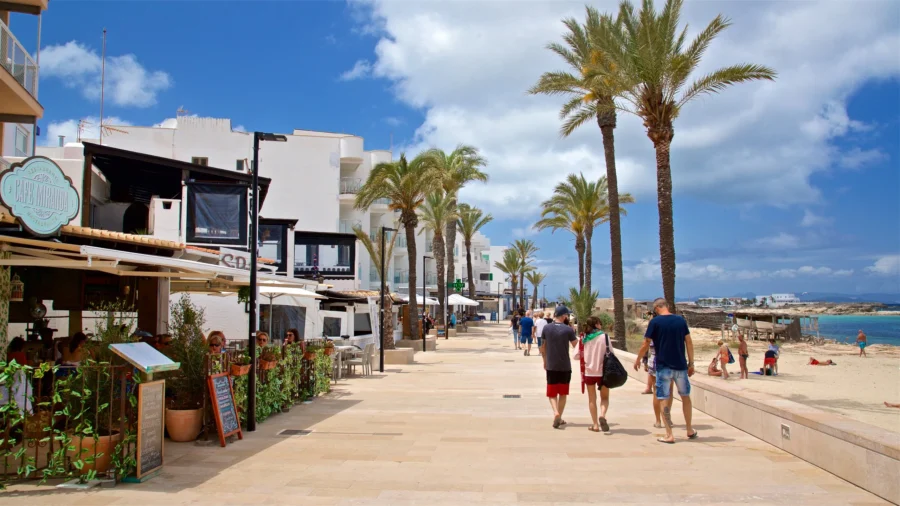
Menorca gives off this calm, traditional vibe. You’ll spot family-run restaurants, quiet fishing villages, and walking trails that wrap around the island.
It’s not flashy, and nightlife barely registers, but that’s kind of the magic, isn’t it?
Formentera leans bohemian. The island has always pulled in artists, dreamers, and anyone who loves a slower pace but with a little style.
Think beach bars with driftwood decks, barefoot evenings, and sunsets that seem to last forever.
I remember renting a bike in Formentera, just gliding past salt flats and those unreal turquoise beaches—it honestly felt like time hit pause.
Menorca, though, gave me such a sense of tradition, with stone walls, old lighthouses, and towns like Ciutadella that still feel like they belong to another era.
Tourist Demographics
Menorca draws in families and couples looking for a low-key holiday. The beaches are great for kids, and the whole island feels set up for longer, slower stays.
You’ll also meet plenty of hikers and nature fans, since Menorca’s a UNESCO Biosphere Reserve.
Formentera’s crowd is younger and more international. You’ll spot lots of day-trippers from Ibiza, but also backpackers, creatives, and chilled-out travelers who don’t mind the ferry ride.
It’s stylish, but not in a flashy, nightclub way—more like laid-back, barefoot luxury.
If you’re traveling with kids or want that classic Mediterranean feel, Menorca makes sense. But if you’re after a quick escape with a bit of that “hidden island” energy, Formentera feels like a secret you just stumbled across.
For a deeper dive into the differences, here’s a handy guide on choosing between Formentera and Menorca.
Natural Beauty and Landscapes
Both Menorca and Formentera show off the softer, quieter side of the Balearics.
You’ll stumble on stretches of sand that look untouched, secret corners where the Mediterranean feels like it’s all yours, and landscapes packed with unique plants and wildlife you won’t find anywhere else.
Pristine Beaches and Turquoise Waters
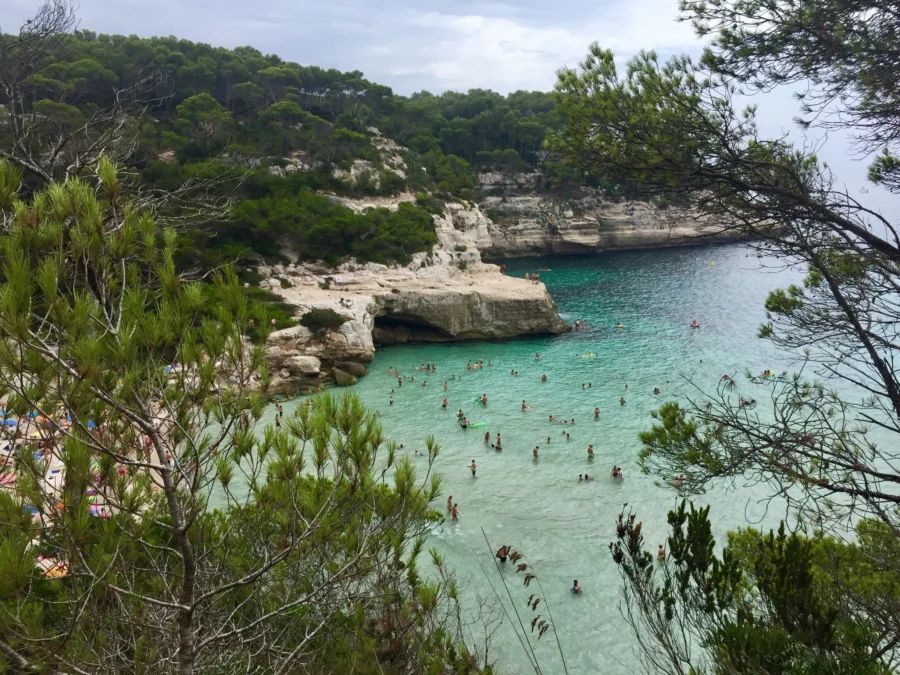
If you’re dreaming of postcard beaches, both islands absolutely deliver.
Menorca has more than 100 beaches, from the wide southern bays like Cala Mitjana to the golden sands of Cala Macarella. The water is insanely clear—perfect for snorkeling or just floating your worries away.
Formentera, though, kind of takes “turquoise waters” to a whole new level. Illetes and Llevant look straight out of the Caribbean.
The clarity? That’s thanks to the Posidonia seagrass meadows, which keep the water sparkling clean.
I’ll never forget stepping onto Platja de Migjorn in Formentera and realizing how shallow and calm the sea was. You could wade out forever and still barely get your shorts wet.
If you’ve got kids or just want a chill swim, that’s a serious plus.
Quick comparison:
- Menorca: More beaches, all sorts of sand, a mix of rugged and soft coastlines.
- Formentera: Fewer beaches, but those turquoise blues and soft sands are honestly next-level.
Hidden Coves and Secluded Spots
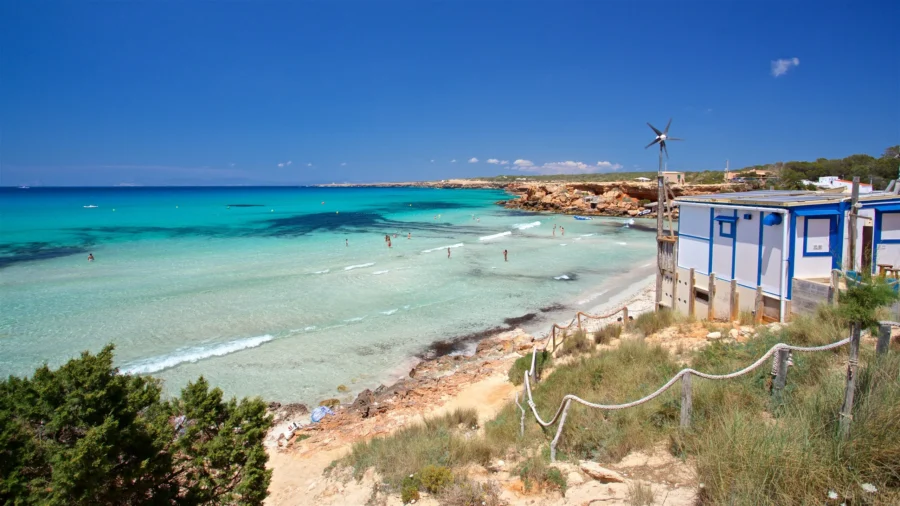
Menorca is famous for its calas—those little coves hidden between cliffs and pine groves.
Some, like Cala en Turqueta or Cala Pregonda, make you work for it with a bit of a hike, but honestly, that’s half the fun. Go early and you’ll probably have them to yourself.
Formentera doesn’t have as many coves, but it makes up for it with wild, open stretches like Cala Saona. The red cliffs here catch the sunset in a way that’s hard to describe.
I once biked down a dusty trail and ended up at Ses Platgetes—just a couple of locals fishing and not much else.
If solitude’s your thing, Menorca gives you more choices. But Formentera’s coves feel extra intimate just because the island’s smaller and life moves slower.
Unique Flora and Fauna
Menorca surprised me with how green it is for a Mediterranean island. Stone walls crisscross the countryside, olive groves pop up everywhere, and wildflowers add splashes of color.
Since it’s a UNESCO Biosphere Reserve, Menorca protects all sorts of rare birds and reptiles. If you hike the Cami de Cavalls, you’ll notice the scenery flipping from wetlands to farmland to wild coast.
Formentera feels drier, but the beauty’s in the details. The salt flats can shimmer pink at certain times, and windmills scattered around the island just add to the rustic vibe.
The Posidonia oceanica seagrass is the real MVP here—it keeps the waters crystal clear and supports loads of marine life.
Personally, I find Formentera’s landscapes kind of zen and minimal. Menorca, meanwhile, feels lush and layered—perfect if you’re into hiking or birdwatching.
Both islands remind you that natural beauty here isn’t just about beaches—it’s the whole ecosystem doing its thing.
Want more on their natural highlights? Here’s a guide to Menorca and Formentera.
Activities and Experiences
Even though both islands sit in the Balearics, how you spend your days on each couldn’t be more different.
One’s about exploring and variety; the other’s all about slowing down and savoring the simple stuff.
Hiking and Outdoor Adventures
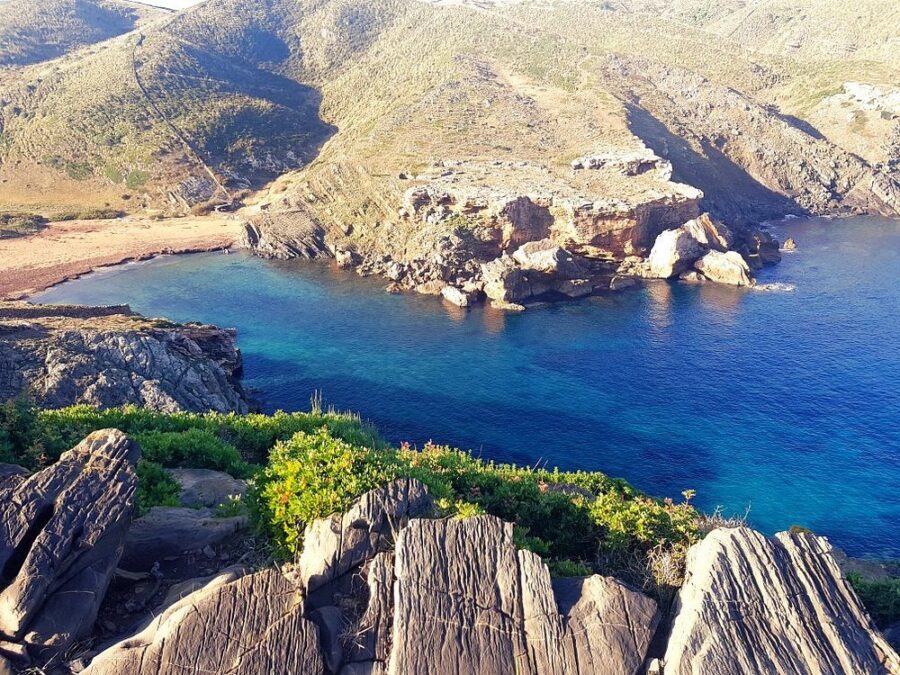
If hiking’s your thing, Menorca wins hands down.
The island boasts the Camí de Cavalls, a 185 km coastal trail that loops the whole place. No need to tackle the full thing—most folks just pick a stretch and wander past cliffs, secret coves, and pine forests.
Formentera’s so much smaller, so hiking here is more like a leisurely stroll than a trek. You can cross the island in a day, and the trails usually lead to lighthouses or peaceful beaches.
I remember walking up to La Mola lighthouse at sunset—the view over the sea was worth every step.
If you’re into guided outdoor activities, Menorca’s got you covered with tours and day trips for hiking, cycling, or even horseback riding.
Formentera offers fewer options, but honestly, the slower pace makes exploring solo a breeze.
Water Sports and Snorkeling
The water around both islands is ridiculously clear and calm, but the vibe’s different.
Menorca brings more variety, with kayaking routes that snake into caves and along rugged coastlines. Snorkeling’s a treat in places like Cala Macarella where you’ll spot fish darting everywhere.
Formentera is about ease. The beaches are long, shallow, and sandy, so you can just wander in without thinking twice.
Snorkeling is best near rocky spots like Es Caló, but sometimes just floating in that warm, blue water is all you need.
Cultural Festivals and Local Events
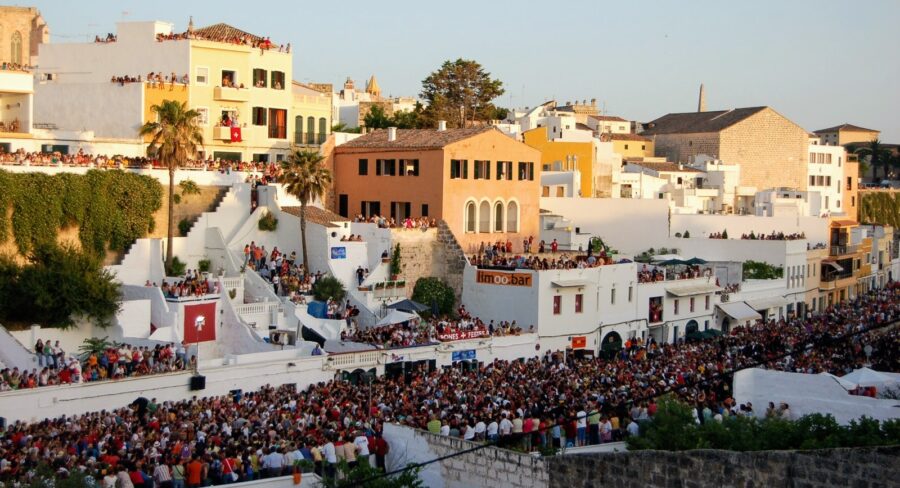
Menorca comes alive in summer with its festivals, especially the Fiestas de Sant Joan in Ciutadella.
Imagine horses parading through the streets, riders showing off traditional moves, and locals celebrating late into the night.
Smaller towns each have their own unique festivals too, packed with music, food, and that infectious community spirit.
Formentera’s events feel way more chill. You’ll stumble on craft markets, live music in village squares, and the occasional food fest.
One night in Sant Ferran, I wandered into a local music night and felt like I’d crashed a backyard party—super welcoming, super relaxed.
If you love lively traditions and big crowds, Menorca’s for you. But if you’d rather sip wine and listen to local musicians under the stars, Formentera’s got your back.
Both islands let you tap into island culture—just in totally different ways.
Accommodation and Dining
When you start comparing Menorca and Formentera, the real differences show up in where you sleep and what’s on your plate.
Menorca offers more variety and family-friendly comfort, while Formentera is all about intimacy—smaller hotels and simple seaside meals.
Resorts and Boutique Hotels
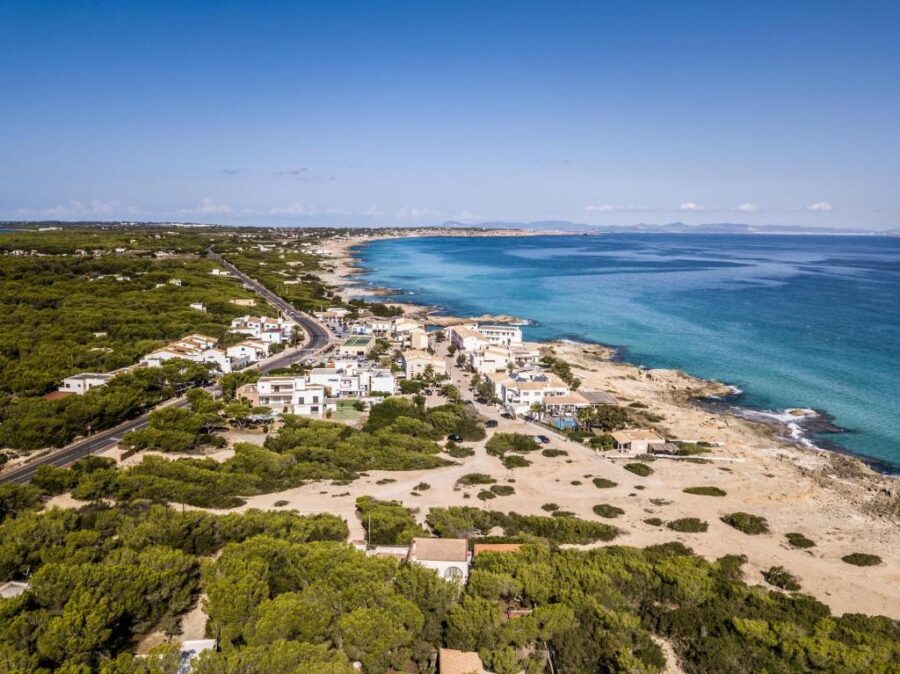
Menorca gives you loads of choice, from big beachfront resorts in Cala Galdana to cozy boutique hotels tucked into old towns like Ciutadella.
Most places cater to families, with pools, kids’ clubs, and easy walks to sandy coves. If you love options, Menorca won’t let you down.
Formentera is the opposite—no high-rise hotels here. Most stays are in small guesthouses, villas, or boutique-style spots.
Es Pujols is probably the closest thing to a resort town, with a mix of apartments and mid-range hotels.
Booking early is key, especially in summer. You’ll find a good mix of budget and luxury stays by browsing hotels and rentals, which makes comparing locations and amenities way easier before you commit.
Restaurants and Local Cuisine

Food is honestly one of the best parts of both islands, but the vibe? Totally different. In Menorca, you’ll spot plenty of traditional spots dishing up caldereta de langosta (that’s lobster stew—seriously, don’t miss it).
Towns like Mahón and Ciutadella buzz at night, their harbors lined with seafood joints, tapas bars, and bakeries that tempt you with the smell of fresh bread.
Formentera keeps it way simpler. Most of the best meals? You’ll eat them at beachside chiringuitos, toes in the sand, a plate of just-caught fish in front of you.
In Es Caló, little family-run places grill up seafood and serve paella with a view that’ll have you reaching for your camera before your fork. Forget fancy dining—here it’s about long, leisurely meals, sunburned shoulders, and maybe a bottle of local white.
Both islands reward the curious. Stray off the main drags, wander a bit, and you’ll stumble on those unforgettable little taverns or hidden beach cafés that probably don’t even show up on Google Maps.
Nightlife and Entertainment
After dark, both Menorca and Formentera slow down, but they do it in totally different ways. One leans family-friendly, with a few lively venues, while the other keeps it low-key with beach bars and sunset hangouts.
Clubs and Bars
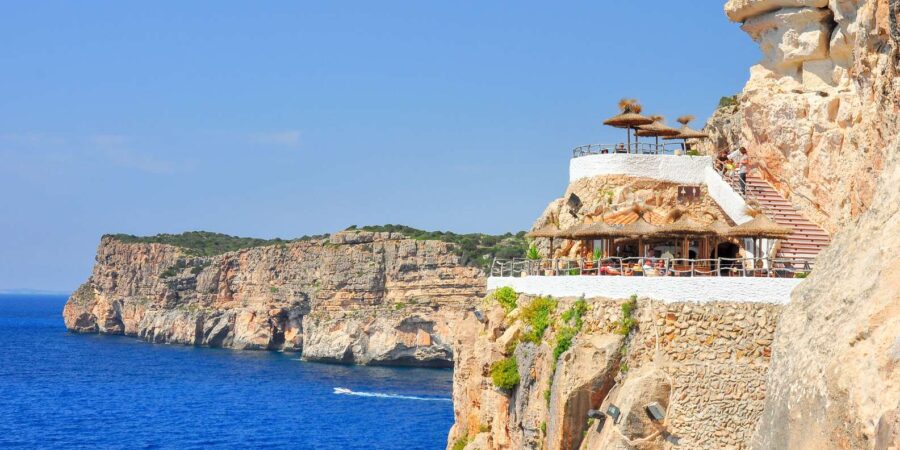
If you’re hunting for proper clubs, Menorca’s got more on offer. Mahón’s harbor spills over with cocktail bars and live music joints like Akelarre and Latitud 40—they stay buzzing, but you won’t feel like you’ve stumbled into Ibiza’s chaos.
The Caves of Xoroi in Cala en Porter? Sure, it’s touristy, but come on, it’s a bar and nightclub carved into the cliffs above the sea. Sunset there is pure magic, even if you’re sharing it with a crowd.
Ciutadella’s scene feels more local. Think Jazzbah, where DJs and live acts mix it up, and salsa clubs that haven’t gone all-in on glitz. Menorca’s nightlife feels intimate—you can actually have a conversation without yelling over the music.
Formentera, though, is quieter. Nights drift along at beach bars where DJs spin chilled sets as the sun dips. Blue Bar and Chezz Gerdi top the list for cocktails with sand between your toes.
It’s nightlife without the madness, which, honestly, some of us prefer now that all-nighters sound exhausting.
Evening Markets and Social Life
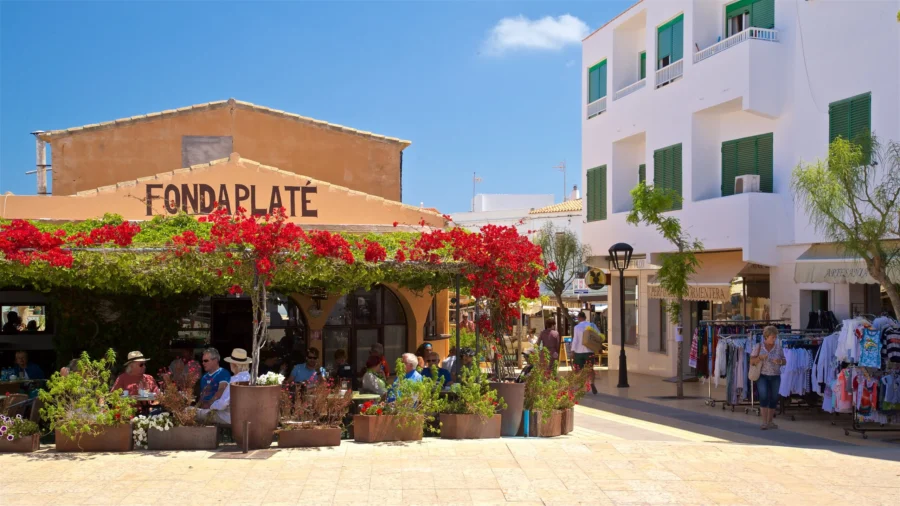
In Menorca, evenings often mean strolling through craft markets in Ciutadella or Es Castell. You’ll find handmade jewelry, leather sandals, and food stalls—more about wandering and chatting than dancing till sunrise.
Families linger in plazas, kids darting around while parents sip wine at outdoor cafés. It’s got that community feel that makes you want to stay just a little longer.
Formentera’s rhythm is even sleepier. The Sant Francesc market and stalls near Es Pujols invite you to browse artisan goods before you settle down for a late dinner.
Nights tend to wind down with a glass of wine by the water, not a nightclub queue. If people-watching is your thing, you’re in luck.
Menorca’s harbor bars bring locals and tourists together, while Formentera’s scene feels more barefoot bohemian—musicians jamming on the street, friends gathered around a beach fire. It’s casual, almost like you’ve wandered into a backyard party.
Formentera’s nightlife isn’t about clubs; it’s about community. Menorca gives you a taste of both. Would you rather finish your night on a dance floor or with a quiet stroll along the shore?
Island Hopping and Regional Connections
Getting between the Balearic Islands is a breeze, and honestly, it’s one of the highlights. Ferries run often, flights are short, and the distances are so close you can easily combine Menorca, Formentera, Ibiza, and Mallorca in one trip.
Ibiza and Mallorca Proximity
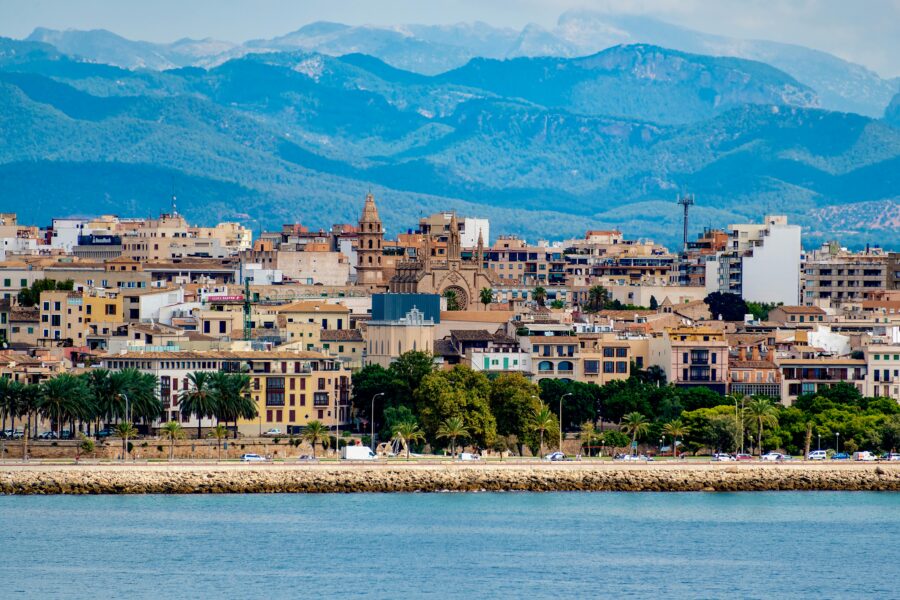
When you’re weighing Menorca versus Formentera, remember how close everything is. Mallorca, with Palma at its heart, links you to pretty much every other island.
From Palma, ferries head out daily to Menorca and Ibiza, so it’s a natural place to start. Ibiza is even handier if you’re eyeing Formentera.
The crossing from Ibiza to Formentera? It’s just 30–60 minutes. You could hit the beach in Es Caló in the morning and be back in Ibiza Town for dinner. That kind of flexibility makes planning a breeze.
Flights are another option. You can search flights into Palma or Ibiza from most European cities, and hopping between islands usually takes under an hour.
I’ve done the Palma to Ibiza flight—it’s so quick you barely get through your coffee.
Ferry Routes and Travel Tips
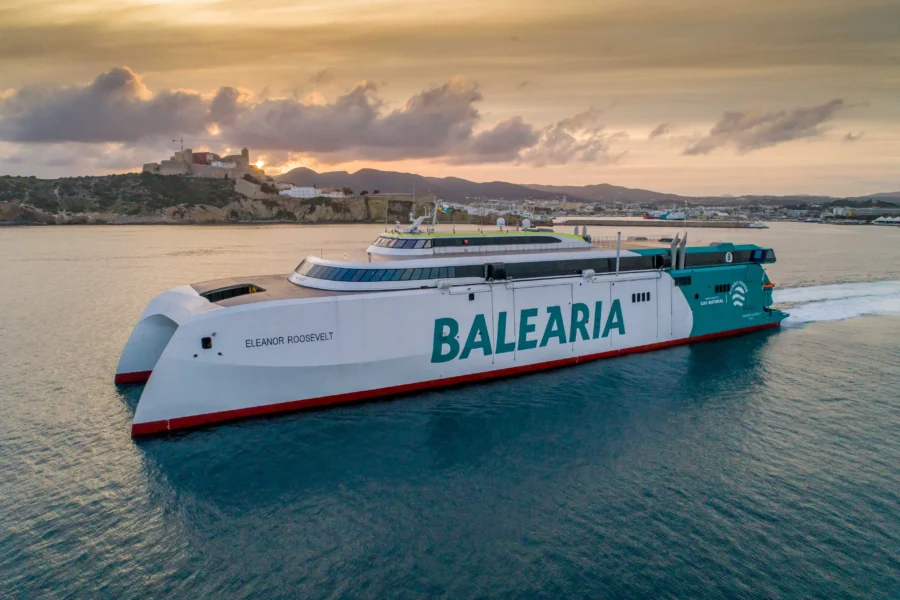
Ferries really are the backbone of island hopping here. Ibiza–Formentera ferries run constantly in summer, so you don’t have to stress about booking way ahead.
Mallorca–Menorca ferries are a bit less frequent but still plenty doable for a week-long adventure. If you’re bringing a car, Mallorca is the easiest hub since most ferries connect there.
Book ahead if you’re traveling with a vehicle, especially in August. For foot passengers, you can often just show up and grab a ticket.
One thing I learned the hard way: some islands have more than one port. In Mallorca, ferries land in Palma or Alcúdia, and picking the wrong one can really mess up your plans. Double-check before booking—trust me.
If you’re flying from mainland Spain, you’ll often find cheap flights into Palma or Ibiza. Sometimes they’re even cheaper than the ferry. Worth considering if you’re short on time and don’t mind missing the sea views.
Local Towns and Authentic Experiences
Menorca and Formentera aren’t just about beaches. You’ll stumble into historic towns, old traditions, and tiny communities where life still beats to the rhythm of the land and sea.
Exploring these places shows you a side of the islands most tourists never see.
Exploring Mahón and Other Menorcan Towns
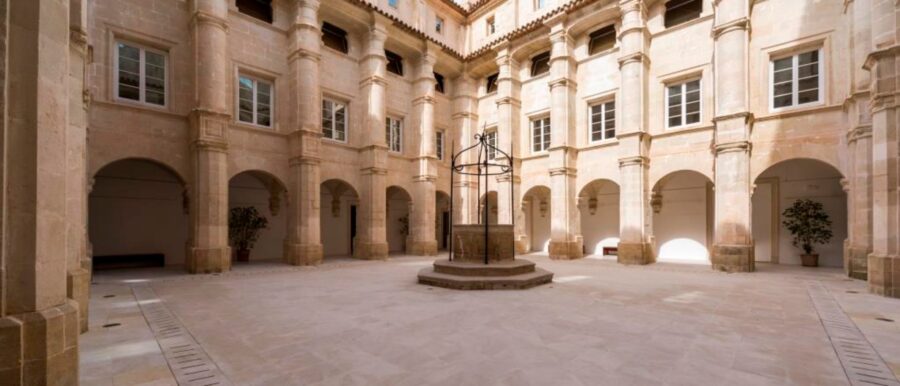
Step into Mahón, Menorca’s capital, and the harbor grabs your attention first. It’s one of the world’s largest natural harbors, and walking along it feels like flipping through a history book.
Georgian-style buildings hint at British rule, right next to whitewashed Spanish facades. The old town is compact but packed with character.
You’ll wander narrow streets past markets, tapas bars, and the Museu de Menorca inside a former convent. If art’s your thing, hop a boat to the Hauser & Wirth gallery on Illa del Rei. It’s worth the detour.
Over on the west coast, Ciutadella has a whole different energy. It’s medieval, with a Gothic cathedral and winding alleyways that can turn you around in no time.
I got lost there once and ended up in a tiny café where the owner insisted I try her homemade ensaimada. That memory? Way better than any guidebook highlight.
Towns like Es Mercadal or Alaior are smaller but give you a peek at real island life, far from the tourist crowds. Cheese shops, local markets, and family bakeries pop up everywhere.
It’s that kind of slow travel that makes Menorca feel authentic, not staged.
Formentera Villages and Artisan Culture

Formentera’s villages are more like cozy clusters than actual towns. Sant Francesc Xavier is the main hub, its square anchored by an 18th-century church.
Boutiques and cafés spill into the square, and it’s the perfect spot to people-watch over a strong coffee.
Nearby Sant Ferran still carries that bohemian spirit from the 60s and 70s. You’ll feel it in the laid-back bars and summer music nights.
The art market here is a fun browse if you’re into handmade stuff. Formentera really leans into artisanal traditions.
At El Pilar de la Mola, the weekly craft market is the place to pick up local ceramics, jewelry, or textiles. I once chatted with a weaver who told me her family had worked with natural dyes for generations. Those are the souvenirs you actually want to bring home.
Formentera doesn’t have big towns, but that’s the charm. You ride a bike or scooter between villages, stopping at roadside stands for figs or local wine.
It feels pared down, simple, and very human—like you’re slipping into the rhythm of island life instead of just watching from the sidelines.
Frequently Asked Questions
Menorca and Formentera share the same Mediterranean waters, but the way you experience them? Completely different.
From beach styles and food traditions to how you get around and the best time to visit, each island brings its own quirks that can totally shape your trip.
What distinguishes the beaches of Menorca from those of Formentera?
Menorca’s coastline is rugged, with coves tucked between pine forests and cliffs. Sometimes you’ll need to hike a bit, but that’s part of the fun—you often land a quieter spot.u003cbru003eu003cbru003eFormentera is all about those long stretches of fine white sand and shallow turquoise water. The beaches are easier to reach, and honestly, they look like something out of the Caribbean.
Can you highlight the unique cultural experiences available in Menorca and Formentera?
Menorca’s roots run deep in Talayotic culture, and you can still wander among ancient stone monuments scattered across the island. Local festivals—like the horse parades in Mahón—give you a real taste of tradition.u003cbru003eu003cbru003eFormentera feels laid-back, shaped by artists and musicians who rolled in decades ago. Markets in La Mola show off handmade crafts and local art.
What are the differences in dining options and local cuisine between Menorca and Formentera?
Menorca’s known for hearty seafood stews, Mahón cheese, and dishes that mix Spanish and British influences. You’ll stumble upon u003ca href=u0022https://www.realjourneytravels.com/forum/travel-advice/u0022u003efamily-run restaurantsu003c/au003e serving up traditional recipes.u003cbru003eu003cbru003eFormentera’s food is lighter. Think fresh fish, grilled veggies, Mediterranean-inspired plates. The island’s smaller, so dining tends to be pricier and more exclusive.
How do the outdoor activities on offer in Menorca compare with those in Formentera?
If you love hiking, cycling, or horseback riding, Menorca’s your spot. The Cami de Cavalls trail circles the whole island, letting you explore hidden coves and countryside.u003cbru003eu003cbru003eFormentera is all about water. Snorkeling, paddleboarding, sailing—you name it. Since the island’s tiny, you can mix a beach day with a short bike ride inland.
Could you shed light on the seasonal crowd variations between Menorca and Formentera?
Menorca’s size helps spread out visitors, so even in summer you’ll usually find a quiet cove. August still gets busy, especially in the main towns.u003cbru003eu003cbru003eFormentera feels more crowded in peak season since it’s so compact. Day-trippers from Ibiza fill up the beaches fast in July and August.
What are the transportation options for traveling between Menorca and Formentera and within each island?
Honestly, there’s no direct ferry between Menorca and Formentera. You’ll have to connect through Mallorca or Ibiza, which can feel a bit roundabout, but hey, that’s island life.u003cbru003eu003cbru003eWhen you land in Menorca, grab a rental car if you want real freedom—trust me, it’s the easiest way to see those hidden coves. Sure, buses link the main towns, but they don’t always run when you want them to.u003cbru003eu003cbru003eFormentera skips the airport altogether, so you’ll be rolling in by ferry from Ibiza. Getting around here is refreshingly simple. Rent a scooter if you want to zip between beaches, or pick up a bike or tiny car if you’re hauling more stuff.u003cbru003eu003cbru003eAnd, seriously, if you’ve got extra bags, stashing them in short-term u003ca href=u0022https://nannybag.pxf.io/09zYz3u0022 target=u0022_blanku0022 rel=u0022noreferrer noopeneru0022u003eluggage storageu003c/au003e makes u003ca href=u0022https://www.realjourneytravels.com/travel-hacks/u0022u003eexploring easieru003c/au003e. Don’t forget, packing the right u003ca href=u0022https://www.amazon.com/s?k=travel+gearu0026amp;crid=2RE2CRHF0OO9Au0026amp;sprefix=travel+gear%2Caps%2C233u0026amp;linkCode=ll2u0026amp;tag=010633-20u0026amp;linkId=20f4a69189de582cdb7e78950af61121u0026amp;language=en_USu0026amp;ref_=as_li_ss_tlu0022 target=u0022_blanku0022 rel=u0022noreferrer noopeneru0022u003etravel gearu003c/au003e can save you from a lot of last-minute stress.