
Last modified August 27, 2026
If you’ve ever dragged a suitcase through a bustling airport or clattered it over rain-soaked cobblestones, you already know: the wheels can make or break your trip.
Spinner wheels give you that breezy 360° movement on smooth floors, while two-wheel luggage just handles rough streets and uneven ground better. It really comes down to where and how you travel most.
Honestly, I’ve lost track of how many times I’ve switched between the two, depending on the destination.
In Europe’s old towns, my trusty two-wheeler has conquered curbs, gravel, and stairs without a single complaint.
But at sprawling airports, a spinner glides right beside you like it’s floating, saving your shoulders from all that pulling.
It’s more than convenience—it’s about matching your bag to your travel style and sanity.
Key Takeaways
- Spinner wheels shine on smooth, flat surfaces and make maneuvering a breeze.
- Two-wheel designs tackle rough terrain and heavy loads with more grit.
- The best choice? It’s all about your destinations and how you like to move.
Key Differences Between Spinner Wheels and Two-Wheel Luggage
Spinner luggage stands upright on four wheels that rotate any way you want, while two-wheeled luggage tilts and rolls on fixed wheels.
Each design changes how you handle weight, terrain, and storage space, which can totally affect your packing and how easily you get through airports or bumpy city streets.
How Spinner Luggage Works
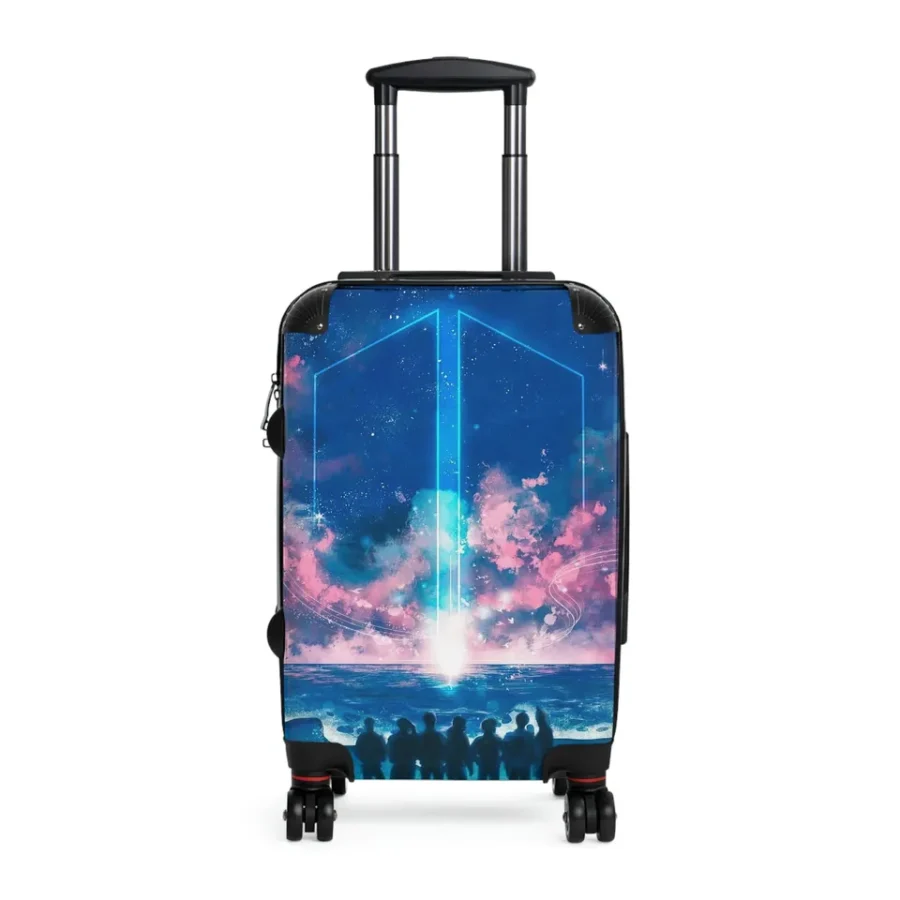
Spinner luggage has four wheels, usually at the corners, that spin 360 degrees.
You can push, pull, or even roll it sideways without tipping the bag over.
In crowded airport lines, that’s a game changer—you keep it right beside you instead of dragging a tail behind.
The wheels are smaller than most two-wheel bags, so they glide best on polished floors.
But on cobblestones, gravel, or cracked sidewalks, they can snag or slow you down.
I’ve learned the hard way—spinners on old European streets can feel like you’re pushing a shopping cart with a bum wheel.
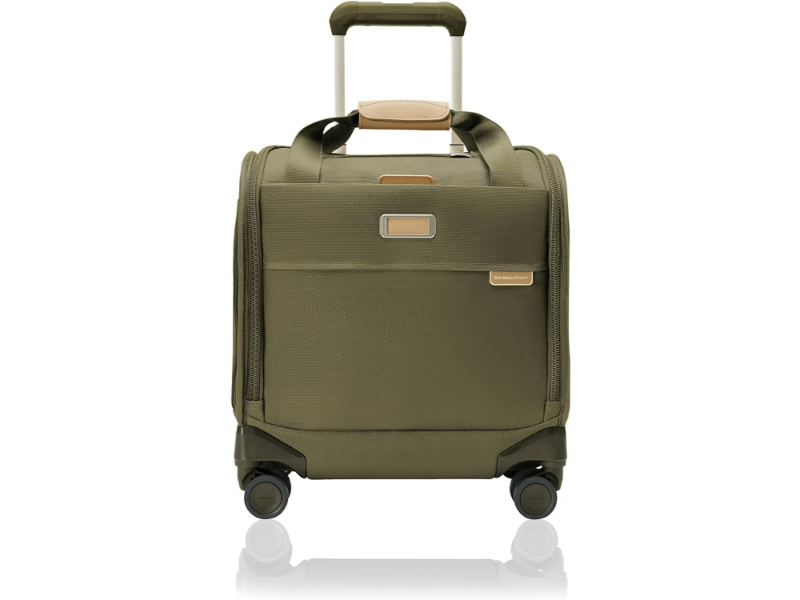
Some models double up the wheels at each corner—eight-wheel spinners—for extra stability and to spread out the weight.
That helps with wear, but you get a little more bulk and sometimes extra weight, which can matter if your airline is strict on carry-ons.
How Two-Wheeled Luggage Operates

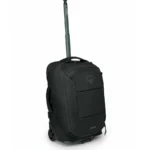
Two-wheeled luggage, or a rollaboard, uses in-line skate-style wheels that are bigger and tucked into the case.
You tilt the bag back and pull it, so all the weight rides on those two wheels.
This design just crushes bumps, curbs, and rough sidewalks compared to most spinners.
Because the wheels are recessed, they’re less likely to snap off during baggage handling.
I’ve got a two-wheel carry-on that’s survived years of being tossed into overhead bins and dragged through train stations—never lost a wheel.
The trade-off is maneuverability in tight spots.
You can’t roll it sideways next to you in a line, and if it’s heavy, your arm will feel it after a long trek through a big airport.
Still, for uneven terrain, two wheels usually win.
Rolling Luggage Design Innovations
Wheel design keeps evolving to balance durability, weight, and movement.
Spinners now use tougher materials and beefed-up axles to handle more than just smooth airport floors.
Some even offer hybrid designs where the wheels lock for two-wheel pulling if you need it.
Two-wheel bags have leveled up, too.
Newer models use shock-absorbing mounts and lighter alloys, so you get strength without the bulk.
Wheel housings are sleeker now, so they don’t snag as much when you’re stashing your bag overhead.
Here’s a quick comparison:
| Feature | Spinner Luggage | Two-Wheeled Luggage |
|---|---|---|
| Wheel Count | 4 (or 8 doubled) | 2 |
| Movement | 360° multi-directional | Forward/backward tilt |
| Best Surface | Smooth, flat floors | Mixed terrain |
| Durability | Moderate | High |
| Maneuver in tight spaces | Excellent | Limited |
If you mostly travel through airports and hotels, spinners feel like magic.
If your trips mean old streets, rural roads, or lots of walking outside, two wheels might just save your sanity.
Maneuverability and Ease of Use

How your luggage moves can shape your trip, especially when you’re sprinting through a terminal or weaving past a slow-moving group tour.
Wheel design changes how much effort you use, how quickly you can change direction, and how your bag handles in different environments.
360-Degree Mobility of Spinner Suitcases
Spinner suitcases have four wheels that rotate in every direction, so you can push, pull, or roll them beside you without tilting the bag.
That means less strain on your arm and shoulder—something you’ll appreciate on those marathon travel days.
You can guide a spinner with one hand while sipping coffee or scrolling on your phone.
Try that with two-wheel luggage and you’ll probably spill your drink.
But there’s a catch.
Spinner wheels are smaller and stick out, so they don’t handle rough ground well.
They also tend to wear out faster if you drag them over cobblestones or broken sidewalks.
If most of your travel is through airports or hotels, you’ll notice how effortlessly they glide.
In crowds, spinners are a dream.
You can pivot them in place, which makes slipping through packed gates or narrow airplane aisles way less awkward.
I’ve rolled a spinner sideways down a train aisle without bumping every seat along the way.
Try that with a two-wheeler—you’ll be apologizing left and right.
Since you don’t have to tilt them, spinners take up less floor space when you’re standing in line.
You keep them upright beside you, not sticking out behind you like a tail.
But if you’re in a hurry, two-wheel luggage can still be faster in a straight shot since you can lean into it and pull harder.
It’s just not as nimble in tight quarters.
Handling Uneven Terrain
This is where two-wheel roller luggage usually wins.
The bigger, recessed wheels roll over curbs, gravel, and cracked pavement without catching or wobbling.
Spinners, with their smaller exposed wheels, can snag on gaps or get stuck in dirt.
I’ve had one stop dead on a cobblestone street in Rome—almost sent me flying over the handle.
If your trips involve lots of city walking or outdoor transit, two-wheel bags are just easier to wrangle.
You can tilt them back and use the bigger wheels to climb over bumps.
Some travelers switch styles depending on the trip—a spinner for air travel, a two-wheel for road or rail journeys.
Not a bad move if you travel a lot and hate fighting your bag.
See Related: Carry On vs Personal Item Difference Airlines: 2026 Guide to Baggage Rules & Smart Packing
Durability and Wheel Construction
When you’re comparing spinner wheels to two-wheeled luggage, the materials and wheel build matter just as much as their placement.
A solid set of wheels can survive years of trips, while a bad design might fail after one rough baggage handler gets creative.
Wheel Materials and Build Quality
Polyurethane is tough, glides smoothly, and doesn’t chip easily.
I’ve had a carry-on with PU wheels for nearly a decade, and they’re still rolling like new—even after plenty of cobblestone abuse and some overzealous baggage handlers.
Cheaper wheels often use thermoplastic rubber (TPR) or basic molded plastic.
Those can flatten, crack, or get sticky over time, especially if your bag bakes in a hot attic or trunk.
Spinner wheels are usually smaller—about 1–2 inches in diameter—while two-wheel luggage often has wheels 3 inches or more.
Bigger wheels handle bumps better and spread out the weight.
If you can, give the bag a test roll in-store.
A quality wheel should spin freely, feel solid at the axle, and have ball bearings that don’t grind or stick.
Wheel Placement and Damage Resistance
Two-wheeled luggage tucks its wheels into the body of the bag.
This recessed design shields them from direct hits, so they’re less likely to snap if you drop the bag or drag it up stairs.
That’s why you see fewer broken wheels on old rollaboards.
Spinner wheels stick out from the corners, which makes them super easy to roll in any direction—but also easy to bang up.
A curb, escalator, or rough conveyor belt can chip or bend them.
I’ve had a spinner lose a wheel after one bad fall in a train station.
Some spinners try to fix this with double wheels at each corner.
That spreads out the stress and gives more stability, but the exposed design still leaves them vulnerable.
If you travel rough, recessed two-wheel setups just take more abuse before giving up.
Packing Space and Luggage Size Considerations
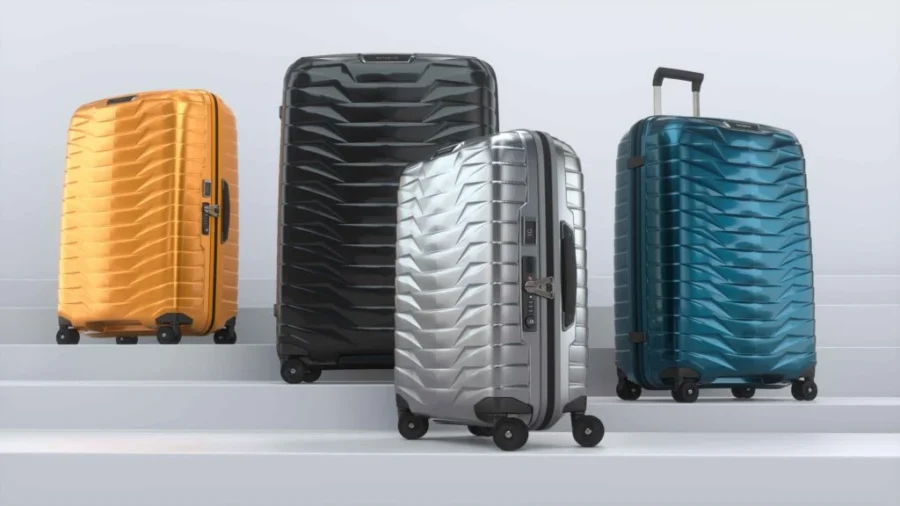
How your luggage is built—especially the wheel design—can change what you can pack and whether it fits airline rules.
Even a small difference in wheel placement can mean the bag either slips easily into an overhead bin or gets checked at the gate.
Interior Capacity Differences
Two-wheel rolling luggage usually gives you a bit more usable space inside.
That’s because the wheels are tucked into the suitcase body instead of sticking out.
You don’t lose height or width to bulky wheel housings, so your packing cube or extra shoes might fit.
A spinner suitcase, with four external wheels, sacrifices some of that interior room.
The wheel assemblies eat up corner space, and sometimes the frame is reinforced to handle the extra stress from pushing in all directions.
That’s the price for that smooth 360° movement.
If you pack heavy or travel with bulky stuff—like winter coats or camera gear—those extra inches matter.
I’ve had trips where my two-wheeler swallowed everything, while my spinner needed a second bag for overflow.
It sounds minor, but it makes a real difference when you’re living out of a single suitcase.
Impact of Wheel Design on Carry-On Size
Wheel placement also affects whether your carry-on passes airline size rules.
Two-wheel models usually measure smaller overall because the recessed wheels don’t add much to the length.
That’s handy when you’re trying to squeeze into tight overhead bins on smaller planes.
Spinners, though, have wheels that stick out.
Even if the case body matches the size limit, the total height with wheels can push it over.
I’ve watched gate agents measure bags and reject spinners that were “carry-on size” on paper.
If you travel a lot and hate checking bags, compare the actual dimensions, wheels included.
When shopping for travel gear, always check your airline’s posted limits—especially with budget carriers, which can be way stricter.
A half-inch over can cost you time and money at the gate.
See Related: Abs vs PP Luggage: Which Material Reigns Supreme for Durable Travel?
Comfort and Ergonomics for Travelers
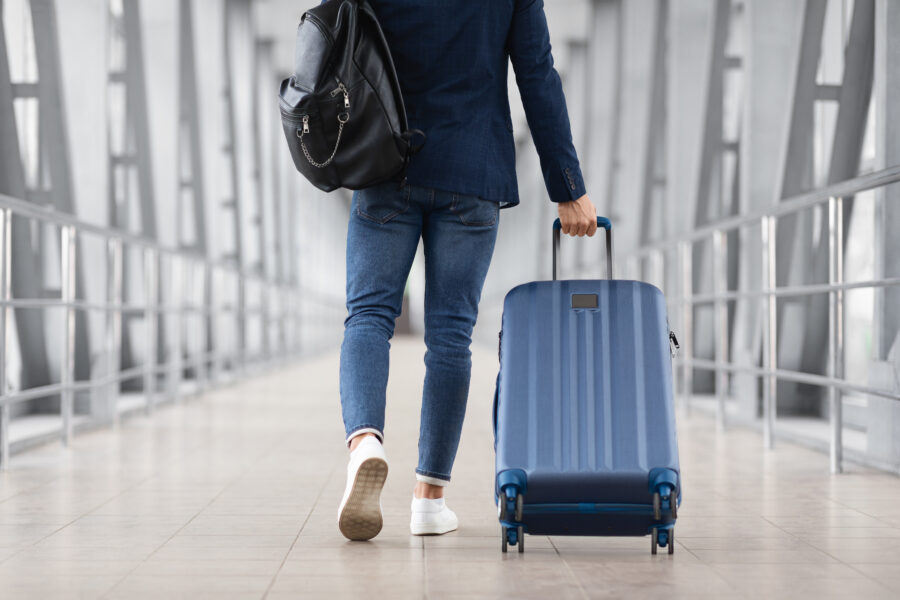
How your luggage moves can make a surprising difference in how your body feels after a long travel day.
The wheels change how your arms, shoulders, and back feel, and even how you carry extra bags.
Sometimes it’s the little design details that decide whether your trip feels smooth or just exhausting.
Pushing vs. Pulling: Arm and Back Strain
With two-wheel roller luggage, you tilt the bag and pull it behind you.
Your arm stays low, wrist twisted back, and most of the weight pulls on one side.
After a long airport trek, your shoulder or lower back might start complaining.
Spinner luggage rolls upright on four wheels, so you usually push it ahead or walk it beside you.
Your arm bends at a right angle, using different muscles—more forearms and upper back, less lower back.
I’ve found spinners feel easier in tight spaces, like weaving through a crowded terminal.
But on rough pavement, you might have to push harder.
Two-wheel bags just handle curbs and uneven sidewalks better since their bigger wheels don’t snag as much.
If you’ve got a cranky shoulder, you might prefer the upright push of a spinner.
If you’re hauling across mixed terrain, two wheels might just keep you sane.
Stacking and Attaching Companion Bags
Traveling with more than one bag? How you connect them can make or break your airport dash. Most spinner and two-wheel luggage have those telescoping handles—just slip a smaller bag over and you’re good to go, as long as everything stays balanced.
With two-wheel roller luggage, you’ve got another trick: a J-hook. I see airline crews do this all the time—just hang a tote or cooler from the top handle. It keeps everything tight and lets you pull your whole setup in one smooth motion.
Spinners can handle a stacked bag, too, but since they roll upright, any heavy extra bag sometimes swings or twists. On those glossy airport floors, no big deal. But the moment you hit a ramp or slope, you’ll probably need to steady it with your free hand.
If you’re the type who always has a laptop bag, camera, or just a heavy tote, think about how it’ll ride on your main bag. The wrong combo can throw you off balance and make even a short walk feel like you’re dragging a stubborn dog.
See Related: Best Carry On Backpacks for International Travel: Top Versatile Options for 2026
Choosing the Right Luggage for Your Travel Style
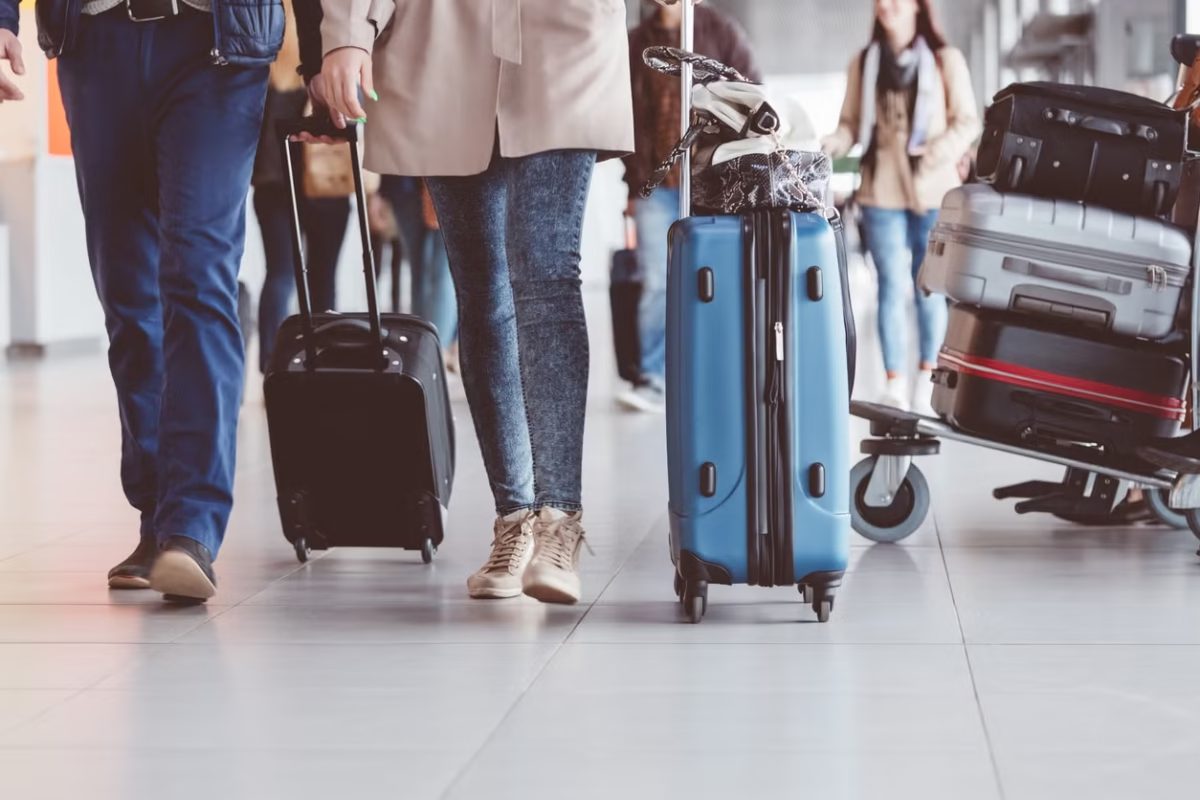
Honestly, your luggage choice can change how you move through airports, how your body feels at the end of the day, and whether your bag survives a couple of wild trips. It depends on your destination, your packing style, and how you like to roll (literally).
Best Uses for Spinner Luggage
Spinner luggage comes into its own on smooth surfaces—think airport terminals, hotel lobbies, cruise decks. With four wheels that spin 360 degrees, you get to roll the bag right alongside you instead of dragging it behind. That’s a relief for your arm and shoulder, especially on those marathon travel days.
If you’re always weaving through crowds or squeezing into tight spaces, spinners are your friend. You can twist and turn without tipping the bag over, which is a lifesaver in busy check-in lines or those ridiculously narrow airplane aisles.
They’re perfect if you value ease over speed. You won’t win any races, but you’ll save your back. Just remember, those exposed wheels are a bit fragile—if you check your bag a lot, they can take a beating.
For folks who love premium features, brands like Travelpro make spinner models with buttery-smooth wheels and comfy handles. If your trip involves lots of transfers or long hikes between gates, pairing a spinner with cheap flights takes the sting out of travel days.
Ideal Scenarios for Two-Wheeled Luggage
Two-wheeled luggage—sometimes called “inline rollers”—is built for speed and toughness. The wheels tuck right into the frame, so you’re way less likely to lose a wheel to a grumpy baggage handler or a rough patch of sidewalk.
These bags roll straight, which means you’ll move faster when you’ve got a long trek—like hustling from one end of a train station to the other. They’re champs on curbs, cobblestones, and bumpy sidewalks.
If you’re a die-hard carry-on traveler, you’ll love that two-wheelers usually slide into overhead bins more easily since the wheels don’t stick out. That tiny bit of space can mean the difference between keeping your bag and having it snatched for gate-check.
A lot of airline crew still swear by two-wheeled bags for their no-nonsense reliability. And if your trip includes a wild mix of planes, ferries, and buses, booking flexible travel plans and bringing a sturdy two-wheeler will honestly save you some headaches.
Frequently Asked Questions
Spinner wheels or two-wheelers? It boils down to how you travel, where you’re rolling, and how much punishment your bag will take. Wheel design makes a huge difference in how easily you move through airports, handle rough streets, and whether your suitcase can survive years of adventures.
What are the key differences in maneuverability between spinner wheels and two-wheel luggage?
Spinners glide in any direction you want—no tilting needed. That makes squeezing through crowded gates a breeze. You can push them next to you, pull them behind, whatever works.u003cbru003eTwo-wheelers only roll forward and back, so you have to tilt them to move. But they’re better when you’re dealing with curbs, uneven floors, or long airport hauls—they don’t get caught or drag nearly as much.
How does the durability of spinner wheels compare to two-wheeled luggage for frequent travelers?
Spinner wheels stick out, so they’re more likely to get smacked around by baggage belts or rough handling. I’ve lost a spinner wheel after just one cobblestone street in Rome—still hurts to think about it.u003cbru003eu003cbru003eTwo-wheelers usually have recessed wheels, so they’re much less likely to snap or crack. That’s why a lot of long-haul travelers still swear by them for long-term use.
Can you increase the mobility of two-wheel luggage to match that of a spinner?
Honestly? Not really. You can swap out old wheels for smoother, higher-quality ones, which helps a bit. Picking a lighter bag so u003ca href=u0022https://www.realjourneytravels.com/lightweight-backpack-for-travel/u0022u003etilting feels less tiringu003c/au003e can make a difference, too.u003cbru003eu003cbru003eBut you just won’t get that effortless side-to-side glide you get with a spinner—physics just isn’t on your side.
What are the pros and cons of using spinner wheels versus two-wheel luggage for carry-on items?
Two-wheel carry-ons give you better control on ramps, rough pavement, or when you’re sprinting to your gate. Plus, they’re less likely to roll away if you park them on a slope.
Which type of luggage wheels is better suited for rough terrain: spinners or two-wheelers?
Two-wheelers win this round. Their bigger, tucked-in wheels handle gravel, cobblestones, and cracked sidewalks way better.u003cbru003eu003cbru003eSpinners can survive rough terrain, but honestly, you’ll probably just end up dragging them like a two-wheeler anyway. Kind of defeats the purpose of those four wheels, doesn’t it?
What should a traveler consider when choosing between a four-wheel spinner and an eight-wheel suitcase?
Let’s be real—eight-wheel spinners (that’s double wheels on every corner) just glide. If you’re lugging a heavy bag through a busy airport, you’ll probably notice how much smoother and steadier they feel.u003cbru003eu003cbru003eI’ve found they also distribute weight more evenly, so you’re less likely to see those sad, worn-down wheels after a couple of trips.u003cbru003eu003cbru003eFour-wheel spinners, on the other hand, are lighter and usually kinder to your wallet. But honestly, if you’re rolling over bumpy tile or uneven pavement, they can get a bit wobbly.u003cbru003eIf you’re always on the move, that tiny difference in handling starts to matter more than you’d think.