

Florence vs San Gimignano: Which Iconic Tuscan City Should You Visit First in 2026
Updated November 27, 2025
Florence and San Gimignano offer two very different views of Tuscany’s charm. Florence dazzles visitors with world-famous art museums, grand palaces, and bustling city squares. Meanwhile, San Gimignano gives travelers a chance to step back in time with its medieval towers and ancient stone walls.
For most travelers, Florence makes the ideal base for exploring Tuscany, while San Gimignano works better as a day trip destination. The bigger city has more places to stay, better transport links, and endless things to see. Plus, Florence’s central location makes it easy to take trips to other Tuscan towns.
San Gimignano’s magic comes alive in the early morning or evening when the day-trippers leave. Its famous white wine, Vernaccia di San Gimignano, and stunning hilltop views create perfect moments for photos and memories. The town’s medieval towers paint a picture of life from centuries past.
Table of Contents
- Historical Overview
- Florence’s Renaissance Roots
- San Gimignano’s Medieval Charm
- Main Attractions
- Florence’s Iconic Landmarks
- San Gimignano’s Towers and Piazzas
- Cultural Experiences
- Arts and Museums in Florence
- Festivals and Traditions in San Gimignano
- Culinary Journey
- Gastronomy in Florence
- Local Flavors of San Gimignano
- Outdoor Adventures
- Exploring the Tuscan Countryside from Florence
- Walking Tours and Nature in San Gimignano
- Shopping and Artisan Goods
- Unique Finds in Florence
- San Gimignano’s Craftsmanship
- Accommodation Insights
- Where to Stay in Florence
- Lodgings in San Gimignano
- Practical Information
- Transportation and Getting Around
- Best Time to Visit
- Frequently Asked Questions
- What unique experiences do San Gimignano offer that differ from those found in Florence?
- Can you recommend the ideal duration for a visit to San Gimignano if coming from Florence?
- How do the historical sites of Florence compare with those in San Gimignano?
- What are the hidden gems in San Gimignano that a typical tourist might miss?
- In terms of local cuisine, how does the food in San Gimignano stand out from that in Florence?
- What are some insider tips for navigating from Florence to San Gimignano and fully enjoying both locales?
- Book Your Dream Experience
- More Travel Guides
Historical Overview
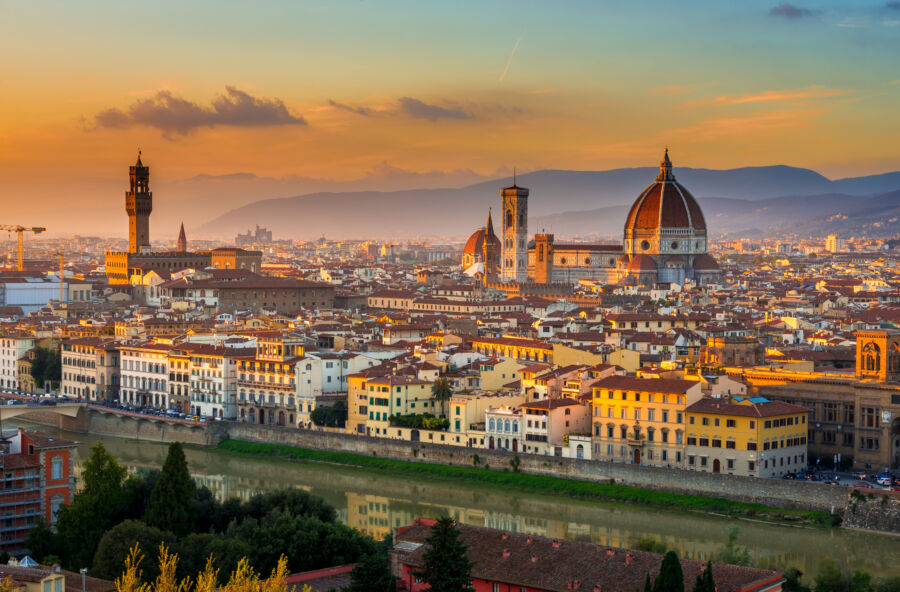
The rich histories of Florence and San Gimignano paint different pictures of life in medieval and Renaissance Tuscany. These two cities grew along separate paths – one became a powerhouse of art and culture, while the other preserved its medieval charm through the ages.
Florence’s Renaissance Roots
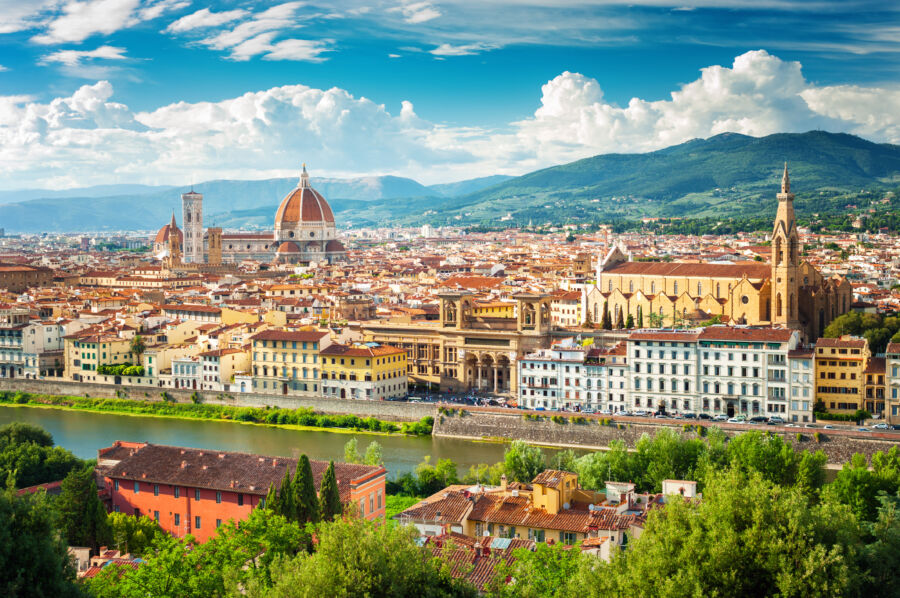
Florence sparked a cultural revolution in the 15th century that changed Europe forever. The mighty Medici family turned this Tuscan city into an artistic paradise, bringing together brilliant minds like Leonardo da Vinci and Michelangelo.
The city’s narrow streets saw the birth of groundbreaking ideas in art, architecture, and science. Banks and trade made Florence wealthy, letting its rulers fund amazing projects like the Duomo cathedral.
The Medici built palaces, churches, and galleries that still amaze visitors today. They collected rare books and art pieces, making Florence a treasure chest of culture.
San Gimignano’s Medieval Charm

San Gimignano sits proudly on a Tuscan hilltop, known for its famous medieval towers. Rich merchant families built these towers in the 1200s and 1300s to show off their wealth and power.
The town made its fortune from saffron trade and its spot on the pilgrim route to Rome. At its peak, 72 towers stood tall above the streets – today 14 remain.
San Gimignano chose to team up with Florence during medieval conflicts. This smart move brought peace and wealth until the 1300s, when hard times hit.
Unlike Florence’s Renaissance makeover, San Gimignano kept its medieval look. Its stone streets and towers take visitors back to life in the Middle Ages.
Main Attractions
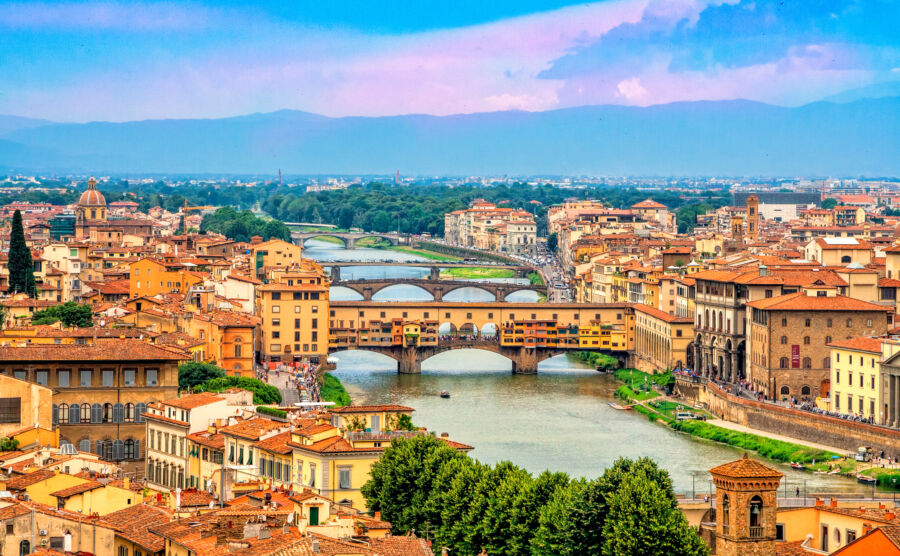
Both cities offer stunning architectural landmarks that showcase rich Italian history and culture. Florence dazzles with Renaissance masterpieces, while San Gimignano charms visitors with its medieval towers and intimate piazzas.
Florence’s Iconic Landmarks

The magnificent Florence Cathedral dominates the skyline with its massive red-tiled dome. Brunelleschi’s masterpiece stands as a symbol of Renaissance innovation.
The Uffizi Gallery houses the world’s greatest collection of Italian Renaissance art. Visitors can admire works by Botticelli, Leonardo da Vinci, and Michelangelo.
The romantic Ponte Vecchio spans the Arno River. This medieval bridge lined with glittering jewelry shops creates picture-perfect views at sunset.
Piazzale Michelangelo rewards visitors with breathtaking panoramas of Florence’s red roofs and historic center. The square features a bronze replica of Michelangelo’s David statue.
San Gimignano’s Towers and Piazzas

The famous medieval towers give San Gimignano its distinctive skyline. Of the original 72 towers, 14 still stand today as reminders of wealthy families who built them to show their power.
Torre Grossa, the tallest remaining tower at 54 meters, offers amazing views across the Tuscan countryside.
Piazza della Cisterna forms the heart of town. This triangular square gets its name from the ancient well at its center, where locals gathered for centuries.
The Collegiate Church amazes visitors with its colorful frescoes depicting scenes from the Old and New Testament. The detailed artwork covers nearly every interior wall.
Cultural Experiences

Both cities offer distinct cultural treasures that reflect Tuscany’s rich heritage. Florence stands as an art lover’s paradise, while San Gimignano preserves medieval traditions and local celebrations.
Arts and Museums in Florence

The Accademia Gallery houses Michelangelo’s masterpiece, David, a 17-foot marble statue that draws visitors from around the world. Get there early to avoid the longest lines – before 9 AM is best.
The Uffizi Gallery showcases Renaissance paintings by Italian masters. To avoid the wait, book tickets online at least two days ahead. Popular time slots often sell out weeks in advance.
Street art and modern galleries dot the Oltrarno district, which allows visitors to experience Florence’s living art scene away from the tourist crowds.
Festivals and Traditions in San Gimignano
Medieval festivals bring the town’s historic center to life each summer. During the June Ferie delle Messi harvest festival, watch knights joust and flag throwers perform in authentic period costumes.
The town celebrates its famous white wine, Vernaccia di San Gimignano, with yearly tastings and events. Local wineries welcome visitors for tours and samples of this crisp regional specialty.
Market day fills the main square every Thursday morning. Local farmers sell fresh produce, cheeses, and olive oils produced in the surrounding Tuscan countryside.
Culinary Journey

A feast of flavors awaits food lovers in these two Tuscan gems, where traditional recipes meet world-class ingredients and centuries-old cooking techniques.
Gastronomy in Florence
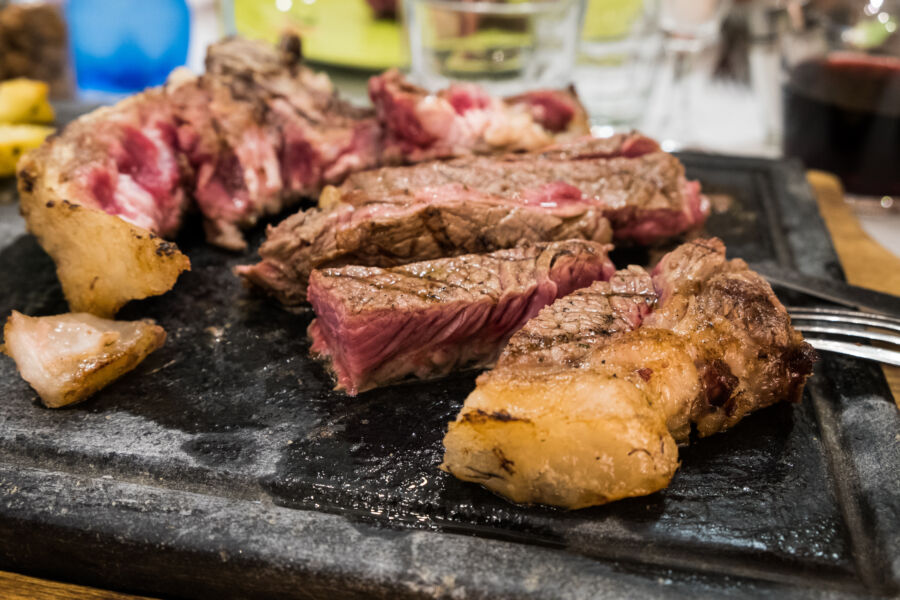
Florence’s food scene mixes rustic Tuscan cooking with refined culinary arts. The city’s markets, like Mercato Centrale, showcase fresh local ingredients and artisanal products.
Bistecca alla Fiorentina takes center stage here. This T-bone steak comes from local Chianina cattle and is grilled to perfection over oak coals. The meat pairs wonderfully with bold Chianti wines from nearby vineyards.
Fresh pasta dishes shine in Florence’s trattorias. The rich pappardelle al cinghiale (wild boar sauce) and ribollita soup made with bread and vegetables represent authentic Tuscan comfort food.
Local Flavors of San Gimignano

San Gimignano’s culinary identity centers on its famous white wine, Vernaccia di San Gimignano. This crisp wine carries notes of citrus and minerals, making it perfect with the town’s seafood dishes.
Local olive groves produce some of Tuscany’s finest extra virgin olive oil. Small family farms still press their olives using traditional stone mills.
The town is famous for its award-winning gelato shops. Master gelato makers use local ingredients like Tuscan milk, San Gimignano saffron, and seasonal fruits to create unique flavors.
Small specialty food shops offer local pecorino cheese, wild boar salami, and truffle products – all made following age-old traditions.
Outdoor Adventures

Both Florence and San Gimignano offer amazing opportunities to explore the stunning Tuscan landscape. The rolling hills, cypress trees, and vineyards create perfect settings for outdoor activities.
Exploring the Tuscan Countryside from Florence
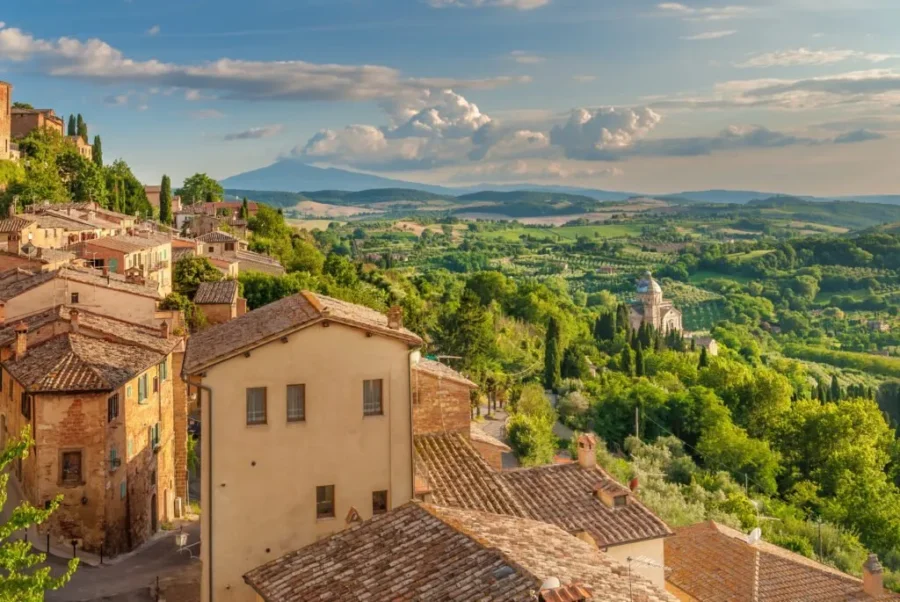
The roads around Florence lead to some fantastic cycling routes. A popular 107-kilometer expert cycling path connects Florence to San Gimignano, taking about 5.5 hours to complete.
The Chianti region south of Florence offers perfect hiking conditions. Trails wind through olive groves and vineyards, allowing visitors to stop at small villages along the way.
Many local tour companies offer guided bike tours that include stops at wineries and historic sites. These trips range from half-day excursions to full-day adventures.
Walking Tours and Nature in San Gimignano

San Gimignano’s hilltop location gives visitors amazing views of the Elsa Valley. The medieval walls that circle the town make for a nice walking path with panoramic views.
The countryside around San Gimignano features gentle paths perfect for casual walks or serious hikes. Many trails connect to neighboring villages through olive groves and vineyards.
Walking tours inside the town walls let you explore hidden corners while learning about the famous medieval towers. Spring and fall offer the best weather for outdoor activities, with mild temperatures and fewer tourists.
Local guides can show you secret spots where you can take amazing photos of the Tuscan hills. These spots are especially beautiful during sunrise and sunset.
Shopping and Artisan Goods

Both cities offer amazing shopping experiences, with Florence’s luxury boutiques and leather goods contrasting nicely with San Gimignano’s artisanal crafts and local specialties.
Unique Finds in Florence

Florence is a shopper’s paradise, especially along Via de’ Tornabuoni and Via della Vigna Nuova. These streets showcase high-end Italian fashion brands and local boutiques.
The San Lorenzo Market and Mercato Centrale are must-visit spots for authentic Italian goods. Leather shops fill the area around Santa Croce, selling handmade bags, jackets, and shoes at better prices than chain stores.
The Oltrarno district houses many artisan workshops. You’ll find goldsmith studios on Ponte Vecchio and traditional paper makers creating marbled stationery nearby.
San Gimignano’s Craftsmanship

San Gimignano’s narrow streets are lined with small shops selling local treasures. Via San Giovanni is the main shopping street where you’ll find food specialties and Tuscan wines.
The town is famous for its ceramics and hand-painted pottery. Local artists create beautiful pieces inspired by medieval designs and Tuscan landscapes.
The Thursday market in Piazza delle Erbe brings fresh local produce, flowers, and handmade crafts. It’s perfect for finding unique souvenirs and experiencing local life.
Many shops sell traditional products like saffron and Vernaccia wine, which are specialties of the region.
Accommodation Insights

Both Florence and San Gimignano offer unique places to stay, from luxury hotels to charming bed and breakfasts. Each city provides distinct lodging experiences that match their individual character.
Where to Stay in Florence

Florence’s best accommodations cluster around the historic center near the Duomo and Ponte Vecchio. The Oltrarno district offers quieter, more affordable options with a local feel.
Many hotels occupy restored Renaissance palaces, giving guests a taste of Florentine history. Rooms with views of the Arno River tend to cost more but provide unforgettable memories.
The Santa Maria Novella area near the train station makes a smart choice for travelers planning day trips. This neighborhood mixes budget-friendly spots with upscale hotels and accommodations.
Lodgings in San Gimignano

San Gimignano’s medieval towers create a magical setting for overnight stays. Most lodgings sit within the ancient walls, putting everything in walking distance due to the town’s small size.
Family-run establishments dominate the scene. Hotel Leon Bianco stands out as a top-rated choice in the heart of town, offering rooms with stunning Tuscan countryside views.
Many local guesthouses occupy restored stone buildings hundreds of years old. These properties blend modern comforts with original features like wooden beams and terracotta floors.
Rural agriturismos just outside the walls let visitors experience authentic Tuscan farm life while keeping the town’s attractions close by.
Practical Information

Planning a visit requires careful consideration of transportation options and timing. Both cities offer distinct experiences depending on when you travel and how you choose to get around.
Transportation and Getting Around
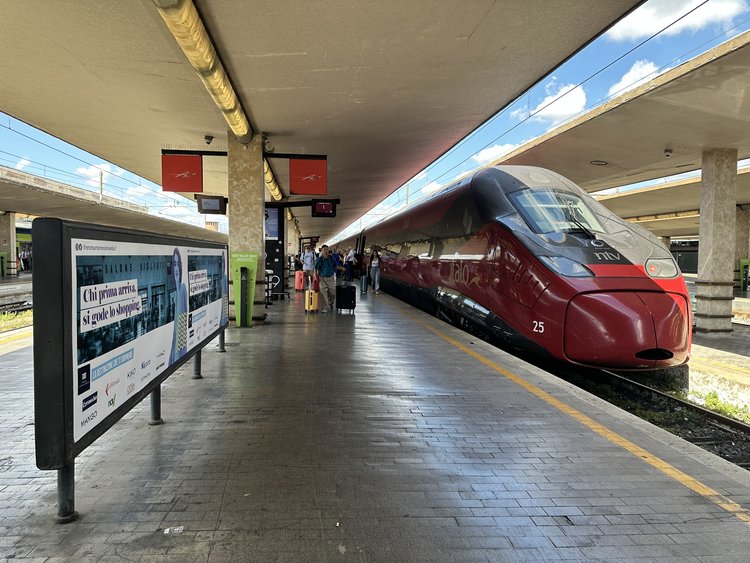
Florence has excellent public transport. Frequent trains and buses connect to major cities, and the historic center is walkable. A bus system covers areas further out.
Getting to San Gimignano takes more planning. Buses run from Florence and take about 1.5 hours. They cost €10-15 each way. The closest train station is in Poggibonsi, requiring a bus connection to reach San Gimignano.
Many visitors choose guided tours that combine San Gimignano with other Tuscan towns. These typically cost €60-100 and include transport, a guide, and sometimes lunch.
Renting a car gives more freedom to explore Tuscany’s countryside. The drive between Florence and San Gimignano takes about an hour through scenic routes.
Best Time to Visit

Spring (April-May) and fall (September-October) offer mild weather and smaller crowds in both cities. Temperatures stay comfortable for walking tours and sightseeing.
Summer brings intense heat and peak tourist numbers. July and August see temperatures above 30°C (86°F) and long lines at popular attractions.
Winter visits mean fewer tourists and lower prices. Many hotels and restaurants in San Gimignano reduce hours or close during low season. Florence stays lively year-round with its mix of museums, shops, and restaurants.
The grape harvest happens in September, making it an exciting time to visit San Gimignano’s surrounding vineyards. Check the KAYAK search tool for seasonal price differences.
Frequently Asked Questions
Both Florence and San Gimignano attract travelers with their rich histories, amazing food, and stunning architecture. These medieval cities offer different experiences that make each special in its own way.
What unique experiences do San Gimignano offer that differ from those found in Florence?
San Gimignano’s medieval towers create a striking skyline unlike anything in Florence. These 14 remaining towers let visitors step back in time to see what a medieval Italian city looked like.
The small-town atmosphere means visitors can wander quiet cobblestone streets without the big crowds common in Florence. The peaceful pace makes it perfect for soaking in authentic Tuscan life.
Can you recommend the ideal duration for a visit to San Gimignano if coming from Florence?
Most travelers spend 4-6 hours exploring San Gimignano’s main sights. This gives enough time to climb a tower, visit the main churches, and enjoy a relaxed lunch.
Early morning visits offer the most peaceful experience. Getting there before 10 AM helps beat the tour bus crowds and midday heat.
How do the historical sites of Florence compare with those in San Gimignano?
Florence features grand Renaissance palaces, massive cathedrals, and world-famous museums like the Uffizi. Its historical sites span multiple eras and artistic movements.
In contrast, San Gimignano focuses on medieval architecture and art. Its smaller scale makes it easier to picture life in medieval times, with well-preserved streets and buildings from that era.
The Church of Sant’Agostino holds beautiful frescoes that rival Florence’s famous ones. Most tourists skip this quiet church, making it perfect for peaceful art viewing.
The walls around the city offer amazing walks with views of Tuscany’s rolling hills. Local wine shops let visitors taste Vernaccia wine, which grows only in this area.
In terms of local cuisine, how does the food in San Gimignano stand out from that in Florence?
San Gimignano’s restaurants serve simpler, more traditional Tuscan dishes. Local specialties include wild boar pasta and saffron-based recipes from nearby farms.
The town’s famous gelato shops compete for the title of world’s best. Local ingredients like saffron and Vernaccia wine create unique flavors you won’t find elsewhere.
Buses regularly run from Florence’s bus station to San Gimignano. The trip takes about 90 minutes and costs less than trains plus connecting buses.
Taking a guided tour saves time and includes stops at wineries. Meanwhile, private drivers offer flexibility but cost more than public transport.
Visit San Gimignano for lunch to enjoy restaurants when they’re less crowded. Many shops close during lunch, so plan shopping for morning or late afternoon.

