
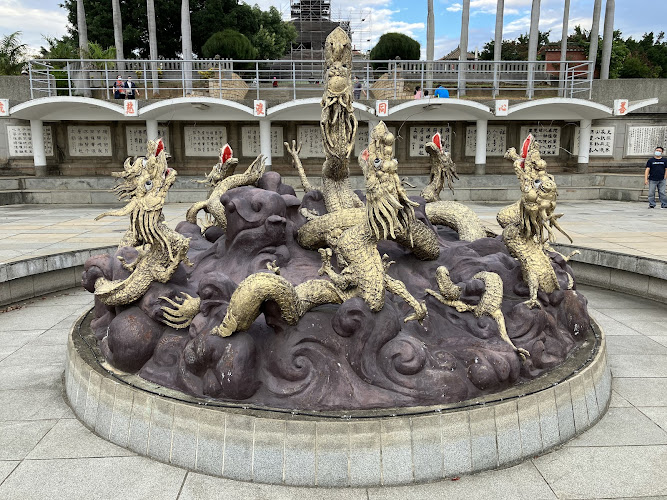
Baguashan
About Baguashan
Description
Baguashan, often called the heart of Changhua, is one of those places that quietly surprises you. It’s not the kind of mountain that tries too hard—it doesn’t tower over the landscape or dazzle you with snow-capped peaks—but it has this calm, grounded beauty that stays with you long after you’ve left. The plateau, known locally as the Bagua Plateau, stretches across central-western Taiwan, sitting between the Changhua Plain and the Taichung Basin. It’s part of the Tri-Mountain National Scenic Area, which already tells you something about its natural and cultural importance.
What makes Baguashan special is how it blends history, spirituality, and nature in one place. You’ll find the famous Great Buddha of Baguashan standing tall—literally a 22-meter bronze statue that watches over the city. It’s both a landmark and a symbol of peace. I remember the first time I climbed the steps up to the statue; the view of Changhua City below was hazy but beautiful, and the faint sound of temple bells made the moment feel almost cinematic.
Beyond the Buddha, there’s a network of walking trails shaded by banyan trees, small temples tucked into the hillsides, and even remnants from the Battle of Baguashan in 1895—one of the most significant battles in Taiwan’s history. You can feel the layers of time here, from the echoes of that battle to the laughter of families picnicking on weekends. It’s not flashy, but it’s deeply human.
Key Features
- The Great Buddha Statue: The 22-meter-tall seated Buddha is one of Taiwan’s most iconic religious monuments and offers panoramic views of Changhua City.
- Baguashan Skywalk: A scenic elevated walkway that lets visitors stroll among treetops while taking in sweeping views of the plains below.
- Historical Landmarks: The Battle of Baguashan Memorial and several old fortifications commemorate Taiwan’s resistance during the Japanese invasion of 1895.
- Baguashan Tunnel: Taiwan High Speed Rail’s longest tunnel runs beneath the mountain, a modern engineering marvel hidden under ancient ground.
- Nature Trails: Miles of well-maintained paths perfect for morning jogs, leisurely walks, or photography sessions at sunrise or sunset.
- Temples and Shrines: Numerous small temples dedicated to local deities and bodhisattvas, each with its own charm and story.
- Observation Decks: Several lookout points provide breathtaking views of Changhua’s urban sprawl blending into the countryside.
Best Time to Visit
If you ask me, the best time to visit Baguashan is late autumn through early spring—roughly from November to March. The air is crisp, and the skies are usually clear, which means you’ll actually see the horizon instead of just a blur of humidity. During summer, the heat can be relentless, and even though the trees offer shade, you’ll still find yourself craving an ice-cold drink halfway up the trail.
That said, there’s something magical about visiting during the Lunar New Year when the temples are alive with incense and visitors. The energy is palpable, and the sight of lanterns glowing against the night sky is unforgettable. If you prefer a quieter visit, early mornings on weekdays are perfect—you might even share the path with a few locals doing tai chi or walking their dogs.
How to Get There
Getting to Baguashan is pretty straightforward. Most travelers start from Changhua City, which is well-connected by Taiwan Railways and the High Speed Rail (via Taichung Station, then a short local transfer). From the city center, you can hop on a local bus or grab a taxi to reach the foot of the mountain. If you’re feeling adventurous, rent a scooter—it’s the most flexible way to explore the area and nearby attractions.
Driving is also an option, and parking is usually available near the main entrance. Just be aware that weekends can get busy, especially in the late afternoon when everyone comes for the sunset view. For those who prefer walking, it’s about a 20–30-minute uphill stroll from downtown Changhua, and honestly, it’s a pleasant walk if you’re not in a rush.
I once made the climb just before dawn, coffee in hand, and reached the top right as the city lights started to fade into morning. The view was worth every step—and that’s saying something because I’m not exactly a morning person.
Tips for Visiting
Here’s the thing about Baguashan—it rewards the curious traveler. To make the most of your visit, a few tips can go a long way:
- Wear comfortable shoes. The trails are well-paved but involve some uphill walking, so good footwear is a must.
- Bring water. There are vending machines and small shops, but it’s always smart to stay hydrated, especially in warmer months.
- Visit the Great Buddha early. It gets crowded later in the day, and the morning light makes for better photos.
- Don’t skip the side trails. Some of the smaller paths lead to quiet temples or unexpected viewpoints that most tourists miss.
- Stay for sunset. The golden light spilling over the plains is simply beautiful—and free, of course.
- Be respectful. This is a sacred site for many locals, so keep voices low around temples and shrines.
- Check the weather. Fog can roll in quickly, especially in winter, which can obscure the view (though it does make the place feel mystical).
And if you’re into photography, bring a tripod. The combination of the Buddha statue, the cityscape, and the changing light can make for some truly stunning shots. I’ve spent hours just waiting for the perfect moment when the sky turns orange and the city lights begin to twinkle below.
What I love most about Baguashan is how it feels both grand and intimate. You can stand before the enormous Buddha and feel small in the best possible way, or you can find a quiet bench under a tree and just listen—to the wind, the birds, the distant hum of the city. It’s a place that invites you to slow down, to breathe, and to remember that travel isn’t always about rushing from one attraction to another. Sometimes, it’s about standing still and letting a place speak to you.
So if you’re planning a trip through central Taiwan, set aside a few hours—or better yet, a whole day—for Baguashan. Bring your curiosity, your camera, and maybe a snack or two. Because once you’re up there, surrounded by history, nature, and the quiet hum of life, you’ll realize that this mountain isn’t just a viewpoint. It’s a story waiting to be experienced.
Key Features
- Key Features
- Best Time to Visit
- How to Get There
- Tips for Visiting
More Details
Updated November 7, 2025
Description
Baguashan, often called the heart of Changhua, is one of those places that quietly surprises you. It’s not the kind of mountain that tries too hard—it doesn’t tower over the landscape or dazzle you with snow-capped peaks—but it has this calm, grounded beauty that stays with you long after you’ve left. The plateau, known locally as the Bagua Plateau, stretches across central-western Taiwan, sitting between the Changhua Plain and the Taichung Basin. It’s part of the Tri-Mountain National Scenic Area, which already tells you something about its natural and cultural importance.
What makes Baguashan special is how it blends history, spirituality, and nature in one place. You’ll find the famous Great Buddha of Baguashan standing tall—literally a 22-meter bronze statue that watches over the city. It’s both a landmark and a symbol of peace. I remember the first time I climbed the steps up to the statue; the view of Changhua City below was hazy but beautiful, and the faint sound of temple bells made the moment feel almost cinematic.
Beyond the Buddha, there’s a network of walking trails shaded by banyan trees, small temples tucked into the hillsides, and even remnants from the Battle of Baguashan in 1895—one of the most significant battles in Taiwan’s history. You can feel the layers of time here, from the echoes of that battle to the laughter of families picnicking on weekends. It’s not flashy, but it’s deeply human.
Key Features
- The Great Buddha Statue: The 22-meter-tall seated Buddha is one of Taiwan’s most iconic religious monuments and offers panoramic views of Changhua City.
- Baguashan Skywalk: A scenic elevated walkway that lets visitors stroll among treetops while taking in sweeping views of the plains below.
- Historical Landmarks: The Battle of Baguashan Memorial and several old fortifications commemorate Taiwan’s resistance during the Japanese invasion of 1895.
- Baguashan Tunnel: Taiwan High Speed Rail’s longest tunnel runs beneath the mountain, a modern engineering marvel hidden under ancient ground.
- Nature Trails: Miles of well-maintained paths perfect for morning jogs, leisurely walks, or photography sessions at sunrise or sunset.
- Temples and Shrines: Numerous small temples dedicated to local deities and bodhisattvas, each with its own charm and story.
- Observation Decks: Several lookout points provide breathtaking views of Changhua’s urban sprawl blending into the countryside.
Best Time to Visit
If you ask me, the best time to visit Baguashan is late autumn through early spring—roughly from November to March. The air is crisp, and the skies are usually clear, which means you’ll actually see the horizon instead of just a blur of humidity. During summer, the heat can be relentless, and even though the trees offer shade, you’ll still find yourself craving an ice-cold drink halfway up the trail.
That said, there’s something magical about visiting during the Lunar New Year when the temples are alive with incense and visitors. The energy is palpable, and the sight of lanterns glowing against the night sky is unforgettable. If you prefer a quieter visit, early mornings on weekdays are perfect—you might even share the path with a few locals doing tai chi or walking their dogs.
How to Get There
Getting to Baguashan is pretty straightforward. Most travelers start from Changhua City, which is well-connected by Taiwan Railways and the High Speed Rail (via Taichung Station, then a short local transfer). From the city center, you can hop on a local bus or grab a taxi to reach the foot of the mountain. If you’re feeling adventurous, rent a scooter—it’s the most flexible way to explore the area and nearby attractions.
Driving is also an option, and parking is usually available near the main entrance. Just be aware that weekends can get busy, especially in the late afternoon when everyone comes for the sunset view. For those who prefer walking, it’s about a 20–30-minute uphill stroll from downtown Changhua, and honestly, it’s a pleasant walk if you’re not in a rush.
I once made the climb just before dawn, coffee in hand, and reached the top right as the city lights started to fade into morning. The view was worth every step—and that’s saying something because I’m not exactly a morning person.
Tips for Visiting
Here’s the thing about Baguashan—it rewards the curious traveler. To make the most of your visit, a few tips can go a long way:
- Wear comfortable shoes. The trails are well-paved but involve some uphill walking, so good footwear is a must.
- Bring water. There are vending machines and small shops, but it’s always smart to stay hydrated, especially in warmer months.
- Visit the Great Buddha early. It gets crowded later in the day, and the morning light makes for better photos.
- Don’t skip the side trails. Some of the smaller paths lead to quiet temples or unexpected viewpoints that most tourists miss.
- Stay for sunset. The golden light spilling over the plains is simply beautiful—and free, of course.
- Be respectful. This is a sacred site for many locals, so keep voices low around temples and shrines.
- Check the weather. Fog can roll in quickly, especially in winter, which can obscure the view (though it does make the place feel mystical).
And if you’re into photography, bring a tripod. The combination of the Buddha statue, the cityscape, and the changing light can make for some truly stunning shots. I’ve spent hours just waiting for the perfect moment when the sky turns orange and the city lights begin to twinkle below.
What I love most about Baguashan is how it feels both grand and intimate. You can stand before the enormous Buddha and feel small in the best possible way, or you can find a quiet bench under a tree and just listen—to the wind, the birds, the distant hum of the city. It’s a place that invites you to slow down, to breathe, and to remember that travel isn’t always about rushing from one attraction to another. Sometimes, it’s about standing still and letting a place speak to you.
So if you’re planning a trip through central Taiwan, set aside a few hours—or better yet, a whole day—for Baguashan. Bring your curiosity, your camera, and maybe a snack or two. Because once you’re up there, surrounded by history, nature, and the quiet hum of life, you’ll realize that this mountain isn’t just a viewpoint. It’s a story waiting to be experienced.
Key Highlights
- Key Features
- Best Time to Visit
- How to Get There
- Tips for Visiting
Location
Places to Stay Near Baguashan
Find and Book a Tour
Explore More Travel Guides
No reviews found! Be the first to review!
Traveler Reviews for Baguashan
There are no reviews yet. Be the first one to write one.
Have you visited Baguashan? Help other travelers by sharing your review.
You Might Also Like
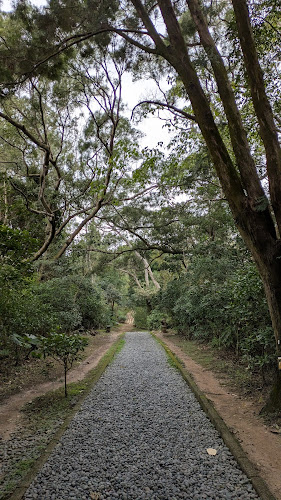
Gaofeng Botanical Garden
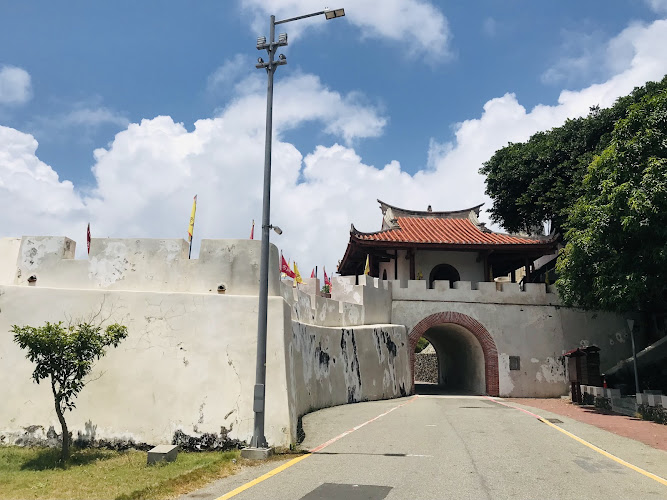
Shuncheng Gate

Zhengbin Fishing Harbor
Find Accommodations Nearby
Recommended Tours & Activities
Visitor Reviews
There are no reviews yet. Be the first one to write one.
Share Your Experience
Have you visited Baguashan? Help other travelers by leaving a review.