

鹿港龍山寺
About 鹿港龍山寺
Description
Lukang Longshan Temple in Changhua County is one of those places that quietly takes your breath away. It’s not flashy or overly grand in the modern sense, but the moment you step through its gates, there’s this palpable sense of calm that settles in. Built during the late Ming and early Qing dynasties, the temple has stood here for centuries, surviving natural disasters, wars, and countless rebuilds. Yet, it still feels deeply alive—like it’s breathing in rhythm with the town of Lukang itself.
This temple isn’t just a religious site; it’s a living museum of Taiwanese craftsmanship and devotion. The architecture follows the classic three-courtyard layout, with elegant wooden beams, intricate carvings, and stone columns that tell stories of gods, dragons, and folklore. You can almost hear the echoes of artisans chiseling away two hundred years ago, leaving behind their soul in every detail. The scent of incense drifts lazily through the air, mingling with the faint sound of bells, and you can’t help but slow down, even if you didn’t plan to.
It’s easy to see why so many visitors find this temple moving. There’s a quiet dignity to it, a sense that you’re walking through layers of time. But it’s not perfect—some parts are weathered, and the crowds can get a little heavy during festival days. Still, that’s part of its charm. It’s real, it’s human, and it’s been loved for centuries. And honestly, that’s what makes Lukang Longshan Temple so special.
Key Features
- Historic Architecture: Built during the Ming and Qing eras, the temple retains its traditional three-courtyard layout, with halls aligned from the mountain gate to the main shrine.
- Intricate Carvings: Every beam and pillar is adorned with exquisite wood and stone carvings depicting dragons, phoenixes, and mythological scenes.
- Theater Stage: A unique feature within the temple courtyard, used historically for religious plays and community performances.
- Main Hall: Dedicated to Guanyin, the Goddess of Mercy, surrounded by smaller shrines honoring various Buddhist and Taoist deities.
- Traditional Folk Art: Visitors can observe fine examples of Taiwanese decorative arts, including ceramic ornaments and calligraphy plaques from the Qing dynasty.
- Peaceful Atmosphere: Despite being a major attraction, the temple maintains a tranquil, meditative environment away from the bustle of Lukang Old Street.
- National Heritage Status: Recognized as a national monument for its cultural and architectural significance.
Best Time to Visit
If you ask me, the best time to visit Lukang Longshan Temple is either early in the morning or just before sunset. The morning light hits the temple’s roof tiles in a soft golden hue, and the air feels crisp and still. By evening, the shadows stretch across the courtyard, and the sound of chanting sometimes drifts from the main hall—it’s hauntingly beautiful.
Season-wise, spring and autumn are ideal. The weather in Lukang can get quite humid in summer, and the winter winds can be surprisingly chilly. During the Lunar New Year and temple festivals, the energy completely transforms—lanterns glow, prayers fill the air, and locals gather to celebrate. It’s lively and fascinating, though if you’re after peace and quiet, you might prefer a weekday visit instead.
There’s something magical about visiting when the crowds are thin. You can wander slowly, take in the carvings, and maybe even chat with one of the caretakers who always seem happy to share stories about the temple’s past. I once spent a quiet afternoon here sketching the main gate, and a local elderly man told me that his grandfather used to help with one of the temple’s restorations. That kind of living connection to history—it’s rare, and it makes every visit feel personal.
How to Get There
Getting to Lukang Longshan Temple is fairly straightforward, though it does require a bit of planning if you’re not driving. The temple is located in Lukang Township, which is about an hour’s drive from Taichung. If you’re coming by public transport, you can take a train to Changhua Station and then hop on a local bus or taxi to Lukang. The bus ride takes around 40 minutes, depending on traffic.
Once you’re in Lukang, the temple is within walking distance from the old street area. You’ll pass by narrow alleys filled with traditional shops selling pastries, handmade lanterns, and wooden toys. It’s one of those walks where you keep stopping because there’s always something interesting to look at. And honestly, that’s part of the fun—Lukang isn’t a place you rush through.
For those driving, parking can be a little tricky near the temple, especially on weekends. There’s no dedicated wheelchair-accessible parking lot, which is a bit of a downside, though the temple grounds themselves are relatively flat. Still, it’s best to wear comfortable shoes since some of the stone floors can be uneven.
Tips for Visiting
A few tips can make your visit smoother—and maybe even more meaningful. First, dress modestly. It’s a functioning temple, after all, and showing respect goes a long way. Light-colored, breathable clothing is best since the humidity can sneak up on you.
Bring some small change if you’d like to make an offering or light incense. It’s not required, but it’s a lovely way to participate in the temple’s rhythm. And don’t forget to look up—literally. The ceiling carvings and painted beams are incredible, and many visitors miss them because they’re too focused on taking photos of the main hall.
If you’re into photography, the golden hour here is pure magic. The way the sunlight filters through the courtyard and hits the red pillars—it’s something else. But remember, be mindful of worshippers. It’s easy to get caught up in capturing the perfect shot, but the temple’s essence lies in its quiet spirituality.
There are restrooms available on-site, which is always a plus when you’re exploring for hours. However, food and drinks aren’t allowed inside the main temple area, so grab a snack before you go in. Lukang’s local delicacies—like oyster omelets and shrimp rolls—are just a short walk away, so you won’t go hungry.
Lastly, take your time. This isn’t a place to rush through with a checklist. Sit for a moment in the courtyard, listen to the wind brushing past the eaves, and just be. There’s a kind of peace here that’s hard to describe but easy to feel.
Lukang Longshan Temple isn’t just about history or architecture—it’s a reminder of continuity, of how faith and artistry intertwine across generations. Whether you’re a history buff, a photographer, or just someone looking for a quiet corner of Taiwan to breathe, this temple offers an experience that lingers long after you leave. And maybe, just maybe, that’s what makes it one of the most unforgettable places in the country.
Key Features
- Key Features
- Best Time to Visit
- How to Get There
- Tips for Visiting
More Details
Updated November 7, 2025
Table of Contents
Description
Lukang Longshan Temple in Changhua County is one of those places that quietly takes your breath away. It’s not flashy or overly grand in the modern sense, but the moment you step through its gates, there’s this palpable sense of calm that settles in. Built during the late Ming and early Qing dynasties, the temple has stood here for centuries, surviving natural disasters, wars, and countless rebuilds. Yet, it still feels deeply alive—like it’s breathing in rhythm with the town of Lukang itself.
This temple isn’t just a religious site; it’s a living museum of Taiwanese craftsmanship and devotion. The architecture follows the classic three-courtyard layout, with elegant wooden beams, intricate carvings, and stone columns that tell stories of gods, dragons, and folklore. You can almost hear the echoes of artisans chiseling away two hundred years ago, leaving behind their soul in every detail. The scent of incense drifts lazily through the air, mingling with the faint sound of bells, and you can’t help but slow down, even if you didn’t plan to.
It’s easy to see why so many visitors find this temple moving. There’s a quiet dignity to it, a sense that you’re walking through layers of time. But it’s not perfect—some parts are weathered, and the crowds can get a little heavy during festival days. Still, that’s part of its charm. It’s real, it’s human, and it’s been loved for centuries. And honestly, that’s what makes Lukang Longshan Temple so special.
Key Features
- Historic Architecture: Built during the Ming and Qing eras, the temple retains its traditional three-courtyard layout, with halls aligned from the mountain gate to the main shrine.
- Intricate Carvings: Every beam and pillar is adorned with exquisite wood and stone carvings depicting dragons, phoenixes, and mythological scenes.
- Theater Stage: A unique feature within the temple courtyard, used historically for religious plays and community performances.
- Main Hall: Dedicated to Guanyin, the Goddess of Mercy, surrounded by smaller shrines honoring various Buddhist and Taoist deities.
- Traditional Folk Art: Visitors can observe fine examples of Taiwanese decorative arts, including ceramic ornaments and calligraphy plaques from the Qing dynasty.
- Peaceful Atmosphere: Despite being a major attraction, the temple maintains a tranquil, meditative environment away from the bustle of Lukang Old Street.
- National Heritage Status: Recognized as a national monument for its cultural and architectural significance.
Best Time to Visit
If you ask me, the best time to visit Lukang Longshan Temple is either early in the morning or just before sunset. The morning light hits the temple’s roof tiles in a soft golden hue, and the air feels crisp and still. By evening, the shadows stretch across the courtyard, and the sound of chanting sometimes drifts from the main hall—it’s hauntingly beautiful.
Season-wise, spring and autumn are ideal. The weather in Lukang can get quite humid in summer, and the winter winds can be surprisingly chilly. During the Lunar New Year and temple festivals, the energy completely transforms—lanterns glow, prayers fill the air, and locals gather to celebrate. It’s lively and fascinating, though if you’re after peace and quiet, you might prefer a weekday visit instead.
There’s something magical about visiting when the crowds are thin. You can wander slowly, take in the carvings, and maybe even chat with one of the caretakers who always seem happy to share stories about the temple’s past. I once spent a quiet afternoon here sketching the main gate, and a local elderly man told me that his grandfather used to help with one of the temple’s restorations. That kind of living connection to history—it’s rare, and it makes every visit feel personal.
How to Get There
Getting to Lukang Longshan Temple is fairly straightforward, though it does require a bit of planning if you’re not driving. The temple is located in Lukang Township, which is about an hour’s drive from Taichung. If you’re coming by public transport, you can take a train to Changhua Station and then hop on a local bus or taxi to Lukang. The bus ride takes around 40 minutes, depending on traffic.
Once you’re in Lukang, the temple is within walking distance from the old street area. You’ll pass by narrow alleys filled with traditional shops selling pastries, handmade lanterns, and wooden toys. It’s one of those walks where you keep stopping because there’s always something interesting to look at. And honestly, that’s part of the fun—Lukang isn’t a place you rush through.
For those driving, parking can be a little tricky near the temple, especially on weekends. There’s no dedicated wheelchair-accessible parking lot, which is a bit of a downside, though the temple grounds themselves are relatively flat. Still, it’s best to wear comfortable shoes since some of the stone floors can be uneven.
Tips for Visiting
A few tips can make your visit smoother—and maybe even more meaningful. First, dress modestly. It’s a functioning temple, after all, and showing respect goes a long way. Light-colored, breathable clothing is best since the humidity can sneak up on you.
Bring some small change if you’d like to make an offering or light incense. It’s not required, but it’s a lovely way to participate in the temple’s rhythm. And don’t forget to look up—literally. The ceiling carvings and painted beams are incredible, and many visitors miss them because they’re too focused on taking photos of the main hall.
If you’re into photography, the golden hour here is pure magic. The way the sunlight filters through the courtyard and hits the red pillars—it’s something else. But remember, be mindful of worshippers. It’s easy to get caught up in capturing the perfect shot, but the temple’s essence lies in its quiet spirituality.
There are restrooms available on-site, which is always a plus when you’re exploring for hours. However, food and drinks aren’t allowed inside the main temple area, so grab a snack before you go in. Lukang’s local delicacies—like oyster omelets and shrimp rolls—are just a short walk away, so you won’t go hungry.
Lastly, take your time. This isn’t a place to rush through with a checklist. Sit for a moment in the courtyard, listen to the wind brushing past the eaves, and just be. There’s a kind of peace here that’s hard to describe but easy to feel.
Lukang Longshan Temple isn’t just about history or architecture—it’s a reminder of continuity, of how faith and artistry intertwine across generations. Whether you’re a history buff, a photographer, or just someone looking for a quiet corner of Taiwan to breathe, this temple offers an experience that lingers long after you leave. And maybe, just maybe, that’s what makes it one of the most unforgettable places in the country.
Key Highlights
- Key Features
- Best Time to Visit
- How to Get There
- Tips for Visiting
Location
Places to Stay Near 鹿港龍山寺
Find and Book a Tour
Explore More Travel Guides
No reviews found! Be the first to review!
Traveler Reviews for 鹿港龍山寺
There are no reviews yet. Be the first one to write one.
Have you visited 鹿港龍山寺? Help other travelers by sharing your review.
You Might Also Like
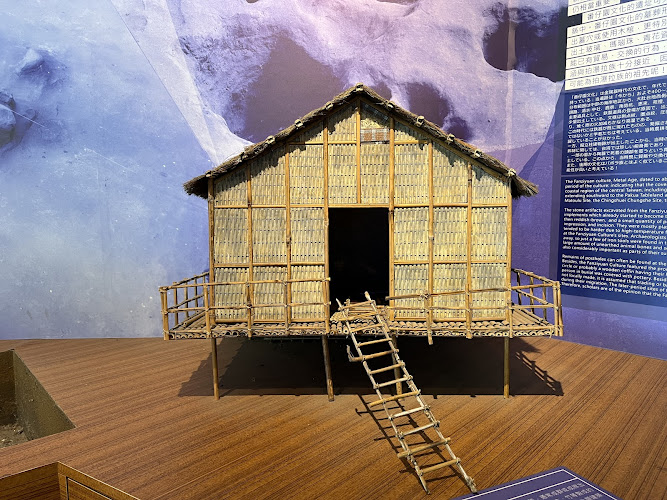
Niumatou Site
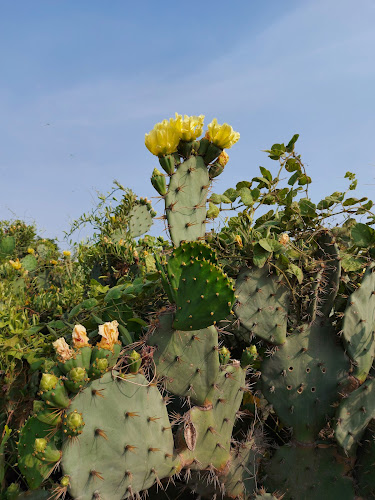
Linyuan Ocean Wetland Park
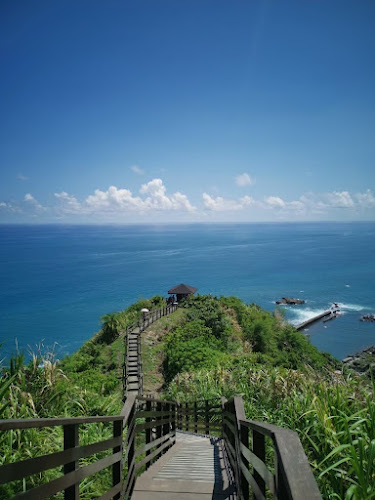
Dashibishan Trail
Find Accommodations Nearby
Recommended Tours & Activities
Visitor Reviews
There are no reviews yet. Be the first one to write one.
Share Your Experience
Have you visited 鹿港龍山寺? Help other travelers by leaving a review.