
Northern Culture Museum
About Northern Culture Museum
Description
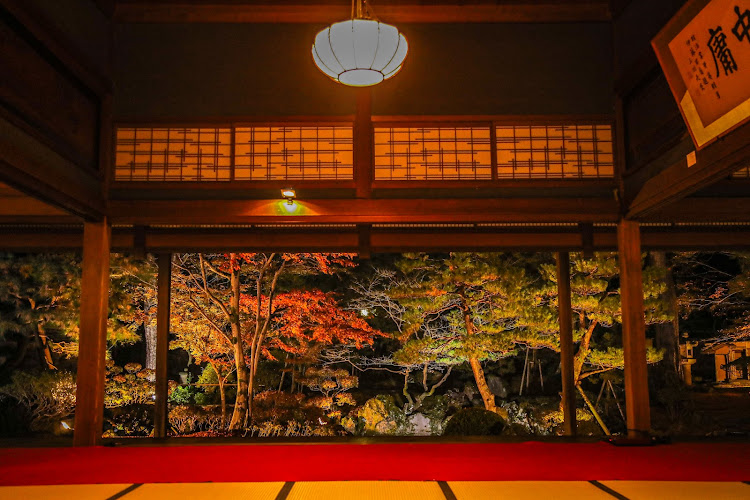
The Northern Culture Museum in Niigata is one of those places that quietly sneaks up on you. At first glance, it may seem like just another old estate, but the moment you step into its Edo-period wooden mansion, you realize it’s a living storybook of Japan’s cultural past. The house itself belonged to a wealthy farming family, and walking through its wide corridors and tatami rooms feels like stepping back a few centuries. The craftsmanship is remarkable—aged wood polished smooth by time, sliding doors that still glide effortlessly, and a sense of calm that wraps around you like a warm blanket.
What makes this museum stand out is the way it blends history with nature. The gardens are carefully maintained, and if you’re lucky enough to visit in late spring, you’ll see the famous Japanese wisteria in full bloom. I remember the first time I saw it—the clusters of purple flowers hanging down like chandeliers, swaying gently in the breeze. It’s the kind of sight that makes you stop mid-step and just breathe it in. Even if you’re not a “garden person,” there’s something universally moving about it.
The museum has a reputation for being both beautiful and slightly understated. Some visitors rave about its peacefulness, while others might say it feels a bit quiet compared to flashier attractions. Honestly, I think that’s part of its charm. It’s not trying to entertain you with gimmicks—it’s inviting you to slow down, to notice the details, and to appreciate the artistry of a bygone era. And that balance between serenity and substance is what makes it worth the trip.
Key Features
- Edo-period wooden mansion with traditional Japanese architecture
- Extensive art collections showcasing regional culture and history
- Seasonal gardens, especially famous for Japanese wisteria blooms in late spring
- Wheelchair accessible entrances, restrooms, and parking areas
- On-site restaurant serving local flavors and refreshments
- Family-friendly environment, good for kids to explore
- Free on-site parking available for visitors
Best Time to Visit
Timing is everything here. If you want to catch the wisteria in full bloom, late April to mid-May is the sweet spot. The flowers turn the garden into a dreamscape, and it’s easily the most photogenic time of year. That said, each season offers something different. Autumn brings fiery red and golden leaves, making the garden look like a painting. Winter is quiet, with snow blanketing the grounds, giving the mansion a hushed, almost spiritual atmosphere. Personally, I think early autumn is underrated—you get cooler weather, fewer crowds, and the gardens are still lush before the leaves turn.
Weekdays are generally calmer, so if you’re not a fan of crowds, aim for a mid-morning visit. The light is softer then, and you can enjoy the grounds without feeling rushed. And trust me, this is the kind of place you don’t want to rush.
How to Get There
Reaching the Northern Culture Museum is fairly straightforward if you’re already in Niigata. From the city center, it’s about a 20 to 30-minute drive. Public transportation is also an option, with buses running from Niigata Station toward the museum area. Taxis are convenient if you’re short on time, though they can be a bit pricey compared to the bus.
If you’re driving, the good news is there’s free on-site parking, which is a small blessing in Japan where parking fees can add up fast. I remember pulling in and being pleasantly surprised not to see a ticket machine waiting for me. For international travelers, renting a car might make sense if you’re planning to explore rural Niigata beyond the museum.
Tips for Visiting
First tip: give yourself more time than you think you’ll need. What looks like a quick stop can easily turn into a half-day visit once you start wandering the halls and gardens. Bring comfortable shoes—you’ll be doing a fair bit of walking, and some of the paths outside can be uneven.
Second, don’t skip the restaurant. It’s not just a place to grab a bite; it’s part of the experience. The dishes often highlight local ingredients, and sitting down for a meal after strolling through the gardens feels like the perfect way to round out the visit.
Third, if you’re traveling with kids, the museum is surprisingly accommodating. The open spaces give children room to move around, and the staff is used to families. Just be mindful in the mansion itself, as the wooden floors and artifacts deserve respect.
And here’s a little personal advice: go in with an open mind. Some people expect flashy exhibits or interactive displays, but that’s not what this museum is about. It’s about atmosphere, history, and a slower pace. If you let yourself sink into that rhythm, you’ll walk away with memories that stick longer than any souvenir.
Key Features
- Edo-period wooden mansion with traditional Japanese architecture
- Extensive art collections showcasing regional culture and history
- Seasonal gardens, especially famous for Japanese wisteria blooms in late spring
- Wheelchair accessible entrances, restrooms, and parking areas
- On-site restaurant serving local flavors and refreshments
- Family-friendly environment, good for kids to explore
- Free on-site parking available for visitors
More Details
Updated September 23, 2025
Table of Contents
Description
The Northern Culture Museum in Niigata is one of those places that quietly sneaks up on you. At first glance, it may seem like just another old estate, but the moment you step into its Edo-period wooden mansion, you realize it’s a living storybook of Japan’s cultural past. The house itself belonged to a wealthy farming family, and walking through its wide corridors and tatami rooms feels like stepping back a few centuries. The craftsmanship is remarkable—aged wood polished smooth by time, sliding doors that still glide effortlessly, and a sense of calm that wraps around you like a warm blanket.
What makes this museum stand out is the way it blends history with nature. The gardens are carefully maintained, and if you’re lucky enough to visit in late spring, you’ll see the famous Japanese wisteria in full bloom. I remember the first time I saw it—the clusters of purple flowers hanging down like chandeliers, swaying gently in the breeze. It’s the kind of sight that makes you stop mid-step and just breathe it in. Even if you’re not a “garden person,” there’s something universally moving about it.
The museum has a reputation for being both beautiful and slightly understated. Some visitors rave about its peacefulness, while others might say it feels a bit quiet compared to flashier attractions. Honestly, I think that’s part of its charm. It’s not trying to entertain you with gimmicks—it’s inviting you to slow down, to notice the details, and to appreciate the artistry of a bygone era. And that balance between serenity and substance is what makes it worth the trip.
Key Features
- Edo-period wooden mansion with traditional Japanese architecture
- Extensive art collections showcasing regional culture and history
- Seasonal gardens, especially famous for Japanese wisteria blooms in late spring
- Wheelchair accessible entrances, restrooms, and parking areas
- On-site restaurant serving local flavors and refreshments
- Family-friendly environment, good for kids to explore
- Free on-site parking available for visitors
Best Time to Visit
Timing is everything here. If you want to catch the wisteria in full bloom, late April to mid-May is the sweet spot. The flowers turn the garden into a dreamscape, and it’s easily the most photogenic time of year. That said, each season offers something different. Autumn brings fiery red and golden leaves, making the garden look like a painting. Winter is quiet, with snow blanketing the grounds, giving the mansion a hushed, almost spiritual atmosphere. Personally, I think early autumn is underrated—you get cooler weather, fewer crowds, and the gardens are still lush before the leaves turn.
Weekdays are generally calmer, so if you’re not a fan of crowds, aim for a mid-morning visit. The light is softer then, and you can enjoy the grounds without feeling rushed. And trust me, this is the kind of place you don’t want to rush.
How to Get There
Reaching the Northern Culture Museum is fairly straightforward if you’re already in Niigata. From the city center, it’s about a 20 to 30-minute drive. Public transportation is also an option, with buses running from Niigata Station toward the museum area. Taxis are convenient if you’re short on time, though they can be a bit pricey compared to the bus.
If you’re driving, the good news is there’s free on-site parking, which is a small blessing in Japan where parking fees can add up fast. I remember pulling in and being pleasantly surprised not to see a ticket machine waiting for me. For international travelers, renting a car might make sense if you’re planning to explore rural Niigata beyond the museum.
Tips for Visiting
First tip: give yourself more time than you think you’ll need. What looks like a quick stop can easily turn into a half-day visit once you start wandering the halls and gardens. Bring comfortable shoes—you’ll be doing a fair bit of walking, and some of the paths outside can be uneven.
Second, don’t skip the restaurant. It’s not just a place to grab a bite; it’s part of the experience. The dishes often highlight local ingredients, and sitting down for a meal after strolling through the gardens feels like the perfect way to round out the visit.
Third, if you’re traveling with kids, the museum is surprisingly accommodating. The open spaces give children room to move around, and the staff is used to families. Just be mindful in the mansion itself, as the wooden floors and artifacts deserve respect.
And here’s a little personal advice: go in with an open mind. Some people expect flashy exhibits or interactive displays, but that’s not what this museum is about. It’s about atmosphere, history, and a slower pace. If you let yourself sink into that rhythm, you’ll walk away with memories that stick longer than any souvenir.
Key Highlights
- Edo-period wooden mansion with traditional Japanese architecture
- Extensive art collections showcasing regional culture and history
- Seasonal gardens, especially famous for Japanese wisteria blooms in late spring
- Wheelchair accessible entrances, restrooms, and parking areas
- On-site restaurant serving local flavors and refreshments
- Family-friendly environment, good for kids to explore
- Free on-site parking available for visitors
Location
Places to Stay Near Northern Culture Museum
Find and Book a Tour
Explore More Travel Guides
No reviews found! Be the first to review!
Traveler Reviews for Northern Culture Museum
There are no reviews yet. Be the first one to write one.
Have you visited Northern Culture Museum? Help other travelers by sharing your review.
You Might Also Like

Montbell Niigata
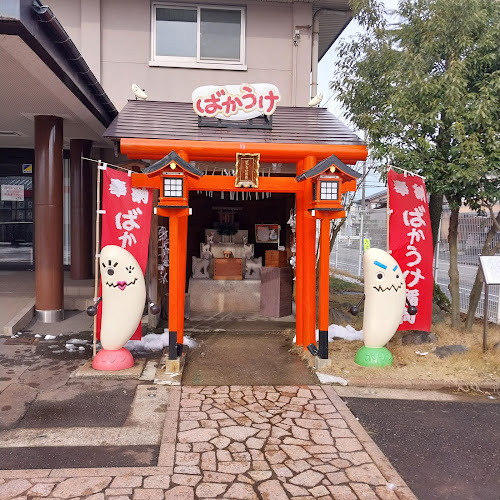
Niigata Senbei Oukoku (Rice Cracker Kingdom)
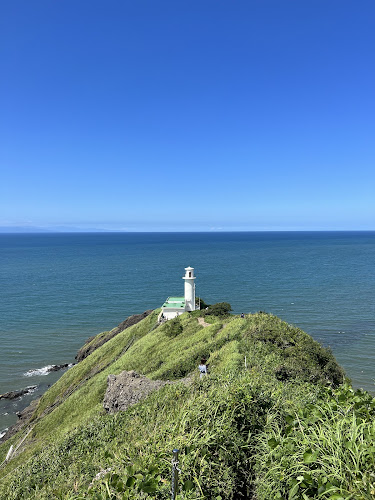
Kakuda Misaki Lighthouse
Find Accommodations Nearby
Recommended Tours & Activities
Visitor Reviews
There are no reviews yet. Be the first one to write one.
Share Your Experience
Have you visited Northern Culture Museum? Help other travelers by leaving a review.