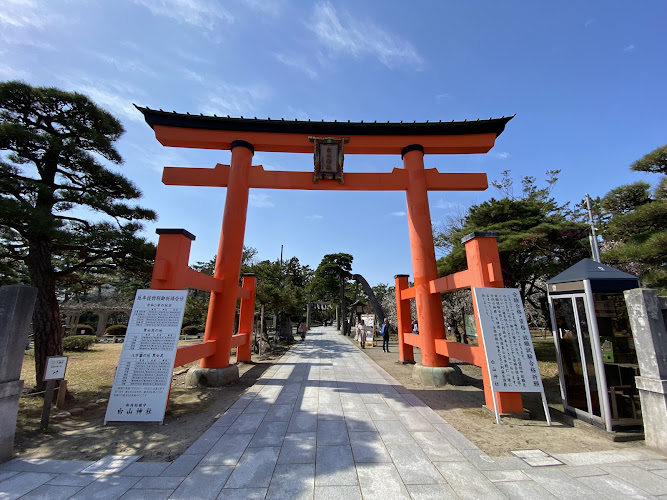
Description
Now, it’s not perfect. Some visitors might find it smaller than they expected, or maybe less dramatic compared to the famous torii gates in Kyoto or Miyajima. But that’s also part of its appeal. It’s approachable, unpretentious, and very much tied to the rhythm of local life in Niigata. Families come here for strolls, photographers linger for the reflections in the pond, and travelers like me end up staying longer than planned just because the whole place feels like a pause button in the middle of a trip.
What I personally love is the way the seasons completely change the atmosphere. In autumn, the fiery leaves frame the orange gate in a way that looks like someone painted the scene with a brush. In summer, the lotus flowers bloom across the pond, adding little bursts of pink and green. Even in winter, when snow dusts the stones, the gate has this serene, almost otherworldly presence. It’s not just about the shrine—it’s about the way the environment around it plays along.
Best Time to Visit
Timing makes all the difference here. If you’re chasing those postcard-perfect shots, late July through August is when the lotus pond is at its fullest bloom. The flowers open with the morning sun and close by afternoon, so early risers definitely get the prize. Autumn is another favorite of mine—October and November bring a kaleidoscope of reds and golds that frame the torii gate beautifully. And if you’re lucky enough to visit after a fresh snowfall in January, the contrast of white snow against the orange gate is something you’ll never forget.
That said, there’s no “bad” time to come. Even on a rainy day, the reflections in the pond double the beauty. Just bring an umbrella and maybe waterproof shoes if you’re planning to step across the stones.
How to Get There
Reaching the Hakusan Shrine Torii Gate is easier than you might think. It’s located right in Niigata City, so you don’t have to trek into the mountains or take multiple trains. From Niigata Station, it’s a short bus ride or even a pleasant walk if you don’t mind stretching your legs. Taxis are also an option if you’re short on time. For drivers, there’s parking available, including accessible spaces, which is a thoughtful touch you don’t always see at historic sites in Japan.
If you’re like me and enjoy wandering, the walk from the station to the shrine takes you through parts of the city you might otherwise skip. You’ll pass little local shops, cafés, and residential streets that give you a sense of everyday life in Niigata. That stroll actually ended up being one of my favorite parts of the trip.
Tips for Visiting
Here’s the thing about the Hakusan Shrine Torii Gate—it rewards those who slow down. So don’t rush through. Take your time crossing the stepping stones, watch the light change on the water, and maybe even sit for a while just to listen to the sounds around you.
- Photography: Come early in the morning for the softest light and fewer people. The reflections in the pond are especially striking at this time.
- Accessibility: The site is wheelchair friendly, with accessible entrances and parking, so it’s suitable for all kinds of travelers.
- Footwear: Wear comfortable shoes, especially if you plan to step across the stones. They can get slippery after rain.
- Respect: Remember this is a Shinto shrine, not just a photo spot. Take a moment to bow at the gate and show respect to local customs.
- Timing: Avoid midday on weekends if you prefer a quieter visit. Early mornings or late afternoons tend to be more peaceful.
- Nearby: Combine your visit with a walk through Hakusan Park, which surrounds the shrine and offers more greenery and seasonal flowers.
One last thought—don’t underestimate the power of small places like this. Big attractions get all the hype, but sometimes it’s the quieter corners that stay with you the longest. For me, the Hakusan Shrine Torii Gate wasn’t just another stop on the itinerary; it was a reminder that beauty often hides in the details. And that’s exactly why I’d recommend making time for it on your Niigata trip.