
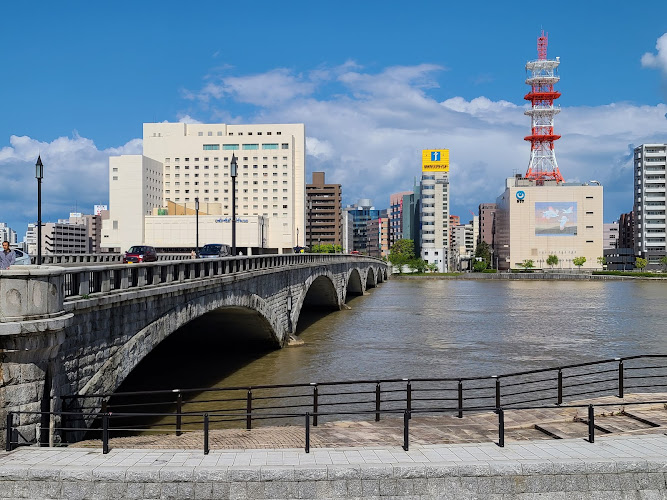
Bandai Bridge
About Bandai Bridge
Description
Bandai Bridge is one of those places that quietly makes its mark on a traveler’s memory. Stretching with six graceful arches across the wide Shinano River, the bridge isn’t just a way to get from one side of Niigata to the other—it’s a cultural symbol that locals genuinely take pride in. Built with reinforced concrete, its design feels both sturdy and elegant, a blend of modern engineering and timeless aesthetics. It’s officially recognized as an Important Cultural Property in Japan, which already tells you it’s more than just a functional structure.
What’s striking is how the bridge manages to be both practical and beautiful. On one hand, it’s a busy thoroughfare with cars, bicycles, and pedestrians constantly moving across. On the other, it’s a place where people slow down to enjoy the view. The Shinano River, Japan’s longest river, flows beneath, and depending on the time of day, the water can reflect the changing sky in ways that almost feel cinematic. I remember standing there at dusk, the lights of the city flickering on while the arches glowed softly against the horizon—it was simple, but it stuck with me.
While some visitors might not find it overwhelmingly spectacular at first glance, the bridge grows on you the more time you spend there. It’s not a flashy landmark; it’s more of a steady presence, the kind of place that tells the story of Niigata’s resilience and modernization. People come here for photos, for a quiet walk, or just to pause and take in the cityscape. And honestly, that’s the charm—it doesn’t try too hard, yet it leaves a lasting impression.
Key Features
- Six-arch reinforced concrete design that balances strength with elegance
- Recognized as an Important Cultural Property of Japan
- Spans the Shinano River, the longest river in the country
- Offers panoramic views of Niigata’s cityscape and riverbanks
- Popular spot for photography, especially at sunset and night
- Pedestrian-friendly with wide walkways on either side
- Historic significance as a symbol of Niigata’s growth and modernization
Best Time to Visit
There isn’t really a bad time to see Bandai Bridge, but the experience changes with the seasons. Spring brings cherry blossoms along the riverbanks, and if you’re lucky, you’ll catch petals floating on the water while standing on the bridge. Summer evenings are lively, with festivals and fireworks sometimes lighting up the sky. Autumn gives you cooler air and crisp views, while winter has its own quiet beauty with snow dusting the arches.
Personally, I think sunset is the golden hour here. The light hits the arches just right, and the city starts to glow in a way that feels almost magical. Nighttime is also special when the bridge is illuminated, creating a completely different atmosphere—calm, reflective, and a bit romantic if you’re walking with someone.
How to Get There
Reaching Bandai Bridge is pretty straightforward if you’re already in Niigata City. It’s located in the central area, which means you can easily walk there from the main train station in about 15 minutes. If you’re not up for walking, buses and taxis are readily available. The bridge connects key parts of the city, so you’ll likely cross it at some point even if you don’t plan to.
For those who love exploring on foot (like I do), the walk from the station to the bridge is actually part of the experience. You’ll pass through shopping streets, local eateries, and eventually reach the river where the bridge comes into view. It’s one of those little journeys that makes you feel like you’re really getting to know the city.
Tips for Visiting
If you’re planning to check out Bandai Bridge, here are a few things that might make your visit smoother and more enjoyable:
- Go during off-peak hours: Mornings and late evenings are quieter, perfect if you want photos without too many people in the background.
- Wear comfortable shoes: You’ll likely end up walking a lot, not just across the bridge but also around the riverside areas.
- Bring a camera or phone with good low-light settings: The bridge looks especially beautiful at night when it’s lit up.
- Check the weather forecast: The bridge is fully exposed, so windy or rainy days can make the visit less enjoyable.
- Pair your visit with nearby attractions: The area around the bridge has shopping, dining, and cultural spots worth exploring.
- Accessibility note: While the bridge itself has wide pathways, there isn’t dedicated wheelchair-accessible parking directly adjacent, so plan accordingly.
And one last thing—don’t rush. The bridge isn’t about ticking something off a checklist; it’s about slowing down and soaking in the moment. Take a few minutes to lean against the railing, watch the river flow, and just breathe. It’s a simple experience, but in a world that moves too fast, that simplicity is exactly what makes it special.
Key Features
- Six-arch reinforced concrete design that balances strength with elegance
- Recognized as an Important Cultural Property of Japan
- Spans the Shinano River, the longest river in the country
- Offers panoramic views of Niigata’s cityscape and riverbanks
- Popular spot for photography, especially at sunset and night
- Pedestrian-friendly with wide walkways on either side
- Historic significance as a symbol of Niigata’s growth and modernization
More Details
Updated September 23, 2025
Table of Contents
Description
Bandai Bridge is one of those places that quietly makes its mark on a traveler’s memory. Stretching with six graceful arches across the wide Shinano River, the bridge isn’t just a way to get from one side of Niigata to the other—it’s a cultural symbol that locals genuinely take pride in. Built with reinforced concrete, its design feels both sturdy and elegant, a blend of modern engineering and timeless aesthetics. It’s officially recognized as an Important Cultural Property in Japan, which already tells you it’s more than just a functional structure.
What’s striking is how the bridge manages to be both practical and beautiful. On one hand, it’s a busy thoroughfare with cars, bicycles, and pedestrians constantly moving across. On the other, it’s a place where people slow down to enjoy the view. The Shinano River, Japan’s longest river, flows beneath, and depending on the time of day, the water can reflect the changing sky in ways that almost feel cinematic. I remember standing there at dusk, the lights of the city flickering on while the arches glowed softly against the horizon—it was simple, but it stuck with me.
While some visitors might not find it overwhelmingly spectacular at first glance, the bridge grows on you the more time you spend there. It’s not a flashy landmark; it’s more of a steady presence, the kind of place that tells the story of Niigata’s resilience and modernization. People come here for photos, for a quiet walk, or just to pause and take in the cityscape. And honestly, that’s the charm—it doesn’t try too hard, yet it leaves a lasting impression.
Key Features
- Six-arch reinforced concrete design that balances strength with elegance
- Recognized as an Important Cultural Property of Japan
- Spans the Shinano River, the longest river in the country
- Offers panoramic views of Niigata’s cityscape and riverbanks
- Popular spot for photography, especially at sunset and night
- Pedestrian-friendly with wide walkways on either side
- Historic significance as a symbol of Niigata’s growth and modernization
Best Time to Visit
There isn’t really a bad time to see Bandai Bridge, but the experience changes with the seasons. Spring brings cherry blossoms along the riverbanks, and if you’re lucky, you’ll catch petals floating on the water while standing on the bridge. Summer evenings are lively, with festivals and fireworks sometimes lighting up the sky. Autumn gives you cooler air and crisp views, while winter has its own quiet beauty with snow dusting the arches.
Personally, I think sunset is the golden hour here. The light hits the arches just right, and the city starts to glow in a way that feels almost magical. Nighttime is also special when the bridge is illuminated, creating a completely different atmosphere—calm, reflective, and a bit romantic if you’re walking with someone.
How to Get There
Reaching Bandai Bridge is pretty straightforward if you’re already in Niigata City. It’s located in the central area, which means you can easily walk there from the main train station in about 15 minutes. If you’re not up for walking, buses and taxis are readily available. The bridge connects key parts of the city, so you’ll likely cross it at some point even if you don’t plan to.
For those who love exploring on foot (like I do), the walk from the station to the bridge is actually part of the experience. You’ll pass through shopping streets, local eateries, and eventually reach the river where the bridge comes into view. It’s one of those little journeys that makes you feel like you’re really getting to know the city.
Tips for Visiting
If you’re planning to check out Bandai Bridge, here are a few things that might make your visit smoother and more enjoyable:
- Go during off-peak hours: Mornings and late evenings are quieter, perfect if you want photos without too many people in the background.
- Wear comfortable shoes: You’ll likely end up walking a lot, not just across the bridge but also around the riverside areas.
- Bring a camera or phone with good low-light settings: The bridge looks especially beautiful at night when it’s lit up.
- Check the weather forecast: The bridge is fully exposed, so windy or rainy days can make the visit less enjoyable.
- Pair your visit with nearby attractions: The area around the bridge has shopping, dining, and cultural spots worth exploring.
- Accessibility note: While the bridge itself has wide pathways, there isn’t dedicated wheelchair-accessible parking directly adjacent, so plan accordingly.
And one last thing—don’t rush. The bridge isn’t about ticking something off a checklist; it’s about slowing down and soaking in the moment. Take a few minutes to lean against the railing, watch the river flow, and just breathe. It’s a simple experience, but in a world that moves too fast, that simplicity is exactly what makes it special.
Key Highlights
- Six-arch reinforced concrete design that balances strength with elegance
- Recognized as an Important Cultural Property of Japan
- Spans the Shinano River, the longest river in the country
- Offers panoramic views of Niigata’s cityscape and riverbanks
- Popular spot for photography, especially at sunset and night
- Pedestrian-friendly with wide walkways on either side
- Historic significance as a symbol of Niigata’s growth and modernization
Location
Places to Stay Near Bandai Bridge
Find and Book a Tour
Explore More Travel Guides
No reviews found! Be the first to review!
Traveler Reviews for Bandai Bridge
There are no reviews yet. Be the first one to write one.
Have you visited Bandai Bridge? Help other travelers by sharing your review.
You Might Also Like
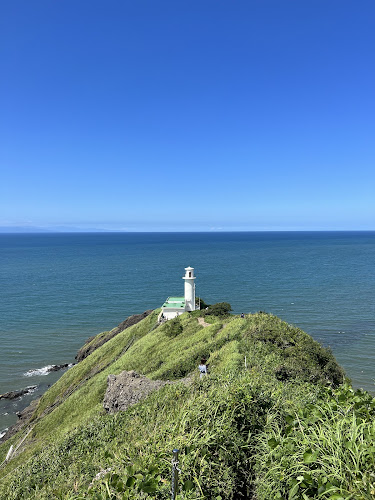
Kakuda Misaki Lighthouse
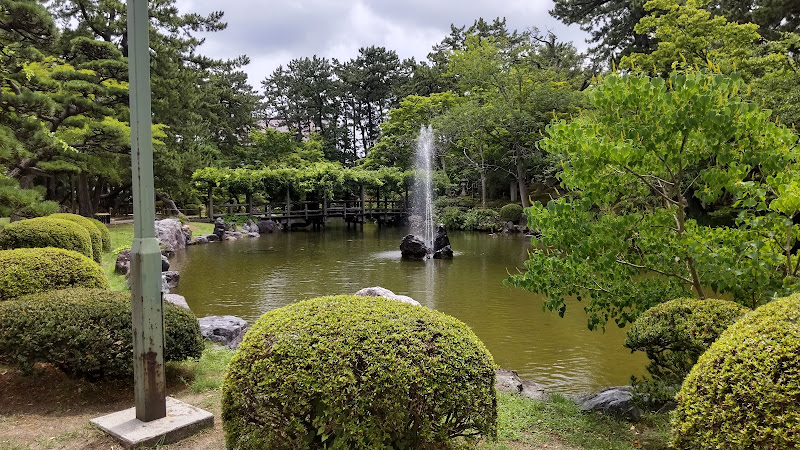
Hakusan Park
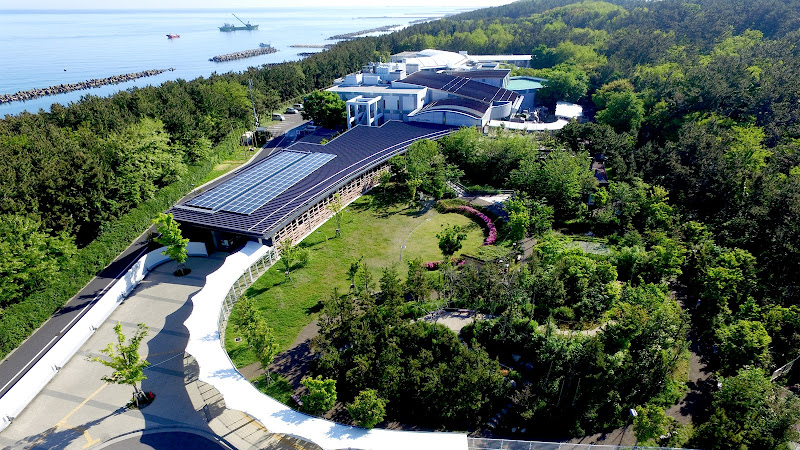
Niigata City Aquarium Marinepia Nihonkai (Sea of Japan)
Find Accommodations Nearby
Recommended Tours & Activities
Visitor Reviews
There are no reviews yet. Be the first one to write one.
Share Your Experience
Have you visited Bandai Bridge? Help other travelers by leaving a review.