
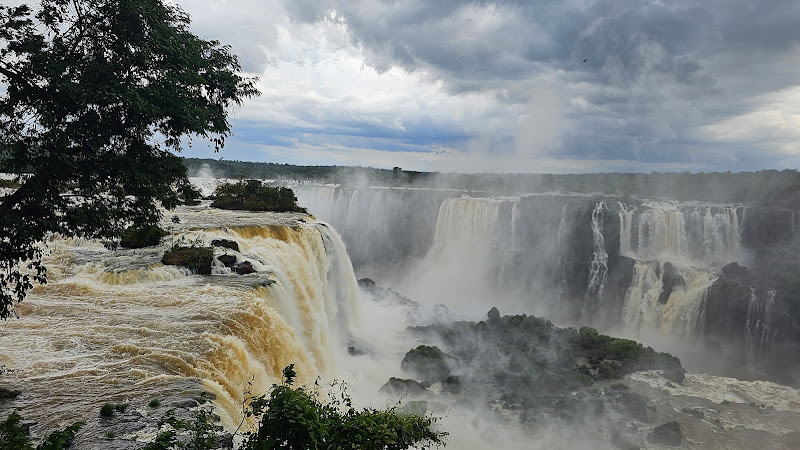
Iguazú National Park
About Iguazú National Park
Description
Iguazú National Park is one of those rare places that grabs you by the senses and refuses to let go. Located on the border between Argentina and Brazil, it’s home to the staggering Iguazú Falls, which are often hailed as one of the most powerful and awe-inspiring waterfalls on the planet. The park itself is massive, sprawling over lush subtropical rainforest that’s buzzing with wildlife and dotted with well-maintained trails and viewing platforms. What really sets this park apart is how it blends raw, natural beauty with accessibility and thoughtful visitor amenities. You can hop on an eco-friendly train that winds through the park, taking you closer to the falls without breaking a sweat. And if you’re the kind of traveler who loves a good museum or exhibition, the visitor center offers some insightful displays that bring the story of the falls and the local ecosystem to life.
What’s cool is that Iguazú National Park is more than just waterfalls. It’s a place where you can hike kid-friendly trails, spot toucans or coatis, and even enjoy a picnic at one of the designated tables. Accessibility is clearly taken seriously here — there are wheelchair-accessible entrances, restrooms, and seating areas, so everyone can experience the magic. Plus, it’s a welcoming spot for LGBTQ+ travelers, with a vibe that feels safe and inclusive. The park is also women-owned, which adds a nice touch to its identity. It’s not just a tourist trap; it’s a well-rounded nature preserve that respects its visitors and the environment alike.
Key Features
- Home to Iguazú Falls, one of the world’s largest and most powerful waterfalls
- Eco-Train ride that takes visitors deep into the park with minimal environmental impact
- Multiple hiking trails suitable for all ages, including kid-friendly options
- Visitor center with exhibitions showcasing local flora, fauna, and the history of the falls
- Wheelchair accessible entrances, restrooms, parking, and seating
- Picnic areas with tables for a relaxing break amidst nature
- Public restrooms and paid parking facilities for convenience
- LGBTQ+ friendly and transgender safe space, promoting inclusivity
- Women-owned business identity, reflecting diversity and empowerment
- Rich biodiversity with opportunities to spot exotic birds, butterflies, and mammals
Best Time to Visit
Picking the right time to visit Iguazú National Park can totally change your experience. The falls are spectacular year-round, but the water volume varies with the seasons. If you want to see the falls at their most thunderous, aim for the rainy season, which runs roughly from November to March. Just be ready for humidity and the occasional downpour — but honestly, the mist and rain add a dramatic flair to the whole scene. On the flip side, the drier months, from April to October, offer more comfortable hiking weather and clearer skies, which can be a big win if you’re into photography or just want to avoid getting soaked (unless you’re cool with that, of course!).
Weekdays and early mornings are the golden hours if you want to dodge the crowds. The park is a popular destination, so weekends and holidays can get pretty busy, especially near the main viewing platforms. Visiting off-peak not only means fewer selfie sticks in your way but also a more peaceful vibe to soak in the natural sounds and sights.
How to Get There
Getting to Iguazú National Park is easier than you might think, but it depends on which side you’re coming from. The nearest airports are in Puerto Iguazú (Argentina) and Foz do Iguaçu (Brazil), both of which have regular flights from major cities like Buenos Aires and São Paulo. From the airports, you can grab a taxi or shuttle directly to the park entrance.
If you’re the adventurous type, there are also bus services connecting the towns to the park, which is a budget-friendly option but can take a bit longer. Once inside the park, the eco-train is your best bet for getting around comfortably while minimizing your footprint. It’s a neat little ride that feels like part of the adventure itself.
For those driving, paid parking is available near the entrance, which is handy if you’re planning to explore the region on your own schedule. Just keep in mind that the roads can get busy during peak tourist seasons, so plan accordingly.
Tips for Visiting
Here’s where the rubber meets the road. If you want to make the most of your trip to Iguazú National Park, a few insider tips can save you time, money, and frustration. First off, wear comfortable shoes. The trails are well-maintained but can be slippery near the falls, and you’ll want to be able to walk without worrying about blisters or sore feet.
Don’t forget your rain gear — a light waterproof jacket or poncho can be a lifesaver, especially if you’re up close to the falls where the spray is relentless. And speaking of spray, protect your electronics. A waterproof case for your phone or camera will let you snap those epic shots without the heart-stopping moment of water damage.
Bring some snacks or plan a picnic. The park has designated picnic areas, and after a few hours of hiking and awe, a little refuel goes a long way. Just remember to pack out what you pack in — the park’s beauty depends on all of us respecting the environment.
Try to visit during the shoulder seasons if you can. You’ll avoid the crush of tourists, and the wildlife tends to be more active. And if you’re traveling with kids, the park is surprisingly kid-friendly, with shorter trails and a playground to burn off some energy.
Finally, take your time. Iguazú Falls isn’t the kind of place you rush through. Sit down on a bench, listen to the roar of the water, watch the butterflies flutter, and just let yourself be amazed. It’s a moment that sticks with you long after you leave.
Key Features
- Home to Iguazú Falls, one of the world’s largest and most powerful waterfalls
- Eco-Train ride that takes visitors deep into the park with minimal environmental impact
- Multiple hiking trails suitable for all ages, including kid-friendly options
- Visitor center with exhibitions showcasing local flora, fauna, and the history of the falls
- Wheelchair accessible entrances, restrooms, parking, and seating
- Picnic areas with tables for a relaxing break amidst nature
- Public restrooms and paid parking facilities for convenience
- LGBTQ+ friendly and transgender safe space, promoting inclusivity
More Details
Updated July 22, 2025
Table of Contents
Description
Iguazú National Park is one of those rare places that grabs you by the senses and refuses to let go. Located on the border between Argentina and Brazil, it’s home to the staggering Iguazú Falls, which are often hailed as one of the most powerful and awe-inspiring waterfalls on the planet. The park itself is massive, sprawling over lush subtropical rainforest that’s buzzing with wildlife and dotted with well-maintained trails and viewing platforms. What really sets this park apart is how it blends raw, natural beauty with accessibility and thoughtful visitor amenities. You can hop on an eco-friendly train that winds through the park, taking you closer to the falls without breaking a sweat. And if you’re the kind of traveler who loves a good museum or exhibition, the visitor center offers some insightful displays that bring the story of the falls and the local ecosystem to life.
What’s cool is that Iguazú National Park is more than just waterfalls. It’s a place where you can hike kid-friendly trails, spot toucans or coatis, and even enjoy a picnic at one of the designated tables. Accessibility is clearly taken seriously here — there are wheelchair-accessible entrances, restrooms, and seating areas, so everyone can experience the magic. Plus, it’s a welcoming spot for LGBTQ+ travelers, with a vibe that feels safe and inclusive. The park is also women-owned, which adds a nice touch to its identity. It’s not just a tourist trap; it’s a well-rounded nature preserve that respects its visitors and the environment alike.
Key Features
- Home to Iguazú Falls, one of the world’s largest and most powerful waterfalls
- Eco-Train ride that takes visitors deep into the park with minimal environmental impact
- Multiple hiking trails suitable for all ages, including kid-friendly options
- Visitor center with exhibitions showcasing local flora, fauna, and the history of the falls
- Wheelchair accessible entrances, restrooms, parking, and seating
- Picnic areas with tables for a relaxing break amidst nature
- Public restrooms and paid parking facilities for convenience
- LGBTQ+ friendly and transgender safe space, promoting inclusivity
- Women-owned business identity, reflecting diversity and empowerment
- Rich biodiversity with opportunities to spot exotic birds, butterflies, and mammals
Best Time to Visit
Picking the right time to visit Iguazú National Park can totally change your experience. The falls are spectacular year-round, but the water volume varies with the seasons. If you want to see the falls at their most thunderous, aim for the rainy season, which runs roughly from November to March. Just be ready for humidity and the occasional downpour — but honestly, the mist and rain add a dramatic flair to the whole scene. On the flip side, the drier months, from April to October, offer more comfortable hiking weather and clearer skies, which can be a big win if you’re into photography or just want to avoid getting soaked (unless you’re cool with that, of course!).
Weekdays and early mornings are the golden hours if you want to dodge the crowds. The park is a popular destination, so weekends and holidays can get pretty busy, especially near the main viewing platforms. Visiting off-peak not only means fewer selfie sticks in your way but also a more peaceful vibe to soak in the natural sounds and sights.
How to Get There
Getting to Iguazú National Park is easier than you might think, but it depends on which side you’re coming from. The nearest airports are in Puerto Iguazú (Argentina) and Foz do Iguaçu (Brazil), both of which have regular flights from major cities like Buenos Aires and São Paulo. From the airports, you can grab a taxi or shuttle directly to the park entrance.
If you’re the adventurous type, there are also bus services connecting the towns to the park, which is a budget-friendly option but can take a bit longer. Once inside the park, the eco-train is your best bet for getting around comfortably while minimizing your footprint. It’s a neat little ride that feels like part of the adventure itself.
For those driving, paid parking is available near the entrance, which is handy if you’re planning to explore the region on your own schedule. Just keep in mind that the roads can get busy during peak tourist seasons, so plan accordingly.
Tips for Visiting
Here’s where the rubber meets the road. If you want to make the most of your trip to Iguazú National Park, a few insider tips can save you time, money, and frustration. First off, wear comfortable shoes. The trails are well-maintained but can be slippery near the falls, and you’ll want to be able to walk without worrying about blisters or sore feet.
Don’t forget your rain gear — a light waterproof jacket or poncho can be a lifesaver, especially if you’re up close to the falls where the spray is relentless. And speaking of spray, protect your electronics. A waterproof case for your phone or camera will let you snap those epic shots without the heart-stopping moment of water damage.
Bring some snacks or plan a picnic. The park has designated picnic areas, and after a few hours of hiking and awe, a little refuel goes a long way. Just remember to pack out what you pack in — the park’s beauty depends on all of us respecting the environment.
Try to visit during the shoulder seasons if you can. You’ll avoid the crush of tourists, and the wildlife tends to be more active. And if you’re traveling with kids, the park is surprisingly kid-friendly, with shorter trails and a playground to burn off some energy.
Finally, take your time. Iguazú Falls isn’t the kind of place you rush through. Sit down on a bench, listen to the roar of the water, watch the butterflies flutter, and just let yourself be amazed. It’s a moment that sticks with you long after you leave.
Key Highlights
- Home to Iguazú Falls, one of the world’s largest and most powerful waterfalls
- Eco-Train ride that takes visitors deep into the park with minimal environmental impact
- Multiple hiking trails suitable for all ages, including kid-friendly options
- Visitor center with exhibitions showcasing local flora, fauna, and the history of the falls
- Wheelchair accessible entrances, restrooms, parking, and seating
- Picnic areas with tables for a relaxing break amidst nature
- Public restrooms and paid parking facilities for convenience
- LGBTQ+ friendly and transgender safe space, promoting inclusivity
Location
Places to Stay Near Iguazú National Park
Find and Book a Tour
Explore More Travel Guides
No reviews found! Be the first to review!
Traveler Reviews for Iguazú National Park
There are no reviews yet. Be the first one to write one.
Have you visited Iguazú National Park? Help other travelers by sharing your review.
You Might Also Like

Jardin de los Picaflores
Yryapu turismo guaraní

Hito Tres Fronteras (Argentina)
Find Accommodations Nearby
Recommended Tours & Activities
Visitor Reviews
There are no reviews yet. Be the first one to write one.
Share Your Experience
Have you visited Iguazú National Park? Help other travelers by leaving a review.