
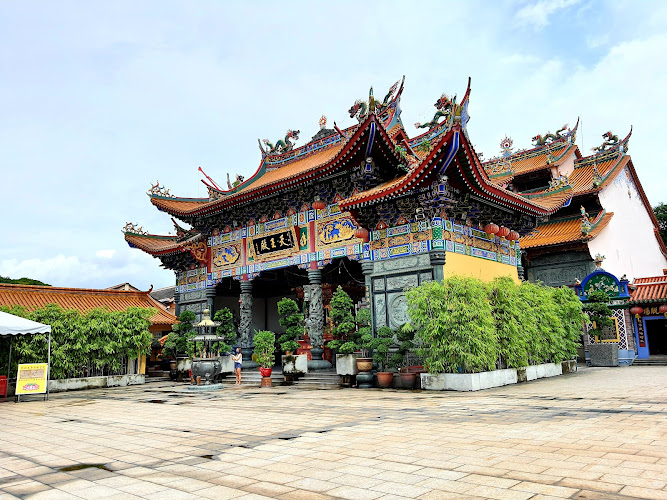
PERSATUAN PENYOKONG RUMAH BERHALA KWAN IMM KLANG
About PERSATUAN PENYOKONG RUMAH BERHALA KWAN IMM KLANG
Description
Persatuan Penyokong Rumah Berhala Kwan Imm Klang is one of those places that quietly takes your breath away. This Buddhist temple isn’t just a religious site, it’s a living piece of Klang’s history. Over a century old, it has become a cultural anchor for locals and a fascinating stop for travelers who want to go beyond the usual tourist checklist. The temple is dedicated to Kwan Imm, also known as Avalokiteshvara, the Bodhisattva of Compassion, and you can feel that sense of serenity the moment you step inside. The architecture is striking, with its colorful pagoda-style rooflines, intricate stone carvings, and decorative motifs that tell stories of tradition and devotion. It’s not just beautiful, it’s layered with meaning, which makes it so much more than just a photo opportunity.
Visitors often talk about the calm atmosphere here. You’ll see people lighting incense, offering prayers, or simply sitting quietly to soak in the peace. The temple also plays host to religious ceremonies and community events, making it an active, living space rather than just a historic monument. While most people come away impressed, like any popular attraction, not everyone has the same experience. Some may find it crowded during festival times or wish for better upkeep in certain corners. But overall, the warmth of the community and the temple’s sheer presence make it a rewarding visit. For those who appreciate cultural depth and a glimpse into local spirituality, this place is a gem worth exploring.
Key Features
- Colorful pagoda-style architecture that showcases traditional Chinese design
- Intricate stone carvings and statues with symbolic meaning
- A koi pond and landscaped garden areas that add to the tranquil setting
- Active Buddhist services including prayer rituals and fortune readings
- Community-driven events and ceremonies throughout the year
- Free entry, making it accessible for all travelers
- Basic amenities such as restrooms available on site
Best Time to Visit
If you’re planning to visit, timing makes all the difference. Weekdays are usually quieter, giving you the chance to wander around without the bustle of big crowds. Morning hours are especially peaceful, when the air still feels cool and incense smoke curls gently in the light. If you’re curious about local traditions, visiting during major Buddhist festivals like Wesak can be eye-opening—though be prepared for large crowds and a very lively atmosphere. Personally, I’d say avoid the peak of the afternoon heat, because the temple grounds can feel a bit overwhelming under the blazing sun. Late afternoons are also a sweet spot, when the light softens and the place takes on a golden glow.
How to Get There
Reaching the temple is fairly straightforward if you’re already in Klang. It’s located in the heart of the city, not far from other heritage attractions, so you can easily combine it with a day of exploring. If you’re relying on public transport, Klang’s commuter rail station is a short ride away, and from there a taxi or e-hailing service will get you to the temple in minutes. Driving is also an option, though parking can be limited during peak hours or festival days, so plan ahead. For those who enjoy walking, the temple can be included as part of the Royal Klang Town Heritage Walk, which is a great way to see multiple historic sites in one go.
Tips for Visiting
Here’s the thing about visiting places of worship—respect goes a long way. Dress modestly, cover your shoulders and knees, and be mindful when taking photos. It’s fine to snap a few shots of the architecture, but avoid pointing your camera directly at worshippers during prayer. Bring a small offering if you’d like to participate, even something as simple as incense sticks, which you can usually buy nearby. And if you’re like me and get easily sidetracked by details, take time to look closely at the carvings and statues—you’ll spot little things you might otherwise miss, like symbolic animals or inscriptions that reflect centuries-old beliefs.
Another tip: carry some water with you, especially if you’re visiting during the hotter part of the day. The temple does have restrooms, which is a relief for travelers on long walks. If you’re traveling with kids, the koi pond tends to be a hit, giving them something interactive to enjoy while you take in the atmosphere. And don’t be shy about chatting with the temple volunteers or staff—they’re usually friendly and happy to explain rituals or point you toward interesting spots within the grounds. That human connection often ends up being the highlight of the visit.
All in all, Persatuan Penyokong Rumah Berhala Kwan Imm Klang is more than just another temple. It’s a place where history, spirituality, and community intersect. Whether you’re here for quiet reflection, cultural curiosity, or just to admire the artistry, you’ll likely leave with a sense of calm and a deeper appreciation for Klang’s heritage. And honestly, isn’t that what good travel is all about?
Key Features
- Colorful pagoda-style architecture that showcases traditional Chinese design
- Intricate stone carvings and statues with symbolic meaning
- A koi pond and landscaped garden areas that add to the tranquil setting
- Active Buddhist services including prayer rituals and fortune readings
- Community-driven events and ceremonies throughout the year
- Free entry, making it accessible for all travelers
- Basic amenities such as restrooms available on site
More Details
Updated September 30, 2025
Table of Contents
- Description
- Key Features
- Best Time to Visit
- How to Get There
- Tips for Visiting
- Key Highlights
- Location
- Places to Stay Near PERSATUAN PENYOKONG RUMAH BERHALA KWAN IMM KLANG
- Find and Book a Tour
- Explore More Travel Guides
- Nearby Places You Might Like
- Traveler Reviews for PERSATUAN PENYOKONG RUMAH BERHALA KWAN IMM KLANG
- Share Your Experience
Description
Persatuan Penyokong Rumah Berhala Kwan Imm Klang is one of those places that quietly takes your breath away. This Buddhist temple isn’t just a religious site, it’s a living piece of Klang’s history. Over a century old, it has become a cultural anchor for locals and a fascinating stop for travelers who want to go beyond the usual tourist checklist. The temple is dedicated to Kwan Imm, also known as Avalokiteshvara, the Bodhisattva of Compassion, and you can feel that sense of serenity the moment you step inside. The architecture is striking, with its colorful pagoda-style rooflines, intricate stone carvings, and decorative motifs that tell stories of tradition and devotion. It’s not just beautiful, it’s layered with meaning, which makes it so much more than just a photo opportunity.
Visitors often talk about the calm atmosphere here. You’ll see people lighting incense, offering prayers, or simply sitting quietly to soak in the peace. The temple also plays host to religious ceremonies and community events, making it an active, living space rather than just a historic monument. While most people come away impressed, like any popular attraction, not everyone has the same experience. Some may find it crowded during festival times or wish for better upkeep in certain corners. But overall, the warmth of the community and the temple’s sheer presence make it a rewarding visit. For those who appreciate cultural depth and a glimpse into local spirituality, this place is a gem worth exploring.
Key Features
- Colorful pagoda-style architecture that showcases traditional Chinese design
- Intricate stone carvings and statues with symbolic meaning
- A koi pond and landscaped garden areas that add to the tranquil setting
- Active Buddhist services including prayer rituals and fortune readings
- Community-driven events and ceremonies throughout the year
- Free entry, making it accessible for all travelers
- Basic amenities such as restrooms available on site
Best Time to Visit
If you’re planning to visit, timing makes all the difference. Weekdays are usually quieter, giving you the chance to wander around without the bustle of big crowds. Morning hours are especially peaceful, when the air still feels cool and incense smoke curls gently in the light. If you’re curious about local traditions, visiting during major Buddhist festivals like Wesak can be eye-opening—though be prepared for large crowds and a very lively atmosphere. Personally, I’d say avoid the peak of the afternoon heat, because the temple grounds can feel a bit overwhelming under the blazing sun. Late afternoons are also a sweet spot, when the light softens and the place takes on a golden glow.
How to Get There
Reaching the temple is fairly straightforward if you’re already in Klang. It’s located in the heart of the city, not far from other heritage attractions, so you can easily combine it with a day of exploring. If you’re relying on public transport, Klang’s commuter rail station is a short ride away, and from there a taxi or e-hailing service will get you to the temple in minutes. Driving is also an option, though parking can be limited during peak hours or festival days, so plan ahead. For those who enjoy walking, the temple can be included as part of the Royal Klang Town Heritage Walk, which is a great way to see multiple historic sites in one go.
Tips for Visiting
Here’s the thing about visiting places of worship—respect goes a long way. Dress modestly, cover your shoulders and knees, and be mindful when taking photos. It’s fine to snap a few shots of the architecture, but avoid pointing your camera directly at worshippers during prayer. Bring a small offering if you’d like to participate, even something as simple as incense sticks, which you can usually buy nearby. And if you’re like me and get easily sidetracked by details, take time to look closely at the carvings and statues—you’ll spot little things you might otherwise miss, like symbolic animals or inscriptions that reflect centuries-old beliefs.
Another tip: carry some water with you, especially if you’re visiting during the hotter part of the day. The temple does have restrooms, which is a relief for travelers on long walks. If you’re traveling with kids, the koi pond tends to be a hit, giving them something interactive to enjoy while you take in the atmosphere. And don’t be shy about chatting with the temple volunteers or staff—they’re usually friendly and happy to explain rituals or point you toward interesting spots within the grounds. That human connection often ends up being the highlight of the visit.
All in all, Persatuan Penyokong Rumah Berhala Kwan Imm Klang is more than just another temple. It’s a place where history, spirituality, and community intersect. Whether you’re here for quiet reflection, cultural curiosity, or just to admire the artistry, you’ll likely leave with a sense of calm and a deeper appreciation for Klang’s heritage. And honestly, isn’t that what good travel is all about?
Key Highlights
- Colorful pagoda-style architecture that showcases traditional Chinese design
- Intricate stone carvings and statues with symbolic meaning
- A koi pond and landscaped garden areas that add to the tranquil setting
- Active Buddhist services including prayer rituals and fortune readings
- Community-driven events and ceremonies throughout the year
- Free entry, making it accessible for all travelers
- Basic amenities such as restrooms available on site
Location
Places to Stay Near PERSATUAN PENYOKONG RUMAH BERHALA KWAN IMM KLANG
Find and Book a Tour
Explore More Travel Guides
No reviews found! Be the first to review!
Traveler Reviews for PERSATUAN PENYOKONG RUMAH BERHALA KWAN IMM KLANG
There are no reviews yet. Be the first one to write one.
Have you visited PERSATUAN PENYOKONG RUMAH BERHALA KWAN IMM KLANG? Help other travelers by sharing your review.
You Might Also Like
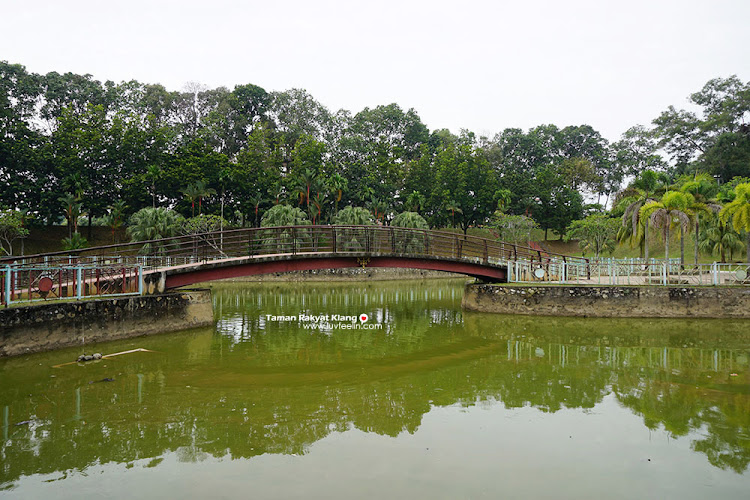
Taman Rakyat
Jalan-jalan Klang (巴生历史户外学堂)

Tian Hock Kung
Find Accommodations Nearby
Recommended Tours & Activities
Visitor Reviews
There are no reviews yet. Be the first one to write one.
Share Your Experience
Have you visited PERSATUAN PENYOKONG RUMAH BERHALA KWAN IMM KLANG? Help other travelers by leaving a review.