
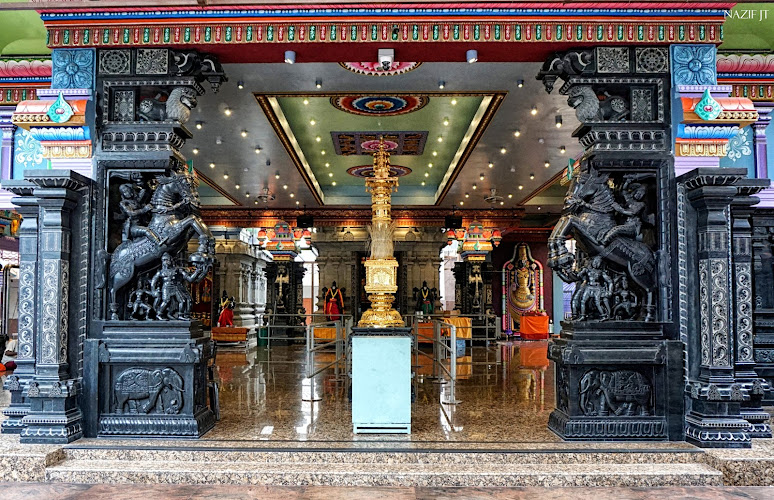
Sri Sundararaja Perumal Temple, Klang – Malaysia
About Sri Sundararaja Perumal Temple, Klang – Malaysia
Description
Sri Sundararaja Perumal Temple in Klang is one of those places that quietly leaves an impression, even if you’re not the most spiritual person. Dedicated to Lord Vishnu, it’s often called the “Thirupathi of South East Asia,” and honestly, you can see why when you step into its grounds. The temple has been around since the late 19th century, though it was reconstructed fairly recently, so you get this fascinating mix of history and freshness at the same time. It feels like a living space, not just a monument frozen in time.
The temple is big, really big, and it’s considered the largest Vaishnavite temple in Malaysia. When you walk through the entrance, you’re greeted by colorful gopurams (those towering gateways covered in intricate carvings) that almost seem to tell their own stories. And once you’re inside, there’s this sense of calm that washes over you, even if you came in from Klang’s busy traffic. It’s peaceful, but not in a stiff, overly formal way—families come here, kids run around, and the community vibe is strong.
Now, it’s not perfect. Like any popular attraction, it can get crowded, especially during festivals. Some visitors might feel the facilities could be better maintained in certain areas, while others rave about the beauty and spiritual energy. I’d say the overall experience tilts strongly toward the positive, especially if you’re open to soaking in the atmosphere rather than nitpicking the little things. The temple also does a good job of being accessible, with wheelchair-friendly entrances and parking, which makes it more welcoming to everyone.
For travelers, it’s not just about religion—it’s about culture and heritage. You’ll see local devotees, but also tourists who just want to marvel at the architecture or snap photos of the vibrant statues. And if you’re into photography, the temple is a goldmine of details: the carvings, the colors, the play of light in the courtyard. It’s one of those places where you can easily spend more time than you planned because there’s always another corner to discover.
Key Features
- One of the largest Vaishnavite temples in Malaysia, often referred to as the “Thirupathi of South East Asia.”
- Rich history dating back to the 1890s, with a major reconstruction in 2015 that preserved its heritage while modernizing facilities.
- Striking gopurams and detailed carvings that showcase South Indian temple architecture.
- Wheelchair accessible entrances and parking, making it inclusive for all visitors.
- Onsite amenities such as restrooms for convenience during long visits.
- Community-focused atmosphere where spiritual devotion blends with cultural pride.
- Hosts major Hindu festivals, drawing thousands of devotees and travelers each year.
Best Time to Visit
If you’re planning a trip, timing really makes a difference here. Weekdays are usually calmer, which means you can wander around at your own pace without feeling like you’re in the middle of a festival crowd. Early mornings are especially lovely—the air is cooler, and you can catch the temple rituals in a more intimate setting.
That said, if you want to experience the temple in full swing, visit during major Hindu festivals like Vaikunta Ekadasi or Deepavali. The place comes alive with lights, music, and ceremonies that are truly unforgettable. Just be prepared for big crowds and maybe a bit of waiting around. Personally, I’ve enjoyed both sides—the quiet weekday mornings for reflection and the festival days for sheer energy and spectacle.
How to Get There
Reaching the temple is fairly straightforward if you’re already in the Klang Valley. From Kuala Lumpur, it’s about an hour’s drive depending on traffic, and we all know Klang traffic can test your patience. If you don’t want to drive, you can hop on the KTM Komuter train to Klang station and then grab a short taxi or e-hailing ride. Public buses are another option, but they can be a bit unpredictable with timing.
For travelers who like things simple, I’d say a ride-hailing app is your best bet—it saves you the hassle of figuring out local bus routes, and it drops you right at the entrance. Parking is available if you’re driving, though it can fill up quickly during temple events.
Tips for Visiting
Here are a few things I’ve picked up from my own visits and from chatting with locals:
- Dress modestly: It’s a place of worship, so cover your shoulders and knees. A light shawl or scarf can come in handy if you’re unsure.
- Shoes off: Like most temples, you’ll need to remove your footwear before entering. Wear something easy to slip on and off.
- Respect rituals: Even if you’re just there to admire the architecture, give space to devotees who are praying or performing rituals.
- Photography: You’ll find endless photo opportunities, but always check if photography is allowed in certain areas. Some inner sanctums may be off-limits.
- Stay hydrated: Klang can get hot and humid, so carry a bottle of water. Luckily, the temple grounds have shaded areas where you can take a break.
- Plan around festivals: If you don’t like crowds, avoid festival days. But if you’re curious about cultural celebrations, those are the best times to visit.
- Take your time: Don’t rush. The temple has layers of detail, and the more you look, the more you’ll notice—from the carvings to the small shrines tucked away in corners.
At the end of the day, Sri Sundararaja Perumal Temple isn’t just a stop on a tourist itinerary—it’s a living, breathing part of Klang’s cultural heart. Whether you’re going for spiritual reasons or just to admire the artistry, it’s worth carving out a few hours to really experience it. And who knows, you might even find yourself coming back again, like many travelers do.
Key Features
- One of the largest Vaishnavite temples in Malaysia, often referred to as the “Thirupathi of South East Asia.”
- Rich history dating back to the 1890s, with a major reconstruction in 2015 that preserved its heritage while modernizing facilities.
- Striking gopurams and detailed carvings that showcase South Indian temple architecture.
- Wheelchair accessible entrances and parking, making it inclusive for all visitors.
- Onsite amenities such as restrooms for convenience during long visits.
- Community-focused atmosphere where spiritual devotion blends with cultural pride.
- Hosts major Hindu festivals, drawing thousands of devotees and travelers each year.
More Details
Updated September 24, 2025
Table of Contents
- Description
- Key Features
- Best Time to Visit
- How to Get There
- Tips for Visiting
- Key Highlights
- Location
- Places to Stay Near Sri Sundararaja Perumal Temple, Klang - Malaysia
- Find and Book a Tour
- Explore More Travel Guides
- Nearby Places You Might Like
- Traveler Reviews for Sri Sundararaja Perumal Temple, Klang – Malaysia
- Share Your Experience
Description
Sri Sundararaja Perumal Temple in Klang is one of those places that quietly leaves an impression, even if you’re not the most spiritual person. Dedicated to Lord Vishnu, it’s often called the “Thirupathi of South East Asia,” and honestly, you can see why when you step into its grounds. The temple has been around since the late 19th century, though it was reconstructed fairly recently, so you get this fascinating mix of history and freshness at the same time. It feels like a living space, not just a monument frozen in time.
The temple is big, really big, and it’s considered the largest Vaishnavite temple in Malaysia. When you walk through the entrance, you’re greeted by colorful gopurams (those towering gateways covered in intricate carvings) that almost seem to tell their own stories. And once you’re inside, there’s this sense of calm that washes over you, even if you came in from Klang’s busy traffic. It’s peaceful, but not in a stiff, overly formal way—families come here, kids run around, and the community vibe is strong.
Now, it’s not perfect. Like any popular attraction, it can get crowded, especially during festivals. Some visitors might feel the facilities could be better maintained in certain areas, while others rave about the beauty and spiritual energy. I’d say the overall experience tilts strongly toward the positive, especially if you’re open to soaking in the atmosphere rather than nitpicking the little things. The temple also does a good job of being accessible, with wheelchair-friendly entrances and parking, which makes it more welcoming to everyone.
For travelers, it’s not just about religion—it’s about culture and heritage. You’ll see local devotees, but also tourists who just want to marvel at the architecture or snap photos of the vibrant statues. And if you’re into photography, the temple is a goldmine of details: the carvings, the colors, the play of light in the courtyard. It’s one of those places where you can easily spend more time than you planned because there’s always another corner to discover.
Key Features
- One of the largest Vaishnavite temples in Malaysia, often referred to as the “Thirupathi of South East Asia.”
- Rich history dating back to the 1890s, with a major reconstruction in 2015 that preserved its heritage while modernizing facilities.
- Striking gopurams and detailed carvings that showcase South Indian temple architecture.
- Wheelchair accessible entrances and parking, making it inclusive for all visitors.
- Onsite amenities such as restrooms for convenience during long visits.
- Community-focused atmosphere where spiritual devotion blends with cultural pride.
- Hosts major Hindu festivals, drawing thousands of devotees and travelers each year.
Best Time to Visit
If you’re planning a trip, timing really makes a difference here. Weekdays are usually calmer, which means you can wander around at your own pace without feeling like you’re in the middle of a festival crowd. Early mornings are especially lovely—the air is cooler, and you can catch the temple rituals in a more intimate setting.
That said, if you want to experience the temple in full swing, visit during major Hindu festivals like Vaikunta Ekadasi or Deepavali. The place comes alive with lights, music, and ceremonies that are truly unforgettable. Just be prepared for big crowds and maybe a bit of waiting around. Personally, I’ve enjoyed both sides—the quiet weekday mornings for reflection and the festival days for sheer energy and spectacle.
How to Get There
Reaching the temple is fairly straightforward if you’re already in the Klang Valley. From Kuala Lumpur, it’s about an hour’s drive depending on traffic, and we all know Klang traffic can test your patience. If you don’t want to drive, you can hop on the KTM Komuter train to Klang station and then grab a short taxi or e-hailing ride. Public buses are another option, but they can be a bit unpredictable with timing.
For travelers who like things simple, I’d say a ride-hailing app is your best bet—it saves you the hassle of figuring out local bus routes, and it drops you right at the entrance. Parking is available if you’re driving, though it can fill up quickly during temple events.
Tips for Visiting
Here are a few things I’ve picked up from my own visits and from chatting with locals:
- Dress modestly: It’s a place of worship, so cover your shoulders and knees. A light shawl or scarf can come in handy if you’re unsure.
- Shoes off: Like most temples, you’ll need to remove your footwear before entering. Wear something easy to slip on and off.
- Respect rituals: Even if you’re just there to admire the architecture, give space to devotees who are praying or performing rituals.
- Photography: You’ll find endless photo opportunities, but always check if photography is allowed in certain areas. Some inner sanctums may be off-limits.
- Stay hydrated: Klang can get hot and humid, so carry a bottle of water. Luckily, the temple grounds have shaded areas where you can take a break.
- Plan around festivals: If you don’t like crowds, avoid festival days. But if you’re curious about cultural celebrations, those are the best times to visit.
- Take your time: Don’t rush. The temple has layers of detail, and the more you look, the more you’ll notice—from the carvings to the small shrines tucked away in corners.
At the end of the day, Sri Sundararaja Perumal Temple isn’t just a stop on a tourist itinerary—it’s a living, breathing part of Klang’s cultural heart. Whether you’re going for spiritual reasons or just to admire the artistry, it’s worth carving out a few hours to really experience it. And who knows, you might even find yourself coming back again, like many travelers do.
Key Highlights
- One of the largest Vaishnavite temples in Malaysia, often referred to as the “Thirupathi of South East Asia.”
- Rich history dating back to the 1890s, with a major reconstruction in 2015 that preserved its heritage while modernizing facilities.
- Striking gopurams and detailed carvings that showcase South Indian temple architecture.
- Wheelchair accessible entrances and parking, making it inclusive for all visitors.
- Onsite amenities such as restrooms for convenience during long visits.
- Community-focused atmosphere where spiritual devotion blends with cultural pride.
- Hosts major Hindu festivals, drawing thousands of devotees and travelers each year.
Location
Places to Stay Near Sri Sundararaja Perumal Temple, Klang - Malaysia
Find and Book a Tour
Explore More Travel Guides
No reviews found! Be the first to review!
Traveler Reviews for Sri Sundararaja Perumal Temple, Klang – Malaysia
There are no reviews yet. Be the first one to write one.
Have you visited Sri Sundararaja Perumal Temple, Klang – Malaysia? Help other travelers by sharing your review.
You Might Also Like
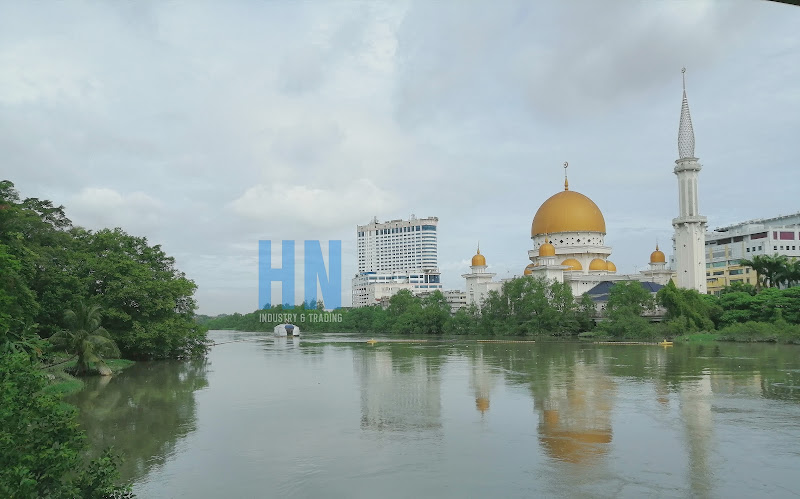
Klang
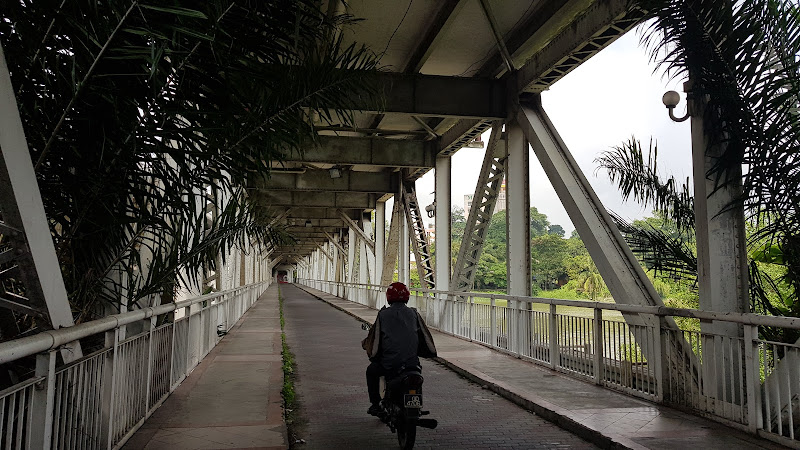
Kota Bridge
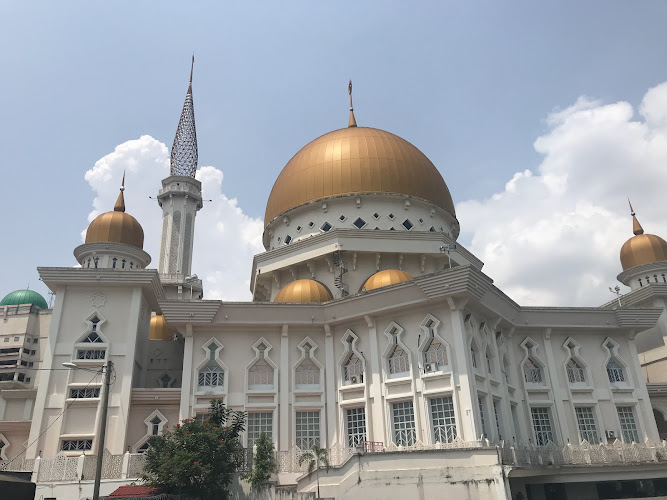
North Klang Royal City Mosque
Find Accommodations Nearby
Recommended Tours & Activities
Visitor Reviews
There are no reviews yet. Be the first one to write one.
Share Your Experience
Have you visited Sri Sundararaja Perumal Temple, Klang – Malaysia? Help other travelers by leaving a review.