
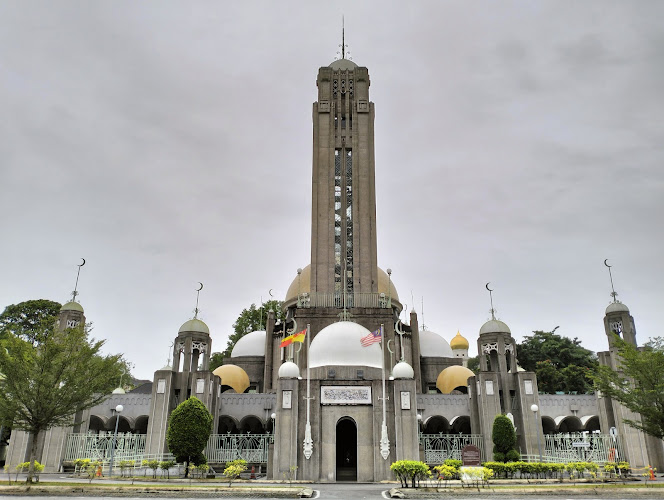
Sultan Suleiman Royal Mosque
About Sultan Suleiman Royal Mosque
Description
The Sultan Suleiman Royal Mosque in Klang is one of those places that quietly surprises you. It’s not just another mosque with a dome and minarets; it feels more like a living piece of history wrapped up in an unusual blend of architectural styles. Built in the early 1930s by a British architect, the mosque reflects Islamic, Moorish, Neoclassical, and even Art Deco influences. That mix might sound odd at first, but when you stand in front of it, the design feels bold and somehow harmonious. It’s like walking into a story where East meets West, tradition meets experimentation.
Travelers often describe the mosque as serene, and I’d agree. The grounds are spacious and calm, and it’s easy to get lost in the details—the sweeping arches, the royal stairs that connect to the nearby palace, and the way the light plays across its white and golden surfaces. It was once the main state mosque of Selangor before Shah Alam’s grand blue mosque took over that role. But honestly, that shift in status has only made this place more charming. It’s less crowded, less commercial, and feels more authentic. You can sense the pride of the local community, yet it’s welcoming to visitors who just want to admire its beauty or soak in a moment of quiet reflection.
Of course, like any historic site, it has its quirks. Some areas show their age, and not every corner feels perfectly maintained. But that’s part of the charm—you’re seeing a mosque that’s been standing for nearly a century, still used daily, still loved deeply. For me, that balance between grandeur and lived-in authenticity makes it worth the visit. It’s not a place you rush through. It’s a place you linger, maybe sit under a tree in the courtyard, and let the atmosphere sink in.
Key Features
- A unique architectural mix of Islamic, Moorish, Neoclassical, and Art Deco styles
- Royal stairs (Tangga Diraja) connecting the mosque to the nearby royal palace
- Spacious prayer hall with intricate interior details
- Peaceful courtyards and landscaped grounds
- Accessibility features such as wheelchair-friendly entrances, restrooms, and parking
- Functioning as both a place of worship and a heritage landmark
- Royal mausoleum located within the grounds
Best Time to Visit
If you’re planning a visit, mornings and late afternoons are the sweet spots. The light at these times makes the mosque’s architecture glow in a way that midday heat just can’t match. Fridays can be busier because of congregational prayers, so if you prefer a quieter experience, aim for other days. Personally, I love visiting during Ramadan evenings when the mosque feels especially alive with activity, yet still manages to keep that sense of peace. The atmosphere then is unforgettable—lanterns, families, and the hum of prayer filling the air.
How to Get There
Reaching the mosque is pretty straightforward if you’re already in Klang. It’s a short drive from the town center, and taxis or ride-hailing apps make it easy. Public transport is an option too, though it might take a bit more patience, especially if you’re not familiar with the local bus routes. If you’re coming from Kuala Lumpur, the train ride to Klang is an adventure in itself—slow, but it gives you a glimpse of everyday life outside the capital. Once you arrive, the mosque is just a quick ride away. I’d say driving or using a ride app is the most convenient, especially if you want to explore other nearby heritage spots afterward.
Tips for Visiting
First things first: dress modestly. This is an active place of worship, and respectful attire goes a long way. Women may be offered robes at the entrance if needed, but it’s always better to come prepared. Photography is generally allowed in the exterior areas, but be mindful inside—sometimes it’s best to simply experience the atmosphere without a camera in your hand. And don’t be shy about asking locals for guidance; people here are warm and usually happy to share stories about the mosque’s history.
If you’re traveling with kids, the open courtyard makes it easier to keep them comfortable, but do remind them that it’s a sacred space. The mosque is wheelchair accessible, which is a big plus, and restrooms are available on-site. I’d also recommend bringing a bottle of water, especially if you’re visiting in the hotter months. Klang’s humidity can be a bit of a shock if you’re not used to it.
One last thing—don’t rush. So many travelers treat heritage sites like checklist items, but this mosque rewards patience. Take your time, sit quietly, watch the play of light, or strike up a conversation with someone who knows its history. That’s when the Sultan Suleiman Royal Mosque stops being just another attraction and becomes a memory you’ll actually carry home.
Key Features
- A unique architectural mix of Islamic, Moorish, Neoclassical, and Art Deco styles
- Royal stairs (Tangga Diraja) connecting the mosque to the nearby royal palace
- Spacious prayer hall with intricate interior details
- Peaceful courtyards and landscaped grounds
- Accessibility features such as wheelchair-friendly entrances, restrooms, and parking
- Functioning as both a place of worship and a heritage landmark
- Royal mausoleum located within the grounds
More Details
Updated September 24, 2025
Table of Contents
Description
The Sultan Suleiman Royal Mosque in Klang is one of those places that quietly surprises you. It’s not just another mosque with a dome and minarets; it feels more like a living piece of history wrapped up in an unusual blend of architectural styles. Built in the early 1930s by a British architect, the mosque reflects Islamic, Moorish, Neoclassical, and even Art Deco influences. That mix might sound odd at first, but when you stand in front of it, the design feels bold and somehow harmonious. It’s like walking into a story where East meets West, tradition meets experimentation.
Travelers often describe the mosque as serene, and I’d agree. The grounds are spacious and calm, and it’s easy to get lost in the details—the sweeping arches, the royal stairs that connect to the nearby palace, and the way the light plays across its white and golden surfaces. It was once the main state mosque of Selangor before Shah Alam’s grand blue mosque took over that role. But honestly, that shift in status has only made this place more charming. It’s less crowded, less commercial, and feels more authentic. You can sense the pride of the local community, yet it’s welcoming to visitors who just want to admire its beauty or soak in a moment of quiet reflection.
Of course, like any historic site, it has its quirks. Some areas show their age, and not every corner feels perfectly maintained. But that’s part of the charm—you’re seeing a mosque that’s been standing for nearly a century, still used daily, still loved deeply. For me, that balance between grandeur and lived-in authenticity makes it worth the visit. It’s not a place you rush through. It’s a place you linger, maybe sit under a tree in the courtyard, and let the atmosphere sink in.
Key Features
- A unique architectural mix of Islamic, Moorish, Neoclassical, and Art Deco styles
- Royal stairs (Tangga Diraja) connecting the mosque to the nearby royal palace
- Spacious prayer hall with intricate interior details
- Peaceful courtyards and landscaped grounds
- Accessibility features such as wheelchair-friendly entrances, restrooms, and parking
- Functioning as both a place of worship and a heritage landmark
- Royal mausoleum located within the grounds
Best Time to Visit
If you’re planning a visit, mornings and late afternoons are the sweet spots. The light at these times makes the mosque’s architecture glow in a way that midday heat just can’t match. Fridays can be busier because of congregational prayers, so if you prefer a quieter experience, aim for other days. Personally, I love visiting during Ramadan evenings when the mosque feels especially alive with activity, yet still manages to keep that sense of peace. The atmosphere then is unforgettable—lanterns, families, and the hum of prayer filling the air.
How to Get There
Reaching the mosque is pretty straightforward if you’re already in Klang. It’s a short drive from the town center, and taxis or ride-hailing apps make it easy. Public transport is an option too, though it might take a bit more patience, especially if you’re not familiar with the local bus routes. If you’re coming from Kuala Lumpur, the train ride to Klang is an adventure in itself—slow, but it gives you a glimpse of everyday life outside the capital. Once you arrive, the mosque is just a quick ride away. I’d say driving or using a ride app is the most convenient, especially if you want to explore other nearby heritage spots afterward.
Tips for Visiting
First things first: dress modestly. This is an active place of worship, and respectful attire goes a long way. Women may be offered robes at the entrance if needed, but it’s always better to come prepared. Photography is generally allowed in the exterior areas, but be mindful inside—sometimes it’s best to simply experience the atmosphere without a camera in your hand. And don’t be shy about asking locals for guidance; people here are warm and usually happy to share stories about the mosque’s history.
If you’re traveling with kids, the open courtyard makes it easier to keep them comfortable, but do remind them that it’s a sacred space. The mosque is wheelchair accessible, which is a big plus, and restrooms are available on-site. I’d also recommend bringing a bottle of water, especially if you’re visiting in the hotter months. Klang’s humidity can be a bit of a shock if you’re not used to it.
One last thing—don’t rush. So many travelers treat heritage sites like checklist items, but this mosque rewards patience. Take your time, sit quietly, watch the play of light, or strike up a conversation with someone who knows its history. That’s when the Sultan Suleiman Royal Mosque stops being just another attraction and becomes a memory you’ll actually carry home.
Key Highlights
- A unique architectural mix of Islamic, Moorish, Neoclassical, and Art Deco styles
- Royal stairs (Tangga Diraja) connecting the mosque to the nearby royal palace
- Spacious prayer hall with intricate interior details
- Peaceful courtyards and landscaped grounds
- Accessibility features such as wheelchair-friendly entrances, restrooms, and parking
- Functioning as both a place of worship and a heritage landmark
- Royal mausoleum located within the grounds
Location
Places to Stay Near Sultan Suleiman Royal Mosque
Find and Book a Tour
Explore More Travel Guides
No reviews found! Be the first to review!
Traveler Reviews for Sultan Suleiman Royal Mosque
There are no reviews yet. Be the first one to write one.
Have you visited Sultan Suleiman Royal Mosque? Help other travelers by sharing your review.
You Might Also Like
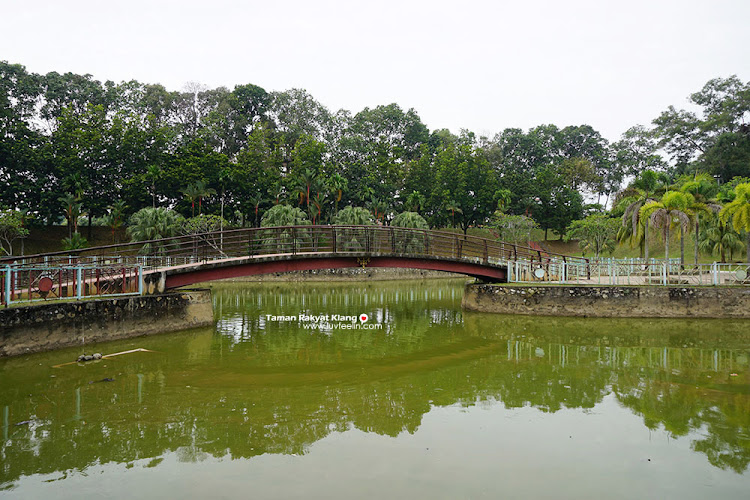
Taman Rakyat
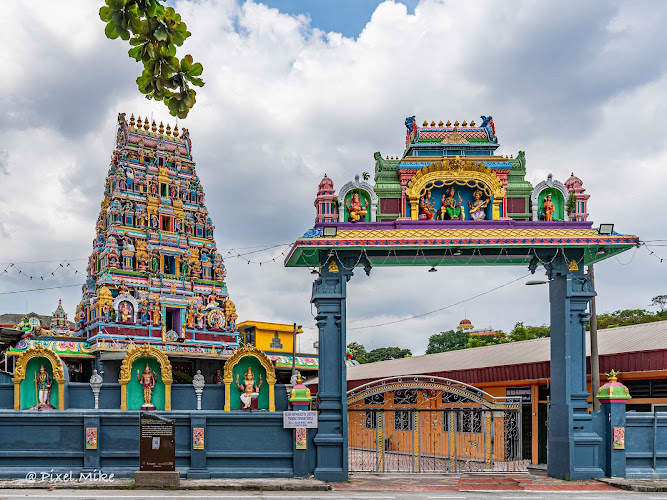
Sri Nagara Thandayuthapani Temple
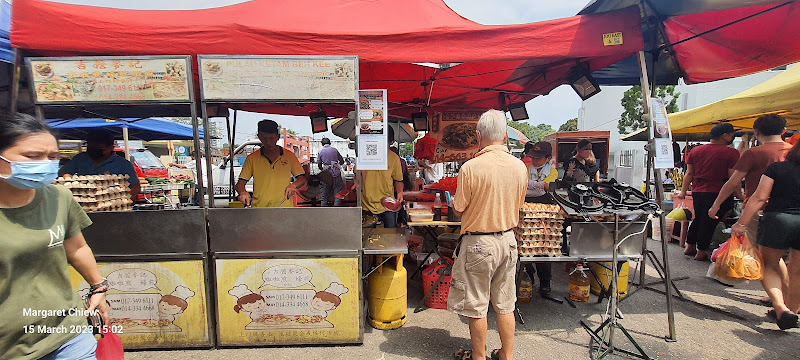
Pasar Malam Taman Chi Liung - Rabu
Find Accommodations Nearby
Recommended Tours & Activities
Visitor Reviews
There are no reviews yet. Be the first one to write one.
Share Your Experience
Have you visited Sultan Suleiman Royal Mosque? Help other travelers by leaving a review.