

Tian Hock Kung
About Tian Hock Kung
Description
Tian Hock Kung, often called the Snake Temple by locals, is one of those places that makes you pause and think, “Wow, I wasn’t expecting that.” It’s a Buddhist temple with a twist—snakes are part of the experience. And yes, real ones. For some visitors, it’s fascinating, a little mysterious, and even spiritual. For others, it can be a bit unnerving. That’s the charm of it though—it sparks emotion, and that’s what makes travel memorable.
The temple itself carries a sense of history and devotion. Its architecture is traditional, adorned with intricate carvings and vibrant statues of deities that reflect Chinese Buddhist heritage. Walking through, you’ll notice the incense smoke curling upwards, mixing with the chatter of visitors and the occasional gasp when someone spots a snake resting calmly in the temple grounds. Some say the snakes symbolize protection and harmony, while others just find it unusual. Either way, it’s a story you’ll be telling long after your trip.
It’s not a polished, overly commercial attraction. You’ll see signs of wear and age, which in my opinion, adds to its authenticity. It’s a place that feels lived-in, cared for by its community, and still very much active as a place of worship. That’s important to remember—it’s not just a tourist stop, it’s a temple where people come to pray, reflect, and seek blessings. The atmosphere is a mix of reverence and curiosity, which makes it stand out compared to more “touristy” sites.
Accessibility is decent too, with wheelchair-friendly entrances and parking, plus restrooms available for visitors. It’s not perfect, but for a temple of this age and type, it’s better than you might expect. The overall vibe? Let’s say it’s a blend of spiritual calm, cultural intrigue, and just enough quirkiness to keep you on your toes.
Key Features
- Unique presence of snakes within the temple grounds, often seen resting peacefully
- Traditional Chinese Buddhist architecture with ornate carvings and statues
- Active place of worship where visitors can observe or participate in rituals
- Accessibility features including wheelchair-friendly entrance and parking
- On-site restrooms for visitor convenience
- Atmosphere that balances cultural significance with curiosity for travelers
Best Time to Visit
Mornings are usually the best time to visit. The temple is quieter, the air feels fresher, and you can take your time wandering without the afternoon heat pressing down. Weekdays are less crowded compared to weekends, so if you prefer a calmer experience, plan for a weekday morning. Festivals like Chinese New Year can be especially lively, with colorful decorations and larger crowds, but keep in mind that it might be harder to move around during those times. Personally, I like going when it’s not too busy—you get more space to soak in the details without feeling rushed.
How to Get There
Reaching the temple is fairly straightforward if you’re already in Klang or nearby areas. Many travelers opt for a short taxi or ride-hailing service, which is the simplest way. If you’re driving, parking is available, though it can fill up during peak hours or festival days. For those relying on public transport, buses and trains connect to Klang town, and from there, a short ride will get you to the temple. Honestly, if you’re not familiar with the area, using a ride-hailing app is the most stress-free option—it saves you the hassle of figuring out multiple connections.
Tips for Visiting
First off, remember this is a functioning temple, not just a tourist attraction. Dress modestly, cover your shoulders and knees if possible, and be respectful when people are praying. If you’re squeamish about snakes, just take a breath and keep in mind they’re usually calm and not aggressive—you can admire them from a distance.
Bring along some cash if you’d like to make offerings or donations. And don’t forget your camera, but be mindful of where and when you take photos; avoid snapping shots during prayer rituals. Comfortable shoes are a must since you’ll be walking and standing quite a bit. One more personal tip: go with an open mind. Even if you’re not religious, you might find yourself touched by the devotion of the people around you.
Lastly, don’t rush. Spend some time just sitting quietly, watching the incense smoke drift, listening to the sounds of chanting or bells, and letting the atmosphere sink in. That’s when the place really leaves an impression—it’s not just about what you see, but how it makes you feel.
Key Features
- Unique presence of snakes within the temple grounds, often seen resting peacefully
- Traditional Chinese Buddhist architecture with ornate carvings and statues
- Active place of worship where visitors can observe or participate in rituals
- Accessibility features including wheelchair-friendly entrance and parking
- On-site restrooms for visitor convenience
- Atmosphere that balances cultural significance with curiosity for travelers
More Details
Updated September 30, 2025
Table of Contents
Description
Tian Hock Kung, often called the Snake Temple by locals, is one of those places that makes you pause and think, “Wow, I wasn’t expecting that.” It’s a Buddhist temple with a twist—snakes are part of the experience. And yes, real ones. For some visitors, it’s fascinating, a little mysterious, and even spiritual. For others, it can be a bit unnerving. That’s the charm of it though—it sparks emotion, and that’s what makes travel memorable.
The temple itself carries a sense of history and devotion. Its architecture is traditional, adorned with intricate carvings and vibrant statues of deities that reflect Chinese Buddhist heritage. Walking through, you’ll notice the incense smoke curling upwards, mixing with the chatter of visitors and the occasional gasp when someone spots a snake resting calmly in the temple grounds. Some say the snakes symbolize protection and harmony, while others just find it unusual. Either way, it’s a story you’ll be telling long after your trip.
It’s not a polished, overly commercial attraction. You’ll see signs of wear and age, which in my opinion, adds to its authenticity. It’s a place that feels lived-in, cared for by its community, and still very much active as a place of worship. That’s important to remember—it’s not just a tourist stop, it’s a temple where people come to pray, reflect, and seek blessings. The atmosphere is a mix of reverence and curiosity, which makes it stand out compared to more “touristy” sites.
Accessibility is decent too, with wheelchair-friendly entrances and parking, plus restrooms available for visitors. It’s not perfect, but for a temple of this age and type, it’s better than you might expect. The overall vibe? Let’s say it’s a blend of spiritual calm, cultural intrigue, and just enough quirkiness to keep you on your toes.
Key Features
- Unique presence of snakes within the temple grounds, often seen resting peacefully
- Traditional Chinese Buddhist architecture with ornate carvings and statues
- Active place of worship where visitors can observe or participate in rituals
- Accessibility features including wheelchair-friendly entrance and parking
- On-site restrooms for visitor convenience
- Atmosphere that balances cultural significance with curiosity for travelers
Best Time to Visit
Mornings are usually the best time to visit. The temple is quieter, the air feels fresher, and you can take your time wandering without the afternoon heat pressing down. Weekdays are less crowded compared to weekends, so if you prefer a calmer experience, plan for a weekday morning. Festivals like Chinese New Year can be especially lively, with colorful decorations and larger crowds, but keep in mind that it might be harder to move around during those times. Personally, I like going when it’s not too busy—you get more space to soak in the details without feeling rushed.
How to Get There
Reaching the temple is fairly straightforward if you’re already in Klang or nearby areas. Many travelers opt for a short taxi or ride-hailing service, which is the simplest way. If you’re driving, parking is available, though it can fill up during peak hours or festival days. For those relying on public transport, buses and trains connect to Klang town, and from there, a short ride will get you to the temple. Honestly, if you’re not familiar with the area, using a ride-hailing app is the most stress-free option—it saves you the hassle of figuring out multiple connections.
Tips for Visiting
First off, remember this is a functioning temple, not just a tourist attraction. Dress modestly, cover your shoulders and knees if possible, and be respectful when people are praying. If you’re squeamish about snakes, just take a breath and keep in mind they’re usually calm and not aggressive—you can admire them from a distance.
Bring along some cash if you’d like to make offerings or donations. And don’t forget your camera, but be mindful of where and when you take photos; avoid snapping shots during prayer rituals. Comfortable shoes are a must since you’ll be walking and standing quite a bit. One more personal tip: go with an open mind. Even if you’re not religious, you might find yourself touched by the devotion of the people around you.
Lastly, don’t rush. Spend some time just sitting quietly, watching the incense smoke drift, listening to the sounds of chanting or bells, and letting the atmosphere sink in. That’s when the place really leaves an impression—it’s not just about what you see, but how it makes you feel.
Key Highlights
- Unique presence of snakes within the temple grounds, often seen resting peacefully
- Traditional Chinese Buddhist architecture with ornate carvings and statues
- Active place of worship where visitors can observe or participate in rituals
- Accessibility features including wheelchair-friendly entrance and parking
- On-site restrooms for visitor convenience
- Atmosphere that balances cultural significance with curiosity for travelers
Location
Places to Stay Near Tian Hock Kung
Find and Book a Tour
Explore More Travel Guides
No reviews found! Be the first to review!
Traveler Reviews for Tian Hock Kung
There are no reviews yet. Be the first one to write one.
Have you visited Tian Hock Kung? Help other travelers by sharing your review.
You Might Also Like
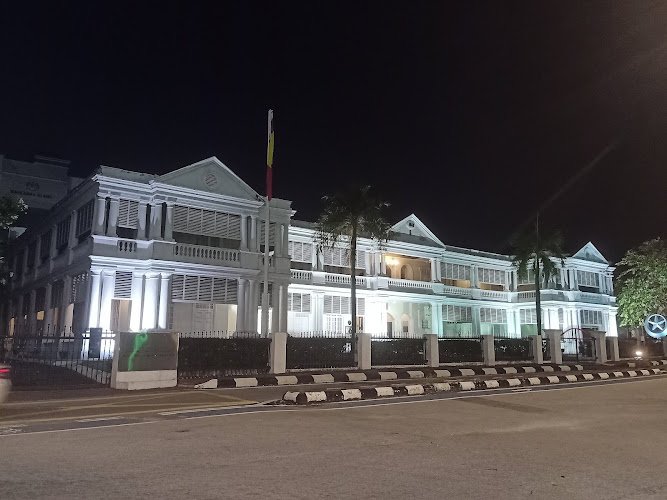
Sultan Abdul Aziz Royal Gallery
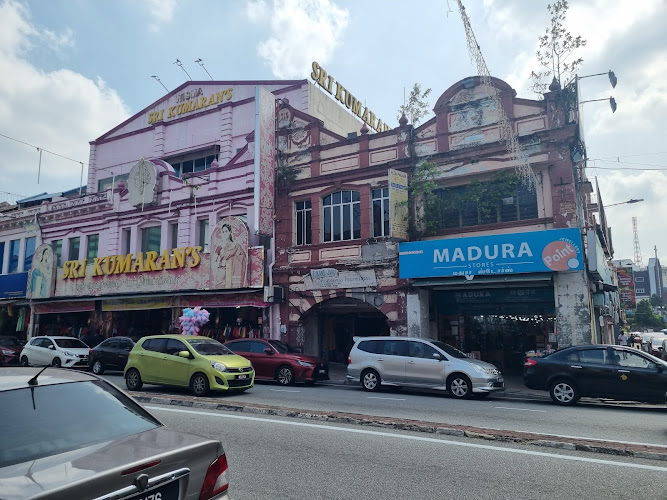
Klang Little India (கிள்ளான் லிட்டில் இந்தியா)
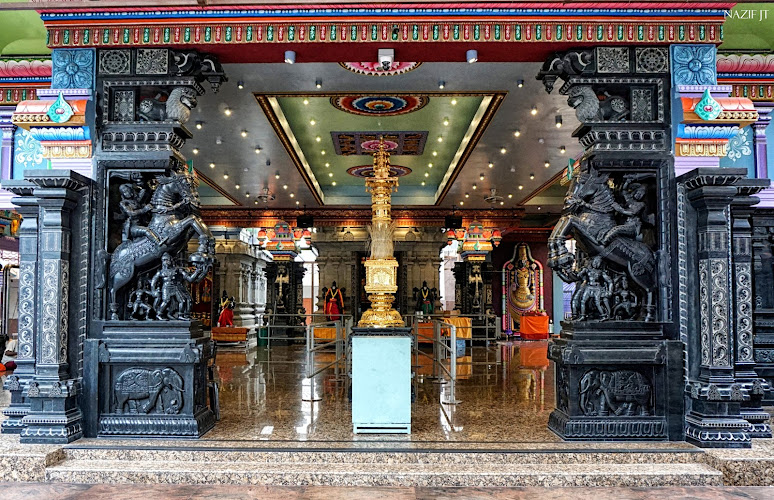
Sri Sundararaja Perumal Temple, Klang - Malaysia
Find Accommodations Nearby
Recommended Tours & Activities
Visitor Reviews
There are no reviews yet. Be the first one to write one.
Share Your Experience
Have you visited Tian Hock Kung? Help other travelers by leaving a review.