
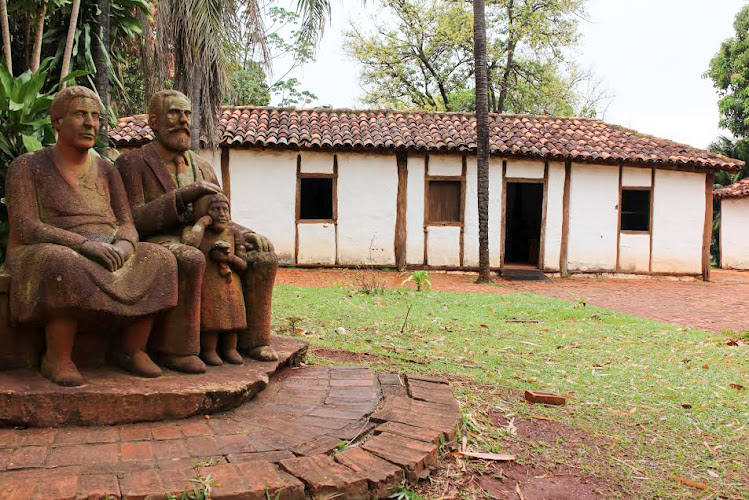
Jose Antonio Pereira Museum
About Jose Antonio Pereira Museum
Description
The Jose Antonio Pereira Museum is one of those places that quietly surprises you. It’s not a grand palace or a massive institution with endless halls, but rather a rustic farmhouse turned museum that tells the story of Campo Grande’s very beginnings. The building itself once belonged to Jose Antonio Pereira, the city’s founder, and today it feels like stepping into his world. Inside, you’ll find original furnishings, family belongings, and artifacts that make you feel like you’ve walked into someone’s home rather than a formal museum. And honestly, that’s the charm. It’s intimate, personal, and gives you a sense of how life was lived in a very different time.
Of course, not everyone falls in love with it instantly. Some visitors feel it’s a bit too simple, or that it could use more interactive displays. But personally, I think that’s part of its authenticity. You’re not bombarded with flashy screens or modern gimmicks—just history in its raw, rustic form. For travelers who enjoy cultural depth and stories of origin, this place feels like a treasure. For families, it’s also a surprisingly good stop since kids can roam around the open spaces without feeling trapped in a stiff, quiet gallery.
Key Features
- Historic farmhouse that once belonged to Campo Grande’s founder
- Authentic family furnishings and personal artifacts on display
- Rustic architecture and preserved interiors that reflect 19th-century life
- Wheelchair accessible entrance, parking, and restroom facilities
- Good for kids, with open areas and easy-to-explore rooms
- Peaceful setting away from the bustle of the city center
- Restrooms available on-site (though no restaurant)
Best Time to Visit
If you ask me, mornings are the sweet spot. The air is cooler, the light is softer, and you’ll probably have more space to wander without feeling crowded. Afternoons can be warmer, and depending on the season, a bit more humid, which makes exploring old houses less comfortable. Weekdays are generally quieter, while weekends tend to attract more families and groups. If you enjoy a livelier atmosphere, weekends are fine, but if you prefer to take your time and soak in the details, aim for a weekday morning.
Weather-wise, the dry season (usually May to September) is much more pleasant for walking around and exploring. The rainy months can make the grounds a little muddy, and while that adds a certain charm, it’s not always practical if you’re traveling with kids or anyone with mobility issues.
How to Get There
The museum is located in Campo Grande, and it’s relatively easy to reach by car or taxi from the city center. If you’re staying nearby, it’s a short ride, usually less than 20 minutes depending on traffic. Public transport is an option, but honestly, I’d recommend a car or a ride-hailing app for convenience—especially if you’re not familiar with the local bus routes. Parking is available and accessible, which makes it much easier if you’re traveling with family or someone who needs wheelchair access.
I once made the mistake of relying on a bus without checking the schedule properly, and let’s just say I ended up with a lot more walking than I expected. Lesson learned: stick to a car or taxi if you want a smooth trip.
Tips for Visiting
Here’s where a little insider advice comes in handy. First, don’t rush. The museum isn’t massive, but if you take the time to really look at the details—the worn wood on the furniture, the preserved artifacts, the way the rooms are laid out—you’ll get a much richer experience. Bring a bottle of water, especially if you’re visiting during the hotter months, since there’s no café or restaurant on-site.
If you’re traveling with kids, let them explore at their own pace. The museum is family-friendly, and the open spaces make it less stressful than more formal museums where you’re constantly shushing them. For those with mobility needs, the accessible features are a big plus, though it’s still worth wearing comfortable shoes since the grounds are rustic.
Photography is usually allowed, but be respectful—this isn’t just a tourist attraction, it’s a preserved piece of history. And one last thing: go in with the right mindset. This isn’t about high-tech exhibits or dazzling architecture. It’s about connecting with the roots of Campo Grande, and sometimes the simplest places leave the most lasting impression.
Key Features
- Historic farmhouse that once belonged to Campo Grande’s founder
- Authentic family furnishings and personal artifacts on display
- Rustic architecture and preserved interiors that reflect 19th-century life
- Wheelchair accessible entrance, parking, and restroom facilities
- Good for kids, with open areas and easy-to-explore rooms
- Peaceful setting away from the bustle of the city center
- Restrooms available on-site (though no restaurant)
More Details
Updated September 30, 2025
Table of Contents
Description
The Jose Antonio Pereira Museum is one of those places that quietly surprises you. It’s not a grand palace or a massive institution with endless halls, but rather a rustic farmhouse turned museum that tells the story of Campo Grande’s very beginnings. The building itself once belonged to Jose Antonio Pereira, the city’s founder, and today it feels like stepping into his world. Inside, you’ll find original furnishings, family belongings, and artifacts that make you feel like you’ve walked into someone’s home rather than a formal museum. And honestly, that’s the charm. It’s intimate, personal, and gives you a sense of how life was lived in a very different time.
Of course, not everyone falls in love with it instantly. Some visitors feel it’s a bit too simple, or that it could use more interactive displays. But personally, I think that’s part of its authenticity. You’re not bombarded with flashy screens or modern gimmicks—just history in its raw, rustic form. For travelers who enjoy cultural depth and stories of origin, this place feels like a treasure. For families, it’s also a surprisingly good stop since kids can roam around the open spaces without feeling trapped in a stiff, quiet gallery.
Key Features
- Historic farmhouse that once belonged to Campo Grande’s founder
- Authentic family furnishings and personal artifacts on display
- Rustic architecture and preserved interiors that reflect 19th-century life
- Wheelchair accessible entrance, parking, and restroom facilities
- Good for kids, with open areas and easy-to-explore rooms
- Peaceful setting away from the bustle of the city center
- Restrooms available on-site (though no restaurant)
Best Time to Visit
If you ask me, mornings are the sweet spot. The air is cooler, the light is softer, and you’ll probably have more space to wander without feeling crowded. Afternoons can be warmer, and depending on the season, a bit more humid, which makes exploring old houses less comfortable. Weekdays are generally quieter, while weekends tend to attract more families and groups. If you enjoy a livelier atmosphere, weekends are fine, but if you prefer to take your time and soak in the details, aim for a weekday morning.
Weather-wise, the dry season (usually May to September) is much more pleasant for walking around and exploring. The rainy months can make the grounds a little muddy, and while that adds a certain charm, it’s not always practical if you’re traveling with kids or anyone with mobility issues.
How to Get There
The museum is located in Campo Grande, and it’s relatively easy to reach by car or taxi from the city center. If you’re staying nearby, it’s a short ride, usually less than 20 minutes depending on traffic. Public transport is an option, but honestly, I’d recommend a car or a ride-hailing app for convenience—especially if you’re not familiar with the local bus routes. Parking is available and accessible, which makes it much easier if you’re traveling with family or someone who needs wheelchair access.
I once made the mistake of relying on a bus without checking the schedule properly, and let’s just say I ended up with a lot more walking than I expected. Lesson learned: stick to a car or taxi if you want a smooth trip.
Tips for Visiting
Here’s where a little insider advice comes in handy. First, don’t rush. The museum isn’t massive, but if you take the time to really look at the details—the worn wood on the furniture, the preserved artifacts, the way the rooms are laid out—you’ll get a much richer experience. Bring a bottle of water, especially if you’re visiting during the hotter months, since there’s no café or restaurant on-site.
If you’re traveling with kids, let them explore at their own pace. The museum is family-friendly, and the open spaces make it less stressful than more formal museums where you’re constantly shushing them. For those with mobility needs, the accessible features are a big plus, though it’s still worth wearing comfortable shoes since the grounds are rustic.
Photography is usually allowed, but be respectful—this isn’t just a tourist attraction, it’s a preserved piece of history. And one last thing: go in with the right mindset. This isn’t about high-tech exhibits or dazzling architecture. It’s about connecting with the roots of Campo Grande, and sometimes the simplest places leave the most lasting impression.
Key Highlights
- Historic farmhouse that once belonged to Campo Grande’s founder
- Authentic family furnishings and personal artifacts on display
- Rustic architecture and preserved interiors that reflect 19th-century life
- Wheelchair accessible entrance, parking, and restroom facilities
- Good for kids, with open areas and easy-to-explore rooms
- Peaceful setting away from the bustle of the city center
- Restrooms available on-site (though no restaurant)
Location
Places to Stay Near Jose Antonio Pereira Museum
Find and Book a Tour
Explore More Travel Guides
No reviews found! Be the first to review!
Traveler Reviews for Jose Antonio Pereira Museum
There are no reviews yet. Be the first one to write one.
Have you visited Jose Antonio Pereira Museum? Help other travelers by sharing your review.
You Might Also Like
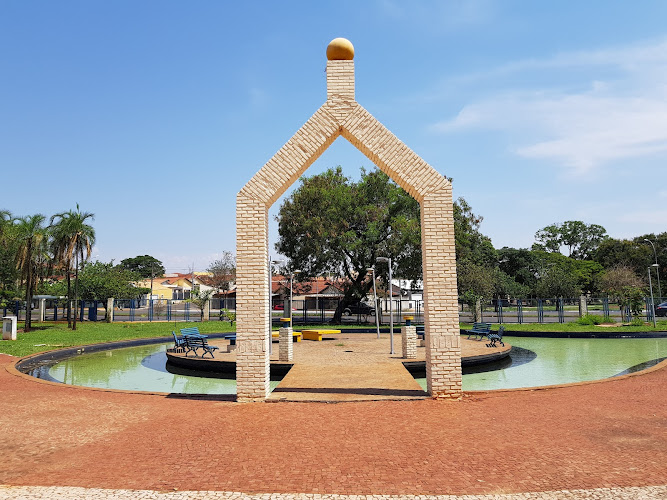
Horto Florestal
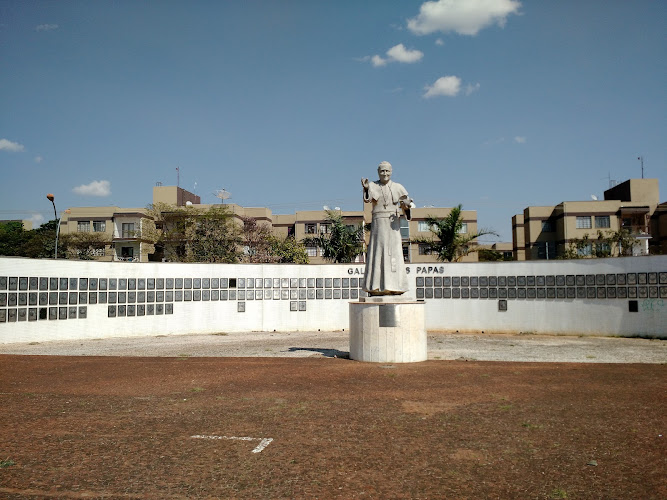
Praça do Papa
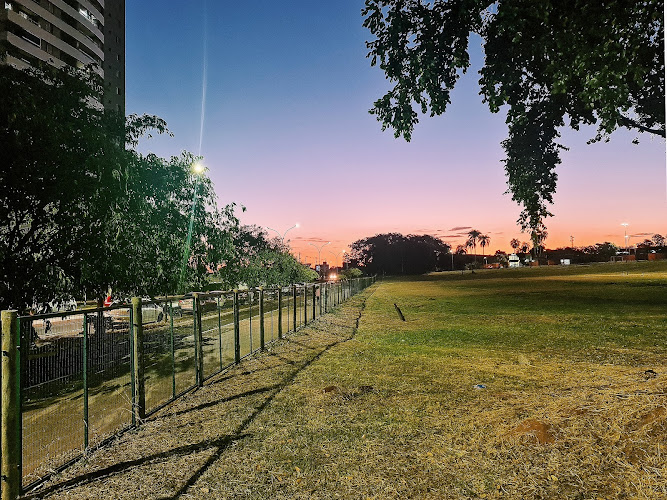
Soter Ecological Park
Find Accommodations Nearby
Recommended Tours & Activities
Visitor Reviews
There are no reviews yet. Be the first one to write one.
Share Your Experience
Have you visited Jose Antonio Pereira Museum? Help other travelers by leaving a review.