
Monumento Imigração Japonesa – Praça do Rádio Clube
About Monumento Imigração Japonesa – Praça do Rádio Clube
Description
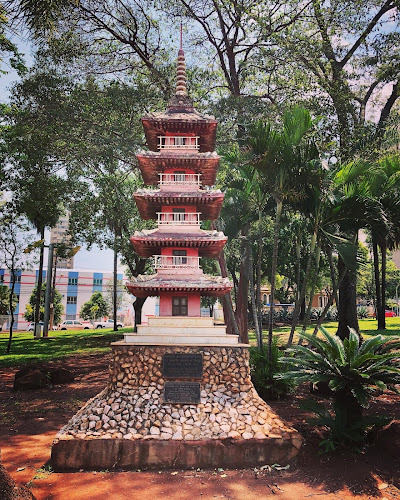
The Monumento Imigração Japonesa at Praça do Rádio Clube in Campo Grande is one of those places that quietly tells a story without shouting for attention. It was built as a tribute to Japanese immigration in the region, and you can feel that sense of heritage the moment you stand in front of it. The structure resembles a traditional Japanese pagoda, known as a Goju-no-tô, and while it’s not massive in size, it carries a surprising weight of history and symbolism. You’ll notice the details carved into the monument—simple yet elegant, a reminder of the cultural bridge between Japan and Brazil.
Now, I’ll be honest here: the monument has had its ups and downs over the years. At times it’s been beautifully restored, looking almost brand new, while at other times you might spot some wear and tear—broken windows, peeling paint, maybe even a few cobwebs if maintenance has been neglected. But that’s part of what makes visiting it interesting. It mirrors the reality of urban life, where history and modern challenges meet. Personally, I kind of like that imperfect charm. It feels real, not staged.
Families often stop by since the square around it is spacious and safe for kids to run around. And if you or someone in your group uses a wheelchair, you’ll be glad to know that the entrance is accessible. It’s not a flashy attraction, but it’s one of those meaningful landmarks that makes you pause and reflect. And if you’re anything like me, you’ll probably end up taking way too many photos of the intricate details, even if you swore you wouldn’t.
Key Features
- Traditional Japanese pagoda-inspired design (Goju-no-tô style)
- Symbolic tribute to Japanese immigration in Mato Grosso do Sul
- Located in the lively Praça do Rádio Clube, right in the city center
- Wheelchair accessible entrance
- Family-friendly space with open areas for kids
- Occasional cultural events and gatherings nearby
- Photogenic details with carvings and inscriptions in Japanese
Best Time to Visit
If you’re planning a visit, late afternoon is a sweet spot. The sunlight hits the monument at just the right angle, giving it a warm glow that’s perfect for photos. Plus, the weather in Campo Grande can get pretty intense during midday, so avoiding the harsh sun is always a good idea. Evening visits are also nice, especially when the square is a bit more lively with locals hanging out.
I wouldn’t say there’s a wrong time to go, but if you’re hoping for a quieter experience, mornings during the week are usually calm. And if you’re the type who loves cultural vibes, keep an eye out for Japanese community events—those moments bring the monument to life in a way that regular visits just can’t match.
How to Get There
Since the monument sits right in the heart of Campo Grande, getting there is pretty straightforward. Most people either walk if they’re already downtown or hop in a taxi or rideshare. Public buses also stop close to the square, so that’s an option if you like to travel more like a local. Personally, I enjoy walking through the city center to reach it—it gives you a chance to soak in the atmosphere and maybe stumble upon a café or street vendor along the way.
If you’re driving, parking can be a bit tricky during peak hours, so I’d suggest arriving earlier in the day or later in the evening when spots are easier to find. And remember, the monument is part of a larger square, so you’ll probably end up exploring more than you expected once you’re there.
Tips for Visiting
Here are some little nuggets of advice I’ve picked up that might make your visit smoother and more enjoyable:
- Bring water – Campo Grande heat is no joke, and you’ll thank yourself for staying hydrated.
- Check for events – Sometimes there are cultural festivals or community gatherings near the monument, and they add a whole new layer to the experience.
- Go with a curious eye – Look closely at the carvings and inscriptions. They’re easy to miss if you just breeze by, but they tell the deeper story of the monument.
- Be mindful of upkeep – Depending on when you visit, the monument might look freshly restored or a bit weathered. Don’t let that discourage you—it’s still worth the stop.
- Bring kids along – The open square is a safe spot for them to stretch their legs while you take in the history.
- Photography tip – Try standing a little off to the side rather than directly in front. You’ll capture the monument with the greenery of the square in the background, and it makes for a more dynamic shot.
And maybe the most important tip: don’t rush it. Even though it’s not a huge site, give yourself a few moments to just stand there and appreciate what it represents. For me, it was one of those places that reminded me how migration and cultural blending shape cities in ways we sometimes take for granted. You might just walk away with the same feeling.
Key Features
- Traditional Japanese pagoda-inspired design (Goju-no-tô style)
- Symbolic tribute to Japanese immigration in Mato Grosso do Sul
- Located in the lively Praça do Rádio Clube, right in the city center
- Wheelchair accessible entrance
- Family-friendly space with open areas for kids
- Occasional cultural events and gatherings nearby
- Photogenic details with carvings and inscriptions in Japanese
More Details
Updated September 30, 2025
Table of Contents
- Description
- Key Features
- Best Time to Visit
- How to Get There
- Tips for Visiting
- Key Highlights
- Location
- Places to Stay Near Monumento Imigração Japonesa - Praça do Rádio Clube
- Find and Book a Tour
- Explore More Travel Guides
- Nearby Places You Might Like
- Traveler Reviews for Monumento Imigração Japonesa – Praça do Rádio Clube
- Share Your Experience
Description
The Monumento Imigração Japonesa at Praça do Rádio Clube in Campo Grande is one of those places that quietly tells a story without shouting for attention. It was built as a tribute to Japanese immigration in the region, and you can feel that sense of heritage the moment you stand in front of it. The structure resembles a traditional Japanese pagoda, known as a Goju-no-tô, and while it’s not massive in size, it carries a surprising weight of history and symbolism. You’ll notice the details carved into the monument—simple yet elegant, a reminder of the cultural bridge between Japan and Brazil.
Now, I’ll be honest here: the monument has had its ups and downs over the years. At times it’s been beautifully restored, looking almost brand new, while at other times you might spot some wear and tear—broken windows, peeling paint, maybe even a few cobwebs if maintenance has been neglected. But that’s part of what makes visiting it interesting. It mirrors the reality of urban life, where history and modern challenges meet. Personally, I kind of like that imperfect charm. It feels real, not staged.
Families often stop by since the square around it is spacious and safe for kids to run around. And if you or someone in your group uses a wheelchair, you’ll be glad to know that the entrance is accessible. It’s not a flashy attraction, but it’s one of those meaningful landmarks that makes you pause and reflect. And if you’re anything like me, you’ll probably end up taking way too many photos of the intricate details, even if you swore you wouldn’t.
Key Features
- Traditional Japanese pagoda-inspired design (Goju-no-tô style)
- Symbolic tribute to Japanese immigration in Mato Grosso do Sul
- Located in the lively Praça do Rádio Clube, right in the city center
- Wheelchair accessible entrance
- Family-friendly space with open areas for kids
- Occasional cultural events and gatherings nearby
- Photogenic details with carvings and inscriptions in Japanese
Best Time to Visit
If you’re planning a visit, late afternoon is a sweet spot. The sunlight hits the monument at just the right angle, giving it a warm glow that’s perfect for photos. Plus, the weather in Campo Grande can get pretty intense during midday, so avoiding the harsh sun is always a good idea. Evening visits are also nice, especially when the square is a bit more lively with locals hanging out.
I wouldn’t say there’s a wrong time to go, but if you’re hoping for a quieter experience, mornings during the week are usually calm. And if you’re the type who loves cultural vibes, keep an eye out for Japanese community events—those moments bring the monument to life in a way that regular visits just can’t match.
How to Get There
Since the monument sits right in the heart of Campo Grande, getting there is pretty straightforward. Most people either walk if they’re already downtown or hop in a taxi or rideshare. Public buses also stop close to the square, so that’s an option if you like to travel more like a local. Personally, I enjoy walking through the city center to reach it—it gives you a chance to soak in the atmosphere and maybe stumble upon a café or street vendor along the way.
If you’re driving, parking can be a bit tricky during peak hours, so I’d suggest arriving earlier in the day or later in the evening when spots are easier to find. And remember, the monument is part of a larger square, so you’ll probably end up exploring more than you expected once you’re there.
Tips for Visiting
Here are some little nuggets of advice I’ve picked up that might make your visit smoother and more enjoyable:
- Bring water – Campo Grande heat is no joke, and you’ll thank yourself for staying hydrated.
- Check for events – Sometimes there are cultural festivals or community gatherings near the monument, and they add a whole new layer to the experience.
- Go with a curious eye – Look closely at the carvings and inscriptions. They’re easy to miss if you just breeze by, but they tell the deeper story of the monument.
- Be mindful of upkeep – Depending on when you visit, the monument might look freshly restored or a bit weathered. Don’t let that discourage you—it’s still worth the stop.
- Bring kids along – The open square is a safe spot for them to stretch their legs while you take in the history.
- Photography tip – Try standing a little off to the side rather than directly in front. You’ll capture the monument with the greenery of the square in the background, and it makes for a more dynamic shot.
And maybe the most important tip: don’t rush it. Even though it’s not a huge site, give yourself a few moments to just stand there and appreciate what it represents. For me, it was one of those places that reminded me how migration and cultural blending shape cities in ways we sometimes take for granted. You might just walk away with the same feeling.
Key Highlights
- Traditional Japanese pagoda-inspired design (Goju-no-tô style)
- Symbolic tribute to Japanese immigration in Mato Grosso do Sul
- Located in the lively Praça do Rádio Clube, right in the city center
- Wheelchair accessible entrance
- Family-friendly space with open areas for kids
- Occasional cultural events and gatherings nearby
- Photogenic details with carvings and inscriptions in Japanese
Location
Places to Stay Near Monumento Imigração Japonesa - Praça do Rádio Clube
Find and Book a Tour
Explore More Travel Guides
No reviews found! Be the first to review!
Traveler Reviews for Monumento Imigração Japonesa – Praça do Rádio Clube
There are no reviews yet. Be the first one to write one.
Have you visited Monumento Imigração Japonesa – Praça do Rádio Clube? Help other travelers by sharing your review.
You Might Also Like
Morro do Ernesto
Pros State Park (PEP)
Belmar Fidalgo Square Sports
Find Accommodations Nearby
Recommended Tours & Activities
Visitor Reviews
There are no reviews yet. Be the first one to write one.
Share Your Experience
Have you visited Monumento Imigração Japonesa – Praça do Rádio Clube? Help other travelers by leaving a review.