
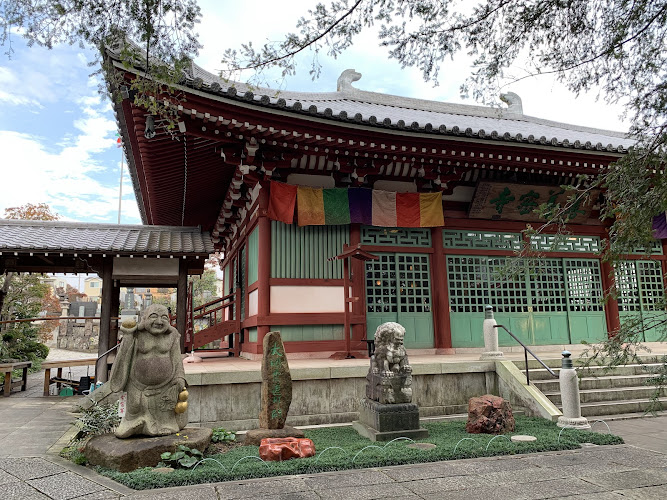
Zen-yōji Temple
About Zen-yōji Temple
Description
Zen-yōji Temple in Tokyo is the kind of place that doesn’t shout for attention but quietly rewards those who stumble upon it. Tucked away in the calmer side of Setagaya, this Buddhist temple carries a centuries-old history that feels both grounding and refreshing. Unlike the big-name temples in the city that are often packed shoulder-to-shoulder with visitors, Zen-yōji offers a slower rhythm. It’s the sort of spot where you can hear the crunch of gravel under your shoes and actually notice the way the light filters through the leaves.
The temple itself is modest in size compared to the giants of Asakusa or Ueno, but what it lacks in scale, it makes up for in atmosphere. The grounds feature a charming mix of seasonal flowers, old trees that look like they’ve seen generations pass by, and a small pond with a bridge that feels like it’s straight out of a storybook. There’s even a certain tree here that locals talk about with a bit of reverence—it’s massive, ancient, and seems to watch over the place like a guardian.
For me, the first time I walked through Zen-yōji, I remember thinking, “This is exactly the Tokyo I was hoping to find.” Not the neon lights or the crowded crossings, but the quiet corners where tradition still lingers. And while it’s not perfect—there are a few rough edges here and there, and the facilities aren’t as polished as some other temples—it’s precisely those imperfections that make it feel real and lived-in. Visitors often walk away with a sense of peace, though not everyone finds it awe-inspiring. Some expect grandeur and instead find subtlety. But if you’re the type who appreciates authenticity over spectacle, this temple will probably stay with you long after you leave.
Key Features
- Shingon Buddhist temple with roots stretching back to the 16th century
- Beautiful garden featuring seasonal flowers and a quaint pond with a small bridge
- A legendary large tree that adds character and a sense of timelessness
- Traditional architecture with understated details worth slowing down to notice
- Peaceful atmosphere, far less crowded than central Tokyo temples
- Occasional traditional ceremonies and community events
- Restrooms available on-site, though accessibility is limited for wheelchairs
Best Time to Visit
The temple changes its mood with the seasons, and that’s part of its charm. Spring brings bursts of blossoms and a gentle breeze that makes the gardens feel alive. Summer can be hot, but the shade of the trees offers a natural escape. Personally, I think autumn is the sweet spot—the colors of the leaves against the temple’s simple architecture are just stunning. Winter has its own quiet beauty too, with fewer visitors and a crispness in the air that makes the temple feel even more serene. If you enjoy photography, early mornings or late afternoons give you the best light and the least foot traffic.
How to Get There
Reaching Zen-yōji Temple isn’t difficult, but it does require a little bit of effort compared to the major tourist hubs. The temple sits between Futako Tamagawa and Todoroki Gorge, both of which are worth exploring on the same trip. From central Tokyo, you can hop on a train to Setagaya and then walk or take a short bus ride. The walk itself is pleasant, winding through residential streets where you’ll catch glimpses of everyday Tokyo life—kids riding bikes, small neighborhood shops, and the occasional friendly cat lounging on a wall. It feels like part of the experience, almost like the temple is rewarding those who take the slower route.
Tips for Visiting
If you’re planning a visit, here are a few things I’ve learned along the way. First, wear comfortable shoes. The grounds aren’t huge, but you’ll want to wander, and some paths can be a bit uneven. Bring a bottle of water, especially in the warmer months, as amenities are limited. And while the temple does have restrooms, don’t expect modern facilities like you’d find in bigger tourist spots.
Another tip—slow down. This isn’t the kind of place you rush through, snap a photo, and leave. Take a moment to sit, listen, and just be. I once sat on a bench here for nearly half an hour watching a couple of elderly locals feed the koi in the pond. It was such a simple scene, but it stuck with me more than some of the flashier attractions.
Also, keep in mind that the temple isn’t fully accessible for wheelchairs or strollers. If that’s important for your trip, it’s worth planning ahead. And finally, be respectful. This is still an active place of worship, not just a sightseeing spot. A quiet demeanor and a little mindfulness go a long way.
In the end, Zen-yōji Temple is one of those places that rewards curiosity. It’s not about ticking off a checklist, but about experiencing a slice of Tokyo that feels timeless. If you’re searching for a moment of calm in a city that rarely stops moving, this temple might just be the pause you didn’t know you needed.
Key Features
- Shingon Buddhist temple with roots stretching back to the 16th century
- Beautiful garden featuring seasonal flowers and a quaint pond with a small bridge
- A legendary large tree that adds character and a sense of timelessness
- Traditional architecture with understated details worth slowing down to notice
- Peaceful atmosphere, far less crowded than central Tokyo temples
- Occasional traditional ceremonies and community events
- Restrooms available on-site, though accessibility is limited for wheelchairs
More Details
Updated October 1, 2025
Table of Contents
Description
Zen-yōji Temple in Tokyo is the kind of place that doesn’t shout for attention but quietly rewards those who stumble upon it. Tucked away in the calmer side of Setagaya, this Buddhist temple carries a centuries-old history that feels both grounding and refreshing. Unlike the big-name temples in the city that are often packed shoulder-to-shoulder with visitors, Zen-yōji offers a slower rhythm. It’s the sort of spot where you can hear the crunch of gravel under your shoes and actually notice the way the light filters through the leaves.
The temple itself is modest in size compared to the giants of Asakusa or Ueno, but what it lacks in scale, it makes up for in atmosphere. The grounds feature a charming mix of seasonal flowers, old trees that look like they’ve seen generations pass by, and a small pond with a bridge that feels like it’s straight out of a storybook. There’s even a certain tree here that locals talk about with a bit of reverence—it’s massive, ancient, and seems to watch over the place like a guardian.
For me, the first time I walked through Zen-yōji, I remember thinking, “This is exactly the Tokyo I was hoping to find.” Not the neon lights or the crowded crossings, but the quiet corners where tradition still lingers. And while it’s not perfect—there are a few rough edges here and there, and the facilities aren’t as polished as some other temples—it’s precisely those imperfections that make it feel real and lived-in. Visitors often walk away with a sense of peace, though not everyone finds it awe-inspiring. Some expect grandeur and instead find subtlety. But if you’re the type who appreciates authenticity over spectacle, this temple will probably stay with you long after you leave.
Key Features
- Shingon Buddhist temple with roots stretching back to the 16th century
- Beautiful garden featuring seasonal flowers and a quaint pond with a small bridge
- A legendary large tree that adds character and a sense of timelessness
- Traditional architecture with understated details worth slowing down to notice
- Peaceful atmosphere, far less crowded than central Tokyo temples
- Occasional traditional ceremonies and community events
- Restrooms available on-site, though accessibility is limited for wheelchairs
Best Time to Visit
The temple changes its mood with the seasons, and that’s part of its charm. Spring brings bursts of blossoms and a gentle breeze that makes the gardens feel alive. Summer can be hot, but the shade of the trees offers a natural escape. Personally, I think autumn is the sweet spot—the colors of the leaves against the temple’s simple architecture are just stunning. Winter has its own quiet beauty too, with fewer visitors and a crispness in the air that makes the temple feel even more serene. If you enjoy photography, early mornings or late afternoons give you the best light and the least foot traffic.
How to Get There
Reaching Zen-yōji Temple isn’t difficult, but it does require a little bit of effort compared to the major tourist hubs. The temple sits between Futako Tamagawa and Todoroki Gorge, both of which are worth exploring on the same trip. From central Tokyo, you can hop on a train to Setagaya and then walk or take a short bus ride. The walk itself is pleasant, winding through residential streets where you’ll catch glimpses of everyday Tokyo life—kids riding bikes, small neighborhood shops, and the occasional friendly cat lounging on a wall. It feels like part of the experience, almost like the temple is rewarding those who take the slower route.
Tips for Visiting
If you’re planning a visit, here are a few things I’ve learned along the way. First, wear comfortable shoes. The grounds aren’t huge, but you’ll want to wander, and some paths can be a bit uneven. Bring a bottle of water, especially in the warmer months, as amenities are limited. And while the temple does have restrooms, don’t expect modern facilities like you’d find in bigger tourist spots.
Another tip—slow down. This isn’t the kind of place you rush through, snap a photo, and leave. Take a moment to sit, listen, and just be. I once sat on a bench here for nearly half an hour watching a couple of elderly locals feed the koi in the pond. It was such a simple scene, but it stuck with me more than some of the flashier attractions.
Also, keep in mind that the temple isn’t fully accessible for wheelchairs or strollers. If that’s important for your trip, it’s worth planning ahead. And finally, be respectful. This is still an active place of worship, not just a sightseeing spot. A quiet demeanor and a little mindfulness go a long way.
In the end, Zen-yōji Temple is one of those places that rewards curiosity. It’s not about ticking off a checklist, but about experiencing a slice of Tokyo that feels timeless. If you’re searching for a moment of calm in a city that rarely stops moving, this temple might just be the pause you didn’t know you needed.
Key Highlights
- Shingon Buddhist temple with roots stretching back to the 16th century
- Beautiful garden featuring seasonal flowers and a quaint pond with a small bridge
- A legendary large tree that adds character and a sense of timelessness
- Traditional architecture with understated details worth slowing down to notice
- Peaceful atmosphere, far less crowded than central Tokyo temples
- Occasional traditional ceremonies and community events
- Restrooms available on-site, though accessibility is limited for wheelchairs
Location
Places to Stay Near Zen-yōji Temple
Find and Book a Tour
Explore More Travel Guides
No reviews found! Be the first to review!
Traveler Reviews for Zen-yōji Temple
There are no reviews yet. Be the first one to write one.
Have you visited Zen-yōji Temple? Help other travelers by sharing your review.
You Might Also Like

Setagaya Municipal Kodomo-no-Hiroba Park
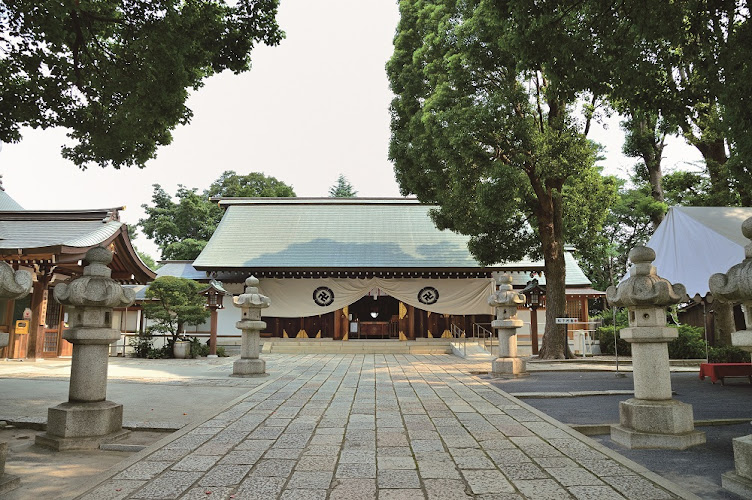
Shōin Shrine
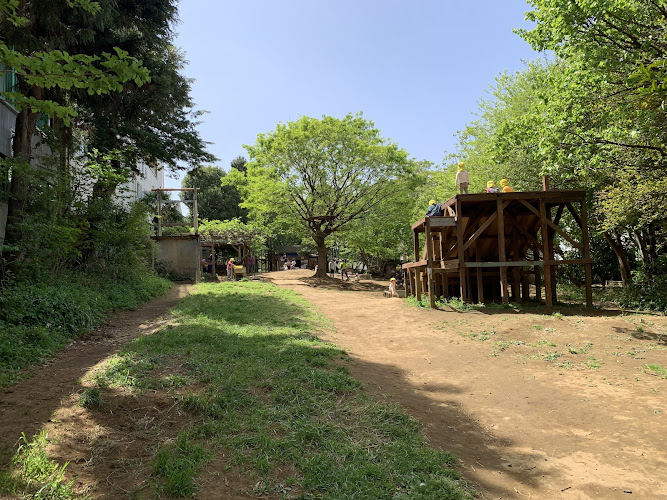
Komazawa Harappa Play Park
Find Accommodations Nearby
Recommended Tours & Activities
Visitor Reviews
There are no reviews yet. Be the first one to write one.
Share Your Experience
Have you visited Zen-yōji Temple? Help other travelers by leaving a review.