
Khosro Parviz’s Hunting Ground
About Khosro Parviz’s Hunting Ground
Description
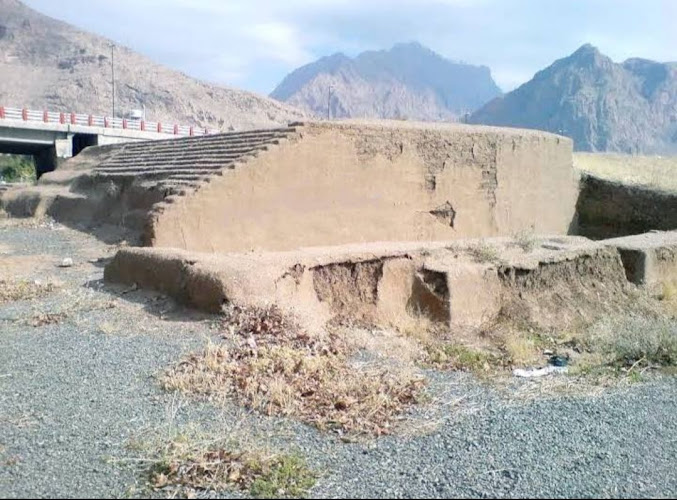
Khosro Parviz’s Hunting Ground is one of those places that quietly surprises travelers who make their way to western Iran. Tucked into the northern edge of Kermanshah, this ancient Sasanian complex—sometimes called Tape-ye-Moradhasel—dates back to the reign of Khosrow II, also known as Khosro Parviz, in the 7th century CE. It was more than just a royal playground. Historical accounts and archaeological studies suggest it doubled as a space for military training, troop organization, and even ceremonial displays of power. Imagine it: hunting scenes carved into stone at Taq-e Bostan, soldiers practicing maneuvers, and a king showing off his skill with bow and spear. It was leisure, politics, and preparation for war all rolled into one.
Today, visitors will find themselves walking across grounds that still hum with echoes of that past. The site is not as polished or heavily marketed as some of Iran’s other landmarks, and honestly, that’s part of its charm. You feel closer to the raw history, almost like you’ve stumbled onto a secret chapter of the Sasanian Empire. Some travelers rave about the atmosphere and the sense of authenticity, while others feel it could use more signage and preservation work. Both views are fair, but if you’re the kind of person who enjoys piecing together stories from ruins, this place will absolutely speak to you.
And yes, it’s a surprisingly good spot to bring kids. Children often love the wide-open spaces, and the sheer scale of the ancient walls sparks their imagination. You can almost see them pretending to be warriors or hunters, running across the same ground that once hosted royal hunts centuries ago. For families, history buffs, or even casual travelers looking for something beyond the usual tourist circuit, Khosro Parviz’s Hunting Ground is a rewarding stop.
Key Features
- Remnants of ancient Sasanian walls and structures, offering a glimpse into 7th-century royal life
- Historical significance as both a hunting ground and a military training site
- Close proximity to Taq-e Bostan, another major Sasanian monument
- Spacious open areas suitable for exploration and family visits
- Rich cultural context tied to King Khosro Parviz and the grandeur of the Sasanian Empire
- Less crowded compared to other Iranian heritage sites, allowing for a more personal experience
Best Time to Visit
The best time to visit Khosro Parviz’s Hunting Ground is during spring and autumn. In spring, the landscape around Kermanshah bursts into color, and the mild weather makes walking around the grounds a pleasure. Autumn, on the other hand, offers crisp air and golden light that makes the ruins even more photogenic. Summers here can be pretty hot, and if you’re not used to dry heat, it might wear you out quickly. Winter is quieter, and while it can get chilly, the solitude adds a certain magic if you’re the type who enjoys having a historic site practically to yourself.
Personally, I’ve always preferred late afternoon visits. The setting sun casts long shadows across the ancient walls, and you get that perfect balance of cool air and golden light. It’s the kind of moment that makes you pause, take a deep breath, and think about just how many centuries have passed since this ground was alive with royal hunts and military drills.
How to Get There
Reaching the hunting ground is fairly straightforward if you’re already in Kermanshah. The city is well connected by road, and you can hire a taxi or arrange a local driver to take you to the site. Some travelers prefer to join small guided tours that include both Taq-e Bostan and Khosro Parviz’s Hunting Ground, which makes sense since they’re close to each other and share a common historical thread. Public transportation is limited, so relying on a car or taxi is the more practical option.
If you’re the adventurous type, renting a car gives you the freedom to explore not just the hunting ground but also the surrounding countryside, which is dotted with other historical gems and natural scenery. Just be prepared for some winding roads and keep your GPS handy. And don’t be shy about asking locals for directions—people in Kermanshah are known for their hospitality and will often go out of their way to help.
Tips for Visiting
A few tips can make your visit smoother and more enjoyable:
- Wear comfortable shoes: The terrain is uneven in places, and you’ll want to explore without worrying about sore feet.
- Bring water and snacks: There aren’t always facilities on-site, so it’s best to be self-sufficient.
- Plan for shade: There’s not a lot of cover, so a hat or sunscreen is a must if you’re visiting in warmer months.
- Consider a guide: While wandering on your own is fun, a knowledgeable guide can bring the history to life with stories and context you might otherwise miss.
- Respect the site: This is a fragile piece of history. Avoid climbing on the ruins or leaving behind any litter.
- Combine with nearby attractions: Since Taq-e Bostan and other Sasanian landmarks are nearby, plan a half or full day to see them together.
One last thought: don’t rush it. It’s tempting to tick off sites quickly when you’re traveling, but this hunting ground rewards those who linger. Sit for a moment on the ancient stones, listen to the wind, and imagine the thunder of horses’ hooves or the shouts of warriors training. That’s when the place really comes alive. And honestly, those are the kinds of memories that stick with you long after you’ve left Iran.
Key Features
- Remnants of ancient Sasanian walls and structures, offering a glimpse into 7th-century royal life
- Historical significance as both a hunting ground and a military training site
- Close proximity to Taq-e Bostan, another major Sasanian monument
- Spacious open areas suitable for exploration and family visits
- Rich cultural context tied to King Khosro Parviz and the grandeur of the Sasanian Empire
- Less crowded compared to other Iranian heritage sites, allowing for a more personal experience
More Details
Updated October 1, 2025
Table of Contents
Description
Khosro Parviz’s Hunting Ground is one of those places that quietly surprises travelers who make their way to western Iran. Tucked into the northern edge of Kermanshah, this ancient Sasanian complex—sometimes called Tape-ye-Moradhasel—dates back to the reign of Khosrow II, also known as Khosro Parviz, in the 7th century CE. It was more than just a royal playground. Historical accounts and archaeological studies suggest it doubled as a space for military training, troop organization, and even ceremonial displays of power. Imagine it: hunting scenes carved into stone at Taq-e Bostan, soldiers practicing maneuvers, and a king showing off his skill with bow and spear. It was leisure, politics, and preparation for war all rolled into one.
Today, visitors will find themselves walking across grounds that still hum with echoes of that past. The site is not as polished or heavily marketed as some of Iran’s other landmarks, and honestly, that’s part of its charm. You feel closer to the raw history, almost like you’ve stumbled onto a secret chapter of the Sasanian Empire. Some travelers rave about the atmosphere and the sense of authenticity, while others feel it could use more signage and preservation work. Both views are fair, but if you’re the kind of person who enjoys piecing together stories from ruins, this place will absolutely speak to you.
And yes, it’s a surprisingly good spot to bring kids. Children often love the wide-open spaces, and the sheer scale of the ancient walls sparks their imagination. You can almost see them pretending to be warriors or hunters, running across the same ground that once hosted royal hunts centuries ago. For families, history buffs, or even casual travelers looking for something beyond the usual tourist circuit, Khosro Parviz’s Hunting Ground is a rewarding stop.
Key Features
- Remnants of ancient Sasanian walls and structures, offering a glimpse into 7th-century royal life
- Historical significance as both a hunting ground and a military training site
- Close proximity to Taq-e Bostan, another major Sasanian monument
- Spacious open areas suitable for exploration and family visits
- Rich cultural context tied to King Khosro Parviz and the grandeur of the Sasanian Empire
- Less crowded compared to other Iranian heritage sites, allowing for a more personal experience
Best Time to Visit
The best time to visit Khosro Parviz’s Hunting Ground is during spring and autumn. In spring, the landscape around Kermanshah bursts into color, and the mild weather makes walking around the grounds a pleasure. Autumn, on the other hand, offers crisp air and golden light that makes the ruins even more photogenic. Summers here can be pretty hot, and if you’re not used to dry heat, it might wear you out quickly. Winter is quieter, and while it can get chilly, the solitude adds a certain magic if you’re the type who enjoys having a historic site practically to yourself.
Personally, I’ve always preferred late afternoon visits. The setting sun casts long shadows across the ancient walls, and you get that perfect balance of cool air and golden light. It’s the kind of moment that makes you pause, take a deep breath, and think about just how many centuries have passed since this ground was alive with royal hunts and military drills.
How to Get There
Reaching the hunting ground is fairly straightforward if you’re already in Kermanshah. The city is well connected by road, and you can hire a taxi or arrange a local driver to take you to the site. Some travelers prefer to join small guided tours that include both Taq-e Bostan and Khosro Parviz’s Hunting Ground, which makes sense since they’re close to each other and share a common historical thread. Public transportation is limited, so relying on a car or taxi is the more practical option.
If you’re the adventurous type, renting a car gives you the freedom to explore not just the hunting ground but also the surrounding countryside, which is dotted with other historical gems and natural scenery. Just be prepared for some winding roads and keep your GPS handy. And don’t be shy about asking locals for directions—people in Kermanshah are known for their hospitality and will often go out of their way to help.
Tips for Visiting
A few tips can make your visit smoother and more enjoyable:
- Wear comfortable shoes: The terrain is uneven in places, and you’ll want to explore without worrying about sore feet.
- Bring water and snacks: There aren’t always facilities on-site, so it’s best to be self-sufficient.
- Plan for shade: There’s not a lot of cover, so a hat or sunscreen is a must if you’re visiting in warmer months.
- Consider a guide: While wandering on your own is fun, a knowledgeable guide can bring the history to life with stories and context you might otherwise miss.
- Respect the site: This is a fragile piece of history. Avoid climbing on the ruins or leaving behind any litter.
- Combine with nearby attractions: Since Taq-e Bostan and other Sasanian landmarks are nearby, plan a half or full day to see them together.
One last thought: don’t rush it. It’s tempting to tick off sites quickly when you’re traveling, but this hunting ground rewards those who linger. Sit for a moment on the ancient stones, listen to the wind, and imagine the thunder of horses’ hooves or the shouts of warriors training. That’s when the place really comes alive. And honestly, those are the kinds of memories that stick with you long after you’ve left Iran.
Key Highlights
- Remnants of ancient Sasanian walls and structures, offering a glimpse into 7th-century royal life
- Historical significance as both a hunting ground and a military training site
- Close proximity to Taq-e Bostan, another major Sasanian monument
- Spacious open areas suitable for exploration and family visits
- Rich cultural context tied to King Khosro Parviz and the grandeur of the Sasanian Empire
- Less crowded compared to other Iranian heritage sites, allowing for a more personal experience
Location
Places to Stay Near Khosro Parviz's Hunting Ground
Find and Book a Tour
Explore More Travel Guides
No reviews found! Be the first to review!
Traveler Reviews for Khosro Parviz’s Hunting Ground
There are no reviews yet. Be the first one to write one.
Have you visited Khosro Parviz’s Hunting Ground? Help other travelers by sharing your review.
You Might Also Like
Kohneh Bridge

Taq-e Bostan Blvd

Parsian Kermanshah Hotel
Find Accommodations Nearby
Recommended Tours & Activities
Visitor Reviews
There are no reviews yet. Be the first one to write one.
Share Your Experience
Have you visited Khosro Parviz’s Hunting Ground? Help other travelers by leaving a review.