Taq-e Bostan
About Taq-e Bostan
Description
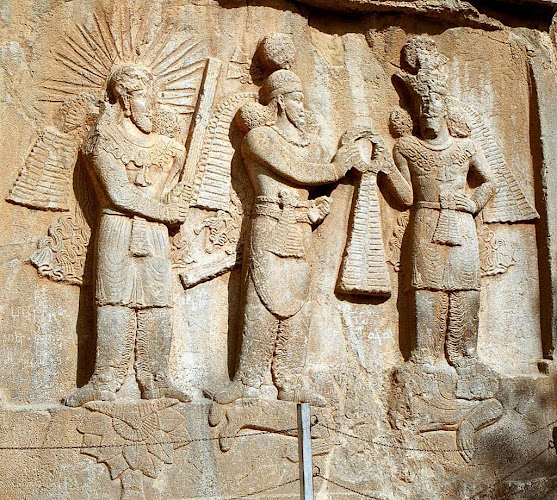
Taq-e Bostan is one of those places that makes you stop in your tracks, not just because of its sheer size but because of the way history feels alive here. This ancient site in western Iran is home to some of the most detailed and well-preserved Sasanian rock reliefs, carved directly into the mountain during the 4th century CE. Imagine kings, warriors, and divine figures etched in stone, their stories surviving centuries of wind, rain, and curious travelers like us. The artistry is so intricate that you can still see the folds of royal garments and the expressions on their faces. It’s not just a monument—it’s a time capsule.
What makes Taq-e Bostan even more special is its setting. The reliefs sit beside a natural spring and a small lake, which adds this almost surreal reflection of the carvings in the water. On a calm day, the mirrored images are breathtaking, and I swear the first time I saw it, I had to blink twice to make sure it wasn’t some trick of the light. Families often stroll around, kids run about, and you’ll find locals chatting on benches nearby. It’s not just a tourist attraction—it’s part of the community’s everyday life. And while most people walk away awestruck, there are a few who feel the site could use a bit more care and preservation. Honestly, they’re not wrong; some areas show wear, but that’s part of its raw authenticity.
Key Features
- Massive rock reliefs from the Sasanian era, depicting royal coronations and hunting scenes
- Two grand stone arches, one larger and more elaborate, framing the carvings beautifully
- A natural spring and lake reflecting the reliefs, creating stunning photo opportunities
- Detailed depictions of armor, crowns, and even musical instruments carved in stone
- Accessible pathways and wheelchair-friendly entrances and parking
- A family-friendly environment where children can enjoy open spaces
Best Time to Visit
If you’re planning a trip, spring and autumn are the golden seasons here. The weather in Kermanshah can swing from hot summers to chilly winters, but during April–May and September–October, you’ll find mild temperatures and crisp air that make wandering around the site a joy. I once visited in late July, and while the carvings were still awe-inspiring, the heat made it hard to linger. On the other hand, in autumn, the leaves around the lake turn shades of gold and red, giving the whole place a painterly feel. Early mornings are especially magical—you’ll find fewer crowds, soft light for photos, and the peaceful sound of water trickling from the spring.
How to Get There
Reaching Taq-e Bostan is relatively straightforward if you’re already in Kermanshah. The site sits just northeast of the city, and it’s a short drive from the center. Taxis are the most convenient option, and they’re not expensive by international standards. If you’re the adventurous type, local buses also run in the general direction, though they can be a bit confusing if you don’t speak Persian or Kurdish. Personally, I’d say go with a taxi—it saves you the hassle and lets you enjoy the ride through the city. Some travelers even rent a car to explore nearby attractions like Bisotun, which makes for a great day trip combo.
Tips for Visiting
First things first: bring comfortable shoes. While the site isn’t massive, you’ll want to wander around and maybe climb a little to get different angles of the reliefs. And don’t forget your camera—but also take a few moments to just stand there and soak it in without a lens between you and history.
If you’re traveling with kids, the open spaces and lake make it a fun outing, though keep an eye on them near the water. For accessibility, the entrance and parking are wheelchair-friendly, which makes the site more inclusive than many ancient landmarks. Another tip—try to visit on a weekday if you can. Weekends draw more local families, which is lovely, but it can get crowded.
And here’s a small personal piece of advice: bring a snack or picnic. Sitting by the lake with some fresh bread and cheese from the local bazaar while gazing at carvings that are over 1,600 years old… it’s hard to beat that. Also, be prepared for mixed feelings—while most of the site is incredibly well-preserved, you might notice some wear and even graffiti in spots. It can be frustrating, but it’s also a reminder of how fragile cultural heritage is, and why our visits matter.
In the end, Taq-e Bostan isn’t just about looking at old stones. It’s about standing in a place where emperors once celebrated their victories, where art met politics, and where nature and history still hold hands today. If you’re heading to western Iran, don’t skip it—you’ll leave with stories and photos that will stay with you long after your trip.
Key Features
- Massive rock reliefs from the Sasanian era, depicting royal coronations and hunting scenes
- Two grand stone arches, one larger and more elaborate, framing the carvings beautifully
- A natural spring and lake reflecting the reliefs, creating stunning photo opportunities
- Detailed depictions of armor, crowns, and even musical instruments carved in stone
- Accessible pathways and wheelchair-friendly entrances and parking
- A family-friendly environment where children can enjoy open spaces
More Details
Updated September 30, 2025
Table of Contents
Description
Taq-e Bostan is one of those places that makes you stop in your tracks, not just because of its sheer size but because of the way history feels alive here. This ancient site in western Iran is home to some of the most detailed and well-preserved Sasanian rock reliefs, carved directly into the mountain during the 4th century CE. Imagine kings, warriors, and divine figures etched in stone, their stories surviving centuries of wind, rain, and curious travelers like us. The artistry is so intricate that you can still see the folds of royal garments and the expressions on their faces. It’s not just a monument—it’s a time capsule.
What makes Taq-e Bostan even more special is its setting. The reliefs sit beside a natural spring and a small lake, which adds this almost surreal reflection of the carvings in the water. On a calm day, the mirrored images are breathtaking, and I swear the first time I saw it, I had to blink twice to make sure it wasn’t some trick of the light. Families often stroll around, kids run about, and you’ll find locals chatting on benches nearby. It’s not just a tourist attraction—it’s part of the community’s everyday life. And while most people walk away awestruck, there are a few who feel the site could use a bit more care and preservation. Honestly, they’re not wrong; some areas show wear, but that’s part of its raw authenticity.
Key Features
- Massive rock reliefs from the Sasanian era, depicting royal coronations and hunting scenes
- Two grand stone arches, one larger and more elaborate, framing the carvings beautifully
- A natural spring and lake reflecting the reliefs, creating stunning photo opportunities
- Detailed depictions of armor, crowns, and even musical instruments carved in stone
- Accessible pathways and wheelchair-friendly entrances and parking
- A family-friendly environment where children can enjoy open spaces
Best Time to Visit
If you’re planning a trip, spring and autumn are the golden seasons here. The weather in Kermanshah can swing from hot summers to chilly winters, but during April–May and September–October, you’ll find mild temperatures and crisp air that make wandering around the site a joy. I once visited in late July, and while the carvings were still awe-inspiring, the heat made it hard to linger. On the other hand, in autumn, the leaves around the lake turn shades of gold and red, giving the whole place a painterly feel. Early mornings are especially magical—you’ll find fewer crowds, soft light for photos, and the peaceful sound of water trickling from the spring.
How to Get There
Reaching Taq-e Bostan is relatively straightforward if you’re already in Kermanshah. The site sits just northeast of the city, and it’s a short drive from the center. Taxis are the most convenient option, and they’re not expensive by international standards. If you’re the adventurous type, local buses also run in the general direction, though they can be a bit confusing if you don’t speak Persian or Kurdish. Personally, I’d say go with a taxi—it saves you the hassle and lets you enjoy the ride through the city. Some travelers even rent a car to explore nearby attractions like Bisotun, which makes for a great day trip combo.
Tips for Visiting
First things first: bring comfortable shoes. While the site isn’t massive, you’ll want to wander around and maybe climb a little to get different angles of the reliefs. And don’t forget your camera—but also take a few moments to just stand there and soak it in without a lens between you and history.
If you’re traveling with kids, the open spaces and lake make it a fun outing, though keep an eye on them near the water. For accessibility, the entrance and parking are wheelchair-friendly, which makes the site more inclusive than many ancient landmarks. Another tip—try to visit on a weekday if you can. Weekends draw more local families, which is lovely, but it can get crowded.
And here’s a small personal piece of advice: bring a snack or picnic. Sitting by the lake with some fresh bread and cheese from the local bazaar while gazing at carvings that are over 1,600 years old… it’s hard to beat that. Also, be prepared for mixed feelings—while most of the site is incredibly well-preserved, you might notice some wear and even graffiti in spots. It can be frustrating, but it’s also a reminder of how fragile cultural heritage is, and why our visits matter.
In the end, Taq-e Bostan isn’t just about looking at old stones. It’s about standing in a place where emperors once celebrated their victories, where art met politics, and where nature and history still hold hands today. If you’re heading to western Iran, don’t skip it—you’ll leave with stories and photos that will stay with you long after your trip.

Key Highlights
- Massive rock reliefs from the Sasanian era, depicting royal coronations and hunting scenes
- Two grand stone arches, one larger and more elaborate, framing the carvings beautifully
- A natural spring and lake reflecting the reliefs, creating stunning photo opportunities
- Detailed depictions of armor, crowns, and even musical instruments carved in stone
- Accessible pathways and wheelchair-friendly entrances and parking
- A family-friendly environment where children can enjoy open spaces
Location
Places to Stay Near Taq-e Bostan
Find and Book a Tour
Explore More Travel Guides
No reviews found! Be the first to review!
Traveler Reviews for Taq-e Bostan
There are no reviews yet. Be the first one to write one.
Have you visited Taq-e Bostan? Help other travelers by sharing your review.
Find Accommodations Nearby
Recommended Tours & Activities
Visitor Reviews
There are no reviews yet. Be the first one to write one.
Share Your Experience
Have you visited Taq-e Bostan? Help other travelers by leaving a review.