Kermanshah is western Iran’s principal city and an important gateway between the Iranian plateau, the Zagros Mountains and routes leading toward the Iraqi border. Kurdish culture is central to daily life, while the city’s setting makes it a practical base for some of Iran’s most consequential ancient sites: Sasanian royal reliefs at Taq-e Bostan and the Achaemenid inscription at Bisotun.
This is a rewarding stop for travelers interested in archaeology, Iranian regional food, mountain landscapes and urban life beyond Tehran, Isfahan and Shiraz. It suits independent travelers who can plan around domestic transport, as well as road-trip itineraries across western Iran. Allow time for the city itself rather than treating it solely as an overnight stop before Bisotun.
Quick Planning Snapshot
Planning detailWhat to knowBest seasonsSpring, especially April and May, and early autumn; winters can be cold and summers hot.Typical trip lengthTwo full days for the city and Bisotun; add a day for Kangavar, caves or mountain routes.Main transport hubKermanshah Airport for domestic flights; Tehran is the main international air gateway.Local currencyIranian rial; everyday prices are commonly quoted in tomans, equal to 10 rials.Primary languagePersian is widely used; Kurdish varieties are integral to local life.Walkability and transitCentral sights are walkable in sections, but taxis and buses are useful for longer cross-city journeys.
Getting There and Getting Around
Kermanshah Airport handles domestic services, most usefully from Tehran and sometimes other Iranian cities; schedules can change, so confirm close to departure. International visitors generally arrive through Tehran’s Imam Khomeini International Airport, then continue by domestic flight, rail or road. Tehran’s Mehrabad Airport is the principal domestic airport, separate from Imam Khomeini, so leave ample time when transferring between them.
By land, Kermanshah sits on the principal westbound highway corridor from Tehran via Hamadan, with onward routes toward the Iraq border at Khosravi. Rail connections link the city into Iran’s expanding western network, but train timetables are less frequent and less flexible than road travel. Shared taxis, intercity buses and hired drivers are often the simplest ways to reach Bisotun and Kangavar. Within town, agree a taxi fare before departing when a meter is not used; ride-hailing availability and payment options should be checked locally.
Best Areas to Stay and Neighborhood Character
The central commercial area around Bazaar-e Sartasari, Ferdowsi Street and Azadi Square is best for first-time visitors who want shops, restaurants, banks and city transport close at hand. It has the widest practical choice of established hotels and simpler guest accommodation.The Taq-e Bostan side of the city, toward the north and northeast, is quieter and convenient for the rock reliefs, parkland and evening walks. It works well for travelers with a car or those happy to use taxis for the historic center.For a more local, residential feel, choose a property just outside the busiest center rather than on a major traffic artery. Confirm breakfast, parking, passport-registration procedures and whether foreign cards are accepted before booking.
Top Things to Do, Local Culture and Day Trips
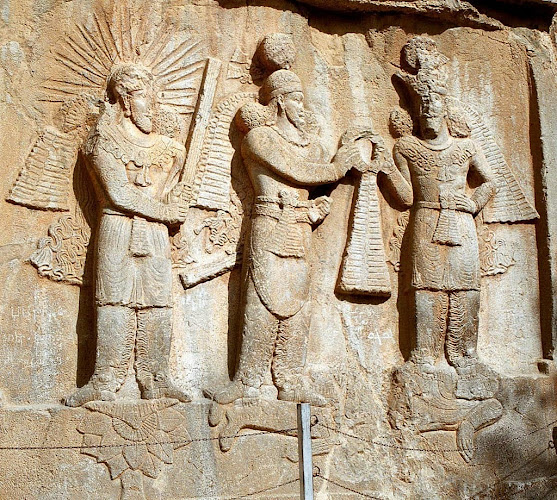
Start at Taq-e Bostan, where Sasanian rulers had reliefs carved into a limestone cliff beside springs and a small lake. The larger grotto includes elaborate royal and hunting scenes; visit in softer morning or late-afternoon light, then walk the surrounding park. In the city center, Bazaar-e Sartasari offers a working view of spice sellers, textiles, household goods and everyday commerce. It is more useful as a living market than as a polished souvenir attraction.
Make time for Tekyeh Moaven ol-Molk, a Qajar-era religious complex distinguished by narrative tilework, and Tekyeh Biglar Beigi, another historic tekyeh associated with collections on Kurdish culture and regional history. These sites give needed context to Kermanshah’s Shi’a ceremonial architecture and its Kurdish social landscape. Museum displays and opening arrangements can change, particularly around religious holidays, so ask your accommodation to verify access.
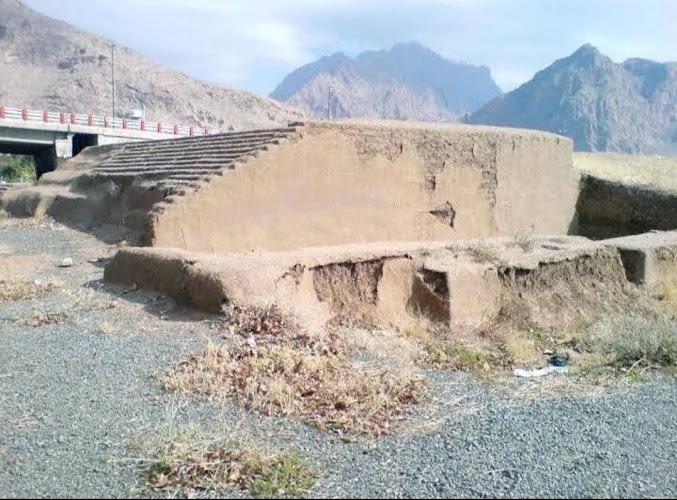
Bisotun, roughly 35 kilometres east of Kermanshah, is the essential excursion. Its UNESCO-listed inscription and relief, commissioned by Darius I, records the king’s claim to power in Old Persian, Elamite and Babylonian. The wider archaeological landscape contains remains from later periods, so do not rush the visit. Farther east, Kangavar is known for the monumental stone platform traditionally associated with an Anahita temple. For nature, Sarab-e Niloufar and routes toward Ravansar and the Zagros foothills offer greener scenery in spring; cave and mountain excursions require suitable transport and weather awareness.
Practical Planning Tips, Food Specialties and a 2-Day Flow
Carry enough cash in rials or tomans because foreign bank cards generally do not work in Iran under international sanctions. Ask whether a quoted amount is in rials or tomans before paying. Dress conservatively in accordance with Iranian law and local custom; women visitors must observe Iran’s compulsory head-covering and dress rules in public. Alcohol is prohibited. Kermanshah is generally experienced as hospitable, but use normal city precautions, keep identification accessible, and check your government’s current travel advice, visa rules and border-area guidance before traveling.
Order dandeh kebab, Kermanshah’s grilled rib kebab, and khoresh-e khalal, a fragrant stew often made with slivered almonds and barberries. Look for nan berenji rice cookies, kak cardamom pastries and regional clarified butter known as roghan-e Kermanshahi. Tea is the default social drink. Tipping is modest rather than automatic: rounding up or leaving a small extra amount for good table service is appreciated, while taxi fares should be settled clearly in advance.
Day 1: Explore the bazaar and central streets in the morning, visit Tekyeh Moaven ol-Molk and Tekyeh Biglar Beigi, then head to Taq-e Bostan for late light and dinner nearby.Day 2: Take an early taxi, driver or tour to Bisotun, allowing time for the inscription and archaeological landscape. Return via local restaurants, or extend east to Kangavar if you have a car and an early start.
 Real Journey Travels