About Kohneh Bridge

Description

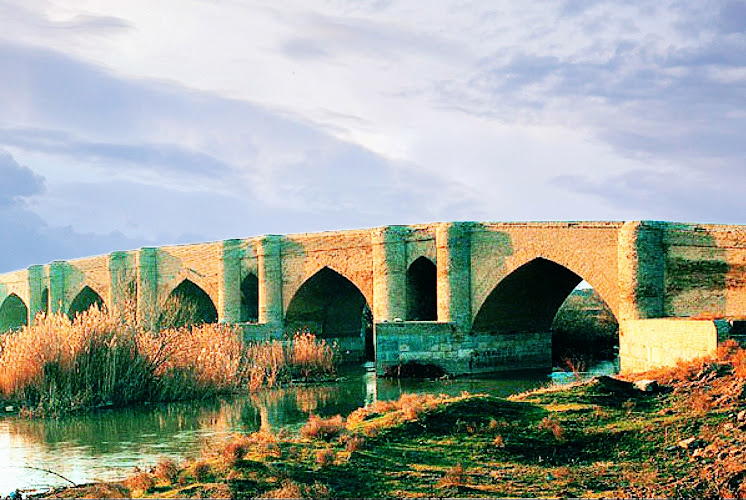
Kohneh Bridge, known locally as Pol-e-Kohneh, carries with it the kind of quiet dignity that only centuries-old landmarks can hold. It stretches across the Qaresoo River in Kermanshah and has served as both a functional crossing and a cultural marker for generations. While it may not be as polished or flashy as some of the more heavily restored landmarks in Iran, that’s part of its charm—you feel the layers of history under your feet, the weathered stones telling stories that no guidebook could fully capture. Some travelers find it modest, while others are completely enchanted by its authenticity. Personally, I think that’s what makes it worth the stop: you’re not just looking at history, you’re literally walking on it.

The bridge’s atmosphere is a blend of serenity and nostalgia. Standing on it, you can hear the rush of the river below, and if you linger long enough, you’ll likely spot locals using it as part of their everyday routine. It’s not a tourist trap—it’s a living, breathing part of the city. And that’s rare. The structure itself has been through centuries of use, yet still stands strong, which is a testament to the craftsmanship of the builders who put it together long before modern machinery existed.

It’s not the kind of place where you’ll find glossy visitor centers or flashy signage. Instead, you get raw history, a sense of place, and a chance to slow down. For me, that’s more valuable than any polished museum display.

Key Features

  • Historic stone bridge dating back centuries, still intact and functional.
  • Crosses the Qaresoo River, offering peaceful river views.
  • Simple, sturdy architecture that reflects traditional Iranian design.
  • Used daily by locals, giving visitors a glimpse of authentic community life.
  • Atmosphere that feels untouched by mass tourism, allowing for quiet exploration.
  • Photogenic spot, especially during sunrise and sunset when the light hits the stones just right.

Best Time to Visit

If you’re planning a trip, spring and autumn are the sweet spots. The weather in Kermanshah can get pretty hot in summer, and in winter, the chill plus the occasional rain makes standing on a stone bridge less appealing. In spring, the river runs fuller, and the surrounding greenery adds a fresh backdrop that makes the whole scene more alive. Autumn, on the other hand, brings softer light and cooler air, which makes wandering around far more enjoyable.

I once visited in late April, and the combination of warm air and blooming plants nearby made it one of those moments you tuck away in memory. The bridge wasn’t crowded, just a handful of locals passing by, and the calmness of the river was almost meditative.

How to Get There

Reaching Kohneh Bridge is fairly straightforward if you’re already in Kermanshah. Taxis are the easiest option, and they’re not too expensive. If you’re driving, just be prepared for local traffic, which can sometimes feel a bit chaotic if you’re not used to it. Public buses may get you close, but honestly, unless you’re adventurous and comfortable navigating in Persian, I’d recommend sticking with a taxi or a private car.

The bridge itself is located in the eastern part of the city, not far from other attractions, so it can easily be fit into a half-day itinerary. If you’re like me and enjoy wandering, you might even stumble upon it while exploring the streets, which feels like a little reward for being curious.

Tips for Visiting

First off, wear comfortable shoes. The stones can be uneven, and while it’s not a long walk across, you’ll be happier if you’re not worrying about your footing. And since there’s no wheelchair-accessible parking lot or ramps, accessibility is unfortunately limited.

I’d also suggest going early in the morning or later in the afternoon. Not only is the light better for photos, but you’ll also avoid the midday heat. Bring a bottle of water too—there aren’t vendors set up around the bridge, so you’ll want to be prepared.

One thing I’ve learned from traveling to places like this: don’t just rush across, take your time. Lean against the stone railing, watch the river, and imagine the countless footsteps that have crossed before yours. It’s humbling. And if you’re into photography, play around with different angles—the contrast of the stone against the water can make for some striking shots.

Lastly, keep your expectations balanced. This isn’t a grand palace or a massive ruin—it’s a bridge. A simple, sturdy, historical bridge. But if you allow yourself to appreciate it for what it is, you’ll walk away with a deeper sense of connection to Kermanshah’s past. And honestly, that’s worth more than any souvenir.

Key Features

  • Historic stone bridge dating back centuries, still intact and functional.
  • Crosses the Qaresoo River, offering peaceful river views.
  • Simple, sturdy architecture that reflects traditional Iranian design.
  • Used daily by locals, giving visitors a glimpse of authentic community life.
  • Atmosphere that feels untouched by mass tourism, allowing for quiet exploration.
  • Photogenic spot, especially during sunrise and sunset when the light hits the stones just right.

More Details

Updated October 1, 2025


Description

Kohneh Bridge, known locally as Pol-e-Kohneh, carries with it the kind of quiet dignity that only centuries-old landmarks can hold. It stretches across the Qaresoo River in Kermanshah and has served as both a functional crossing and a cultural marker for generations. While it may not be as polished or flashy as some of the more heavily restored landmarks in Iran, that’s part of its charm—you feel the layers of history under your feet, the weathered stones telling stories that no guidebook could fully capture. Some travelers find it modest, while others are completely enchanted by its authenticity. Personally, I think that’s what makes it worth the stop: you’re not just looking at history, you’re literally walking on it.

The bridge’s atmosphere is a blend of serenity and nostalgia. Standing on it, you can hear the rush of the river below, and if you linger long enough, you’ll likely spot locals using it as part of their everyday routine. It’s not a tourist trap—it’s a living, breathing part of the city. And that’s rare. The structure itself has been through centuries of use, yet still stands strong, which is a testament to the craftsmanship of the builders who put it together long before modern machinery existed.

It’s not the kind of place where you’ll find glossy visitor centers or flashy signage. Instead, you get raw history, a sense of place, and a chance to slow down. For me, that’s more valuable than any polished museum display.

Key Features

  • Historic stone bridge dating back centuries, still intact and functional.
  • Crosses the Qaresoo River, offering peaceful river views.
  • Simple, sturdy architecture that reflects traditional Iranian design.
  • Used daily by locals, giving visitors a glimpse of authentic community life.
  • Atmosphere that feels untouched by mass tourism, allowing for quiet exploration.
  • Photogenic spot, especially during sunrise and sunset when the light hits the stones just right.

Best Time to Visit

If you’re planning a trip, spring and autumn are the sweet spots. The weather in Kermanshah can get pretty hot in summer, and in winter, the chill plus the occasional rain makes standing on a stone bridge less appealing. In spring, the river runs fuller, and the surrounding greenery adds a fresh backdrop that makes the whole scene more alive. Autumn, on the other hand, brings softer light and cooler air, which makes wandering around far more enjoyable.

I once visited in late April, and the combination of warm air and blooming plants nearby made it one of those moments you tuck away in memory. The bridge wasn’t crowded, just a handful of locals passing by, and the calmness of the river was almost meditative.

How to Get There

Reaching Kohneh Bridge is fairly straightforward if you’re already in Kermanshah. Taxis are the easiest option, and they’re not too expensive. If you’re driving, just be prepared for local traffic, which can sometimes feel a bit chaotic if you’re not used to it. Public buses may get you close, but honestly, unless you’re adventurous and comfortable navigating in Persian, I’d recommend sticking with a taxi or a private car.

The bridge itself is located in the eastern part of the city, not far from other attractions, so it can easily be fit into a half-day itinerary. If you’re like me and enjoy wandering, you might even stumble upon it while exploring the streets, which feels like a little reward for being curious.

Tips for Visiting

First off, wear comfortable shoes. The stones can be uneven, and while it’s not a long walk across, you’ll be happier if you’re not worrying about your footing. And since there’s no wheelchair-accessible parking lot or ramps, accessibility is unfortunately limited.

I’d also suggest going early in the morning or later in the afternoon. Not only is the light better for photos, but you’ll also avoid the midday heat. Bring a bottle of water too—there aren’t vendors set up around the bridge, so you’ll want to be prepared.

One thing I’ve learned from traveling to places like this: don’t just rush across, take your time. Lean against the stone railing, watch the river, and imagine the countless footsteps that have crossed before yours. It’s humbling. And if you’re into photography, play around with different angles—the contrast of the stone against the water can make for some striking shots.

Lastly, keep your expectations balanced. This isn’t a grand palace or a massive ruin—it’s a bridge. A simple, sturdy, historical bridge. But if you allow yourself to appreciate it for what it is, you’ll walk away with a deeper sense of connection to Kermanshah’s past. And honestly, that’s worth more than any souvenir.

Key Highlights

  • Historic stone bridge dating back centuries, still intact and functional.
  • Crosses the Qaresoo River, offering peaceful river views.
  • Simple, sturdy architecture that reflects traditional Iranian design.
  • Used daily by locals, giving visitors a glimpse of authentic community life.
  • Atmosphere that feels untouched by mass tourism, allowing for quiet exploration.
  • Photogenic spot, especially during sunrise and sunset when the light hits the stones just right.

Location

Places to Stay Near Kohneh Bridge

Find and Book a Tour

Explore More Travel Guides

No reviews found! Be the first to review!

Traveler Reviews for Kohneh Bridge

There are no reviews yet. Be the first one to write one.

Share Your Experience

Have you visited Kohneh Bridge? Help other travelers by sharing your review.

Find Accommodations Nearby

Recommended Tours & Activities

Visitor Reviews

There are no reviews yet. Be the first one to write one.

Share Your Experience

Have you visited Kohneh Bridge? Help other travelers by leaving a review.