
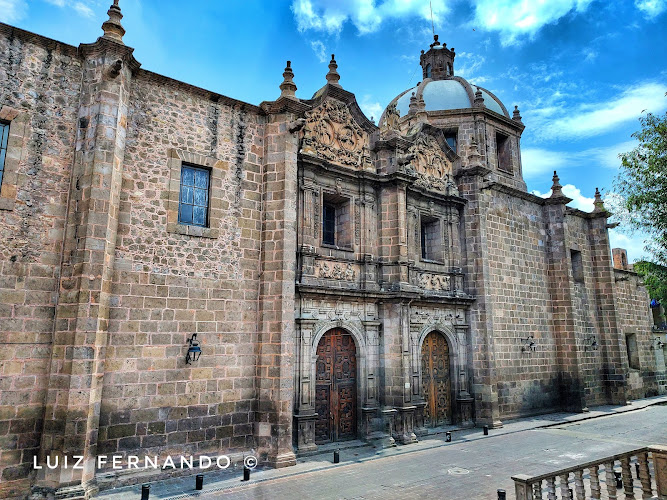
Templo de Santa Rosa de Lima
About Templo de Santa Rosa de Lima
Description
The Templo de Santa Rosa de Lima in Morelia is one of those places that quietly sneaks up on you. At first glance, it might look like just another historic church in the city’s colonial center, but once you step closer, you realize it carries a personality of its own. Its baroque-style architecture is detailed without being overwhelming, and there’s a certain warmth in the way the stone façade catches the light during the late afternoon. Inside, the atmosphere feels calm and contemplative, the kind of space where you can sit for a while and let the centuries of history settle in around you. Some visitors rave about its beauty, while others find it modest compared to Morelia’s grander cathedrals—but that’s part of the charm. It doesn’t try too hard; it simply exists as a piece of living history, still active, still meaningful, and still welcoming anyone who walks through its doors.
Personally, I’ve always found smaller churches like this more memorable than the massive ones. They’re less intimidating, more human in scale. You can actually notice the details—the carvings, the altar, the way the wooden pews creak when you sit down. And if you’re lucky, you might catch a moment when the organ is being played, which fills the space with a sound that feels timeless. Not everyone will be blown away, but if you’re the type of traveler who enjoys slowing down and soaking in the subtler layers of a city, this temple is worth your time.
Key Features
- Baroque-style architecture with intricate stonework and decorative details
- An intimate interior that feels peaceful compared to larger cathedrals
- Religious significance as a functioning Catholic church
- Occasional organ music that enhances the atmosphere
- Rich historical context as part of Morelia’s colonial heritage
- Accessible location within the historic center, easy to combine with nearby attractions
Best Time to Visit
If you ask me, mornings are the best time to visit. The light is softer, the streets are quieter, and you can actually hear your own footsteps as you approach the temple. By midday, the historic center of Morelia tends to get busier, and while that has its own energy, it can make it harder to appreciate the stillness inside. Late afternoons are also lovely, especially if you’re into photography—the golden light makes the stone glow in a way that feels almost cinematic. Sundays can be crowded with parishioners attending Mass, so unless you want to join in the service, it’s better to plan around it.
And here’s a little tip from experience: visiting during one of Morelia’s religious festivals can be a double-edged sword. On one hand, you’ll see the temple alive with processions, music, and decorations. On the other, it can be almost impossible to get a quiet moment. So it really depends on what kind of traveler you are—do you want the raw, festive energy of a city celebrating, or do you want a calm, reflective pause in your day?
How to Get There
The temple is right in the heart of Morelia’s historic center, which means you’ll probably pass by it even if you’re not looking for it. Walking is the easiest way to get there, since the area is compact and filled with other landmarks you’ll want to see along the way. If you’re staying nearby, it’s a pleasant stroll through cobblestone streets lined with colonial buildings. Taxis and ride-hailing apps are available if you’re coming from farther out, but honestly, half the fun is wandering through the center and stumbling upon places like this. Parking can be tricky, so I wouldn’t recommend driving unless you’re very familiar with the area.
For context, Morelia’s historic center is a UNESCO World Heritage Site, so even the journey to the temple feels like part of the experience. You’ll likely pass by plazas, markets, and maybe even a street musician or two. It’s all part of the charm.
Tips for Visiting
First and foremost, remember this is an active place of worship. That means dressing respectfully and keeping your voice down inside. It’s not the kind of place where you want to be snapping selfies loudly or treating it like a backdrop. A little courtesy goes a long way.
Second, give yourself time. Even if you think you’ll just pop in for five minutes, you might find yourself staying longer. The quiet has a way of pulling you in, especially if you’ve been navigating the busier parts of the city. And if you’re into photography, don’t just focus on the façade—look for the small details, like the carvings around the doors or the way the light filters through the windows.
I’d also suggest bringing a small notebook if you’re the reflective type. I once jotted down a few thoughts while sitting in a pew here, and looking back at those notes later, I realized how much the space had influenced my mood. It’s not every day that a building does that.
Lastly, keep in mind that opinions about the temple vary. Some people are absolutely enchanted, while others think it’s “nice but not spectacular.” That’s fine—it’s part of travel. Not every place has to blow your mind. Sometimes, the most meaningful experiences come from spots you didn’t expect to love. And for me, the Templo de Santa Rosa de Lima is exactly that kind of place.
Key Features
- Baroque-style architecture with intricate stonework and decorative details
- An intimate interior that feels peaceful compared to larger cathedrals
- Religious significance as a functioning Catholic church
- Occasional organ music that enhances the atmosphere
- Rich historical context as part of Morelia’s colonial heritage
- Accessible location within the historic center, easy to combine with nearby attractions
More Details
Updated October 1, 2025
Table of Contents
Description
The Templo de Santa Rosa de Lima in Morelia is one of those places that quietly sneaks up on you. At first glance, it might look like just another historic church in the city’s colonial center, but once you step closer, you realize it carries a personality of its own. Its baroque-style architecture is detailed without being overwhelming, and there’s a certain warmth in the way the stone façade catches the light during the late afternoon. Inside, the atmosphere feels calm and contemplative, the kind of space where you can sit for a while and let the centuries of history settle in around you. Some visitors rave about its beauty, while others find it modest compared to Morelia’s grander cathedrals—but that’s part of the charm. It doesn’t try too hard; it simply exists as a piece of living history, still active, still meaningful, and still welcoming anyone who walks through its doors.
Personally, I’ve always found smaller churches like this more memorable than the massive ones. They’re less intimidating, more human in scale. You can actually notice the details—the carvings, the altar, the way the wooden pews creak when you sit down. And if you’re lucky, you might catch a moment when the organ is being played, which fills the space with a sound that feels timeless. Not everyone will be blown away, but if you’re the type of traveler who enjoys slowing down and soaking in the subtler layers of a city, this temple is worth your time.
Key Features
- Baroque-style architecture with intricate stonework and decorative details
- An intimate interior that feels peaceful compared to larger cathedrals
- Religious significance as a functioning Catholic church
- Occasional organ music that enhances the atmosphere
- Rich historical context as part of Morelia’s colonial heritage
- Accessible location within the historic center, easy to combine with nearby attractions
Best Time to Visit
If you ask me, mornings are the best time to visit. The light is softer, the streets are quieter, and you can actually hear your own footsteps as you approach the temple. By midday, the historic center of Morelia tends to get busier, and while that has its own energy, it can make it harder to appreciate the stillness inside. Late afternoons are also lovely, especially if you’re into photography—the golden light makes the stone glow in a way that feels almost cinematic. Sundays can be crowded with parishioners attending Mass, so unless you want to join in the service, it’s better to plan around it.
And here’s a little tip from experience: visiting during one of Morelia’s religious festivals can be a double-edged sword. On one hand, you’ll see the temple alive with processions, music, and decorations. On the other, it can be almost impossible to get a quiet moment. So it really depends on what kind of traveler you are—do you want the raw, festive energy of a city celebrating, or do you want a calm, reflective pause in your day?
How to Get There
The temple is right in the heart of Morelia’s historic center, which means you’ll probably pass by it even if you’re not looking for it. Walking is the easiest way to get there, since the area is compact and filled with other landmarks you’ll want to see along the way. If you’re staying nearby, it’s a pleasant stroll through cobblestone streets lined with colonial buildings. Taxis and ride-hailing apps are available if you’re coming from farther out, but honestly, half the fun is wandering through the center and stumbling upon places like this. Parking can be tricky, so I wouldn’t recommend driving unless you’re very familiar with the area.
For context, Morelia’s historic center is a UNESCO World Heritage Site, so even the journey to the temple feels like part of the experience. You’ll likely pass by plazas, markets, and maybe even a street musician or two. It’s all part of the charm.
Tips for Visiting
First and foremost, remember this is an active place of worship. That means dressing respectfully and keeping your voice down inside. It’s not the kind of place where you want to be snapping selfies loudly or treating it like a backdrop. A little courtesy goes a long way.
Second, give yourself time. Even if you think you’ll just pop in for five minutes, you might find yourself staying longer. The quiet has a way of pulling you in, especially if you’ve been navigating the busier parts of the city. And if you’re into photography, don’t just focus on the façade—look for the small details, like the carvings around the doors or the way the light filters through the windows.
I’d also suggest bringing a small notebook if you’re the reflective type. I once jotted down a few thoughts while sitting in a pew here, and looking back at those notes later, I realized how much the space had influenced my mood. It’s not every day that a building does that.
Lastly, keep in mind that opinions about the temple vary. Some people are absolutely enchanted, while others think it’s “nice but not spectacular.” That’s fine—it’s part of travel. Not every place has to blow your mind. Sometimes, the most meaningful experiences come from spots you didn’t expect to love. And for me, the Templo de Santa Rosa de Lima is exactly that kind of place.
Key Highlights
- Baroque-style architecture with intricate stonework and decorative details
- An intimate interior that feels peaceful compared to larger cathedrals
- Religious significance as a functioning Catholic church
- Occasional organ music that enhances the atmosphere
- Rich historical context as part of Morelia’s colonial heritage
- Accessible location within the historic center, easy to combine with nearby attractions
Location
Places to Stay Near Templo de Santa Rosa de Lima
Find and Book a Tour
Explore More Travel Guides
No reviews found! Be the first to review!
Traveler Reviews for Templo de Santa Rosa de Lima
There are no reviews yet. Be the first one to write one.
Have you visited Templo de Santa Rosa de Lima? Help other travelers by sharing your review.
You Might Also Like
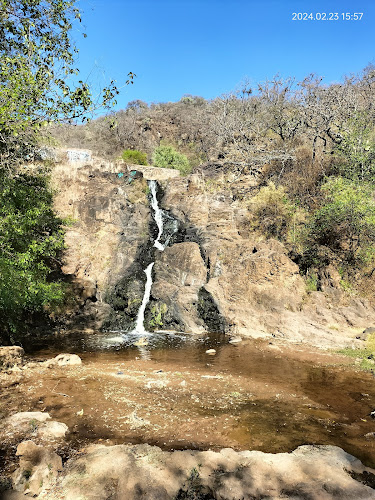
Cascada Rio Chiquito
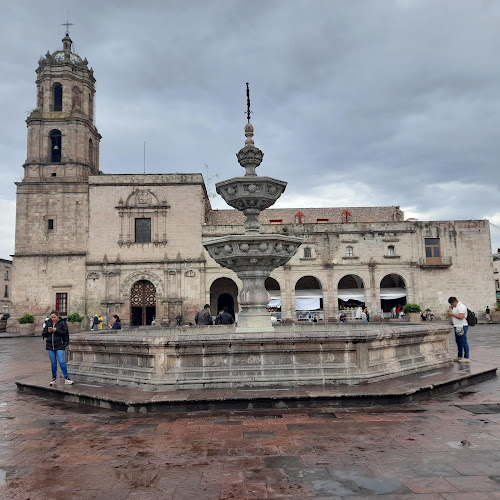
Centro Morelia

Zoológico de Morelia Tirolesa
Find Accommodations Nearby
Recommended Tours & Activities
Visitor Reviews
There are no reviews yet. Be the first one to write one.
Share Your Experience
Have you visited Templo de Santa Rosa de Lima? Help other travelers by leaving a review.