
El Acueducto
About El Acueducto
Description
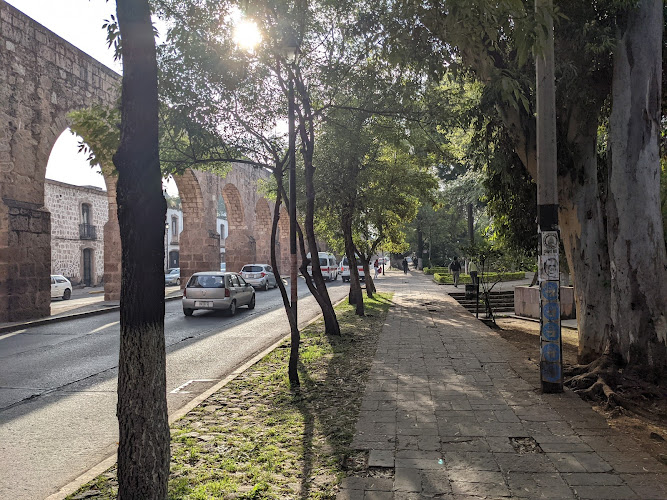
El Acueducto in Morelia is one of those places that quietly takes your breath away. It isn’t flashy in the way some monuments are, but it has this understated grandeur that makes you pause mid-step. Stretching across the historic heart of the city, the aqueduct is a long line of elegant arches that seem to go on forever, blending history, architecture, and daily life in a way that feels authentic rather than staged. You’ll often see locals strolling nearby, kids riding bikes, or even couples sitting on benches just enjoying the shade. That’s what makes it special—it’s not just a relic of the past, it’s part of the living rhythm of Morelia.
What I personally love about El Acueducto is that it feels approachable. Some historic sites can feel untouchable, like you’re only meant to admire from a distance. But here, you’re right up close, walking alongside it, touching the stones, and imagining the centuries of people who relied on it. The aqueduct was originally built to provide water to the city, and while it no longer serves that purpose, its presence is a reminder of the ingenuity and craftsmanship of the people who lived here hundreds of years ago. The stonework is still remarkably intact, and if you’re into architecture, you’ll appreciate the detail and symmetry.
And let’s be honest—part of the charm is how photogenic it is. Whether you’re a serious photographer or just snapping on your phone, the arches frame the city beautifully, especially at golden hour when the light softens and the stone glows warm. It’s one of those places where you don’t need to try too hard to get a good shot. But beyond the photos, what sticks with you is the sense of continuity—how something built so long ago still feels relevant and present in the everyday life of the city.
Key Features
- An impressive series of over 250 arches stretching across the city
- Constructed from local stone, showcasing colonial-era craftsmanship
- Walkable pathways alongside the structure, perfect for exploring on foot
- Family-friendly atmosphere with open spaces suitable for kids
- Scenic views that change dramatically with the time of day and lighting
- Rich historical significance tied to the city’s development and water supply
Best Time to Visit
If you’re planning a trip, timing can make a big difference. Early mornings are peaceful—you’ll mostly encounter locals out for a jog or walking their dogs, and the arches look particularly striking in the soft morning light. Midday can get hot, especially if you’re visiting during the warmer months, so bring water and maybe a hat. Personally, I think late afternoon into early evening is the sweet spot. The sun dips low, casting long shadows that make the arches look even more dramatic, and the atmosphere feels more relaxed. If you’re into photography, this is when you’ll get those golden, glowing shots that make your friends back home jealous.
Another tip: weekends tend to be busier, with families and tourists wandering around, so if you prefer a quieter experience, aim for a weekday. That said, the liveliness of weekends can add to the charm—it really depends on what kind of traveler you are.
How to Get There
Getting to El Acueducto is straightforward, especially if you’re already in Morelia’s historic center. The structure itself is hard to miss—it practically cuts across the city like a stone ribbon. You can walk from many of the main attractions nearby, and honestly, walking is the best way to appreciate it. If you’re staying a bit farther out, taxis and ride-shares are readily available and affordable. Public buses also run through the area, though they can be a bit tricky if you’re not familiar with the routes. I’d say if you’re short on time, just grab a cab—it’s quick and stress-free.
For those who enjoy exploring at a slower pace, consider renting a bike. The roads nearby are fairly bike-friendly, and cycling along the aqueduct gives you a different perspective. Just keep in mind that traffic can be a little unpredictable, so stay alert.
Tips for Visiting
Here’s where the little details can make your visit smoother and more enjoyable. First, wear comfortable shoes. The area around El Acueducto is best explored on foot, and uneven cobblestones can be tough on your feet if you’re not prepared. Second, bring a bottle of water, especially if you’re visiting midday. Shade is limited, and the sun can be surprisingly strong.
If you’re traveling with kids, you’ll be glad to know it’s a family-friendly spot. There’s space for them to run around safely, and the arches themselves often spark curiosity—kids love to count them or guess how long it took to build. For history buffs, I recommend reading a bit about the aqueduct before you go. Knowing its backstory adds depth to what you’re seeing, and you’ll appreciate the engineering even more.
And don’t rush. Take your time walking along the length of the aqueduct. Stop for a coffee at a nearby café, sit on a bench, and just watch the city move around you. That’s when you really feel the character of the place. If you’re into nighttime strolls, the aqueduct is beautifully lit after dark. The arches glow softly, and the whole area takes on a different kind of magic. It’s safe, calm, and honestly one of my favorite times to see it.
One last thing—don’t just look at it from one angle. Walk both sides, cross the nearby streets, and change your perspective. Each view reveals something new, whether it’s the way the arches frame a church in the background or how the light filters through the stone. It’s those little discoveries that make El Acueducto more than just a monument—it becomes part of your own travel story.
Key Features
- An impressive series of over 250 arches stretching across the city
- Constructed from local stone, showcasing colonial-era craftsmanship
- Walkable pathways alongside the structure, perfect for exploring on foot
- Family-friendly atmosphere with open spaces suitable for kids
- Scenic views that change dramatically with the time of day and lighting
- Rich historical significance tied to the city’s development and water supply
More Details
Updated October 1, 2025
Table of Contents
Description
El Acueducto in Morelia is one of those places that quietly takes your breath away. It isn’t flashy in the way some monuments are, but it has this understated grandeur that makes you pause mid-step. Stretching across the historic heart of the city, the aqueduct is a long line of elegant arches that seem to go on forever, blending history, architecture, and daily life in a way that feels authentic rather than staged. You’ll often see locals strolling nearby, kids riding bikes, or even couples sitting on benches just enjoying the shade. That’s what makes it special—it’s not just a relic of the past, it’s part of the living rhythm of Morelia.
What I personally love about El Acueducto is that it feels approachable. Some historic sites can feel untouchable, like you’re only meant to admire from a distance. But here, you’re right up close, walking alongside it, touching the stones, and imagining the centuries of people who relied on it. The aqueduct was originally built to provide water to the city, and while it no longer serves that purpose, its presence is a reminder of the ingenuity and craftsmanship of the people who lived here hundreds of years ago. The stonework is still remarkably intact, and if you’re into architecture, you’ll appreciate the detail and symmetry.
And let’s be honest—part of the charm is how photogenic it is. Whether you’re a serious photographer or just snapping on your phone, the arches frame the city beautifully, especially at golden hour when the light softens and the stone glows warm. It’s one of those places where you don’t need to try too hard to get a good shot. But beyond the photos, what sticks with you is the sense of continuity—how something built so long ago still feels relevant and present in the everyday life of the city.
Key Features
- An impressive series of over 250 arches stretching across the city
- Constructed from local stone, showcasing colonial-era craftsmanship
- Walkable pathways alongside the structure, perfect for exploring on foot
- Family-friendly atmosphere with open spaces suitable for kids
- Scenic views that change dramatically with the time of day and lighting
- Rich historical significance tied to the city’s development and water supply
Best Time to Visit
If you’re planning a trip, timing can make a big difference. Early mornings are peaceful—you’ll mostly encounter locals out for a jog or walking their dogs, and the arches look particularly striking in the soft morning light. Midday can get hot, especially if you’re visiting during the warmer months, so bring water and maybe a hat. Personally, I think late afternoon into early evening is the sweet spot. The sun dips low, casting long shadows that make the arches look even more dramatic, and the atmosphere feels more relaxed. If you’re into photography, this is when you’ll get those golden, glowing shots that make your friends back home jealous.
Another tip: weekends tend to be busier, with families and tourists wandering around, so if you prefer a quieter experience, aim for a weekday. That said, the liveliness of weekends can add to the charm—it really depends on what kind of traveler you are.
How to Get There
Getting to El Acueducto is straightforward, especially if you’re already in Morelia’s historic center. The structure itself is hard to miss—it practically cuts across the city like a stone ribbon. You can walk from many of the main attractions nearby, and honestly, walking is the best way to appreciate it. If you’re staying a bit farther out, taxis and ride-shares are readily available and affordable. Public buses also run through the area, though they can be a bit tricky if you’re not familiar with the routes. I’d say if you’re short on time, just grab a cab—it’s quick and stress-free.
For those who enjoy exploring at a slower pace, consider renting a bike. The roads nearby are fairly bike-friendly, and cycling along the aqueduct gives you a different perspective. Just keep in mind that traffic can be a little unpredictable, so stay alert.
Tips for Visiting
Here’s where the little details can make your visit smoother and more enjoyable. First, wear comfortable shoes. The area around El Acueducto is best explored on foot, and uneven cobblestones can be tough on your feet if you’re not prepared. Second, bring a bottle of water, especially if you’re visiting midday. Shade is limited, and the sun can be surprisingly strong.
If you’re traveling with kids, you’ll be glad to know it’s a family-friendly spot. There’s space for them to run around safely, and the arches themselves often spark curiosity—kids love to count them or guess how long it took to build. For history buffs, I recommend reading a bit about the aqueduct before you go. Knowing its backstory adds depth to what you’re seeing, and you’ll appreciate the engineering even more.
And don’t rush. Take your time walking along the length of the aqueduct. Stop for a coffee at a nearby café, sit on a bench, and just watch the city move around you. That’s when you really feel the character of the place. If you’re into nighttime strolls, the aqueduct is beautifully lit after dark. The arches glow softly, and the whole area takes on a different kind of magic. It’s safe, calm, and honestly one of my favorite times to see it.
One last thing—don’t just look at it from one angle. Walk both sides, cross the nearby streets, and change your perspective. Each view reveals something new, whether it’s the way the arches frame a church in the background or how the light filters through the stone. It’s those little discoveries that make El Acueducto more than just a monument—it becomes part of your own travel story.
Key Highlights
- An impressive series of over 250 arches stretching across the city
- Constructed from local stone, showcasing colonial-era craftsmanship
- Walkable pathways alongside the structure, perfect for exploring on foot
- Family-friendly atmosphere with open spaces suitable for kids
- Scenic views that change dramatically with the time of day and lighting
- Rich historical significance tied to the city’s development and water supply
Location
Places to Stay Near El Acueducto
Find and Book a Tour
Explore More Travel Guides
No reviews found! Be the first to review!
Traveler Reviews for El Acueducto
There are no reviews yet. Be the first one to write one.
Have you visited El Acueducto? Help other travelers by sharing your review.
You Might Also Like
Templo de Santa Rosa de Lima
Museo del Estado
Arboretum
Find Accommodations Nearby
Recommended Tours & Activities
Visitor Reviews
There are no reviews yet. Be the first one to write one.
Share Your Experience
Have you visited El Acueducto? Help other travelers by leaving a review.