
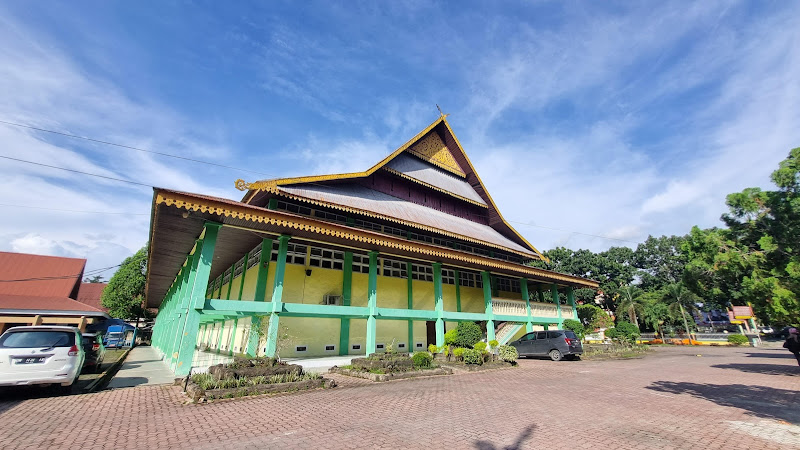
Cultural Park Riau Province
About Cultural Park Riau Province
Description
If you’re looking to dive deep into the heart of Riau Province’s culture, the Cultural Park Riau Province is one of those spots that really gives you a sense of place—like stepping into a living scrapbook of local heritage. It’s not just your average park with some greenery and benches; this place is a sprawling cultural complex where the arts, traditions, and stories of the Malay people and other ethnic groups come alive. You’ll find buildings dedicated to art exhibits and traditional dance, plus an open-air theater that hosts performances that can really knock your socks off if you’re lucky enough to catch a show. The vibe here is very much about preserving and celebrating the culture, but it doesn’t feel stiff or museum-like. It’s more like a community hub where locals and tourists mingle during festivals and events.
Now, fair warning—this isn’t a fully wheelchair-accessible site, so if mobility is a concern, you might find some parts tricky to navigate. But for families with kids, it’s a pretty good spot. There are public restrooms, which you’ll appreciate after wandering around for hours, and the whole area has a relaxed, open feel that makes it a nice place to unwind while soaking up some history. The park manages to balance being educational and entertaining, which isn’t always easy, but it pulls it off.
Key Features
- Hosts a variety of cultural festivals and traditional events throughout the year, offering visitors a chance to witness authentic local celebrations.
- Dedicated buildings showcasing traditional Malay arts, crafts, and dance, giving a close-up look at the region’s rich artistic heritage.
- Open-air theater for live performances, from traditional dances to contemporary cultural shows, creating a unique outdoor experience.
- Family-friendly environment with amenities like public restrooms and areas suitable for children to explore and learn.
- Central location in Pekanbaru, making it easily accessible for travelers staying in the city.
- A space that actively promotes cultural preservation and environmental awareness, adding depth to your visit beyond just sightseeing.
Best Time to Visit
Timing your visit right can really make or break your experience here. The park shines brightest during its festival seasons when the place bursts with color, music, and dance. If you’re the kind of traveler who loves to catch local festivities, aim for the dry season, typically from April to October. The weather’s more cooperative then—less chance of those sudden tropical downpours that can put a damper on outdoor performances. Plus, the air feels fresher and the skies clearer, which makes wandering around the park a lot more enjoyable.
That said, even outside festival times, the park has a calm charm. Weekdays tend to be quieter, so if you prefer a more laid-back experience without the crowds, midweek visits are your best bet. Weekends can get busier with locals and tourists alike, especially if there’s an event on.
How to Get There
Getting to Cultural Park Riau Province is pretty straightforward if you’re based in Pekanbaru, the capital city of Riau. It’s right in the city, so you won’t need to venture far. Most visitors grab a taxi or use ride-hailing apps, which are widely available and affordable. If you’re feeling adventurous and want to soak in more of the local vibe, hopping on a local angkot (public minibus) can be a fun way to get there, though it’s a bit less convenient if you’re on a tight schedule or carrying luggage.
For those coming from outside Pekanbaru, the city’s airport connects well with major Indonesian hubs, so a domestic flight followed by a short taxi ride is usually the easiest route. Driving yourself? Parking is available, but keep in mind it might get crowded during big events. And if you’re planning to combine your visit with other city sights, the park’s central location makes it a perfect stop on a day tour.
Tips for Visiting
Alright, here’s where I get to share some insider nuggets that might save you a bit of hassle or just make your visit smoother. First off, wear comfortable shoes. The park’s expansive, and there’s a fair bit of walking involved, especially if you want to explore all the different buildings and open spaces. Also, bring some cash with you—while the park itself doesn’t charge an entry fee, some events or exhibitions might, and not all vendors accept cards.
Don’t overlook the chance to chat with locals if you get the opportunity. The people involved in the festivals and performances are often more than happy to share stories and explain the significance behind their dances or crafts. It’s those little personal interactions that really make the culture come alive, at least for me, they do.
Oh, and if you’re visiting during a festival, try to get there early. The best spots for watching performances fill up quickly, and the atmosphere early in the day is just magical—vendors setting up, performers warming up, and that buzz of anticipation in the air. Also, pack a bottle of water and maybe a hat or sunscreen, because shade can be limited during outdoor events.
Finally, while it’s not fully wheelchair accessible, don’t let that discourage you if you’re traveling with someone who has mobility challenges. Some areas are easier to navigate than others, and the staff are generally helpful and accommodating, so it’s worth asking about specific access needs in advance.
Visiting Cultural Park Riau Province isn’t just about ticking off a tourist spot; it’s about stepping into a world where culture, history, and community intertwine. Whether you’re a history buff, a culture enthusiast, or just someone who loves a good story told through dance and art, this place has a way of sticking with you long after you’ve left. Trust me, it’s one of those gems where you come away feeling a little richer in experience—and isn’t that what travel’s all about?
Key Features
- Hosts a variety of cultural festivals and traditional events throughout the year, offering visitors a chance to witness authentic local celebrations.
- Dedicated buildings showcasing traditional Malay arts, crafts, and dance, giving a close-up look at the region’s rich artistic heritage.
- Open-air theater for live performances, from traditional dances to contemporary cultural shows, creating a unique outdoor experience.
- Family-friendly environment with amenities like public restrooms and areas suitable for children to explore and learn.
- Central location in Pekanbaru, making it easily accessible for travelers staying in the city.
- A space that actively promotes cultural preservation and environmental awareness, adding depth to your visit beyond just sightseeing.
More Details
Updated July 22, 2025
Table of Contents
Description
If you’re looking to dive deep into the heart of Riau Province’s culture, the Cultural Park Riau Province is one of those spots that really gives you a sense of place—like stepping into a living scrapbook of local heritage. It’s not just your average park with some greenery and benches; this place is a sprawling cultural complex where the arts, traditions, and stories of the Malay people and other ethnic groups come alive. You’ll find buildings dedicated to art exhibits and traditional dance, plus an open-air theater that hosts performances that can really knock your socks off if you’re lucky enough to catch a show. The vibe here is very much about preserving and celebrating the culture, but it doesn’t feel stiff or museum-like. It’s more like a community hub where locals and tourists mingle during festivals and events.
Now, fair warning—this isn’t a fully wheelchair-accessible site, so if mobility is a concern, you might find some parts tricky to navigate. But for families with kids, it’s a pretty good spot. There are public restrooms, which you’ll appreciate after wandering around for hours, and the whole area has a relaxed, open feel that makes it a nice place to unwind while soaking up some history. The park manages to balance being educational and entertaining, which isn’t always easy, but it pulls it off.
Key Features
- Hosts a variety of cultural festivals and traditional events throughout the year, offering visitors a chance to witness authentic local celebrations.
- Dedicated buildings showcasing traditional Malay arts, crafts, and dance, giving a close-up look at the region’s rich artistic heritage.
- Open-air theater for live performances, from traditional dances to contemporary cultural shows, creating a unique outdoor experience.
- Family-friendly environment with amenities like public restrooms and areas suitable for children to explore and learn.
- Central location in Pekanbaru, making it easily accessible for travelers staying in the city.
- A space that actively promotes cultural preservation and environmental awareness, adding depth to your visit beyond just sightseeing.
Best Time to Visit
Timing your visit right can really make or break your experience here. The park shines brightest during its festival seasons when the place bursts with color, music, and dance. If you’re the kind of traveler who loves to catch local festivities, aim for the dry season, typically from April to October. The weather’s more cooperative then—less chance of those sudden tropical downpours that can put a damper on outdoor performances. Plus, the air feels fresher and the skies clearer, which makes wandering around the park a lot more enjoyable.
That said, even outside festival times, the park has a calm charm. Weekdays tend to be quieter, so if you prefer a more laid-back experience without the crowds, midweek visits are your best bet. Weekends can get busier with locals and tourists alike, especially if there’s an event on.
How to Get There
Getting to Cultural Park Riau Province is pretty straightforward if you’re based in Pekanbaru, the capital city of Riau. It’s right in the city, so you won’t need to venture far. Most visitors grab a taxi or use ride-hailing apps, which are widely available and affordable. If you’re feeling adventurous and want to soak in more of the local vibe, hopping on a local angkot (public minibus) can be a fun way to get there, though it’s a bit less convenient if you’re on a tight schedule or carrying luggage.
For those coming from outside Pekanbaru, the city’s airport connects well with major Indonesian hubs, so a domestic flight followed by a short taxi ride is usually the easiest route. Driving yourself? Parking is available, but keep in mind it might get crowded during big events. And if you’re planning to combine your visit with other city sights, the park’s central location makes it a perfect stop on a day tour.
Tips for Visiting
Alright, here’s where I get to share some insider nuggets that might save you a bit of hassle or just make your visit smoother. First off, wear comfortable shoes. The park’s expansive, and there’s a fair bit of walking involved, especially if you want to explore all the different buildings and open spaces. Also, bring some cash with you—while the park itself doesn’t charge an entry fee, some events or exhibitions might, and not all vendors accept cards.
Don’t overlook the chance to chat with locals if you get the opportunity. The people involved in the festivals and performances are often more than happy to share stories and explain the significance behind their dances or crafts. It’s those little personal interactions that really make the culture come alive, at least for me, they do.
Oh, and if you’re visiting during a festival, try to get there early. The best spots for watching performances fill up quickly, and the atmosphere early in the day is just magical—vendors setting up, performers warming up, and that buzz of anticipation in the air. Also, pack a bottle of water and maybe a hat or sunscreen, because shade can be limited during outdoor events.
Finally, while it’s not fully wheelchair accessible, don’t let that discourage you if you’re traveling with someone who has mobility challenges. Some areas are easier to navigate than others, and the staff are generally helpful and accommodating, so it’s worth asking about specific access needs in advance.
Visiting Cultural Park Riau Province isn’t just about ticking off a tourist spot; it’s about stepping into a world where culture, history, and community intertwine. Whether you’re a history buff, a culture enthusiast, or just someone who loves a good story told through dance and art, this place has a way of sticking with you long after you’ve left. Trust me, it’s one of those gems where you come away feeling a little richer in experience—and isn’t that what travel’s all about?
Key Highlights
- Hosts a variety of cultural festivals and traditional events throughout the year, offering visitors a chance to witness authentic local celebrations.
- Dedicated buildings showcasing traditional Malay arts, crafts, and dance, giving a close-up look at the region’s rich artistic heritage.
- Open-air theater for live performances, from traditional dances to contemporary cultural shows, creating a unique outdoor experience.
- Family-friendly environment with amenities like public restrooms and areas suitable for children to explore and learn.
- Central location in Pekanbaru, making it easily accessible for travelers staying in the city.
- A space that actively promotes cultural preservation and environmental awareness, adding depth to your visit beyond just sightseeing.
Location
Places to Stay Near Cultural Park Riau Province
Find and Book a Tour
Explore More Travel Guides
No reviews found! Be the first to review!
Traveler Reviews for Cultural Park Riau Province
There are no reviews yet. Be the first one to write one.
Have you visited Cultural Park Riau Province? Help other travelers by sharing your review.
You Might Also Like
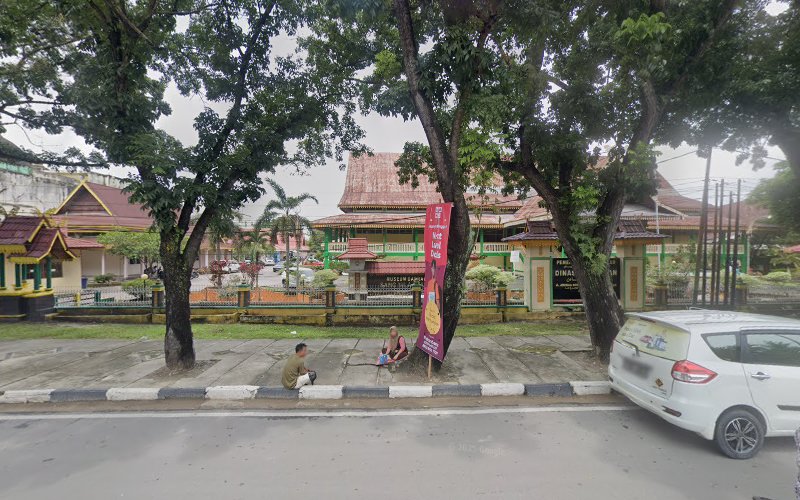
Tangkerang Pekanbaru Jl. Jend. Sudirman No.194
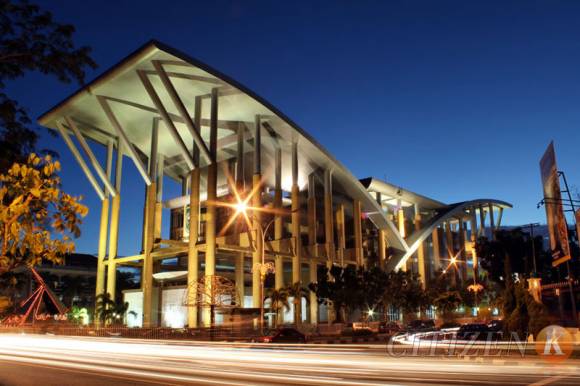
Soeman HS Provincial Library of Riau

Taman Tunjuk Ajar Integritas
Find Accommodations Nearby
Recommended Tours & Activities
Visitor Reviews
There are no reviews yet. Be the first one to write one.
Share Your Experience
Have you visited Cultural Park Riau Province? Help other travelers by leaving a review.