
arianamuriqi
About arianamuriqi
Description
Arianamuriqi is not the kind of museum you just walk through in silence and forget about the next day. It’s the sort of place that lingers in your thoughts, partly because of the way it blends history with a very personal touch. Unlike some of the more polished, almost too-perfect institutions, this museum feels alive, like it’s constantly whispering stories from the past but in a way that’s approachable even if you’re not a history buff. Travelers who’ve been here often mention how welcoming it is for families with kids, and that’s something I can vouch for. You don’t need to worry about little ones feeling out of place—they’ll find plenty to keep their attention, and you won’t be shushed for letting them ask a million questions.
What makes it stand out to me is the balance between being informative and being comfortable. You’ll find exhibits that cover national heritage, art, and cultural identity, but instead of overwhelming you with endless plaques and dates, the displays are arranged in a way that feels digestible. It’s the kind of museum where you can wander at your own pace, pause when something catches your eye, and not feel pressured to rush along. And honestly, I’ve been to plenty of museums that left me drained—this one left me curious, even energized. Sure, not every corner will blow you away, but that’s part of the charm. It’s honest, it’s human, and it doesn’t pretend to be something it’s not.
Key Features
- A collection that highlights national heritage and cultural identity
- Exhibits designed to be engaging for both adults and children
- Interactive elements that make learning feel natural rather than forced
- Spaces that allow for reflection as well as exploration
- A welcoming atmosphere that doesn’t feel overly formal
Best Time to Visit
If you’re like me and prefer to avoid crowds, mornings during the week are golden. You’ll have room to breathe, take your time, and maybe even snag a quiet corner for yourself. Weekends can get busier, especially with families, but that’s not necessarily a bad thing—it adds a certain energy to the place. Seasonal differences aren’t dramatic here, but in the cooler months, the museum provides a cozy escape from the wind and rain, while in summer it’s a refreshing break from the heat outside. I personally loved visiting in the fall; there’s something about stepping out of the crisp air into the warmth of the exhibits that just feels right.
How to Get There
Reaching the museum is straightforward, and that’s a relief when you’re traveling in a new city. Public transport options are reliable, and even if you’re not familiar with the area, you won’t feel lost. Walking is also a great choice if you’re staying nearby—it gives you a chance to absorb the rhythm of the city on your way. Taxis and rideshares are easy to find, and if you’re driving, parking isn’t as stressful as in some other European capitals. Personally, I enjoy walking there because you get to see the everyday life of the city unfold around you, which feels like part of the adventure.
Tips for Visiting
Here’s the thing: don’t rush it. Give yourself at least a couple of hours, even if you think you’re “not really a museum person.” There’s more to see than you might expect, and the slower you go, the more details you’ll notice. If you’re traveling with kids, bring along some snacks and water—they’ll thank you later. Photography is usually allowed, but always double-check the signs before snapping away. And wear comfortable shoes; you’ll be on your feet more than you realize.
One more tip from personal experience: talk to the staff. They’re not just there to point you to the restroom—they often have fascinating insights or stories that aren’t written on the walls. I remember chatting with one curator who shared a behind-the-scenes detail about how a particular exhibit came together, and it completely changed the way I looked at it. Little moments like that make the visit feel personal, almost like you’re part of the story instead of just a spectator.
If you’re the type who likes to plan, check ahead for any temporary exhibitions or events. They can add a whole new layer to your visit. And if you’re more spontaneous, just wander in—you’ll still find plenty to enjoy. Either way, don’t skip it. Arianamuriqi is one of those places that quietly surprises you, and honestly, isn’t that what travel is all about?
Key Features
- A collection that highlights national heritage and cultural identity
- Exhibits designed to be engaging for both adults and children
- Interactive elements that make learning feel natural rather than forced
- Spaces that allow for reflection as well as exploration
- A welcoming atmosphere that doesn’t feel overly formal
More Details
Updated October 1, 2025
Description
Arianamuriqi is not the kind of museum you just walk through in silence and forget about the next day. It’s the sort of place that lingers in your thoughts, partly because of the way it blends history with a very personal touch. Unlike some of the more polished, almost too-perfect institutions, this museum feels alive, like it’s constantly whispering stories from the past but in a way that’s approachable even if you’re not a history buff. Travelers who’ve been here often mention how welcoming it is for families with kids, and that’s something I can vouch for. You don’t need to worry about little ones feeling out of place—they’ll find plenty to keep their attention, and you won’t be shushed for letting them ask a million questions.
What makes it stand out to me is the balance between being informative and being comfortable. You’ll find exhibits that cover national heritage, art, and cultural identity, but instead of overwhelming you with endless plaques and dates, the displays are arranged in a way that feels digestible. It’s the kind of museum where you can wander at your own pace, pause when something catches your eye, and not feel pressured to rush along. And honestly, I’ve been to plenty of museums that left me drained—this one left me curious, even energized. Sure, not every corner will blow you away, but that’s part of the charm. It’s honest, it’s human, and it doesn’t pretend to be something it’s not.
Key Features
- A collection that highlights national heritage and cultural identity
- Exhibits designed to be engaging for both adults and children
- Interactive elements that make learning feel natural rather than forced
- Spaces that allow for reflection as well as exploration
- A welcoming atmosphere that doesn’t feel overly formal
Best Time to Visit
If you’re like me and prefer to avoid crowds, mornings during the week are golden. You’ll have room to breathe, take your time, and maybe even snag a quiet corner for yourself. Weekends can get busier, especially with families, but that’s not necessarily a bad thing—it adds a certain energy to the place. Seasonal differences aren’t dramatic here, but in the cooler months, the museum provides a cozy escape from the wind and rain, while in summer it’s a refreshing break from the heat outside. I personally loved visiting in the fall; there’s something about stepping out of the crisp air into the warmth of the exhibits that just feels right.
How to Get There
Reaching the museum is straightforward, and that’s a relief when you’re traveling in a new city. Public transport options are reliable, and even if you’re not familiar with the area, you won’t feel lost. Walking is also a great choice if you’re staying nearby—it gives you a chance to absorb the rhythm of the city on your way. Taxis and rideshares are easy to find, and if you’re driving, parking isn’t as stressful as in some other European capitals. Personally, I enjoy walking there because you get to see the everyday life of the city unfold around you, which feels like part of the adventure.
Tips for Visiting
Here’s the thing: don’t rush it. Give yourself at least a couple of hours, even if you think you’re “not really a museum person.” There’s more to see than you might expect, and the slower you go, the more details you’ll notice. If you’re traveling with kids, bring along some snacks and water—they’ll thank you later. Photography is usually allowed, but always double-check the signs before snapping away. And wear comfortable shoes; you’ll be on your feet more than you realize.
One more tip from personal experience: talk to the staff. They’re not just there to point you to the restroom—they often have fascinating insights or stories that aren’t written on the walls. I remember chatting with one curator who shared a behind-the-scenes detail about how a particular exhibit came together, and it completely changed the way I looked at it. Little moments like that make the visit feel personal, almost like you’re part of the story instead of just a spectator.
If you’re the type who likes to plan, check ahead for any temporary exhibitions or events. They can add a whole new layer to your visit. And if you’re more spontaneous, just wander in—you’ll still find plenty to enjoy. Either way, don’t skip it. Arianamuriqi is one of those places that quietly surprises you, and honestly, isn’t that what travel is all about?
Key Highlights
- A collection that highlights national heritage and cultural identity
- Exhibits designed to be engaging for both adults and children
- Interactive elements that make learning feel natural rather than forced
- Spaces that allow for reflection as well as exploration
- A welcoming atmosphere that doesn’t feel overly formal
Location
Places to Stay Near arianamuriqi
Find and Book a Tour
Explore More Travel Guides
No reviews found! Be the first to review!
Traveler Reviews for arianamuriqi
There are no reviews yet. Be the first one to write one.
Have you visited arianamuriqi? Help other travelers by sharing your review.
You Might Also Like
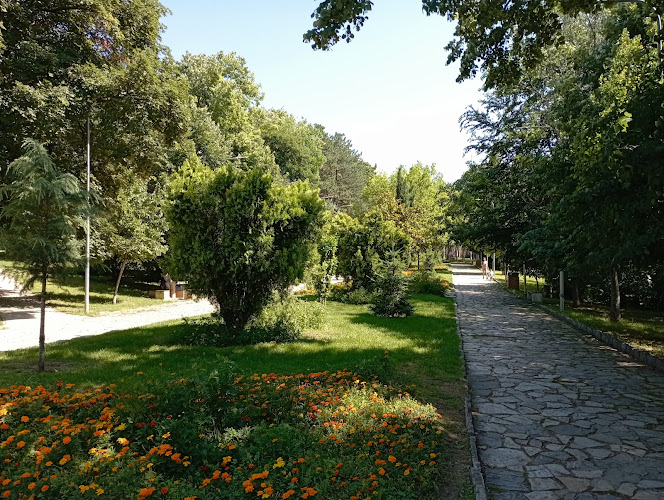
Parku i Qytetit
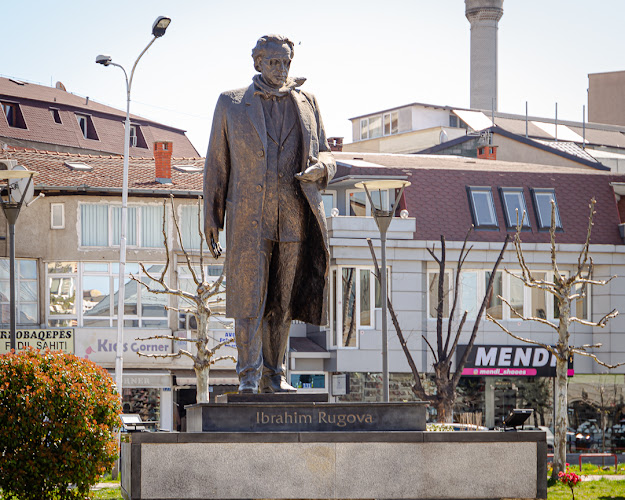
Ibrahim Rugova Statue
Ibrahim Lutfiu
Find Accommodations Nearby
Recommended Tours & Activities
Visitor Reviews
There are no reviews yet. Be the first one to write one.
Share Your Experience
Have you visited arianamuriqi? Help other travelers by leaving a review.