South Korea Trip Cost: 7 Days, $1000, Unforgettable Memories
Updated February 20, 2025
Planning a trip to South Korea? You’re in for an amazing adventure! This fascinating country offers a perfect blend of ancient traditions and cutting-edge technology. But before you pack your bags, let’s talk money. Two people typically spend around $4,900 on a one-week trip to South Korea, but prices can vary based on your travel style.
Whether you’re a budget backpacker or a luxury traveler, South Korea has options for everyone. You’ll find world-class public transportation, delicious street food, and stunning temples all within reach. The country’s efficient subway systems and high-speed trains make getting around a breeze, while its vibrant food scene will tantalize your taste buds without breaking the bank.
From bustling Seoul to the serene countryside, South Korea offers diverse experiences at different price points. We’ll break down the costs for accommodation, food, transportation, and activities to help you plan your perfect Korean getaway. Get ready to explore this captivating destination without stressing about your wallet!
Key Takeaways
- Trip costs vary widely based on travel style and preferences
- Public transportation and street food can help keep expenses down
- Balancing splurges with budget-friendly options creates an unforgettable experience
Understanding the Costs of Korean Travel
Planning a trip to South Korea involves knowing what to expect financially. Let’s break down the key expenses you’ll encounter, from flights and hotels to getting around the country.
Overview of Travel Budget
A week-long trip to South Korea for two people typically costs around $1,734. This covers the basics like accommodation, food, local transport, and sightseeing. But your actual expenses can vary based on your travel style.
Budget travelers can get by on $50-70 per day. This means staying in hostels, eating at local spots, and using public transport. Mid-range travelers should plan for $100-150 daily. This allows for nicer hotels and more restaurant meals.
Luxury travelers can easily spend $200+ per day. This covers high-end hotels, fine dining, and private tours.
Remember, prices in Korea are generally lower than in Western countries. You can enjoy great food and experiences without breaking the bank.
Cost of Flights
Flight prices to South Korea vary widely depending on your departure city and when you book. From the US, expect to pay $700-1200 for a round-trip ticket. European flights often range from €500-900.
To save money, try to book your flight during off-peak seasons like late fall or early spring. Avoid summer and major Korean holidays when prices spike.
Consider flights to Busan instead of Seoul. They’re often cheaper, and you can easily take a train to the capital.
Look for deals from Korean airlines like Korean Air or Asiana. They sometimes offer better prices than other carriers.
Accommodation Costs

Korea offers a range of places to stay, from budget-friendly hostels to luxury hotels. Here’s what you can expect to pay:
- Hostels: $15-30 per night for a dorm bed
- Budget hotels: $40-70 per night
- Mid-range hotels: $80-150 per night
- Luxury hotels: $200+ per night
For a unique experience, try a hanok hotel. These traditional Korean houses usually cost $70-150 per night.
In Seoul and Busan, prices tend to be higher. Consider staying in less touristy areas to save money.
Many Korean hotels offer free amenities like breakfast and Wi-Fi. This can help offset your costs.
Transportation Expenses

Getting around Korea is easy and relatively cheap. Here’s a breakdown of transport costs:
- Subway ride: $1-2
- Bus ride: $1-1.50
- Taxi start fare: $3-4
- High-speed train (KTX) from Seoul to Busan: $50-70
Consider getting a T-money card for public transport. It works on subways and buses across the country and offers small discounts.
For longer trips, compare train and bus prices. Buses are often cheaper but take longer.
Renting a car isn’t necessary in cities but can be useful for exploring rural areas. Expect to pay $40-70 per day.
Remember, taxis are metered and honest. They’re a good option for late-night travel when public transport is limited.
Choosing Your Accommodation

Finding the right place to stay can make or break your South Korea trip. Your choice affects your budget and overall experience. Let’s look at some options to suit different tastes and wallets.
Hotel Options
Seoul and Busan offer a wide range of hotels for every budget. Luxury hotels in prime locations can cost $200-300 per night. Mid-range options run about $100-150. Budget hotels are available for $50-80.
In Seoul, try staying in popular areas like Myeongdong or Hongdae. These spots put you close to shops and nightlife. Busan’s Haeundae Beach area has many beachfront hotels with great views.
Remember, prices often go up during peak seasons like cherry blossom time. Book early to get the best deals.
Hostel and Dormitory Stays
Hostels are a great way to save money and meet other travelers. You can find dorm beds for as little as $15-25 per night in Seoul and Busan. Many hostels offer private rooms too, usually for $40-60.
Look for hostels with good reviews and social areas. Some even organize group activities or tours. This can be a fun way to explore the city and make new friends.
In busy areas, book ahead. Hostels in popular spots like Hongdae in Seoul can fill up fast, especially on weekends.
Alternative Lodging
For a unique experience, try a hanok stay. These traditional Korean houses offer a glimpse into old Korea. Prices vary but expect to pay $70-150 per night. Jeonju and Seoul’s Bukchon area are great places to try this.
Vacation rentals can be a good option for groups or longer stays. You can find apartments in Seoul for $50-100 per night. This can save you money on food by letting you cook some meals.
On Jeju Island, consider staying at a pension. These family-run guesthouses often have kitchenettes and are cheaper than hotels. Prices start around $50-80 per night.
Eating Out – The Food Scene
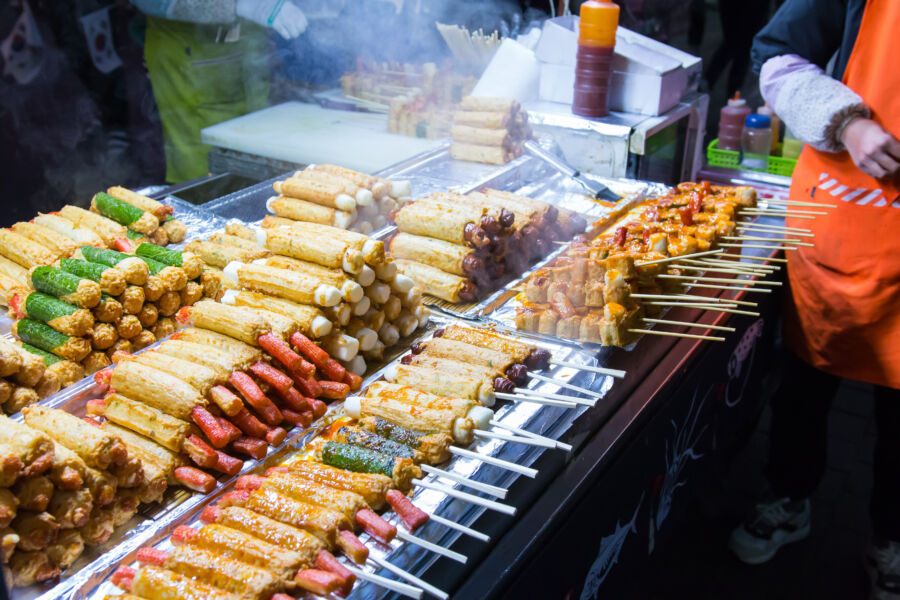
South Korea offers a diverse and exciting culinary landscape. From bustling street markets to high-end restaurants, you’ll find plenty of options to satisfy your taste buds and budget.
Street Food Culture
Korean street food is a must-try experience. You’ll find vendors selling tasty snacks and quick meals at affordable prices. Tteokbokki (spicy rice cakes) is a popular choice, costing around 3,000-5,000 won. Odeng (fish cakes) and gimbap (seaweed rice rolls) are other cheap eats, priced at 1,000-3,000 won per serving.
For a filling meal, try a cup of budae jjigae (army stew) for about 5,000-7,000 won. Don’t miss out on hotteok, a sweet pancake filled with nuts and syrup, usually priced at 1,000-2,000 won.
Street food markets like Gwangjang Market in Seoul or Nampo-dong in Busan offer a wide variety of options. You can easily enjoy a satisfying meal for under 10,000 won.
Restaurant Dining
Sit-down restaurants in Korea cater to different budgets. A basic meal at a local eatery might cost 8,000-15,000 won per person. Mid-range restaurants typically charge 15,000-30,000 won for a meal.
Korean barbecue is a popular dining experience. Expect to pay around 15,000-25,000 won per person for pork, or 20,000-35,000 won for beef. Many barbecue places have minimum order requirements for two people.
For budget-friendly options, look for kimbap restaurants or “bunsik” shops. These serve simple meals like bibimbap or kimchi jjigae for 5,000-10,000 won.
Tipping isn’t expected in Korea, so you don’t need to factor that into your dining budget.
Food Tours and Experiences
Food tours are a great way to explore Korean cuisine. Prices vary, but expect to pay around 50,000-100,000 won for a guided tour. These often include visits to markets, street food stalls, and local restaurants.
Cooking classes are another fun option. You can learn to make dishes like bibimbap or kimchi. Prices range from 40,000-80,000 won for a few hours’ session.
Some traditional markets offer free samples. Nandaemun Market in Seoul is known for this. You can taste various Korean snacks and ingredients without spending a won.
Remember to book food experiences in advance, especially during peak tourist seasons. It’s a smart way to guarantee your spot and sometimes get better rates.
Getting Around – Transportation Insights
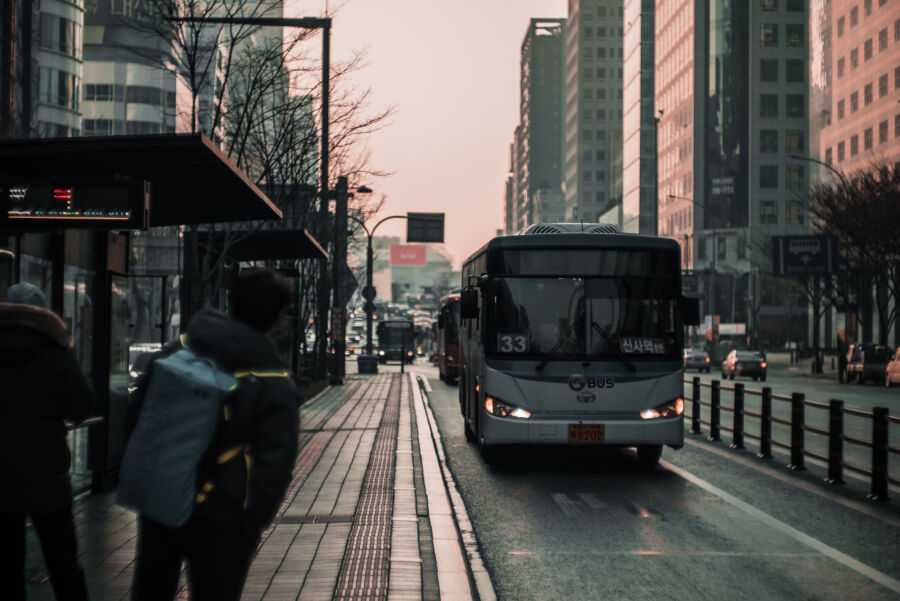
South Korea’s transportation system is efficient and budget-friendly. You’ll find plenty of options to explore cities and reach far-flung destinations without breaking the bank.
Public Transport Networks
Seoul and Busan boast extensive subway systems that’ll get you around quickly and cheaply. A one-way subway fare in Seoul costs about 1,350 won ($1.15). Grab a rechargeable T-money card to save time and a bit of cash. It works on subways, buses, and even taxis in most cities.
City buses are another great option. They’re cheap and go almost everywhere. In Seoul, a local bus ride costs around 1,200 won ($1). Express buses cost a bit more but are faster.
For longer trips between cities, intercity buses are comfy and affordable. A 3-hour ride from Seoul to Busan might set you back 30,000 won ($25).
Private and Rental Options
Taxis are easy to find in cities. The base fare in Seoul is about 3,800 won ($3.20), with rates going up at night. For longer trips or day tours, consider hiring a driver. It’s pricier but can be worth it for convenience.
Renting a car gives you freedom, especially for exploring national parks or rural areas. You can find cheap rental options starting around 40,000 won ($34) per day. Just keep in mind that traffic in big cities can be tough.
Inter-City Travel Methods
The KTX high-speed train is the fastest way to zip between major cities. Seoul to Busan takes just 2.5 hours and costs about 59,800 won ($50). Book in advance for the best deals.
For budget travelers, slower trains like the Mugunghwa are cheaper. The same Seoul to Busan trip might take 5 hours but only cost 28,600 won ($24).
Domestic flights can be a time-saver for long distances. A round-trip from Seoul to Jeju Island often costs around 100,000 won ($85). Book early for the best prices.
Sightseeing and Activities

South Korea offers a wealth of sightseeing and activity options. From ancient palaces to modern entertainment, you’ll find plenty to keep you busy during your trip.
Cultural Heritage Sites
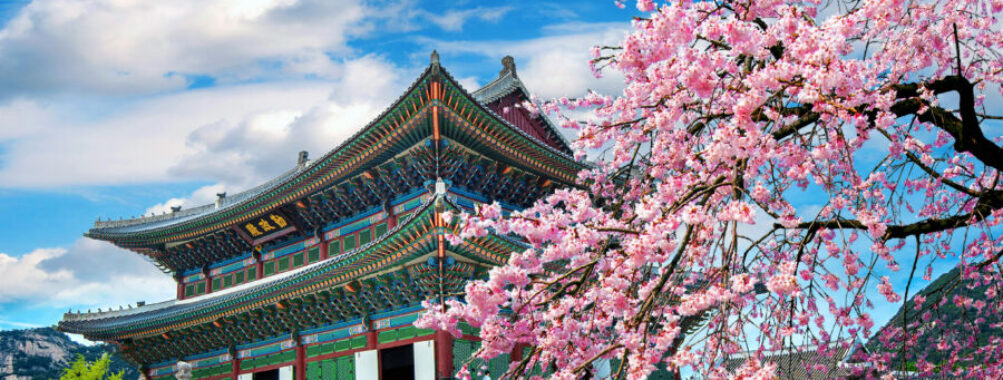
Gyeongbokgung Palace in Seoul is a must-see. This grand complex showcases traditional Korean architecture and royal life. Tickets cost about $3 for adults. Nearby, stroll through Bukchon Hanok Village to see well-preserved traditional homes.
Changdeokgung Palace, a UNESCO World Heritage Site, is known for its beautiful Secret Garden. Guided tours are available for around $8. Don’t miss Bulguksa Temple in Gyeongju, another UNESCO site. The entrance fee is about $5.
For a unique experience, visit the DMZ. Tours typically cost $50-100, depending on the package. These trips offer a glimpse into the tense relationship between North and South Korea.
Natural Attractions
Korea’s national parks are perfect for hiking and enjoying nature. Seoraksan National Park is a favorite, with stunning mountain views. Entry fees usually range from $3 to $5.
Beach lovers should head to Haeundae Beach in Busan. It’s free to enjoy the sand and surf. For a different seaside experience, check out Gamcheon Culture Village. This colorful hillside community is often called the “Santorini of Korea.”
If you’re in Seoul, take a cable car up Namsan Mountain for panoramic city views. The round-trip ride costs about $9.
Entertainment and Nightlife
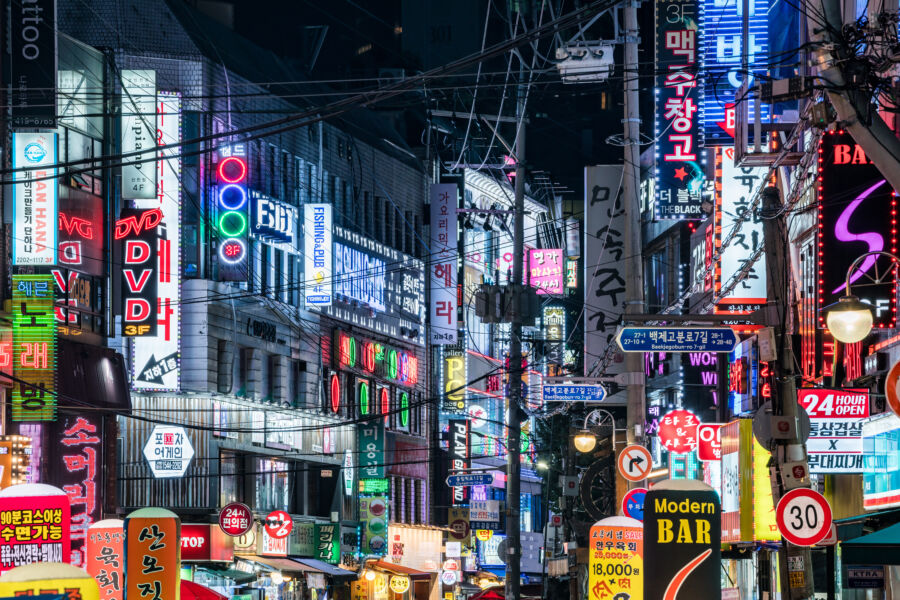
Korean nightlife is vibrant and varied. In Seoul, areas like Hongdae and Itaewon are packed with bars and clubs. Cover charges vary, but you can expect to pay $10 to $20 at popular spots.
For a truly Korean experience, try noraebang (karaoke). Rooms typically cost $15 to $30 per hour, split among your group. It’s a fun way to spend an evening with friends.
K-pop fans can book tickets to live shows or studio tours. Prices range from $30 for small venues to over $100 for big concerts.
Theme parks like Lotte World and Everland offer all-day fun. Tickets cost around $40 to $50 for adults. These parks blend rides with Korean culture for a unique experience.
Travel Essentials and Practical Tips
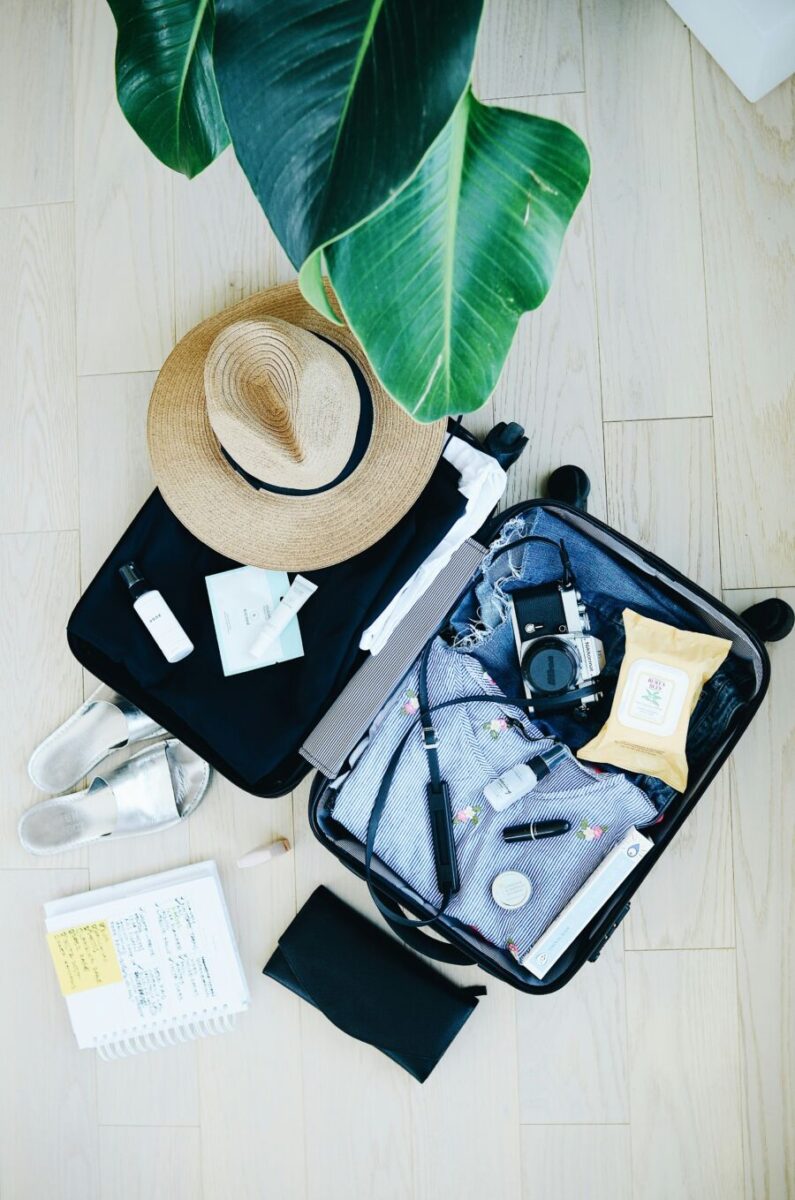
Planning ahead for your South Korea trip will save you time and money. Here are some key things to keep in mind as you prepare for your adventure.
Connectivity and Communications
Getting online in South Korea is easy and affordable. Pick up a local SIM card or portable WiFi device at the airport when you arrive. Prices start around 30,000 won for a week of data. Most cafes and public spaces offer free WiFi too.
Download some helpful apps before you go:
- Naver Maps for navigation
- KakaoTalk for messaging locals
- Papago for translations
Learn a few basic Korean phrases – locals really appreciate the effort! “Annyeonghaseyo” (hello) and “kamsahamnida” (thank you) will go a long way.
Health and Safety
South Korea is a very safe country, but it’s still smart to take basic precautions. Get travel insurance that covers medical care just in case. Pack any prescription meds you need, along with a small first aid kit.
Tap water is generally safe to drink, but many locals prefer bottled or filtered water. You’ll find clean public restrooms nearly everywhere.
If you have food allergies, learn how to communicate them in Korean. Nuts, eggs, and seafood are common in Korean cuisine.
Money and Expenses Management
The local currency is the South Korean won (KRW). Get some cash from ATMs when you arrive – they’re easy to find. Many places take credit cards, but smaller shops and markets often prefer cash.
Set a daily budget and track your spending. A typical day might look like:
- Accommodation: 50,000-100,000 won
- Food: 20,000-30,000 won
- Transport: 10,000-15,000 won
- Activities: 10,000-20,000 won
Save money by eating at local spots and using public transit. The T-Money card is great for buses and subways. Load it up and tap as you go.
Adapting to Local Customs and Etiquette

When visiting South Korea, it’s important to learn about local customs and etiquette. This will help you show respect and avoid embarrassing mistakes during your trip.
Korean Cultural Norms
Respect for elders is a big deal in Korea. Always use polite language with older people and those in positions of authority. Bow slightly when greeting someone, especially if they’re older or have a higher social status.
When eating, wait for the oldest person at the table to start before you dig in. It’s polite to pour drinks for others instead of yourself. Don’t stick your chopsticks straight up in your rice – this looks like incense sticks at a funeral.
Public displays of affection are frowned upon. Avoid hugging or kissing your partner in public. Koreans value harmony, so try not to cause a scene or lose your temper in public.
Language and Communication
Learning a few basic Korean phrases will go a long way. Try “annyeonghaseyo” for hello and “kamsahamnida” for thank you. Koreans appreciate when you make an effort with their language.
Speak softly in public places. Loud talking on public transport is seen as rude. When addressing someone, use their title and last name. First names are only for close friends.
Koreans may ask personal questions that seem nosy to Westerners. This is just their way of being friendly. You don’t have to answer if you’re not comfortable.
Traditions and Festivities
Korea has many exciting festivals throughout the year. Lunar New Year and Chuseok (harvest festival) are big deals. Families gather to eat special foods and perform ancestral rites.
People wear hanbok, traditional Korean clothing, at temples or cultural sites. It’s fun to try on hanbok yourself – many places rent them out.
K-pop and Korean dramas are huge parts of modern culture. Don’t be surprised to see crowds of fans waiting for a glimpse of their favorite stars. Buddhist temples offer a peaceful contrast to the bustling cities. Remember to remove your shoes before entering temple buildings.